English
 Español

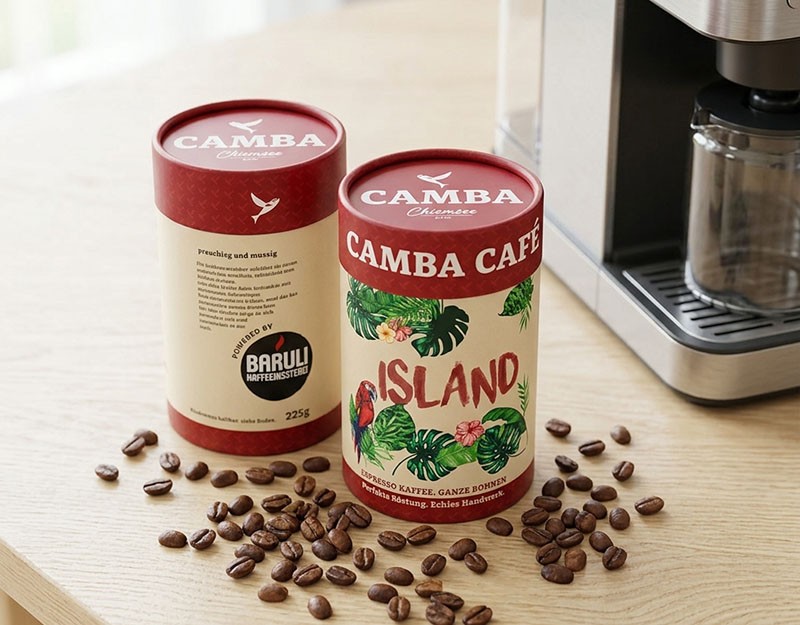
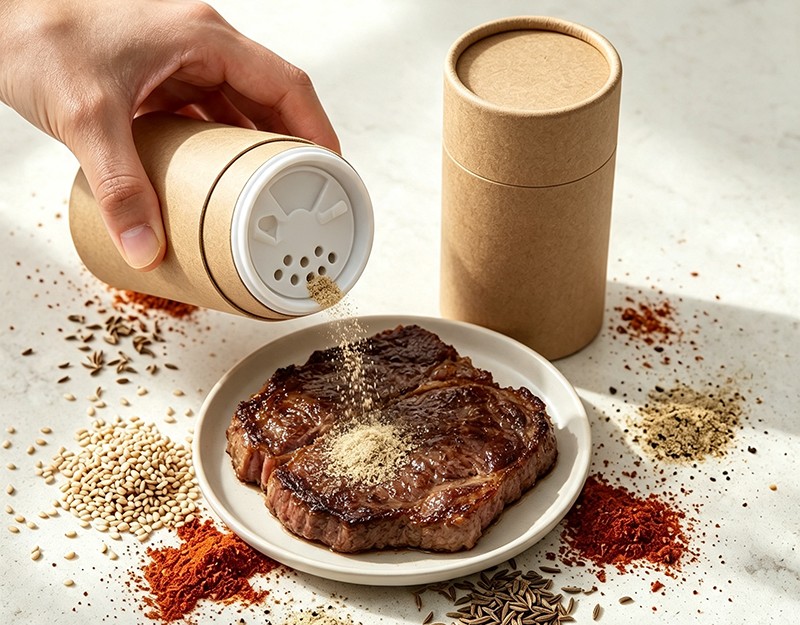

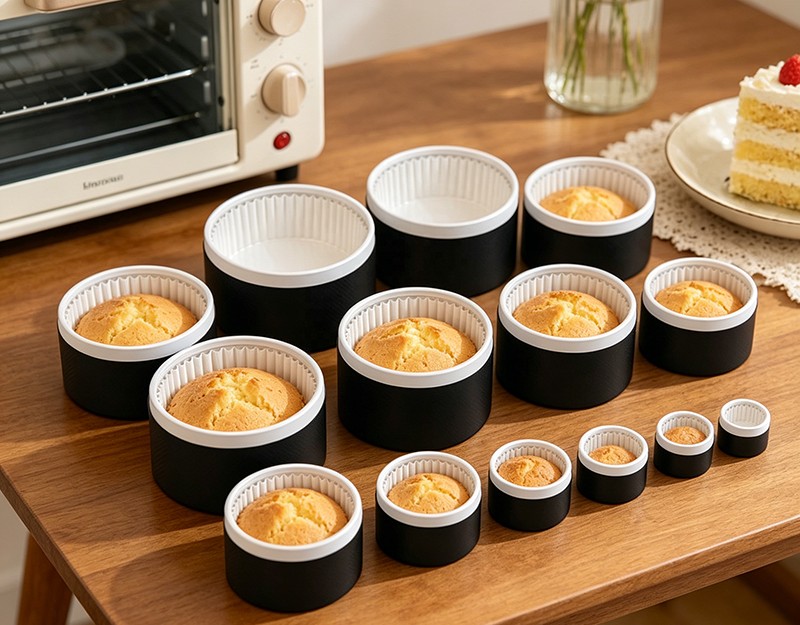
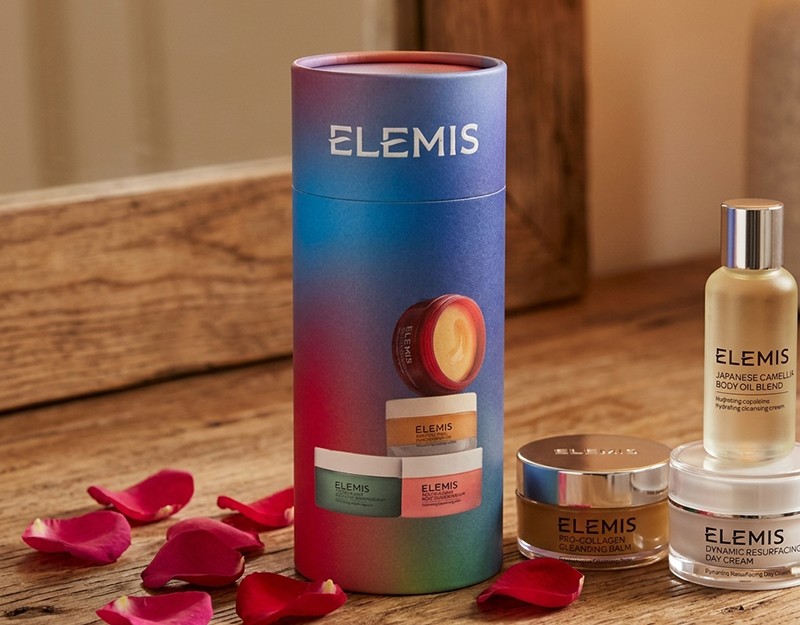
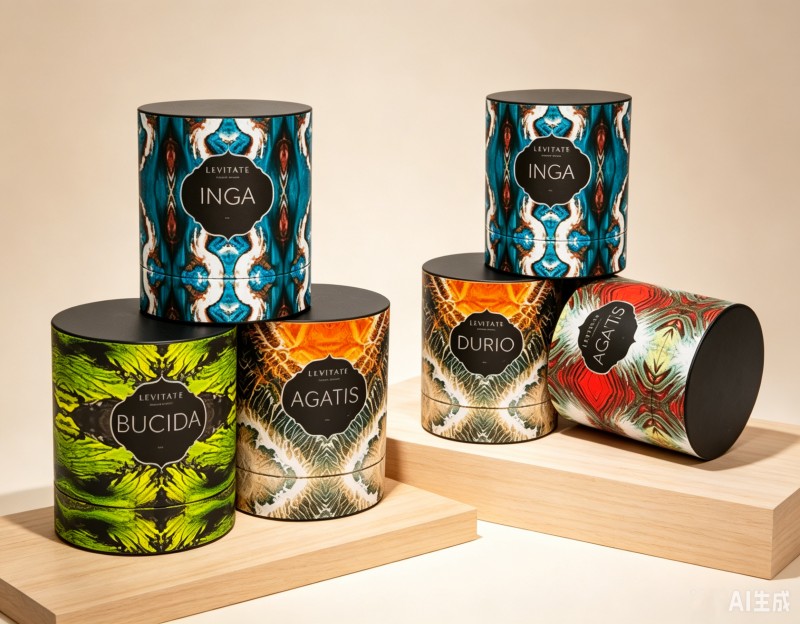
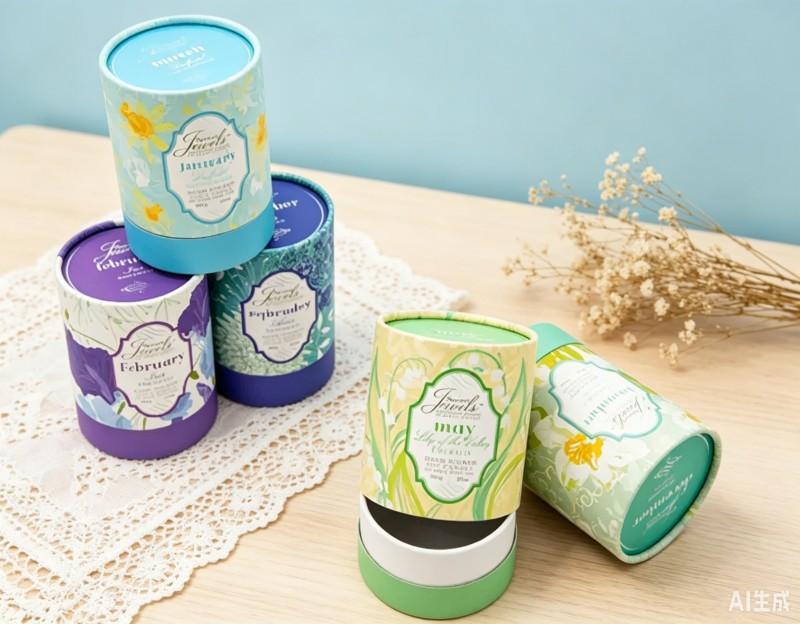
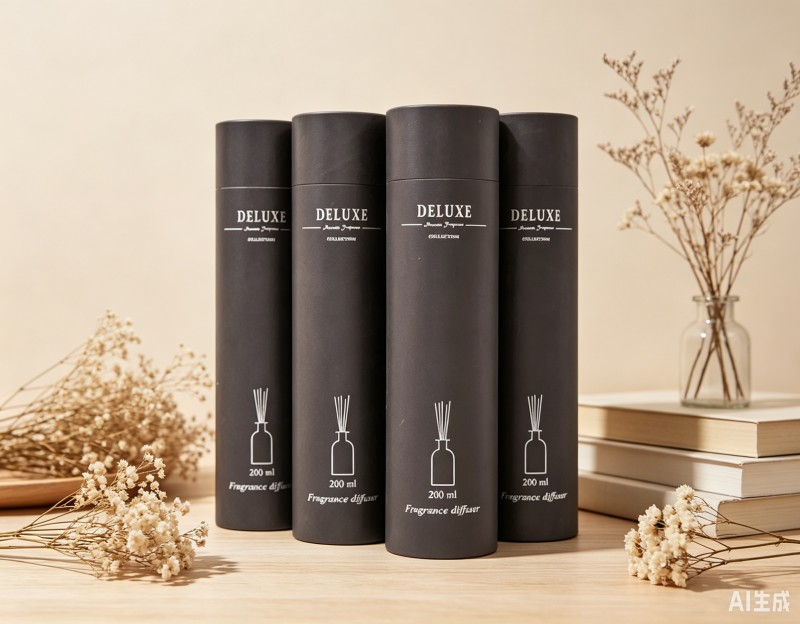
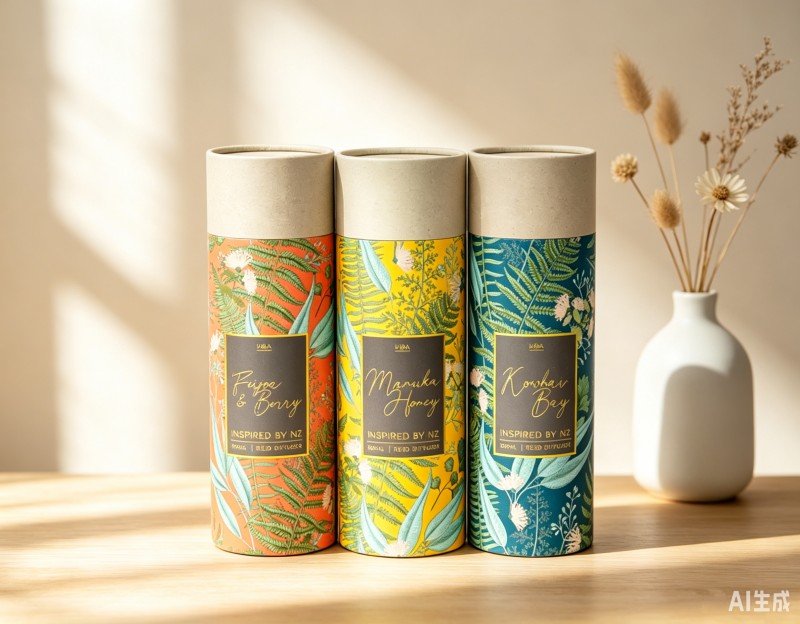
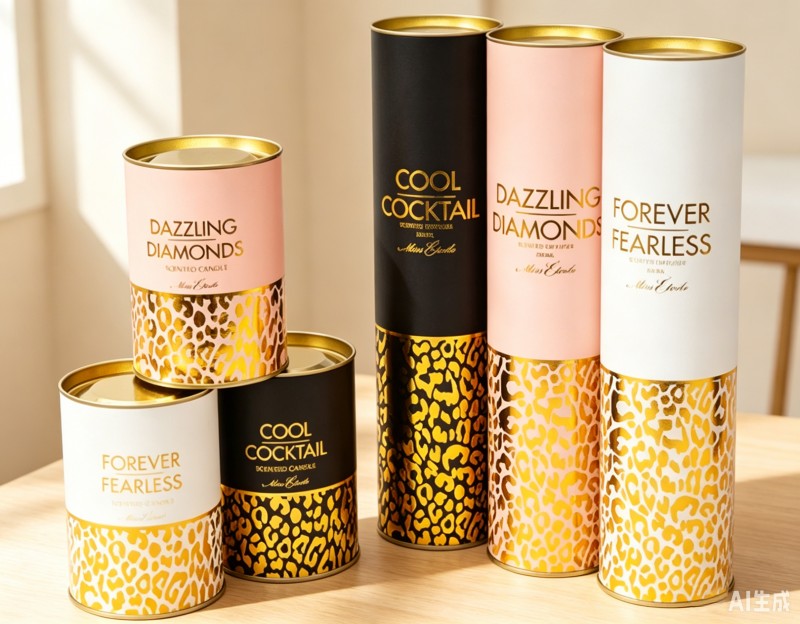
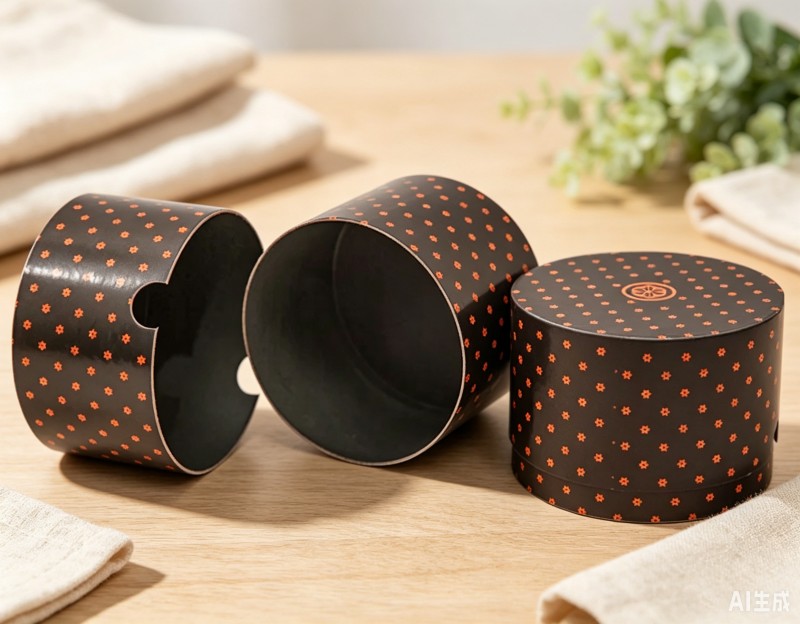
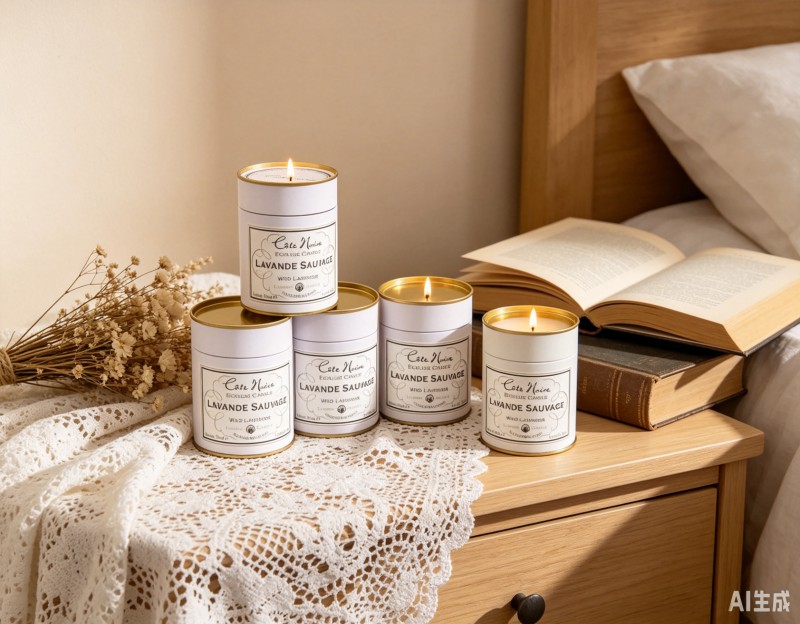

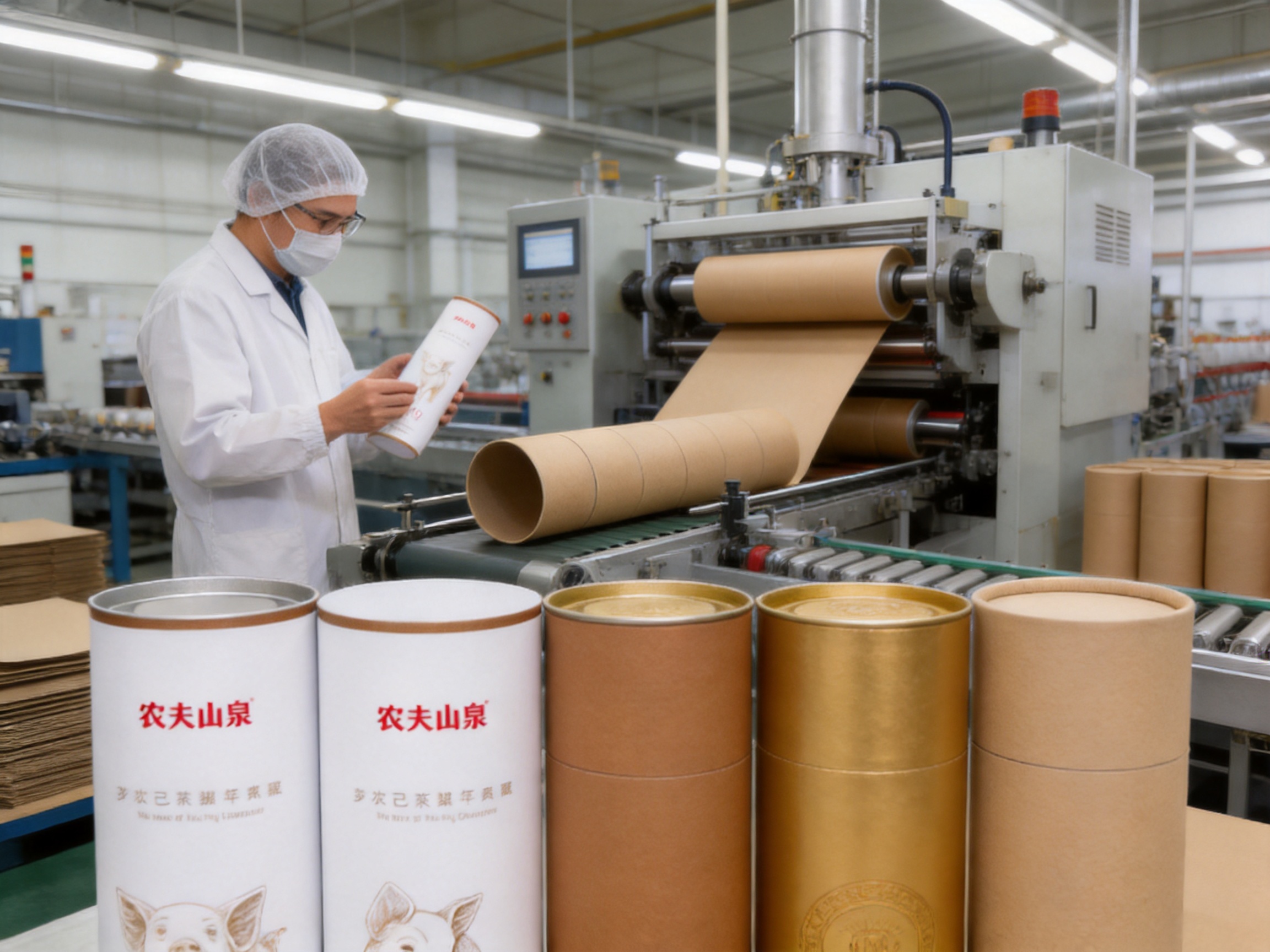
As one of the top China cardboard tube packaging manufacturers and paper tube packaging suppliers, we devote all of our efforts to research and launch more high quality packaging products to global market.
Premium wine packaging must do more than hold a bottle. It must protect the product through storage and transportation, communicate quality at first sight, create a memorable unboxing experience, and support the brand’s environmental objectives. The premium white round kraft paper wine packaging gift box is designed to meet these requirements in one refined cylindrical format. Combining a rigid kraft paper core, a white printed exterior, a 128 g art paper label, optional matt lamination, stamping, and custom decoration, this paper tube creates a sophisticated presentation for wine and other bottled beverages.
With an internal diameter of approximately 97–99 mm and a height of 380 mm, the tube is suitable for many standard wine bottle formats. The lid has a height of approximately 80 mm and receives a curling treatment on the paper lid to provide a neat, finished appearance. Its circular structure offers a distinctive alternative to conventional rectangular cartons, while the kraft paper construction provides strength without adding unnecessary weight.
Manufactured by Hangzhou Qunle Packaging Co., Ltd., a Chinese paper tube and composite can specialist with more than 20 years of industry experience, this packaging solution combines practical performance with high-end visual appeal. The company’s expertise in food, beverage, daily chemical, and fast-moving consumer goods packaging supports a manufacturing approach focused on consistency, customization, material efficiency, and reliable production.
Content
- 1 1. Why Premium Wine Packaging Matters
- 2 2. Product Overview and Main Specifications
- 3 3. Structural Strength of the Kraft Paper Core
- 4 4. Premium White Exterior and Visual Presentation
- 5 5. Offset Printing for Consistent Graphics
- 6 6. Matt Lamination and Tactile Refinement
- 7 7. Gold Foiling, Stamping, and Embossing
- 8 8. Lid Design and User Experience
- 9 9. White Paper Liner and Interior Presentation
- 10 10. Sustainability Advantages of Paper-Based Packaging
- 11 11. Advantages Compared with Conventional Packaging Formats
- 12 12. Customization for Wine Brands and Beverage Companies
- 13 13. Manufacturing Expertise of Hangzhou Qunle Packaging
- 14 14. Advanced Production Process
- 15 15. Quality Control Considerations
- 16 16. Applications Beyond Wine
- 17 17. Retail and Marketing Benefits
- 18 18. Design Recommendations for a Premium Result
- 19 19. Ordering and Development Process
- 20 20. Why Choose an Experienced Paper Tube Manufacturer
- 21 21. Frequently Asked Questions
- 21.1 What type of bottle is this paper tube designed for?
- 21.2 Is the wine gift box biodegradable?
- 21.3 Can the dimensions be customized?
- 21.4 Can the tube be printed with a full-colour design?
- 21.5 What is the purpose of matt lamination?
- 21.6 Is gold foiling available?
- 21.7 Can embossing be added?
- 21.8 Does the package include an inner bottle insert?
- 21.9 Is this packaging suitable for export shipping?
- 21.10 Can the lid be customized?
- 21.11 What industries can use this type of packaging?
- 21.12 What makes this packaging different from a standard carton?
- 21.13 How should artwork be prepared?
- 21.14 Does the manufacturer support custom orders?
- 22 22. Conclusion
- 23 References
- 24 Product: Premium White Round Kraft Paper Wine Packaging Gift Box with Embossing & Gold Foiling
1. Why Premium Wine Packaging Matters
Wine is often purchased for occasions that involve celebration, gifting, hospitality, or personal appreciation. In these situations, packaging becomes part of the product experience. A bottle placed in a plain carton may be functional, but a carefully designed cylindrical gift box can create anticipation before the bottle is even opened.
Packaging is also an important communication tool. The surface can display a wine label, origin story, tasting notes, vintage information, brand identity, or seasonal artwork. When the graphics are combined with metallic foil, embossing, or a refined matte surface, the package can communicate craftsmanship and exclusivity more effectively than an ordinary shipping box.
At the same time, premium packaging must remain practical. Wine bottles are heavy, fragile, and vulnerable to impact, compression, abrasion, and movement during transit. A successful gift box must therefore offer structural rigidity, suitable internal dimensions, a secure lid, and a surface that remains presentable through handling. Paper tube construction addresses these requirements by forming a strong cylindrical body from wound paper layers.
The round kraft paper wine box is particularly suitable for brands that want to balance luxury with responsible material selection. Instead of relying on a fully plastic structure or an unnecessarily heavy rigid box, it uses a paper-based body that is lightweight, printable, and biodegradable under suitable disposal conditions.
2. Product Overview and Main Specifications
This wine packaging gift box consists of a rigid round cardboard tube with a white exterior presentation and a kraft paper core. Its core function is to surround and protect a wine bottle while creating a premium visual experience for retail display, corporate gifting, holiday promotions, winery releases, and hospitality applications.
| Item | Specification | Packaging Benefit |
|---|---|---|
| Product type | Round kraft paper wine packaging gift box | Creates a distinctive cylindrical presentation for bottled beverages |
| Internal diameter | Approximately 97–99 mm | Designed to accommodate many standard wine bottle dimensions |
| Height | Approximately 380 mm | Provides coverage for a tall wine bottle and decorative presentation |
| Lid height | Approximately 80 mm | Supports a balanced closure and finished appearance |
| Core material | Kraft paper | Provides rigidity, durability, and a paper-based material profile |
| Exterior label | 128 g art paper | Offers a smooth surface for high-quality graphics and branding |
| Printing | Offset printing | Produces detailed images and consistent colour reproduction |
| Surface options | Matt lamination, stamping, labeling, embossing | Creates a refined tactile and visual finish |
| Lid treatment | Curling treatment on paper lid | Improves edge appearance and contributes to a polished finish |
| Interior | White paper liner | Creates a clean inner presentation and helps complete the package |
| Primary application | Wine and beverage packaging | Suitable for retail, gifting, events, and premium product launches |
| Material characteristic | Biodegradable paper-based construction | Supports packaging strategies that reduce dependence on plastic |
Because the product is custom manufactured, the listed dimensions should be treated as a reference specification rather than a universal limitation. Diameter, height, lid structure, label design, liner configuration, and decorative treatment can be adapted according to the bottle, target market, and brand requirements.
3. Structural Strength of the Kraft Paper Core
The kraft paper core is one of the most important performance features of this packaging. Paper tubes are produced by winding paper layers around a cylindrical form and bonding them into a rigid body. The resulting structure distributes external pressure around the circumference instead of concentrating it on a few corners, as may happen with a weak rectangular carton.
This cylindrical geometry can offer useful resistance to compression and handling pressure. During transportation, cartons may be stacked, shifted, loaded, unloaded, or exposed to vibration. A rigid tube helps maintain its form during these stages, reducing the risk of the outer package collapsing around the bottle.
The kraft core also provides a strong foundation for the printed exterior. The body does not depend solely on a thin decorative label for its shape. Instead, the paper core supplies the structural backbone, while the outer art paper and finishing layers provide the visual identity. This separation between structure and decoration allows the package to be attractive without sacrificing practical protection.
Compared with a thin folding carton, a rigid paper tube generally creates a more substantial hand feel. The customer can immediately sense that the package is designed as a gift rather than as a temporary shipping sleeve. That tactile impression can support premium positioning, particularly when the wine is sold at a higher price point or presented for a special occasion.
The internal diameter of approximately 97–99 mm is appropriate for many wine bottles, but exact compatibility should always be confirmed using the intended bottle sample. Bottle shoulders, glass thickness, closure type, label dimensions, and base shape may influence the required internal clearance. For products that need additional protection, internal paper inserts, pulp supports, or other customized components may be considered during development.
Protection from Impact and Compression
Wine bottles are vulnerable to impact because glass is rigid but brittle. A package cannot eliminate every transportation risk, but it can create a protective barrier around the bottle and reduce direct contact with external surfaces. The rigid tube body helps separate the bottle from handling forces, while a properly selected inner liner or insert can reduce movement inside the package.
The round format also avoids exposed rectangular corners that can become crushed or scuffed. Its curved exterior distributes contact over a broader surface and gives the package a smooth, durable profile. This is useful not only during transport but also when the package is displayed on shelves, counters, gift tables, or hospitality presentation areas.
Lightweight Construction for Shipping Efficiency
Protection does not have to mean excessive weight. The paper tube is designed to be rigid while remaining lighter than many heavy wooden or thick plastic gift boxes. Lower packaging weight can support more efficient shipping, easier handling, and a more comfortable customer experience.
Lightweight packaging may also help brands manage logistics costs when products are shipped in larger quantities. While final shipping performance depends on the bottle, secondary carton, pallet arrangement, and transport conditions, a paper-based gift box offers a practical balance between presentation and material efficiency.
4. Premium White Exterior and Visual Presentation
The white exterior gives the package a clean and versatile foundation. White packaging can communicate purity, precision, modernity, and sophistication. It also provides a flexible background for dark typography, colourful illustrations, metallic foil, embossed symbols, and minimalist brand systems.
For wine producers, the white surface can be used to reflect the personality of a particular collection. A winery may choose understated typography and a small emblem for a traditional reserve wine. A contemporary label may use geometric graphics and bold colour blocking. A holiday gift edition may combine seasonal patterns with gold or silver stamping. The same cylindrical structure can support each direction through customized surface treatment.
The art paper label provides a smooth, controlled surface for printing. Compared with a rough or highly porous substrate, art paper can support clean lines, fine text, subtle gradients, and detailed images. This is particularly important for wine packaging, where the design may include small origin statements, tasting descriptions, certification marks, or decorative linework.
White paper also helps metallic details stand out. Gold foil can create a warm, celebratory appearance, while silver foil may produce a cooler and more contemporary effect. Copper, holographic, coloured, and other custom foil options can be selected according to the visual direction of the product. Foil is especially effective when used selectively on logos, borders, bottle illustrations, names, or key decorative elements.
5. Offset Printing for Consistent Graphics
Offset printing is specified for the exterior artwork of this product. This printing method is widely used for high-quality packaging because it can deliver sharp details, stable colour reproduction, and a professional finish across production quantities.
For a wine gift box, print accuracy matters because the cylindrical surface wraps around the product. Artwork must be prepared with attention to the tube’s circumference, seam area, lid relationship, and viewing angle. Text and logos should be positioned so that important information remains easy to see when the package is placed upright on a shelf or presented by hand.
Offset printing can reproduce a wide range of brand styles. Natural illustrations, vineyard scenes, fine line drawings, photographic elements, colour gradients, and solid backgrounds can all be incorporated into the design. The smooth 128 g art paper label helps maintain image clarity and gives printed areas a premium appearance.
Colour management is another important advantage. When multiple units are produced for a launch, campaign, or retail programme, consistent colour helps maintain a unified brand appearance. This is particularly valuable when the same artwork is applied to gift boxes, bottle labels, cartons, brochures, or other promotional materials.
Before mass production, artwork should be reviewed for dimensions, bleed, colour mode, foil separation, embossing placement, barcode readability, and legal information. A physical proof or approved production sample can help confirm how the design behaves on the curved surface.
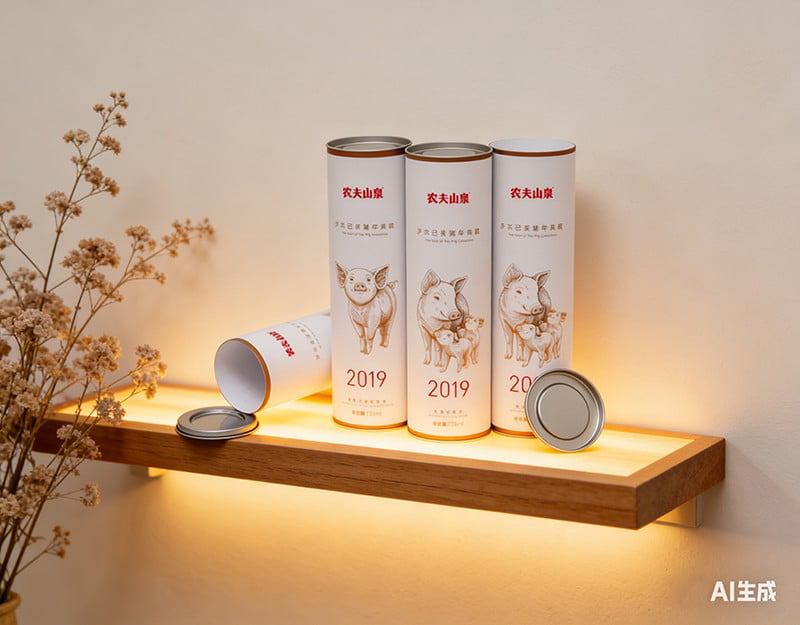
Premium White Round Kraft Paper Wine Packaging Gift Box with Embossing & Gold Foiling
6. Matt Lamination and Tactile Refinement
Matt lamination adds a smooth, non-reflective protective layer to the printed surface. It reduces glare and creates a velvety appearance that is well suited to premium wine presentation. Under retail lighting, a matte surface can make the package look calm, elegant, and controlled rather than overly glossy.
The tactile effect is equally important. When consumers pick up a gift box, the surface contributes to their perception of quality. A soft matte finish can make the tube feel more refined and deliberate. It may also help reduce the appearance of minor fingerprints and provide a degree of protection against surface scuffing during normal handling.
Matt lamination can be combined with stamping to create contrast. For example, a dark matte background with gold foil can produce a strong luxury effect. A white matte exterior with silver foil can support a clean and modern wine collection. Embossed details can be placed beneath or beside foil elements to add depth and create a layered tactile experience.
Although lamination improves surface performance, packaging designers should consider the complete sustainability profile of the selected finish. Brands that place a high priority on recycling and biodegradability may request material and finishing recommendations that balance appearance, durability, and end-of-life considerations. The paper-based structure remains an important foundation, but the final environmental profile depends on all components, coatings, adhesives, labels, and inserts.
7. Gold Foiling, Stamping, and Embossing
Stamping is used to apply metallic or specialty foil to selected parts of the design. Gold foiling is particularly suitable for wine gift packaging because it is associated with celebration, prestige, and craftsmanship. It can be applied to the product name, winery emblem, decorative frame, vintage year, or other high-priority elements.
Effective foil design is usually selective rather than excessive. A small amount of gold on a restrained white surface may create more impact than covering the entire package with metallic decoration. The goal is to guide the eye toward the product’s most important messages while preserving visual balance.
Embossing adds physical relief to the package. A raised logo, grapevine pattern, crest, map outline, or geometric border can be felt as well as seen. This makes the unboxing experience more memorable and gives the package a handcrafted or collector-oriented character.
Embossing and foil can be used together. A logo may be embossed to create depth and then finished with gold foil so that the raised surface catches the light. Alternatively, the package may use blind embossing, in which the design is raised without metallic colour. This approach can be especially effective for minimalist packaging.
When creating artwork for embossing and stamping, line thickness, spacing, registration, and substrate behaviour must be reviewed carefully. Very fine details may need to be adjusted to ensure that the finished result remains clear and consistent. Experienced packaging production teams can help transform a digital concept into a process-ready design.
8. Lid Design and User Experience
The lid is an essential part of the gift box because it completes the package visually and determines how the customer accesses the bottle. A well-finished lid should sit securely while remaining practical to remove. The approximately 80 mm lid height gives the package a substantial top section and helps create a balanced cylindrical silhouette.
The curling treatment on the paper lid contributes to a neat edge and a more finished appearance. Rounded or curled paper edges can feel smoother in the hand and reduce the unfinished look sometimes associated with basic paper packaging. The lid can also be coordinated with the body through matching artwork, contrasting colours, foil details, or a separate emblem.
For premium wine collections, the opening sequence can be designed as part of the product story. The customer may first see the exterior logo, then remove the lid to reveal the bottle and interior liner. A printed message, tasting guide, or occasion-specific note can be added to an appropriate inner surface if required.
The lid should be developed with the final bottle and any protective components in place. If an insert, neck support, tissue wrap, or accessory is included, the closure must have enough clearance to prevent pressure on the bottle or artwork. Testing the opening force and fit is important for maintaining a positive user experience.
9. White Paper Liner and Interior Presentation
The white paper liner creates a clean interior appearance and supports the premium positioning of the product. It can provide a consistent visual background around the bottle and help distinguish the packaging from a basic unlined tube.
Interior presentation is particularly important when the package is opened in front of a customer or gift recipient. A clean liner makes the bottle appear carefully positioned and reinforces the impression that the packaging has been designed as a complete system rather than assembled from unrelated parts.
Depending on the bottle shape and shipping requirements, the internal construction may be supplemented with paperboard supports, molded pulp components, dividers, or other protective elements. These additions should be selected according to the bottle’s weight, fragility, closure, and distribution route.
For direct-to-consumer shipping, the gift tube may also be placed inside a secondary transport carton. The decorative tube then serves as the presentation package, while the outer carton provides additional protection against logistics-related abrasion and impact. This two-level approach allows the premium package to reach the customer in good condition without requiring the decorative surface to perform every shipping function.
10. Sustainability Advantages of Paper-Based Packaging
Sustainability is increasingly important in beverage packaging. Consumers, retailers, and corporate buyers are looking for alternatives that reduce unnecessary plastic and make responsible use of renewable or paper-based materials. This wine box uses a kraft paper core and paper-based exterior components, giving it a biodegradable material foundation under appropriate disposal conditions.
The kraft paper structure supports a natural and authentic packaging story. Even when covered with a white printed label, the package retains the material efficiency and tactile familiarity associated with paper. Brands can use this construction to communicate a commitment to more responsible packaging without abandoning premium visual standards.
Paper packaging can also support efficient material use through custom sizing. A tube designed for the actual bottle can reduce excessive empty space and avoid the need for oversized packaging. Correct sizing may improve pallet utilization, reduce movement inside the package, and limit the quantity of secondary protective material required.
However, sustainability claims should be made accurately. The final environmental performance depends on the complete package, including coatings, foils, adhesives, liners, inserts, and disposal infrastructure. A responsible product description may state that the core construction is paper-based and biodegradable according to applicable conditions, while avoiding unsupported claims such as universal recyclability or complete compostability.
Brands can further improve the package’s environmental profile by selecting paper-based inserts, reducing unnecessary decorative layers, using responsible paper sources, optimizing dimensions, and providing clear disposal guidance. A well-designed paper tube can therefore support both premium presentation and a more thoughtful packaging strategy.
11. Advantages Compared with Conventional Packaging Formats
Compared with Folding Cartons
Folding cartons are efficient for many products, but they may not provide the same level of rigidity or tactile impact as a paper tube. Their flat panels and folded corners can be more vulnerable to creasing, especially when holding a heavy glass bottle. A rigid cylindrical tube creates a more substantial structure and a more distinctive gift presentation.
The round shape also offers a different visual language. While rectangular cartons are familiar, cylindrical packaging can stand out in a crowded retail environment. Its form can make the bottle feel like a special edition, gift item, or collectible product rather than a standard shelf unit.
Compared with Plastic Gift Containers
Plastic containers may provide durability, but they can conflict with sustainability goals and may create a less natural tactile impression. The paper tube offers a paper-based alternative with strong printability, a warm hand feel, and a biodegradable kraft core. It can deliver premium decoration without making the package dependent on a plastic outer shell.
Compared with Wooden Gift Boxes
Wooden boxes can create a luxurious appearance, but they are often heavier, bulkier, and more expensive to ship. They may also require additional hardware, coatings, or protective treatments. The kraft paper tube offers a lighter alternative that can still achieve a high-end appearance through art paper, matt lamination, foil, and embossing.
Compared with Standard Composite Tubes
A basic composite tube may provide strength but lack the visual refinement expected for premium gifting. This product is enhanced with a white exterior, 128 g art paper labeling, offset printing, optional matt lamination, stamping, and embossing. These finishing options allow the package to move from a purely functional container to a branded presentation piece.
| Comparison Factor | Premium Kraft Paper Wine Tube | Folding Carton | Plastic Gift Container | Wooden Gift Box |
|---|---|---|---|---|
| Structural feel | Rigid cylindrical body with substantial hand feel | Usually lighter and more flexible | Rigid, depending on plastic type | Very rigid and heavy |
| Visual differentiation | Distinctive round format | Familiar rectangular format | Can appear industrial or generic | Premium but traditional |
| Decoration potential | Offset printing, foil, matt lamination, embossing | Strong printability but limited tactile depth | Printing and labels may require special processes | Printing and engraving options vary |
| Shipping weight | Moderate and relatively lightweight | Low, but may require reinforcement | Variable | Usually high |
| Material profile | Paper-based kraft core and paper exterior | Paper-based | Plastic-based | Wood-based with possible metal hardware |
| Gift presentation | Strong premium presentation with customizable finishes | Functional to premium depending on construction | Modern but less paper-oriented | Luxury presentation with higher material intensity |
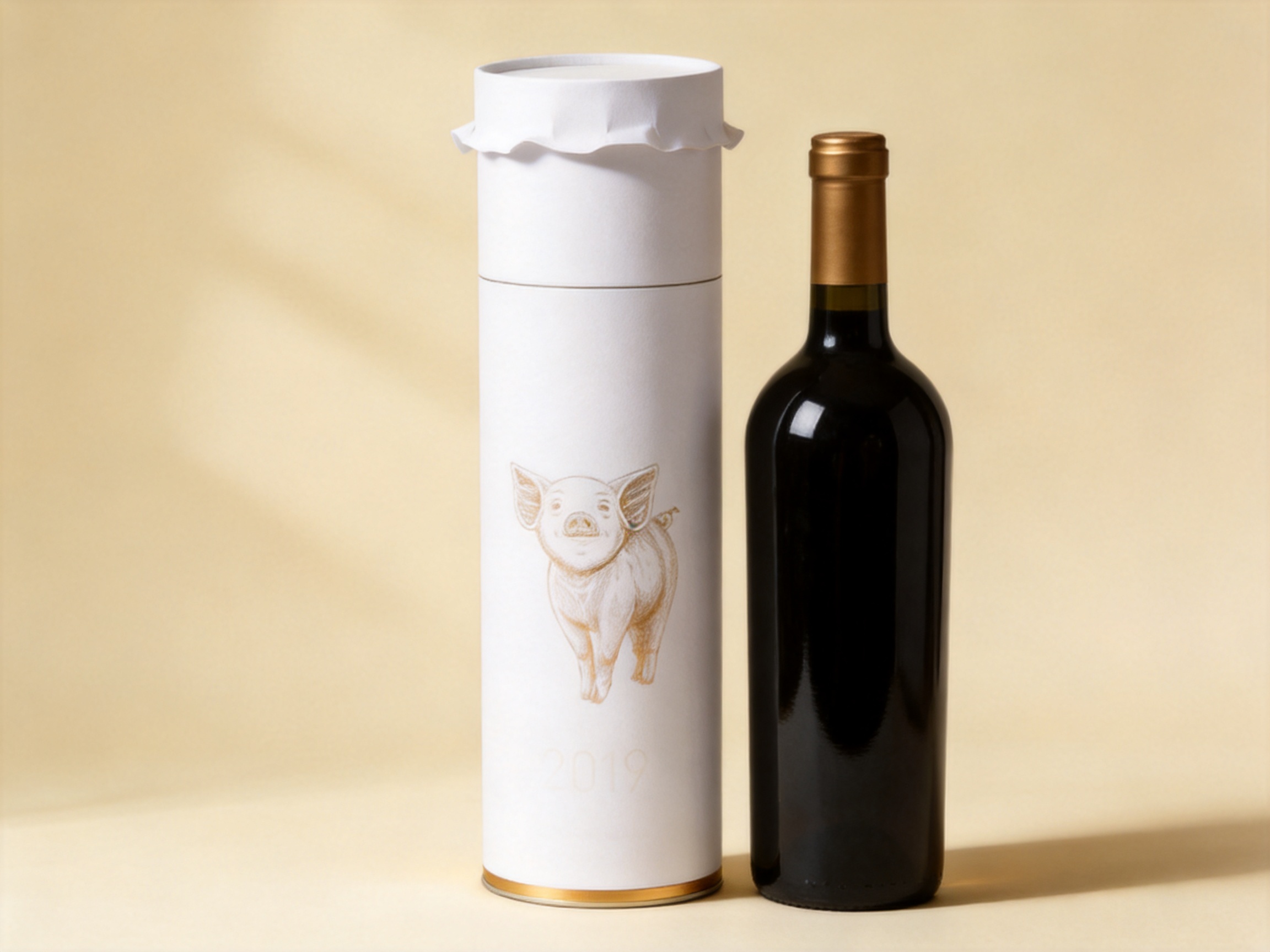
12. Customization for Wine Brands and Beverage Companies
Customization is central to the value of this product. The tube can be adapted to different wine varieties, bottle shapes, retail channels, and campaign objectives. A winery may request a simple white tube with a small gold logo, while another brand may require full-surface artwork depicting vineyards, regional landscapes, grapes, or cultural motifs.
Custom dimensions are important because wine bottles are not identical. Burgundy, Bordeaux, Champagne, sparkling wine, dessert wine, and specialty bottle formats can vary considerably in diameter, height, shoulder shape, and closure configuration. A packaging project should begin with a physical bottle specification or sample so that the tube and lid can be engineered accurately.
The external artwork can be coordinated with the bottle label. Matching typography, colours, foil tones, and illustrations helps create a unified product family. Alternatively, the tube can deliberately contrast with the bottle so that it functions as a separate gift layer. Both approaches are suitable depending on whether the package is intended to reinforce or reinterpret the bottle’s existing identity.
Seasonal and limited-edition packaging can also benefit from the tube format. Holiday releases, anniversary wines, corporate gifts, wedding favours, winery tourism collections, and festival promotions can each use a customized surface while retaining the same basic structural platform.
Additional customization may include special liners, printed interior panels, ribbon pulls, neck supports, paper inserts, tasting cards, certificates, or coordinated outer cartons. Every added component should be reviewed for compatibility with the bottle, assembly method, shipping conditions, and desired sustainability profile.
13. Manufacturing Expertise of Hangzhou Qunle Packaging
Hangzhou Qunle Packaging Co., Ltd. has been engaged in the composite can and paper can industry for more than 20 years. This long operating history is relevant to the production of paper tube wine packaging because consistent tube quality depends on process control, material selection, winding accuracy, printing coordination, finishing, and inspection.
The company is identified as a member of the international Composite Can and Tube Institute and has developed experience across food, daily chemical, fast-moving consumer goods, beverage, and other packaging categories. This cross-industry background supports an understanding of how different products create different demands for strength, hygiene, decoration, and shelf performance.
Qunle Packaging was also the first enterprise in China to pass the QS certificate for producing food packaging containers, according to the supplied company information. Experience with food-related packaging requirements can be valuable for beverage customers who need careful attention to material suitability, production hygiene, documentation, and quality procedures.
The company has established partnerships with well-known businesses and brands in sectors including food, tea, coffee, dairy, beverages, and confectionery. These relationships indicate experience in handling commercial packaging programmes that require repeatability, supply coordination, and attention to brand presentation.
In 2015, the company introduced a high-speed composite can production line from Europe. Investment in advanced production equipment can improve manufacturing capacity, process stability, and production efficiency. For customers, this may support more reliable delivery of repeated orders and better consistency between production batches.
The company has obtained more than 10 patented technologies and continues to research and launch paper-based packaging products for global markets. Its expertise is therefore not limited to one standard tube. The broader capability includes developing packaging structures for changing product requirements, new decorative effects, and different industrial applications.
14. Advanced Production Process
Step 1: Requirement Review
Production begins with a review of the bottle, dimensions, target quantity, artwork, surface finish, lid structure, liner, and shipping environment. The internal diameter and height must be matched to the bottle, while the lid must be designed to provide a secure but practical fit.
At this stage, the packaging supplier can also evaluate whether the product needs an insert or additional protection. Early technical review helps prevent problems such as insufficient clearance, excessive movement, interference between the lid and bottle closure, or artwork placed too close to the seam.
Step 2: Material Selection
The kraft paper core is selected according to the required rigidity, thickness, application, and production method. The exterior art paper is chosen for print quality and surface appearance. A white paper liner is used to provide a clean interior finish.
Material selection may also consider the intended decoration. Foil stamping, embossing, lamination, and labeling each interact with the paper surface differently. Coordinating the materials at the beginning helps achieve a stable and attractive final result.
Step 3: Tube Winding and Body Formation
Paper layers are wound around a cylindrical mandrel to create the tube body. The winding direction, adhesive application, layer alignment, and pressure control influence the body’s rigidity and dimensional stability. A controlled process helps ensure that the tube remains round and maintains the required internal diameter.
The body is then cut or finished to the specified height. Accurate cutting is important because uneven ends can affect the fit of the lid and the overall appearance when the tube stands upright.
Step 4: Exterior Wrapping or Label Application
The 128 g art paper label is printed and applied to the kraft paper body. Correct alignment is needed to ensure that the design follows the cylindrical surface smoothly and that the seam is positioned appropriately. Bubbles, wrinkles, lifting edges, and misalignment can reduce the perceived quality of a premium package, so application control is essential.
Step 5: Printing and Surface Finishing
Offset printing creates the primary artwork. After printing, matt lamination may be applied to protect and refine the surface. Stamping is then used for gold, silver, or other foil effects, while embossing may add physical relief to selected design features.
Finishing operations must be sequenced correctly. The production team needs to consider registration between printed graphics and foil, the interaction between lamination and stamping, and the depth and position of embossed areas. These details are especially important on a curved package where even small errors may be visible.
Step 6: Lid Curling and Assembly
The paper lid receives a curling treatment to produce a clean and finished edge. The lid is checked for roundness, height, fit, and surface consistency. If the lid carries separate artwork or foil decoration, it must also be coordinated with the body’s design.
Step 7: Inspection and Packing
Finished tubes are inspected for dimensions, printing quality, surface defects, lid fit, label alignment, foil clarity, embossing definition, and general appearance. Packaging components are then arranged for shipment in a way that helps prevent crushing, scuffing, moisture exposure, or deformation during handling.
15. Quality Control Considerations
Quality control for premium wine tubes should cover both measurable specifications and visual standards. Dimensional checks confirm that the internal diameter, height, lid height, and wall structure correspond to the approved sample. These measurements are essential for bottle compatibility and consistent assembly.
Visual inspection evaluates colour, registration, label alignment, foil coverage, embossing depth, lamination uniformity, edge quality, and surface cleanliness. A package may be structurally sound but still fail to meet premium expectations if the finish contains visible wrinkles, scratches, stains, or inconsistent metallic details.
Fit testing should be performed with the intended bottle or a representative sample. The bottle should enter and exit smoothly, remain stable during normal handling, and avoid excessive pressure from the lid. If the package will be shipped through parcel networks, additional transport testing may be appropriate.
Depending on the customer’s requirements, testing may include compression evaluation, vibration testing, drop testing, humidity exposure, stacking simulation, and transit trials. The exact test plan should reflect the distribution route and the level of protection expected from the gift tube.
Documented approval samples are useful for repeat orders. They provide a reference for colour, finish, structure, and overall appearance. When an order is reproduced months later, the approved sample can help maintain continuity across production batches.
16. Applications Beyond Wine
Although designed primarily for wine packaging, the cylindrical structure can be adapted for other bottled beverages and premium gift products. It may be suitable for spirits, liqueurs, specialty oils, syrups, beverage concentrates, and selected non-food products when the dimensions and material requirements are appropriate.
The same paper tube platform can also be developed for coffee, tea, nutrition products, cosmetics, skincare, candles, fragrances, snacks, nuts, confectionery, and gift items. The supplied product category range reflects the company’s broader experience with premium paper tube packaging and airtight paper canister applications.
For food applications, material suitability and barrier requirements must be assessed carefully. Products that require strong moisture, oxygen, aroma, or grease protection may need specialized liners or composite structures. The wine gift box described here is primarily intended as an outer presentation package, and its suitability for direct food contact should not be assumed without technical confirmation.
The round format is also useful for promotional packaging. A company may use a customized tube to present a bottle alongside tasting glasses, accessories, greeting cards, or seasonal materials. The internal space and insert design should be developed around the complete gift set.
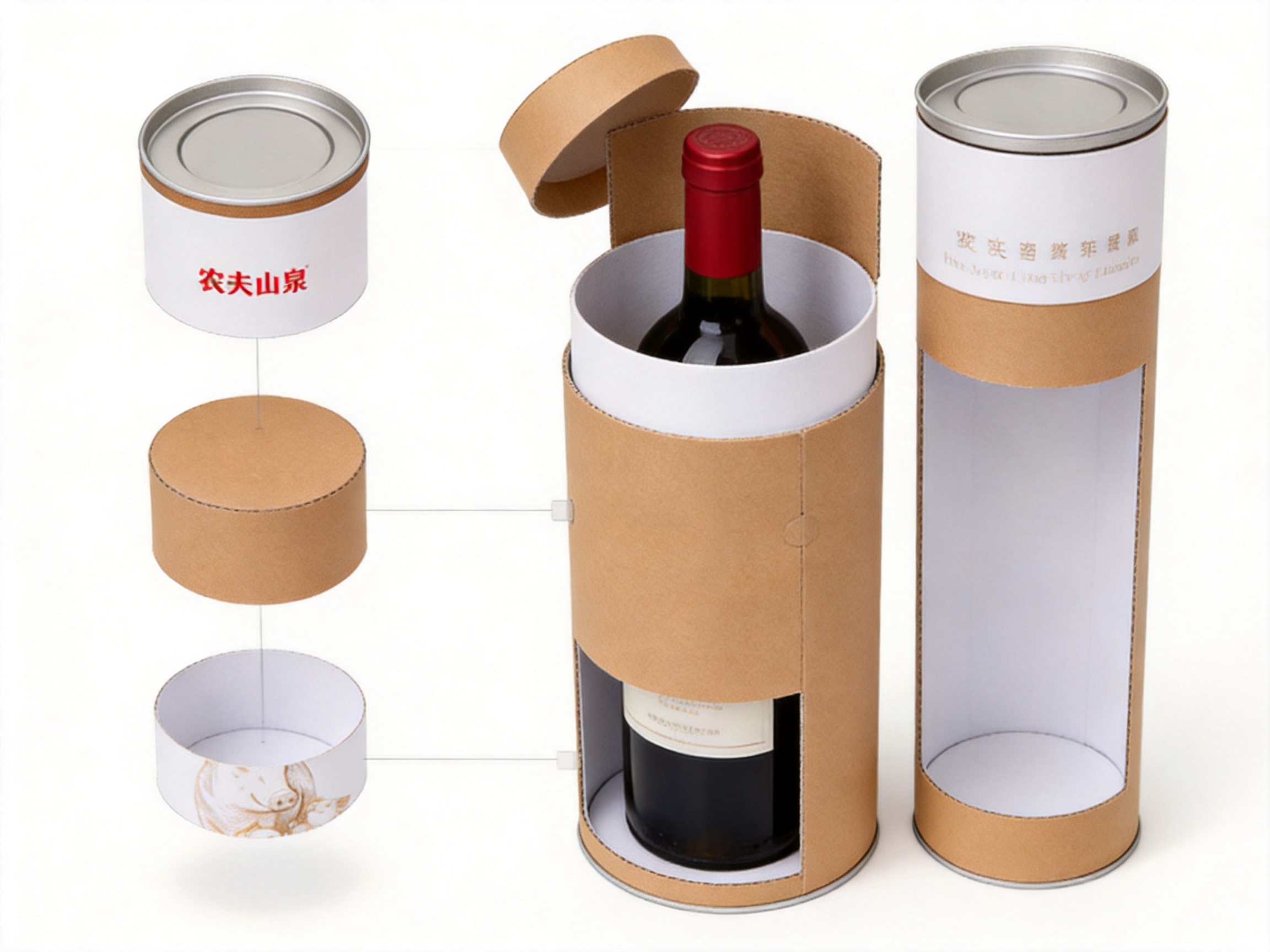
17. Retail and Marketing Benefits
Packaging is often the first physical contact between a customer and a product. A premium round tube can attract attention through its shape before the consumer reads any text. Once picked up, the rigid body, smooth white exterior, and tactile finishing communicate additional information about the wine’s positioning.
The package can function as a silent salesperson. Gold foil may highlight the wine’s name, embossing may reinforce a crest or origin symbol, and a carefully printed label may tell the product story. These features can help a bottle stand apart from competitors without requiring a large amount of additional packaging material.
For e-commerce, presentation remains important even though the initial purchase may occur online. Customers often share images of premium packaging, gift sets, and unboxing experiences through social media or private messaging. A distinctive cylindrical box can therefore contribute to organic product visibility and strengthen the emotional value of receiving the wine.
For corporate gifting, the tube offers space for personalized artwork, event dates, company messages, and coordinated colours. It can be adapted for conferences, client appreciation programmes, hospitality events, employee rewards, and seasonal campaigns.
For wineries, packaging can also support direct sales at visitor centres and tasting rooms. A bottle placed in a premium gift tube is easier to present as a complete gift, potentially encouraging customers to purchase for friends, family, business partners, or special occasions.
18. Design Recommendations for a Premium Result
Keep the Primary Message Clear
The product name, wine type, vintage, or brand emblem should remain easy to locate. Decorative elements should support the primary message rather than make it difficult to read. On a cylindrical surface, a clear visual hierarchy is especially important because not all design elements are visible from one angle.
Use Foil with Restraint
Gold foiling is most effective when it emphasizes important details. Thin borders, logos, lettering, seals, and selected illustrations can create elegance without making the package visually crowded. A restrained foil approach may also help control decoration costs.
Consider the Viewing Angle
Artwork should be positioned according to how the tube will be displayed. If it will stand upright, the front-facing panel should be clear and balanced. If it will be placed horizontally or packed into a gift set, the design may need to work from multiple angles.
Coordinate the Lid and Body
The lid should feel like part of the same package. It may repeat the logo, continue a pattern, use a contrasting colour, or display a small metallic detail. A disconnected lid can reduce the quality of an otherwise excellent design.
Design for Production, Not Only for Screens
Digital artwork may appear perfect on a monitor but behave differently on paper, foil, curved surfaces, or embossed areas. Production files should be prepared with the tube’s actual dimensions, seam, tolerances, finishing processes, and material characteristics in mind.
19. Ordering and Development Process
A typical project begins with the customer providing the bottle dimensions, product information, target quantity, preferred materials, artwork, and desired delivery schedule. If the customer does not yet have finalized artwork, the packaging team can generally discuss suitable decoration methods and structural options.
The next stage is technical confirmation. The supplier reviews the internal diameter, height, lid design, label format, liner, and any required inserts. For a bottle with unusual dimensions, a physical sample may be necessary before the final structure is approved.
Artwork is then prepared for offset printing, foil stamping, embossing, and other finishing operations. A digital proof can confirm layout, while a physical sample is useful for evaluating colour, fit, tactile feel, and overall presentation.
After sample approval, the order moves into production. The manufacturing team forms the tubes, applies the printed exterior, completes the surface treatments, finishes the lids, performs inspection, and packs the products for delivery.
Customers should communicate whether the tube will be used for retail display, local gifting, export shipping, e-commerce fulfilment, or a combination of applications. This information helps determine whether additional secondary packaging or internal protection is needed.
20. Why Choose an Experienced Paper Tube Manufacturer
Paper tube packaging may appear simple from the outside, but achieving repeatable quality requires coordinated control of several processes. The tube must remain round, the wall must maintain its rigidity, the label must align accurately, the lid must fit consistently, and the surface treatment must meet the approved visual standard.
An experienced manufacturer can identify potential problems earlier in the development process. For example, the supplier may recognize that a particular foil detail is too fine for the selected substrate, that a bottle needs additional clearance, or that a certain insert could interfere with the lid. Early technical guidance can reduce rework and shorten the path from concept to production.
Manufacturing depth is also important for repeat orders. A packaging programme may begin with a limited-edition wine and later expand to multiple flavours, vintages, or bottle sizes. A supplier with broad paper tube capabilities can help maintain a consistent family appearance while adapting the structure to new products.
Qunle Packaging’s long-term focus on composite cans and paper tubes, high-speed European production equipment, patented technologies, and experience across multiple industries provides a strong foundation for this type of project. Its capabilities are relevant not only to the appearance of the gift box but also to the reliability and scalability of the manufacturing process.
21. Frequently Asked Questions
What type of bottle is this paper tube designed for?
The tube is intended primarily for wine bottles and has a reference internal diameter of approximately 97–99 mm and a height of approximately 380 mm. Exact compatibility depends on the bottle’s shape and dimensions, so a sample or complete bottle specification should be reviewed before production.
Is the wine gift box biodegradable?
The product uses a kraft paper core and paper-based exterior components and is described as biodegradable. The final disposal characteristics depend on the complete construction, including lamination, foils, adhesives, liners, and inserts. Customers should confirm the applicable requirements for their market.
Can the dimensions be customized?
Yes. The product is a custom paper tube packaging solution. Diameter, height, lid dimensions, liner configuration, and internal supports can be discussed according to the bottle and application.
Can the tube be printed with a full-colour design?
Yes. Offset printing is specified for the exterior, and the 128 g art paper label provides a smooth surface for detailed artwork, logos, text, illustrations, and colour backgrounds.
What is the purpose of matt lamination?
Matt lamination creates a smooth, non-reflective surface with a soft tactile feel. It can enhance the premium appearance of the package and provide additional surface protection during normal handling.
Is gold foiling available?
Yes. Stamping can be used for gold foil, silver foil, or other custom metallic effects. Foil is commonly applied to logos, names, borders, seals, and decorative details.
Can embossing be added?
Yes. Embossing can raise selected design elements, such as logos, symbols, patterns, or borders. Embossing may be combined with foil stamping for a more pronounced premium effect.
Does the package include an inner bottle insert?
The listed specification includes a white paper liner, but a separate protective insert is not specifically confirmed. If the bottle requires additional stabilization, the insert structure should be discussed during product development.
Is this packaging suitable for export shipping?
The rigid kraft paper tube provides useful protection for presentation and handling, but export shipping conditions vary. For long-distance or parcel delivery, the tube should normally be evaluated together with a suitable secondary shipping carton and any required internal protection.
Can the lid be customized?
Yes. The lid height is listed as approximately 80 mm and receives a curling treatment. Artwork, colour, foil, and other appearance details can be coordinated with the main body, subject to production review.
What industries can use this type of packaging?
Wine is the primary application, but similar paper tube structures may be adapted for spirits, coffee, tea, nutrition products, confectionery, cosmetics, skincare, candles, fragrances, snacks, gifts, and other products. Suitability depends on dimensions, protection, barrier, and regulatory requirements.
What makes this packaging different from a standard carton?
The round rigid structure provides a stronger and more distinctive hand feel, while the combination of kraft paper, white art paper, offset printing, matt lamination, stamping, and embossing creates a more premium presentation than many basic folding cartons.
How should artwork be prepared?
Artwork should be prepared according to the approved tube template and should account for the seam, curved surface, bleed, foil areas, embossing areas, colour requirements, and important text. A production proof should be approved before mass manufacturing.
Does the manufacturer support custom orders?
Yes. The product information identifies custom orders as accepted. Customers can discuss dimensions, paper materials, printing, finishing, lids, liners, and application requirements with the manufacturer.
22. Conclusion
The premium white round kraft paper wine packaging gift box combines structural protection, elegant presentation, customization, and a paper-based material profile. Its rigid kraft core helps protect the bottle from ordinary handling pressure while keeping the package lighter and more efficient than many heavy gift box alternatives. The cylindrical shape creates strong shelf and gifting appeal, and the white exterior provides a clean foundation for detailed offset printing.
The 128 g art paper label, matt lamination, gold or silver stamping, embossing, curling-treated lid, and white paper liner work together to create a complete premium experience. These features allow wineries, beverage companies, retailers, and corporate gift suppliers to develop packaging that reflects product quality and communicates a clear visual identity.
Its greatest advantage is the balance between function and appearance. The tube is not merely decorative, nor is it only a protective container. It is a branded presentation system that can help a wine product stand out while supporting more responsible paper-based packaging objectives.
Backed by more than two decades of composite can and paper tube experience, advanced production equipment, patented technologies, and broad industry knowledge, Hangzhou Qunle Packaging Co., Ltd. is positioned to support custom wine packaging projects from structural development through finished production. For brands seeking a distinctive, durable, and customizable wine gift box, this round kraft paper tube offers a practical foundation for premium product presentation.
References
1. Product specification information supplied for the premium white round kraft paper wine packaging gift box, including dimensions, materials, printing, finishing, lid, and liner details.
2. Packaging development principles relating to rigid paper tubes, cylindrical structural design, bottle protection, and custom packaging engineering.
3. General industry guidance on offset printing, art paper labeling, matt lamination, foil stamping, embossing, and packaging quality control.
4. Company information supplied for Hangzhou Qunle Packaging Co., Ltd., including its composite can and paper tube manufacturing history, production capabilities, certifications, partnerships, and patented technologies.
5. General sustainability considerations for paper-based packaging, including material selection, packaging optimization, finishing layers, and end-of-life evaluation.