 English
 Español

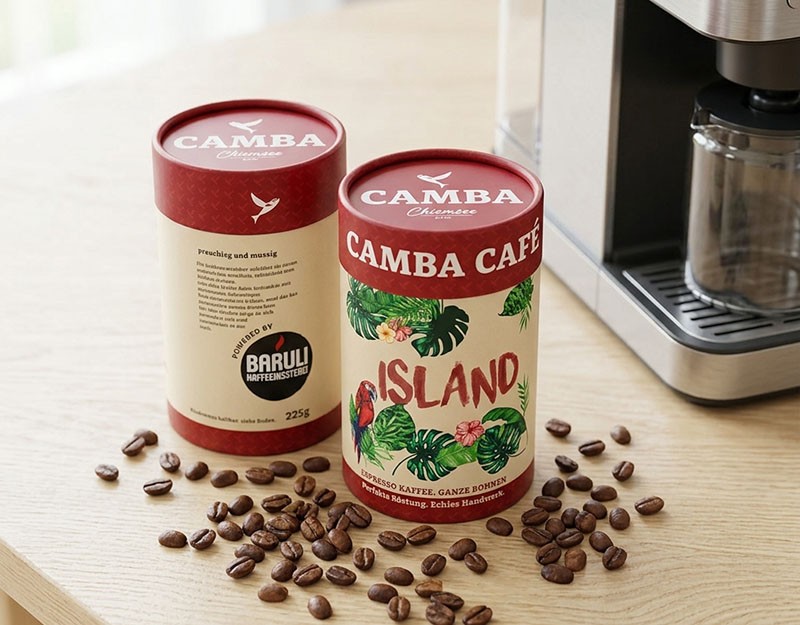
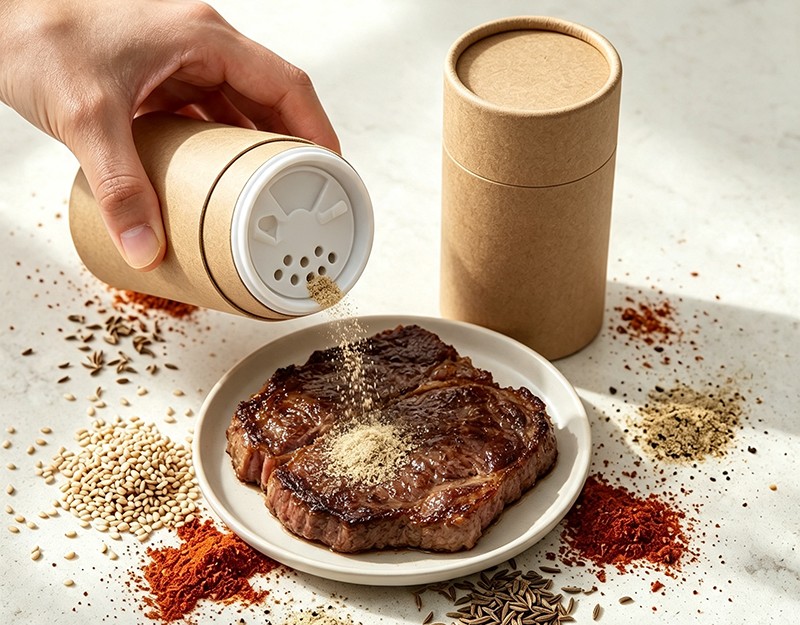
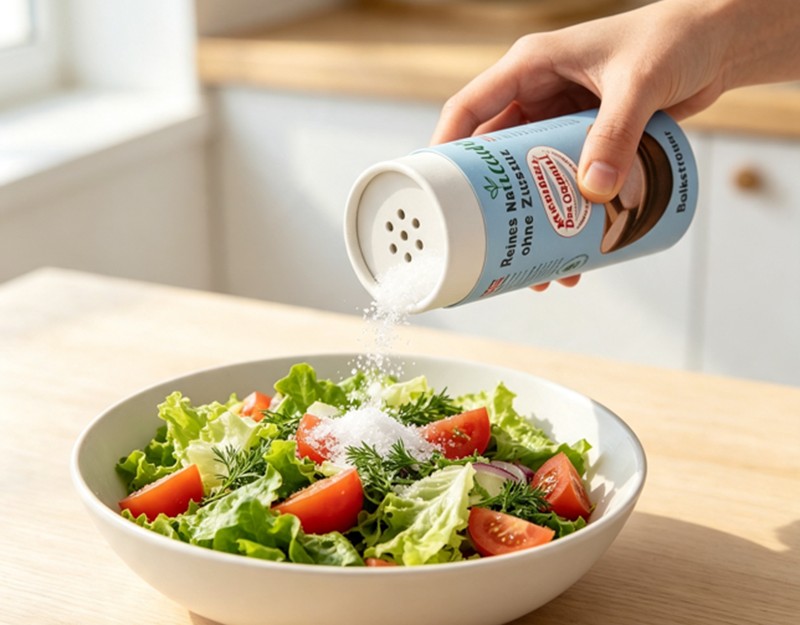
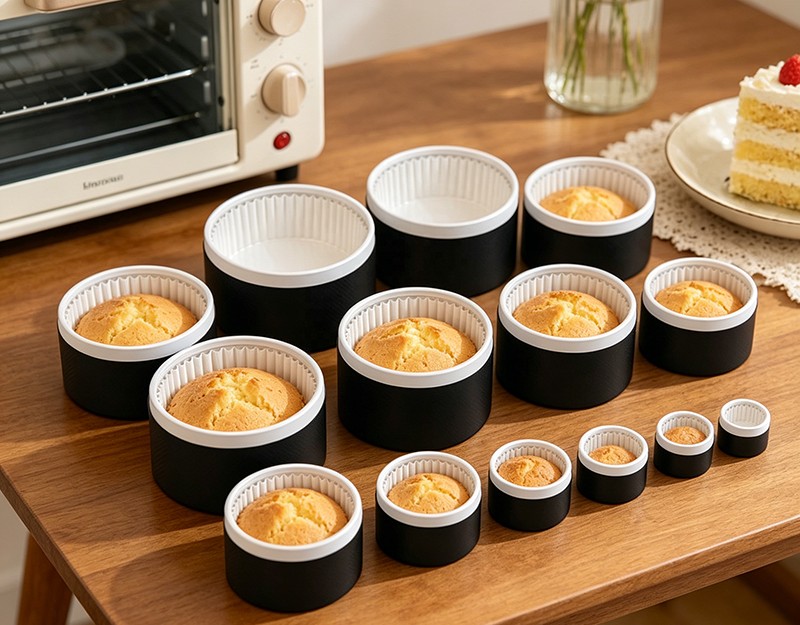

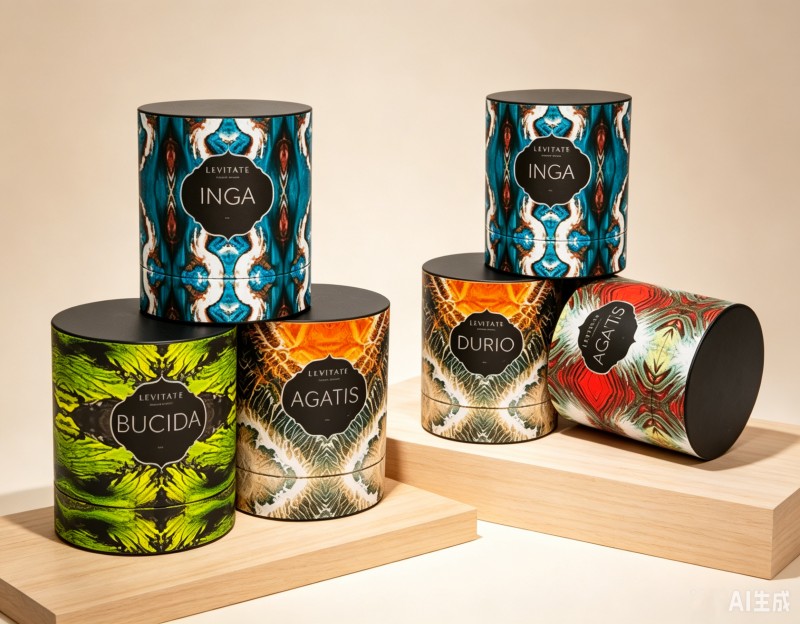
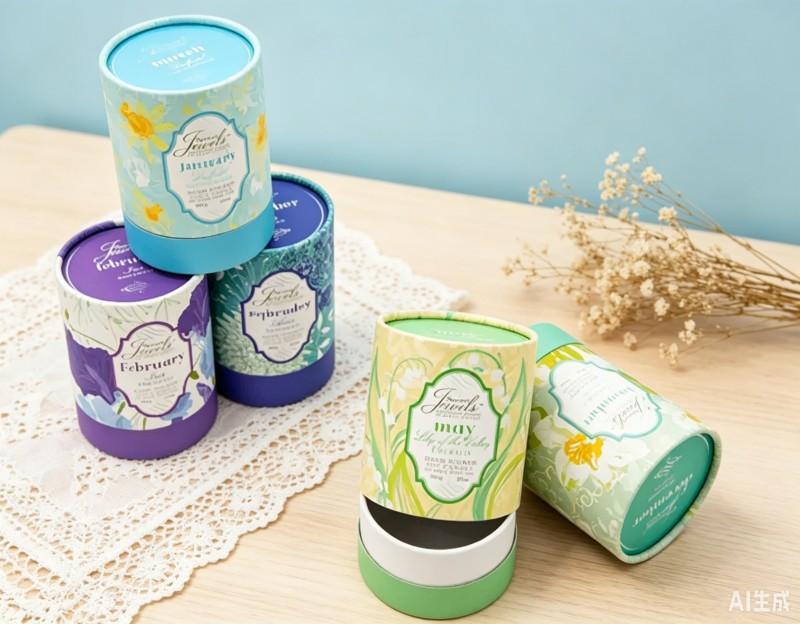
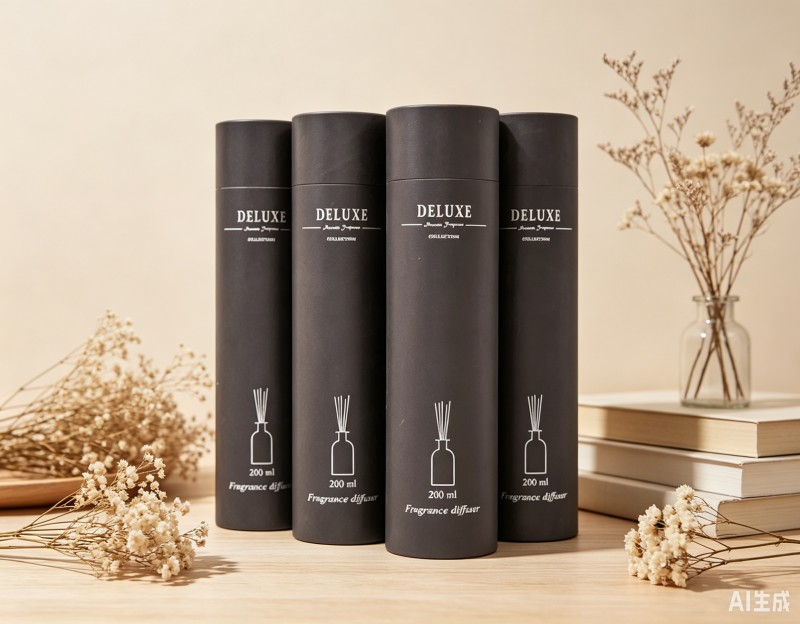
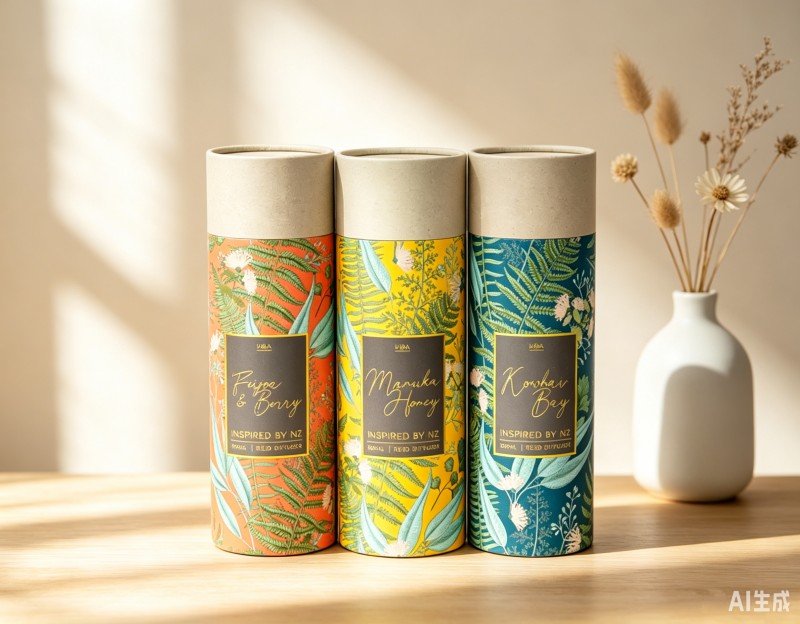
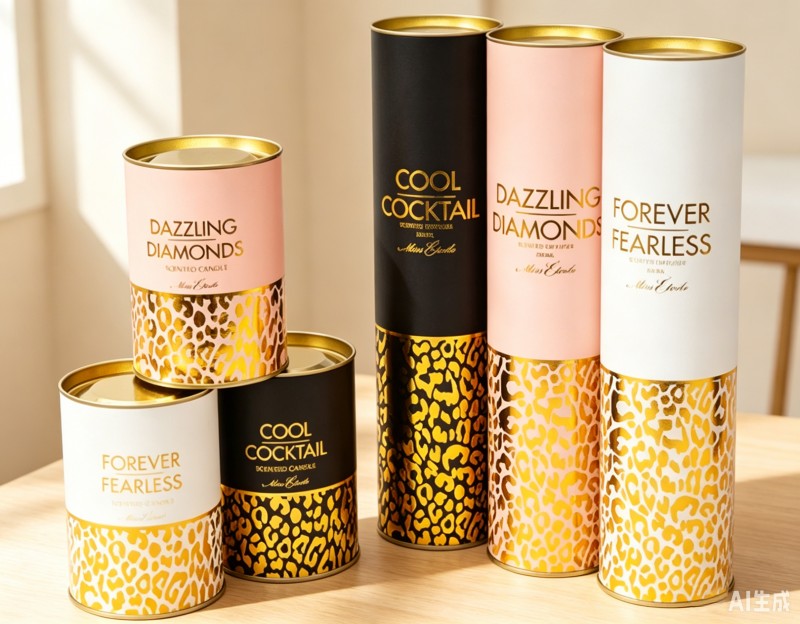
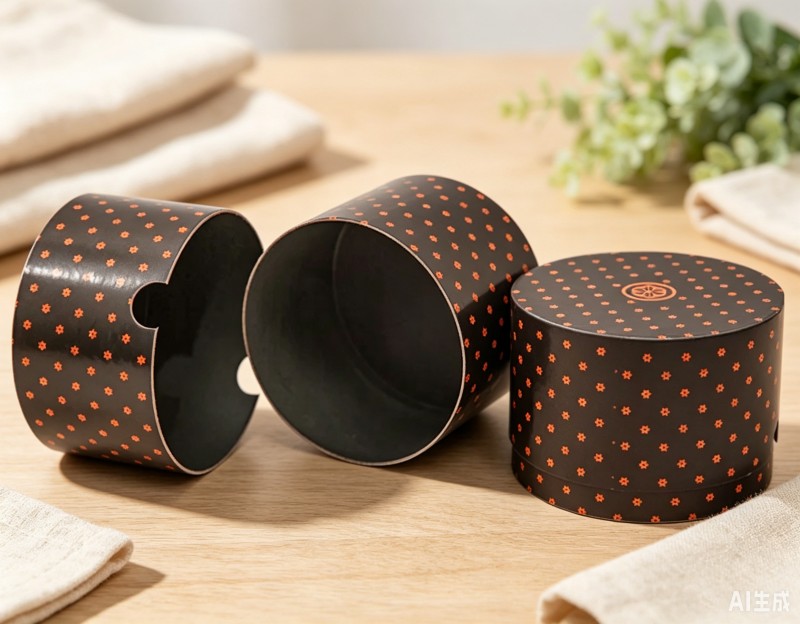
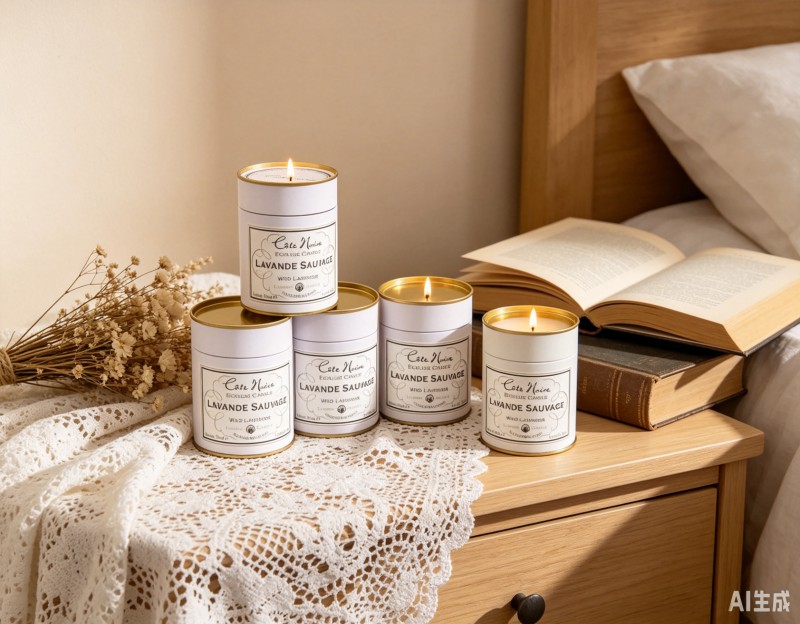

As one of the top China cardboard tube packaging manufacturers and paper tube packaging suppliers, we devote all of our efforts to research and launch more high quality packaging products to global market.
Content
- 1 Introduction
- 2 Why Cookies and Dry Foods Need High-Performance Packaging
- 3 Composite Paper Construction and Functional Protection
- 4 Advantages Over Conventional Packaging Formats
- 5 Product Features for Premium French Biscuits
- 6 Manufacturing Expertise Behind the Canister
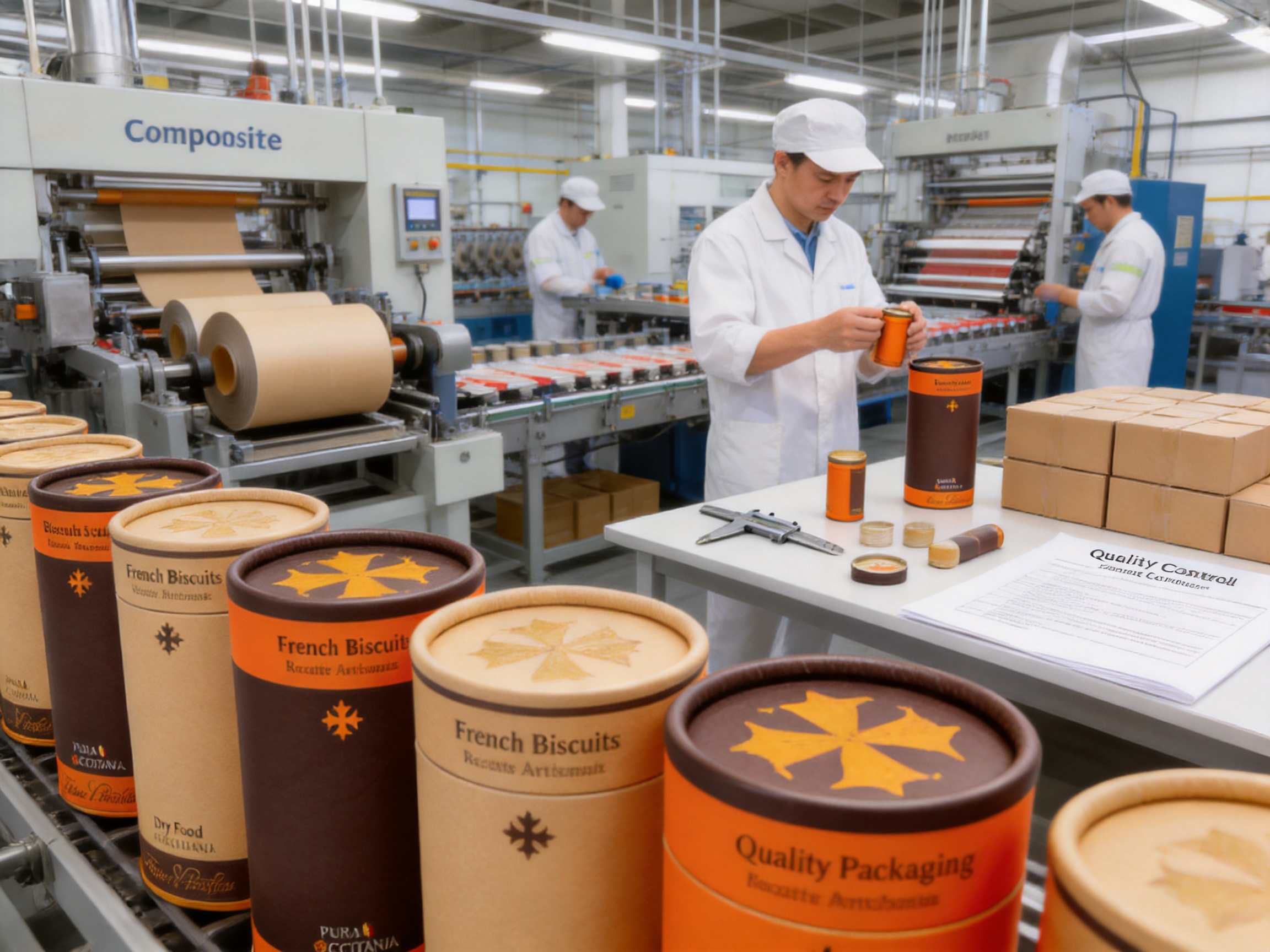
- 7 Production Process for a Durable Composite Paper Canister
- 7.1 1. Requirement Analysis
- 7.2 2. Structural and Dimensional Design
- 7.3 3. Paperboard and Barrier Material Selection
- 7.4 4. Precision Winding and Body Formation
- 7.5 5. Seam Bonding and Edge Processing
- 7.6 6. Interior Lining and Sealing Preparation
- 7.7 7. Exterior Printing and Decoration
- 7.8 8. Assembly and Closure Integration
- 7.9 9. Inspection and Quality Control
- 8 Quality and Supply Strengths
- 9 Designing the Canister for Brand Differentiation
- 10 Operational Benefits for Food Brands
- 11 Material Efficiency and Responsible Packaging Considerations
- 12 Recommended Testing for Cookie Canisters
- 13 Purchasing Considerations for Wholesale Buyers
- 14 Why Choose an Experienced Composite Can Manufacturer
- 15 Specification Reference Table
- 16 Q&A: Airtight Composite Paper Canisters for Cookies
- 16.1 What types of products can be packed in this canister?
- 16.2 Is the canister completely airtight?
- 16.3 Can the canister protect fragile biscuits from breakage?
- 16.4 Can the exterior be fully customized?
- 16.5 Can the canister be used for gift packaging?
- 16.6 What manufacturing experience does the supplier have?
- 16.7 Can the package be used on an automatic filling line?
- 16.8 Is the canister reusable after the cookies are consumed?
- 16.9 What information should a buyer provide when requesting a quotation?
- 16.10 How should the package be tested before launch?
- 17 Conclusion
- 18 References
- 19 Product: High End Durable Airtight Composite Paper Canister For Cookies & Dry Food Packaging
Introduction
Cookie and dry food packaging must do more than present an attractive appearance. It must protect the product from moisture, oxygen, light, odors, crushing, and contamination throughout storage, transportation, retail display, and household use. For premium biscuits, French cookies, crackers, cereal products, and other dry foods, the package also contributes directly to brand perception. A container that looks refined, feels durable, and preserves freshness can make a meaningful difference in a competitive market.
The high-end durable airtight composite paper canister is designed to meet these requirements through a combination of rigid paperboard construction, functional barrier layers, secure closure systems, and customizable exterior printing. It provides the visual advantages of paper packaging while delivering the structural performance expected from a modern food container. Its round or shaped format offers a distinctive alternative to flexible bags, folding cartons, and conventional plastic tubs.
This type of canister is especially suitable for premium cookies and dry foods that require reliable protection and a polished presentation. The container can be adapted for different capacities, diameters, heights, opening systems, labels, finishes, and interior barrier structures. This flexibility allows food brands to create packaging that reflects their product positioning while maintaining practical performance on filling lines, in warehouses, and on retail shelves.
Hangzhou Qunle Packaging Co., Ltd. has more than 20 years of experience in the composite can and paper can industry. Its capabilities include the development and manufacture of paper tube packaging for food, daily chemical products, fast-moving consumer goods, and other applications. The company’s experience in food packaging containers, its membership in the international Composite Can and Tube Institute, its patented technologies, and its investment in high-speed European production equipment support the manufacture of dependable packaging for global customers.
Why Cookies and Dry Foods Need High-Performance Packaging
Cookies and biscuits are comparatively stable products, but their quality can deteriorate quickly if packaging is poorly designed. Moisture absorption can soften crisp textures and reduce the eating experience. Oxygen exposure can contribute to rancidity in products containing butter, nuts, seeds, or other oils. Light may affect color, flavor, and the stability of sensitive ingredients. Odor transfer can also be a concern when products are stored near strongly scented goods.
Mechanical protection is equally important. Biscuits are fragile and can break when exposed to compression, vibration, or impact. A thin flexible package may provide a basic barrier but offer limited resistance to crushing during transportation. A rigid composite paper canister creates a protective outer structure that helps maintain product integrity from the production facility to the consumer’s home.
Premium foods also require packaging that communicates quality before the package is opened. A high-end canister can provide a larger printable surface than a small flexible pouch, enabling the use of detailed illustrations, heritage design elements, product stories, serving suggestions, nutritional information, and brand graphics. The round profile creates a strong shelf presence and can help a cookie product stand apart from rectangular cartons or ordinary plastic bags.
For giftable biscuits, seasonal assortments, imported-style cookies, and premium snack collections, packaging can become part of the product experience. A well-made canister may be kept for storage or reuse after the original food has been consumed. This extended-use potential can increase the perceived value of the product and encourage repeated brand exposure in the consumer’s home.
Composite Paper Construction and Functional Protection
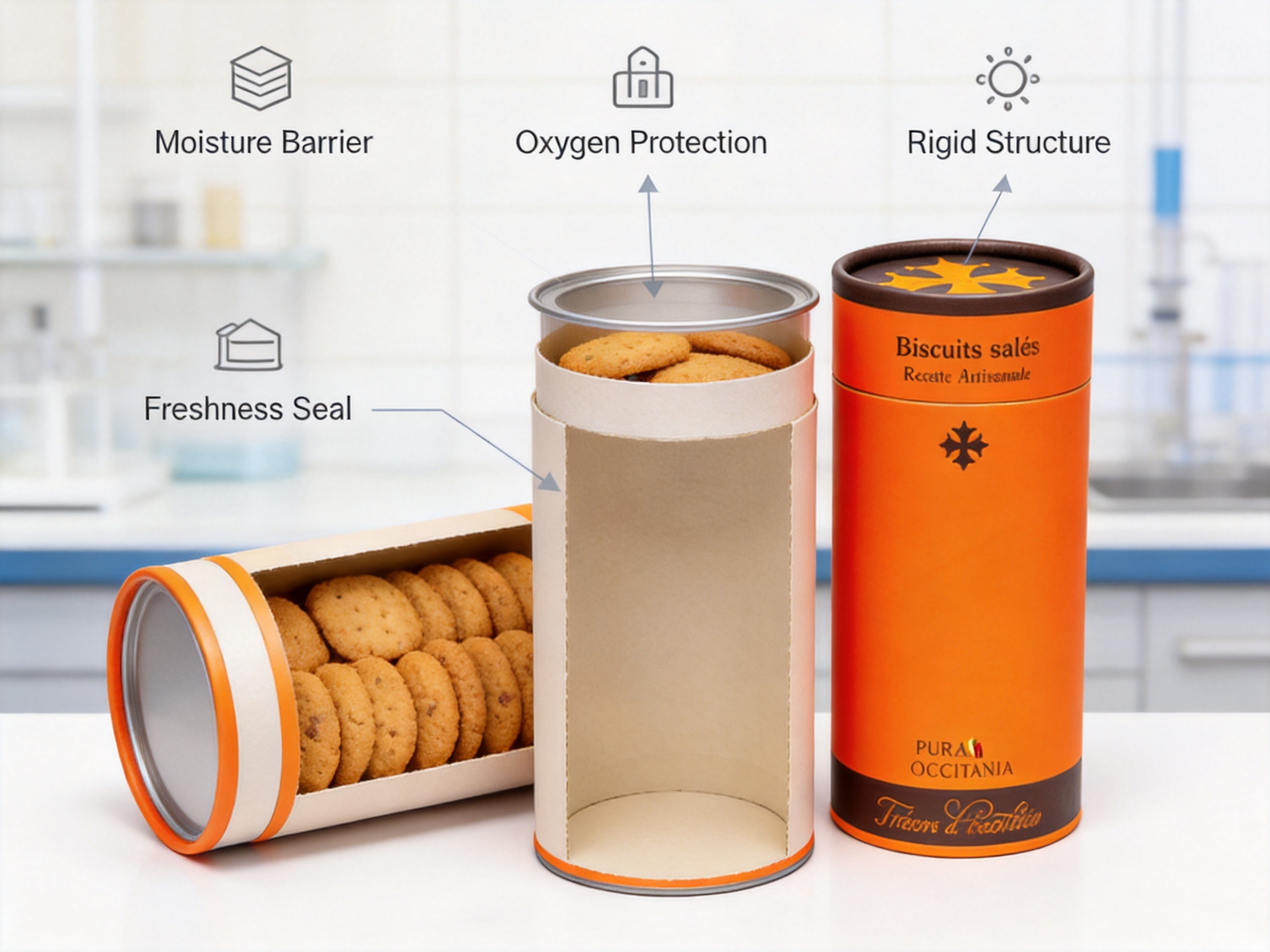
A composite paper canister typically combines several layers to achieve a balance between rigidity, appearance, sealability, and barrier performance. The paperboard body provides shape and strength. Inner layers can be selected to support resistance to moisture, grease, air, and product contact requirements. The outer layer supports printing and finishing, while the closure system provides access and helps create a secure seal.
The performance of the finished container depends on the correct design of the complete structure rather than on any single material. Paperboard thickness, winding quality, seam construction, end closure, liner selection, lid fit, and filling conditions all influence the final result. Experienced manufacturing is therefore essential when the packaging is intended for food products with demanding freshness requirements.
For cookies and dry foods, the interior structure can be configured according to the product’s sensitivity and expected shelf life. Some products may require enhanced moisture resistance, while others may place greater emphasis on grease resistance or aroma retention. The appropriate configuration should be determined through product testing, storage conditions, filling requirements, and applicable food-contact standards.
The airtight or high-barrier performance of a canister is also influenced by its closure. A well-fitted metal, plastic, composite, or paper-based lid can improve protection after filling. Depending on the product design, the package may include an inner membrane, foil seal, easy-open feature, or secondary closure. These options can support tamper evidence, freshness communication, and convenient consumer use.
Protection Against Moisture
Moisture is one of the primary causes of quality loss in cookies and biscuits. Crisp products can become soft, while layered or filled products may lose their intended texture. Composite canisters can be designed with internal barrier components that reduce the movement of water vapor into the package. The level of protection depends on the chosen structure, lid design, sealing method, and environmental conditions.
Using a rigid canister also reduces the likelihood of accidental openings or package deformation that could expose the food to humid air. When properly specified and tested, the container can help maintain the dry texture expected from cookies, crackers, cereals, and similar products.
Protection Against Oxygen and Odor Transfer
Many premium biscuits contain fats, chocolate, nuts, dairy ingredients, or flavorings. These ingredients may be sensitive to oxygen or external odors. A suitable composite structure can help limit air exchange and protect the sensory characteristics of the food. The container can also be designed to reduce the risk of external aromas entering the package during storage and distribution.
Odor protection is particularly useful for products with delicate butter, vanilla, cocoa, fruit, or spice profiles. The packaging specification should be matched to the food formula and the intended shelf-life target. Product and package compatibility testing remains important, but the composite canister provides a versatile platform for achieving the required protection.
Mechanical Strength and Product Presentation
The cylindrical body of a composite paper canister offers strong resistance to compression compared with many flexible formats. Its rigid walls can help protect fragile cookies from crushing during stacking and transportation. The round shape also distributes pressure around the container and creates a stable structure when several units are displayed together.
Mechanical strength does not only protect the food. It also protects the printed package from creasing and deformation. A clean, stable surface supports premium graphics and helps the product maintain its appearance throughout the supply chain. This is valuable for gift packs, imported food collections, and products sold in specialty stores or premium supermarkets.
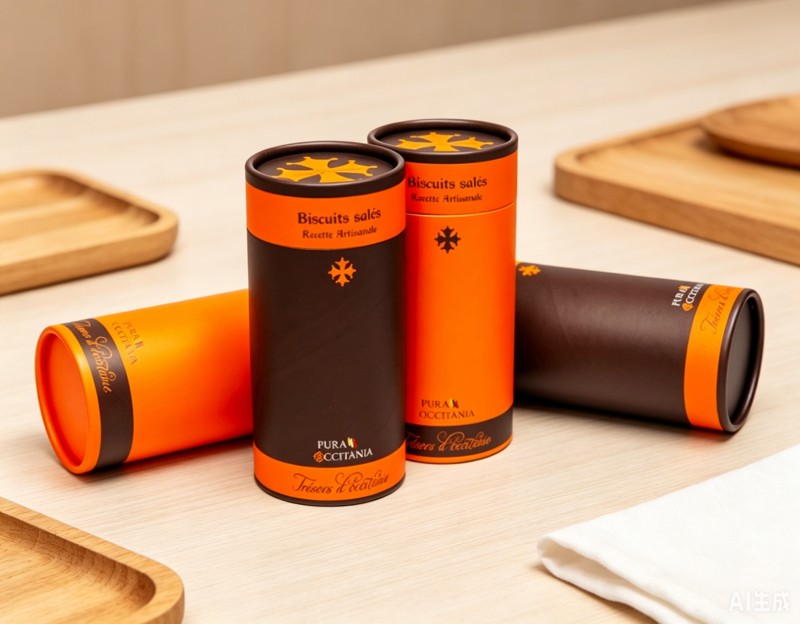
High End Durable Airtight Composite Paper Canister For Cookies & Dry Food Packaging
Advantages Over Conventional Packaging Formats
Compared with Flexible Plastic Bags
Flexible bags are often economical and lightweight, but they may provide limited protection against crushing once opened or partially filled. Their large printed areas can be useful, yet the package may appear less substantial when used for premium products. A composite paper canister offers a more structured presentation, greater rigidity, and a reusable form that can support higher perceived value.
The canister can also be easier to stack and display. Its upright format gives the product a clear presence on shelves, while its wide cylindrical surface offers space for graphics and product information. For brands seeking a premium alternative to standard pouches, this can be a meaningful competitive advantage.
Compared with Folding Cartons
Folding cartons offer efficient printing and logistics, but their flat paperboard structure may provide less resistance to crushing and moisture. A composite canister has a three-dimensional rigid body that can better protect delicate biscuits. It also creates a different tactile experience, with a heavier and more substantial feel in the consumer’s hands.
Cartons may require an additional inner bag to protect the food. A composite canister can integrate the outer structural function and the inner barrier function into one coordinated packaging system. Depending on the design, an inner pouch, liner, or seal may still be used, but the canister remains the primary protective and presentation structure.
Compared with Plastic Tubs
Plastic tubs can provide rigidity and moisture resistance, but paper-based composite packaging offers a distinctive appearance and can support a more paper-oriented packaging strategy. Many consumers associate paperboard packaging with natural materials, craftsmanship, and premium presentation. The canister can also be printed with sophisticated textures, matte finishes, metallic effects, or paper-inspired designs.
Material selection should always reflect the product’s technical requirements, applicable regulations, and end-of-life infrastructure. A composite paper canister is not automatically suitable for every food or every disposal system. However, when correctly specified, it can provide an appealing balance of structural performance, visual quality, and paper-based material content.
Compared with Metal Tins
Metal tins are durable and highly reusable, but they may involve higher weight, different production requirements, and a more traditional visual identity. Composite paper canisters can deliver a premium cylindrical format with reduced weight and extensive printing flexibility. They can be designed to create a contemporary, artisanal, or luxury appearance without relying exclusively on metal construction.
For brands that want a gift-worthy container while maintaining a paper-centered design language, the composite canister is a strong alternative. It can reproduce elegant graphics and detailed illustrations directly on the outer surface, helping reduce dependence on separate labels or additional decoration.
Product Features for Premium French Biscuits
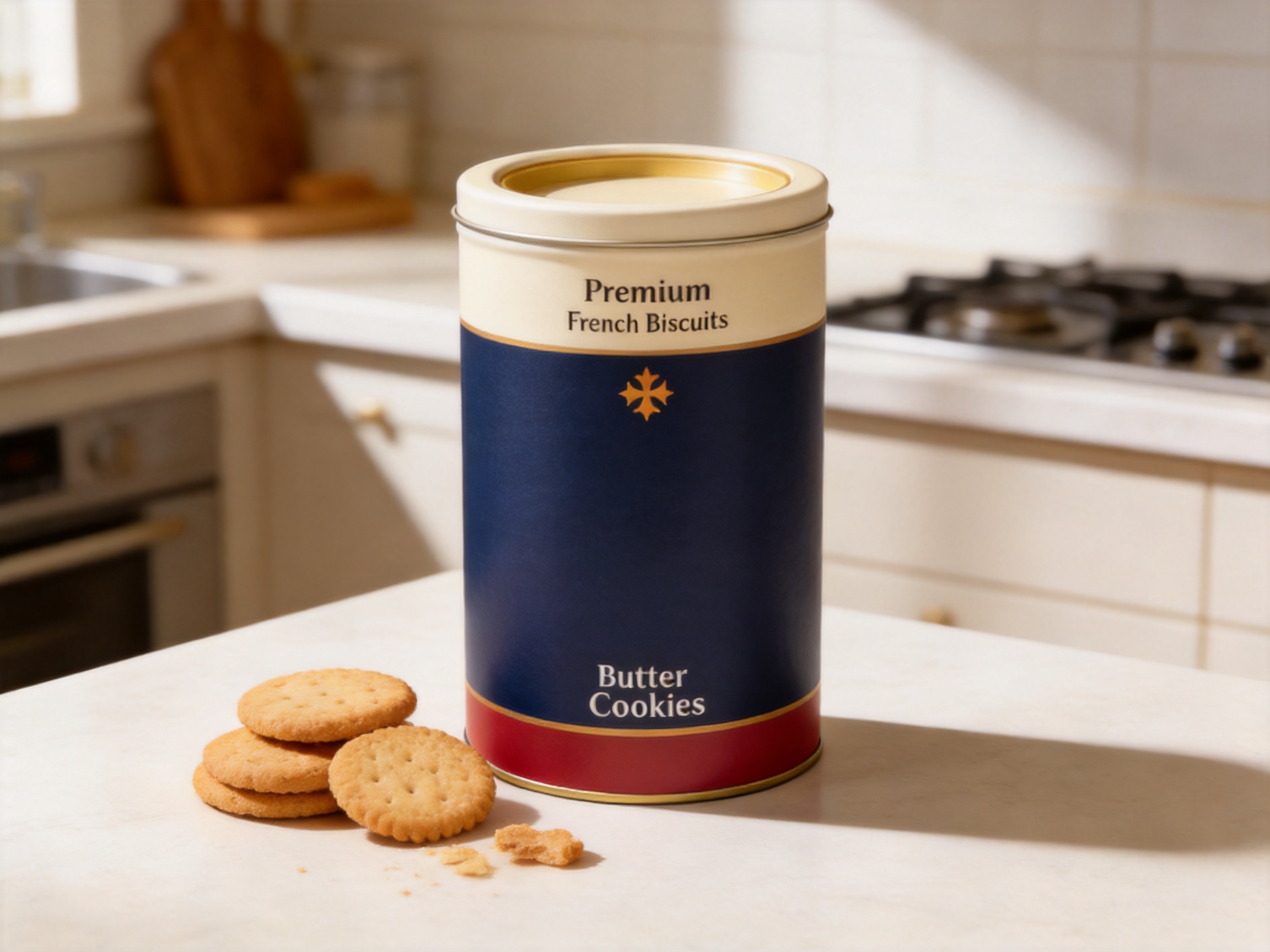
The featured product is a durable airtight composite paper canister intended for cookies, biscuits, and dry food packaging. Its design is suitable for French-style biscuits and other premium baked products that require both protection and a refined presentation. The canister can be developed in a range of dimensions to accommodate different serving sizes, assortment formats, and retail strategies.
Rigid Cylindrical Body
The cylindrical body provides a strong foundation for product protection. It resists deformation more effectively than many flexible packages and can help reduce damage caused by stacking and handling. The body can be produced in different wall thicknesses according to the required strength, diameter, height, and filling weight.
The round format is also comfortable to hold and easy to display. It can be placed upright on supermarket shelves, gift counters, hotel amenity displays, or specialty food presentations. The format works for individual flavors, mixed assortments, seasonal collections, and multipacks.
Airtight and Barrier-Oriented Design
The container can be configured with a suitable inner structure and closure system to support airtight or high-barrier performance. This helps reduce exposure to moisture and air, which are common causes of texture and flavor deterioration in dry foods. The final performance should be confirmed through appropriate package testing based on the product formulation and intended shelf life.
The design may include a sealed inner layer, a fitted lid, or an additional freshness barrier. These options can be combined to create a packaging system that protects the product before opening and remains practical after opening. For consumers, a secure lid can make the container more convenient for storing remaining biscuits.
Premium Printing and Surface Finishing
The broad exterior surface provides an effective area for branding and storytelling. Manufacturers can apply product photography, illustrations, color blocks, ingredient imagery, cultural references, patterns, or minimalist graphics. French biscuit packaging may use classic typography, bakery-inspired artwork, regional motifs, or modern luxury styling depending on the market position.
Surface finishes can include matte coatings, gloss coatings, spot effects, embossing, debossing, metallic details, textured papers, and custom labels. These features can improve shelf impact and create a tactile experience that supports a premium price point. The printing specification should be selected according to color requirements, image complexity, production volume, and budget.
Multiple Closure Choices
Closure selection affects both function and visual identity. A simple fitted lid may suit everyday cookie packaging, while a metal lid or decorative closure may be better for gift products. An easy-open system can improve consumer convenience, whereas a sealed structure can provide additional evidence of product integrity.
Different closure systems can also support different filling processes. The right choice depends on line speed, product dimensions, sealing equipment, package diameter, and the desired consumer opening experience. Experienced packaging engineers can help coordinate the body, lid, inner seal, and filling process as one complete solution.
Adaptability for Different Dry Foods
Although the featured application is French biscuits, the same canister concept can be used for cookies, crackers, cereal, granola, snack mixes, nuts, candies, tea, coffee, powdered foods, and selected nutrition products. Each application requires a specific assessment of barrier requirements, food-contact compatibility, filling weight, product geometry, and shelf-life expectations.
This adaptability is valuable for brands with several product lines. A common canister platform can create consistent shelf recognition while allowing variations in height, diameter, artwork, color, and closure. Standardized design elements may also simplify brand management across multiple markets.
Manufacturing Expertise Behind the Canister
The quality of a composite paper canister depends heavily on manufacturing control. Paperboard winding, adhesive application, seam formation, cutting, lining, printing, finishing, and closure assembly must be managed with precision. Small variations in diameter or wall alignment can affect lid fit, sealing performance, filling efficiency, and visual quality.
Hangzhou Qunle Packaging Co., Ltd. has been engaged in the composite can and paper can industry for more than two decades. This long-term specialization provides experience in developing packaging for food, daily chemical products, fast-moving consumer goods, and other applications. Rather than treating paper cans as a secondary product category, the company has built its business around composite can and tube manufacturing.
High-Speed European Production Equipment
In 2015, Qunle Packaging introduced a high-speed composite can production line from Europe. The investment strengthened its production capabilities and supported more efficient, consistent manufacturing. High-speed equipment can improve throughput while helping maintain control over body dimensions, winding quality, seam integrity, and production repeatability.
Modern production equipment is particularly important for customers that require stable quality across large orders. Consistent manufacturing helps reduce variation between batches and supports reliable performance during automatic filling and packaging operations. It can also improve production planning for seasonal products, promotional programs, and international supply schedules.
Food Packaging Experience
Qunle Packaging was the first enterprise in China to pass the QS certificate for producing food packaging containers. This history reflects an early focus on the requirements of food-contact packaging and production control. Food packaging manufacturing requires attention to material selection, cleanliness, process control, traceability, and finished-product inspection.
For cookie and dry food brands, supplier experience in food packaging is important because the package must perform as part of a food protection system. The packaging supplier should understand not only appearance and dimensions but also barrier behavior, closure performance, product compatibility, and the practical requirements of food filling and distribution.
Technical Development and Patented Technologies
Qunle Packaging has obtained more than 10 patented technologies. Patented development can support improvements in can structure, production processes, closure integration, sealing, material use, or specialized packaging functions. While a patent alone does not determine the suitability of a package, it demonstrates an ongoing commitment to technical research and product development.
Continued technical development helps a manufacturer respond to changing market expectations. Food brands increasingly seek packaging that is attractive, convenient, durable, and aligned with evolving sustainability goals. A supplier with internal development capabilities can be better positioned to test new structures and adapt products for different categories.
International Industry Participation
Qunle Packaging is described as the only member of the international Composite Can and Tube Institute in China’s packaging container industry. Membership in an international industry organization provides opportunities to follow technical discussions, industry practices, and developments in composite can technology. It also reflects the company’s connection to the wider global packaging community.
International customers often require clear communication, repeatable specifications, reliable documentation, and consistent production. Industry participation and experience with global brands can support these expectations. The company has built long-term partnerships with organizations and brands including COFCO, STANDERS, DAVIDsTEA, Avalanche Coffee, Whittaker’s, McSteven’s, Nongfu Spring, and Beingmate.
Production Process for a Durable Composite Paper Canister
1. Requirement Analysis
Manufacturing begins with an understanding of the product and the intended market. Key considerations include the type of biscuits, moisture sensitivity, fat content, expected shelf life, filling weight, package dimensions, closure preference, shipping conditions, retail environment, and target price point.
At this stage, the packaging supplier can evaluate whether the canister should use a basic paper structure, a higher-barrier inner layer, a sealed membrane, or another protective configuration. The goal is to avoid selecting a package based only on appearance. Performance requirements must be established before materials and processes are finalized.
2. Structural and Dimensional Design
The body diameter and height are selected according to the product volume, stacking plan, label area, and shelf dimensions. The internal clearance must allow efficient filling without excessive movement that could damage fragile biscuits. The external dimensions should support transportation efficiency and retail display.
Closure tolerance is carefully considered during design. The lid must fit securely while remaining practical for the consumer to remove and replace. If the package includes an inner seal, the sealing surface must be compatible with the selected equipment and material structure.
3. Paperboard and Barrier Material Selection
Paperboard is selected according to stiffness, thickness, surface quality, winding performance, and printing requirements. Inner materials are chosen according to the product’s barrier needs and food-contact requirements. The outer surface may use coated paper, specialty paper, printed paper, or a label system.
Material selection should also consider production speed, adhesive compatibility, environmental humidity, storage conditions, and the customer’s sustainability objectives. A responsible design balances performance with material efficiency rather than adding unnecessary layers.
4. Precision Winding and Body Formation
Composite paper canister bodies are generally formed by winding paperboard layers around a mandrel. Controlled winding creates the cylindrical structure and determines the final wall alignment and strength. Adhesive application must be uniform so that the layers bond securely without producing unwanted bulges, weak points, or surface irregularities.
High-speed production equipment can support consistent winding tension and repeatable body formation. Process control at this stage is essential because body accuracy affects subsequent cutting, printing, lining, lid fit, and overall appearance.
5. Seam Bonding and Edge Processing
The longitudinal seam must be bonded securely to maintain the integrity of the body. Edge processing creates clean, even ends and prepares the canister for bottom and top components. Poorly finished edges can affect sealing, consumer handling, and visual quality.
For premium biscuit packaging, clean edges are especially important because consumers may inspect the container closely. The package should feel solid and well finished when held, opened, closed, and placed on a shelf.
6. Interior Lining and Sealing Preparation
The interior is prepared according to the selected barrier design. This may involve applying or integrating an inner layer that supports moisture, grease, or air resistance. The lining must be continuous and properly bonded to reduce the risk of weak areas.
If the design includes an inner membrane or heat-sealed layer, the sealing surface must be compatible with the chosen closure and filling process. Testing may include seal strength, leakage assessment, dimensional checks, and storage simulations.
7. Exterior Printing and Decoration
Printing can be completed using the appropriate process for the design, order volume, color requirements, and surface material. The artwork must account for the curved body, seam position, lid relationship, barcode placement, regulatory information, and readable text size.
Premium decoration may include multiple finishing steps. For example, a printed base may be combined with a matte coating, selective gloss, metallic details, embossed elements, or a textured outer paper. Each additional process must be evaluated for durability, production efficiency, and cost.
8. Assembly and Closure Integration
After body formation and decoration, the bottom, lid, seal, and other components are integrated. Assembly controls help ensure that the closure operates properly and that the finished canister meets dimensional requirements. The package must be convenient for filling, transport, merchandising, and consumer use.
9. Inspection and Quality Control
Finished canisters can be inspected for appearance, dimensions, body strength, seam quality, lid fit, printing accuracy, surface defects, and closure performance. Depending on the product and customer specification, additional testing may assess barrier properties, seal integrity, compression resistance, drop performance, odor transfer, and storage stability.
Quality control is most effective when it is conducted throughout the process rather than only at the end. Monitoring incoming materials, winding conditions, adhesive application, cutting accuracy, printing registration, and assembly helps identify problems early and supports stable production.
Quality and Supply Strengths
A packaging partner must deliver more than a visually attractive sample. It must provide a stable process capable of producing the same quality repeatedly. This is particularly important for food brands that operate across multiple markets, use automated filling lines, or plan promotional launches with strict deadlines.
Qunle Packaging’s long experience in composite cans supports the development of repeatable production procedures. Its factory background includes food packaging containers, daily chemical packaging, fast-moving consumer goods, and related paper tube applications. Experience across these categories can contribute to practical knowledge of materials, equipment, decoration, closure systems, and customer requirements.
Consistency for Large-Volume Orders
High-speed production capability is valuable when a customer requires substantial quantities. Stable output helps reduce the risk of stock shortages and supports coordinated production with biscuit manufacturing schedules. It also allows brands to plan seasonal packaging, limited editions, and multi-market campaigns with greater confidence.
Customization Support
Customization may involve dimensions, capacity, wall thickness, opening style, inner barrier, lid material, printing, finishing, labeling, and packing method. A suitable supplier should be able to evaluate how each choice affects performance, cost, lead time, and production feasibility.
For a French biscuit product, customization may include a traditional bakery aesthetic, a modern luxury appearance, a gift-oriented design, or a family-size format. The package can be adapted to match the product’s target audience while maintaining a consistent structural platform.
Application Knowledge
Because Qunle Packaging serves food and other fast-moving consumer goods sectors, it understands that different products require different packaging solutions. Cookies may need moisture protection and crush resistance, while coffee may require stronger aroma and oxygen barriers. Tea may emphasize light and odor control, while cosmetics may require a different interior compatibility profile.
This application knowledge helps prevent the use of a one-size-fits-all package. The canister can be developed according to the specific characteristics of the food rather than relying solely on a standard outer shape.
Designing the Canister for Brand Differentiation
Packaging is often the first physical contact between a consumer and a food brand. A cylindrical composite paper canister provides a large, continuous canvas for visual communication. Designers can use the surface to establish a recognizable color system, present product imagery, communicate origin, or build a premium story around ingredients and craftsmanship.
French biscuits are often associated with culinary tradition, refined taste, butter-rich recipes, elegant presentation, and gift-giving. These associations can be translated into packaging through restrained typography, decorative borders, illustrated ingredients, heritage-inspired patterns, or carefully selected color combinations. The canister format supports this storytelling without requiring a separate rigid gift box.
For contemporary brands, the package may use clean graphics, bold colors, simple typography, and a highly recognizable logo area. For organic or natural products, the exterior may use earthy tones, uncoated paper effects, botanical illustrations, and concise ingredient messaging. For children’s cookies, brighter colors and playful illustrations may create a more approachable appearance.
Decoration should not compromise legibility. Regulatory information, allergens, net weight, nutrition facts, storage instructions, best-before information, and barcode requirements must remain clear. A strong packaging design balances emotional appeal with practical information.
Operational Benefits for Food Brands
The composite paper canister can provide several benefits beyond consumer-facing appearance. Its rigid form helps organize products during storage and transportation. Its cylindrical shape can support efficient shelf placement and visual blocking. Its reusable nature may reduce the likelihood that the container is discarded immediately after the food is consumed.
For manufacturers, the package can be designed around the filling process. The opening diameter should allow efficient loading of individual biscuits, stacked cookies, wrapped assortments, or bulk dry foods. The interior dimensions can be adapted to reduce unused space and help control product movement inside the package.
For retailers, the canister can create a distinctive display that is easy to recognize from a distance. Multiple sizes or flavors can share a common design language, making the product family easier to organize. For consumers, the resealable format can be convenient for storing leftover food in the kitchen, office, pantry, or travel environment.
Material Efficiency and Responsible Packaging Considerations
Packaging sustainability involves several factors, including material selection, package-to-product ratio, production efficiency, transport weight, durability, reuse potential, and end-of-life infrastructure. A durable package that protects food from damage can help prevent product waste, which is an important part of the overall environmental assessment.
Paper-based composite packaging can support a packaging strategy centered on renewable-looking materials and strong product protection. However, barrier layers, coatings, adhesives, lids, and seals may affect recyclability or disposal options. These elements should be reviewed based on local recycling systems and the final package specification.
Reducing material use should not compromise the package’s ability to protect food. If a thinner structure leads to crushed products, moisture damage, or shortened shelf life, the apparent material saving may create greater waste elsewhere. The better approach is to optimize the structure through testing, efficient design, and appropriate material selection.
Durability can also support reuse. Consumers may use an attractive canister to store cookies, tea, craft materials, stationery, or small household items. Reuse is not guaranteed, but a well-designed package has a better opportunity to remain useful after its original purpose has ended.
Recommended Testing for Cookie Canisters
Before commercial production, the packaging should be evaluated with the intended food product or a representative product. Testing should reflect the actual distribution environment and expected storage period. A sample that performs well in a controlled room may require further assessment if the product will encounter high humidity, temperature variation, long-distance shipping, or extended warehouse storage.
Barrier Testing
Moisture and oxygen transmission should be assessed when they are relevant to the product’s shelf life. The correct test method depends on the barrier structure and the packaging configuration. Testing can help determine whether the selected inner layer and closure provide adequate protection for the biscuit formula.
Closure and Seal Testing
The lid and any inner seal should be examined for fit, strength, opening performance, and resistance to leakage or air exchange. Repeated opening and closing can be evaluated if the package is intended for resealing. Consumer convenience should be balanced with the need to preserve product freshness after opening.
Mechanical Testing
Compression, drop, vibration, and stacking tests can help assess the package’s ability to withstand transportation and warehouse handling. These tests are particularly relevant for fragile cookies and premium products where breakage can result in customer complaints and economic loss.
Product Compatibility Testing
The package should be checked for odor transfer, flavor interaction, grease migration, staining, and changes in appearance. Direct food-contact components must be appropriate for the intended application and compliant with relevant market requirements. Testing should be performed using the final material structure whenever possible.
Filling-Line Evaluation
Commercial packaging should operate effectively with the customer’s filling and sealing equipment. The canister dimensions, opening, stability, and closure design should be tested on the actual line or on representative equipment. This step can identify problems related to speed, alignment, feeding, sealing, labeling, or accumulation.
Purchasing Considerations for Wholesale Buyers
Wholesale buyers should define the product specification before requesting a quotation. Important details include canister dimensions, target capacity, estimated order volume, artwork requirements, closure type, barrier expectations, food-contact requirements, packaging method, delivery destination, and expected production schedule.
It is also useful to clarify whether the package will be filled with loose biscuits, individually wrapped cookies, stacked products, sachets, or a mixed assortment. The filling format affects the internal dimensions and the amount of empty space. A precise specification helps the supplier recommend a structure that is both practical and cost-effective.
Sample approval should include both visual and functional review. Buyers should examine printing quality, color consistency, surface finish, body rigidity, lid fit, opening experience, internal cleanliness, and compatibility with the product. For high-barrier applications, the buyer should also request appropriate technical documentation and test results.
Order planning is another important consideration. Premium printed canisters may require artwork preparation, proof approval, cylinder or plate preparation, material procurement, production scheduling, inspection, and export packing. Early coordination helps reduce delays, especially before holiday seasons or major product launches.
Why Choose an Experienced Composite Can Manufacturer
Working with an experienced specialist can simplify the transition from packaging concept to commercial production. Composite can manufacturing involves processes that are not identical to ordinary carton production or plastic injection molding. The supplier must understand winding, bonding, barrier integration, cylindrical printing, end assembly, and closure tolerance.
Hangzhou Qunle Packaging Co., Ltd. combines long-term industry experience with dedicated composite can capabilities. Its more than 20 years in the sector, participation in the international Composite Can and Tube Institute, food packaging history, high-speed European production line, patented technologies, and relationships with recognized brands provide a strong foundation for supplying paper canisters to international customers.
The company’s product scope covers food, daily chemical products, fast-moving consumer goods, and other applications. This broad experience can support customers that need packaging for several product categories or want to develop a family of paper tube and composite can formats under one supply relationship.
For premium French biscuits and dry foods, the value of an experienced manufacturer is reflected in the details: accurate dimensions, stable winding, reliable bonding, clean printing, suitable barrier selection, dependable closure fit, and consistent delivery. These details determine whether the package merely looks attractive or performs successfully throughout the product’s life cycle.
Specification Reference Table
| Specification Area | Recommended Evaluation | Value for Cookie and Dry Food Packaging |
|---|---|---|
| Product application | Cookies, French biscuits, crackers, cereal, snacks, nuts, and other dry foods | Supports the selection of suitable dimensions, barriers, and closures |
| Body construction | Rigid composite paperboard structure with controlled winding and bonding | Improves compression resistance and protects fragile products |
| Barrier design | Interior layer selected according to moisture, oxygen, grease, and odor requirements | Helps preserve texture, flavor, and freshness |
| Closure | Fitted lid, sealed membrane, metal lid, plastic lid, or customized system | Supports protection before opening and convenience after opening |
| Exterior decoration | Custom printing, labels, matte or gloss finish, embossing, and specialty effects | Creates shelf appeal and communicates premium product positioning |
| Dimensions | Customized diameter, height, capacity, and opening size | Matches filling equipment, serving size, storage, and retail display |
| Quality control | Dimensional, visual, mechanical, closure, seal, and compatibility inspection | Improves consistency and reduces supply-chain failure risks |
| Manufacturing capability | Specialized composite can production and high-speed European equipment | Supports stable production for wholesale and international orders |
Q&A: Airtight Composite Paper Canisters for Cookies
What types of products can be packed in this canister?
The canister is suitable for cookies, French biscuits, crackers, cereal, granola, snack mixes, nuts, candies, tea, coffee, and other dry products, subject to final material and food-contact evaluation. The specific barrier structure should be matched to the product’s moisture, oxygen, grease, aroma, and shelf-life requirements.
Is the canister completely airtight?
The final airtight performance depends on the complete packaging structure, including the paper body, inner barrier, lid, seal, and manufacturing tolerances. The canister can be designed for airtight or high-barrier performance, but the finished specification should be tested with the intended product and closure system before commercial approval.
Can the canister protect fragile biscuits from breakage?
Its rigid cylindrical body provides stronger mechanical support than many flexible packages and can help reduce crushing during storage and transportation. Internal product arrangement remains important. Very fragile cookies may require an inner tray, pouch, divider, or other protective component.
Can the exterior be fully customized?
Yes. Customization can include dimensions, capacity, artwork, colors, printed information, surface coating, texture, embossing, labels, lid style, and opening system. The final options depend on production requirements, order volume, artwork complexity, and the customer’s budget.
Can the canister be used for gift packaging?
Yes. Its rigid structure, premium surface area, and reusable format make it suitable for gift boxes, seasonal cookie assortments, holiday collections, corporate gifts, and specialty food products. Decorative finishing and a high-quality lid can further enhance its gift value.
What manufacturing experience does the supplier have?
Hangzhou Qunle Packaging Co., Ltd. has more than 20 years of experience in the composite can and paper can industry. The company has food packaging experience, has introduced a high-speed European composite can production line, has obtained more than 10 patented technologies, and participates in the international Composite Can and Tube Institute.
Can the package be used on an automatic filling line?
It can be developed for automatic or semi-automatic filling, but the dimensions, opening, body stability, lid system, and sealing method must be coordinated with the customer’s equipment. A filling-line trial is recommended before mass production.
Many consumers may reuse a durable canister for household storage, tea, craft items, stationery, or other small goods. Reuse depends on the finished construction and the consumer’s handling. The package should still be disposed of according to local waste-management guidance after it is no longer useful.
What information should a buyer provide when requesting a quotation?
A buyer should provide the product type, filling weight or volume, desired dimensions, closure preference, barrier requirements, artwork status, expected order quantity, delivery destination, and target delivery schedule. Product samples or technical details can help the manufacturer recommend an appropriate structure.
How should the package be tested before launch?
Testing may include moisture and oxygen barrier evaluation, seal integrity, closure fit, compression, vibration, drop resistance, storage simulation, product compatibility, odor transfer, and filling-line performance. The exact testing program should be based on the product formula, distribution environment, and applicable market requirements.
Conclusion
The high-end durable airtight composite paper canister is a strong packaging solution for French biscuits, cookies, and other dry foods that require both protection and premium presentation. Its rigid construction can help reduce crushing, while its configurable inner barrier and closure system can support freshness protection against moisture, air, grease, and external odors. Its cylindrical shape creates a distinctive shelf presence and provides a broad surface for detailed brand communication.
Compared with flexible bags, folding cartons, plastic tubs, and traditional metal tins, the composite paper canister offers a differentiated balance of structure, appearance, customization, and potential reuse. It can be adapted for everyday retail packaging, premium food collections, seasonal products, gift assortments, and international wholesale programs.
The performance of the package depends on correct design, material selection, manufacturing control, and testing. With more than 20 years of composite can experience, food packaging expertise, high-speed European production equipment, patented technologies, and international industry participation, Hangzhou Qunle Packaging Co., Ltd. has the capabilities required to support the development and production of advanced paper canister packaging.
For brands seeking a dependable container for premium biscuits and dry foods, the most effective approach is to define the product requirements early, evaluate the barrier and closure structure carefully, approve functional samples, and test the finished canister under realistic conditions. When these steps are completed properly, a composite paper canister can protect product quality while strengthening the visual and tactile identity of the brand.
References
1. Composite Can and Tube Institute, general industry principles for composite can and paper tube packaging.
2. Food packaging barrier technology references covering moisture, oxygen, aroma, and grease protection.
3. General food-contact packaging quality-control practices for paperboard, composite structures, adhesives, coatings, and closures.
4. Packaging transport testing principles for compression, vibration, drop resistance, and stacking performance.
5. Hangzhou Qunle Packaging Co., Ltd., company information concerning composite can manufacturing, food packaging experience, production equipment, patented technologies, and industry partnerships.
