 English
 Español

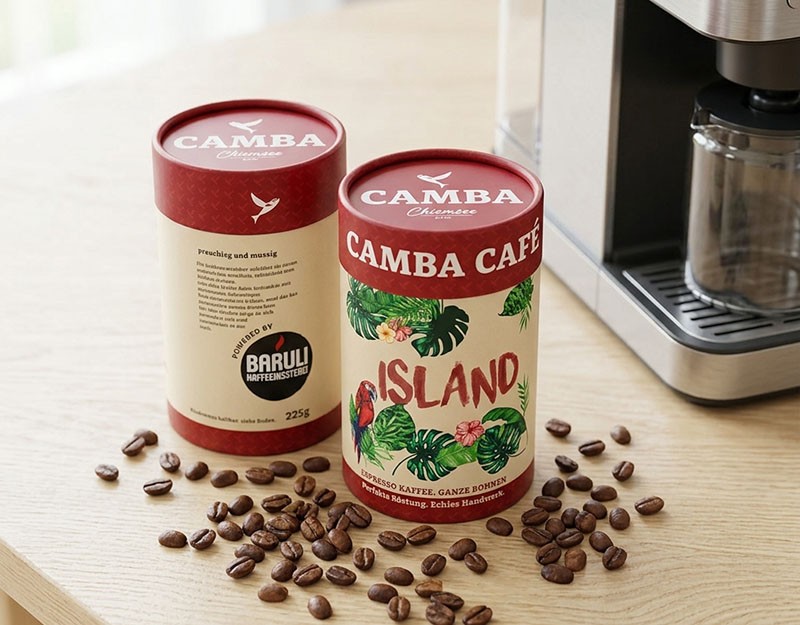
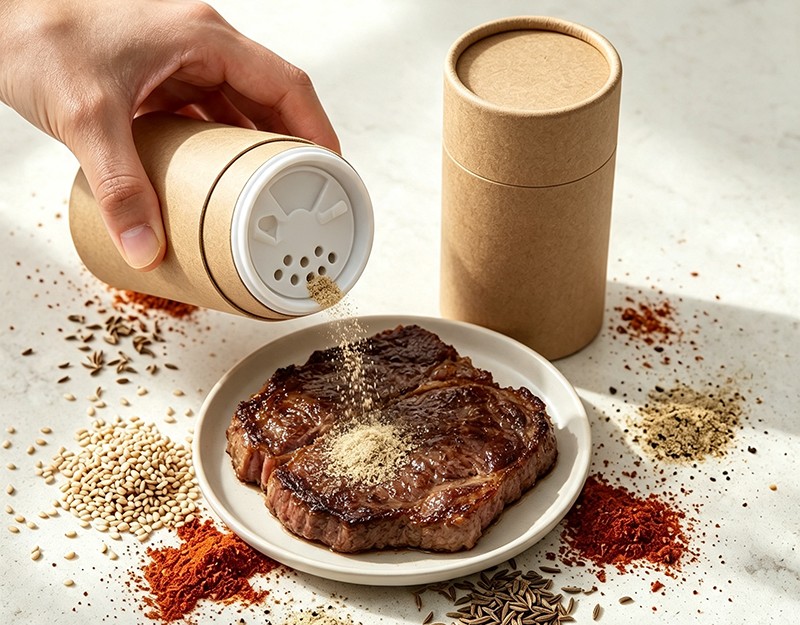
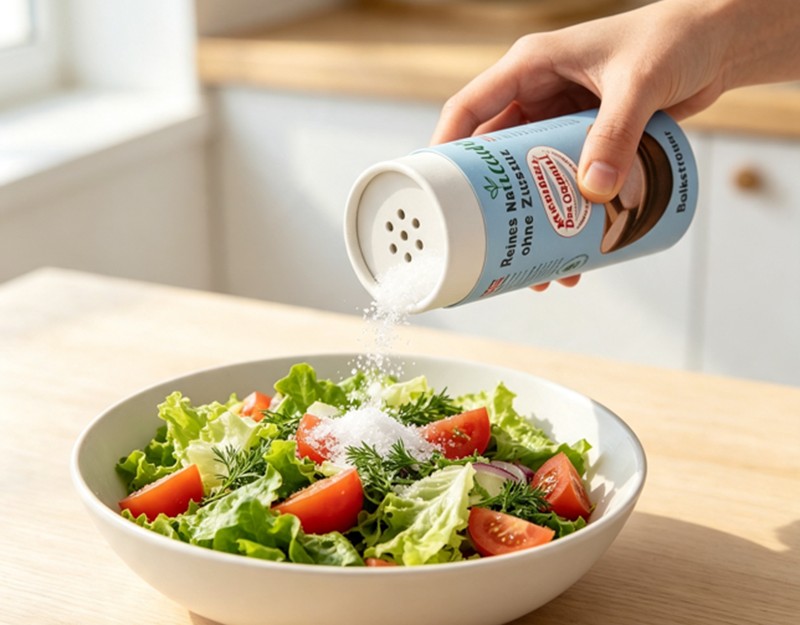
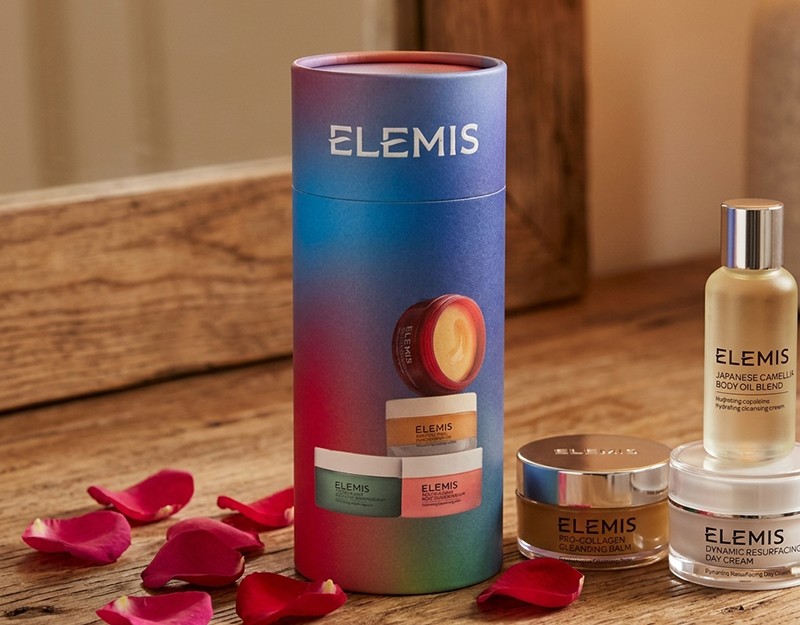
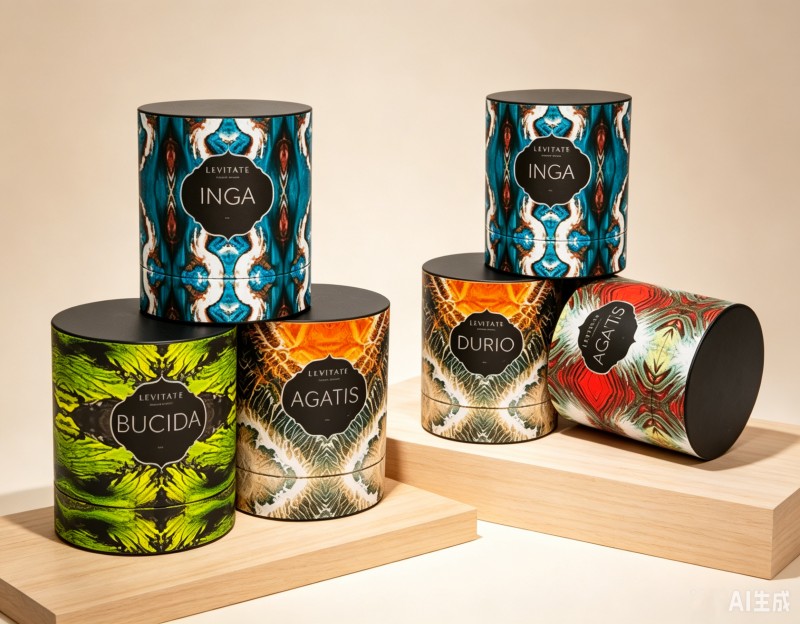
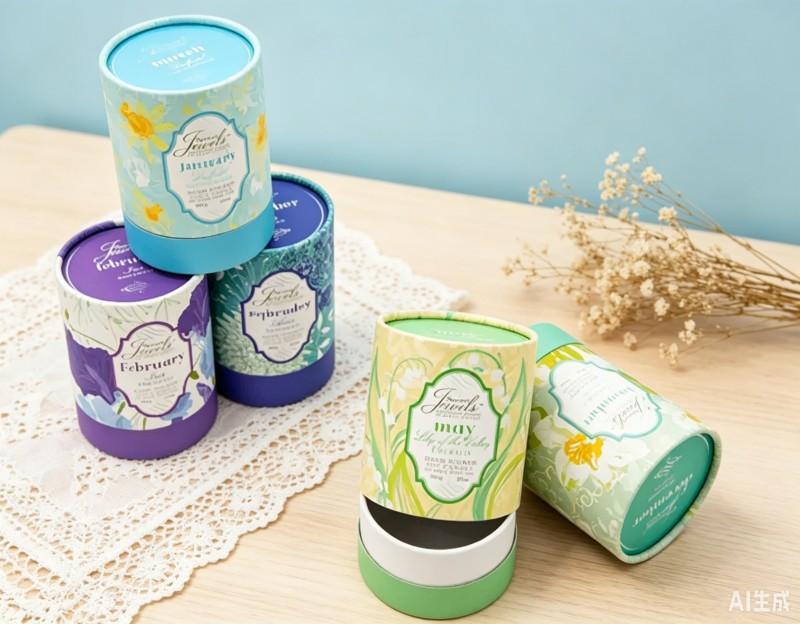
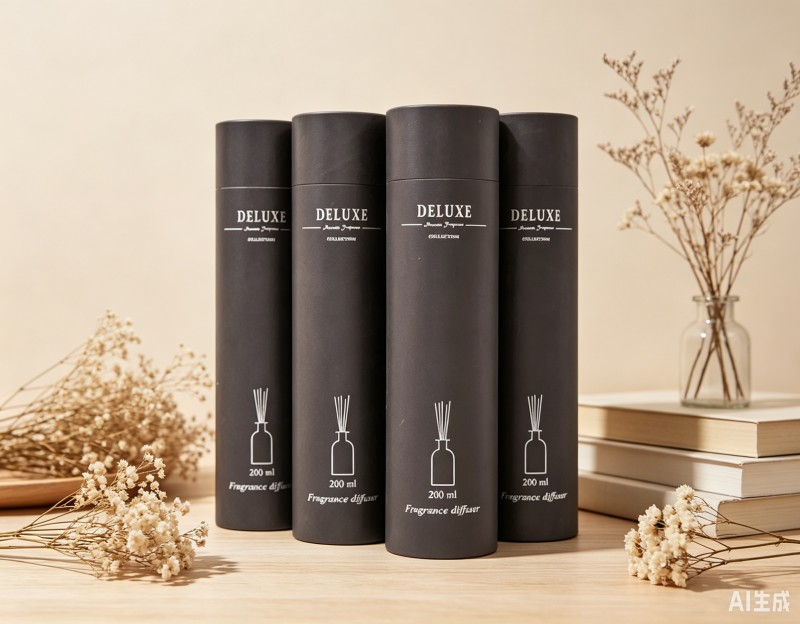
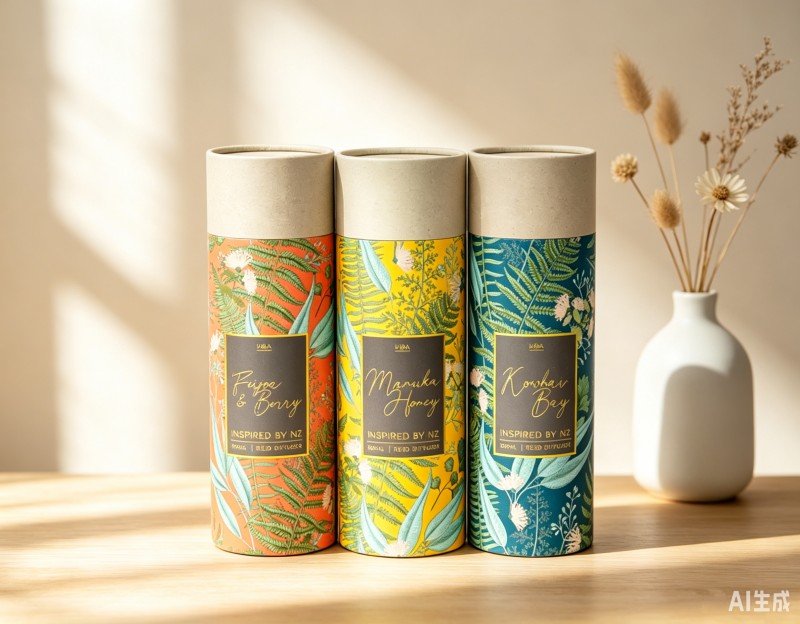
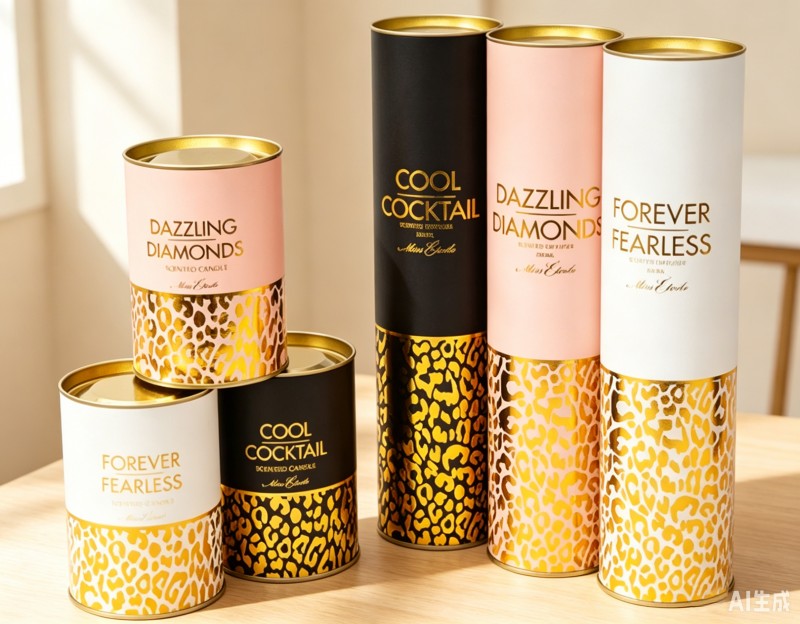
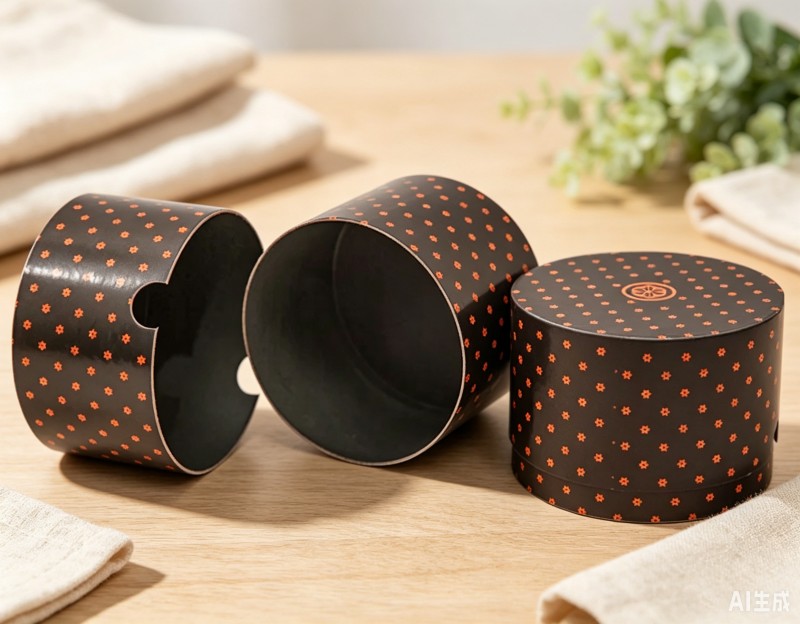
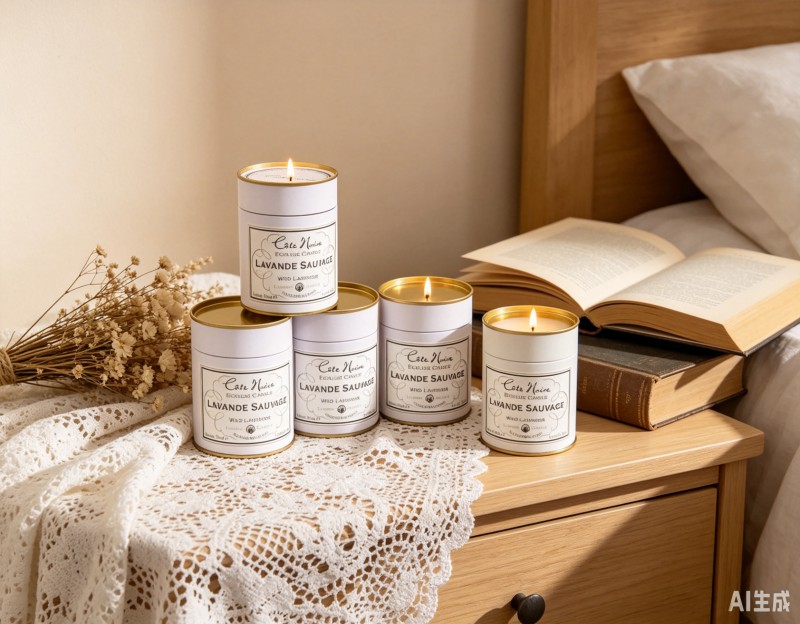

As one of the top China cardboard tube packaging manufacturers and paper tube packaging suppliers, we devote all of our efforts to research and launch more high quality packaging products to global market.
Premium wines and spirits require packaging that does more than hold a bottle. The package must protect, present, communicate, and persuade. A custom logo sustainable cardboard wine tube box is designed for exactly that purpose: it gives a 750ml bottle a strong cylindrical structure, a refined shelf presence, and a brandable surface that can support luxury finishing such as embossing, matte lamination, hot foil stamping, and UV coating. For vodka, whisky, gin, wine, liqueur, brandy, and other spirit products, this type of paper tube packaging offers a practical balance of durability, visual appeal, sustainability, and manufacturing efficiency.
The product discussed here is a factory direct custom cardboard wine tube box made with kraft paper and tin components. It is a cylindrical spirit packaging solution with a reference size of ID92*330MM, suitable for many standard 750ml bottle formats. It supports CMYK printing, customer logos, silver hot foil stamping, embossing, matte lamination, and UV coating. The product is also positioned as eco-friendly and made with recycled material options, making it relevant for modern beverage brands that want packaging to look premium while reducing reliance on conventional plastic-heavy presentation boxes.
In the wines and spirits market, the package often becomes part of the product experience. Consumers may remember the touch of the tube, the shine of the foil logo, the smoothness of matte lamination, and the satisfying fit of the bottle inside the container. Retailers also value packaging that stacks well, protects during handling, and creates a strong impression in a competitive shelf environment. This article explores the advantages of sustainable cardboard wine tube boxes, the manufacturing strengths behind them, the role of customization, and the reasons this format is increasingly preferred by spirits brands looking for factory-direct quality.
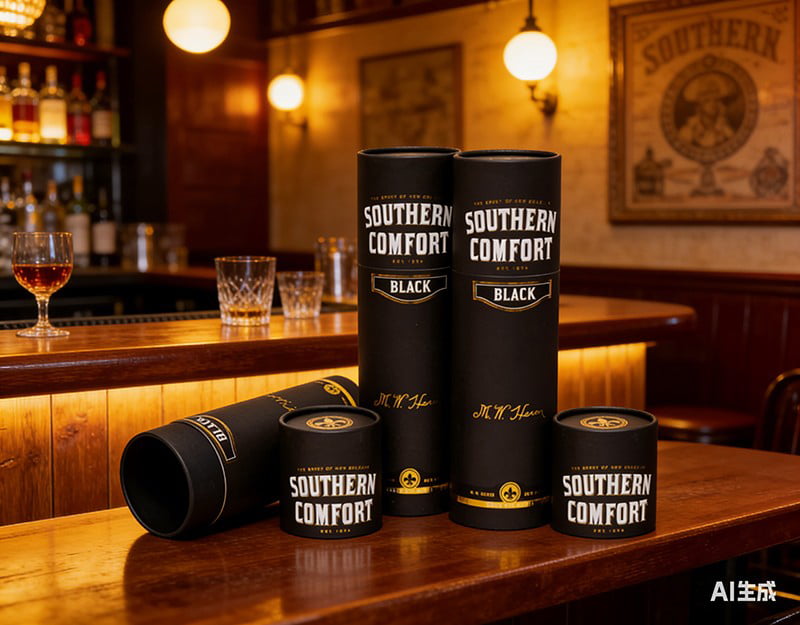
Factory Direct Supply Custom Logo Sustainable Cardboard Wine Tube Box
Content
- 1 Understanding the Product: A Premium Cylindrical Paper Tube for Wines and Spirits
- 2 Why Cardboard Wine Tube Packaging Matters in the Spirits Market
- 3 Main Product Specifications
- 4 Advantages Over Conventional Competitor Packaging
- 5 Sustainable Material Value: Kraft Paper, Recycled Options, and Eco-Friendly Design
- 6 Premium Finishing Options That Strengthen Brand Identity
- 7 Structural Benefits of the Cylindrical Shape
- 8 Factory Direct Customization for Different Bottle and Brand Needs
- 9 Advanced Manufacturing Strengths Behind the Product
- 10 Production Process: From Concept to Finished Wine Tube Box
- 11 Quality Control and Consistency for Global Beverage Brands
- 12 Design Strategies for Vodka, Wine, Whisky, and Other Spirits
- 13 Retail, Gift, and E-Commerce Benefits
- 14 Why Factory Direct Supply Creates Buyer Advantages
- 15 Company Strengths Supporting International Packaging Projects
- 16 How the Product Supports Premium Brand Storytelling
- 17 Practical Considerations for Buyers Before Ordering
- 18 Q&A: Common Questions About Custom Sustainable Cardboard Wine Tube Boxes
- 18.1 What is this cardboard wine tube box mainly used for?
- 18.2 Can the tube size be customized?
- 18.3 What materials are used?
- 18.4 What printing and finishing options are available?
- 18.5 Why choose a cylindrical tube instead of a rectangular box?
- 18.6 Is this packaging suitable for sustainable brand positioning?
- 18.7 Can the customer logo be applied with special effects?
- 18.8 What makes factory direct supply beneficial?
- 18.9 What company strengths support this product?
- 18.10 Should buyers request samples before mass production?
- 19 Conclusion
- 20 References
- 21 Product: Factory Direct Supply Custom Logo Sustainable Cardboard Wine Tube Box
Understanding the Product: A Premium Cylindrical Paper Tube for Wines and Spirits
The custom logo sustainable cardboard wine tube box is a rigid cylindrical packaging container designed primarily for alcoholic beverage bottles. Although the product title refers to wine, the content specification indicates use for vodka packaging and spirit packaging, which means the tube is suitable for multiple beverage categories where premium presentation and bottle protection are required. The cylindrical shape naturally matches the vertical form of many glass bottles, creating a clean, elegant packaging silhouette.
The reference internal diameter and height, ID92*330MM, make the packaging appropriate for many 750ml bottle structures. This specification provides enough space for a bottle to be inserted while allowing additional protective lining, spacing, or closure components depending on the exact bottle profile. Since custom orders are accepted, dimensions can be adjusted for different neck heights, bottle shoulders, base diameters, or special bottle shapes.
The material structure is described as paper plus tin. In paper tube packaging, paper provides the main body strength and printable surface, while tin components can be used for the top or bottom closure to improve rigidity, sealing performance, and premium feel. Kraft paper is a common choice because of its strength, natural fiber appearance, recyclability, and compatibility with various decorative processes. When combined with advanced printing and finishing, kraft paper can look rustic, modern, luxury, minimalist, or festive depending on the brand direction.
The product supports customer logo application, CMYK printing, embossing, matte lamination, silver hot foil stamping, and UV coating. These printing handling options are important because spirits packaging often depends on fine visual details. A premium vodka tube may require metallic stamping to express purity and sophistication. A whisky tube may use embossing to communicate heritage and craftsmanship. A wine tube may choose matte lamination and subtle UV accents for a refined boutique appearance.
Unlike generic stock tubes, a custom factory-direct paper tube can be engineered around the brand’s bottle, visual identity, shipping needs, and market positioning. This makes it suitable for product launches, seasonal promotions, gift packaging, limited editions, duty-free displays, online sales packaging, and wholesale beverage distribution.
Why Cardboard Wine Tube Packaging Matters in the Spirits Market
The wines and spirits category is highly competitive. Bottles may contain excellent products, but on retail shelves, in gift sets, or in e-commerce photography, packaging becomes the first point of contact. A consumer often evaluates quality before tasting the product, and packaging plays a major role in that judgment. A strong cardboard tube helps turn a bottle into a complete gift-ready product.
Traditional rectangular boxes remain common, but cylindrical paper tubes offer unique advantages. Their shape stands out, feels more tactile, and creates a memorable opening experience. A round tube invites the consumer to hold it, rotate it, and examine the branding from multiple angles. This 360-degree printable surface allows the brand to use continuous artwork, vertical typography, textured backgrounds, seals, story panels, and product details without being limited to front and back panels only.
For spirits such as vodka, the cylindrical form also suggests purity, precision, and modernity. For wines, it can express gifting value and protective care. For whisky or brandy, it can be finished with deep colors, foil details, and embossed crests to create an impression of tradition and prestige. The same structural format can be adapted to many brand personalities through decoration.
Protection is another important factor. Glass bottles are fragile, and premium alcoholic beverages are often transported through complex distribution channels. A rigid paper tube provides impact resistance, helps reduce scuffing on bottle labels, and adds an extra layer around the bottle. When properly designed, it can protect the bottle during display handling, gift wrapping, and delivery. Compared with thin paperboard cartons, spiral-wound or composite paper tubes provide greater compression strength and a more substantial hand feel.
Sustainability is also a growing priority in the beverage industry. Consumers increasingly notice whether packaging uses recyclable, paper-based, or recycled materials. A sustainable cardboard tube helps brands communicate environmental responsibility without sacrificing elegance. This is especially valuable for premium spirits brands that want to appeal to younger consumers, international buyers, and retail partners with stricter packaging expectations.
Main Product Specifications
The following table summarizes the key information for the factory direct custom logo sustainable cardboard wine tube box. Specifications may be adjusted according to bottle dimensions, closure requirements, decorative preferences, and order quantity.
| Item | Specification | Packaging Benefit |
|---|---|---|
| Product Type | Custom cardboard wine and spirit tube box | Creates premium bottle presentation and added protection |
| Application | Vodka, wine, whisky, gin, brandy, liqueur, and other 750ml spirits | Suitable for broad wines and spirits packaging needs |
| Reference Size | ID92*330MM | Fits many standard 750ml bottle formats |
| Shape | Cylindrical tube | Offers 360-degree branding and strong shelf distinction |
| Main Material | Kraft paper with paper and tin structure options | Provides strength, recyclability, and premium closure feel |
| Printing | CMYK custom printing | Supports full-color brand artwork and detailed graphics |
| Surface Finishing | Embossing, matte lamination, hot foil stamping, UV coating | Enhances luxury appearance and tactile value |
| Logo | Customer logo accepted | Builds clear brand identity and market recognition |
| Feature | Recycled material options and eco-friendly positioning | Supports sustainable packaging strategies |
| Custom Order | Accepted | Allows size, artwork, material, and finishing flexibility |
Advantages Over Conventional Competitor Packaging
The custom cardboard wine tube box offers several advantages when compared with many competitor packaging formats, including thin folding cartons, plastic display cases, generic gift boxes, and low-grade paper tubes. These advantages are not limited to appearance; they include structure, sustainability, customization, user experience, and production control.
First, the cylindrical paper tube provides superior perceived value. A folding carton may be economical, but it often lacks the premium rigidity expected in high-end wines and spirits. A well-manufactured paper tube feels heavier, stronger, and more gift-worthy. This improves consumer perception before the bottle is opened. In premium retail categories, perceived value can influence purchasing decisions as much as product information.
Second, the tube structure improves bottle protection. The curved wall distributes pressure more evenly than flat panels. This gives the package excellent resistance against compression and handling deformation. During shipping and storage, the tube can help protect bottle labels, caps, and decorative elements from abrasion. A secure top and bottom closure also keeps the bottle contained and enhances the opening experience.
Third, the format offers a distinctive branding surface. Rectangular boxes have front, back, and side panels, but cylindrical tubes create continuous artwork possibilities. Designers can wrap patterns, textures, landscape illustrations, vintage maps, metallic ribbons, or gradient colors around the entire tube. This helps the package look more dynamic in displays and photography.
Fourth, paper tube packaging supports sustainable positioning more naturally than many plastic or foam-based presentation boxes. Kraft paper and recycled paper options align with environmental values. For brands trying to reduce plastic, a paper-based tube is a practical alternative that still provides a premium feel. The combination of paper and selected metal components can also be designed for durability and recyclability, depending on local recycling systems and final structure.
Fifth, the product supports advanced decoration without requiring a completely different structure. A brand can create a simple natural kraft tube for a minimal organic wine, or a luxury matte black vodka tube with silver foil and embossing. The same manufacturing platform can serve multiple market segments. Competitor suppliers that offer only standard printed tubes may not provide the same range of finishing options or manufacturing consistency.
Sixth, factory direct supply can reduce communication complexity and improve cost control. Working directly with a manufacturer allows buyers to discuss tube diameter, wall thickness, closure style, printing proof, color accuracy, finishing effects, and production scheduling. This reduces the risk of mismatched expectations that can occur when multiple trading layers separate the brand from the factory.
Sustainable Material Value: Kraft Paper, Recycled Options, and Eco-Friendly Design
Sustainability is no longer a secondary packaging feature; it is increasingly a central part of brand value. A cardboard wine tube box made with kraft paper and recycled material options allows beverage brands to present their products responsibly. Kraft paper is valued for its strength, fiber texture, and natural appearance. It can be used as a visible design element or covered with printed artwork, lamination, and finishing effects.
The eco-friendly advantage of paper tube packaging comes from several characteristics. Paper is derived from renewable fiber sources when responsibly managed. Recycled material options help reduce the need for virgin fibers. Paper-based structures may reduce dependence on rigid plastic gift packaging. The tube format can also be designed to use material efficiently because the circular structure provides strength with relatively optimized wall construction.
A sustainable package must also function well. If packaging is weak, damaged, or unsuitable for distribution, product loss can create a larger environmental burden. The cardboard wine tube solves this by combining paper-based materials with structural rigidity. It supports responsible packaging without ignoring real-world protection needs.
Brands can further enhance sustainability communication through design. Natural kraft backgrounds, water-based visual themes, recycled icons, minimalist printing, and concise environmental messages can be incorporated into the tube artwork. However, claims should always be accurate and supported by material data. A reliable factory can help select suitable paper grades, finishing methods, and structure options that align with the buyer’s environmental goals.
Compared with many competitor luxury boxes that rely on thick plastic trays, synthetic leather, magnetic closures, or foam inserts, a paper tube can deliver a more balanced sustainability profile. It is elegant, protective, and adaptable while avoiding excessive mixed-material complexity. For wines and spirits brands entering international markets, this can be especially important because retailers and consumers may have different expectations regarding packaging waste and recyclability.
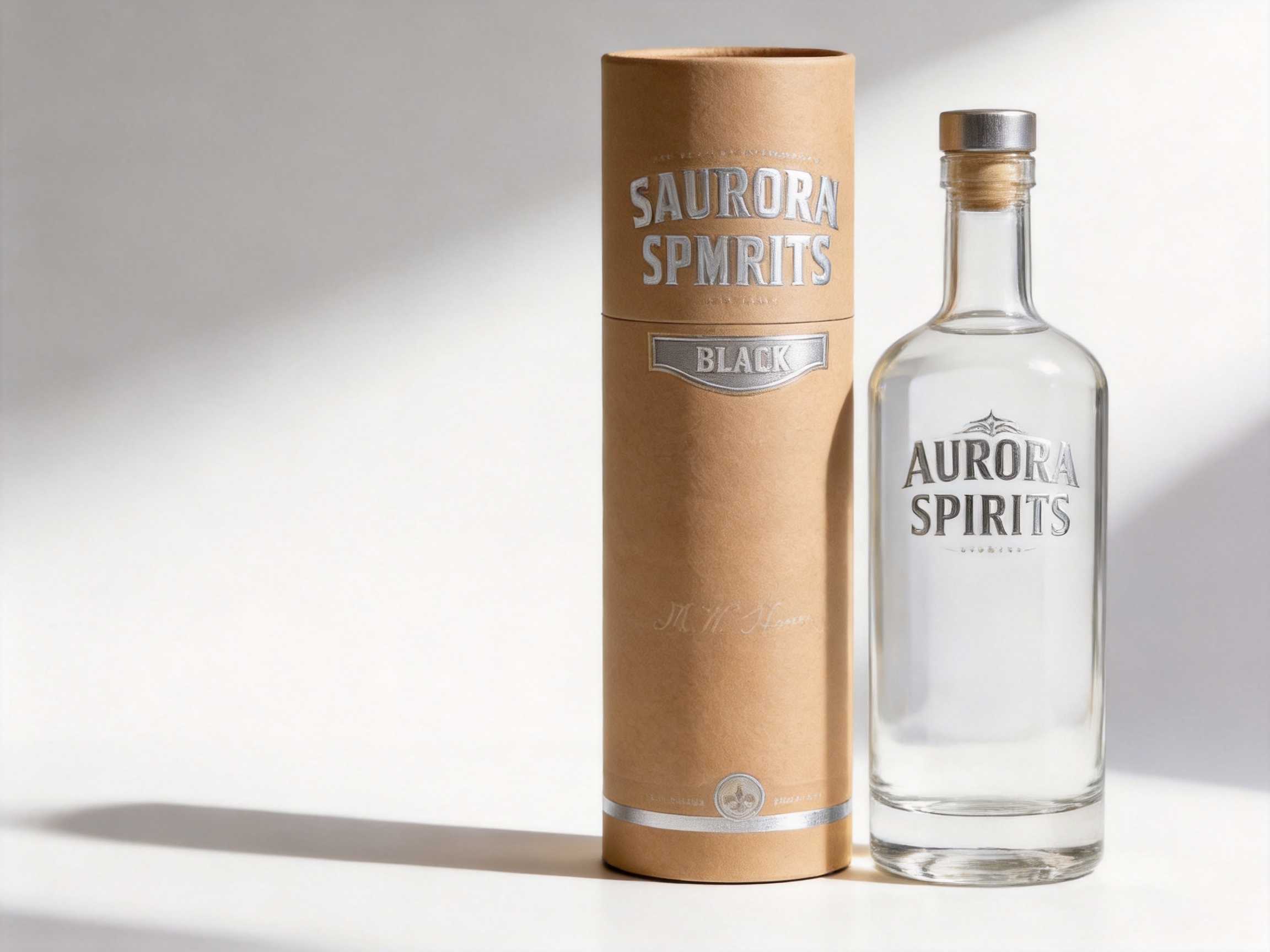
Premium Finishing Options That Strengthen Brand Identity
The decorative capabilities of this custom cardboard wine tube box are central to its market value. A wine or spirit package must communicate quickly. It should tell the buyer whether the product is classic, modern, festive, artisanal, luxurious, bold, or environmentally conscious. Printing and finishing transform a plain tube into a brand asset.
CMYK printing allows full-color images, brand graphics, patterns, and product information to be applied to the tube surface. This is useful for complex label matching, illustrated packaging, seasonal campaigns, and multi-color brand identities. Color control is important because the tube should align with bottle labels, cartons, retail displays, and marketing materials.
Matte lamination gives the tube a smooth, understated, premium surface. It reduces gloss, creates a soft hand feel, and supports luxury designs. A matte black, deep navy, forest green, burgundy, or warm cream tube can look especially refined when paired with metallic foil or spot UV details.
Hot foil stamping, including silver hot foil stamping, creates reflective highlights that immediately catch attention. Silver foil works especially well for vodka and modern spirits because it suggests clarity, coldness, purity, and precision. Gold foil may be selected for whisky, brandy, or festive wine packaging. Copper, holographic, rose gold, and other metallic effects may also be considered depending on the desired identity.
Embossing adds raised tactile detail. A logo, crest, emblem, lettering, or pattern can be lifted from the surface, allowing consumers to feel the brand. This touchpoint is highly valuable in premium packaging because it creates a sensory memory. Embossing can be subtle and elegant or bold and decorative.
UV coating can be used to highlight selected areas with gloss or texture. Spot UV over a matte surface can create contrast between smooth and shiny areas. This is effective for logos, product names, decorative patterns, bottle silhouettes, or premium seals. When used carefully, UV coating adds depth without overwhelming the design.
These finishing options provide a major advantage over competitors that rely only on basic printing. In the wines and spirits market, subtle finishing can separate a premium product from an ordinary one. The goal is not simply to decorate; it is to express product quality through visual and tactile cues.
Structural Benefits of the Cylindrical Shape
The cylindrical shape is more than a design choice. It provides practical structural benefits that are particularly useful for bottle packaging. A circular wall distributes force around the circumference, which helps resist crushing and deformation. This is one reason paper tubes are widely used for products requiring protection, such as food canisters, tea tubes, cosmetic tubes, and premium gift containers.
For wines and spirits, the cylinder works naturally with bottle geometry. Many bottles are round, and a round package feels intuitive. The tube can be designed to hold the bottle securely without excessive empty space. Depending on the specific bottle, inserts or internal supports can be added to reduce movement. The result is a balanced packaging experience that feels intentional rather than oversized or wasteful.
The upright form also supports retail display. A cylindrical tube can stand vertically on shelves, counters, and promotional tables. Its height creates visibility, while its round surface invites rotation and examination. In gift environments, a tube often appears more elegant than a flat carton because it resembles a keepsake container.
The opening and closing experience is another advantage. A paper tube with a well-fitted lid creates a sense of ceremony. The consumer removes the top, reveals the bottle, and experiences a moment of discovery. This is especially important for spirits purchased as gifts. Packaging that enhances the unboxing experience can increase satisfaction and encourage social sharing.
Competitor packaging may focus only on transport protection, but the cardboard wine tube combines protection with emotional presentation. It can protect the bottle while making the consumer feel that the product is special.
Factory Direct Customization for Different Bottle and Brand Needs
Customization is essential because wine and spirit bottles vary widely in diameter, height, shoulder shape, cap style, label placement, and brand personality. A factory direct custom tube box can be developed based on the actual bottle sample or technical drawing. The reference size of ID92*330MM is suitable for many 750ml bottles, but the final tube can be adjusted to ensure the right fit.
Customization may include tube diameter, tube height, wall thickness, top and bottom structure, paper grade, surface material, printing colors, foil color, embossing depth, UV pattern, and closure type. Some brands may prefer a tight luxury fit, while others may require more clearance for bottles with decorative labels or wax seals. Some may need export-ready durability, while others may prioritize retail display elegance.
The customer logo is a key part of the product. Logo placement can be vertical, horizontal, repeated, embossed, foiled, printed, or combined with a label-style design. The tube can also include product descriptions, tasting notes, origin information, alcohol content panels, barcode areas, regulatory details, and QR code spaces if required.
Factory direct supply improves the customization process because technical and production teams can evaluate whether a proposed design is practical. For example, very fine foil lines may need adjustment to achieve clean stamping. Heavy ink coverage on kraft paper may require surface treatment for color consistency. Embossing on a curved surface must be carefully planned so the effect is visible and stable. Direct manufacturing expertise helps prevent design problems before mass production begins.
For brands launching multiple flavors or spirit types, the same tube structure can be used with different colorways. A vodka collection may use silver, blue, and white variations. A wine gift series may use red, gold, and cream themes. A whisky range may use brown, black, and copper combinations. This maintains brand consistency while allowing product differentiation.
Advanced Manufacturing Strengths Behind the Product
A strong cardboard wine tube depends on more than good artwork. It requires precise manufacturing, reliable materials, experienced engineering, and controlled production processes. Hangzhou Qunle Packaging Co., Ltd. has been engaged in the composite can and paper can industry for over 20 years, giving it deep experience in paper tube packaging for food, daily chemical products, fast-moving consumer goods, and beverage-related applications.
The company is recognized as a professional cardboard tube packaging manufacturer and paper tube packaging supplier in China. Its long industry experience is important because composite can and paper tube production involve multiple technical steps: material selection, paper winding, adhesive control, tube forming, drying, cutting, edge finishing, printing, surface treatment, lid matching, inspection, and packing. Each step affects the final package’s strength, appearance, and usability.
The company was the first enterprise in China to pass the QS certificate for producing food packaging containers. Although wine and spirits packaging has its own requirements, experience with food packaging containers indicates strong attention to safety, cleanliness, process management, and quality consistency. This background can benefit beverage packaging buyers who need reliable production standards.
In 2015, the company introduced a high-speed composite can production line from Europe. This type of manufacturing investment can improve production efficiency, dimensional stability, forming quality, and output capacity. For buyers, advanced production lines help support large orders, stable lead times, and consistent results across batches. Consistency is especially critical when packaging is used in retail channels where tubes from different production runs may appear side by side.
The company has obtained more than 10 patented technologies, demonstrating its ongoing focus on packaging development. Patented technologies can support improvements in structure, sealing, materials, production methods, and packaging performance. For custom wine tube boxes, such technical capability helps buyers access more than simple printing services; they can work with a manufacturer that understands packaging engineering.
Long-term partnerships with well-known companies and brands in food, beverage, and consumer product categories further show manufacturing reliability. Serving established customers generally requires stable quality control, timely delivery, and responsive project communication. This experience supports the company’s ability to handle custom packaging projects for global markets.
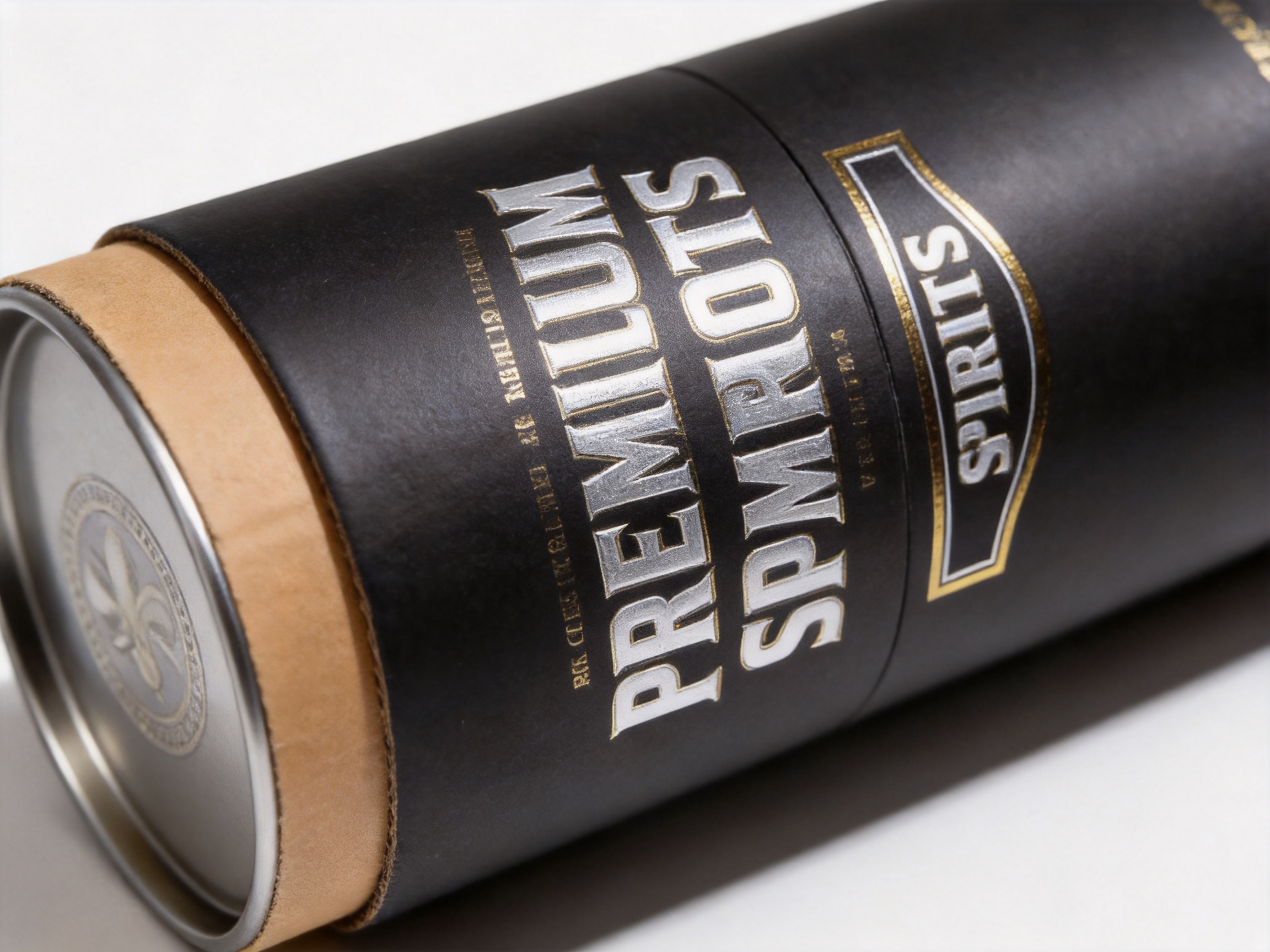
Production Process: From Concept to Finished Wine Tube Box
The manufacturing process for a custom cardboard wine tube box typically begins with product and bottle analysis. The manufacturer reviews the bottle dimensions, weight, target market, shipping conditions, branding requirements, and finishing expectations. If the buyer provides a bottle sample, the factory can assess the exact fit and recommend internal clearance. If only drawings are available, the dimensions must be accurate enough to avoid fitting issues.
The next step is structural design. The tube diameter and height are determined, along with wall thickness and closure structure. Since the reference product uses a cylinder shape with paper and tin material options, the design may include a paper body and tin elements for closure support. The structure must balance strength, cost, appearance, and sustainability goals.
Material selection follows. Kraft paper may be chosen for its strength and eco-friendly appearance. Different paper weights and layers can be selected depending on required rigidity. If the artwork requires a smooth printed finish, outer paper selection becomes especially important. Recycled material options may be discussed to align with sustainability needs.
Artwork preparation is a critical stage. The brand design must be adapted to a curved surface. Designers need to consider seam placement, vertical alignment, color accuracy, foil stamping zones, embossing areas, and any regulatory panels. Because cylindrical packaging is viewed from all sides, the artwork should flow naturally around the tube.
Printing may use CMYK processes to reproduce the approved design. Quality control during printing includes checking color consistency, registration, ink coverage, and surface cleanliness. For premium wines and spirits, even small printing defects can affect perceived value, so careful inspection is essential.
Surface finishing is applied according to the design. Matte lamination can be added for texture and protection. Hot foil stamping is applied with heat and pressure to create metallic accents. Embossing uses tooling to create raised designs. UV coating may be applied to selected areas for gloss or tactile contrast. These processes require skilled setup because curved packaging and premium graphics demand precision.
The tube body is then formed, cut, and assembled. Paper layers are wound and bonded to achieve the required strength. The tube is cut to height, edges are refined, and closures are fitted. If tin components are used, they must align cleanly with the paper body. A well-made tube should open and close smoothly, stand upright, and present a clean profile.
Inspection and packing complete the process. Finished tubes are checked for dimension, appearance, printing quality, finishing accuracy, lid fit, cleanliness, and structural integrity. Good packaging manufacturing depends on repeatability, so inspection standards help ensure that each tube meets the approved sample.
Quality Control and Consistency for Global Beverage Brands
Quality control is a central advantage of working with an experienced paper tube packaging manufacturer. A custom wine tube is not just a decorative sleeve; it must perform consistently during filling, packing, shipping, retail display, and consumer use. If the tube diameter varies, bottles may fit too tightly or too loosely. If the lid fit is inconsistent, the package may feel cheap or become difficult to open. If printing colors shift, brand identity may appear unstable.
Key quality control points include material inspection, paper thickness verification, adhesive control, tube roundness, cutting accuracy, lid fit, surface finish, print registration, foil clarity, embossing definition, and final cleanliness. For wines and spirits, visual quality is especially important because packaging defects can reduce trust in the product itself.
Dimensional consistency matters for automated or semi-automated packing lines. If a beverage brand uses a specific packing process, the tube must fit smoothly into cartons and shipping cases. Tubes with irregular diameter or height may cause packing delays. A high-speed composite can production line supports better production stability and repeatable output.
Color control is also critical. A brand may specify exact colors for seasonal or international packaging. CMYK printing must be managed carefully, especially when printing on kraft paper or textured surfaces. Proofing and sample approval help reduce risk before mass production.
Finishing quality requires dedicated attention. Foil stamping should have clean edges and strong adhesion. Embossing should be properly aligned and visible. Matte lamination should be smooth, without bubbles, scratches, or peeling. UV coating should be accurately registered to the design. These details make the difference between ordinary packaging and premium packaging.
Reliable quality control supports long-term brand growth. When consumers see the same high-quality packaging repeatedly, they associate the brand with professionalism and care. This is one reason premium spirits companies often seek stable packaging partners rather than changing suppliers frequently.
Design Strategies for Vodka, Wine, Whisky, and Other Spirits
The same cardboard tube structure can be adapted to many different alcoholic beverage categories. For vodka packaging, clean design is often effective. Silver hot foil stamping, white or icy blue backgrounds, matte lamination, and sharp typography can communicate purity and refinement. A cylindrical tube works well for vodka because it visually reinforces the sleek vertical form of many vodka bottles.
For wine packaging, the tube can emphasize gifting, origin, vineyard identity, or celebration. A natural kraft paper background with elegant printing may suit organic or boutique wines. Deep red, cream, black, or gold color palettes can support premium wine gifts. Embossed grapevine patterns, estate crests, or vintage-year typography can create a sophisticated presentation.
For whisky packaging, richer textures and darker tones are often preferred. Matte black, brown, dark green, or navy can be combined with gold, copper, or bronze foil. Embossing can highlight crests, barrel illustrations, age statements, or signature marks. The tube can become part of the storytelling around maturation, craftsmanship, and heritage.
For gin, botanical illustrations and fresh color palettes can be wrapped around the tube. Spot UV can highlight leaves, herbs, or citrus details. For liqueurs, brighter colors and decorative patterns may be used to express flavor and occasion. For brandy or cognac-style products, the design may focus on tradition, warmth, and premium metallic details.
The ability to customize artwork and finishes helps the packaging adapt to the buyer’s market strategy. A brand selling in duty-free retail may require high visibility and luxury details. A craft producer may want natural materials and artisanal textures. A festive gift set may require bold colors and celebratory foils. The cardboard wine tube format supports all of these directions.
Retail, Gift, and E-Commerce Benefits
Packaging must perform in multiple sales channels. In retail stores, it must attract attention and withstand handling. In gift sales, it must feel special. In e-commerce, it must protect the bottle and photograph well. A custom logo cardboard wine tube box is well suited to these needs.
On retail shelves, the cylindrical form breaks the monotony of rectangular boxes. It creates a vertical display presence and allows the package to be rotated for more information. A premium finish such as foil stamping can catch light and draw the eye. Matte lamination can create an upscale feel when touched.
For gifting, the tube adds immediate value. Many consumers prefer to give alcoholic beverages in a finished package rather than a bare bottle. A tube can remove the need for additional gift wrapping. It can also be reused by the recipient as a keepsake container, which extends brand exposure beyond the initial purchase.
For e-commerce, the tube provides added protection around the bottle before it is placed into shipping packaging. While outer shipping cartons and protective inserts are still important for glass bottles, the tube helps protect the product’s presentation layer. It also improves the unboxing experience when customers receive online orders.
For promotional campaigns, the tube can be designed for limited editions, holiday sets, anniversary releases, co-branded products, or regional markets. Since custom orders are accepted, artwork can be changed without redesigning the entire structural concept. This flexibility supports marketing agility.
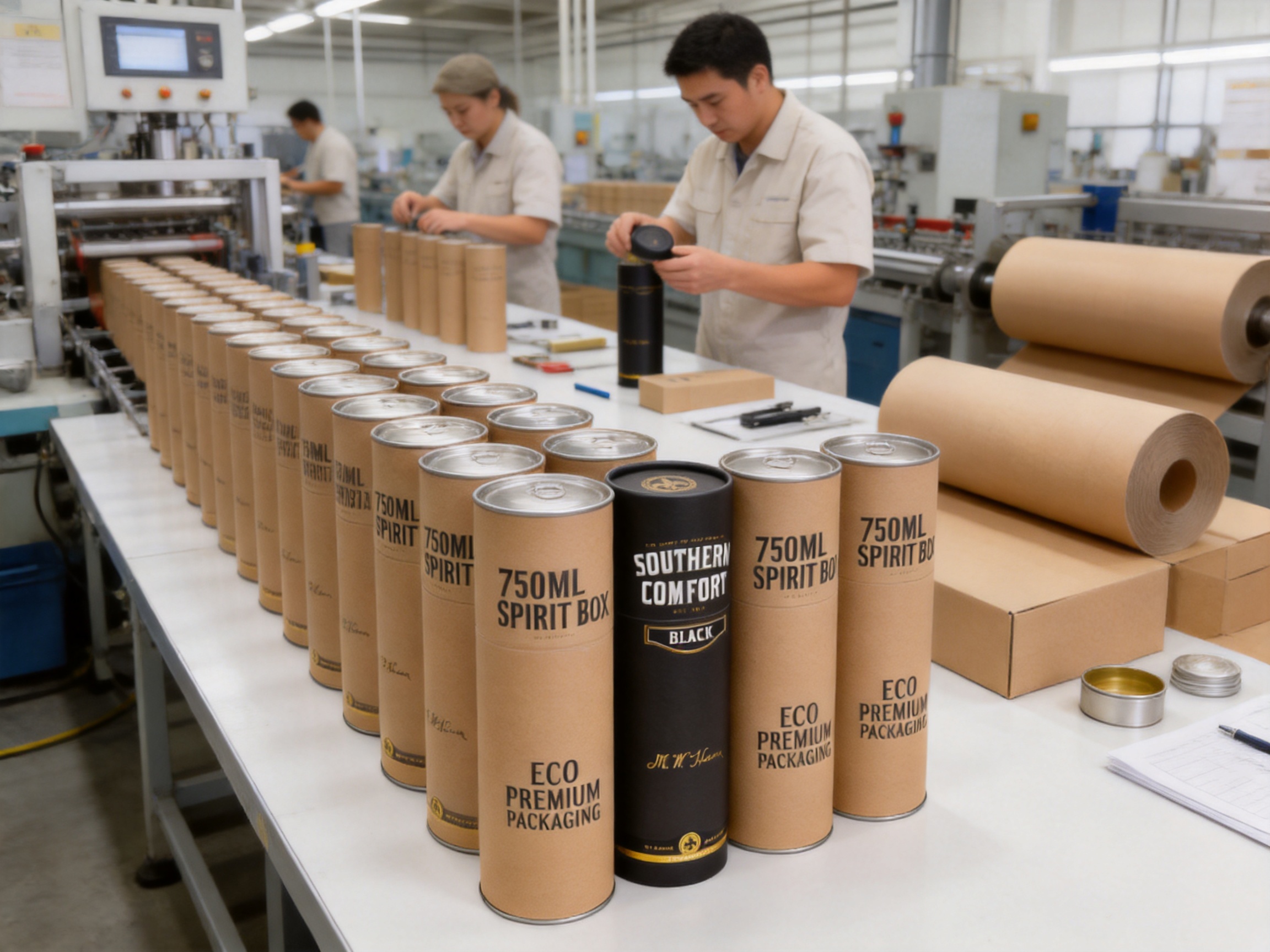
Why Factory Direct Supply Creates Buyer Advantages
Factory direct supply means buyers can work closer to the source of production. This creates advantages in communication, cost efficiency, technical support, and quality management. For custom packaging, direct communication is especially important because small details can affect the final result.
When buyers work directly with a manufacturer, they can discuss practical questions early. Will the 750ml bottle fit securely? Is ID92*330MM sufficient, or should the internal diameter be adjusted? Which paper grade is best for a premium finish? Can the logo be both embossed and foil stamped? Will matte lamination affect the color tone? How should the seam be positioned? These questions are easier to resolve when the production team is involved.
Factory direct supply can also support better cost planning. The manufacturer can recommend cost-effective solutions, such as adjusting finish areas, optimizing tube height, selecting suitable paper thickness, or standardizing dimensions across a product series. Instead of simply quoting a finished concept, the factory can help refine the design for manufacturing efficiency.
Lead time management is another benefit. Experienced manufacturers with advanced production lines can plan materials, printing, forming, finishing, and inspection more effectively. For beverage brands preparing seasonal launches or export shipments, reliable scheduling is essential.
Direct supply also improves accountability. If there is a question about color, fit, structure, or finishing, the buyer can communicate directly with the party responsible for production. This can reduce delays and misunderstandings. For repeat orders, the manufacturer can maintain records of dimensions, materials, artwork, and quality standards, helping ensure consistent results.
Company Strengths Supporting International Packaging Projects
Hangzhou Qunle Packaging Co., Ltd. brings more than 20 years of experience in the composite can and paper can industry. This experience is valuable for wines and spirits packaging because bottle tubes require a combination of structural knowledge, decorative capability, and quality control. The company’s packaging business covers food, daily chemical products, fast-moving consumer goods, and other sectors, showing broad manufacturing adaptability.
The company is the only member of the international Composite Can and Tube Institute in China’s packaging container industry. This reflects a strong connection with professional industry standards and technical development in composite cans and tube packaging. For international buyers, such industry involvement can indicate seriousness, specialization, and long-term commitment to the field.
The company’s history includes being the first enterprise in China to pass the QS certificate for producing food packaging containers. This achievement demonstrates an early commitment to regulated packaging production. Although spirit packaging is not the same as direct food-contact packaging in every case, experience with certified food packaging can contribute to disciplined manufacturing practices.
The introduction of a high-speed composite can production line from Europe in 2015 strengthened manufacturing capacity. Advanced equipment supports efficient production, stable quality, and the ability to serve larger customers. For custom cardboard wine tube orders, this equipment background can help deliver consistent tube forming and reliable output.
More than 10 patented technologies further show the company’s investment in innovation. Packaging buyers increasingly need technical partners, not only suppliers. Whether the requirement involves stronger tube walls, improved closure structures, better finishing compatibility, or efficient production methods, patented knowledge and development experience can create practical value.
The company has built long-term partnerships with well-known companies and brands across beverage, food, tea, coffee, and consumer goods sectors. Long-term cooperation with established customers requires stable quality, responsible service, and manufacturing reliability. These strengths support the development of premium wine and spirit tubes for global markets.
How the Product Supports Premium Brand Storytelling
A premium spirit is often built around a story: origin, ingredients, distillation method, vintage, purity, craftsmanship, family history, regional culture, or modern lifestyle. The cardboard wine tube box provides space and texture for that story. Unlike a bottle label, which may have limited area, the tube offers a larger surface for storytelling while still maintaining a clean luxury look.
The tube can include a short brand narrative, tasting notes, serving suggestions, production details, or gift message. Designers can use the entire cylindrical surface to create movement from one panel to another. For example, one side may feature the logo, another may display a product story, and another may include regulatory information. Because the viewer can rotate the tube, the package encourages interaction.
Finishing enhances storytelling. Embossing can make a heritage crest feel authentic. Silver foil can express modern vodka purity. Matte lamination can suggest quiet luxury. UV coating can highlight a river, mountain, botanical pattern, or product name. These details help transform information into emotion.
Sustainable materials also contribute to brand story. If a brand values responsible production, recycled material options and paper-based packaging can support that message. Natural kraft textures can communicate honesty and environmental awareness. A premium sustainable tube can show that luxury and responsibility are not opposing ideas.
Practical Considerations for Buyers Before Ordering
Before placing an order for custom cardboard wine tube boxes, buyers should prepare key information. The most important item is the bottle size. Internal diameter, bottle height, shoulder width, cap height, and base diameter all affect tube design. If the bottle has a special closure, wax seal, hang tag, or raised label, the tube should be designed with enough clearance.
Buyers should also clarify the target packaging function. Is the tube mainly for retail display, gift packaging, export distribution, online sales, or limited-edition promotion? A tube for luxury gifting may prioritize surface finish and opening experience. A tube for e-commerce may require additional structural protection and compatibility with shipping cartons.
Artwork should be prepared with production in mind. High-resolution files, accurate color references, logo files, foil areas, embossing areas, and text content should be provided clearly. Regulatory information should be checked by the buyer according to the destination market.
Material and sustainability goals should be discussed early. If recycled material content, recyclability, or reduced plastic use is important, the factory can recommend suitable options. Buyers should also consider whether metallic or laminated finishes affect their sustainability claims and choose a balanced design.
Sampling is recommended for premium projects. A sample allows the buyer to evaluate fit, color, finishing, hand feel, lid operation, and overall appearance. Once the sample is approved, mass production can follow the confirmed standard.
Q&A: Common Questions About Custom Sustainable Cardboard Wine Tube Boxes
What is this cardboard wine tube box mainly used for?
It is mainly used for wines and spirits packaging, including vodka, wine, whisky, gin, brandy, liqueur, and other 750ml bottle products. It provides premium presentation, bottle protection, and custom branding.
Can the tube size be customized?
Yes. The reference size is ID92*330MM, which suits many 750ml bottles, but custom orders are accepted. Diameter, height, wall thickness, and closure details can be adjusted according to the actual bottle.
What materials are used?
The product uses kraft paper and can include a paper plus tin structure. Recycled material options and eco-friendly designs are available depending on the buyer’s requirements.
What printing and finishing options are available?
Available options include CMYK printing, matte lamination, embossing, hot foil stamping such as silver foil, and UV coating. These processes help create a premium visual and tactile effect.
Why choose a cylindrical tube instead of a rectangular box?
A cylindrical tube offers strong structural performance, a distinctive shelf appearance, 360-degree branding space, and a premium gift-ready feel. It also matches the round form of many beverage bottles.
Is this packaging suitable for sustainable brand positioning?
Yes. Paper-based tube packaging with kraft paper and recycled material options can support eco-friendly packaging strategies. It helps reduce reliance on plastic-heavy presentation packaging while maintaining a premium look.
Can the customer logo be applied with special effects?
Yes. Customer logos can be printed, embossed, foil stamped, or combined with spot UV effects. The choice depends on the brand style and the desired luxury level.
What makes factory direct supply beneficial?
Factory direct supply improves communication, customization accuracy, cost planning, quality control, and lead time management. Buyers can work directly with technical and production teams to refine the packaging.
What company strengths support this product?
The manufacturer has over 20 years of experience in composite cans and paper cans, advanced production equipment, patented technologies, certified food packaging experience, and long-term cooperation with established consumer product brands.
Should buyers request samples before mass production?
Yes. Sampling is strongly recommended for premium wines and spirits packaging because it allows buyers to confirm fit, color, finish, lid function, and overall quality before full production.
Conclusion
The factory direct custom logo sustainable cardboard wine tube box is a strong solution for premium wines and spirits packaging. It combines a rigid cylindrical structure, kraft paper material value, recycled and eco-friendly options, custom logo branding, CMYK printing, and luxury finishing processes such as embossing, matte lamination, silver hot foil stamping, and UV coating. With a reference size of ID92*330MM, it is suitable for many 750ml vodka, wine, and spirit bottles while still allowing customization for different bottle shapes and market needs.
Compared with many competitor packaging formats, this paper tube offers a better balance of presentation, protection, sustainability, and brand expression. It feels premium in the hand, stands out on shelves, supports gift sales, improves the unboxing experience, and gives designers a continuous 360-degree surface for storytelling. For beverage brands seeking to upgrade their packaging, it provides both practical performance and emotional appeal.
The manufacturing strength behind the product is equally important. With more than 20 years of experience in paper can and composite can production, advanced production equipment, patented technologies, and a record of serving recognized brands, Hangzhou Qunle Packaging Co., Ltd. offers the technical foundation needed for reliable custom packaging. For global wines and spirits companies, working with an experienced factory direct supplier can improve product development, quality consistency, and long-term packaging value.
As consumers continue to expect packaging that is beautiful, protective, and responsible, sustainable cardboard wine tube boxes are becoming an increasingly attractive choice. They demonstrate that premium packaging can be both elegant and practical, both brand-focused and environmentally aware. For vodka, wine, whisky, and other spirits, a well-designed custom paper tube can turn a bottle into a complete premium experience.
References
Packaging Design: Successful Product Branding from Concept to Shelf, Marianne R. Klimchuk and Sandra A. Krasovec.
The Wiley Encyclopedia of Packaging Technology, edited by Kit L. Yam.
Paper and Paperboard Packaging Technology, edited by Mark J. Kirwan.
Fundamentals of Packaging Technology, Institute of Packaging Professionals.
Sustainable Packaging: Design and Development, Subramanian Senthilkannan Muthu.
Composite Can and Paper Tube Manufacturing Industry Practices, packaging industry technical literature.
