 English
 Español

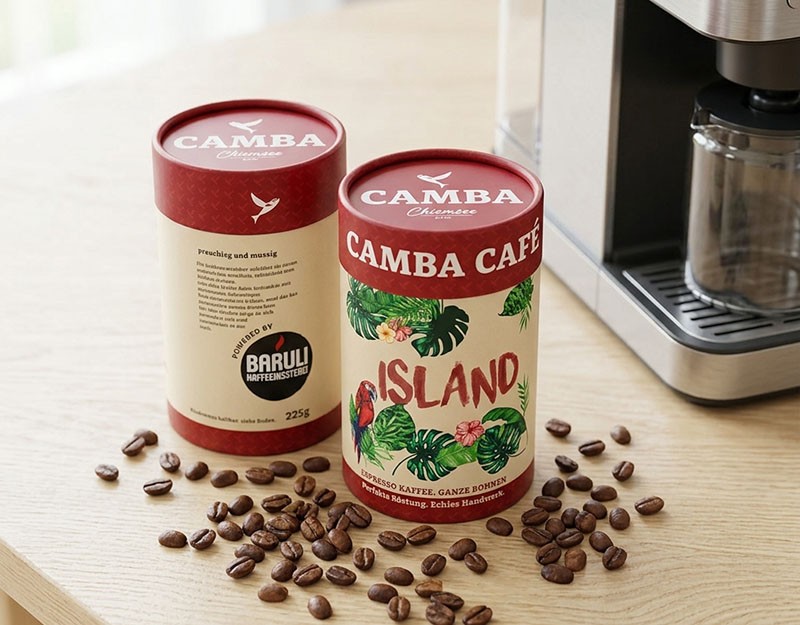
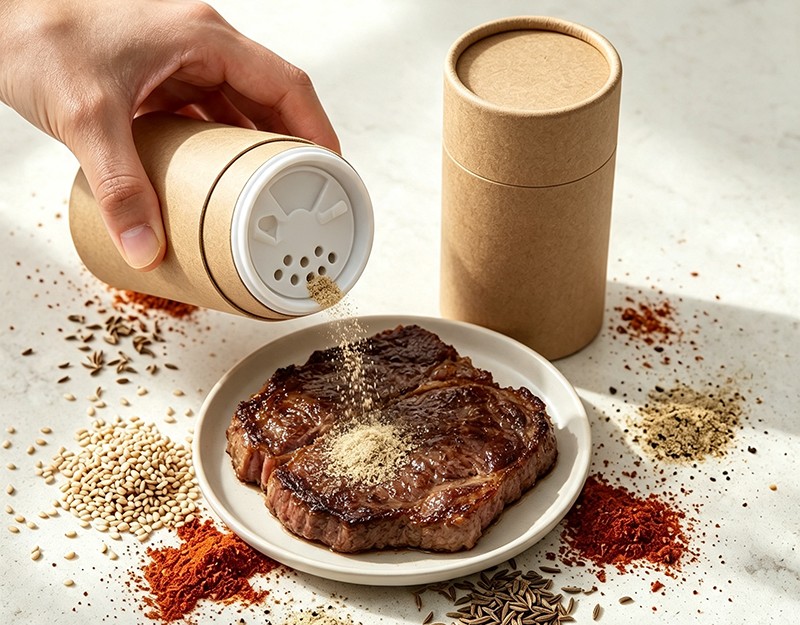
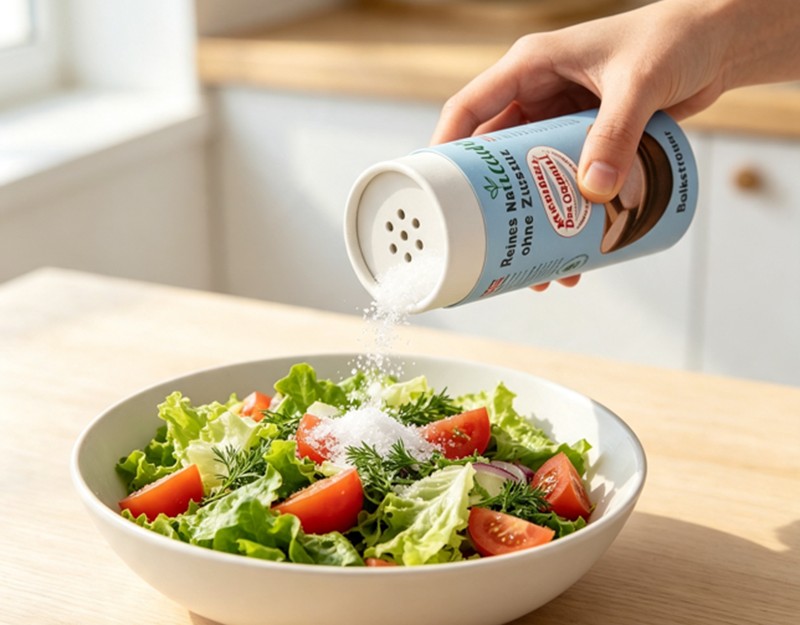
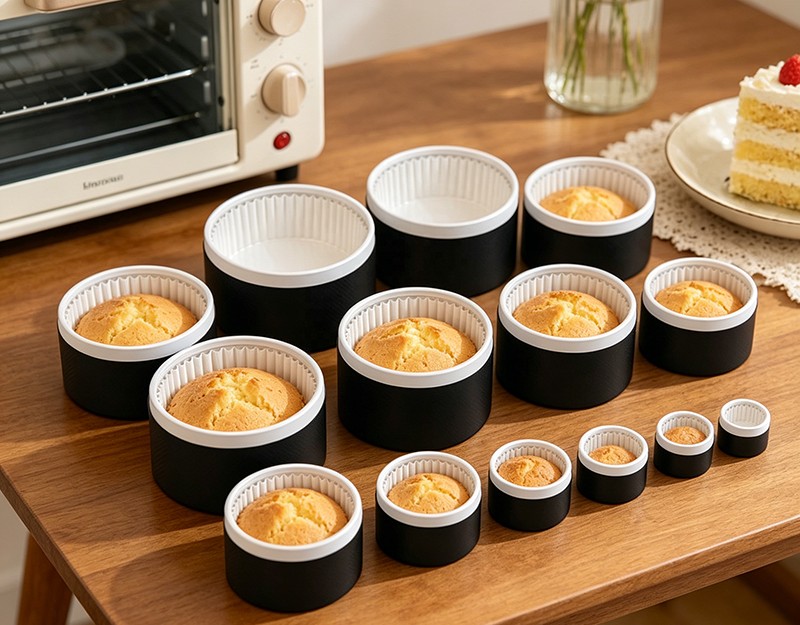
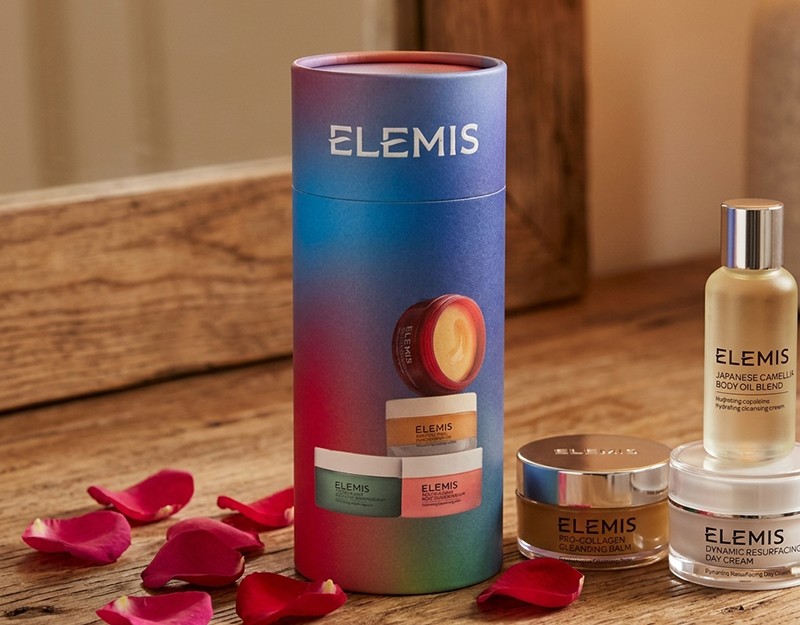
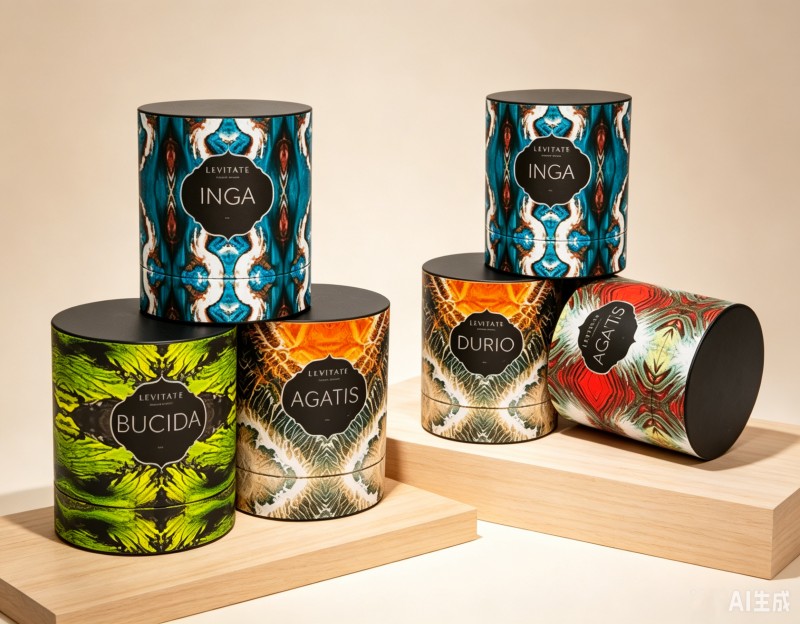
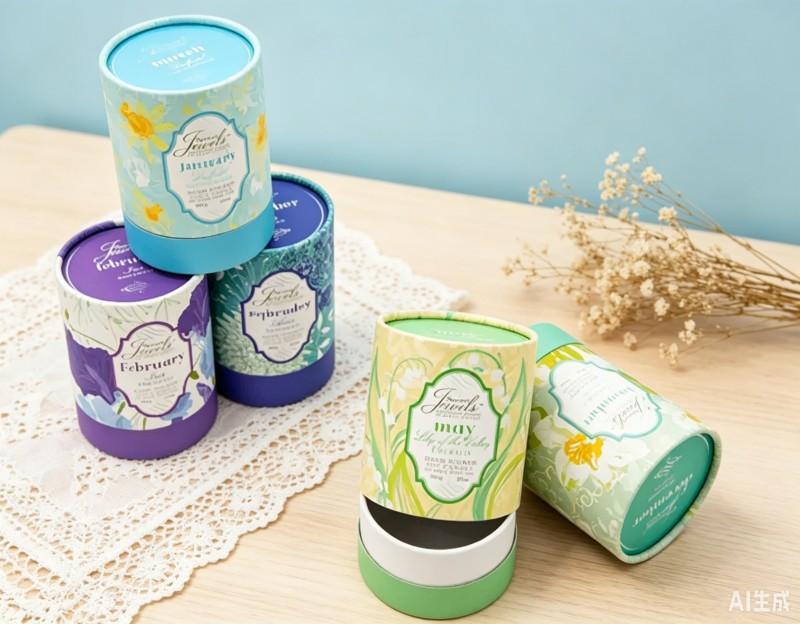
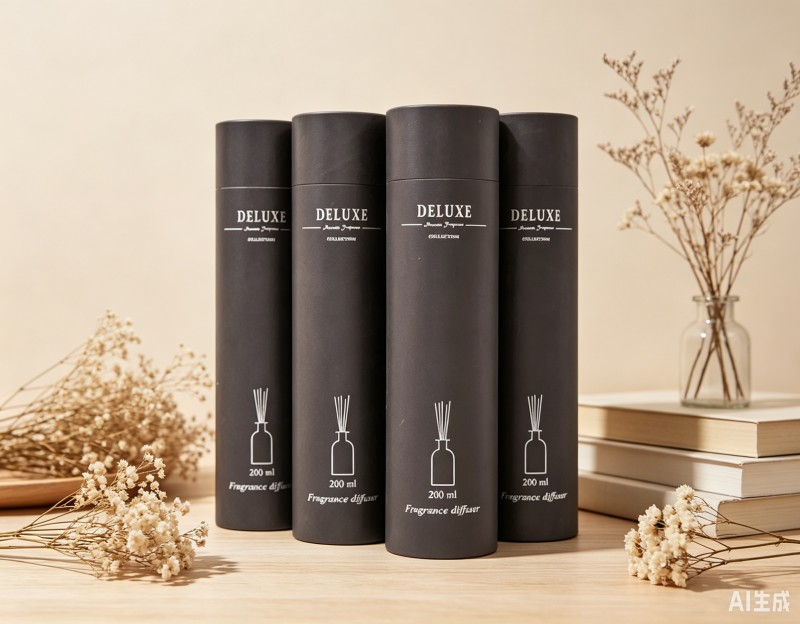
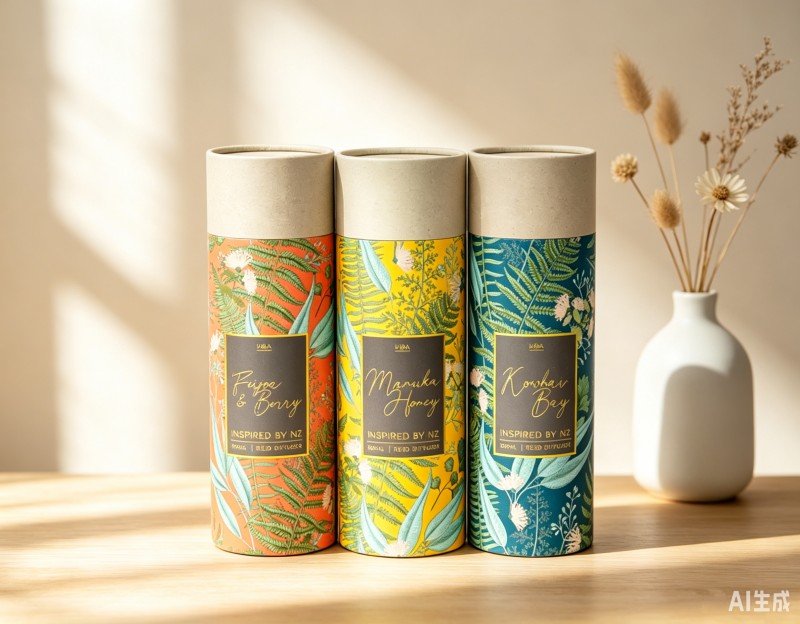
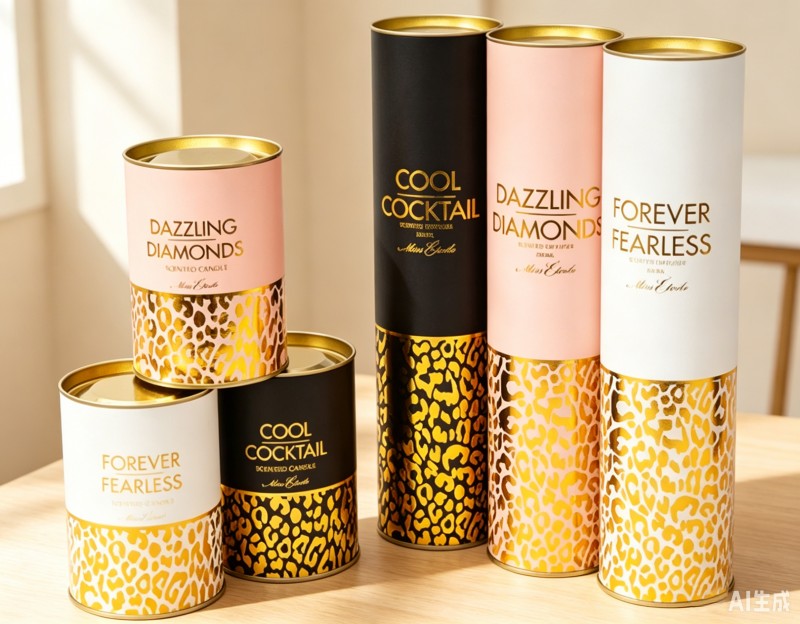
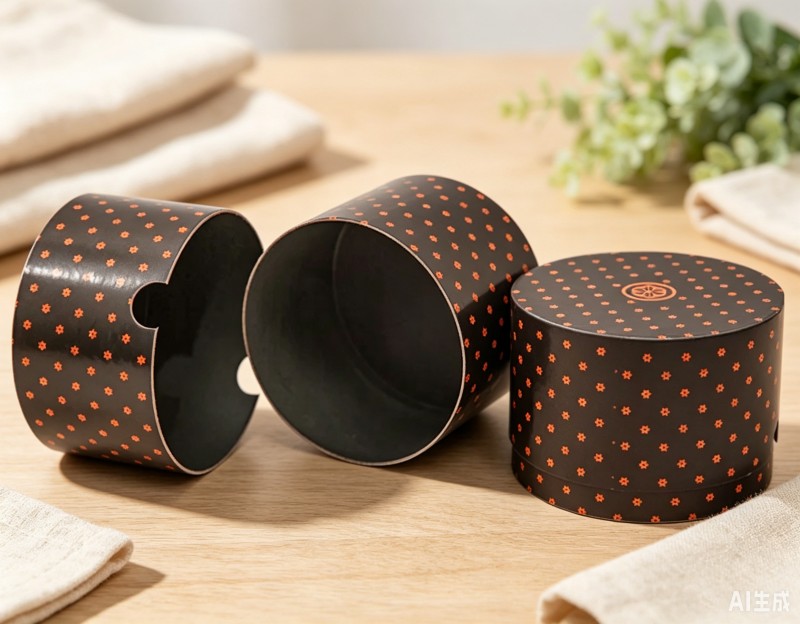
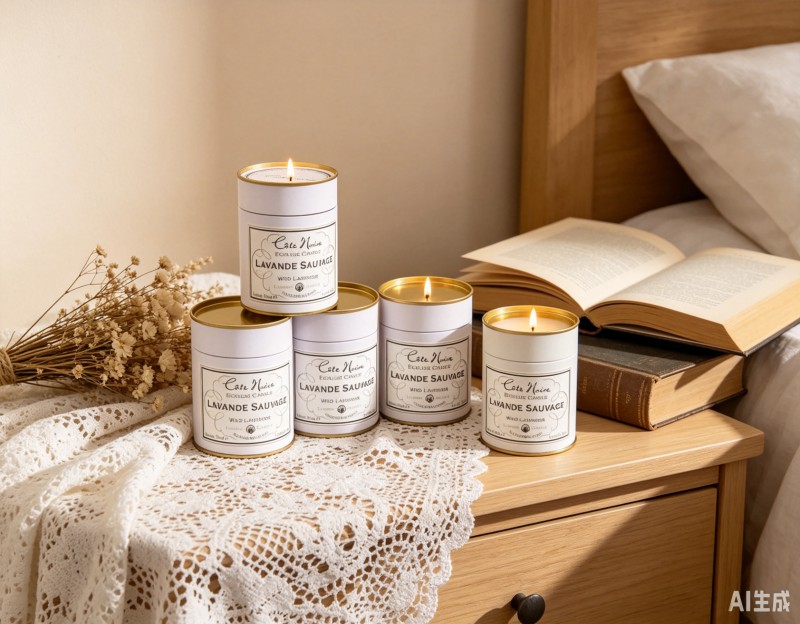

As one of the top China cardboard tube packaging manufacturers and paper tube packaging suppliers, we devote all of our efforts to research and launch more high quality packaging products to global market.
In the fast-growing nutrition and supplements market, packaging is no longer a simple container. It is a brand signal, a protective system, a sustainability statement, and a practical tool for retail, e-commerce, and consumer use. Custom protein powder boxes and protein bar boxes made from premium paper tube packaging provide a distinctive solution for brands that want to combine shelf impact, reliable structure, and environmentally responsible presentation.
This article explores a custom cylindrical paper tube package designed for protein powder, protein bars, and related nutrition products. The product uses a two-piece paper tube construction with rolled edges, coated paper or kraft paper material options, white paper lining, CMYK printing, matt lamination, and custom logo printing. With a typical size of ID 92–95 mm by 230 mm, it is suitable for many supplement packaging applications, especially premium protein products, sports nutrition collections, sample kits, bar packs, powdered blends, and gift-style nutrition bundles.
As consumers become more selective, nutrition brands need packaging that communicates quality before the product is opened. A rigid paper tube gives a stronger visual and tactile impression than many ordinary folding cartons, plastic jars, or flexible pouches. It feels substantial in the hand, stands upright on shelves, supports full-surface branding, and can be engineered for repeat use. For businesses seeking wholesale paper tube packaging, custom cardboard tube packaging, or eco-conscious supplement containers, this product category offers a compelling balance of function and market appeal.
Content
- 1 Product Overview: Custom Paper Tube Packaging for Protein Powders and Protein Bars
- 2 Key Specifications
- 3 Why Paper Tube Packaging Works for Nutrition and Supplements
- 4 Advantages Over Conventional Competitor Packaging
- 5 Structural Design: Two-Piece Paper Tube with Rolled Edges
- 6 Material Options: Coated Paper and Kraft Paper
- 7 Printing and Finishing: CMYK Printing with Matt Lamination
- 8 Customization Possibilities for Nutrition Brands
- 9 Manufacturing Strengths Behind the Product
- 10 Advanced Manufacturing Process
- 11 Why Direct Factory Production Matters
- 12 Packaging for Brand Storytelling
- 13 Retail and E-Commerce Advantages
- 14 Consumer Convenience and Reuse Potential
- 15 Design Strategies for Protein Powder and Protein Bar Tubes
- 16 Quality Considerations for Nutrition Packaging Buyers
- 17 Sustainability Positioning and Responsible Packaging
- 18 Company Capabilities Supporting Global Packaging Needs
- 19 How This Product Helps Nutrition Brands Compete
- 20 Best-Fit Customers and Market Segments
- 21 Ordering and Development Considerations
- 22 Q&A: Custom Protein Powder Box and Protein Bar Paper Tube Packaging
- 22.1 Q1: What is the main use of this paper tube package?
- 22.2 Q2: What makes this package different from ordinary protein bar cartons?
- 22.3 Q3: Can the packaging be customized with a brand logo?
- 22.4 Q4: What materials are available?
- 22.5 Q5: Is this package suitable for eco-conscious brands?
- 22.6 Q6: What is the standard size?
- 22.7 Q7: What printing and finish are used?
- 22.8 Q8: What is the minimum order quantity?
- 22.9 Q9: Can the tube be used for direct food contact?
- 22.10 Q10: Why choose an experienced paper tube manufacturer?
- 23 Conclusion
- 24 References
Product Overview: Custom Paper Tube Packaging for Protein Powders and Protein Bars
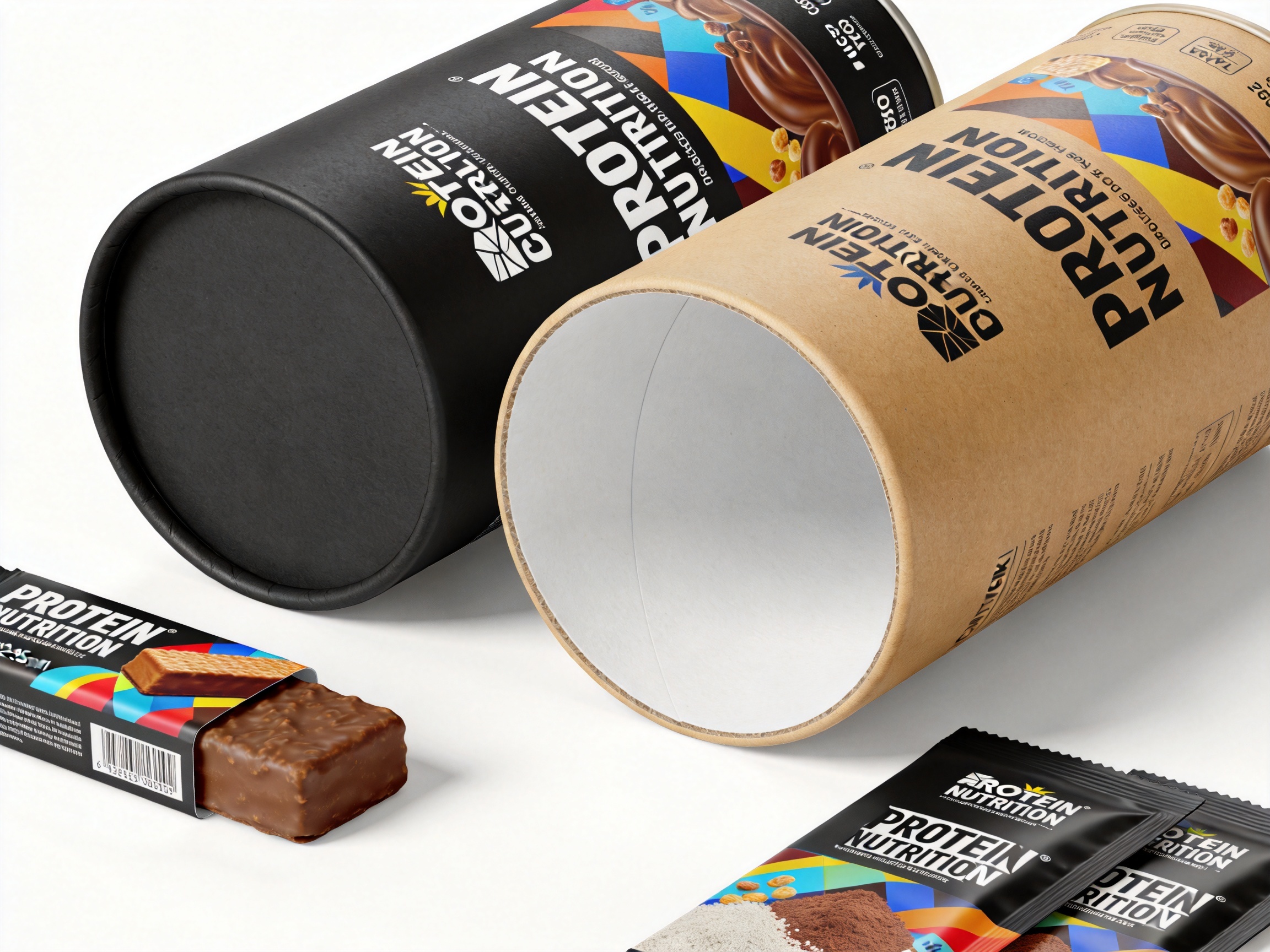
The custom protein powder box and protein bar box is a cylinder-shaped paper package manufactured from paper-based materials. It is designed as a two-piece paper tube with rolled edges, creating a premium appearance and a strong rim structure. The body can be made with coated paper, kraft paper, or customized paper combinations depending on the brand’s desired look, protection requirements, and sustainability positioning.
The standard product information includes industrial use for protein bar boxes, a two-piece construction, coated paper and kraft paper options, white paper lining, acceptance of custom orders, recycled and eco-friendly material features, CMYK printing, matt lamination, custom logo application, and direct factory production. The minimum order quantity is typically 5,000 pieces, which makes it suitable for established nutrition brands, product launches, seasonal promotions, and wholesale packaging programs.
The package’s cylindrical shape is one of its strongest differentiators. While many protein bars are sold in rectangular cartons and many protein powders are placed in plastic tubs or flexible pouches, a round paper tube creates immediate shelf distinction. It can be designed for single-flavor protein bar collections, sample assortments, powder sachets, capsule bottles, shaker accessory sets, or premium gift packs for fitness and wellness consumers.
Because the tube can accept full-color CMYK printing and custom branding, it can support a wide range of design languages. A natural kraft finish can communicate clean-label nutrition, plant-based ingredients, organic positioning, and eco-friendly values. A coated paper surface with matt lamination can create a smooth, refined, modern look suitable for premium sports nutrition, clinical supplements, or high-end wellness brands.
Key Specifications
| Specification | Details | Brand Benefit |
|---|---|---|
| Industrial Use | Protein bar boxes, protein powder boxes, nutrition and supplements packaging | Suitable for health, wellness, sports nutrition, and supplement product lines |
| Construction | Two-piece paper tube with rolled edges | Provides a premium structure, clean rim finish, and reliable handling strength |
| Paper Type | Coated paper, kraft paper, and customized paper options | Supports both luxury branding and natural eco-style presentation |
| Lining | White paper lining | Creates a clean interior appearance and improves presentation quality |
| Custom Order | Accepted | Allows size, printing, logo, finish, and structure customization |
| Feature | Recycled materials and eco-friendly paper-based design | Helps brands respond to consumer demand for more sustainable packaging |
| Size | ID 92–95 mm by 230 mm | Practical for multiple supplement packaging formats and product combinations |
| Printing | CMYK printing | Enables vivid graphics, product information, nutritional themes, and brand storytelling |
| Post-Printing Handling | Matt lamination | Creates a refined surface texture and protects the printed design |
| Shape | Cylinder shape | Offers distinctive shelf presence compared with ordinary boxes and pouches |
| Logo | Custom logo available | Strengthens brand identity and retail recognition |
| Production Model | Direct factory manufacturing | Improves consistency, customization control, and procurement efficiency |
| MOQ | 5,000 pieces | Suitable for wholesale, growing brands, and planned product campaigns |
Why Paper Tube Packaging Works for Nutrition and Supplements
Nutrition packaging must satisfy several demands at once. It needs to protect the product, communicate product benefits, stand out in crowded retail environments, support regulatory information, and meet consumer expectations for convenience and sustainability. Paper tube packaging addresses these needs with a strong cylindrical structure, large printable surface, and natural material appeal.
For protein bars, the tube format can be used as an outer box that holds multiple individually wrapped bars. This creates a premium multi-pack experience and allows the brand to present flavors, ingredient claims, fitness messaging, and usage occasions on a rigid container. For protein powders, the tube can be used for powder sachets, smaller powder servings, starter kits, trial packs, or secondary packaging around inner sealed units.
The supplement market is increasingly segmented. There are sports performance brands, weight management brands, vegan nutrition brands, women’s health lines, children’s nutrition products, senior wellness products, meal replacement programs, and functional snack companies. Each segment needs packaging that looks intentional. A custom paper tube gives these brands a format that is flexible enough to appear rugged, clean, clinical, luxurious, minimalist, colorful, or natural depending on the design.
Compared with flat cartons, a rigid cylindrical tube often feels more durable and more giftable. Compared with plastic tubs, it provides a warmer and more eco-conscious appearance. Compared with flexible pouches, it has better shelf presence and a more premium unboxing experience. For nutrition brands trying to elevate customer perception, this difference can be significant.
Advantages Over Conventional Competitor Packaging
Stronger Premium Impression Than Folding Cartons
Folding cartons are common in protein bar packaging because they are economical and easy to stack. However, they can look ordinary, especially when many competing products use similar rectangular shapes. A paper tube creates immediate differentiation. Its round silhouette attracts the eye, and its rigid walls make it feel more substantial than a typical carton.
The rolled edges further improve the premium impression. Instead of thin folded paperboard edges, the tube has a clean rim that supports a high-quality appearance. This is particularly useful for brands positioned in premium supplements, functional foods, boutique fitness, wellness gifting, or natural lifestyle retail.
More Natural and Eco-Conscious Than Plastic Containers
Plastic tubs have long been used for protein powder, but consumer attitudes are changing. Many buyers are looking for packaging with reduced plastic dependence, recycled content, and a more responsible material story. Paper tube packaging provides a paper-based alternative that can visibly communicate sustainability values.
Although final packaging performance depends on the full structure and any inner product-contact components, a paper tube outer package can significantly reduce reliance on rigid plastic presentation. Kraft paper options, recycled material features, and clean matt finishes help brands align with eco-conscious consumer expectations.
Better Shelf Presence Than Flexible Pouches
Flexible pouches are lightweight and efficient, but they can slump, wrinkle, or appear less premium in retail displays. A cylindrical paper tube stands upright and holds its form. It supports 360-degree branding and can be positioned as a display-worthy container that consumers may keep after purchase.
For protein bar multi-packs, a tube can present the product as a curated set rather than a basic commodity. For powder sachets, it can turn trial packs into a premium starter kit. For wellness programs, it can serve as a daily-use container that sits attractively on a kitchen counter, gym shelf, office desk, or retail display.
Enhanced Tactile Experience
Packaging touch matters. Consumers often judge quality through weight, texture, resistance, and finish. A matt-laminated paper tube creates a smooth, refined tactile effect. Kraft paper offers a natural, organic feel. Rolled edges make the opening and closing experience more satisfying. These details help reinforce the perception that the product inside is carefully formulated and professionally presented.
The cylindrical body also feels comfortable to hold. It is easy to grip, easy to pass between staff and customers, and suitable for promotional events, fitness expos, nutrition sampling campaigns, and retail demonstrations.
Excellent Branding Space
A paper tube offers a continuous surface that can be used for design, storytelling, nutritional positioning, product instructions, flavor systems, icons, certification marks, batch information areas, and promotional messaging. With CMYK printing, brands can use vivid colors, gradients, lifestyle imagery, ingredient illustrations, or minimalist typography.
The 360-degree printable format allows designers to create a complete visual journey around the tube. The front panel can show the product name and key benefit. The side area can explain ingredients or usage. The back can provide supplement facts, barcode placement, manufacturer information, or sustainability messaging. The lid and bottom can also contribute to the design system when required.
Structural Design: Two-Piece Paper Tube with Rolled Edges
The two-piece paper tube structure usually includes a base body and a separate lid or closure component. This construction is widely appreciated because it is simple, elegant, and user-friendly. The consumer can remove the top, access the product, and reclose the package with ease. For protein bars or supplement sachets, this repeated opening and closing experience can improve daily convenience.
Rolled edges strengthen the upper and lower rims. They also create a smooth, finished appearance that makes the package look more refined. In comparison, basic straight-cut paper tubes may appear less polished or may be more vulnerable to visible edge wear. Rolled-edge construction is especially valuable for premium packaging because consumers notice the details when they handle the container.
The cylinder shape naturally distributes pressure around the body. This can help resist deformation during handling, storage, and display. While it is not a substitute for proper shipping cartons and internal product protection, the rigid tube provides a more protective outer structure than many lightweight paperboard formats.
The white paper lining gives the inside of the package a bright, clean appearance. This matters in nutrition and supplement packaging because cleanliness and perceived hygiene influence trust. When consumers open a container and see a neat white interior, the product presentation feels more controlled and professional.
Material Options: Coated Paper and Kraft Paper
Coated Paper for Premium Color and Smooth Graphics
Coated paper is a strong choice when a brand wants sharp printing, rich color, and a clean commercial appearance. It works well with CMYK printing and matt lamination, making it suitable for modern supplement brands with complex graphics or bold shelf designs. Coated paper can support high-contrast typography, photography-inspired artwork, and detailed ingredient visuals.
For sports nutrition brands, coated paper may be used to create dynamic energy through strong color palettes, metallic-like visual effects, or sleek monochrome designs. For clinical nutrition brands, it can support a clean white background with precise information hierarchy. For lifestyle wellness brands, it can create a soft, elegant look with muted tones and sophisticated graphic elements.
Kraft Paper for Natural, Recycled, and Organic Positioning
Kraft paper communicates authenticity and environmental awareness. It is often selected by brands that focus on plant-based protein, natural ingredients, organic snacks, low-waste values, or clean-label formulas. The natural brown tone of kraft paper can work beautifully with black ink, white ink, earth-tone palettes, botanical illustrations, and minimalist branding.
Kraft paper also gives consumers an immediate visual cue that the package is paper-based and potentially more eco-conscious than plastic alternatives. For many supplement buyers, especially those interested in wellness, sustainability is part of the purchase decision. Kraft paper helps turn packaging into a visible expression of brand values.
Recycled and Eco-Friendly Material Features
The product is described as using recycled materials and eco-friendly features. In modern packaging strategy, this is a major advantage. Brands are under increasing pressure from retailers, consumers, and sustainability goals to reduce unnecessary plastic and choose materials with a better environmental profile.
Paper tube packaging can help brands tell a more responsible story. It can be designed to reduce plastic-heavy presentation, use recycled paper content where appropriate, and support easier separation of components depending on the final specification. Because sustainability requirements vary by market, brands should define their recyclability, food-contact, and disposal claims based on the finished package and local regulations.
Printing and Finishing: CMYK Printing with Matt Lamination
Printing is one of the main strengths of custom paper tube packaging. CMYK printing enables full-color artwork and makes the package a powerful communication platform. For protein powder and protein bar brands, printed packaging can do much more than show a logo. It can explain nutritional benefits, highlight protein grams, identify dietary features, display flavor cues, build emotional appeal, and support product differentiation.
Matt lamination adds a protective and aesthetic layer after printing. It reduces glare, gives the surface a refined texture, and helps protect the printed design from handling wear. The matt finish is especially popular in premium packaging because it feels understated and modern. It does not shout like a glossy surface; instead, it communicates confidence and quality.
For nutrition products, matt lamination can help convey trust. A smooth, non-reflective finish makes text easier to read under retail lighting and gives the tube a more sophisticated appearance. It also works well with minimalist designs, fitness-oriented branding, organic ingredient illustrations, and premium color palettes.
Customization Possibilities for Nutrition Brands
Custom orders are accepted, which means brands can develop packaging around their exact product and market needs. The provided size of ID 92–95 mm by 230 mm is practical for many applications, but customization can involve more than dimensions. A brand can adjust paper material, print design, logo placement, finish, lid fit, internal lining, decorative details, and shipping configuration.
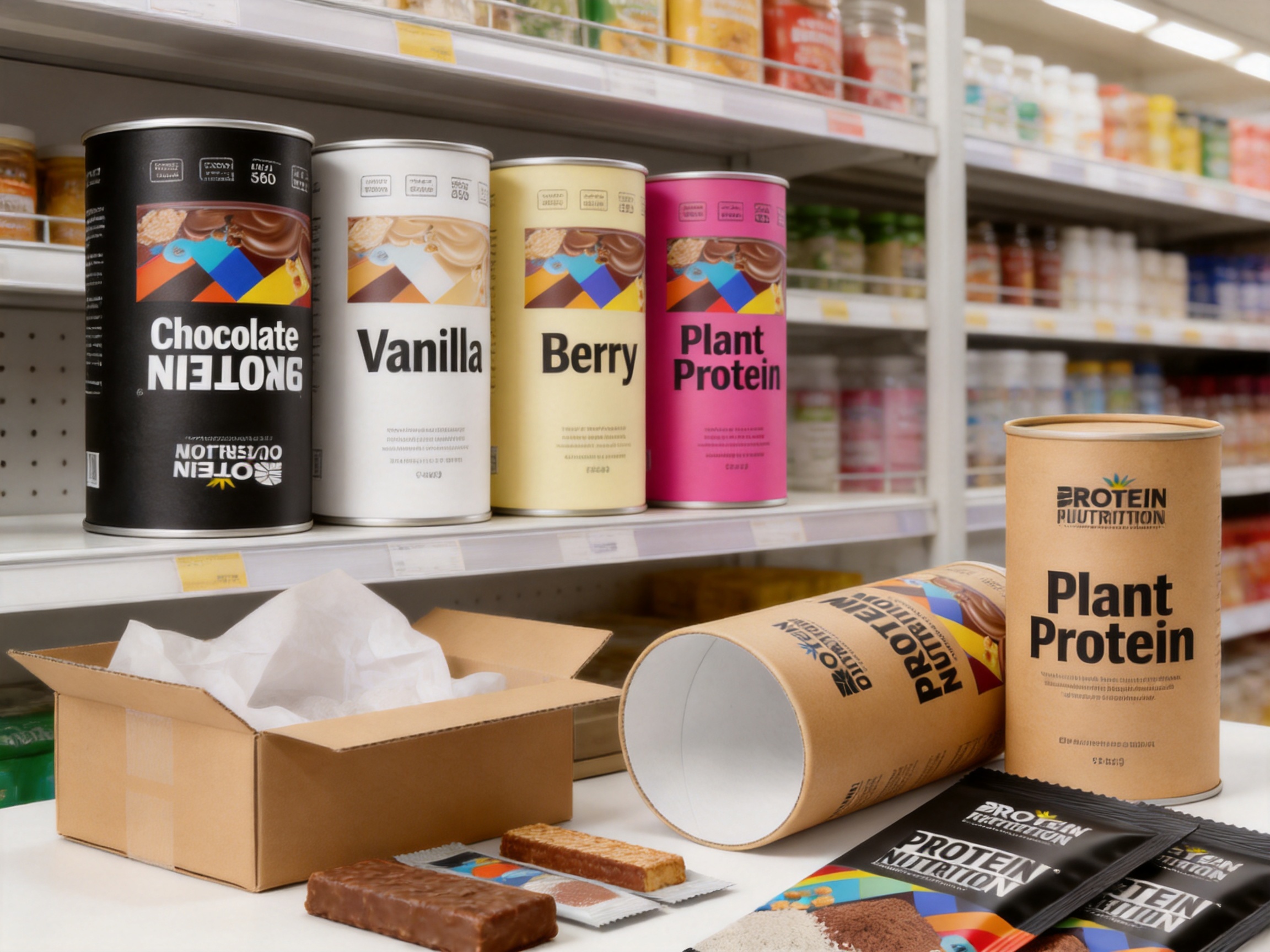
Custom logo application is essential for building brand identity. On a round tube, the logo can be positioned prominently on the front-facing area and repeated on the lid or side panels. Brands can also use color coding for different flavors or formulas, such as chocolate protein, vanilla protein, plant-based blend, collagen bar, keto bar, or high-fiber snack bar.
The tube can be customized for multiple retail strategies. For a premium protein bar line, it may hold a set of individually wrapped bars and function as a countertop display item. For a powder brand, it may hold sachets for a trial program. For subscription nutrition, it may become a monthly kit container. For promotional events, it may hold sample bars, coupons, nutrition guides, and branded merchandise.
Examples of Product Applications
For protein bar boxes, the tube can contain a multi-pack of bars arranged vertically or horizontally depending on size. This is useful for flavor collections, variety packs, gift sets, gym retail, and health food stores.
For protein powder boxes, the tube can contain single-serve sachets, trial packets, scoop accessories, or inner sealed bags. This creates a cleaner and more premium presentation than loose sachets in a basic carton.
For nutrition starter kits, the tube can combine bars, powder sachets, shaker accessories, measuring spoons, and printed instructions. This format is especially effective for online campaigns and influencer collaborations.
For wellness gifting, the tube can package supplements with chocolates, teas, fitness cards, or candles in a broader lifestyle set. The rigid paper tube feels gift-ready and can be kept by the consumer.
For limited editions, the cylinder format can become a collector-style package with seasonal graphics, athlete collaborations, or event branding.
Manufacturing Strengths Behind the Product
High-quality paper tube packaging depends on more than material selection. It requires precise manufacturing, experienced process control, reliable printing, consistent tube forming, clean edge finishing, and strong quality inspection. Hangzhou Qunle Packaging Co., Ltd. has been engaged in the composite can and paper can industry for over 20 years, giving it deep experience in the design and production of paper-based cylindrical containers.
The company is recognized as a cardboard tube packaging manufacturer and paper tube packaging supplier with broad experience across food, daily chemical products, fast-moving consumer goods, and related packaging fields. This broad application background matters because nutrition packaging often combines requirements from food packaging, premium retail packaging, and consumer goods branding.
The company is also the only member of the international Composite Can and Tube Institute in China’s packaging container industry. This participation indicates attention to industry development, technology, and professional standards in composite can and tube manufacturing. In addition, the company was the first enterprise in China to pass the QS certificate for producing food packaging containers, showing an early commitment to food packaging compliance and production management.
In 2015, the company introduced a high-speed composite can production line from Europe. This investment strengthened its manufacturing capacity and helped support large-scale, consistent production. For customers ordering custom protein powder boxes or protein bar boxes, advanced production equipment can improve efficiency, consistency, and lead-time reliability.
The company has obtained more than 10 patented technologies, demonstrating a continuing focus on packaging research and product improvement. Patent-backed technical capability is important in competitive packaging markets because brands need reliable partners who can solve structural, aesthetic, and production challenges rather than only supply generic containers.
Advanced Manufacturing Process
1. Material Selection and Preparation
The manufacturing process begins with selecting appropriate paper materials. Depending on the project, coated paper, kraft paper, recycled paper content, white lining paper, and other paperboard layers may be prepared. Material selection influences strength, printing quality, tactile feel, sustainability positioning, and cost.
For nutrition packaging, consistency is essential. Paper thickness, moisture content, surface quality, and bonding compatibility affect the finished tube. Experienced manufacturers evaluate these factors before production to reduce defects such as warping, poor adhesion, printing inconsistency, or uneven edges.
2. Printing and Surface Decoration
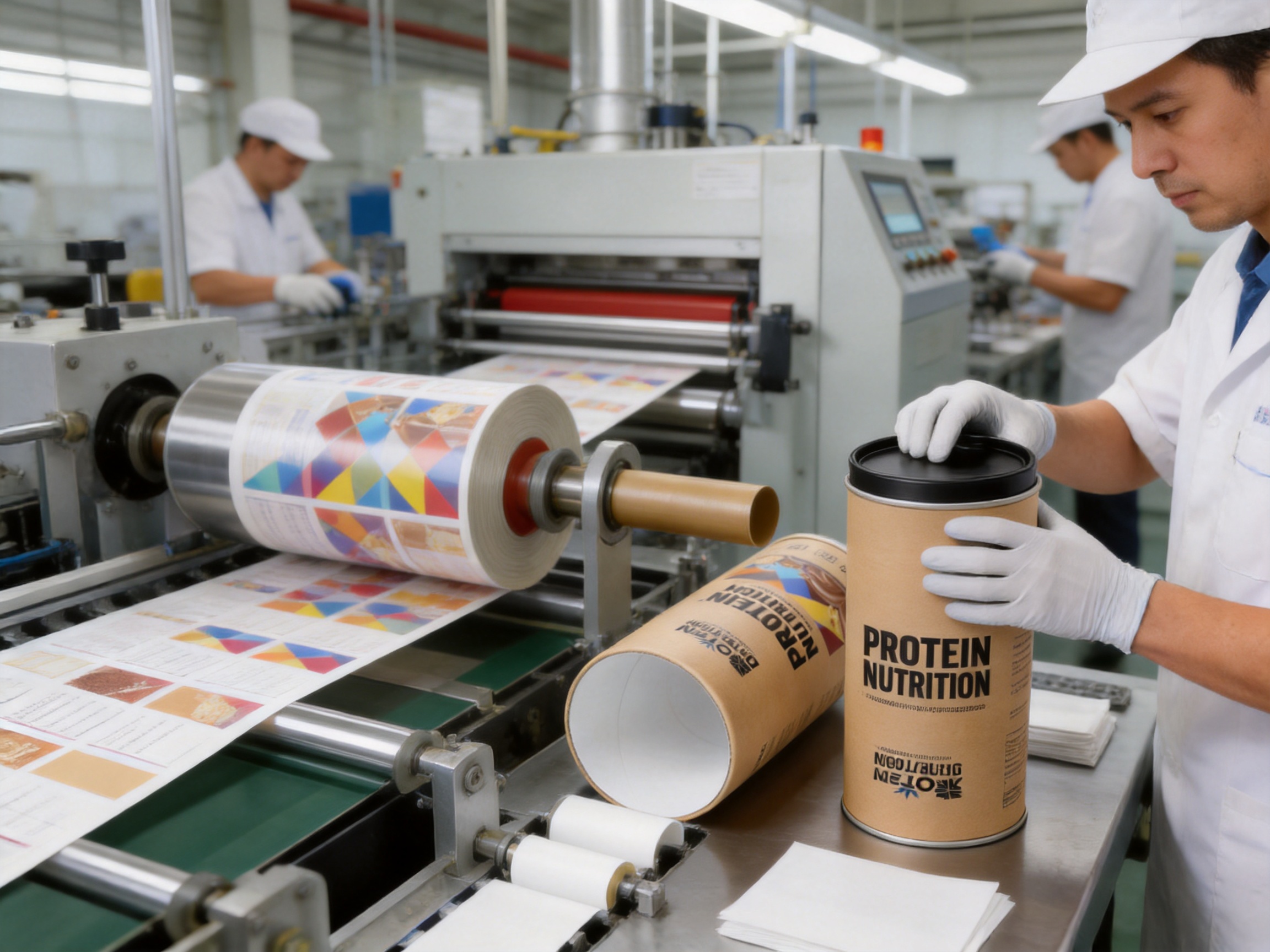
The outer paper layer is printed according to the customer’s artwork. CMYK printing allows high-quality color reproduction for branding, product information, and graphic design. Proper color control is critical because supplement brands often rely on consistent color systems across product lines.
After printing, matt lamination is applied as a post-printing treatment. This creates a smooth protective finish and enhances the perceived quality of the package. The lamination process must be controlled carefully to avoid bubbles, wrinkles, peeling, or color distortion.
3. Tube Winding and Body Forming
The tube body is formed by winding paper layers around a mandrel to create a rigid cylindrical structure. Adhesive is applied between layers to bond the tube wall. The winding process must maintain accurate diameter, wall thickness, and roundness. A consistent inner diameter is especially important when the package must fit a specific product arrangement or closure system.
For the listed size of ID 92–95 mm by 230 mm, precision matters. Even small dimensional variation can affect lid fit, product loading, and packing efficiency. Advanced production lines help maintain dimensional accuracy during larger production runs.
4. Cutting and Edge Finishing
After forming, the tube is cut to the required height. Clean cutting is necessary for a professional appearance and proper assembly. The rolled edges are then formed to create a smooth, reinforced rim. Rolled-edge finishing improves both strength and appearance, giving the package its premium character.
Edge quality is one of the easiest ways to identify the difference between basic and premium paper tube packaging. A clean, even rolled edge suggests careful manufacturing, while rough or uneven edges can reduce consumer confidence.
5. Lining and Interior Finishing
The white paper lining creates a neat interior and may help support the overall presentation. For packages used with food or supplement products, the final packaging structure should be evaluated according to product-contact requirements. In many applications, individually wrapped bars, sachets, or inner bags provide direct product protection, while the paper tube functions as secondary packaging.
Interior finishing should still be clean, visually consistent, and free from unnecessary debris. This is especially important for nutrition brands because consumers associate clean packaging interiors with product safety and quality.
6. Assembly and Closure Fitting
The two-piece tube is assembled and checked for proper lid fit. A closure that is too loose may open during handling, while one that is too tight may frustrate consumers. The ideal fit provides a satisfying opening experience and secure reclosure.
For retail and e-commerce applications, closure performance should be considered alongside external shipping cartons and product protection. The paper tube can provide a premium consumer experience, while the full packaging system protects the product through logistics.
7. Quality Inspection
Quality inspection includes checking dimensions, printing accuracy, color consistency, lamination quality, edge finish, body roundness, lid fit, surface cleanliness, and packing condition. For custom orders, inspection also verifies artwork placement, logo accuracy, barcode readability, and order-specific requirements.
Direct factory production helps improve quality control because communication between design, engineering, production, and inspection teams can be more efficient. When problems are found, the factory can adjust processes quickly and maintain consistency across the production batch.
Why Direct Factory Production Matters
Buying directly from a factory can offer several advantages for nutrition brands and packaging distributors. It can reduce communication layers, improve technical response, and provide better control over customization. For a product like custom paper tube packaging, details such as diameter, height, material, print finish, lid tolerance, and edge treatment all require close coordination.
A direct factory can also support sampling, production planning, quality review, and repeat orders more effectively. When brands launch new flavors or seasonal editions, they need packaging partners that can reproduce designs consistently and adjust specifications when needed.
The MOQ of 5,000 pieces reflects a wholesale production model. This quantity is practical for brands that are serious about market launch, retail distribution, subscription programs, or promotional campaigns. It supports efficient manufacturing while allowing customization that would not be practical for very small runs.
Packaging for Brand Storytelling
Nutrition products are often sold through stories. A protein bar may be positioned as a clean snack for busy professionals, a post-workout recovery food, a plant-based energy source, or a low-sugar treat. A protein powder may be sold as a performance formula, meal replacement, wellness support product, or daily lifestyle habit. Packaging must help tell that story quickly.
A cylindrical paper tube gives brands room to build a strong narrative. The front can communicate the main promise, such as high protein, plant-based ingredients, low sugar, or clean energy. The side can show ingredient icons or usage occasions. The back can provide detailed product information. The lid can reinforce a slogan or flavor identity. The bottom can carry production codes or recycling guidance.
The shape itself also tells a story. A paper tube suggests craftsmanship, care, and design intention. It can make a nutrition product feel less mass-market and more curated. This is valuable for brands competing in premium retail channels, online subscription models, boutique gyms, wellness studios, health food stores, and gift markets.
Retail and E-Commerce Advantages
Retail Shelf Differentiation
On a retail shelf, shape is one of the fastest ways to stand out. Rectangular boxes form a predictable grid, and pouches often blend into a crowded wall of similar products. A cylinder disrupts the pattern. It catches light differently, creates depth, and encourages customers to pick it up.
The tube can also be displayed upright, stacked in secondary displays, or arranged in branded groups. For flavor collections, multiple tubes with different colors can create a strong visual block. For premium nutrition bars, the tube can function almost like a gift container, increasing perceived value.
E-Commerce Unboxing Experience
In e-commerce, packaging must survive shipping and create a memorable unboxing moment. A paper tube has an advantage because it looks intentional when removed from a shipping carton. Consumers often share attractive packaging on social media, especially in wellness, fitness, and lifestyle categories.
The matt-laminated surface, custom logo, and rigid structure can make the product feel more premium than a pouch or plain carton. For subscription boxes or influencer kits, the tube can hold products neatly and support a more organized reveal.
Promotional and Sampling Campaigns
Protein brands frequently use sampling to win new customers. A custom tube can turn samples into a premium introduction. Instead of distributing loose bars or sachets, brands can create a trial tube with several products, a discount card, flavor guide, and brand story insert.
This approach is useful at gyms, marathons, trade shows, wellness events, corporate wellness programs, and retail launch campaigns. Because the tube is visually distinctive, it can also work as a promotional keepsake.
Consumer Convenience and Reuse Potential
A rigid paper tube is easy to open, close, store, and display. Consumers may reuse the tube for small items, workout accessories, snack storage, office supplies, travel packets, or general organization. Reuse can extend brand visibility beyond the initial purchase. When a package remains in the consumer’s home, office, or gym bag, the logo continues to make impressions.
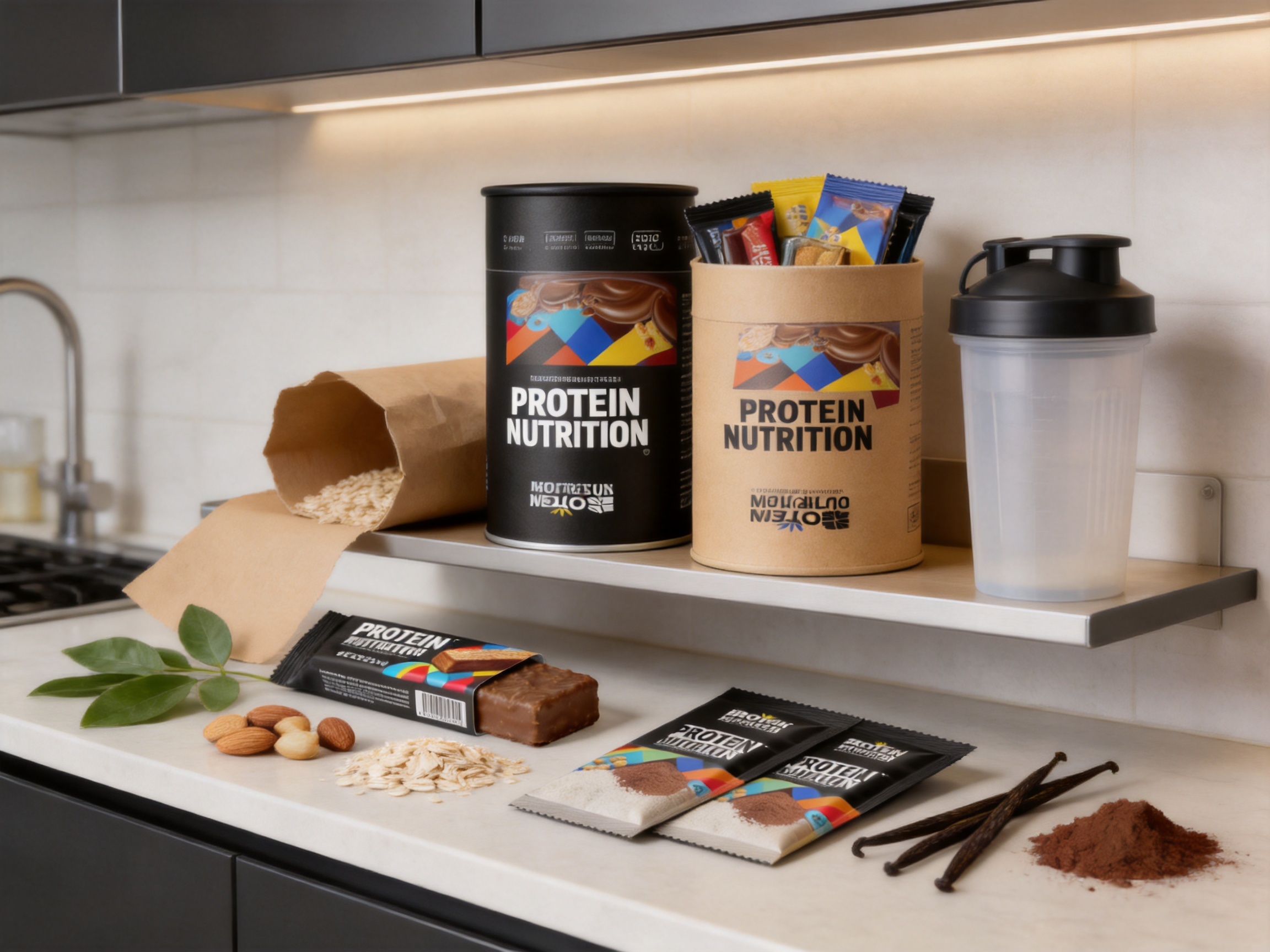
The cylindrical shape is also convenient for daily-use nutrition products. A consumer can keep a tube of protein bars on a desk or kitchen counter. A tube of powder sachets can sit near a coffee station, gym shelf, or breakfast area. This visibility can encourage repeat usage and reinforce the product as part of a routine.
Design Strategies for Protein Powder and Protein Bar Tubes
Minimalist Premium Design
A minimalist design can use a clean background, strong typography, subtle texture, and restrained color. This approach is effective for premium protein powders, collagen blends, clinical nutrition, and high-end wellness products. Matt lamination supports minimalist packaging especially well because it creates a soft, refined surface.
Natural Kraft Design
For plant-based protein, organic snack bars, or clean-label formulas, kraft paper can communicate natural values instantly. Designs may use earth tones, botanical illustrations, hand-drawn ingredient graphics, or simple black-and-white branding. The result feels honest and approachable.
High-Energy Sports Design
Sports nutrition brands may choose bold color blocks, dynamic lines, high-contrast type, and performance-focused icons. The cylindrical format can make these graphics feel active and powerful. Different formulas can be color-coded for pre-workout, recovery, endurance, strength, or daily protein support.
Flavor-Led Design
Protein products often compete through flavor. Chocolate, vanilla, peanut butter, berry, matcha, caramel, coconut, and cookie flavors can all be expressed through color and illustration. A paper tube offers enough surface area to make flavor identity clear while preserving a premium brand system.
Educational Design
Some supplement products require explanation. The tube can include usage instructions, serving suggestions, ingredient benefits, comparison charts, or daily routine guidance. Clear information design increases consumer confidence and can reduce confusion at the point of purchase.
Quality Considerations for Nutrition Packaging Buyers
When sourcing custom protein powder boxes or protein bar boxes, buyers should evaluate several factors beyond price. Packaging quality affects consumer perception, logistics performance, and brand credibility. A low-cost package that arrives dented, has poor printing, or feels flimsy can damage the perceived value of the product inside.
Important quality considerations include tube rigidity, paper thickness, edge finishing, lid fit, print clarity, color consistency, lamination adhesion, interior cleanliness, and packing method. Brands should also consider whether the package will be used as primary packaging, secondary packaging, or gift packaging. If the product is not individually wrapped, the final packaging structure must be assessed carefully for direct food-contact suitability and barrier requirements.
Protein bars are often individually wrapped, making the paper tube an excellent secondary package. Protein powders often require moisture and oxygen protection, so the tube may be paired with inner sachets, sealed bags, or other barrier components. This combined system can deliver both protection and premium appearance.
Sustainability Positioning and Responsible Packaging
Sustainability has become a central purchasing factor in many consumer categories, and nutrition is no exception. Wellness consumers often care about what they put into their bodies and how the products they buy affect the environment. Paper tube packaging gives brands a visible way to show movement toward more responsible packaging.
Using paper-based materials, recycled material features, and kraft paper options can support sustainability messaging. However, responsible communication is important. Brands should avoid vague or exaggerated environmental claims. Instead, they can state specific facts about paper-based structure, recycled content where applicable, reduced plastic presentation, reusable container potential, or disposal guidance based on the final package.
Compared with plastic-heavy packaging, a paper tube can help a product feel more aligned with natural wellness values. Compared with a basic carton, it offers a stronger reuse potential. Compared with flexible pouches, it offers better display life and a more durable consumer experience.
Company Capabilities Supporting Global Packaging Needs
Hangzhou Qunle Packaging Co., Ltd. has a long history in composite cans and paper cans, with more than two decades of industry experience. The company’s packaging business covers food, daily chemical products, fast-moving consumer goods, and more. This broad experience supports customers who need packaging that balances appearance, function, manufacturing practicality, and market requirements.
The company has developed long-term partnerships with well-known companies and brands, including COFCO, STANDERS, DAVIDsTEA, Avalanche Coffee, Whittaker’s, McSteven’s, Nongfu Spring, and Beingmate. These partnerships reflect experience serving demanding customers across multiple markets and product categories.
For nutrition and supplement brands, working with an experienced manufacturer matters because packaging must support brand growth. A supplier should be able to handle customization, advise on structure, manage printing, maintain production consistency, and support repeat orders. The combination of industry history, high-speed production equipment, patented technologies, and direct factory capability provides a strong foundation for custom paper tube packaging programs.
How This Product Helps Nutrition Brands Compete
The nutrition market is crowded. Consumers may compare dozens of protein bars, powder blends, and supplement kits before making a purchase. Packaging can influence that decision within seconds. A custom paper tube helps brands compete by improving visual differentiation, tactile quality, sustainability perception, and giftability.
For a new brand, it can create instant credibility. A well-made rigid tube suggests professionalism and investment in quality. For an established brand, it can support premium lines, limited editions, or special product bundles. For private-label programs, it can create a distinctive identity that separates the product from generic alternatives.
The tube’s combination of CMYK printing and matt lamination makes it suitable for both bold and refined designs. The two-piece rolled-edge construction supports a high-quality consumer experience. The paper-based material options support modern sustainability expectations. The direct factory model supports customization and wholesale production.
In short, this packaging helps a nutrition product look more valuable, feel more considered, and communicate more effectively.
Best-Fit Customers and Market Segments
This custom protein powder box and protein bar box is especially suitable for brands and buyers in several market segments. Sports nutrition companies can use it for protein bar multipacks, powder sachet programs, and premium supplement kits. Health food brands can use kraft paper designs for clean-label snacks and plant-based nutrition. Wellness companies can use elegant matt-laminated tubes for lifestyle supplement sets. E-commerce brands can use tubes for unboxing-focused subscription products. Retailers can use them for private-label nutrition collections.
The format also works well for corporate wellness gifts, fitness event packages, gym merchandise, influencer campaign kits, and holiday nutrition bundles. Because the cylinder shape is visually memorable, it is useful when brands want the package itself to become part of the marketing experience.
Ordering and Development Considerations
Before placing an order, brands should define their product dimensions, quantity per package, required inner protection, design style, target market, and logistics conditions. If the package will hold wrapped protein bars, the dimensions should be tested with the exact bar size and count. If it will hold powder sachets, the sachet size and arrangement should be confirmed. If it will be used for retail, barcode placement and information hierarchy should be included in artwork planning.
The MOQ of 5,000 pieces makes early planning important. Brands should prepare final artwork, product loading requirements, and shipping timelines before production. Sampling is recommended whenever possible, especially for new structures or premium product launches. A sample can confirm lid fit, print appearance, color, interior space, and consumer handling experience.
Because packaging is part of a product’s legal and regulatory presentation, nutrition brands should also ensure that all required labeling information is accurate and compliant in their target markets. The paper tube can provide excellent space for information, but responsibility for final claims, nutrition statements, and regulatory content remains with the brand.
Q&A: Custom Protein Powder Box and Protein Bar Paper Tube Packaging
Q1: What is the main use of this paper tube package?
It is mainly designed for nutrition and supplement packaging, especially protein bar boxes, protein powder boxes, powder sachet kits, nutrition sample packs, and premium wellness bundles.
Q2: What makes this package different from ordinary protein bar cartons?
The cylindrical rigid paper tube has a more distinctive shape, stronger tactile appeal, rolled-edge premium finish, and better shelf presence than many standard folding cartons. It can also support 360-degree branding and a more memorable unboxing experience.
Q3: Can the packaging be customized with a brand logo?
Yes. Custom logo printing is available. The package supports CMYK printing, allowing brands to apply logos, product graphics, flavor colors, ingredient illustrations, usage information, and promotional messaging.
Q4: What materials are available?
The package can use coated paper, kraft paper, and customized paper options. It can also include a white paper lining for a clean interior appearance. Recycled material and eco-friendly features are available depending on the final specification.
Q5: Is this package suitable for eco-conscious brands?
Yes. The paper-based structure, kraft paper option, recycled material features, and reusable rigid design make it a strong choice for brands that want a more sustainable packaging image. Final environmental claims should be based on the exact finished structure and local regulations.
Q6: What is the standard size?
The listed size is ID 92–95 mm by 230 mm. This size can suit many protein bar multipacks, powder sachet sets, and nutrition kits. Custom sizing may be available based on order requirements.
Q7: What printing and finish are used?
The product supports CMYK printing and matt lamination. CMYK printing enables full-color branding, while matt lamination provides a smooth premium finish and helps protect the printed surface.
Q8: What is the minimum order quantity?
The typical MOQ is 5,000 pieces. This quantity is suitable for wholesale packaging, product launches, established brand programs, retail campaigns, and custom production runs.
Q9: Can the tube be used for direct food contact?
The suitability for direct food contact depends on the final structure, lining, material specification, and applicable regulations. Many protein bars and powders are individually wrapped or sealed in sachets, allowing the paper tube to function as secondary packaging. Brands should confirm direct-contact requirements during product development.
Q10: Why choose an experienced paper tube manufacturer?
Experienced manufacturers can provide better dimensional control, cleaner rolled edges, more reliable printing, consistent lid fit, and stronger quality management. For nutrition brands, packaging quality directly influences consumer trust and product value perception.
Conclusion
Custom protein powder boxes and protein bar boxes made from premium paper tube packaging offer a powerful solution for modern nutrition brands. They combine distinctive cylindrical design, strong shelf impact, eco-conscious material options, custom printing, matt lamination, rolled-edge construction, and practical usability. Compared with ordinary cartons, plastic tubs, and flexible pouches, paper tubes can deliver a more premium, memorable, and sustainable packaging experience.
The product’s two-piece paper tube construction, coated or kraft paper options, white paper lining, CMYK printing, custom logo capability, and factory-direct production model make it especially suitable for sports nutrition, wellness supplements, protein bar multipacks, powder sachet kits, and promotional nutrition bundles. With a listed size of ID 92–95 mm by 230 mm and an MOQ of 5,000 pieces, it is designed for serious brands seeking professional wholesale packaging.
Behind the product is the manufacturing strength of Hangzhou Qunle Packaging Co., Ltd., a company with more than 20 years of experience in composite cans and paper cans, advanced production equipment, patented technologies, and a history of serving major brands across food and consumer goods categories. This combination of product design and manufacturing capability gives nutrition companies a strong packaging partner for competitive markets.
For brands that want their protein powder or protein bar packaging to look better, feel better, and communicate better, custom paper tube packaging is a strategic choice. It protects the product presentation, elevates brand value, supports sustainability messaging, and creates a consumer experience that stands out from the first glance to the final use.
References
Packaging Materials and Containers for Food Applications, industry technical guidance on paper-based packaging structures.
Composite Can and Tube Manufacturing Standards, professional references related to cylindrical paperboard and composite container production.
Food Packaging: Principles and Practice, reference literature on packaging function, safety, labeling, and consumer presentation.
Sustainable Packaging Design Guidelines, industry publications on material selection, recyclability communication, and responsible packaging claims.
Printing and Finishing for Consumer Packaging, technical references covering CMYK printing, lamination, color management, and surface treatment.
