 English
 Español


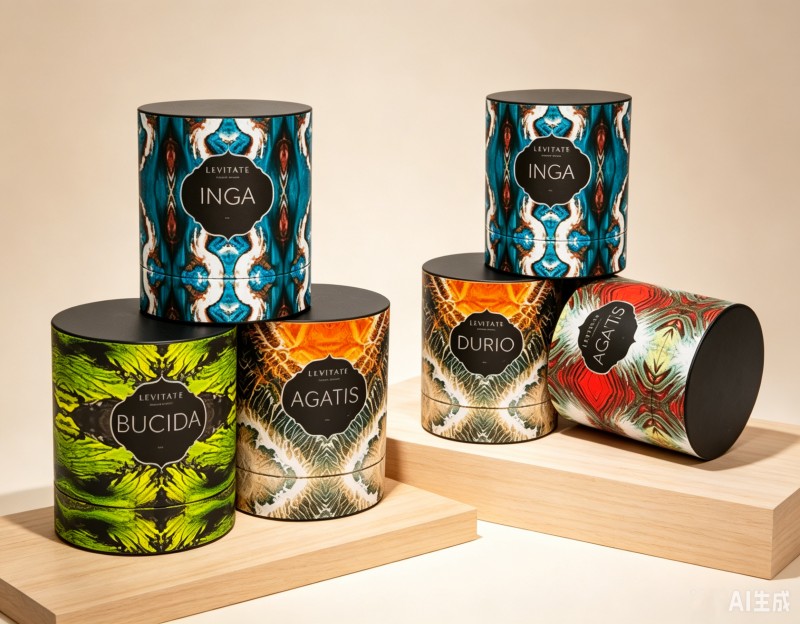
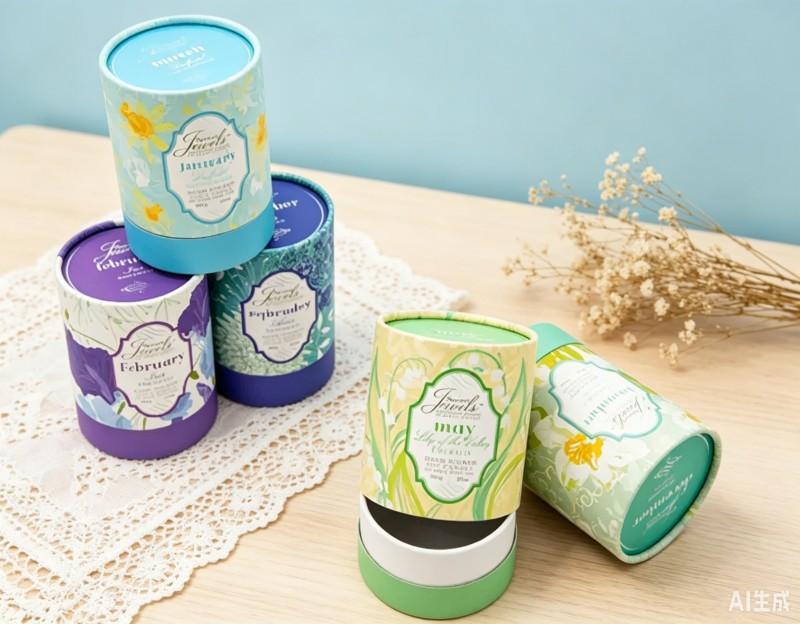
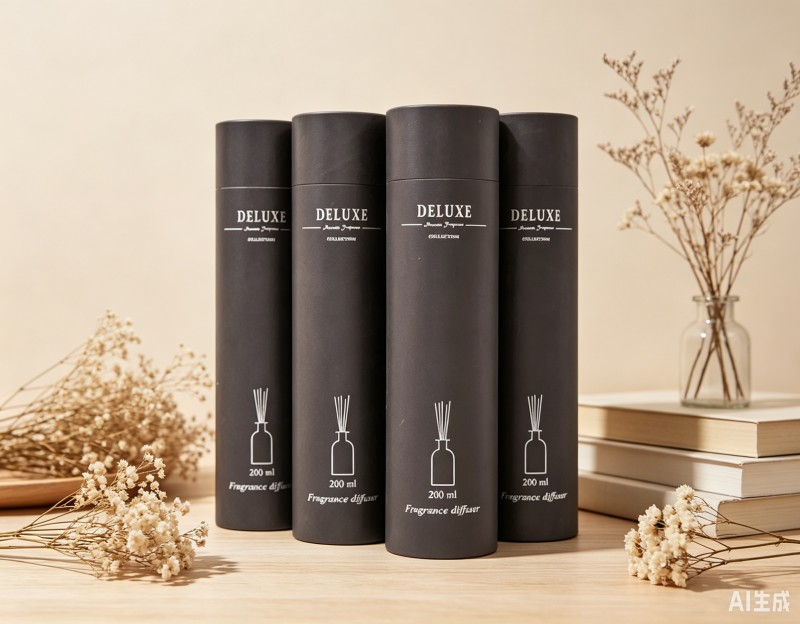
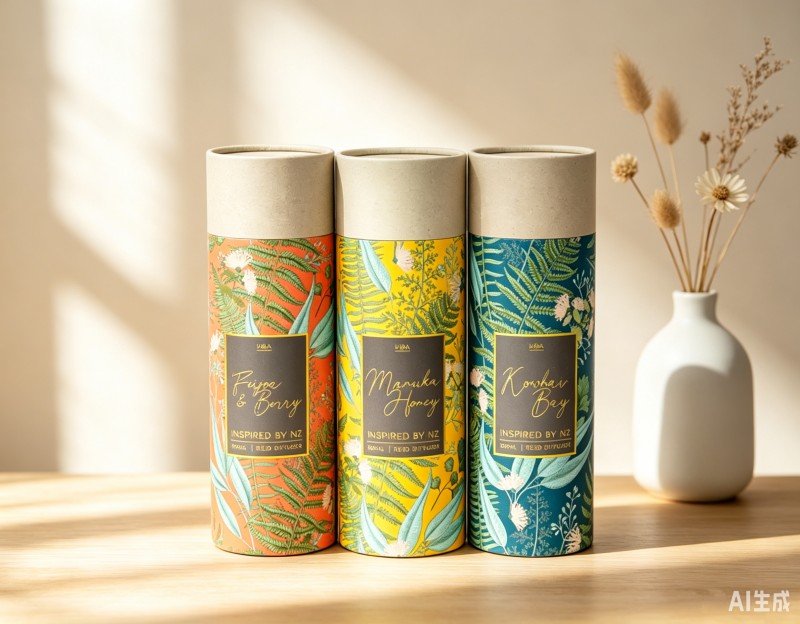
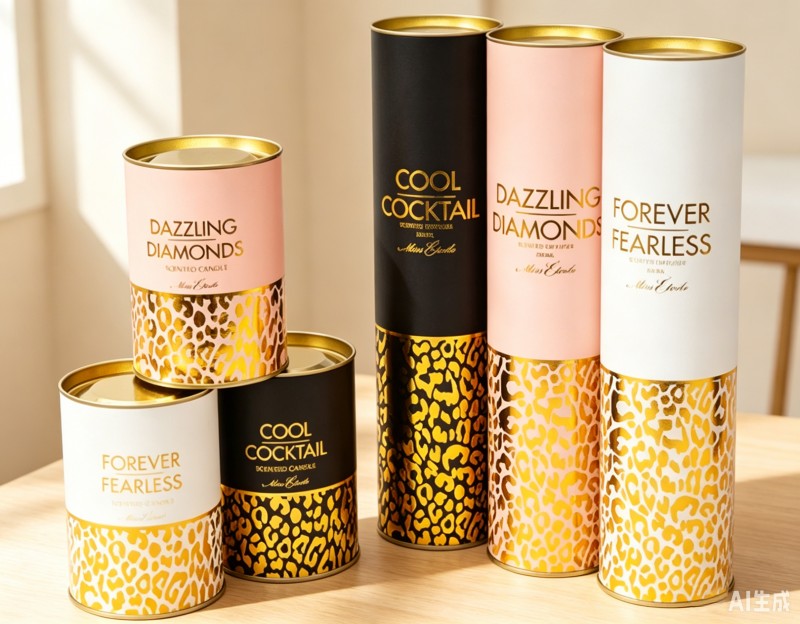
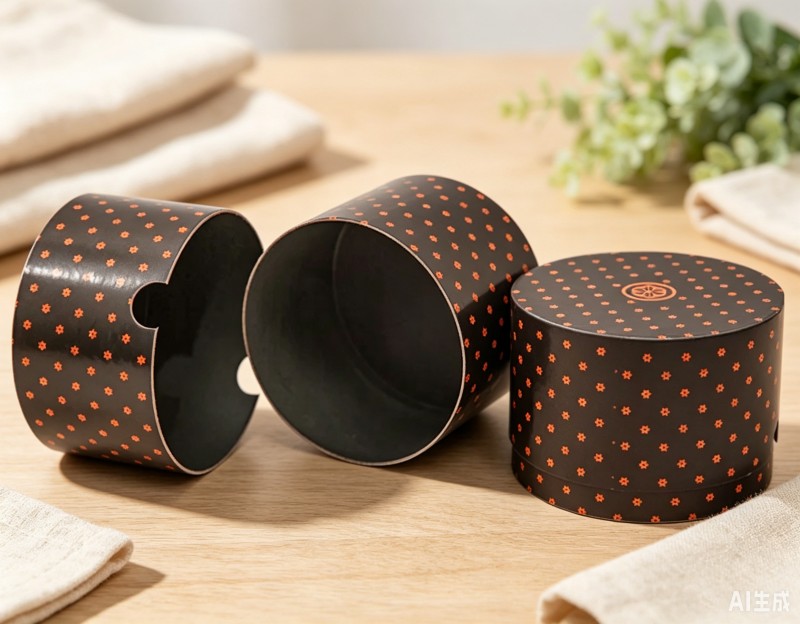
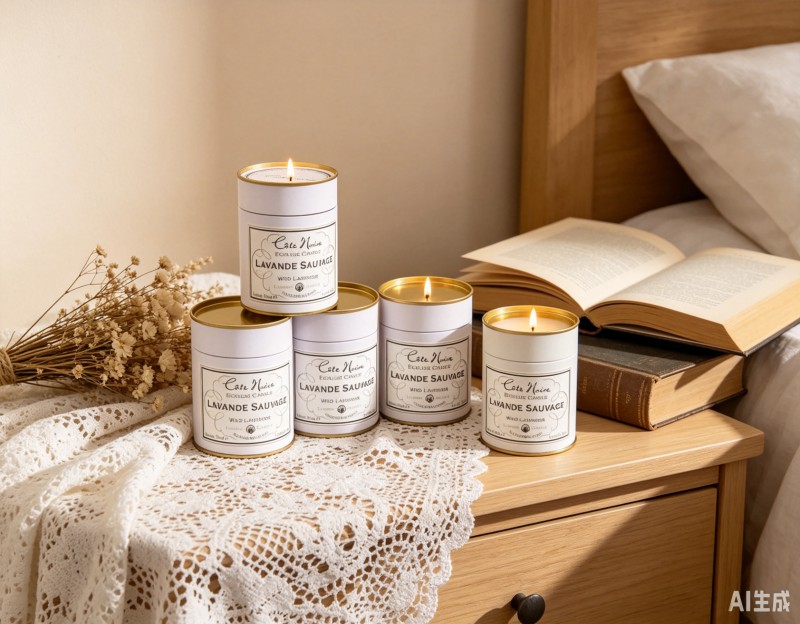

As one of the top China cardboard tube packaging manufacturers and paper tube packaging suppliers, we devote all of our efforts to research and launch more high quality packaging products to global market.
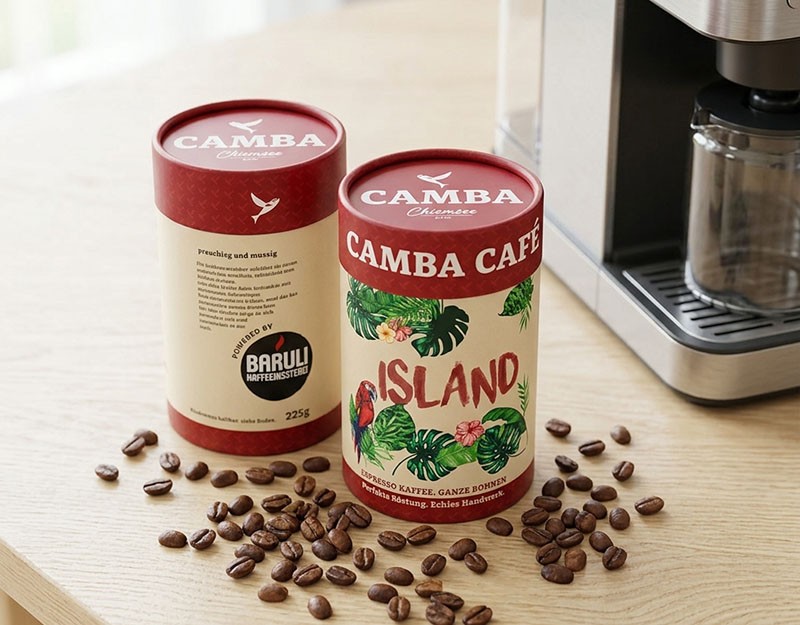
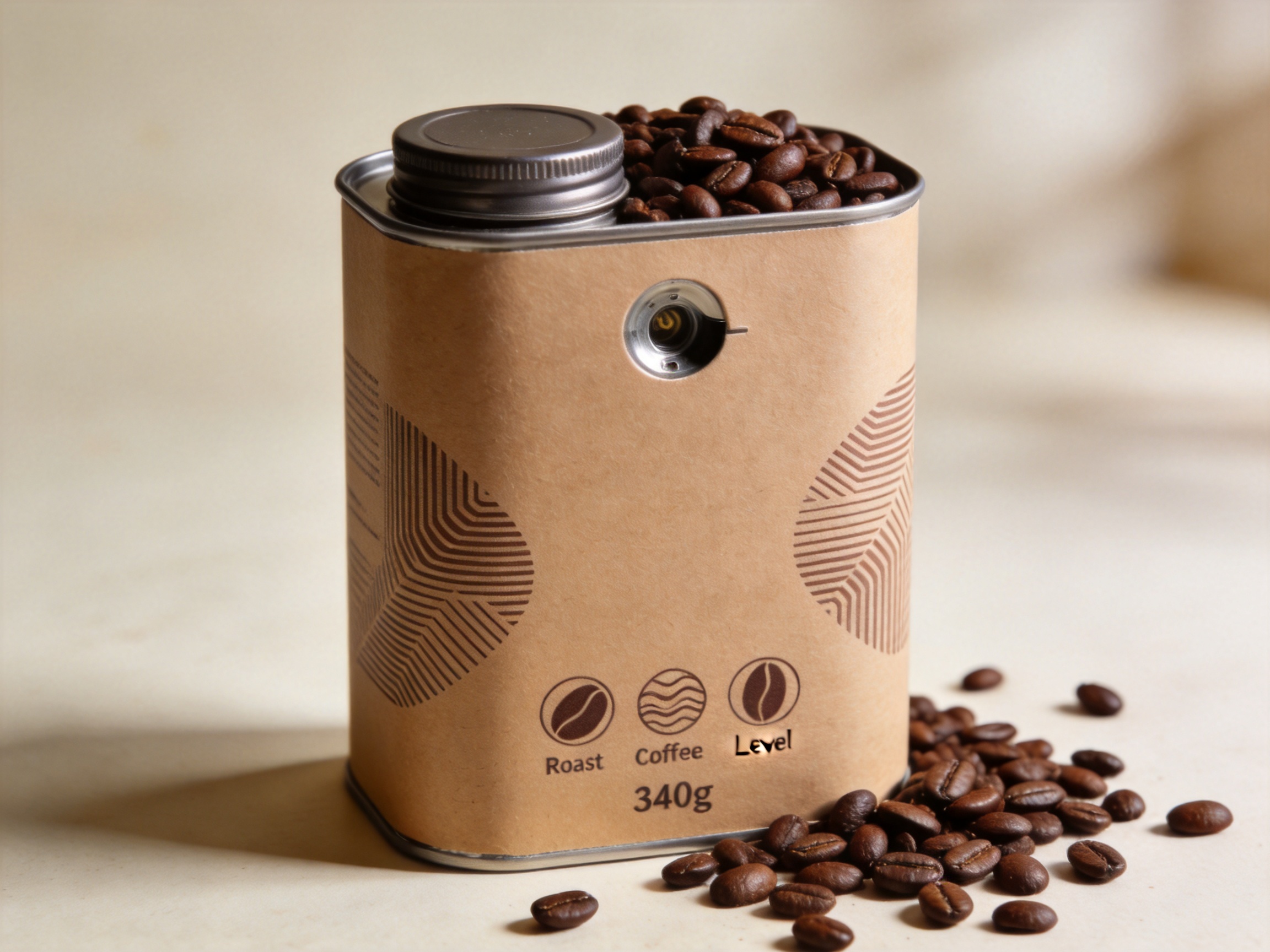
Specialty coffee deserves packaging that protects flavor, communicates quality, and supports a modern brand story from roastery to consumer. The paper can coffee packaging with valve is designed for precisely that purpose: it combines a rigid cylindrical paper tube structure, a high-barrier composite interior, a tight-fitting lid, and an integrated freshness valve to help preserve roasted coffee beans or grounds while creating a premium tactile experience. For a typical 340 g whole-bean coffee format, the ID 90 mm × 140 mm paper canister offers a practical balance of capacity, hand feel, retail visibility, and shipping durability.
This packaging format is especially suitable for premium whole bean coffee, gourmet ground coffee, limited-edition blends, direct-to-consumer e-commerce, business gifting, and corporate coffee programs. Unlike ordinary flexible bags, thin cartons, or lightweight plastic containers, a rigid paper canister gives the consumer an immediate sense of value. It stands upright, stacks neatly, resists crushing, and provides a continuous 360-degree printable surface for storytelling, design, origin information, tasting notes, brewing guidance, and brand identity.
Hangzhou Qunle Packaging Co., Ltd. brings more than 20 years of experience in the composite can and paper can industry to this product category. As a China-based manufacturer specializing in paper tube packaging and cardboard tube packaging, the company has developed strong capabilities in food packaging, daily chemical packaging, fast-moving consumer goods packaging, and customized premium paper cans. Its experience, patented technologies, food-packaging qualification background, high-speed European composite can production line, and partnerships with well-known brands support the manufacturing reliability required by coffee companies that cannot compromise on freshness, consistency, or market presentation.
Content
- 1 Why Coffee Packaging Requires More Than a Container
- 2 Product Overview: Rigid Paper Canister with Valve for 340 g Coffee Beans
- 3 Core Functional Advantages
- 4 Competitive Advantages Over Common Coffee Packaging Formats
- 5 Premium Brand Experience and Consumer Perception
- 6 360-Degree Marketing Canvas
- 7 Sustainability and Reusability
- 8 Ideal Applications in the Coffee Market
- 9 Manufacturing Strengths Behind the Package
- 10 Advanced Composite Can Manufacturing Process
- 11 Why Manufacturing Experience Matters for Coffee Brands
- 12 Design Flexibility for Different Coffee Brand Positions
- 13 Logistics and Retail Efficiency
- 14 Food Safety, Cleanliness, and Professional Responsibility
- 15 How the Package Supports Premium Pricing
- 16 Customization Opportunities
- 17 Comparison with Competitor Capabilities
- 18 Q&A Section
- 18.1 Q1: Why is a valve important for coffee packaging?
- 18.2 Q2: Is the paper canister suitable for whole bean coffee and ground coffee?
- 18.3 Q3: How does this package compare with a flexible coffee bag?
- 18.4 Q4: Can the paper canister help improve brand image?
- 18.5 Q5: Is the packaging environmentally friendly?
- 18.6 Q6: What size is suitable for 340 g of coffee beans?
- 18.7 Q7: Why choose an experienced manufacturer for coffee paper cans?
- 18.8 Q8: Can the canister be used for corporate gifts?
- 19 Conclusion
- 20 References
Why Coffee Packaging Requires More Than a Container
Coffee is highly sensitive after roasting. Freshly roasted coffee releases carbon dioxide while also being vulnerable to oxygen, moisture, heat, light, odor transfer, and physical impact. When packaging fails to manage these conditions, the coffee may lose aroma, become stale, absorb unwanted smells, or arrive in damaged form. For premium coffee brands, the package is not just a shell; it is a freshness system, a logistics protector, a marketing platform, and an extension of the tasting experience.
Many conventional coffee packages focus on only one or two functions. A flexible bag may offer barrier performance but can be wrinkled, easily compressed, and less giftable. A simple paper box may provide print area but not enough airtight protection. A plastic jar may be durable, but it may not align with a brand’s sustainability goals or premium craft positioning. A metal can may protect well but can increase weight, cost, and environmental concerns depending on the market. The paper canister with valve addresses these limitations by combining barrier protection, rigidity, printability, reusability, and a more renewable material profile.
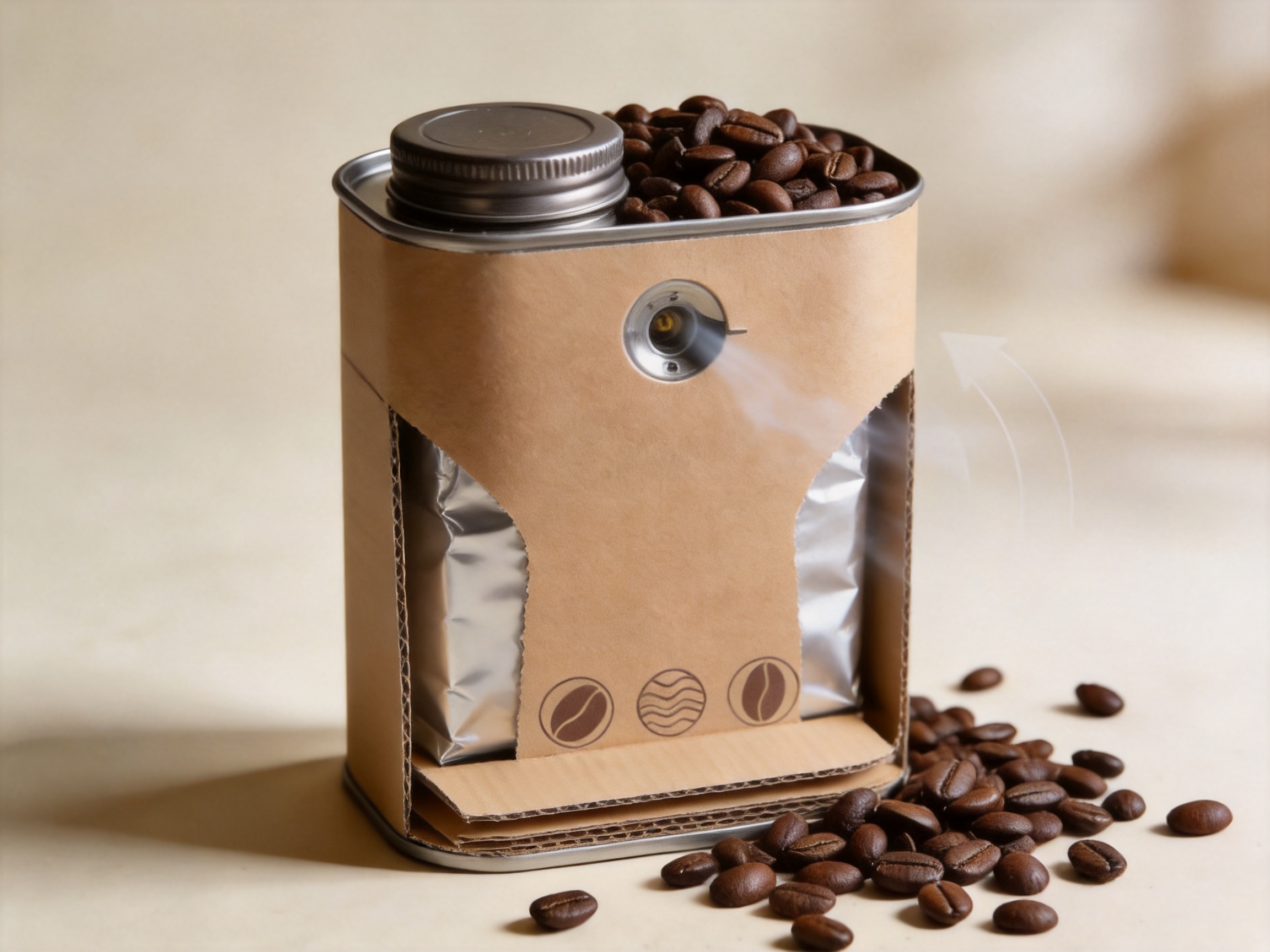
The valve is particularly important for coffee. Roasted beans continue to degas after packaging. If gas cannot escape, pressure can build inside the package, affecting shape and possibly causing failure. If air can freely enter, oxygen can accelerate staling. A one-way valve helps release internal gas while reducing oxygen entry, supporting a better balance between freshness preservation and package stability. This makes the paper can coffee packaging with valve an excellent choice for roasters that package fresh coffee and want to maintain quality during storage, shipping, and retail display.
Product Overview: Rigid Paper Canister with Valve for 340 g Coffee Beans
The product is a premium paper can coffee package designed for the coffee and tea category, with a size suitable for approximately 340 g of coffee beans. The cylindrical canister is made with a sturdy paperboard wall and a composite barrier structure. It is paired with a tight-fitting lid to create a secure closure and can be equipped with a valve to manage coffee degassing. The design supports both functional preservation and high-end market presentation.
The paper can structure helps block the main enemies of coffee freshness: oxygen, moisture, and light. The composite inner layers, commonly including a foil barrier, create an impermeable or highly resistant shield that helps protect the coffee’s aroma, flavor, and complexity. The rigid body protects the product from external pressure during transport and storage, helping prevent crushing and preserving a neat retail appearance.
For specialty coffee, appearance matters because the first physical interaction often happens before the first cup is brewed. A paper canister feels substantial in the hand. It gives consumers the impression that the product inside is carefully selected and worth a premium price. This tactile effect is difficult for flat bags to match. The cylindrical shape also performs well on shelves, countertops, gift boxes, office pantries, hotel rooms, cafés, and corporate welcome kits.
Core Functional Advantages
Freshness Protection Through a Composite Barrier
The biggest functional advantage of this packaging is freshness preservation. Coffee aroma comes from volatile compounds that can fade or degrade when exposed to air and moisture. Oxygen is one of the most damaging factors because it drives oxidation, which can flatten flavors and create stale notes. Moisture can affect texture, cause clumping in ground coffee, and increase the risk of quality deterioration. Light can also accelerate degradation, particularly when packaging is transparent or insufficiently shielded.
The paper canister’s composite structure helps defend against all three. A multi-layer construction with a foil barrier provides strong resistance to oxygen, moisture, and light. This makes it suitable for whole beans and ground coffee, especially for premium products where freshness is part of the selling promise. The package is designed not only to look premium but also to preserve the product’s value over time.
One-Way Valve for Freshly Roasted Coffee
The integrated valve gives the paper canister a clear advantage for coffee applications. Freshly roasted coffee releases carbon dioxide, especially during the first days after roasting. A package without a valve may swell or require coffee to rest before packing, which can slow production and reduce perceived freshness. The valve allows gas to escape while helping limit oxygen entry. This supports better packaging stability and helps coffee brands pack closer to roast date.
For consumers, a valve can also signal seriousness about coffee quality. Many specialty coffee buyers recognize the valve as a feature associated with freshly roasted coffee. When combined with a rigid paper can format, the valve reinforces the message that the product is carefully packaged and made for aroma retention.
Rigid Crush-Resistant Structure
Flexible packaging can be squeezed, punctured, bent, or creased during shipping. This is especially problematic for e-commerce coffee brands, where individual products may travel through courier networks with unpredictable handling. A rigid paper canister offers stronger protection against compression and impact. The cylindrical geometry distributes force more evenly than flat-sided packages, while the reinforced paperboard wall improves crush resistance.
This protection helps ensure the package arrives in good condition and remains visually appealing. For retail shelves, a clean cylindrical can maintains its shape, stands upright, and presents graphics consistently. For gift sets and corporate orders, it reduces the risk of a package looking damaged or cheap when opened.
Tight-Fitting Lid and Practical Reclosure
Coffee is rarely consumed in one serving. After opening, the consumer needs a convenient way to store the remaining beans or grounds. A tight-fitting lid provides reclosure that is more user-friendly than many single-use bags. The canister can sit on a kitchen shelf, office counter, or café bar without spilling or collapsing. The lid also adds to the premium ritual of opening and closing the package.
Compared with a folded bag secured by a clip, the paper canister offers a neater, cleaner, and more durable storage experience. This is especially valuable for consumers who appreciate organization, aesthetics, and convenience in their daily coffee routine.
Competitive Advantages Over Common Coffee Packaging Formats
Packaging competition is intense in the coffee market. Brands must protect the product while differentiating themselves from many similar offerings. The paper canister with valve provides advantages over several common alternatives.
| Packaging Type | Common Strengths | Common Limitations | Advantage of Paper Can Coffee Packaging with Valve |
|---|---|---|---|
| Flexible coffee bag | Lightweight, familiar, good barrier options | Can wrinkle, collapse, look ordinary, and offer weaker physical protection | Rigid canister improves shelf impact, crush resistance, premium feel, and reusability |
| Simple folding carton | Printable and easy to display | Usually requires inner bag and may not provide airtight freshness protection alone | Composite can integrates barrier protection and structural strength in one premium format |
| Plastic jar | Durable and reclosable | May conflict with eco-conscious positioning and can feel mass-market | Paper-based body reduces plastic reliance and supports a more natural premium image |
| Metal tin | Strong and premium | Can be heavier, more costly, and less aligned with some sustainability goals | Paper canister offers premium rigidity with lighter weight and strong print flexibility |
| Generic paper tube without valve | Attractive cylindrical shape | May not manage coffee degassing effectively | Valve option improves suitability for fresh roasted coffee and professional coffee brands |
The key difference is integration. This package does not depend on one feature alone. It combines freshness protection, valve performance, rigidity, branding space, sustainability profile, reclosure, and gift appeal. That combination helps a coffee brand move beyond basic containment and toward a complete consumer experience.
Premium Brand Experience and Consumer Perception
Consumers often judge coffee quality before tasting it. Weight, texture, opening experience, print quality, structural form, and even the sound of the lid contribute to perceived value. A rigid paper canister feels more substantial than a soft bag. It invites the consumer to hold it, turn it, read it, and keep it. This sensory interaction increases perceived quality and can support higher retail pricing.
The cylindrical format is also visually distinctive. In a row of flat bags, a standing tube can immediately attract attention. It creates a vertical display profile and offers a continuous surface for design. Coffee brands can use this surface for origin maps, flavor wheels, roast-level indicators, brewing recipes, farm stories, sustainability messages, and limited-edition artwork. The package becomes a storytelling medium rather than a simple label carrier.
For premium coffee, emotional positioning matters. A product can be marketed as fuel for productivity, a morning ritual, a gift of taste, a symbol of craftsmanship, or a companion for focused work. The paper canister supports these narratives because it looks and feels like a carefully designed object. It is suitable for professionals, entrepreneurs, executives, coffee enthusiasts, hospitality buyers, and consumers seeking a refined daily experience.
360-Degree Marketing Canvas
The paper canister provides a continuous 360-degree printable surface. This is a major commercial advantage because the package can communicate from every angle. On a retail shelf, consumers may not see the front panel immediately. With a cylindrical can, graphics can wrap around the entire body, increasing visibility and flexibility. Designers can create seamless patterns, panoramic illustrations, premium metallic effects, minimalist typography, or strong color blocks that remain attractive from multiple viewing directions.
This design freedom is useful for specialty coffee companies that want to explain complex product details. A single-origin coffee may require space for country, region, altitude, processing method, variety, roast date, tasting notes, brewing guidance, and farmer story. A limited-edition blend may need artwork, collaboration details, and gift messaging. A corporate coffee product may require a clean professional aesthetic and room for customization. The cylindrical canister accommodates these needs without making the package feel crowded.
The package’s ability to remain upright also improves merchandising. It can be stacked, grouped, or arranged in columns. Retailers benefit from neat displays, and brands benefit from a stronger shelf block. In cafés and boutique stores, the canister can become part of the interior presentation, not just inventory.
Sustainability and Reusability
Modern coffee consumers increasingly evaluate packaging through an environmental lens. They may ask whether the package uses renewable materials, whether it reduces plastic, whether it can be recycled, and whether it can be reused. The paper can coffee packaging with valve has a strong sustainability profile because it is made primarily from paperboard, a renewable material that may include recycled content depending on specification. It reduces reliance on fully plastic packaging and offers a more natural appearance aligned with coffee’s agricultural origins.
Recyclability can vary by local municipal systems and by the exact material composition, but paper-based packaging is often viewed more favorably than many plastic-heavy alternatives. The composite barrier improves performance, while the paperboard body supports a responsible material story. For brands, this balance is important: packaging must protect coffee effectively, but it should also respond to consumer demand for environmentally aware choices.
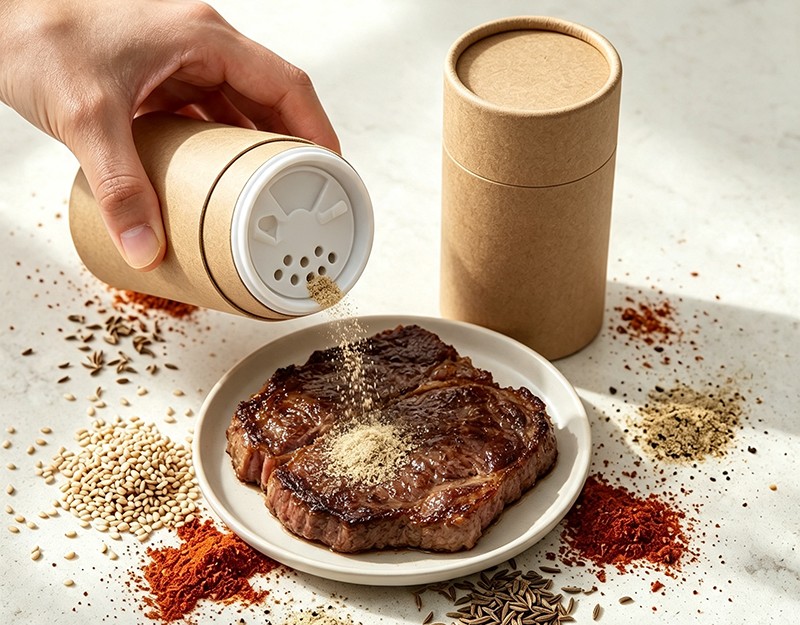
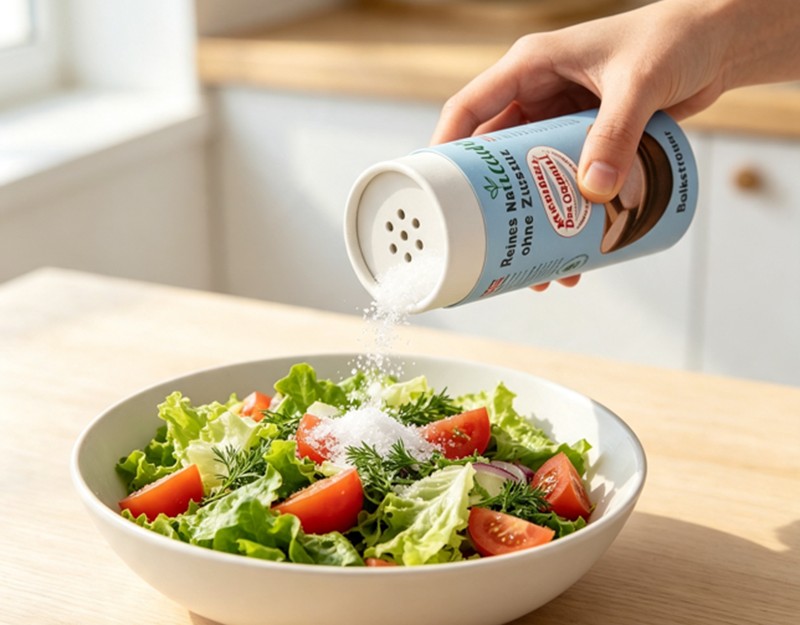
Reusability is another advantage. Consumers often keep attractive rigid canisters for secondary use. They may store tea bags, sugar sticks, spices, nuts, stationery, small tools, craft supplies, or office items. In this way, the packaging continues to display the brand in the consumer’s environment long after the coffee is consumed. Flexible bags are usually discarded quickly, but a sturdy canister can have an extended life.
Ideal Applications in the Coffee Market
Premium Whole Bean Coffee
Whole bean coffee benefits greatly from protection against oxygen, moisture, and light. Beans retain aroma better when stored properly, and the paper canister provides a protective environment suitable for high-end beans, single-origin lots, and small-batch roasts. The valve supports freshly roasted coffee, while the rigid body protects the beans from being crushed during transport.
Gourmet Ground Coffee
Ground coffee has greater surface area than whole beans, making it even more vulnerable to aroma loss and oxidation. A high-barrier canister helps preserve freshness, while the reclosable lid supports convenient daily use. For ground coffee sold as a premium convenience product, the canister can communicate quality and care.
Limited Editions and Seasonal Blends
Limited-edition coffee often depends on packaging to justify excitement and urgency. The 360-degree print surface and premium cylindrical form are ideal for seasonal designs, artist collaborations, holiday collections, origin specials, and numbered releases. The canister feels collectible, which can encourage consumers to keep it after use.
Direct-to-Consumer and E-Commerce
E-commerce packaging must survive shipping. A rigid paper canister gives coffee brands more confidence that the product will arrive in attractive condition. It also improves the unboxing experience. When customers open a shipping carton and see a premium canister, the perceived value is higher than when they receive a compressed or wrinkled bag.
Corporate Gifts and Business Hospitality
Coffee is a popular corporate gift because it is practical, widely appreciated, and associated with productivity. A premium paper canister elevates the gift. It is suitable for executive presents, client appreciation packages, employee welcome kits, conference gifts, hotel amenities, office pantry programs, and business district retail sales. The rigid form supports customization and premium presentation.
Manufacturing Strengths Behind the Package
Hangzhou Qunle Packaging Co., Ltd. has been engaged in the composite can and paper can industry for more than 20 years. This long experience is significant because premium food packaging requires stable production, material knowledge, strict quality control, and the ability to customize for different product categories. Coffee packaging, in particular, requires attention to barrier performance, closure fit, structural accuracy, print appearance, and food contact safety.
The company is the only member of the international Composite Can and Tube Institute in China’s packaging container industry. This reflects its professional standing in composite can and tube manufacturing. Membership in such an industry organization indicates engagement with technical standards, market developments, and international packaging practices.
The company was also the first enterprise in China to pass the QS certificate for producing food packaging containers. For coffee brands, food packaging qualification is essential. The package must be manufactured with processes and controls suitable for products that consumers will ingest. Experience in food packaging helps reduce risk and supports compliance expectations in demanding markets.
In 2015, the company introduced a high-speed composite can production line from Europe. This investment strengthened its production capability and enhanced its role in the paper can and composite can industry. Advanced production equipment can improve dimensional consistency, efficiency, forming quality, and output stability. For brands ordering customized packaging, this means better repeatability from batch to batch and stronger capacity for scaling.
In addition, the company has obtained more than 10 patented technologies. Patents indicate ongoing research and development, not merely basic production. In packaging, small technical improvements can have meaningful effects on sealing, structure, appearance, assembly efficiency, or user experience. A manufacturer with technical depth can better solve practical problems for coffee brands, such as matching can dimensions to filling lines, improving lid fit, optimizing barrier layers, and adapting printing effects.
Advanced Composite Can Manufacturing Process
The production of a premium paper canister involves multiple coordinated steps. While exact specifications vary by project, the general process includes material selection, paperboard preparation, barrier lamination, tube forming, body cutting, edge finishing, bottom assembly, lid matching, valve integration, printing or labeling, inspection, and packing. Each stage affects final performance.
Material Selection
The paperboard must have the right strength, thickness, stiffness, and forming behavior. If it is too weak, the canister may deform. If it is too rigid without proper processing, forming may be difficult. The inner barrier material must be compatible with coffee’s freshness requirements. For premium coffee, a foil-based composite layer is often used to resist oxygen, moisture, and light.
Composite Layer Construction
The composite structure is central to product performance. Multiple layers are combined to achieve the required balance of barrier protection, strength, food safety, and processability. The foil barrier helps protect against oxygen and moisture ingress while also blocking light. The paperboard provides structural support and print-friendly exterior properties.
Tube Forming and Precision Control
The cylindrical tube must be formed with accurate diameter and consistent wall quality. For a 340 g coffee format, dimensional accuracy affects filling efficiency, lid fit, stacking, and consumer handling. A high-speed composite can line supports more stable forming and higher production consistency, which is essential for brands placing repeat orders.
Cutting, Edge Finishing, and Assembly
After forming, the tube is cut to the required height. Clean edges are important for both appearance and functionality. The bottom component must be securely assembled to support the product weight and resist transport stress. The top must fit the selected lid system, whether designed for a tight press-fit, slip lid, or other closure configuration.
Valve Integration
The valve must be positioned and applied correctly. It needs to perform its one-way function reliably and remain securely attached. Poor valve integration can compromise freshness, package appearance, or consumer trust. Professional manufacturing control helps ensure the valve supports degassing without becoming a weak point in the package.
Printing and Surface Decoration
The exterior surface can be printed or decorated according to the brand’s design requirements. Premium effects may include matte finishes, gloss highlights, metallic tones, textured papers, minimalist labels, or full-wrap graphics. Consistent color and registration are important because packaging is a direct expression of brand quality.
Quality Inspection
Quality control checks may include dimensional measurement, visual inspection, lid fit assessment, bottom integrity, surface finish review, and packaging cleanliness. For food-related applications, production hygiene and material compliance are also important. A mature manufacturer understands that consistent details build brand confidence.
Why Manufacturing Experience Matters for Coffee Brands
A beautiful package that fails during transport or does not protect freshness can damage a coffee brand quickly. Customers may complain about stale aroma, dented containers, loose lids, poor printing, or inconsistent fit. Retailers may reject packaging that stacks poorly or arrives damaged. E-commerce brands may face returns and negative reviews if packaging cannot withstand shipping.
This is why manufacturing experience matters. Hangzhou Qunle Packaging Co., Ltd. has built long-term partnerships with well-known companies and brands across different sectors, including food and consumer goods. These partnerships suggest reliability, production discipline, and the ability to meet professional requirements. Experience with diverse product categories also helps the company apply proven knowledge to coffee packaging.
For coffee brands, a capable packaging supplier can support product development from concept to market. The supplier can help adjust size, structure, material, closure, decoration, and packing method. For a 340 g bean canister, details such as internal diameter, height, lid style, valve placement, carton packing, and pallet efficiency all affect commercial success. An experienced manufacturer can help optimize these factors rather than simply produce a generic tube.
Design Flexibility for Different Coffee Brand Positions
The paper canister with valve can be adapted to many brand identities. A luxury coffee brand may choose dark colors, metallic accents, and minimalist typography. A craft roaster may use natural kraft textures, hand-drawn illustrations, and origin-focused storytelling. A wellness-oriented coffee line may emphasize clean design, sustainability messaging, and nutritional pairings. A corporate gift program may use refined neutral tones and personalized labels.
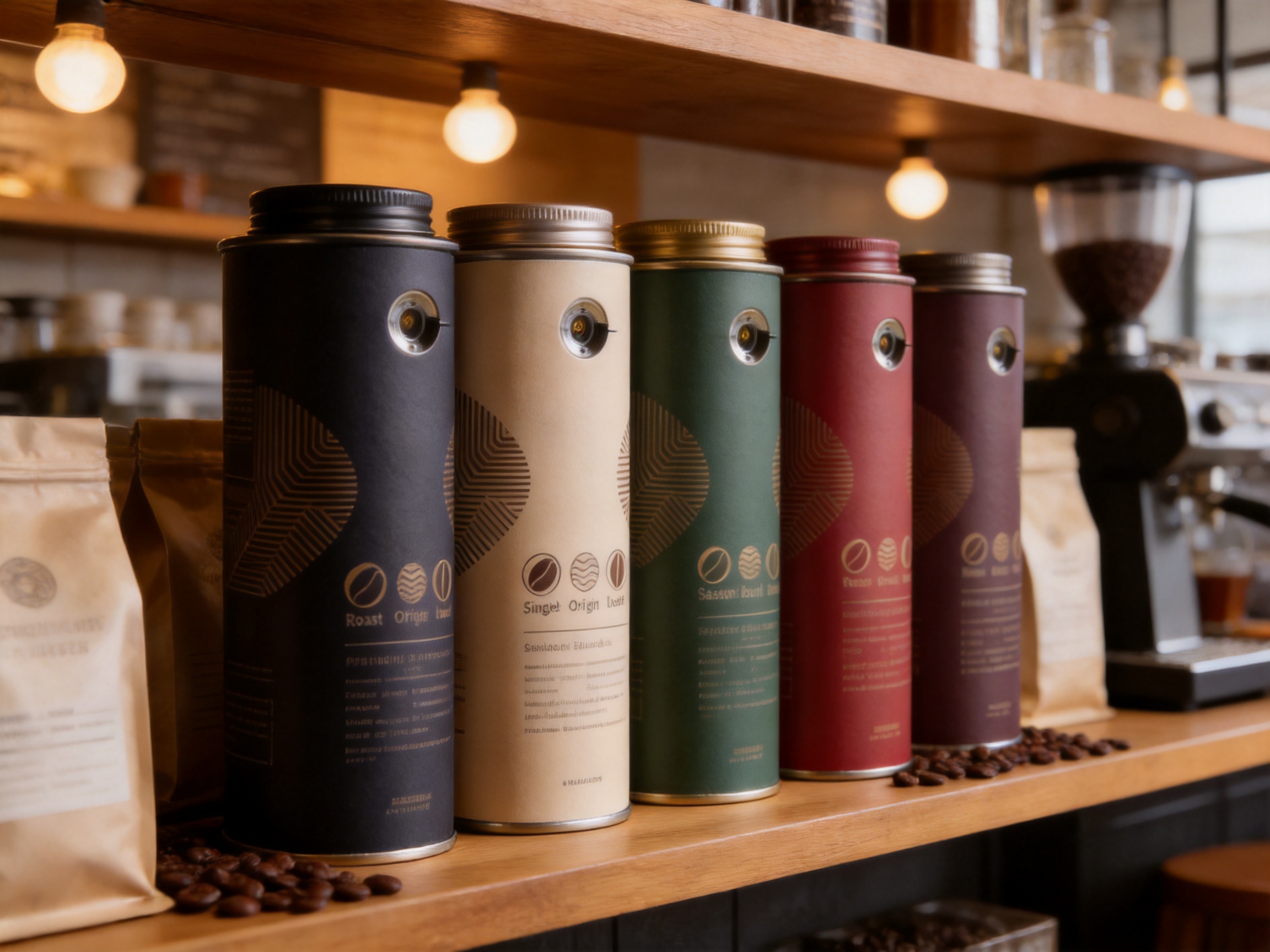
The cylindrical format supports both modern and classic design languages. It can look artisanal, premium, professional, playful, or scientific depending on decoration. This flexibility gives coffee brands room to create recognizable product families. Different origins or roast levels can be distinguished by color bands, lid colors, label systems, or pattern variations while keeping a unified structural identity.
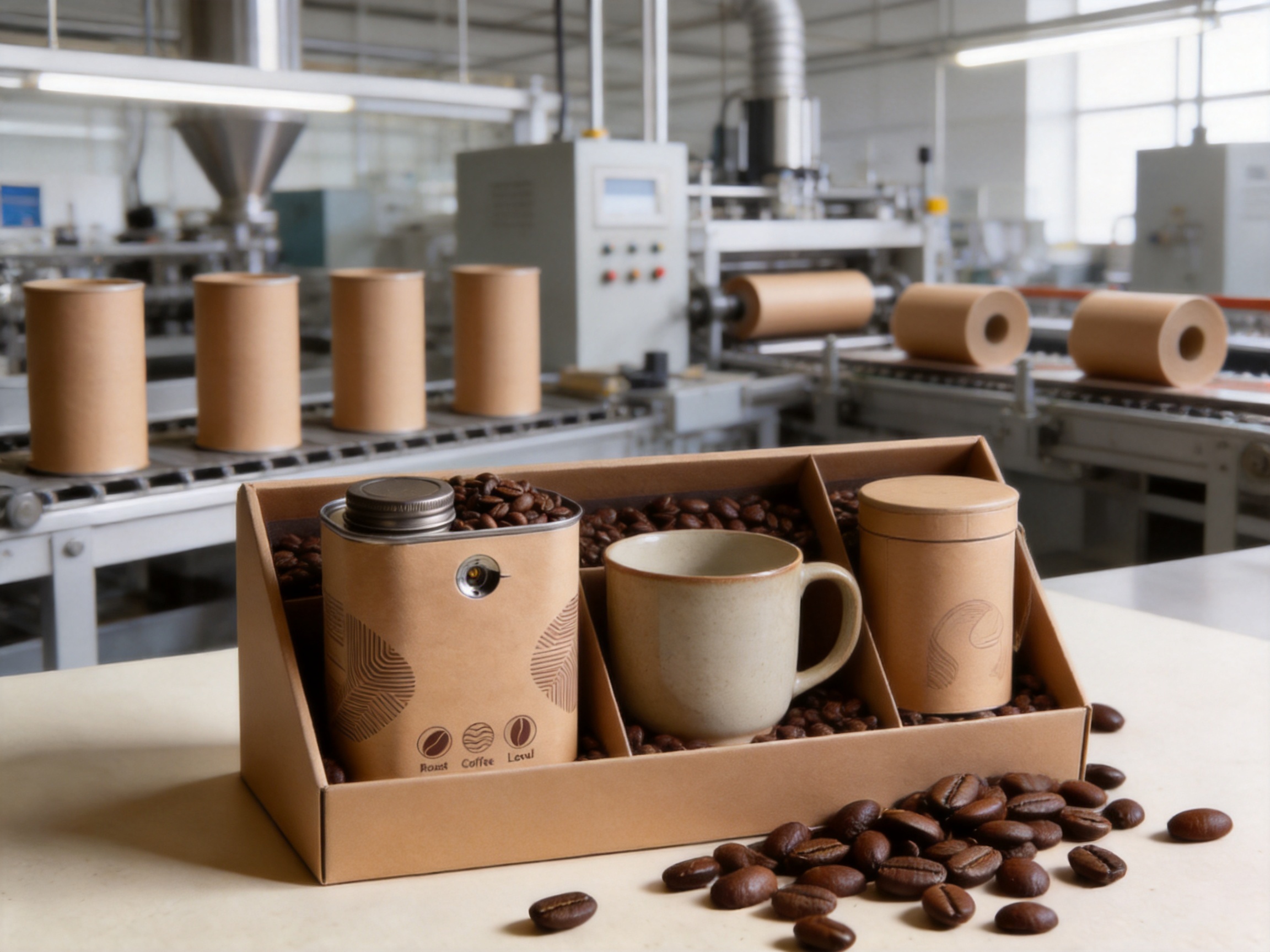
For retail, consistency across a product line is powerful. A row of matching paper canisters in different colors can create strong shelf presence. For online sales, the package photographs well and looks attractive in lifestyle images. For gifting, the canister can be paired with outer boxes, brewing tools, mugs, chocolate, or tea products.
Logistics and Retail Efficiency
Packaging must perform not only in the consumer’s hand but also in warehouses, delivery networks, and retail environments. The paper canister’s uniform cylindrical shape supports stable stacking and orderly storage. It can be packed efficiently in cartons and arranged neatly on shelves. The rigid structure reduces the chance of product deformation compared with flexible bags, helping maintain a clean display.
For retailers, neat display matters because it reduces labor and improves shelf appeal. A package that stands upright and maintains its shape is easier to merchandise. For warehouses, consistent dimensions help with carton planning and inventory control. For e-commerce, the canister’s structure helps resist compression, reducing the likelihood that the consumer receives a damaged-looking product.
Although cylindrical packaging may require different carton planning than flat bags, its premium display value and protective benefits often justify the choice for higher-end coffee. The package is particularly suitable where perceived value, giftability, and product protection are more important than the lowest possible packaging cost.
Food Safety, Cleanliness, and Professional Responsibility
Coffee packaging must be suitable for contact with food or for protecting food products through approved inner structures. The manufacturer’s history in food packaging containers, including early QS certification achievement in China, supports confidence in its production discipline. Food packaging requires attention to raw materials, adhesives, inks, hygiene, storage, and contamination control.
For international coffee brands, supplier evaluation often includes more than price. Brands need to know whether the factory understands food packaging requirements, whether it can provide stable documentation, whether it has experience with export expectations, and whether it can maintain consistency over repeated orders. A packaging supplier with long-term experience in food and fast-moving consumer goods is better positioned to meet these expectations.
How the Package Supports Premium Pricing
Premium pricing depends on perceived and actual value. The paper canister with valve contributes to both. Actual value comes from freshness protection, valve function, physical durability, reclosure, and barrier performance. Perceived value comes from the rigid form, tactile feel, visual impact, giftability, and reusable nature.
A consumer comparing two coffees may not immediately know the difference in beans, roast profile, or sourcing. Packaging often becomes the first signal. A rigid canister suggests care, craft, and quality. It can make the product feel more suitable for gifting or display. It may also reduce price resistance because the consumer sees more than a disposable bag; they see a premium container that has ongoing usefulness.
For brands, this can support higher margins and stronger differentiation. Instead of competing only on coffee origin or roast description, the brand can create a complete premium experience. This is especially valuable in crowded markets where many products make similar claims.
Customization Opportunities
Customization is one of the strongest reasons to choose paper tube packaging. The size can be tailored to product weight and brand preference. The exterior can be decorated to match visual identity. The lid can be selected to support convenience and appearance. The valve can be positioned according to design and function. Labels, embossing effects, finishes, and gift packaging options can be developed for specific campaigns.
For coffee brands launching multiple SKUs, the same canister structure can be used across different products with varied graphics. This reduces development complexity while maintaining a unified brand family. For seasonal products, artwork can be updated without changing the entire structural concept. For corporate gifting, custom printing can include recipient themes, event names, or business messages.
Hangzhou Qunle Packaging Co., Ltd. is positioned as a supplier for wholesale paper tubes and customized cardboard tube packaging. Its experience with categories such as coffee and teas, wines and spirits, nutrition and supplements, chocolate and confectionery, snacks and nuts, spices, pet care, cosmetics and skincare, gifts, candles, and other paper can applications gives it broad customization knowledge. This cross-category experience can inspire creative solutions for coffee packaging.
Comparison with Competitor Capabilities
Many packaging suppliers can produce basic paper tubes, but coffee packaging with a valve and high-barrier composite structure requires a higher level of specialization. The difference lies in understanding both the packaging material and the product inside. Coffee has particular needs: degassing, aroma retention, moisture control, light protection, and premium presentation. A manufacturer that only focuses on decorative tubes may not provide the same performance reliability.
Hangzhou Qunle Packaging Co., Ltd. stands out through its long industry history, international institute membership, food packaging qualification background, high-speed European equipment, patented technologies, and partnerships with established brands. These strengths can reduce development risk for coffee companies. Instead of sourcing from a supplier with limited food packaging experience, brands can work with a manufacturer that understands composite cans as a professional category.
Another advantage is production maturity. Packaging must be repeatable. A coffee brand may need the first order to launch successfully, but it also needs the tenth and twentieth orders to match the same standard. Equipment, process control, and quality systems all influence repeatability. A manufacturer with more than two decades of experience is more likely to understand how to maintain stable results across production runs.
Q&A Section
Q1: Why is a valve important for coffee packaging?
A valve helps release carbon dioxide from freshly roasted coffee while reducing oxygen entry. This supports package stability and helps preserve coffee freshness, aroma, and flavor. It is especially useful for brands that package coffee soon after roasting.
Q2: Is the paper canister suitable for whole bean coffee and ground coffee?
Yes. The paper canister with composite barrier protection is suitable for premium whole bean coffee and gourmet ground coffee. Whole beans benefit from crush resistance and aroma protection, while ground coffee benefits from strong oxygen and moisture resistance.
Q3: How does this package compare with a flexible coffee bag?
A flexible bag can be lightweight and practical, but it may wrinkle, collapse, or provide limited physical protection. The paper canister offers a more premium feel, stronger shelf presence, improved crush resistance, convenient reclosure, and better gift appeal.
Q4: Can the paper canister help improve brand image?
Yes. The rigid cylindrical structure feels substantial and high-value. The 360-degree printable surface allows strong visual storytelling, origin information, brewing guidance, and premium design. This helps the product stand out in retail, online, and gifting situations.
Q5: Is the packaging environmentally friendly?
The canister is made primarily from paperboard, a renewable material, and may be recyclable depending on local recycling systems and the exact composite structure. It also reduces reliance on fully plastic packaging and can often be reused by consumers for storage.
Q6: What size is suitable for 340 g of coffee beans?
The referenced format is approximately ID 90 mm × 140 mm for 340 g beans. Final capacity can vary depending on bean density, roast level, and filling method, so brands should confirm dimensions during sampling.
Q7: Why choose an experienced manufacturer for coffee paper cans?
Coffee packaging requires barrier performance, valve function, food packaging discipline, consistent dimensions, reliable lid fit, and premium appearance. An experienced manufacturer can better control these details and support custom development from concept to production.
Q8: Can the canister be used for corporate gifts?
Yes. Its premium appearance, rigid structure, and customizable surface make it well suited for executive gifts, client appreciation packages, office coffee programs, conference gifts, and holiday collections.
Conclusion
The paper can coffee packaging with valve is more than a container. It is a complete packaging solution for premium coffee brands that need freshness protection, physical durability, strong shelf presence, consumer convenience, and a more sustainable image. Its composite barrier structure helps protect coffee from oxygen, moisture, and light. Its valve supports freshly roasted coffee by managing degassing. Its rigid cylindrical body resists crushing and creates a high-value tactile impression. Its 360-degree surface gives brands a powerful canvas for design and storytelling.
Compared with conventional coffee bags, simple cartons, plastic jars, and generic tubes, this package offers a balanced combination of protection, premium perception, reusability, and marketing impact. It is especially suitable for whole bean coffee, ground coffee, limited editions, direct-to-consumer sales, e-commerce shipping, and corporate gifting.
Behind the product, Hangzhou Qunle Packaging Co., Ltd. provides strong manufacturing support built on more than 20 years in the composite can and paper can industry. Its professional standing, food packaging experience, high-speed European production line, patented technologies, and long-term partnerships with recognized brands make it a capable supplier for coffee companies seeking reliable, attractive, and performance-driven paper tube packaging.
For coffee brands that want packaging to protect aroma, elevate presentation, and create a memorable consumer experience, the paper canister with valve offers a compelling solution. It helps transform coffee from a daily commodity into a premium product that looks better, stores better, ships better, and tells a stronger story.
References
Robertson, G. L. Food Packaging: Principles and Practice. CRC Press.
Han, J. H. Innovations in Food Packaging. Academic Press.
Yam, K. L. The Wiley Encyclopedia of Packaging Technology. Wiley.
Clarke, R. J., and Vitzthum, O. G. Coffee: Recent Developments. Blackwell Science.
Illy, A., and Viani, R. Espresso Coffee: The Science of Quality. Academic Press.
Marsh, K., and Bugusu, B. Food Packaging—Roles, Materials, and Environmental Issues. Journal of Food Science.
Composite Can and Tube Industry Technical Publications and Packaging Manufacturing Guidelines.
