 English
 Español

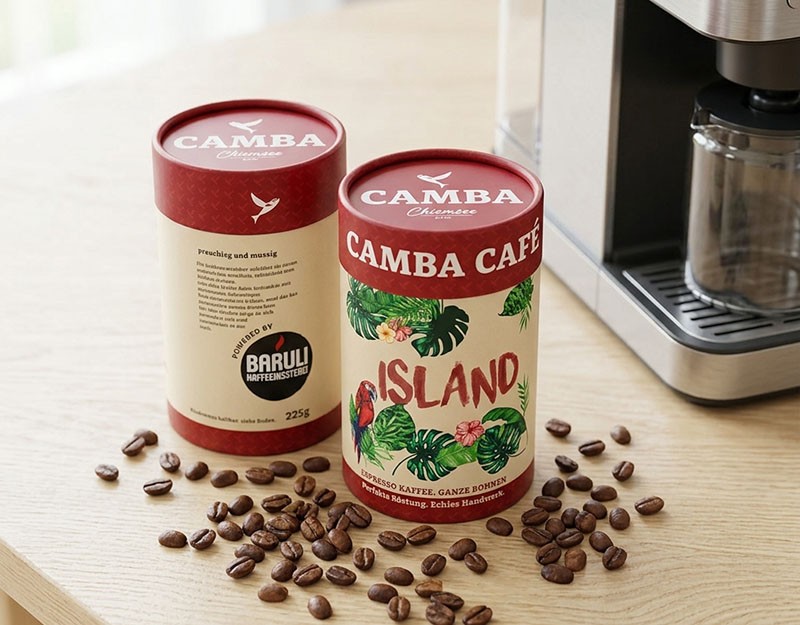
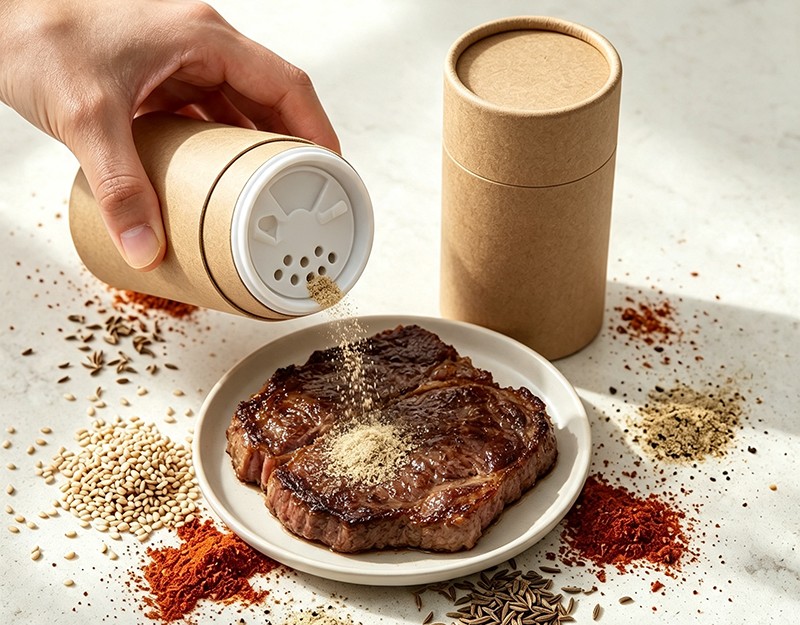
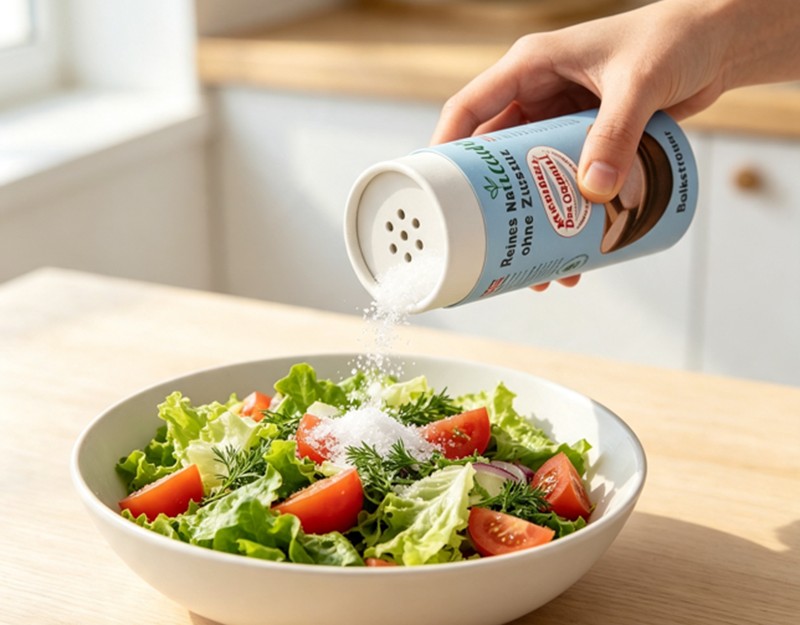
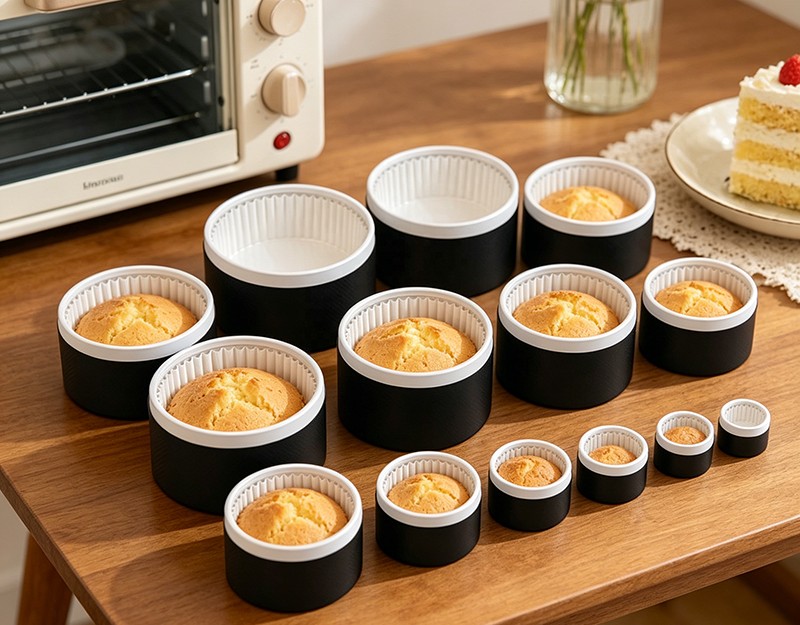
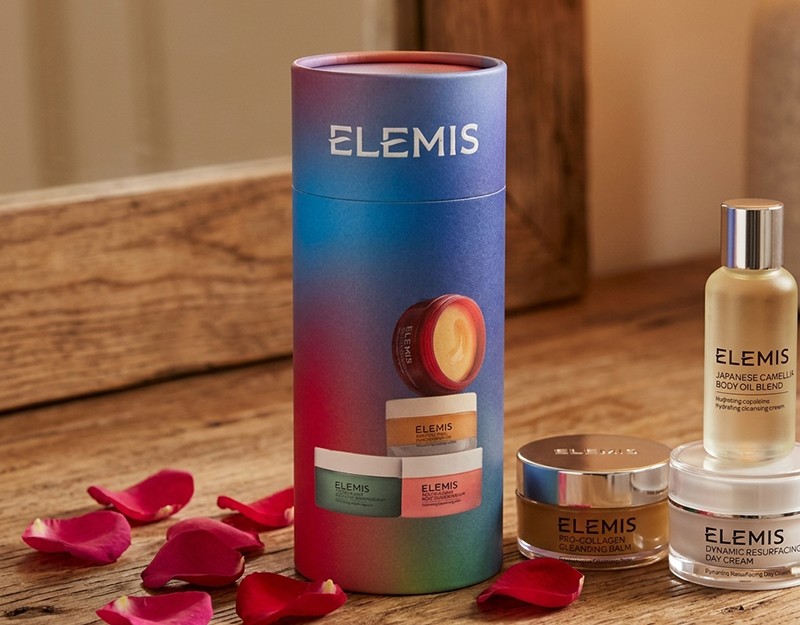
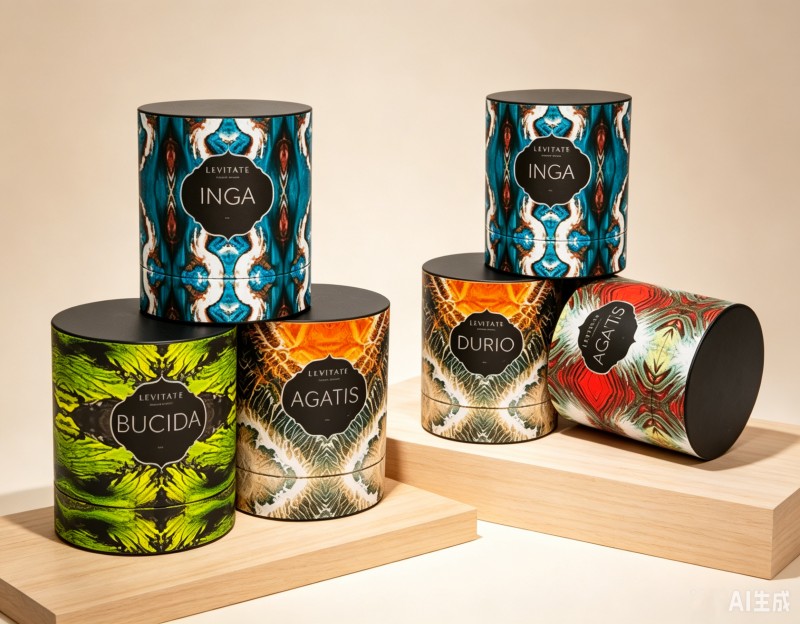
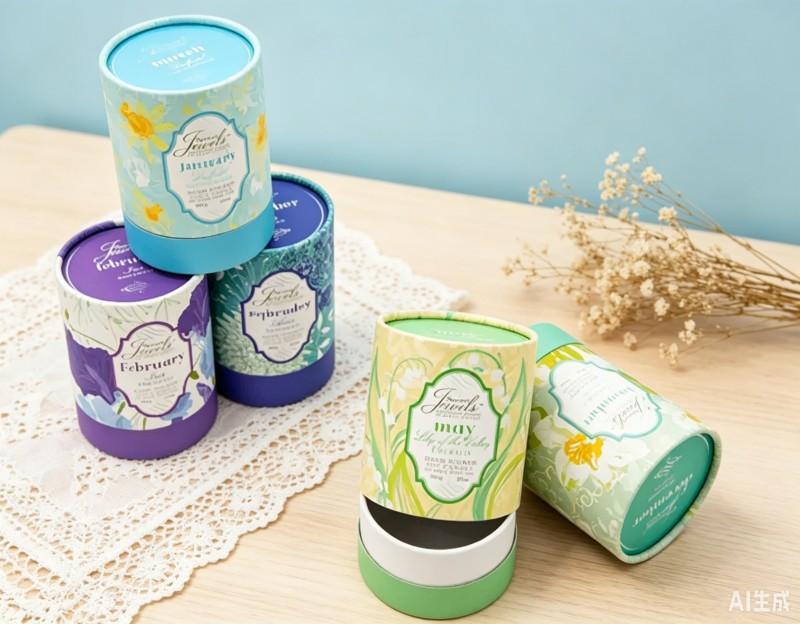
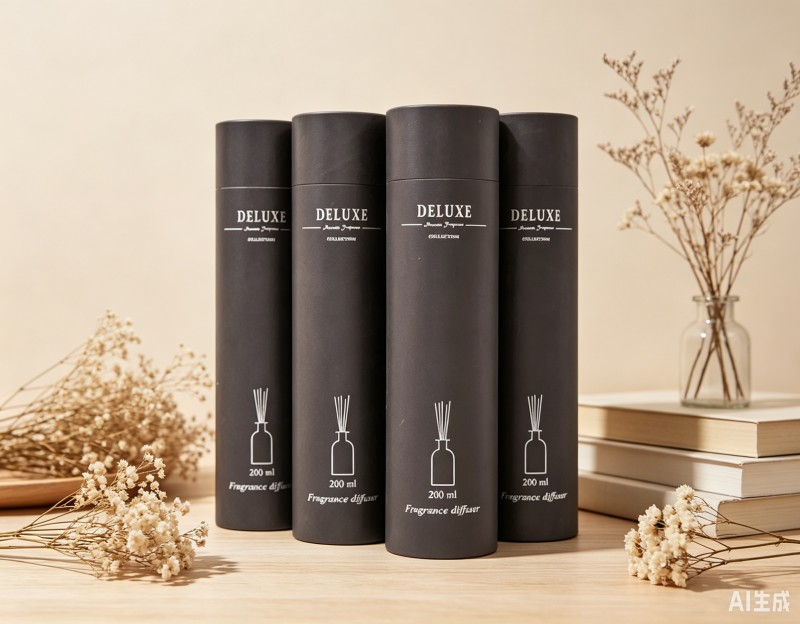
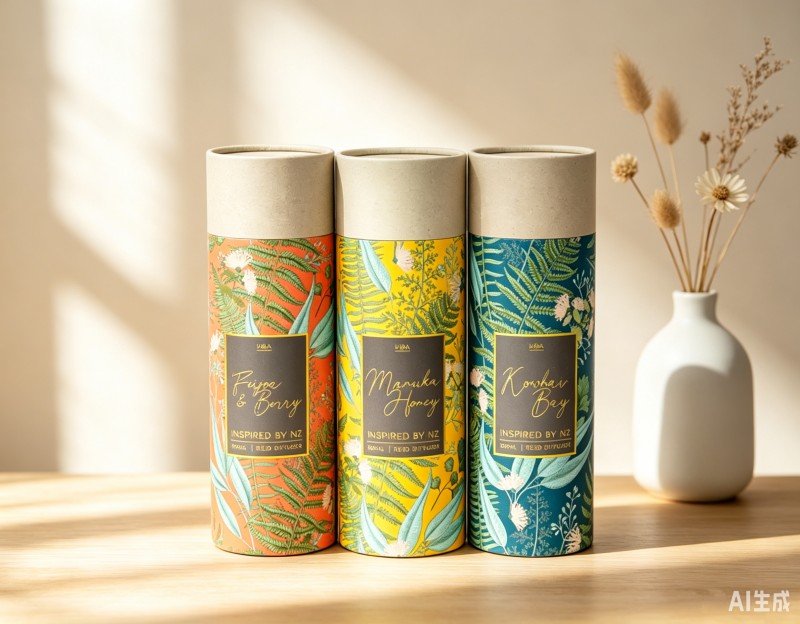
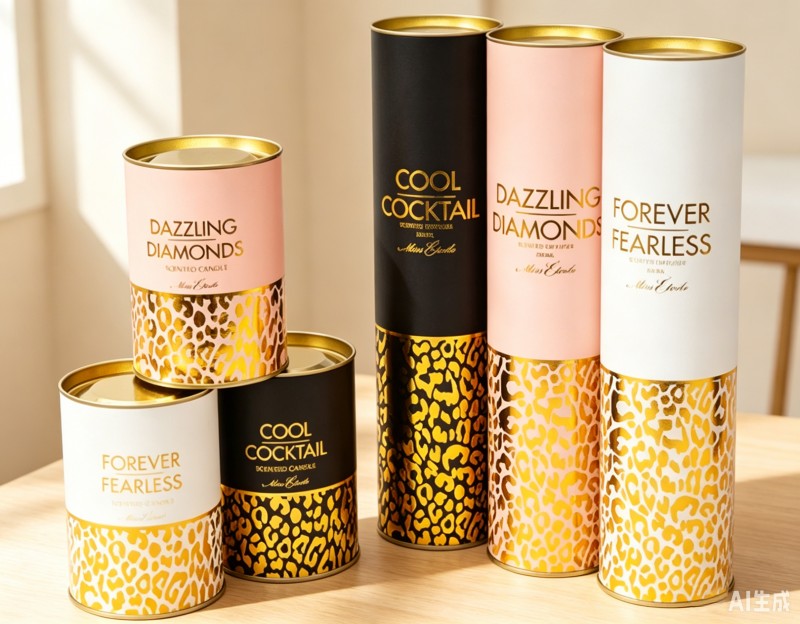
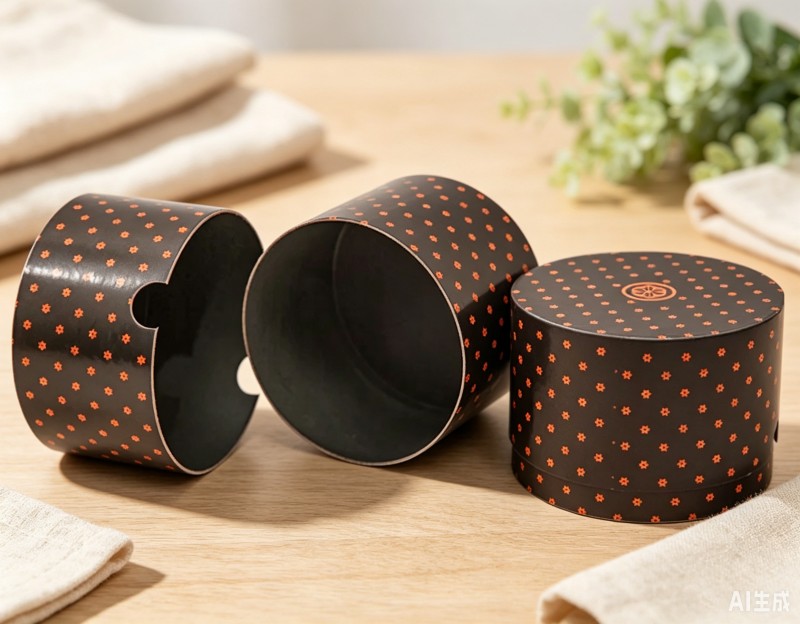
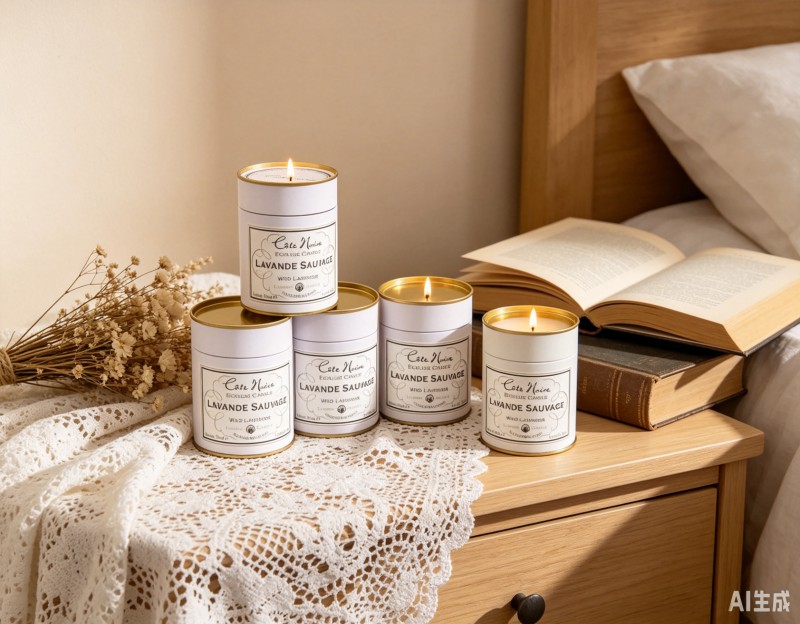

As one of the top China cardboard tube packaging manufacturers and paper tube packaging suppliers, we devote all of our efforts to research and launch more high quality packaging products to global market.
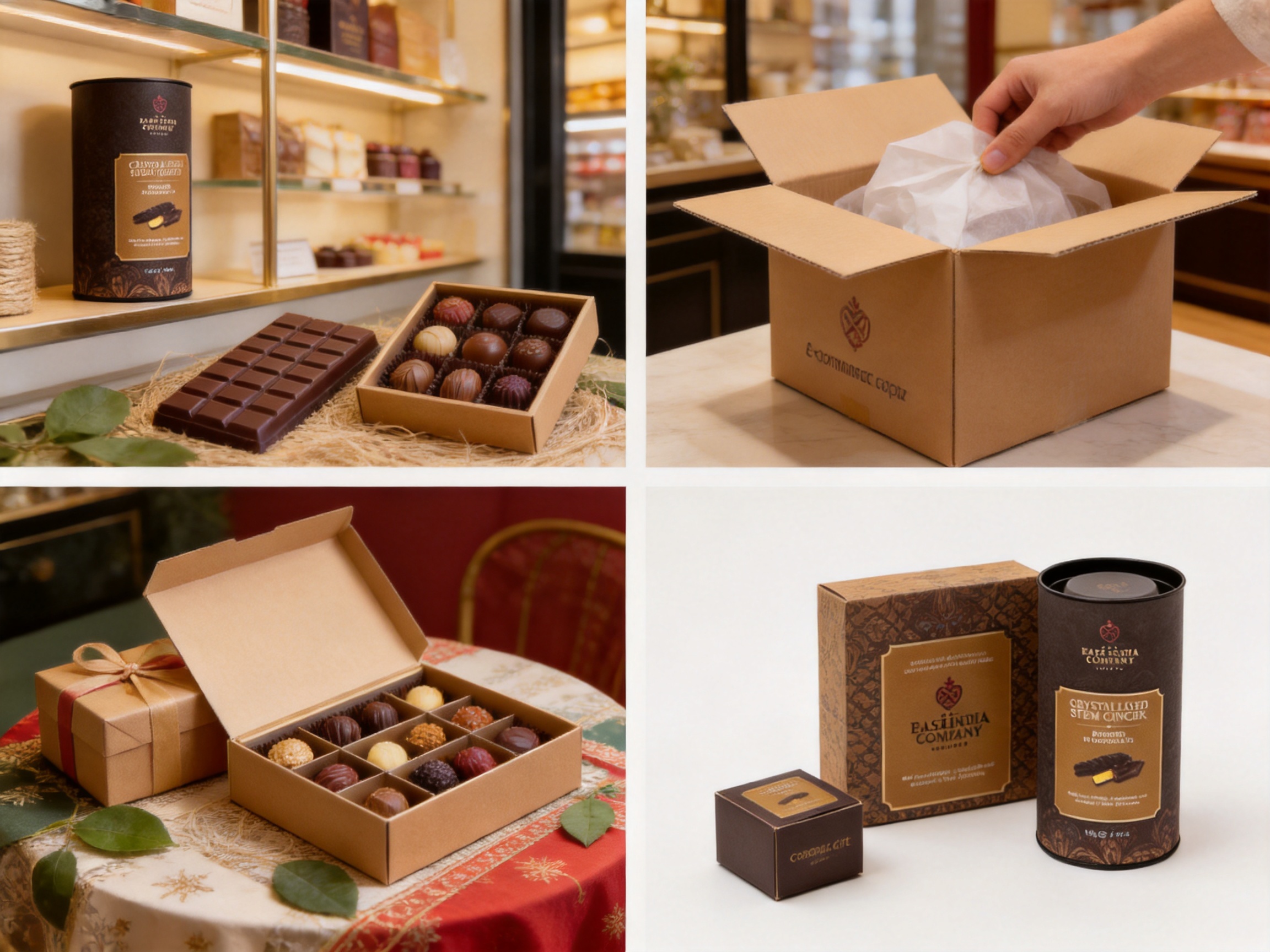
Chocolate and candy packaging is no longer limited to protecting products during transportation. It has become an important part of brand communication, product positioning, retail performance, and customer experience. A well-designed box can make a chocolate product appear more premium, communicate quality at the point of sale, and create a memorable unboxing experience. For manufacturers, retailers, gift companies, and confectionery brands, the packaging must combine attractive visual presentation with reliable structure, food-oriented material selection, and practical production performance.
The OEM Chocolate Candy Packaging Box is designed for companies that require customized paper packaging for chocolate, candy, confectionery gifts, and related products. Manufactured with kraft paper and available in custom sizes, the box can be adapted to different product dimensions, brand styles, and distribution requirements. Its printing and finishing options include embossing, matt lamination, stamping, and varnishing, allowing buyers to create packaging that is visually distinctive while remaining suitable for modern retail and gift applications.
Produced by Hangzhou Qunle Packaging Co., Ltd., the product benefits from more than two decades of experience in composite cans and paper packaging. The manufacturer serves food, daily chemical, fast-moving consumer goods, and other industries. Its experience in paper-based packaging, investment in high-speed composite can production, food packaging qualifications, patented technologies, and long-term cooperation with recognized companies provides a strong foundation for OEM packaging development.
This article examines the product’s construction, customization possibilities, environmental advantages, manufacturing strengths, quality considerations, and competitive value. It also explains how businesses can use the packaging for different types of chocolate and candy products, select suitable finishing treatments, and prepare for a successful OEM project.
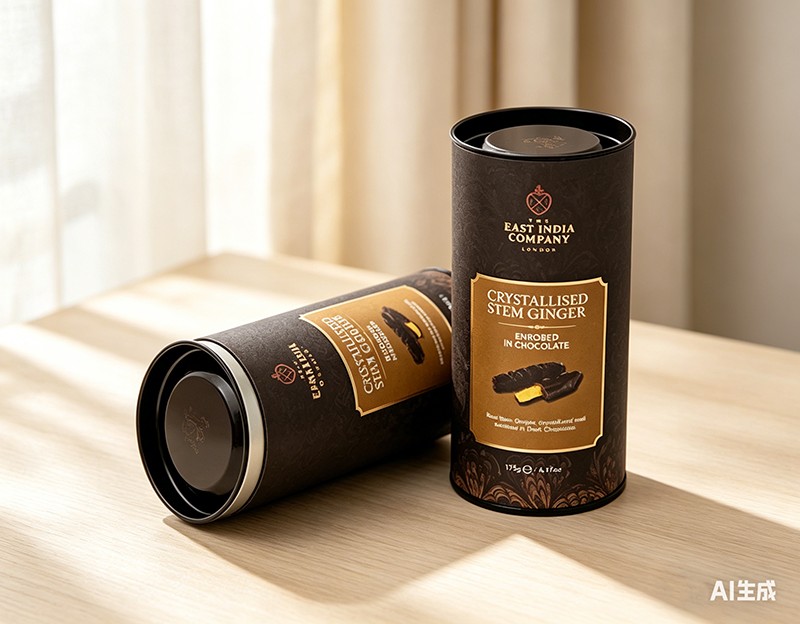
OEM Chocolate candy Packaging Box
Content
- 1 Understanding the OEM Chocolate Candy Packaging Box
- 2 Why Packaging Matters in the Chocolate and Candy Market
- 3 Advantages Over Standard Competitor Packaging
- 4 Material Benefits of Kraft Paper
- 5 Printing and Finishing Options
- 6 Custom Size and Structural Development
- 7 Advanced Manufacturing Experience
- 8 Manufacturing Process for Customized Candy Boxes
- 9 Applications Across the Confectionery Industry
- 10 Branding and Retail Performance
- 11 Operational Benefits for OEM Buyers
- 12 Design Recommendations for a Successful Box
- 13 Quality, Testing, and Approval Checklist
- 14 Company Strengths Supporting OEM Development
- 15 How to Plan an OEM Packaging Project
- 16 Frequently Asked Questions
- 16.1 What products can be packed in this OEM box?
- 16.2 Can the box be made in a custom size?
- 16.3 What material is used?
- 16.4 Is the package suitable for direct food contact?
- 16.5 Which finishing treatments are available?
- 16.6 Can the box be used for premium chocolate gifts?
- 16.7 Can the package support an eco-friendly brand image?
- 16.8 How should the package be tested?
- 16.9 What information is needed for a quotation?
- 16.10 Can the design be used for several product varieties?
- 16.11 What makes an experienced paper packaging manufacturer valuable?
- 17 Conclusion
- 18 References
- 19 Product: OEM Chocolate candy Packaging Box
Understanding the OEM Chocolate Candy Packaging Box
The OEM Chocolate Candy Packaging Box is a paper-based packaging solution intended for candy, chocolate, confectionery gifts, and other small food products. The product is manufactured according to the buyer’s specifications rather than being limited to one standard size or design. This makes it suitable for businesses that need packaging aligned with a particular product shape, brand identity, sales channel, or promotional campaign.
The basic material listed for the product is kraft paper. Kraft paper is widely used in packaging because it offers a natural appearance, a practical surface for printing, and a favorable relationship between strength and weight. Its brown or specially treated surface can create an authentic, handmade, organic, or environmentally conscious visual style. Depending on the project, the paper can also be printed or finished to achieve a more refined appearance.
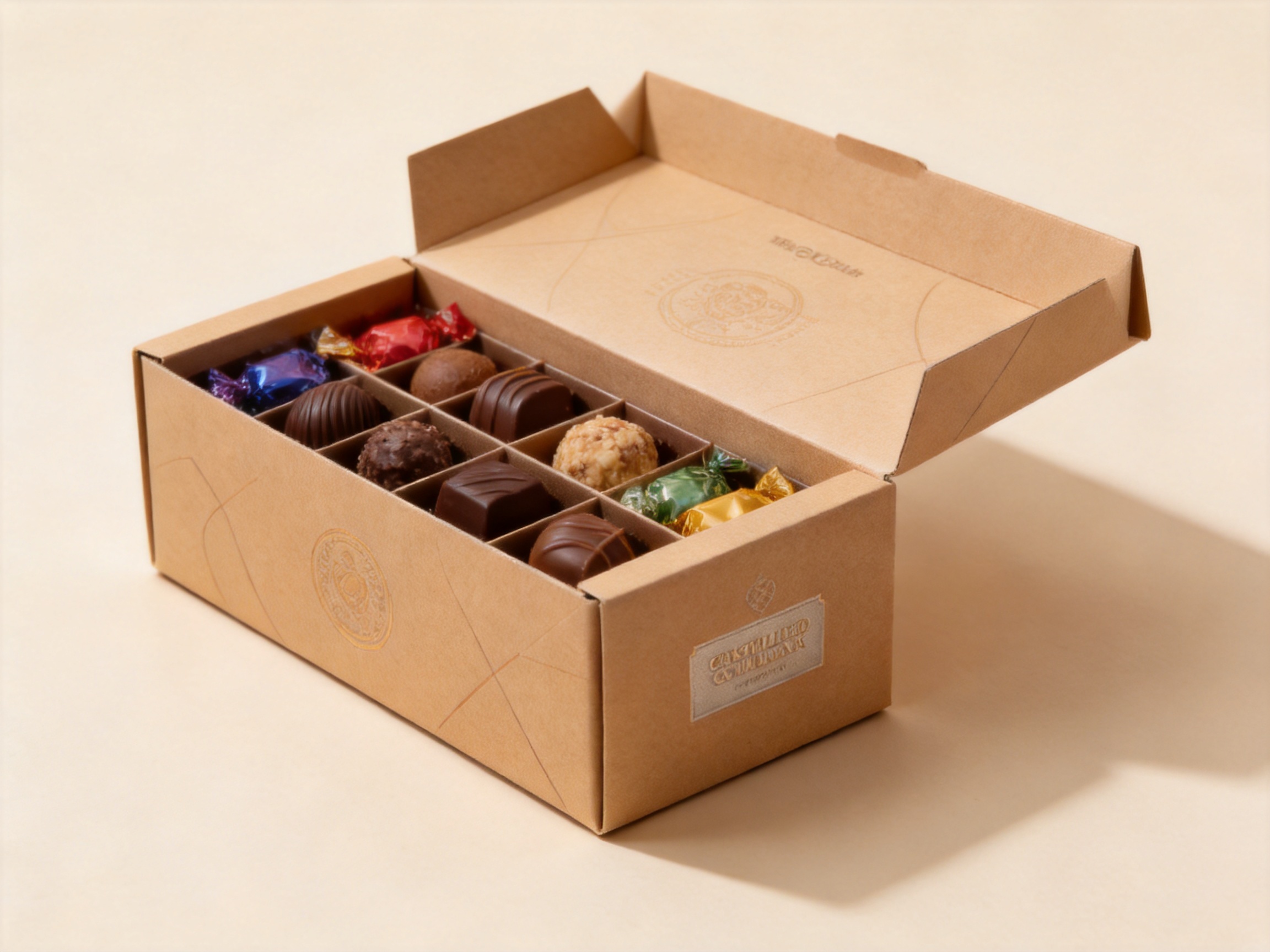
The box can be developed for individual chocolate pieces, candy assortments, chocolate bars, truffles, pralines, seasonal confectionery, corporate gifts, wedding favors, promotional items, or specialty snack products. Internal structures may be considered during the custom design process to help separate products, reduce movement, and improve presentation. The precise structure depends on the product dimensions, weight, fragility, storage conditions, and desired opening experience.
Because the product is offered as an OEM solution, buyers can work toward a packaging format that reflects their own market position. A boutique chocolatier may select kraft paper, subtle embossing, and restrained color printing. A premium gift company may request metallic stamping, decorative patterns, and a more elaborate opening structure. A mass-market candy producer may focus on efficient dimensions, strong shelf visibility, and economical finishing.
Key Product Characteristics
The packaging is identified by several important characteristics: kraft paper construction, custom sizing, eco-friendly material positioning, gift-packing suitability, and multiple printing or finishing choices. These characteristics provide a balance between practical protection and visual appeal.
| Product element | Value for confectionery brands | Typical application |
|---|---|---|
| Kraft paper | Provides a natural, flexible, and printable packaging surface | Organic chocolate, handmade candy, gift products, and everyday confectionery |
| Custom size | Allows the box to fit the product and reduce unnecessary empty space | Chocolate bars, assorted candies, truffles, and seasonal sets |
| Embossing | Adds tactile depth and helps logos or patterns stand out | Premium branding, gift boxes, and luxury confectionery |
| Matt lamination | Creates a soft, low-glare surface with a refined appearance | Modern, elegant, and minimalist packaging designs |
| Stamping | Highlights selected design elements with a special visual effect | Logos, product names, borders, and premium editions |
| Varnishing | Provides selected surface enhancement and visual contrast | Printed patterns, product illustrations, and high-impact branding |
| Recycled-material positioning | Supports packaging strategies that emphasize material responsibility | Environmentally focused brands and sustainable gift programs |
The combination of these features allows a single packaging concept to serve different commercial objectives. Packaging can be made understated and natural, bright and playful, elegant and luxurious, or highly seasonal. The design direction can be adjusted without changing the fundamental purpose of the box: presenting and protecting the confectionery product.
Why Packaging Matters in the Chocolate and Candy Market
Chocolate and candy are strongly influenced by visual presentation. Consumers frequently encounter confectionery products in crowded retail environments where numerous products compete for attention. Packaging helps a product communicate flavor, quality, occasion, and price positioning before the customer reads detailed information or tastes the product.
For premium chocolate, packaging can reinforce craftsmanship and exclusivity. For children’s candy, color, illustration, and structural play can support a cheerful and energetic identity. For corporate gifting, the package must communicate reliability and professionalism. For seasonal products, such as holiday chocolate or festival candy, limited-edition graphics and distinctive finishing can create urgency and collectability.
A paper box also provides an effective surface for essential information. Depending on the intended market and applicable regulations, the printed design may accommodate a product name, flavor, ingredient information, allergen statements, net weight, brand message, storage instructions, barcode, recycling information, and required legal markings. The available print area can be planned at the beginning of the design process so that commercial and regulatory communication does not interfere with the appearance of the package.
In addition to retail use, chocolate packaging is important for direct-to-consumer sales, hospitality, tourism, event gifting, subscription boxes, and corporate campaigns. A carefully produced box may be photographed, shared on social media, or used as part of a customer’s gift presentation. Its visual and tactile qualities can therefore influence marketing performance beyond the physical store.
Advantages Over Standard Competitor Packaging
Many standard confectionery boxes are produced in fixed dimensions with limited finishing choices. They may be suitable for basic applications, but they can create design and operational compromises. A box that is too large may increase material use and allow the product to shift during transportation. A box that is too small may create pressure on the contents or make the package difficult to open. Generic designs can also make it harder for a brand to establish a distinctive identity.
The OEM Chocolate Candy Packaging Box offers several advantages compared with generic, off-the-shelf alternatives. The first is dimensional flexibility. Custom sizing allows the packaging to be designed around the actual product rather than forcing the product into an unsuitable standard format. This may improve product presentation, reduce unused space, and support more efficient packing.
The second advantage is design adaptability. Embossing, matt lamination, stamping, and varnishing provide several ways to create differentiation. A competitor package may rely only on ordinary printing, while an OEM box can combine visual graphics with tactile and surface effects. The result may be more recognizable on a shelf and more appealing in a gift environment.
The third advantage is material positioning. Kraft paper can support a natural and responsible brand message, particularly when the overall packaging design avoids unnecessary complexity and uses material efficiently. The recycled-material feature listed for the product can be incorporated into a broader sustainability strategy, subject to the exact material composition, supplier documentation, and requirements of the destination market.
The fourth advantage is the manufacturer’s packaging specialization. A supplier with long-term experience in composite cans and paper packaging is better positioned to understand paper behavior, printing requirements, structural development, and production coordination than a general printing company with limited packaging experience. This experience can help buyers manage technical decisions before mass production begins.
Comparison with Common Packaging Options
| Comparison point | Generic paper box | Plastic packaging | OEM kraft paper candy box |
|---|---|---|---|
| Brand customization | Often limited to standard dimensions and basic printing | Possible, but may require specialized molds or labels | Custom size, printing, and finishing options |
| Visual character | Functional and variable | Clear or glossy appearance, depending on format | Natural paper appearance with premium surface treatments |
| Gift suitability | Depends on structure and decoration | Often less suited to premium gift presentation | Designed for gift packing and confectionery presentation |
| Material perception | May appear ordinary or standardized | May conflict with some sustainability-focused brand positions | Kraft paper supports natural and eco-conscious visual communication |
| Structural flexibility | Depends on the supplier’s standard range | Can be rigid, flexible, or molded | Developed around the product’s size and presentation requirements |
| Surface finishing | Usually basic printing | May require labels or specialized decoration | Embossing, matt lamination, stamping, and varnishing |
The appropriate choice always depends on the application. Packaging should be evaluated according to the product, distribution conditions, target market, budget, and regulatory requirements. Nevertheless, a custom kraft paper box provides a particularly strong combination of branding flexibility, gift appeal, and paper-based presentation.
Material Benefits of Kraft Paper
Kraft paper is valued for its recognizable texture, natural appearance, and broad packaging usability. Its visual character can help a confectionery brand communicate authenticity and simplicity. This is especially relevant to handmade chocolate, organic candy, fair-trade products, artisan confectionery, and brands that emphasize traditional production methods.
The material also provides a convenient base for different graphic directions. Designers can preserve the kraft color and use one or two ink colors for a restrained appearance, or they can apply more elaborate printing to create a brighter and more detailed design. The contrast between the paper’s natural background and selected printed areas can become part of the brand identity.
From a functional perspective, kraft paper can be engineered into different box structures. The final performance depends on paper weight, thickness, construction, folding design, adhesive selection, and the product’s expected handling conditions. A confectionery box intended for an individual candy may have different requirements from a gift box holding several chocolate bars or a mixed assortment.
The recycled-material feature can support a company’s environmental communication, but responsible claims should be based on verified specifications. Buyers should confirm the percentage and type of recycled content, whether the paper is suitable for the intended food-packaging application, the availability of relevant certificates, and the recyclability of the completed package in the destination market.
Balancing Sustainability and Product Protection
Sustainable packaging is most effective when environmental objectives are considered together with protection and performance. A package that damages the product, requires excessive replacement, or creates high levels of waste may not provide a meaningful overall improvement. The correct approach is to select an efficient structure, use an appropriate amount of material, and ensure that the box can withstand normal handling and distribution.
For chocolate and candy, the paper box may serve as an outer package, while an inner wrapper, tray, liner, or sealed food-contact component provides direct product protection. The exact configuration depends on the confectionery product and its sensitivity to moisture, heat, odor transfer, abrasion, and contamination. The box should therefore be developed as part of the complete packaging system rather than evaluated in isolation.
Good structural design can reduce excessive empty space and improve packing efficiency. Properly planned dimensions may allow more units per shipping carton, reduce movement during transportation, and simplify warehouse storage. These improvements can contribute to lower material consumption and more efficient logistics.
Printing and Finishing Options
The listed printing and finishing treatments give buyers several ways to create a differentiated package. Each technique has a different visual and tactile effect, and the best result is achieved when the finishing method supports the brand message rather than being added without a clear purpose.
Embossing
Embossing raises selected areas of the paper to create a three-dimensional effect. It can be used for a brand mark, product name, decorative border, icon, pattern, or illustration. When consumers touch the box, the raised design provides a tactile signal that can make the package feel more substantial and carefully produced.
Embossing is particularly effective for premium chocolate, gift assortments, and products that rely on craftsmanship as part of their positioning. It can also be combined with stamping to create contrast between a raised logo and a highlighted surface.
Matt Lamination
Matt lamination creates a smooth, low-glare surface. It can give printed graphics a more restrained and sophisticated appearance, while also helping the package resist minor scuffing during normal handling. Matt surfaces are often associated with modern, premium, minimalist, and luxury product design.
The suitability of lamination should be evaluated according to the buyer’s environmental objectives and recycling requirements. The finishing specification should be confirmed with the manufacturer during technical development so that the final package meets the intended performance and appearance expectations.
Stamping
Stamping is commonly used to emphasize specific elements of a design. It may be applied to a logo, brand name, flavor label, border, or seasonal message. Because stamping is generally used selectively, it can create a premium accent without covering the entire package with decorative effects.
For chocolate and candy packaging, stamping can help communicate luxury, celebration, and gift value. Gold, silver, metallic, or other special appearances may be considered depending on the design and available production specifications. Buyers should review a physical sample or approved proof before confirming mass production.
Varnishing
Varnishing can add a protective or decorative surface effect to selected printed areas. Spot varnish, for example, may create contrast between glossy details and a matte background. This can draw attention to a logo, image, flavor name, or pattern.
Used with restraint, varnishing can help guide the customer’s eye across the package. It may be especially effective for contemporary designs that use contrast rather than multiple colors to create visual interest.
Custom Size and Structural Development
Custom sizing is one of the most practical advantages of OEM packaging. Before a box is designed, the buyer should provide accurate product dimensions, including length, width, height, diameter, and any irregular features. The product’s individual wrapping or inner tray should also be considered because it affects the final internal space requirement.
The packaging design should account for the product’s weight and the way it will be placed inside the box. A box for loose candies may need an inner bag or tray, while a box for chocolate bars may use dividers or a fitted insert. Truffles and delicate pieces may require separation to prevent contact and surface damage. Gift assortments may benefit from an organized layout that makes each piece visible when the package is opened.
The opening method is another important consideration. A simple tuck-end box may be efficient for everyday products. A sleeve and drawer structure may create a more premium experience. A hinged lid or folding gift box may be appropriate for high-value assortments. The correct format depends on the desired balance between cost, production speed, shelf presentation, and customer experience.
Structural development should also consider stacking. Retail cartons, warehouse shelves, delivery vehicles, and e-commerce parcels may subject the box to compression or impact. A well-designed package uses appropriate dimensions and folds to maintain its shape under expected handling conditions. Testing with actual product weight is recommended before final approval.
Important Information for an OEM Quotation
To receive an accurate quotation and production recommendation, buyers should prepare the product dimensions, requested quantity, paper preference, printing colors, finishing requirements, box structure, inner components, packing method, delivery destination, and expected application. Artwork files, brand guidelines, and reference samples can further improve communication.
| Information to provide | Why it matters |
|---|---|
| Product dimensions | Determines the internal and external box size |
| Product weight | Influences structural strength and insert requirements |
| Product arrangement | Defines whether dividers, trays, or individual compartments are needed |
| Target quantity | Affects material purchasing, setup costs, and production planning |
| Artwork and brand colors | Supports accurate prepress preparation and color review |
| Finishing requirements | Determines tooling, processing steps, and surface appearance |
| Distribution channel | Helps identify packaging needs for retail, gifting, export, or e-commerce |
| Destination market | Supports review of labeling, material, and food-packaging expectations |
Advanced Manufacturing Experience
The manufacturer’s long-term experience is a significant strength for buyers seeking customized paper packaging. Hangzhou Qunle Packaging Co., Ltd. has been engaged in the composite can and paper can industry for more than 20 years. This focus provides experience in paper converting, packaging construction, production coordination, and the practical requirements of supplying packaging to different industries.
The company is identified as a member of the international Composite Can and Tube Institute, and it is described as the only member of that organization in China’s packaging container industry. Membership in an industry organization can support technical awareness and professional exchange, although buyers should still evaluate each project according to its specific requirements.
The company has also introduced a high-speed composite can production line from Europe. Investment in high-speed production equipment indicates a commitment to modern manufacturing capability and larger-scale production coordination. For OEM customers, production equipment can influence consistency, throughput, lead-time planning, and the ability to support repeat orders.
More than ten patented technologies are associated with the manufacturer. Patented technologies alone do not determine whether a particular box is suitable for a customer, but they indicate continued investment in product development and manufacturing research. A supplier with an active technical development program may be better prepared to address new structures, material combinations, production challenges, and market-specific packaging needs.
Quality and Food-Packaging Awareness
The company was the first enterprise in China to pass the QS certificate for producing food packaging containers, according to the supplied company information. Food packaging requires careful attention to material selection, cleanliness, production controls, printing components, and possible contact conditions. Buyers should communicate whether the paper box will directly contact the chocolate or candy and request the documentation needed for the intended market.
In many applications, the paper box functions as an outer package while the confectionery is contained in an inner wrapper or sealed component. Even in this arrangement, the outer packaging must be produced and handled appropriately. Accurate printing, clean folding, reliable adhesion, and consistent dimensions all contribute to the quality of the finished package.
Quality control for an OEM box may include inspection of paper appearance, color consistency, print registration, die-cut accuracy, folding performance, adhesive strength, surface finishing, and carton packing. Buyers should establish approval standards before production and determine how samples, proofs, and inspections will be managed.
Manufacturing Process for Customized Candy Boxes
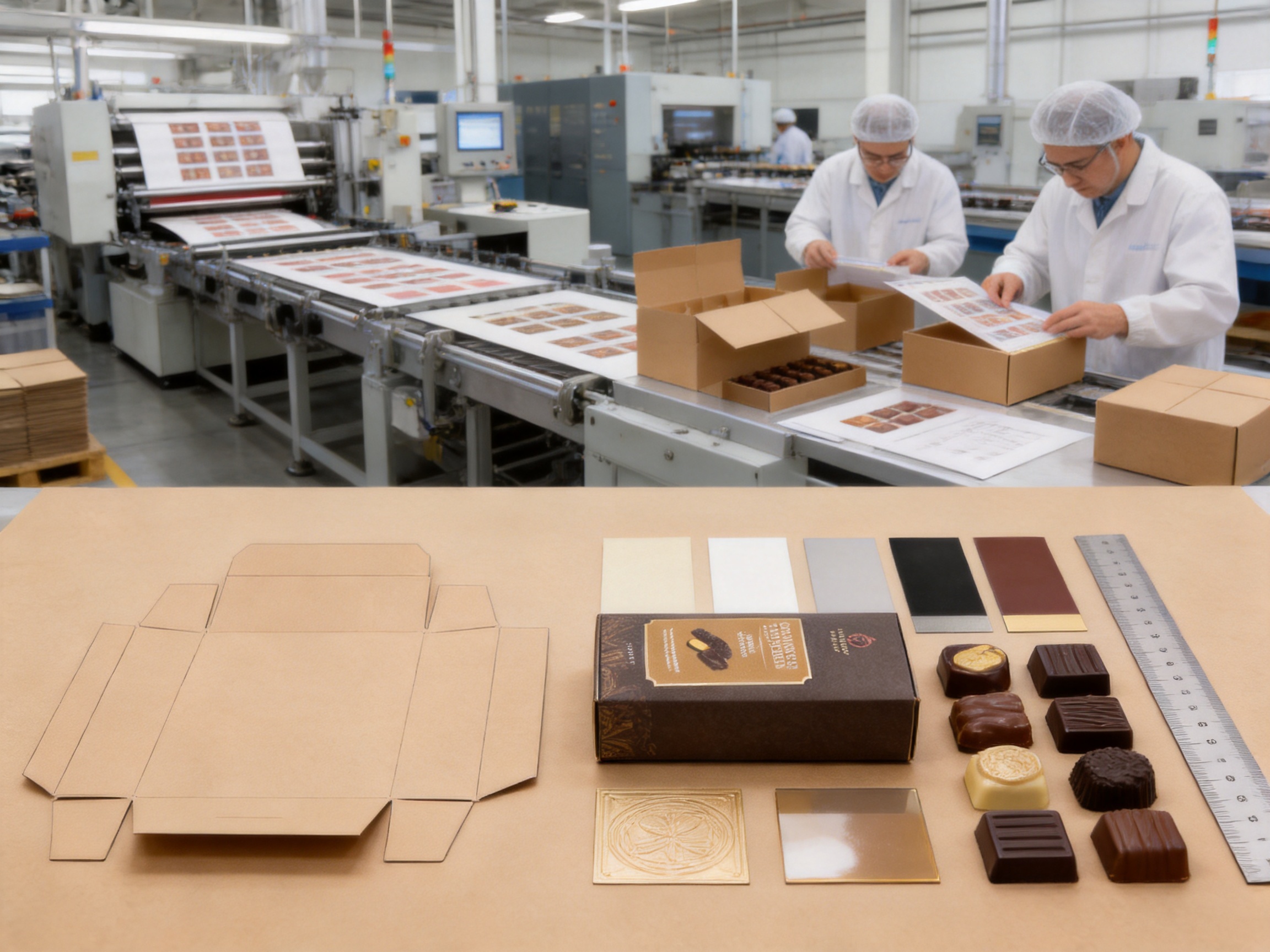
A successful OEM packaging project normally moves through several connected stages. The process begins with project communication and continues through structural design, artwork preparation, sampling, production, finishing, inspection, and shipment. Clear communication at each stage reduces the risk of dimensional errors or artwork misunderstandings.
Stage One: Product and Requirement Review
The manufacturer reviews the confectionery product, target dimensions, intended quantity, market, design preferences, and distribution conditions. At this stage, buyers should explain whether the packaging is for retail sale, gifting, promotional use, e-commerce shipping, or another application.
Stage Two: Structural Design
The box structure is developed around the product. Designers consider internal space, closure style, folds, inserts, display requirements, and packing efficiency. A dieline is prepared to show the flat layout of the box, including cut lines, crease lines, glue areas, and printing panels.
Stage Three: Artwork and Prepress Preparation
The customer’s artwork is adapted to the dieline. Text, logos, illustrations, barcodes, and legal information are positioned within the printable areas. Color specifications and finishing locations are reviewed. It is important to check small text, panel orientation, folding direction, and the position of any stamping or embossing.
Stage Four: Sampling and Approval
A sample or proof allows the buyer to evaluate the physical structure before mass production. The sample should be checked with the actual chocolate or candy product whenever possible. Buyers should examine fit, opening behavior, appearance, stacking, insert alignment, and the general customer experience.
Stage Five: Printing and Surface Treatment
After approval, the paper is printed according to the confirmed artwork. Additional processes such as embossing, matt lamination, stamping, and varnishing are completed according to the approved specifications. Different treatments may require separate tooling or production steps, so the final schedule should be confirmed in advance.
Stage Six: Die-Cutting, Folding, and Gluing
Printed sheets are converted into the final box shape through die-cutting, creasing, folding, and gluing. Accuracy at this stage is important because even a small deviation can affect the box’s appearance or closure. Automated and controlled production equipment can support repeatability, particularly for larger orders.
Stage Seven: Inspection and Packing
Finished boxes are inspected and packed for shipment. The packing method should protect the surfaces from crushing, moisture, contamination, and excessive friction. Export cartons should be arranged to support efficient loading and reduce movement during transportation.
Applications Across the Confectionery Industry
The product is suitable for a broad range of chocolate and candy applications. Its flexibility allows brands to create packaging for everyday sales as well as special events and seasonal promotions.
Chocolate Bars and Tablets
Chocolate bars can be packaged in a custom box that fits the bar closely and leaves room for an inner wrapper. The outer package can display flavor information, origin, cocoa percentage, brand storytelling, and serving suggestions. A kraft paper box can create a natural appearance for dark chocolate, organic products, or craft chocolate collections.
Truffles and Pralines
Truffles and pralines often require more organized presentation because their surfaces may be delicate and their shapes may vary. A fitted tray or divider can help maintain separation. Embossing and stamping are suitable for premium assortments, while matt lamination can provide an elegant finish for gift-oriented collections.
Assorted Candy
Assorted candy boxes can use printed graphics to communicate variety and enjoyment. Internal organization may help separate flavors or colors. Custom sizing allows the box to match the number of pieces in a set, helping the product appear full and carefully arranged.
Seasonal and Holiday Products
Chocolate and candy are popular for holidays, festivals, anniversaries, weddings, and corporate events. A custom box can be produced for a limited-edition campaign with seasonal artwork, special messages, and decorative finishing. After the event, the same structural design may be adapted for another campaign by changing the artwork.
Corporate and Promotional Gifts
Small chocolate boxes are often used as corporate gifts, hotel amenities, event favors, and promotional items. The packaging can include a company logo, event date, campaign message, or personalized design. A professional paper box can make a modest confectionery product appear more intentional and valuable.
Branding and Retail Performance
Packaging functions as a silent salesperson. Before a customer reads the product description, the box communicates through color, material, typography, shape, and finishing. For this reason, the design of a chocolate candy box should be connected to the brand’s broader visual identity.
A consistent packaging system can help a brand create recognition across different flavors and product sizes. The same box structure may be adapted with different colors, labels, or illustrations. This allows a product family to appear coordinated while still giving each flavor a distinct identity.
Visual hierarchy is important. The product name and brand mark should be easy to identify, while secondary information can be organized on side or back panels. If embossing or stamping is used, it should highlight the most important element rather than compete with every printed detail.
Kraft paper can also help a brand occupy a particular market position. It may suggest natural ingredients, small-batch production, environmental awareness, warmth, simplicity, or artisanal quality. These associations are not automatic, however. They become credible when the material choice is supported by accurate sustainability information and a coherent product story.
Operational Benefits for OEM Buyers
OEM packaging is valuable not only because it creates a unique appearance but also because it can simplify product development. A manufacturer with experience in multiple industries may understand how packaging requirements change between food, daily chemical, fast-moving consumer goods, and gift products. This cross-sector experience can help identify practical solutions for structure, packing, and production.
Custom packaging can support product segmentation. A company may use one basic format for standard products, a more refined finishing package for premium products, and a special design for seasonal editions. This allows the brand to serve different price levels without abandoning a consistent packaging family.
Repeat ordering can also become more efficient after the initial design is approved. Once the structure, materials, artwork, and inspection standards are established, future orders can focus on quantity, artwork updates, and delivery planning. Consistent supplier communication is important for maintaining color, dimensions, and finishing across multiple production runs.
For international customers, supplier experience in export packaging and global business relationships can be valuable. The supplied company information notes long-term partnerships with companies and brands in food, beverage, tea, coffee, nutrition, and consumer goods. Such experience suggests familiarity with the expectations of professional buyers, although project-specific terms and quality requirements should always be confirmed directly.
Design Recommendations for a Successful Box
Effective packaging design begins with the product rather than decoration. The box should be easy to identify, practical to open, suitable for the product’s weight, and attractive from multiple viewing angles. A design that looks good only on the front panel may not perform well when displayed on a shelf or photographed online.
Use the kraft paper surface intentionally. A natural background can be preserved to create a simple and authentic effect. Alternatively, the box can use a stronger color system while allowing selected kraft areas to remain visible. The contrast between printed and unprinted areas may create a distinctive visual signature.
Keep premium finishing selective. A logo with embossing and stamping may be more effective than applying every effect to every panel. Selective treatment can control costs, preserve readability, and make the package feel refined rather than overloaded.
Design for the opening experience. Customers should understand how the box opens and closes. If the box contains multiple pieces, the first view after opening should be organized and appealing. Inserts, dividers, or trays should be considered when they improve protection and presentation.
Check the complete information hierarchy. The product name, flavor, quantity, brand identity, and key claims should be legible at the expected viewing distance. Small text should be checked carefully after printing, particularly when it is placed near folds, creases, or finishing areas.
Quality, Testing, and Approval Checklist
Before approving mass production, buyers should review both the visual quality and the practical performance of the package. The actual product should be used during testing whenever possible because a paper sample without the product may not reveal fit or weight-related issues.
| Inspection area | Questions to review |
|---|---|
| Dimensions | Does the product fit without excessive pressure or unwanted movement? |
| Structure | Does the box fold correctly and maintain its shape? |
| Closure | Does the package open easily and remain securely closed? |
| Printing | Are colors, text, logos, and registration consistent with the approved proof? |
| Embossing and stamping | Are special effects positioned accurately and clearly visible? |
| Lamination and varnish | Is the surface finish even, clean, and free of unwanted marks? |
| Product presentation | Does the arrangement look attractive when the package is opened? |
| Transport performance | Can the box withstand expected handling, stacking, and shipping conditions? |
| Documentation | Are material and food-packaging documents available for the intended market? |
A written approval process can prevent confusion. Buyers should identify which proof is the production standard, record any approved deviations, and confirm the tolerance requirements for dimensions, color, and finishing. For repeat orders, retaining a reference sample may help compare future production.
Company Strengths Supporting OEM Development
Hangzhou Qunle Packaging Co., Ltd. combines product specialization, manufacturing experience, and industry-oriented development. Its more than 20 years in composite can and paper can production provide a strong background for paper-based packaging projects. The company’s business covers food, daily chemical products, fast-moving consumer goods, and additional categories, giving it exposure to different packaging challenges.
The company’s participation in the Composite Can and Tube Institute demonstrates involvement in a specialized packaging field. Its introduction of European high-speed composite can equipment reflects an effort to strengthen production capability and manufacturing efficiency. The company also reports more than ten patented technologies, indicating an ongoing focus on research and product development.
Food-packaging experience is another important strength. The company reports having been the first enterprise in China to pass the QS certificate for producing food packaging containers. Buyers should request current and project-relevant documentation, but this background is particularly relevant for businesses developing packaging for chocolate, candy, tea, coffee, nutrition products, and other food categories.
The company’s reported partnerships with well-known food and consumer brands demonstrate experience working with professional customers. These relationships include businesses associated with grain products, tea, coffee, confectionery, beverages, nutrition, and consumer goods. Such experience may help the supplier understand the importance of consistency, delivery planning, artwork control, and repeat-order management.
The supplier’s location in Hangzhou, Zhejiang Province, places the manufacturing operation within one of China’s major commercial and industrial regions. Its listed customer service channels include telephone, email, and WhatsApp communication, which can support project discussions with overseas buyers. All commercial, technical, certification, and delivery details should be confirmed directly before an order is placed.
How to Plan an OEM Packaging Project
The most efficient project planning begins several weeks or months before the desired launch date, especially for seasonal chocolate and candy. Buyers should allow time for design development, structural sampling, artwork approval, production, inspection, and shipping. Special finishing processes or new tooling may require additional planning.
Start by defining the purpose of the package. Is it intended for everyday retail, luxury gifting, export, e-commerce, an event, or a limited seasonal release? The answer will influence the structure, material, surface finish, packing method, and expected durability.
Next, establish the product configuration. Confirm the quantity of pieces, individual wrapping, inner tray, arrangement, and final product dimensions. If the package will contain different product varieties, provide samples or detailed measurements for each item.
Then create a design brief. The brief should include the target customer, preferred visual style, brand colors, required text, finishing preferences, sustainability goals, and reference packaging. A clear brief helps the supplier propose a realistic structure and avoids unnecessary revisions.
Finally, define acceptance criteria. Specify what must be checked before shipment, including print quality, dimensions, finishing, packaging quantity, carton markings, and documentation. Clear expectations benefit both the buyer and the manufacturer.
Frequently Asked Questions
What products can be packed in this OEM box?
The box is intended for chocolate, candy, and confectionery products. It may also be adapted for chocolate bars, pralines, truffles, assorted sweets, seasonal gifts, event favors, promotional confectionery, and similar products, subject to structural and material evaluation.
Can the box be made in a custom size?
Yes. Custom size is listed as an accepted feature. Buyers should provide accurate product dimensions and explain how the product will be wrapped, arranged, and supported inside the box.
What material is used?
The listed paper type is kraft paper. The exact paper weight, thickness, recycled content, coating, and other specifications should be confirmed for each project.
Is the package suitable for direct food contact?
The answer depends on the final construction and the intended use. In many confectionery applications, the box is an outer package and the product is protected by an inner wrapper or tray. Buyers should explain the contact conditions and request appropriate documentation for their destination market.
Which finishing treatments are available?
The listed treatments include embossing, matt lamination, stamping, and varnishing. The availability, appearance, tooling requirements, and minimum order conditions should be confirmed during quotation and sample development.
Yes. Custom sizing and finishing options make it suitable for premium chocolate and confectionery gift applications. Embossing, stamping, matt lamination, and organized inserts can help create a more refined presentation.
Can the package support an eco-friendly brand image?
Kraft paper and recycled-material positioning can support an environmentally oriented design. However, buyers should verify the exact recycled content, applicable certificates, coatings, adhesives, and recyclability claims before making specific environmental statements.
How should the package be tested?
Test the box with the actual product. Review fit, closure, stacking, handling, product movement, print appearance, surface finishing, and resistance to expected transportation conditions. A physical sample is strongly recommended before mass production.
What information is needed for a quotation?
Provide product dimensions, quantity, paper preference, box structure, artwork, colors, finishing requirements, inner components, packing method, delivery destination, and target use. Product samples or photographs can also help clarify the project.
Can the design be used for several product varieties?
Yes. A basic box structure can often support a product family, while artwork, colors, labels, or finishing details distinguish different flavors or editions. The manufacturer should confirm whether each variation requires separate tooling or setup.
What makes an experienced paper packaging manufacturer valuable?
Experience can improve communication about materials, structures, printing, finishing, sampling, production planning, and quality control. A manufacturer with specialized paper packaging knowledge may also identify potential problems before mass production begins.
Conclusion
The OEM Chocolate Candy Packaging Box provides a flexible paper-based solution for brands that want to combine product protection, visual differentiation, and gift-ready presentation. Its kraft paper construction, custom sizing, recycled-material positioning, and range of finishing treatments allow the package to be adapted to different confectionery categories and market positions.
Compared with generic packaging, the product offers greater control over dimensions, design, tactile effects, and brand communication. Embossing can add depth, matt lamination can create a refined appearance, stamping can emphasize premium details, and varnishing can create visual contrast. These options help chocolate and candy brands compete in crowded retail and gifting environments.
The manufacturer’s more than 20 years of experience in composite cans and paper cans, food-packaging background, high-speed European production line, industry membership, patented technologies, and partnerships with established consumer brands provide a strong foundation for OEM development. Buyers can further improve project success by supplying accurate product information, approving physical samples, confirming material documentation, and establishing clear inspection standards.
For confectionery companies seeking packaging that is customizable, attractive, paper-based, and suitable for both retail and gift applications, this product represents a practical platform for developing a distinctive packaging program. With thoughtful structural design and coordinated manufacturing, the box can protect the product while strengthening the brand experience from the first visual impression to the final opening.
References
1. Product specification supplied for the OEM Chocolate Candy Packaging Box, including material, application, customization, and finishing information.
2. Company profile supplied for Hangzhou Qunle Packaging Co., Ltd., including manufacturing history, industry coverage, food-packaging background, equipment investment, and patented technologies.
3. General packaging development principles for confectionery products, including structural design, product fit, surface finishing, transport considerations, and sampling procedures.
4. General considerations for paper-based and recycled-material packaging, including responsible environmental communication and destination-market documentation.
5. General quality-control practices for printed folding cartons and custom OEM packaging.
