 English
 Español

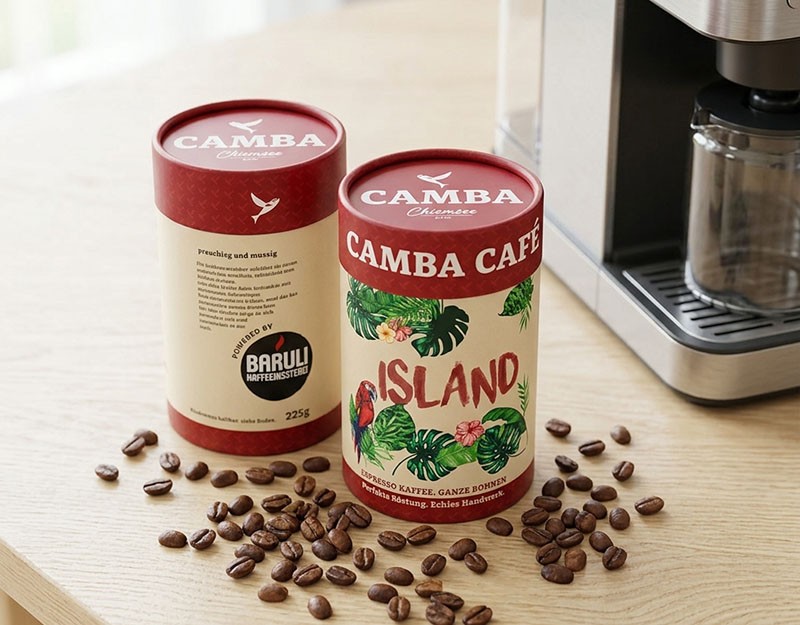
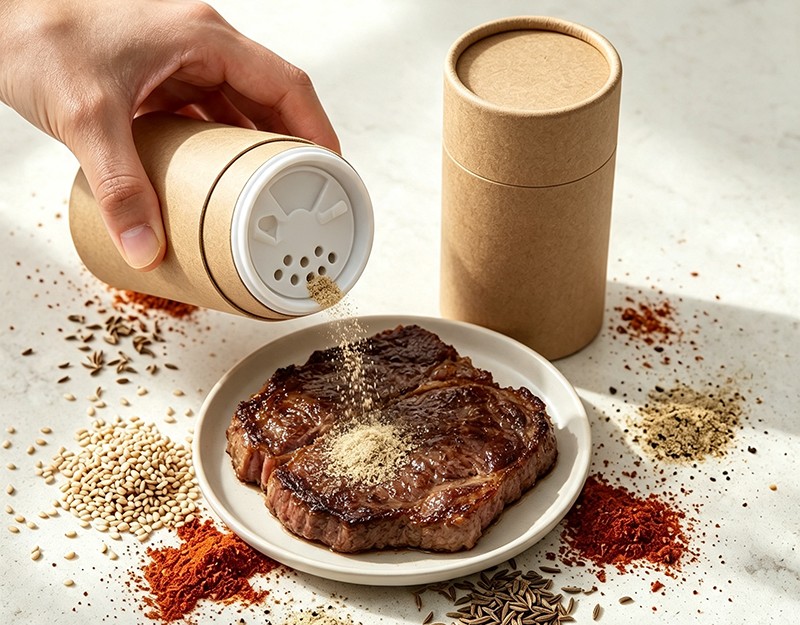
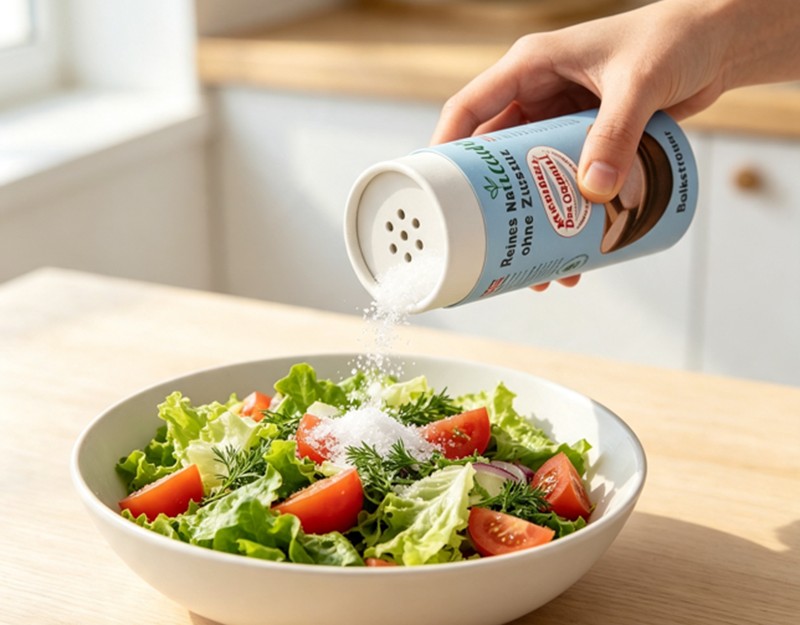
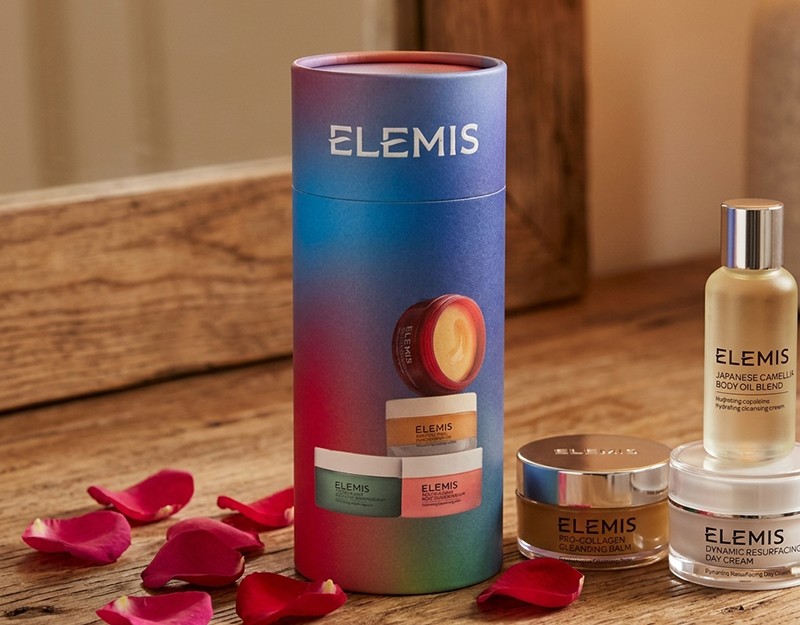
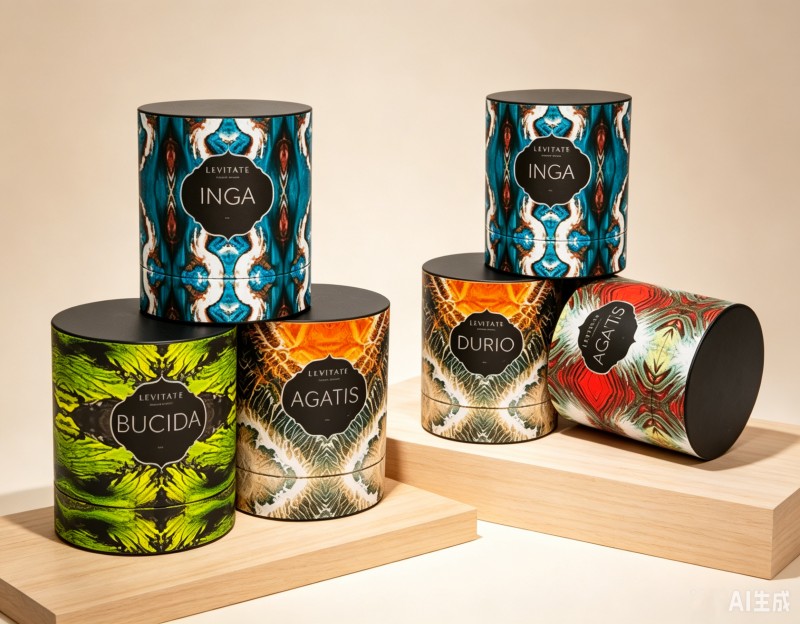
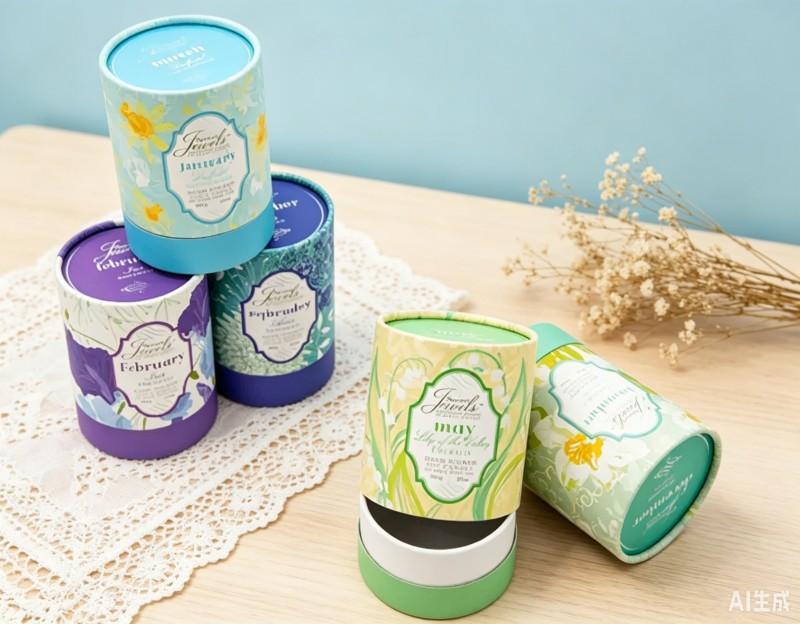
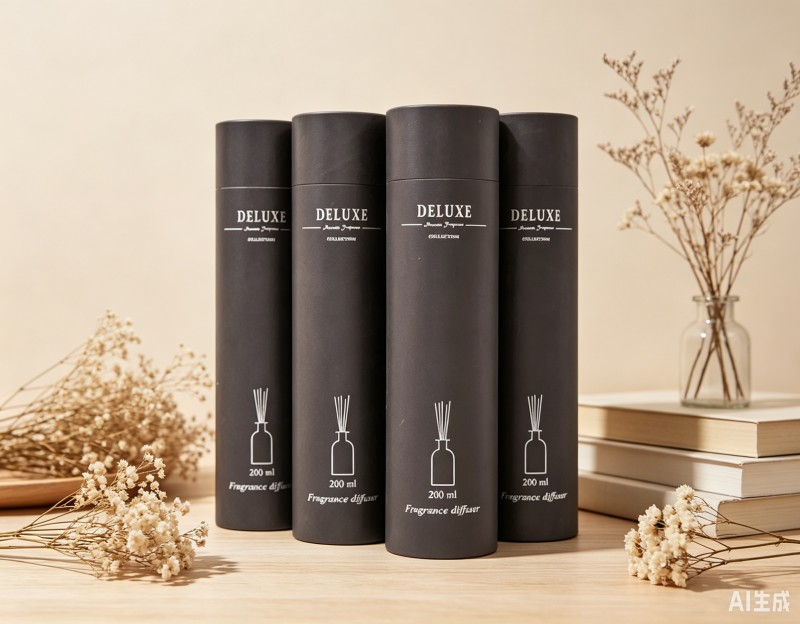
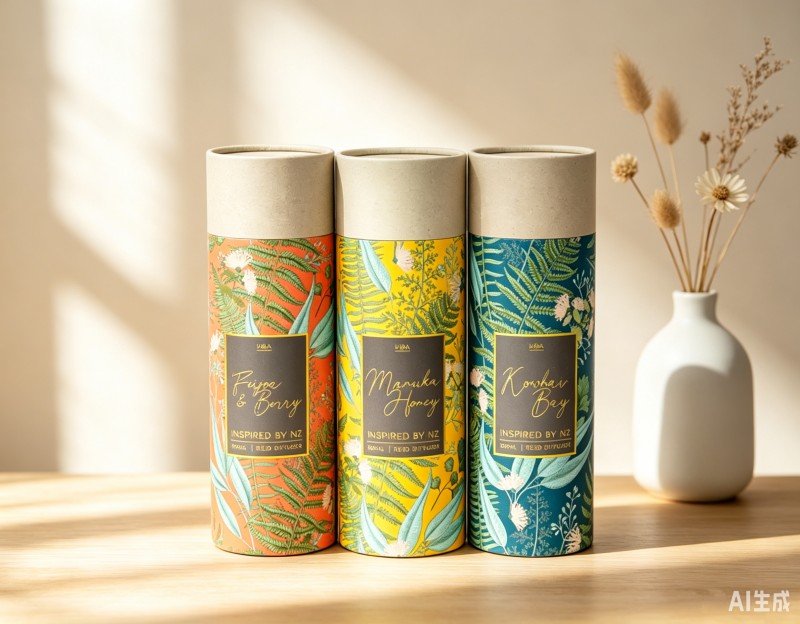
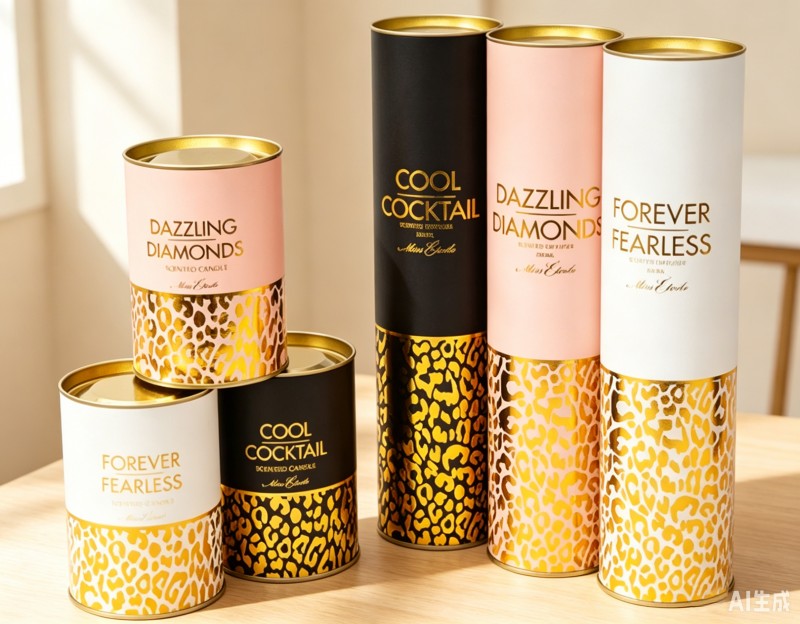
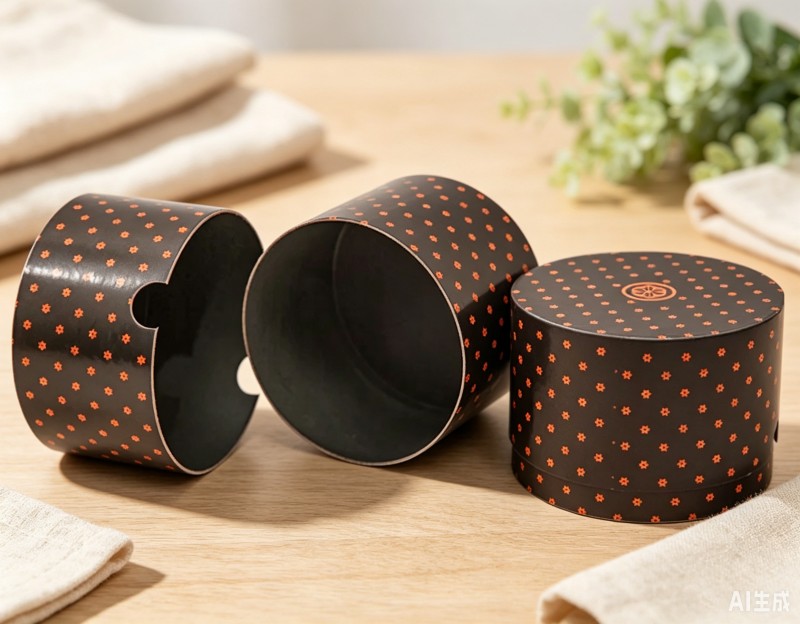
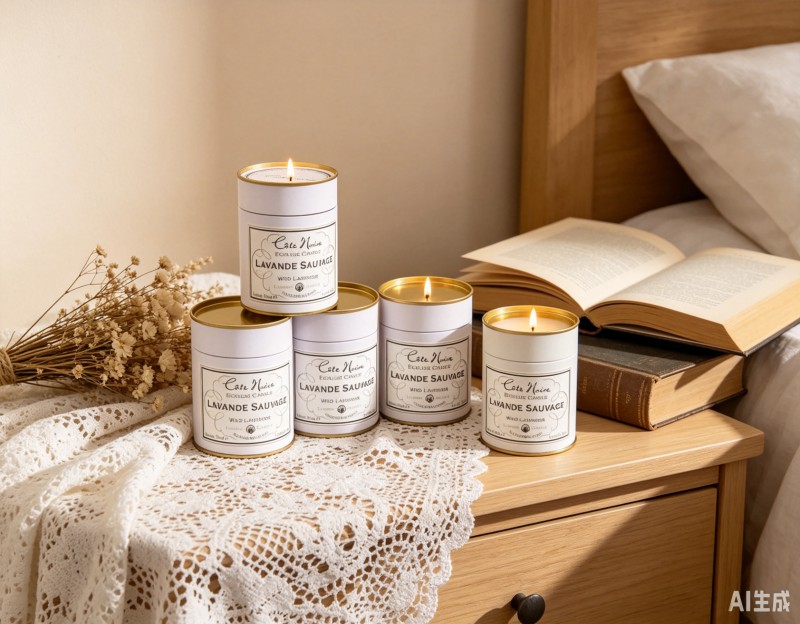

As one of the top China cardboard tube packaging manufacturers and paper tube packaging suppliers, we devote all of our efforts to research and launch more high quality packaging products to global market.
Loose tea is more than a beverage ingredient; it is an aromatic, delicate, and often premium product that depends heavily on packaging quality. The right package must protect fragile leaves, preserve fragrance, communicate value, support branding, and fit modern expectations for sustainable materials. The (92.5-95)*125MM cardboard paper tube round tea packaging is designed for these needs, offering a cylindrical structure, customizable printing, eco-friendly paper-based materials, and a refined appearance suitable for loose tea, specialty tea blends, gift tea, and premium retail presentation.
This paper tube is developed for brands that require attractive and practical packaging without relying on ordinary rectangular boxes, plastic jars, or low-grade pouches. Its round shape creates a distinctive shelf presence, while its paper construction provides a natural and responsible packaging impression. With an inner diameter range of 92.5 to 95 mm and a height of 125 mm, the tube offers a balanced size for many loose tea formats, from whole-leaf green tea and black tea to herbal infusions, oolong tea, floral tea, and premium tea samplers.
As a professional paper tube packaging solution, this product reflects the increasing demand for packaging that is both functional and environmentally conscious. It can be customized with brand logos, CMYK printing, decorative finishes, and structural options according to market positioning. Its cylinder shape is easy to hold, visually pleasing, and suitable for both retail displays and e-commerce shipping preparation. For tea brands competing in premium categories, the package itself becomes part of the product experience.
(92.5-95)*125MM Cardboard Paper Tube Round Tea Packaging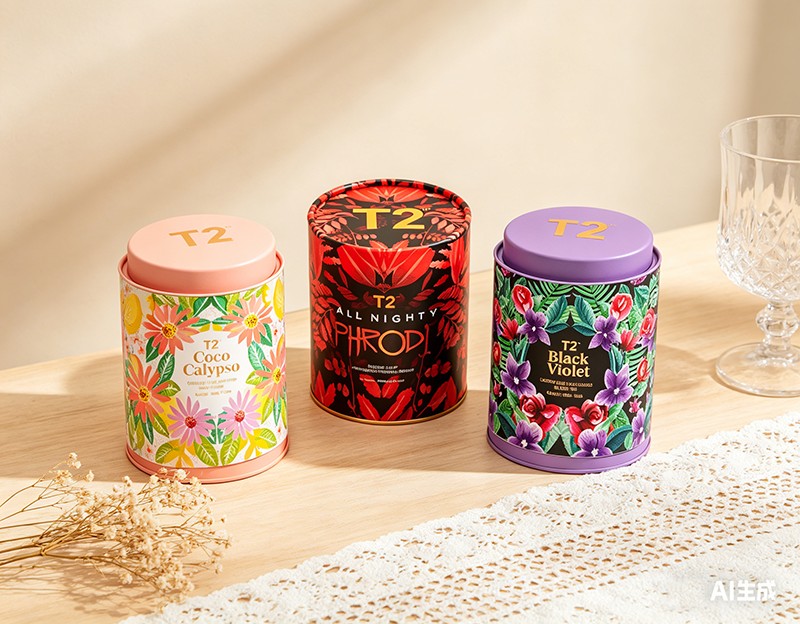
Content
- 1 Product Overview
- 2 Why Round Paper Tube Packaging Is Ideal for Loose Tea
- 3 Key Product Advantages
- 4 Advantages Over Common Competing Packaging Formats
- 5 Manufacturing Strength Behind the Product
- 6 Material Considerations for Loose Tea Packaging
- 7 Printing and Decoration Capabilities
- 8 Structural Design and User Experience
- 9 Sustainability Value in Modern Tea Markets
- 10 Applications Across Tea Product Categories
- 11 Quality Control Requirements for Premium Paper Tubes
- 12 How This Packaging Supports Brand Growth
- 13 Customization Workflow for Buyers
- 14 Role of Experience in International Packaging Supply
- 15 Q&A Section
- 15.1 Q1: What is the main use of the (92.5-95)*125MM cardboard paper tube?
- 15.2 Q2: Why is a round paper tube better than a regular paper box for tea?
- 15.3 Q3: Can the tube be customized with a brand logo?
- 15.4 Q4: Is this packaging environmentally friendly?
- 15.5 Q5: Does the tube protect loose tea effectively?
- 15.6 Q6: What types of tea can be packed in this tube?
- 15.7 Q7: What makes the manufacturer strong in paper tube packaging?
- 15.8 Q8: Is the tube suitable for gift packaging?
- 15.9 Q9: What should buyers prepare before ordering customized tubes?
- 15.10 Q10: Can this tube support multiple tea flavors in one product line?
- 16 Practical Recommendations for Tea Brands
- 17 Conclusion
- 18 References
- 19 Product: (92.5-95)*125MM Cardboard Paper Tube Round Tea Packaging
Product Overview
The (92.5-95)*125MM cardboard paper tube round tea packaging is a customized cylindrical paper container designed for loose tea packaging. It uses paper as the primary material and is suitable for brands that value bio-degradable, eco-friendly, and customizable packaging. The tube is manufactured with drinking-cup paper and all-paper material options, supporting a clean, natural, and recyclable presentation when designed according to the final application requirements.
The product is intended for industrial use in packaging loose tea. Unlike thin paper boxes that may collapse easily or flexible pouches that may not create a premium display effect, a rigid cardboard paper tube offers stable shape retention. Its structure gives a stronger hand feel, improves visual identity, and helps communicate product quality before the customer even opens the package.
The size, ID(92.5-95)*125MM, is suitable for a variety of loose tea fill weights depending on tea density and product style. Large and airy tea leaves may occupy more space, while compact rolled tea, tea granules, or blended tea with fruit pieces may fill differently. The tube can be adapted to different capacities and closure requirements, allowing tea suppliers to match the package with their specific product line.
| Item | Specification | Value for Tea Packaging |
|---|---|---|
| Product Type | Cardboard paper tube packaging | Creates a premium and stable container for loose tea |
| Size | ID(92.5-95)*125MM | Suitable for many loose tea retail formats |
| Shape | Cylinder | Distinctive display impact and comfortable handling |
| Material | Paper / drinking-cup paper / all-paper option | Supports eco-friendly packaging positioning |
| Printing | CMYK customized printing | Enables full brand graphics, product information, and decorative design |
| Logo | Customer logo accepted | Supports private label and customized brand identity |
| Feature | Bio-degradable and eco-friendly | Meets modern consumer preference for responsible packaging |
| Application | Packaging for loose tea | Protects aroma, improves presentation, and supports retail sales |
Why Round Paper Tube Packaging Is Ideal for Loose Tea
Tea is sensitive to oxygen, moisture, light, odor contamination, and physical crushing. Although different tea varieties have different storage requirements, all loose teas benefit from packaging that minimizes unnecessary exposure and maintains a clean environment. A well-designed cardboard paper tube helps protect the product while offering an appealing opening and storage experience.
The round tube format is particularly suitable for tea because it feels traditional and contemporary at the same time. Many premium tea cultures use canisters, jars, tins, and cylindrical containers to express quality and ceremonial value. A paper tube can provide a similar premium impression while reducing dependence on metal or plastic. The cylindrical form also avoids sharp box-like edges, giving the package a softer and more refined look.
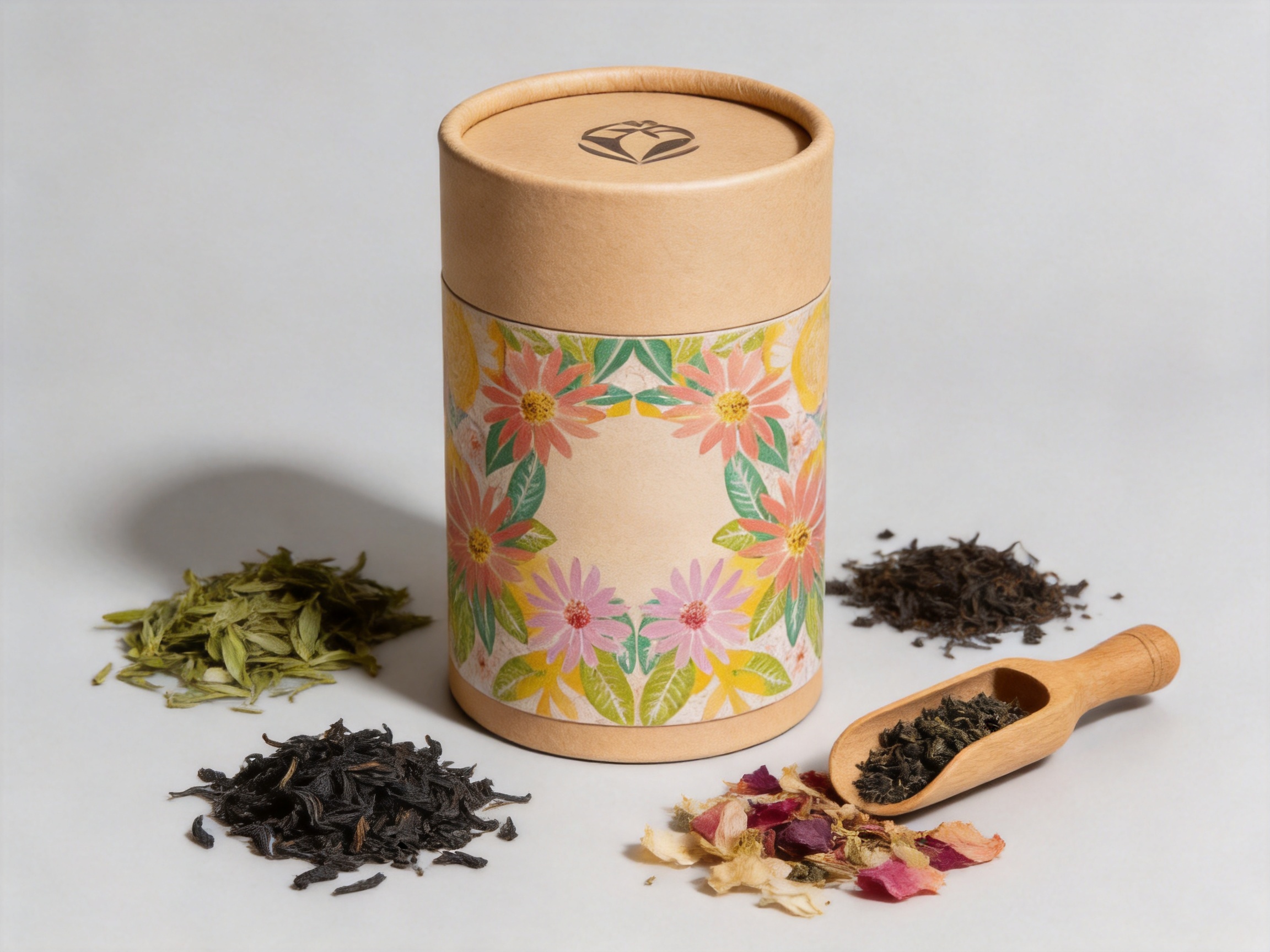
Loose tea is often purchased as a sensory product. Customers evaluate aroma, leaf appearance, origin story, flavor profile, and packaging design. When placed on a shelf, the tube can display a large uninterrupted print area around its body. Brands can use this space for tea origin illustrations, brewing instructions, flavor notes, sustainability messages, certifications, and seasonal artwork. Compared with flat cartons, the continuous curved surface offers a unique storytelling opportunity.
In addition, round paper tubes are practical for home storage. Consumers can place them in kitchen cabinets, on tea shelves, or in gift boxes. The rigid body helps the container remain upright and tidy after opening. For tea drinkers who repeatedly access the package, this durable structure provides a better experience than disposable outer boxes that are often discarded immediately.
Key Product Advantages
Premium Visual Presentation
The first advantage of the (92.5-95)*125MM cardboard paper tube is its premium appearance. Tea is frequently given as a gift, purchased for personal wellness, or selected as a lifestyle product. Packaging must therefore do more than hold the product; it must create emotional value. The round paper tube has a gift-like quality that makes it suitable for specialty tea shops, supermarkets, online tea brands, hotel amenities, corporate gifts, and seasonal tea collections.
The cylinder shape gives the product a strong presence on shelves. It stands vertically, displays well in rows, and can be arranged in gift sets. The broad print surface can support minimalist designs, traditional cultural graphics, luxury patterns, botanical illustrations, or modern clean-label branding. With CMYK printing, brands can reproduce rich color themes and detailed artwork for different tea varieties.
Eco-Friendly Material Positioning
Consumers are increasingly aware of packaging waste, especially in food and beverage categories. Paper-based packaging gives tea brands a strong sustainability message. This paper tube uses paper material and can be developed with all-paper concepts depending on the final specification. It is described as bio-degradable and eco-friendly, which helps brands align with the expectations of environmentally conscious buyers.
Compared with rigid plastic containers, paper tubes often provide a more natural look and feel. The tactile surface of paper creates warmth, while printed graphics can communicate environmental responsibility. For organic tea, herbal tea, wellness tea, and natural lifestyle brands, this association is especially valuable.
Customizable Brand Identity
Customization is essential in the tea market because brands compete through origin, blend, function, flavor, and story. The tube accepts customer logos and customized printing. This allows the same structural format to be adapted for different product lines, such as jasmine green tea, breakfast black tea, rooibos, chamomile, matcha blends, detox tea, fruit tea, or limited-edition holiday collections.
CMYK printing enables colorful and detailed labels directly integrated into the package design. Instead of relying only on adhesive labels, brands can create a fully printed tube with consistent color, typography, and graphics. Optional finishing choices may include matte effects, glossy effects, embossed elements, foil stamping, spot varnish, or textured paper depending on project requirements. These options help the package move from standard retail packaging to premium gift packaging.
Rigid Protection and Good Handling
Loose tea leaves can be fragile. Some varieties have long, twisted leaves; others contain petals, herbs, dried fruit pieces, or spices. A rigid paper tube protects the contents better than many flexible packages during storage, display, and handling. The cylindrical wall helps resist deformation, while the tube shape distributes pressure evenly.
For retail stores, this means the package maintains a clean appearance even when handled repeatedly by customers. For e-commerce brands, the rigid primary package can improve the unboxing impression and reduce the likelihood that the consumer receives a crushed-looking product. Although outer shipping protection is still required, a strong inner retail container improves perceived quality.
Convenient Consumer Experience
The paper tube is easy to hold, open, close, and store. Its height of 125 mm creates a compact yet substantial form. Consumers can keep the tea inside the tube after purchase rather than transferring it immediately to another jar. This enhances brand exposure in the home because the package remains visible during repeated use.
A well-designed tube can include a secure lid, an inner liner, or additional sealing options depending on freshness requirements. The opening diameter is large enough for convenient scooping, making it suitable for loose tea that is measured with teaspoons, scoops, or tea infusers. This convenience is important because tea packaging is used many times after purchase, not just once at the point of sale.
Advantages Over Common Competing Packaging Formats
Tea brands often choose between paper boxes, plastic jars, metal tins, stand-up pouches, glass jars, and composite containers. Each format has benefits, but the cardboard paper tube provides a strong balance between premium appearance, sustainability, cost efficiency, customization, and usability.
Compared with Flat Folding Cartons
Flat folding cartons are lightweight and economical, but they often lack structural strength. They may bend, crease, or collapse, especially if the inner tea pouch does not support the box. A round cardboard paper tube provides better rigidity and more memorable shelf presence. It feels more like a container than a disposable outer sleeve, which increases perceived product value.
Folding cartons also have common rectangular forms that can look similar across many brands. A cylindrical package differentiates the product immediately. In a crowded tea aisle, this difference can attract attention and encourage customers to pick up the product.
Compared with Flexible Pouches
Flexible pouches are popular because they are lightweight and space-saving. However, they can look less premium if not designed carefully, and they may not stand perfectly after repeated use. Pouches can also become wrinkled or unstable on shelves. For luxury tea, gift tea, or high-end specialty blends, a paper tube often communicates higher value.
The tube also offers a superior hand feel. When consumers hold a rigid cylindrical container, they often associate it with quality, care, and giftability. This perception can justify a higher retail price and improve repeat purchase confidence.
Compared with Plastic Containers
Plastic jars and canisters can be durable, but they may conflict with sustainability messaging. Many tea consumers prefer natural and eco-conscious packaging, especially when buying herbal, organic, or wellness-oriented products. Paper tubes provide a more environmentally friendly image while still offering a stable structure.
Plastic can also create a less premium tactile experience unless it uses high-end finishing. Paper, by contrast, can feel warm, textured, and artisanal. For tea brands that want to communicate purity and nature, the paper tube is often a better match.
Compared with Metal Tins
Metal tins are traditional in tea packaging and can provide excellent premium appeal. However, they may be heavier, more costly, and less aligned with paper-based sustainability strategies. They may also require higher tooling investment and longer lead times for customized shapes or designs.
A cardboard paper tube offers a similar canister-style appearance while allowing flexible printing and a softer natural image. It is suitable for brands that want premium shelf presence without the weight and cost profile of metal packaging. For seasonal launches, limited editions, or multiple flavor lines, paper tube customization can be especially practical.
Compared with Glass Jars
Glass jars have a premium feel and allow product visibility, but they are heavy and fragile. They also expose tea to light unless tinted or protected by labels. Paper tubes are lighter, safer for transport, and easier to print across the full surface. For e-commerce and export shipping, the reduced breakage risk is a major advantage.
In addition, glass can increase freight costs and require more protective secondary packaging. A paper tube offers a more efficient option while maintaining an attractive retail format.
Manufacturing Strength Behind the Product
A high-quality paper tube depends on more than raw material. It requires accurate forming, controlled winding, reliable cutting, clean printing, lid compatibility, food packaging awareness, and consistent inspection. The manufacturer behind this product has more than 20 years of experience in the composite can and paper can industry, which provides a strong foundation for producing reliable packaging at scale.
Long-term industry experience matters because cylindrical packaging has many technical details. The wall must be strong but not excessive. The tube must remain round, not oval. The top and bottom edges must be clean. The printed surface must align properly. The lid must fit smoothly but securely. The finished package must look consistent across large production batches. These details separate professional tube packaging from ordinary low-grade paper containers.
The company is recognized as a professional cardboard tube packaging manufacturer and paper tube packaging supplier. It has developed packaging for food, daily chemical products, fast-moving consumer goods, and other sectors. This broad experience supports a more complete understanding of packaging performance, market expectations, customization processes, and quality control.
Advanced Composite Can Production Capability
In 2015, a high-speed composite can production line from Europe was introduced, strengthening manufacturing efficiency and consistency. Advanced production lines support precise forming, stable output, and better control of tube dimensions. For a product with an inner diameter range of 92.5 to 95 mm and a height of 125 mm, dimensional control is important because the package must match lids, filling processes, display plans, and shipping cartons.
High-speed production capability also benefits brands with growing demand. When a tea product becomes successful, packaging supply must remain stable. A manufacturer with advanced production equipment can better support repeat orders, large-volume programs, and multi-SKU product lines.
Food Packaging Experience
Tea is a food-related product, so packaging suppliers must understand hygiene, material safety, odor control, and production cleanliness. The company was the first enterprise in China to pass the QS certificate for producing food packaging containers, reflecting early commitment to food packaging standards. This background is important for tea packaging because even subtle odor contamination can affect tea aroma.
Food packaging experience also helps with practical questions such as liner selection, moisture protection, closure type, storage requirements, labeling information, and transportation durability. Brands benefit from working with a supplier that understands not only how to make a tube, but also how the tube performs throughout the product lifecycle.
Patented Technologies and Research Commitment
The company has obtained more than 10 patented technologies and continues to research and launch high-quality packaging products for global markets. Patented technology reflects ongoing engineering work rather than simple commodity production. In paper tube packaging, innovation may involve structure, sealing, material combinations, forming methods, lid systems, and production efficiency.
For tea brands, this technical foundation can translate into better packaging solutions. Whether the goal is a more sustainable tube, a more secure closure, a special decorative finish, or a custom structure for gift sets, a supplier with research capability can provide more options and more reliable guidance.
Proven Cooperation with Well-Known Brands
The company has built long-term partnerships with well-known companies and brands in food, beverage, and consumer goods fields. Such cooperation indicates the ability to meet strict quality, delivery, and customization requirements. For new tea brands and established tea companies alike, supplier reliability is critical. Packaging delays can affect product launches, seasonal campaigns, retail promotions, and export schedules.
A manufacturer with experience serving recognized companies is more likely to understand professional communication, sampling procedures, production planning, inspection standards, and continuous improvement. This is especially valuable for international buyers that need consistent supply and clear technical coordination.
Material Considerations for Loose Tea Packaging
The product uses paper material and drinking-cup paper options, with an all-paper material concept available according to customization needs. Paper selection influences stiffness, print quality, surface feel, sustainability positioning, and compatibility with food packaging requirements.
For loose tea, material choice should consider aroma preservation and moisture resistance. Some tea products may require an inner bag or liner to improve barrier performance, while others may use the tube as a secondary premium container around a sealed pouch. The optimal structure depends on the tea type, target shelf life, humidity exposure, distribution channel, and regulatory requirements in the destination market.
Green tea, for example, is often more sensitive to oxidation and freshness loss. Herbal blends may contain aromatic oils that need good odor protection. Black tea may be relatively stable but still benefits from moisture control. Floral teas can lose fragrance if exposed to air. A paper tube can be engineered as part of a complete packaging system to support these needs.
For brands seeking a natural look, kraft paper textures, soft-touch finishes, or matte surfaces may be appropriate. For luxury tea, metallic accents, high-resolution illustrations, and deep color printing may be selected. Because the tube is customizable, its material and finish can be matched to the product story.
Printing and Decoration Capabilities
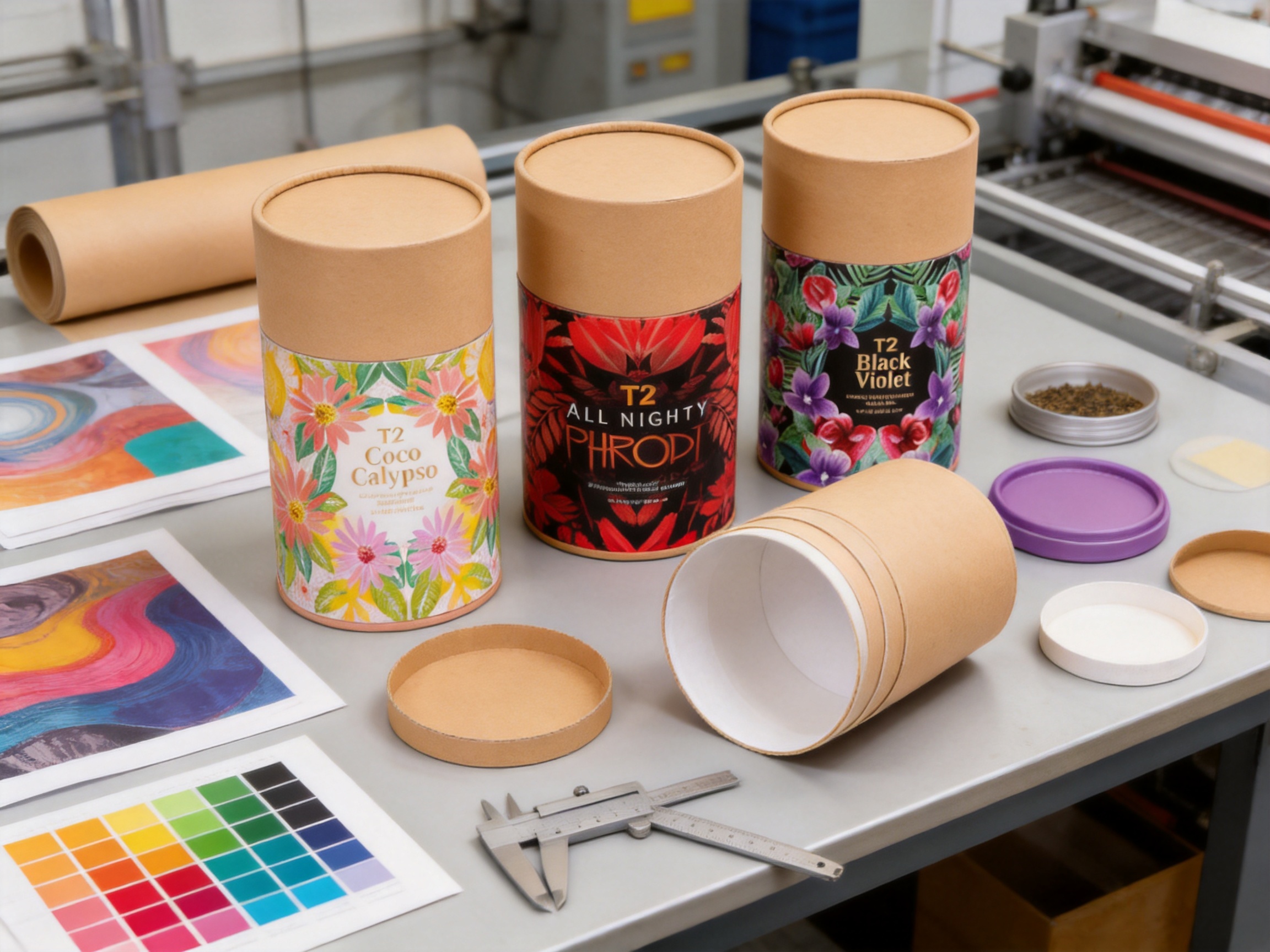
CMYK printing allows the paper tube to carry full-color branding and product information. This is important because tea packaging often relies on visual storytelling. Customers want to know the origin, flavor, brewing method, ingredients, caffeine level, harvest season, and brand philosophy. The packaging surface should communicate these details clearly and beautifully.
The cylindrical surface provides a 360-degree design opportunity. The front panel can display the product name and main artwork, while the side or back can include brewing instructions, ingredient lists, storage suggestions, and brand story. The top lid may also be decorated with flavor identification, color coding, or logo elements. This creates a complete visual system.
For multi-flavor tea ranges, color coding is particularly useful. Green may identify green tea, red may identify black tea, blue may identify herbal blends, and gold may identify premium collections. The consistent tube structure creates brand unity, while different colors and graphics separate each SKU.
Premium decoration can also improve gift appeal. Tea is often purchased during festivals, holidays, corporate events, and wellness campaigns. A beautifully printed paper tube can function as both packaging and presentation, reducing the need for additional gift wrapping.
Structural Design and User Experience
The structure of a tea tube should support both filling operations and consumer use. The 92.5 to 95 mm inner diameter gives users convenient access to the tea. A narrow opening may make it difficult to scoop loose leaves, while an overly wide package may feel bulky. This size range offers a practical balance.
The 125 mm height is compact enough for shelf storage but tall enough to communicate value. It can fit into many retail displays and gift boxes. The height also provides enough surface area for visual branding while maintaining a stable center of gravity.
Depending on the final design, the tube may include a fitted paper lid, metal-style lid, inner plug, or other closure arrangement. Closure performance should be selected according to freshness requirements and customer expectations. For example, a gift tea tube may prioritize elegant opening, while a daily-use tea tube may prioritize repeated closure convenience.
The consumer experience begins when the customer first sees the package. It continues when they pick it up, read the label, remove the lid, smell the tea, scoop the leaves, close the tube, and store it at home. Good packaging makes each of these actions feel natural. A rigid round paper tube is especially effective because it combines visual appeal with comfortable physical interaction.
Sustainability Value in Modern Tea Markets
Sustainability is no longer a secondary concern. Many consumers now evaluate packaging before purchase, especially in premium food and beverage categories. Tea is associated with nature, health, calmness, and tradition, so environmentally responsible packaging strengthens the overall product message.
Paper-based packaging can reduce reliance on petroleum-based plastics and communicate a renewable material image. When designed with appropriate material choices and end-of-life considerations, paper tubes can support brand sustainability goals. The product’s bio-degradable and eco-friendly features make it suitable for companies seeking greener packaging alternatives.
However, responsible packaging design should be practical, not merely symbolic. The package must still protect the tea. If packaging fails and the product becomes stale, damaged, or unsellable, the environmental cost of waste can be greater than the material savings. Therefore, the best sustainable packaging is packaging that balances material responsibility with product protection. The cardboard paper tube does this by combining a strong paper body with customizable structures for real-world performance.
Brands can also use the tube surface to educate consumers about proper storage and disposal. Clear instructions such as “keep away from moisture,” “store in a cool dry place,” or “separate components according to local recycling rules” can improve both product quality and environmental outcomes.
Applications Across Tea Product Categories
This round paper tube is suitable for a broad range of tea products. For premium loose leaf tea, it provides the refined appearance needed for high-value sales. For everyday tea blends, it can create a more memorable brand image than basic pouch packaging. For gift tea, it can serve as a decorative container that feels complete without additional packaging.
Green tea brands can use fresh colors, botanical artwork, and clean typography to emphasize natural freshness. Black tea brands can use deep colors, gold accents, and origin maps to communicate richness. Oolong tea brands can highlight craftsmanship and traditional processing. Herbal tea brands can feature flowers, fruits, and wellness themes. Functional tea brands can use clear information panels to explain benefits, ingredients, and brewing routines.
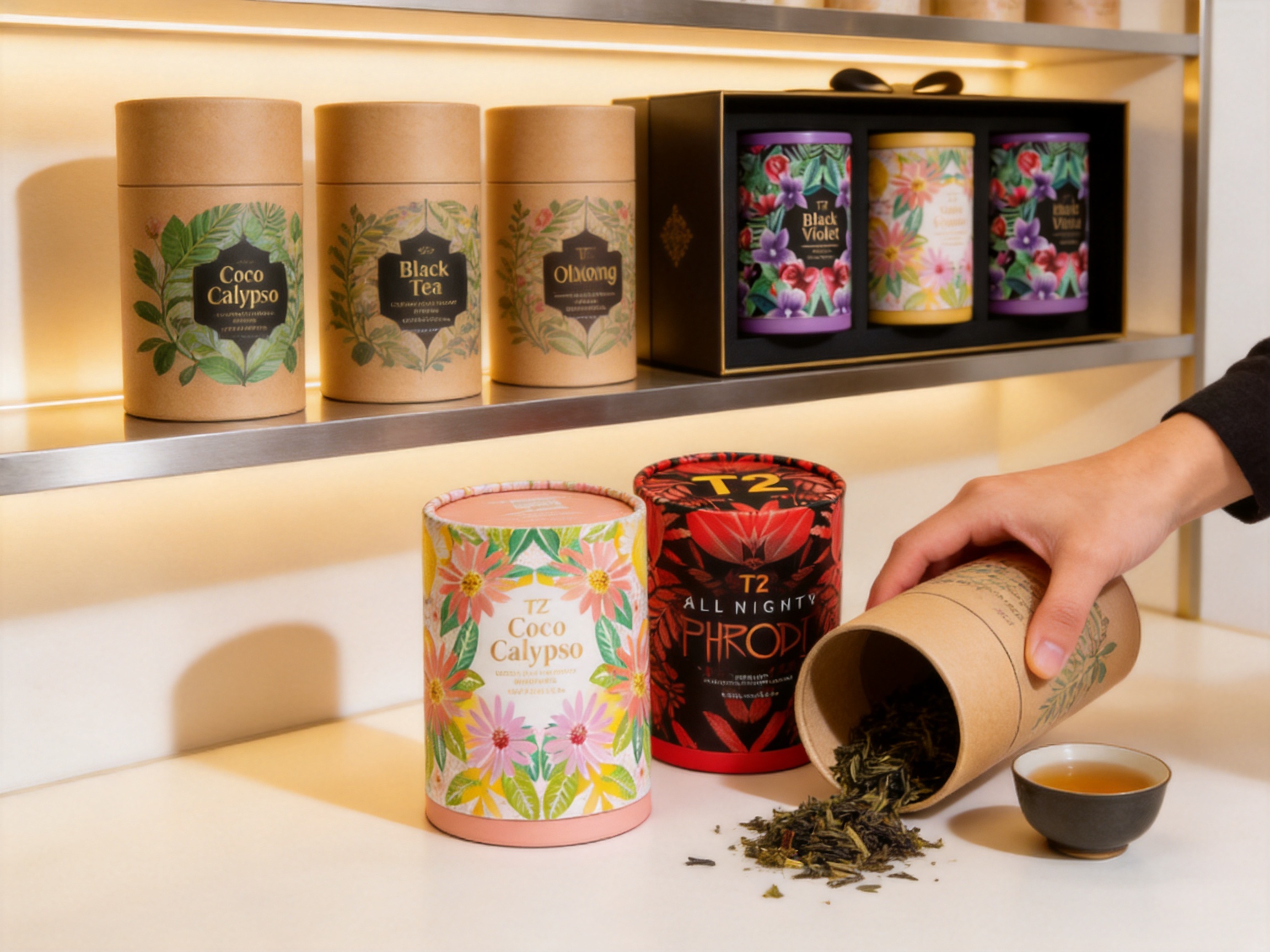
The tube is also suitable for tea sampler sets. Several tubes can be arranged together in a gift box, each containing a different flavor. Because the cylinder is visually consistent, the set looks organized and premium. For hotels, spas, and corporate gifts, customized tubes can carry event branding or seasonal messages.
In e-commerce, attractive packaging plays an important role in customer satisfaction and social sharing. When customers open a shipping carton and find a well-designed paper tube, the product feels more valuable. This can encourage positive reviews, repeat purchases, and user-generated content.
Quality Control Requirements for Premium Paper Tubes
High-quality tea packaging requires systematic quality control. Important inspection points include diameter accuracy, height accuracy, roundness, wall strength, edge smoothness, printing registration, color consistency, surface cleanliness, lid fit, odor control, and carton packing condition. Each point affects either product function or brand perception.
Diameter accuracy is especially important because the lid must fit properly. If the tube is too loose, the closure may fall off. If it is too tight, the consumer may struggle to open it. Height consistency affects display appearance and packing efficiency. Roundness influences both visual quality and lid compatibility.
Printing quality is also critical. Tea packaging often uses delicate artwork, small text, and color-coded product lines. Poor registration or inconsistent color can make the product look unprofessional. A supplier with advanced printing and production control can help maintain consistent appearance across batches.
Odor control is another key factor. Paper materials, inks, adhesives, and storage conditions must be managed carefully because tea easily absorbs odors. A professional food packaging manufacturer understands this risk and can recommend appropriate material and production solutions.
How This Packaging Supports Brand Growth
Packaging is not only a container; it is a marketing tool. The (92.5-95)*125MM cardboard paper tube helps tea brands build recognition, justify premium pricing, and create product line consistency. A distinctive package can turn a simple loose tea product into a branded experience.
For new brands, custom paper tubes can create instant credibility. Instead of appearing like a generic product in a pouch, the tea can look carefully developed and ready for premium retail. For established brands, switching to paper tubes can refresh the product image, support sustainability goals, and create opportunities for gift collections.
The tube also supports storytelling. Tea consumers often care about origin, cultivation, harvest season, blending inspiration, and brewing rituals. The printed tube provides space to communicate these elements. When customers understand the story, they are more likely to value the product and remember the brand.
In retail environments, package shape is a powerful differentiator. Most shelves contain many rectangular boxes and flexible bags. A cylindrical tube breaks the pattern. This visual contrast can increase attention, especially when combined with strong color and clear product naming.
Customization Workflow for Buyers
A typical customization workflow begins with defining the tea product, target fill weight, freshness requirements, sales channel, and brand positioning. The buyer should determine whether the tube will directly hold loose tea, contain an inner pouch, or function as a premium outer package. This decision influences material and sealing choices.
Next, the size and structure are confirmed. The ID(92.5-95)*125MM format may be suitable for many products, but customization can be accepted if a different capacity or appearance is needed. Lid style, bottom structure, wall thickness, and internal lining options may be discussed according to performance goals.
After structure confirmation, artwork preparation begins. CMYK printing requires correct design files, color references, bleed settings, and text accuracy. Tea packaging should include mandatory product information according to the destination market, such as ingredients, net weight, manufacturer information, brewing instructions, storage conditions, barcode, and certification marks if applicable.
Sampling is then used to verify appearance and function. A physical sample helps evaluate color, lid fit, hand feel, opening experience, and shelf presence. After sample approval, mass production can proceed. Quality inspection and proper carton packing help ensure the finished tubes arrive in good condition.
Role of Experience in International Packaging Supply
International buyers need packaging suppliers that understand export expectations. Communication, documentation, quality stability, and delivery planning are all important. A manufacturer with long experience in paper tube and composite can production can support these needs more effectively than a general packaging trader.
The company’s location in Hangzhou, Zhejiang Province, China, places it within a strong manufacturing and logistics region. Its long history in the composite can and paper can industry provides practical knowledge for serving global customers. Contact channels, including telephone and email, make it possible for buyers to discuss specifications, samples, and order requirements directly.
For global tea brands, supplier selection should consider not only unit price but also reliability. Low-cost packaging that arrives late, smells unusual, prints poorly, or fails during filling can damage a product launch. A professional supplier helps reduce these risks through process control, technical experience, and consistent production standards.
Q&A Section
Q1: What is the main use of the (92.5-95)*125MM cardboard paper tube?
It is mainly used for packaging loose tea. Its rigid cylindrical structure, customizable printing, and eco-friendly paper material make it suitable for premium tea, specialty blends, gift tea, and branded retail tea products.
Q2: Why is a round paper tube better than a regular paper box for tea?
A round paper tube provides stronger structure, better shelf differentiation, improved hand feel, and a more premium appearance. It is less likely to look ordinary compared with flat cartons and can serve as a reusable storage container after purchase.
Q3: Can the tube be customized with a brand logo?
Yes. The product accepts customer logos and customized printing. CMYK printing allows brands to apply product artwork, flavor identification, brewing instructions, and marketing messages directly to the tube surface.
Q4: Is this packaging environmentally friendly?
The product is described as bio-degradable and eco-friendly, using paper-based materials. It is suitable for brands that want to reduce reliance on plastic-looking packaging and present a more natural, sustainable image.
Q5: Does the tube protect loose tea effectively?
The rigid cardboard body helps protect loose tea from crushing and handling damage. Depending on the tea’s freshness requirements, the tube can be combined with suitable inner packaging, liners, or closure options to improve moisture and aroma protection.
Q6: What types of tea can be packed in this tube?
It can be used for green tea, black tea, oolong tea, white tea, herbal tea, floral tea, fruit tea, wellness blends, and premium tea samplers. The final capacity depends on the density and shape of the tea leaves.
Q7: What makes the manufacturer strong in paper tube packaging?
The manufacturer has more than 20 years of experience in composite can and paper can production, introduced a high-speed composite can production line from Europe, passed food packaging container certification early in the industry, and has obtained more than 10 patented technologies.
Q8: Is the tube suitable for gift packaging?
Yes. Its round shape, rigid structure, and customizable decoration make it highly suitable for gift tea, holiday tea collections, corporate gifts, and premium retail presentation.
Q9: What should buyers prepare before ordering customized tubes?
Buyers should prepare information about tea type, fill weight, required shelf life, preferred closure, artwork design, logo files, printing requirements, order quantity, and destination market labeling needs.
Q10: Can this tube support multiple tea flavors in one product line?
Yes. The same tube structure can be printed in different colors and graphics for different flavors. This creates a consistent brand family while helping consumers distinguish between tea varieties.
Practical Recommendations for Tea Brands
Tea brands considering this paper tube should begin by defining the intended market position. If the tea is premium, the design should emphasize elegance, origin, and craftsmanship. If it is organic or wellness-focused, the design should highlight natural materials, clean typography, and sustainability. If it is a gift product, decorative finishes and seasonal artwork may be important.
Brands should also think carefully about product protection. Paper tubes are excellent for structure and presentation, but the final packaging system should match the tea’s sensitivity. For long shelf life or high-humidity markets, an inner sealed pouch may be recommended. For short-cycle retail or gift products, a simpler structure may be sufficient depending on the tea type.
It is also useful to design the tube as part of a full brand system. Matching shipping boxes, labels, gift sleeves, display trays, and product inserts can create a consistent customer experience. Because the tube has strong visual identity, it can become the central element of the packaging system.
Finally, brands should test samples before mass production. A physical sample allows the team to evaluate size, print color, lid fit, opening feel, and shelf appearance. This step reduces risk and ensures the final package meets both functional and aesthetic expectations.
Conclusion
The (92.5-95)*125MM cardboard paper tube round tea packaging is a strong solution for tea brands seeking a premium, customizable, and eco-friendly container for loose tea. Its cylindrical structure improves shelf appeal, provides better rigidity than many ordinary cartons or pouches, and creates a refined user experience. With CMYK printing and customer logo customization, it supports rich brand storytelling and multi-flavor product lines.
Compared with competing formats such as plastic jars, flexible pouches, flat paper boxes, metal tins, and glass jars, the paper tube offers an effective balance of presentation, sustainability, practicality, and cost-conscious customization. It is especially valuable for loose tea products that rely on aroma, visual quality, gifting appeal, and brand differentiation.
Behind the product is a manufacturer with more than 20 years of experience in the composite can and paper can industry, advanced production capability, food packaging knowledge, patented technologies, and long-term cooperation with recognized brands. These strengths help ensure that the packaging is not only attractive but also professionally manufactured and suitable for demanding market applications.
For tea companies developing premium retail products, sustainable packaging upgrades, gift collections, or distinctive e-commerce offerings, this round cardboard paper tube provides a versatile and market-ready packaging platform. It protects, presents, and promotes the tea while supporting the modern consumer preference for responsible and beautifully designed packaging.
References
1. Robertson, G. L. Food Packaging: Principles and Practice. CRC Press.
2. Coles, R., McDowell, D., and Kirwan, M. J. Food Packaging Technology. Blackwell Publishing.
3. Soroka, W. Fundamentals of Packaging Technology. Institute of Packaging Professionals.
4. Yam, K. L. The Wiley Encyclopedia of Packaging Technology. Wiley.
5. Marsh, K., and Bugusu, B. Food Packaging—Roles, Materials, and Environmental Issues. Journal of Food Science.
6. Han, J. H. Innovations in Food Packaging. Academic Press.
