 English
 Español
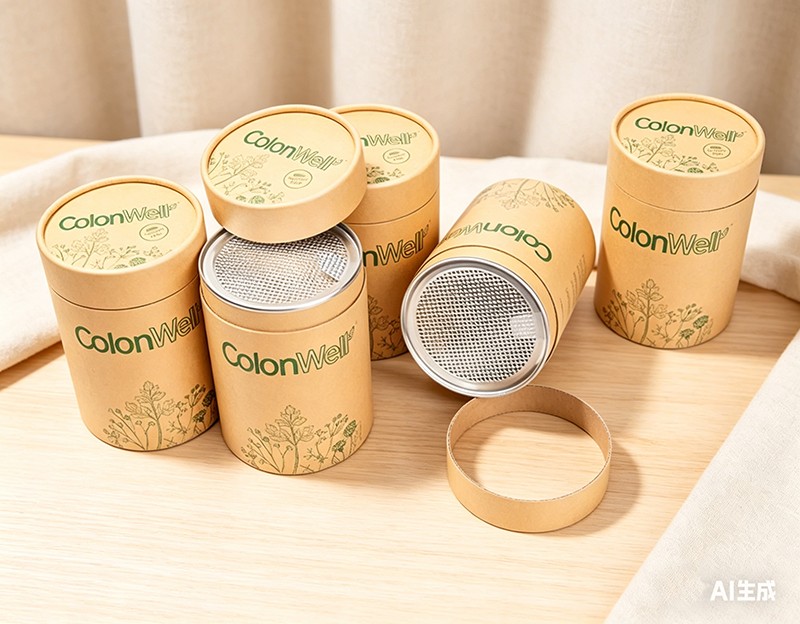

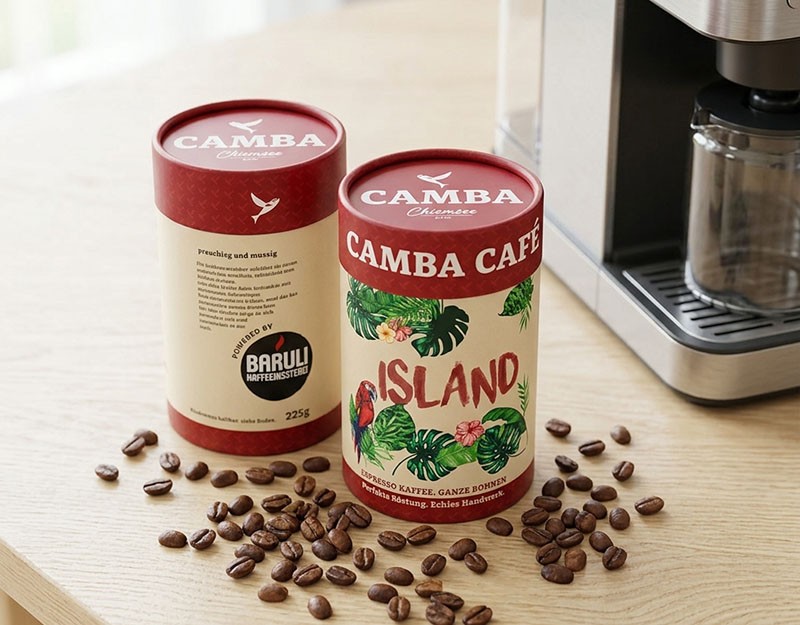
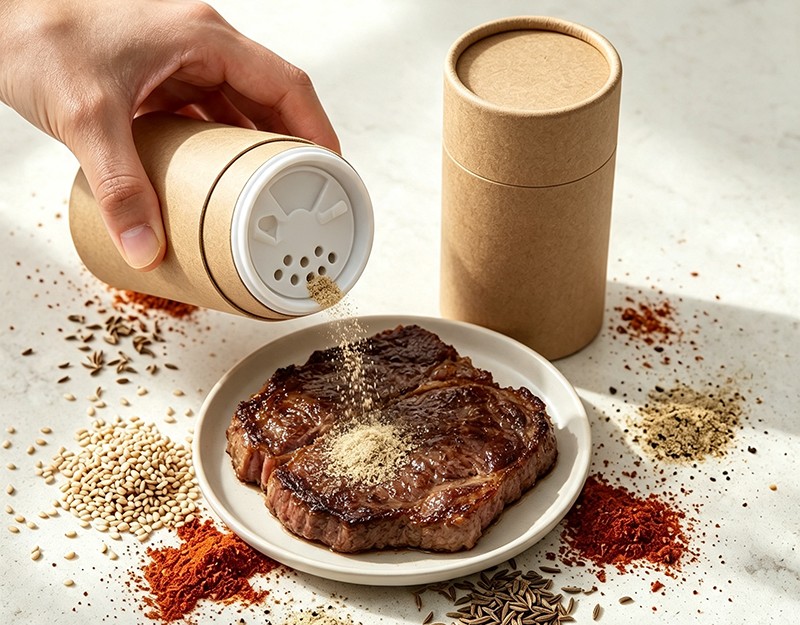
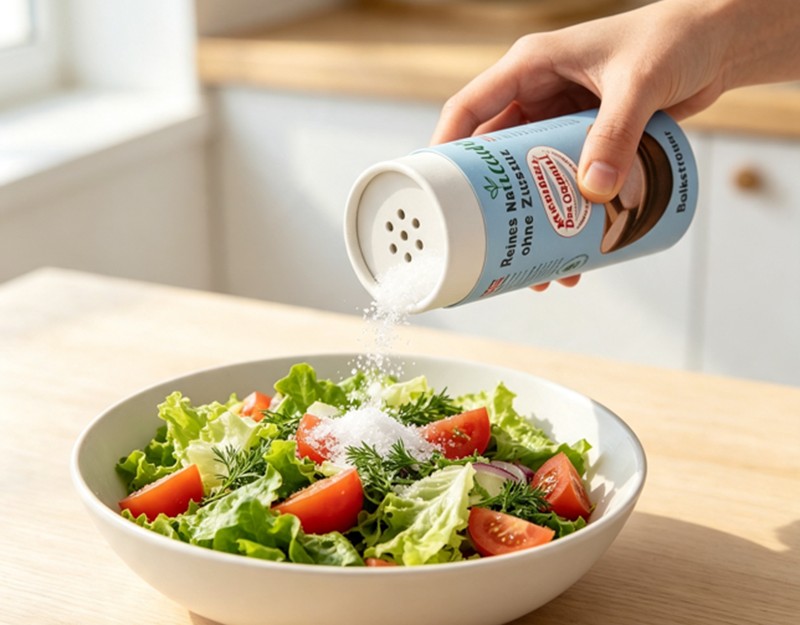
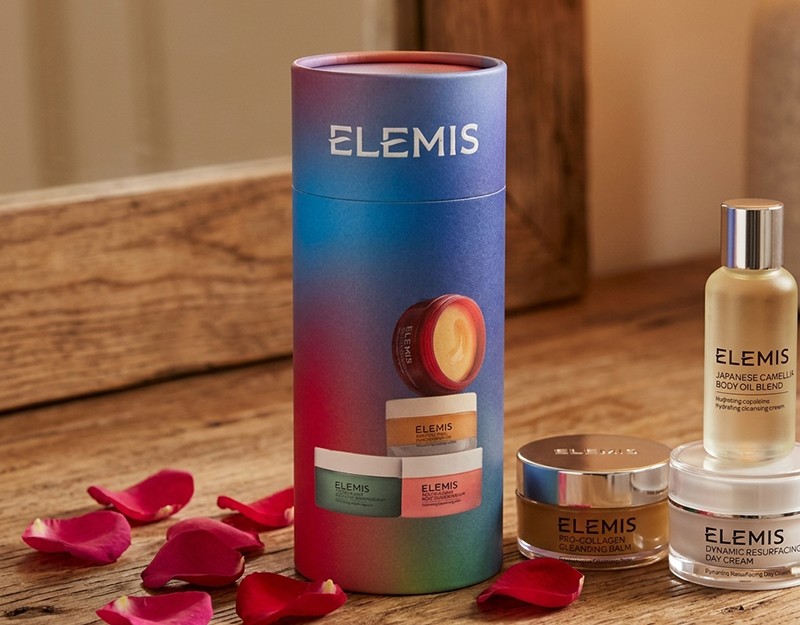
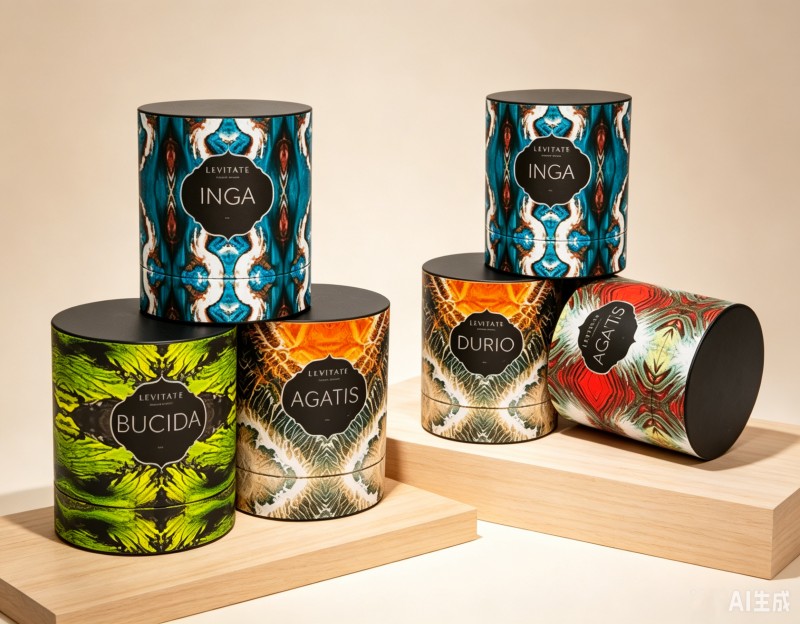
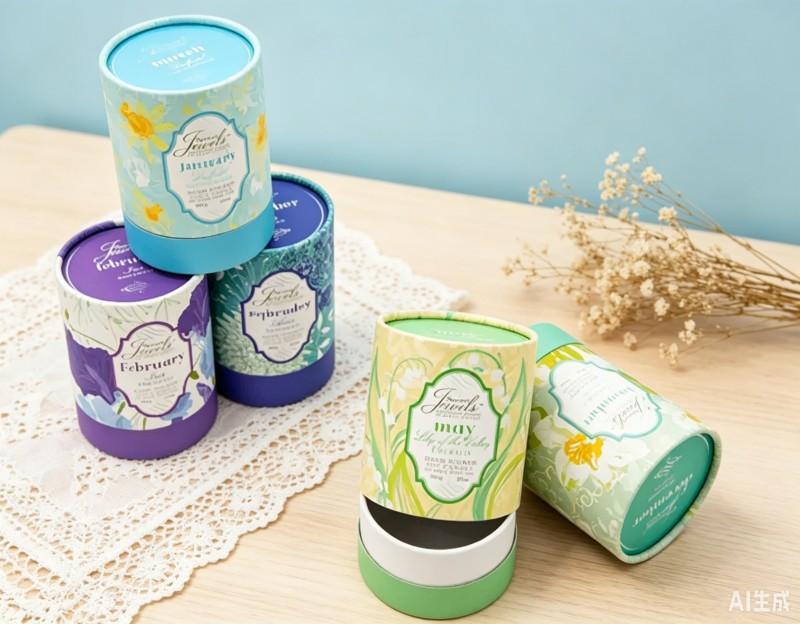
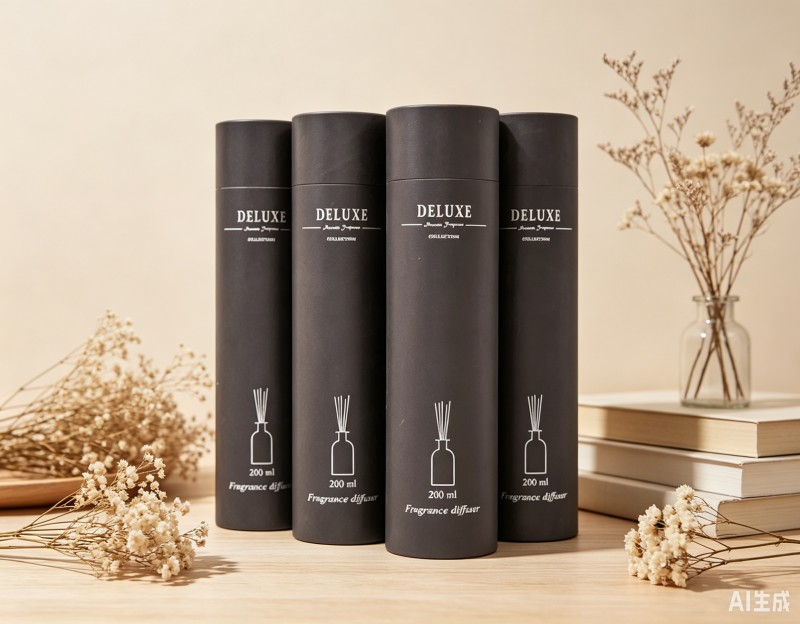

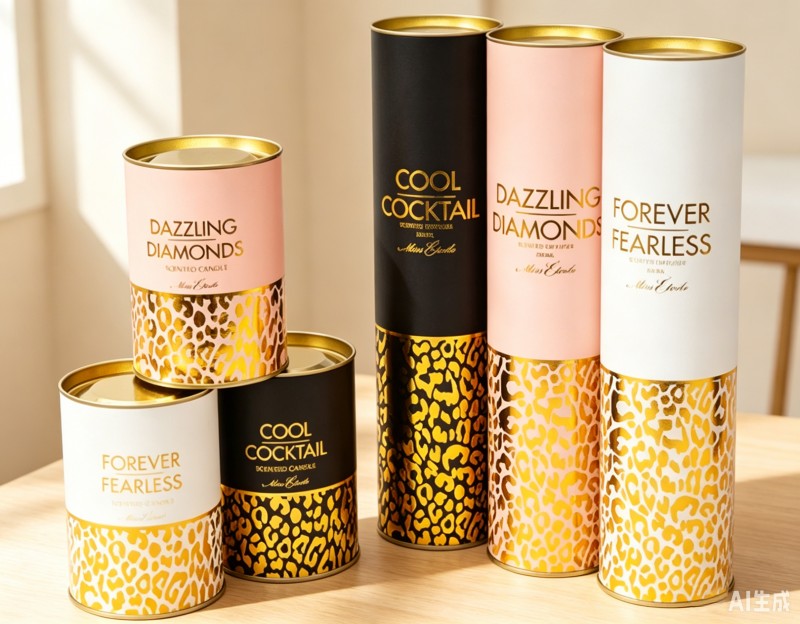
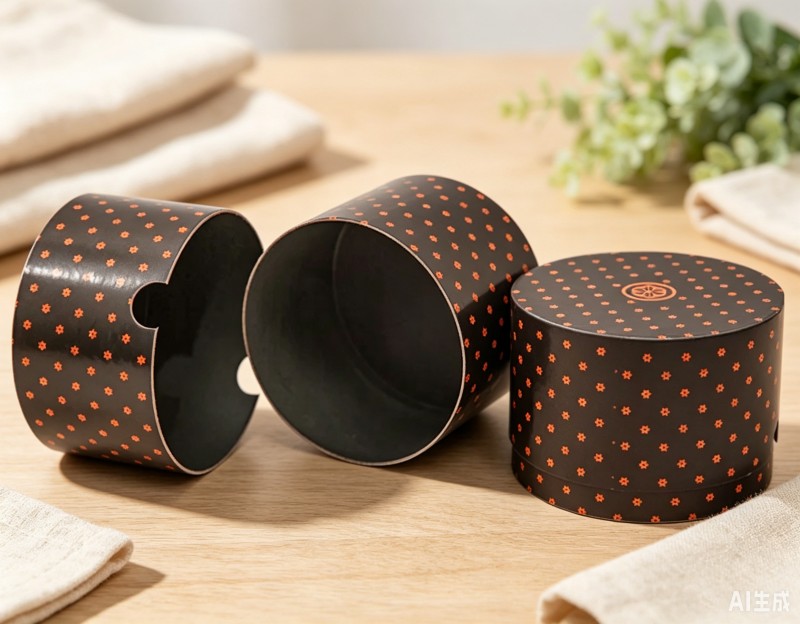


As one of the top China cardboard tube packaging manufacturers and paper tube packaging suppliers, we devote all of our efforts to research and launch more high quality packaging products to global market.
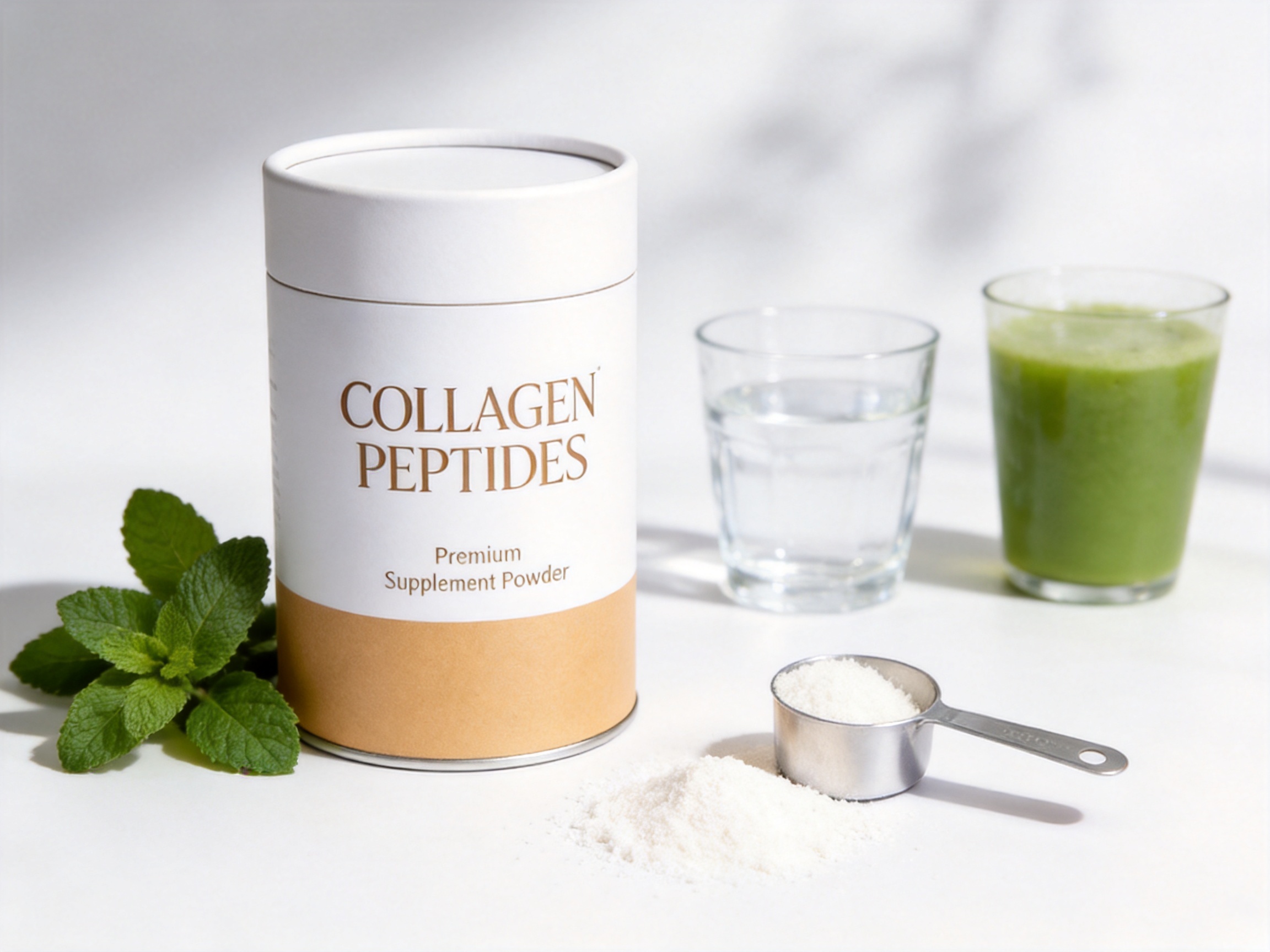
In the nutritional supplement market, packaging is no longer a simple container; it is a performance system that protects product quality, supports brand trust, communicates value, and improves the customer experience from first impression to final scoop. The custom empty airtight round composite paper canister for collagen powder supplements is designed for precisely this role. With an inner diameter of 99 mm and a height of 155 mm, this food-grade canister is well suited for approximately 400 g of collagen powder and can also be adapted for around 450 g depending on powder density, formulation, and filling requirements.
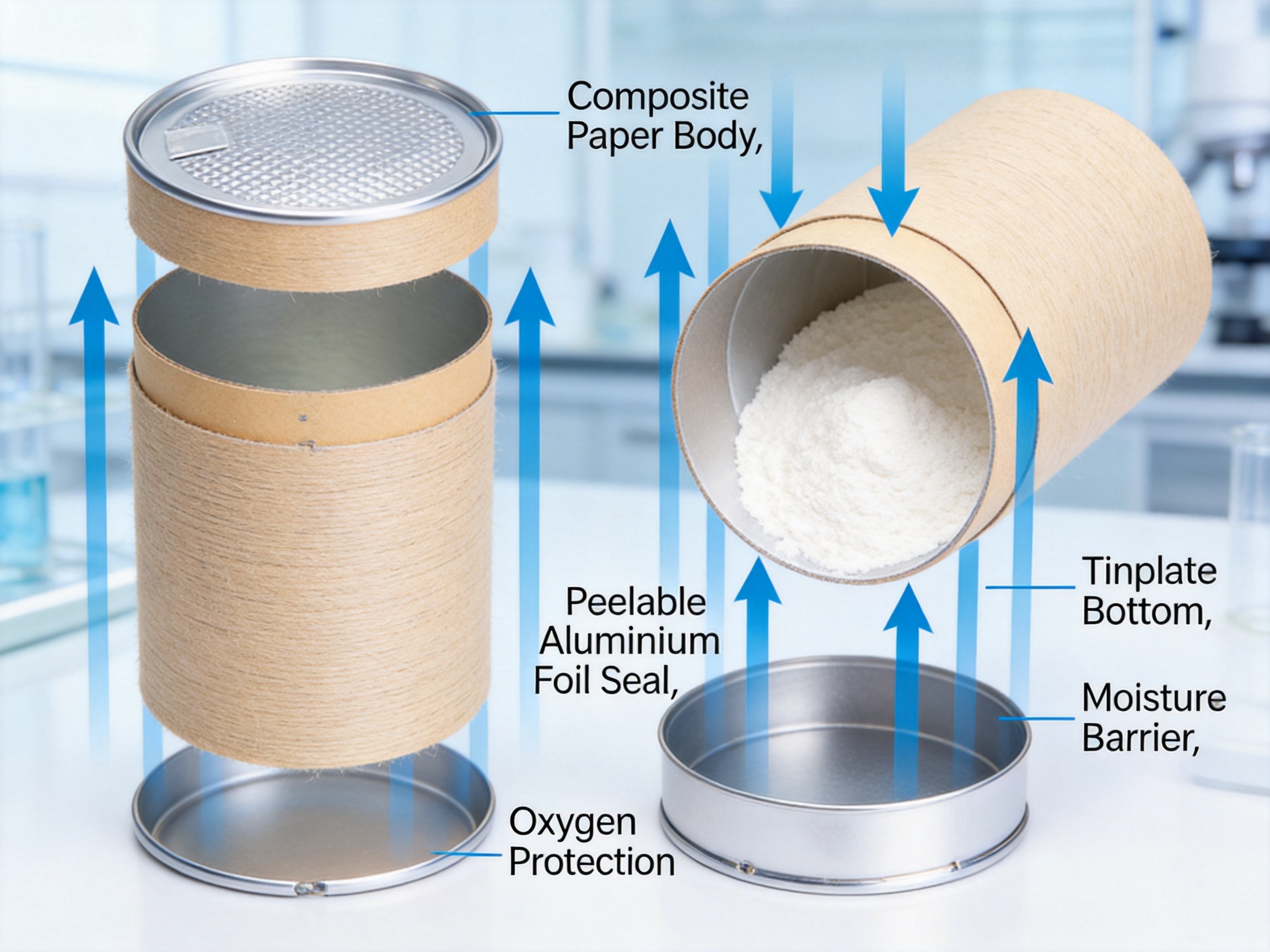
This packaging solution belongs to the airtight paper canister category and is built with a 3-piece composite structure: a premium paper tube body, a peelable aluminium foil seal, and a tinplate bottom. The result is a rigid, attractive, and protective container that helps moisture-sensitive powders remain dry, free-flowing, and stable during storage, transportation, retail display, and daily consumer use.
For brands selling collagen, protein powder, superfood blends, probiotics, meal replacements, powdered beverages, and other nutritional products, the canister offers a balance that many conventional packages struggle to achieve. It provides stronger shelf presence than flexible pouches, a more premium tactile feel than ordinary plastic jars, a lower plastic proportion than many standard containers, and effective barrier performance for dry powder protection.
Content
- 1 Product Overview: A Premium Airtight Paper Canister for Sensitive Powders
- 2 Key Product Specifications
- 3 Why Airtight Packaging Matters for Collagen and Supplement Powders
- 4 3-Piece Composite Construction: Designed for Strength, Barrier, and Presentation
- 5 Advantages Over Flexible Pouches
- 6 Advantages Over Plastic Jars
- 7 Advantages Over Ordinary Paper Tubes
- 8 Food-Grade Packaging for Health and Nutrition Brands
- 9 Advanced Manufacturing Processes Behind the Canister
- 10 European High-Speed Production Line and Industrial Capability
- 11 Quality Control for Airtight Performance
- 12 Sustainability: Reduced Plastic and Recycled Material Options
- 13 Premium Shelf Appeal and Brand Differentiation
- 14 Functional Design for Daily Consumer Use
- 15 Applications Beyond Collagen Powder
- 16 Company Strengths Supporting Global Packaging Buyers
- 17 Customization Options for Brand Owners
- 18 How the Canister Supports E-Commerce and Retail Distribution
- 19 Packaging as a Trust Signal for Supplements
- 20 Why This Canister Is a Competitive Packaging Choice
- 21 Practical Considerations for Selecting This Packaging
- 22 Q&A Section
- 22.1 What product is this airtight paper canister designed for?
- 22.2 Why is the aluminium foil seal important?
- 22.3 How does the tinplate bottom improve performance?
- 22.4 Is this canister more sustainable than a plastic jar?
- 22.5 Can the packaging be customized?
- 22.6 How does this canister compare with flexible pouches?
- 22.7 How does it compare with ordinary paper tubes?
- 22.8 What manufacturing strengths support this product?
- 22.9 Is the canister suitable for premium supplement branding?
- 22.10 What should brands confirm before ordering?
- 23 Conclusion
- 24 References
- 25 Product: Custom Empty Airtight Round Composite Paper Canisters 450g Food Grade Collagen Powder Supplement Containers
Product Overview: A Premium Airtight Paper Canister for Sensitive Powders
The featured canister is engineered as an empty, ready-to-fill packaging container for food-grade powder products. Its cylindrical shape creates a clean and modern silhouette, while the composite paper body provides a broad printable surface for high-definition branding, product information, nutrition panels, usage instructions, and decorative finishes.
The structure is especially suitable for collagen powder because collagen is typically hygroscopic, meaning it can absorb moisture from the surrounding environment. When moisture enters the package, powder may clump, cake, lose flowability, or become less pleasant to use. In more sensitive formulations, humidity and oxygen exposure may also affect taste, odor, color, or active ingredient stability. The airtight paper canister helps reduce these risks through a peelable aluminium foil seal and a securely seamed tinplate bottom.
The canister is supplied empty with closures, allowing supplement manufacturers, contract packers, and private-label brands to integrate it into their production workflow. It can be customized according to brand identity, product positioning, label requirements, and retail strategy. Whether the desired look is natural kraft paper, glossy full-color graphics, matte minimalism, metallic stamping, spot UV, or a premium soft-touch finish, the paper tube body can be adapted to meet different market segments.
Key Product Specifications
| Item | Specification | Benefit |
|---|---|---|
| Product Type | 3-piece airtight composite paper canister | Combines paper, aluminium foil, and tinplate for protection and presentation |
| Application | Collagen powder, protein powder, supplements, dry nutrition products | Ideal for moisture-sensitive powdered goods |
| Size | Inner diameter 99 mm × height 155 mm | Convenient size for daily-use supplement packaging |
| Typical Capacity | About 400 g collagen powder; adaptable for around 450 g depending on density | Flexible for different formulations and fill weights |
| Sealing Method | Peelable aluminium foil seal | Airtight, tamper-evident, and easy to open |
| Bottom Structure | Tinplate bottom sealed by can seaming | Rigid, impermeable, and durable |
| Body Material | Composite paper tube with reduced plastic proportion | Premium appearance with improved sustainability profile |
| Customization | Offset printing, varnishing, stamping, UV coating, custom graphics | Supports strong shelf impact and brand differentiation |
| Environmental Features | Paper-based body, recycled fiber options, reduced plastic content | Appeals to eco-conscious consumers and responsible brands |
Why Airtight Packaging Matters for Collagen and Supplement Powders
Collagen powder is frequently sold as a premium health and beauty supplement. Customers expect it to dissolve smoothly, smell fresh, taste clean, and remain easy to scoop throughout the product’s usage cycle. Packaging directly influences these expectations. If the container does not effectively resist moisture and oxygen, the consumer may experience clumping, hardening, off-notes, or a general impression that the product is lower quality than advertised.
Airtightness is especially important because powders have large surface areas relative to their weight. Fine particles are exposed to the internal headspace of the package and can interact with moisture, odors, and oxygen more readily than solid products. In humid climates, even small failures in sealing performance can lead to caking. During international shipping, containers may experience temperature changes that create condensation risks. During retail storage, products may remain on shelves for extended periods before opening. A strong barrier package helps maintain consistent quality across these conditions.
The peelable aluminium foil seal is one of the most important performance features of this canister. Aluminium foil is widely recognized for its excellent barrier properties against moisture, oxygen, light, and aroma transfer. When sealed correctly to the composite canister body, it creates a tamper-evident closure that the end user can peel away before first use. This gives the consumer visible confirmation that the product has not been opened, while also preserving freshness before purchase.
The tinplate bottom adds another layer of protection. Unlike a paper-only base, tinplate offers rigidity and impermeability. It resists deformation and supports stable stacking, shipping, and handling. When sealed with appropriate can-seaming equipment, the bottom becomes a strong structural element that helps the canister perform more like a traditional rigid container while retaining the aesthetic and sustainability advantages of paper-based packaging.
3-Piece Composite Construction: Designed for Strength, Barrier, and Presentation
The canister uses a 3-piece construction that integrates the advantages of multiple materials. The paper tube body provides shape, printability, and a premium tactile feel. The aluminium foil seal delivers airtight protection and tamper evidence. The tinplate bottom supplies rigidity and impermeability. Together, these components create a package that is more protective than ordinary paperboard tubes and more refined than many basic plastic jars.
The composite design is also highly adaptable. Different lid options, finishes, internal liners, foil structures, and printing styles can be selected according to the product’s barrier needs and brand positioning. For nutritional supplements, where trust and cleanliness are essential, the canister communicates professionalism at first glance. Its round shape feels familiar and functional, while its paper body gives a warmer and more natural impression than plastic.
Another advantage of the 3-piece structure is its suitability for automated manufacturing and controlled sealing. The cylindrical body can be formed with consistent dimensions, the foil can be applied to create a clean peelable closure, and the tinplate bottom can be attached with reliable seaming processes. This repeatability is important for brands that need packaging consistency across large production runs.
For consumers, the design offers convenience. The wide opening supports easy scooping, while the rigid body stands upright on kitchen counters, bathroom shelves, gym bags, office pantries, or retail displays. The container feels substantial in the hand, reinforcing the perception of a high-value supplement.
Advantages Over Flexible Pouches
Flexible pouches are common in the supplement industry because they are lightweight and cost-efficient. However, they do not always deliver the best user experience or shelf impact for premium powders. A pouch may collapse as the product is consumed, making scooping less convenient. It may not stand as neatly on shelves, and zipper closures can become contaminated with powder, reducing reseal performance after repeated use.
The round composite paper canister offers a more stable and premium alternative. It maintains its shape from first use to last, allowing the consumer to access the product easily. Its rigid cylindrical form looks orderly on retail shelves and helps brand graphics remain visible without wrinkling or distortion. The broad printed surface allows strong visual communication, while the top foil seal provides a clear first-opening experience.
Compared with pouches, the canister also supports a more giftable and high-end image. This is particularly valuable for collagen products marketed toward beauty, wellness, anti-aging, sports nutrition, and lifestyle consumers. Packaging that feels refined can justify premium pricing and strengthen customer loyalty.
Advantages Over Plastic Jars
Plastic jars are widely used for supplements, but they are increasingly challenged by consumer demand for reduced plastic use and more responsible packaging. While plastic can provide durability and moisture resistance, it may not align with the environmental message many nutrition brands want to communicate. It can also feel generic in a crowded market where many products look similar.
The composite paper canister reduces the proportion of plastic while still maintaining practical barrier performance. Its paper body can incorporate recycled fibers, helping reduce reliance on virgin pulp and petroleum-based materials. The exterior appearance can be made natural, elegant, colorful, or minimalist, giving brands greater visual flexibility than many standard plastic jar molds.
From a branding perspective, paper also offers a tactile advantage. Consumers often associate paper-based packaging with craftsmanship, sustainability, and premium care. When combined with metallic details, embossing effects, matte varnish, or high-definition printing, the canister can communicate both environmental awareness and product sophistication.
For brands seeking to move away from commodity plastic packaging without sacrificing protection, the airtight paper canister provides a practical bridge. It does not require the brand to choose between sustainability communication and product integrity; it supports both.
Advantages Over Ordinary Paper Tubes
Not all paper tubes are suitable for food powders. Many simple paperboard tubes are designed for dry non-food goods, gifts, posters, candles, or lightweight items that do not require strong moisture protection. Without proper barrier layers, foil sealing, and secure bottom construction, an ordinary paper tube may allow moisture migration, odor transfer, or structural weakness.
This airtight composite canister is different because it is engineered as a food-grade packaging system. The peelable aluminium foil seal helps lock out oxygen and humidity before opening. The tinplate bottom provides a more impermeable and durable base than a paper-only bottom. The multi-layer structure is intended specifically for powders that need freshness protection.
For collagen powder and similar supplements, this difference is critical. A basic decorative tube may look attractive but fail to protect the product adequately. The composite airtight canister combines shelf appeal with functional performance, making it a stronger choice for brands that cannot compromise product quality.
Food-Grade Packaging for Health and Nutrition Brands
Food-grade packaging must meet higher expectations than ordinary consumer packaging. It must be produced under controlled conditions, use suitable materials, and support safe contact with edible products when paired with the correct internal structure and customer filling process. The featured canister is positioned for food and supplement applications, making it appropriate for collagen, protein, meal replacement powders, functional beverages, superfood mixes, and other dry nutritional products.
For health and nutrition brands, the package must also support consumer confidence. A clean peelable seal, a neat opening, consistent dimensions, and high-quality printing all contribute to the perception that the product inside has been manufactured and handled professionally. Packaging errors such as loose seams, uneven cuts, poor printing alignment, weak foil bonding, or visible contamination can damage trust quickly. Therefore, manufacturing precision is not simply a technical matter; it is a brand protection measure.
Hangzhou Qunle Packaging Co.,Ltd. has more than 20 years of experience in the composite can and paper can industry. This long experience is especially relevant for food-grade packaging because barrier performance, dimensional accuracy, material selection, and sealing reliability require mature process knowledge. The company was also the first enterprise in China to pass the QS certificate for producing food packaging containers, demonstrating an early commitment to food packaging standards and safety management.
Advanced Manufacturing Processes Behind the Canister
High-quality composite canisters depend on multiple manufacturing stages working together. The process typically begins with material selection. Paperboard, barrier layers, foil components, adhesives, bottom materials, and printing substrates must be chosen according to product requirements. For supplement powders, moisture resistance, odor neutrality, strength, and food suitability are key concerns.
The paper tube body is formed through controlled winding and bonding processes. Spiral or convolute winding techniques can be used depending on specification and design. The objective is to create a tube with uniform wall thickness, accurate diameter, smooth surface quality, and stable compression strength. Dimensional precision matters because the foil seal, lid, and bottom must all fit correctly.
Printing and surface finishing are also major parts of the manufacturing process. High-definition offset printing allows complex graphics, sharp text, product claims, ingredient panels, and regulatory information to be displayed clearly. Finishes such as varnishing, foil stamping, spot UV, embossing effects, and matte coatings can be added to enhance shelf presence. For premium collagen packaging, these details are not decorative extras; they help communicate value, purity, science, beauty, or natural wellness depending on brand direction.
The aluminium foil sealing stage requires careful control of temperature, pressure, dwell time, and material compatibility. A peelable seal must be strong enough to maintain airtight protection during transportation and storage, but also easy enough for consumers to open without tearing excessively or leaving messy residue. This balance is achieved through process control and material selection.
The tinplate bottom is attached through can-seaming technology. Proper seaming creates a secure mechanical joint that contributes to barrier integrity and structural reliability. Poor seaming can lead to leaks, weak bottoms, or inconsistent product performance. A manufacturer with advanced equipment and experienced technicians can better maintain consistency across production batches.
European High-Speed Production Line and Industrial Capability
In 2015, Hangzhou Qunle Packaging Co.,Ltd. introduced a high-speed composite can production line from Europe. This investment strengthened its capability in producing composite cans and paper canisters at scale. For customers, advanced production equipment brings several practical benefits: more stable output, improved efficiency, better consistency, and the ability to support larger orders without sacrificing quality.
High-speed manufacturing is important for modern supplement brands because launch timelines can be demanding. A brand may need packaging for seasonal campaigns, influencer promotions, retail rollouts, international distribution, or fast-growing e-commerce demand. A supplier with strong production capacity can reduce bottlenecks and support more predictable planning.
Advanced equipment also improves repeatability. When canisters are produced in large quantities, small variations in diameter, height, seam quality, or print alignment can create problems during filling, sealing, capping, packing, and retail display. Precision manufacturing helps ensure that each container performs as expected on automated or semi-automated filling lines.
The company has obtained more than 10 patented technologies, reflecting ongoing research and development in packaging design and production. This innovation capability helps customers access improved packaging structures, better performance, and more differentiated designs. In a competitive supplement market, technical packaging innovation can be a meaningful advantage.
Quality Control for Airtight Performance
Airtight packaging must be tested and controlled throughout production. Quality control may include checks for material thickness, tube diameter, height accuracy, printing quality, seam integrity, foil adhesion, peel strength, compression resistance, and visual appearance. For food and supplement packaging, cleanliness and material traceability are also important.
The canister’s protective performance depends on the interaction of all components. A strong foil seal is not enough if the tube wall is weak or the bottom seam is poorly formed. A premium print finish is not enough if the package allows moisture to enter. Therefore, a comprehensive quality system must evaluate both appearance and function.
Because collagen powder and similar products may be exported across climates, packaging should remain reliable in varied environments. It may travel through humid ports, dry warehouses, hot trucks, cold storage areas, and retail locations with fluctuating temperature. Consistent manufacturing helps the canister withstand these real-world conditions.
For customers, quality control reduces risk. Packaging failure can lead to product returns, customer complaints, damaged reputation, and wasted inventory. Choosing a manufacturer with long industry experience and mature technical processes helps protect both the product and the brand.
Sustainability: Reduced Plastic and Recycled Material Options
Sustainability has become a central purchasing factor for many consumers, especially in wellness and nutrition markets. Customers who buy collagen, superfoods, plant proteins, or functional supplements often care about personal health and environmental responsibility at the same time. Packaging should support that value system.
This composite paper canister significantly reduces the proportion of plastic compared with all-plastic containers. The paper body can incorporate post-consumer or post-industrial recycled fibers, lowering demand for virgin pulp and reducing the environmental footprint associated with raw material extraction. The paper component can also be separated and processed through paper recycling streams where local recycling systems support it.
At the same time, the canister maintains protective performance through its aluminium foil seal and tinplate bottom. This is important because sustainable packaging must still protect the product. If packaging fails and product is wasted, the overall environmental impact may increase. A well-designed package balances material reduction with product preservation.
For brands, using this canister can support sustainability communication in a tangible way. It allows marketing teams to discuss reduced plastic content, paper-based construction, recyclable paper components, and responsible packaging choices. These claims should always be reviewed according to local regulations and actual material specifications, but the package offers a strong foundation for credible environmental positioning.
Premium Shelf Appeal and Brand Differentiation
Supplement shelves are crowded. Many products compete with similar claims: beauty support, joint health, protein enrichment, gut health, daily wellness, natural ingredients, and clean nutrition. In this environment, packaging often determines which product a customer notices first. The round composite paper canister offers a distinctive shape and premium surface that can make a product stand out against pouches, jars, and cartons.
The cylindrical form provides a continuous 360-degree branding area. Designers can use this space for bold front-facing graphics, nutritional benefits, ingredient storytelling, certifications, QR codes, preparation instructions, flavor cues, and lifestyle imagery. The package can be designed to look scientific and clinical, natural and organic, luxurious and beauty-focused, or energetic and sports-oriented.
Special finishes can further elevate the design. Metallic stamping can highlight logos or premium claims. Spot UV can create contrast on matte backgrounds. Varnishing can protect the print and add gloss or satin effects. Kraft paper textures can create a natural impression. Minimalist typography can communicate purity, while vibrant colors can communicate flavor and vitality.
Unlike shrink-sleeved plastic jars, the paper canister’s print surface feels integrated into the package. This creates a more crafted impression. For direct-to-consumer brands, the unboxing experience also improves because the container feels attractive enough to be displayed at home. When customers keep packaging visible on a countertop, the brand gains repeated exposure.
Functional Design for Daily Consumer Use
Good supplement packaging must perform after purchase, not just before it. The consumer may open the container every day for several weeks. The package must remain convenient, clean, and stable. The 99 mm inner diameter offers comfortable access for scoops and measuring spoons. The 155 mm height provides efficient capacity without becoming too tall or difficult to store.
The rigid body prevents the package from collapsing as the product level decreases. This makes scooping easier compared with flexible pouches. The round base stands securely on flat surfaces. The canister can be stored in kitchen cabinets, pantry shelves, gym lockers, office drawers, or bathroom storage areas depending on consumer habits.
The peelable foil seal creates a satisfying first-use moment. Customers can see and feel that the product was sealed. This enhances confidence, especially for ingestible products. After opening, the canister can be paired with suitable lids according to customer needs, such as metal lids, plastic lids, paper lids, or other closure styles. The choice of lid can further influence sustainability, appearance, and reseal convenience.
For collagen powder, the daily-use experience is especially important because consumers often incorporate it into routines such as morning coffee, smoothies, water, oatmeal, or evening beverages. Packaging that is easy to open, scoop, close, and store supports habit formation and repeat purchasing.
Applications Beyond Collagen Powder
Although this canister is sized and described for collagen powder, its structure is suitable for a wide range of dry nutrition and food products. Protein powders, whey blends, plant proteins, greens powders, mushroom powders, creatine, electrolyte mixes, powdered probiotics, fiber supplements, meal replacements, and powdered beauty drinks can all benefit from moisture-resistant packaging.
The canister can also be adapted for premium teas, coffee powders, cocoa mixes, spices, confectionery powders, and specialty food ingredients when the structure and food-contact requirements match the product. Its barrier properties help protect aroma and texture, while its presentation supports premium positioning.
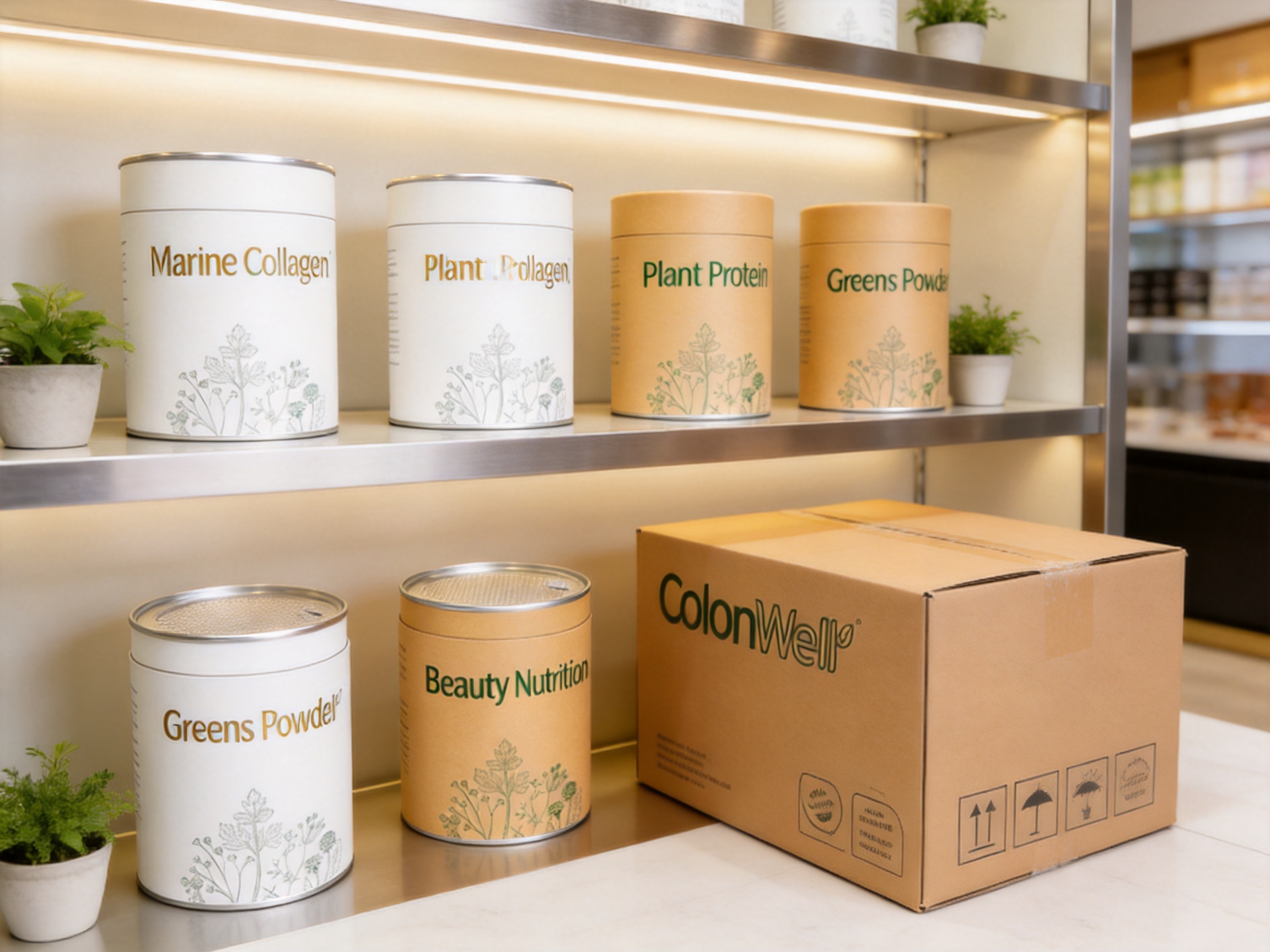
For brands with multiple product lines, using a consistent canister format can build shelf recognition. Different colors, graphics, or finishes can distinguish flavors or formulations while maintaining a unified brand family. This is especially useful for companies selling collagen in unflavored, vanilla, chocolate, berry, marine collagen, bovine collagen, or beauty blend varieties.
Company Strengths Supporting Global Packaging Buyers
Hangzhou Qunle Packaging Co.,Ltd. has been engaged in the composite can and paper can industry for over 20 years. This depth of experience gives the company a strong understanding of different market categories, including food, daily chemical products, fast-moving consumer goods, gifts, tea, coffee, supplements, confectionery, cosmetics, candles, fragrances, pet care, and more.
The company is the only member of the international Composite Can and Tube Institute in China’s packaging container industry. This membership reflects its professional position in the composite can sector and connects it with broader industry standards and knowledge. For international customers, this background can provide additional confidence when sourcing packaging from China.
Long-term partnerships with well-known companies and brands demonstrate the manufacturer’s ability to meet demanding commercial requirements. Serving established customers requires consistent quality, communication, production reliability, and technical support. These capabilities are valuable for both large corporations and growing brands seeking scalable packaging supply.
As one of China’s notable cardboard tube packaging manufacturers and paper tube packaging suppliers, the company offers wholesale paper tubes and custom paper packaging solutions for global markets. Its combination of manufacturing experience, food packaging certification history, patented technologies, and advanced production equipment creates a strong foundation for customers who need reliable packaging partners rather than simple commodity suppliers.
Customization Options for Brand Owners
Customization is one of the strongest advantages of composite paper canister packaging. The body can be printed with full-color graphics using high-definition offset printing. This allows precise reproduction of brand colors, gradients, illustrations, photography, nutritional icons, and regulatory text. For premium supplements, clear print quality is essential because customers often read ingredient details and dosage information before purchase.
Surface treatments can be selected to create different emotional effects. Matte finishes feel modern and refined. Gloss varnish creates brightness and energy. Soft-touch coatings can suggest luxury. Foil stamping can highlight premium claims such as collagen peptides, marine collagen, beauty formula, or clinically inspired positioning. Spot UV can add subtle depth and contrast.
Material appearance can also be adjusted. A natural kraft paper look may suit organic or eco-conscious formulations. White paper can support clean medical-style designs. Dark colors with metallic accents can create a luxury beauty supplement image. Pastel tones may appeal to lifestyle and wellness consumers. The canister’s shape provides enough space for both bold branding and detailed compliance information.
Structural customization may include different lid materials, internal liners, heights, diameters, and sealing specifications. The featured size is ID 99 mm × 155 mm, but similar structures can be adapted according to fill weight, powder density, scoop size, shipping carton efficiency, and retail shelf dimensions.
How the Canister Supports E-Commerce and Retail Distribution
Modern supplement brands often sell through multiple channels: retail stores, pharmacies, health shops, gyms, social commerce, online marketplaces, subscription programs, and direct-to-consumer websites. Packaging must perform across all these channels. The composite paper canister supports both shelf display and shipping durability.
In retail stores, the round shape and custom print surface attract attention. The rigid form remains neat even after handling by shoppers. The canister can be arranged in rows or stacked depending on display needs. Premium finishing can help it compete against established brands.
In e-commerce, packaging must survive parcel shipping. While secondary protection is still needed, a rigid canister offers better resistance to crushing than many flexible formats. Its cylindrical body helps protect the powder and maintain a clean presentation when the customer opens the delivery box. This improves the unboxing experience and can encourage positive reviews or social sharing.
For subscription programs, consistent packaging dimensions help with carton planning and fulfillment efficiency. The canister also feels substantial enough to support recurring customer perception of value. When customers receive the same attractive container each month, brand familiarity strengthens.
Packaging as a Trust Signal for Supplements
Customers are cautious when buying ingestible supplements. They want evidence of safety, quality, and professionalism. Packaging contributes to this trust before the customer ever tries the product. A sealed, well-printed, food-grade canister communicates that the brand has invested in product protection.
Tamper evidence is especially important. The peelable aluminium foil seal gives consumers a visible barrier that must be removed before first use. This reassures them that the powder has been protected from unwanted access and environmental exposure. The clean peel also enhances the first interaction with the product.
Consistency also matters. If every canister in a product line has uniform height, smooth edges, accurate print placement, and reliable sealing, the brand appears more professional. In contrast, inconsistent packaging can create doubt even if the formula is excellent. This is why choosing an experienced manufacturer is essential.
Why This Canister Is a Competitive Packaging Choice
The custom empty airtight round composite paper canister stands out because it combines several important advantages in one package. It offers better rigidity and presentation than pouches, lower plastic dependence and warmer aesthetics than plastic jars, and stronger barrier engineering than ordinary decorative paper tubes. It is designed for food-grade powder applications and supports the freshness requirements of collagen and other nutritional supplements.
Its peelable aluminium foil seal helps block oxygen and humidity, while the tinplate bottom enhances impermeability and structural strength. The composite paper body provides a large printable area and supports sustainability messaging through reduced plastic content and recycled material options. The size is practical for 400 g to approximately 450 g supplement fills, depending on density.
For brands, the canister helps solve several challenges at once: product protection, shelf differentiation, environmental positioning, premium perception, and consumer convenience. This makes it particularly suitable for high-value powders where packaging quality can influence purchase decisions and repeat buying.
Practical Considerations for Selecting This Packaging
Before adopting any supplement canister, brands should evaluate powder density, target fill weight, scoop size, desired headspace, closure preference, shelf-life requirements, and filling-line compatibility. A 400 g collagen powder may fit differently from a 400 g protein powder because bulk density varies. Some powders are fluffy and require more volume, while others are dense and compact.
Brands should also consider market regulations for labeling and food-contact packaging. Nutrition facts, supplement facts, ingredient lists, allergen statements, batch codes, expiration dates, and import requirements may influence artwork layout and printing areas. The canister’s large surface supports these needs, but early design planning is important.
For sustainability claims, brands should confirm the exact material composition and recyclability in target markets. Recycling infrastructure varies by country and region. Clear, accurate communication helps avoid misleading claims and builds consumer trust.
Finally, brands should test packaging under real distribution conditions. This may include transport vibration, drop testing, humidity exposure, storage stability, and filling trials. An experienced packaging supplier can support these evaluations and recommend structure adjustments when needed.
Q&A Section
What product is this airtight paper canister designed for?
It is designed primarily for moisture-sensitive dry powders such as collagen powder, protein powder, meal replacement powder, superfood blends, probiotics, and other nutritional supplements. The featured size, ID 99 mm × 155 mm, is especially suitable for about 400 g of collagen powder and can be adapted for around 450 g depending on powder density.
Why is the aluminium foil seal important?
The peelable aluminium foil seal provides an airtight and tamper-evident closure before first opening. It helps block oxygen and humidity, reducing the risk of clumping, caking, and freshness loss. It also gives consumers confidence that the product has not been opened before purchase.
How does the tinplate bottom improve performance?
The tinplate bottom adds rigidity, durability, and an impermeable barrier at the base of the canister. When securely attached through can seaming, it helps maintain structural integrity during shipping, storage, and daily handling.
Is this canister more sustainable than a plastic jar?
It can offer a more sustainable profile because it uses a paper-based composite body and reduces the proportion of plastic compared with many all-plastic containers. Recycled fiber options can further reduce reliance on virgin materials. Actual sustainability claims should be confirmed according to final material specifications and local recycling systems.
Can the packaging be customized?
Yes. The canister can be customized with high-definition offset printing, full-color graphics, varnishing, foil stamping, UV coating, matte or glossy finishes, kraft effects, and different visual styles. Structural options such as lids, height, diameter, and barrier configuration may also be adapted according to project requirements.
How does this canister compare with flexible pouches?
Compared with flexible pouches, the canister provides stronger shelf presence, easier scooping, a stable upright shape, and a more premium tactile experience. It also keeps graphics smooth and visible throughout the product’s life cycle.
How does it compare with ordinary paper tubes?
Ordinary paper tubes may not provide enough moisture protection for food powders. This canister is a composite airtight structure with a peelable aluminium foil seal and tinplate bottom, making it more suitable for supplement powders that require freshness protection.
What manufacturing strengths support this product?
The manufacturer has over 20 years of composite can and paper can experience, advanced production capability, a European high-speed composite can production line introduced in 2015, more than 10 patented technologies, and a strong background in food packaging containers. These strengths support consistent quality and scalable production.
Yes. Its cylindrical shape, high-quality print surface, special finishing options, and rigid structure create a premium appearance that helps products stand out on shelves and online. It is well suited for beauty nutrition, wellness, sports nutrition, and high-end functional powder brands.
What should brands confirm before ordering?
Brands should confirm fill weight, powder density, required shelf life, artwork requirements, lid style, shipping conditions, filling-line compatibility, food-contact requirements, and sustainability claims. Testing with actual product is recommended before full-scale production.
Conclusion
The custom empty airtight round composite paper canister for collagen powder supplements is a sophisticated packaging solution for brands that need protection, presentation, and sustainability in one system. Its 3-piece structure, consisting of a composite paper tube body, peelable aluminium foil seal, and tinplate bottom, is engineered to protect moisture-sensitive powders from humidity and oxygen while offering a premium consumer experience.
Compared with flexible pouches, it provides stronger structure, easier access, and better shelf visibility. Compared with plastic jars, it reduces plastic proportion and offers a warmer, more eco-conscious image. Compared with ordinary paper tubes, it delivers stronger barrier performance and food-grade suitability for supplement applications.
Backed by advanced manufacturing processes, long industry experience, patented technologies, food packaging expertise, and high-speed composite can production capability, this canister is a strong choice for collagen, protein, wellness, and nutrition brands seeking packaging that protects product quality and elevates brand value.
References
1. Robertson, G. L. Food Packaging: Principles and Practice. CRC Press.
2. Han, J. H. Innovations in Food Packaging. Academic Press.
3. Coles, R., McDowell, D., and Kirwan, M. J. Food Packaging Technology. Blackwell Publishing.
4. Marsh, K., and Bugusu, B. Food Packaging: Roles, Materials, and Environmental Issues. Journal of Food Science.
5. Soroka, W. Fundamentals of Packaging Technology. Institute of Packaging Professionals.
6. Yam, K. L. The Wiley Encyclopedia of Packaging Technology. Wiley.
