 English
 Español

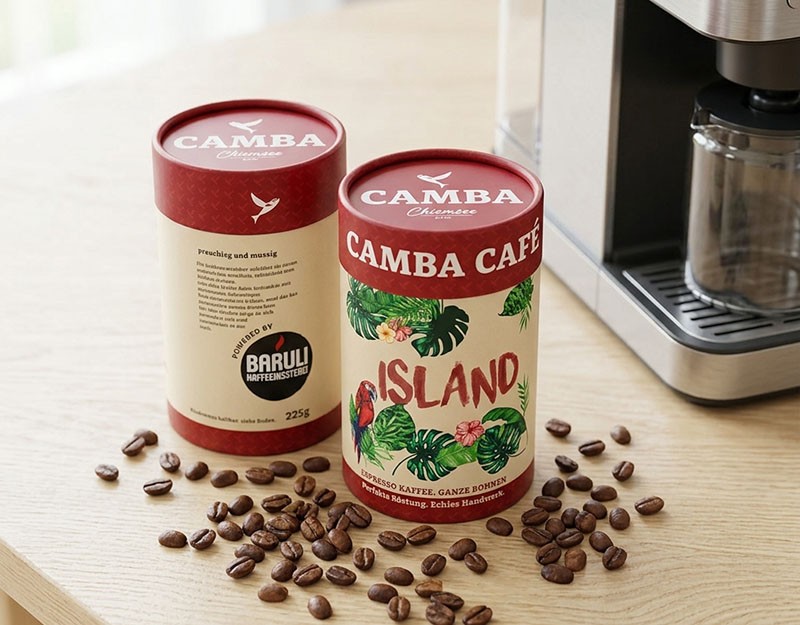
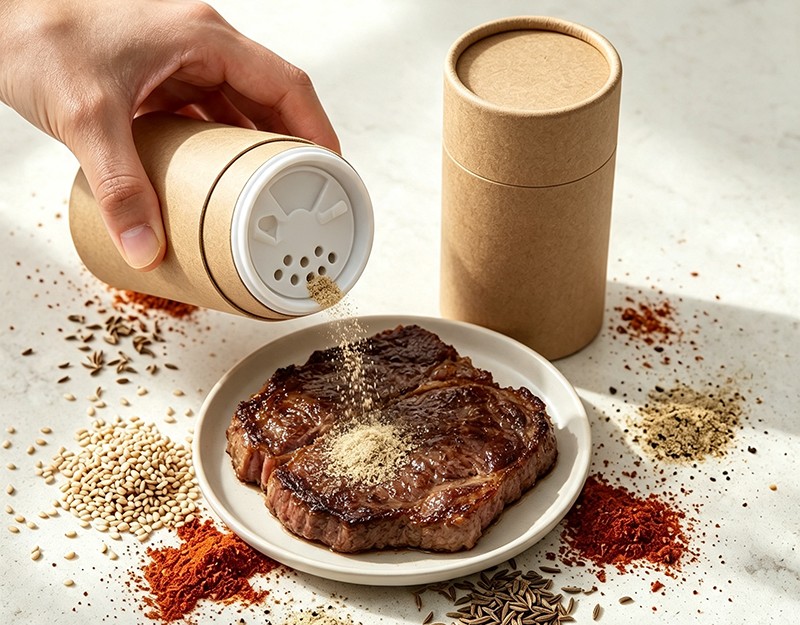
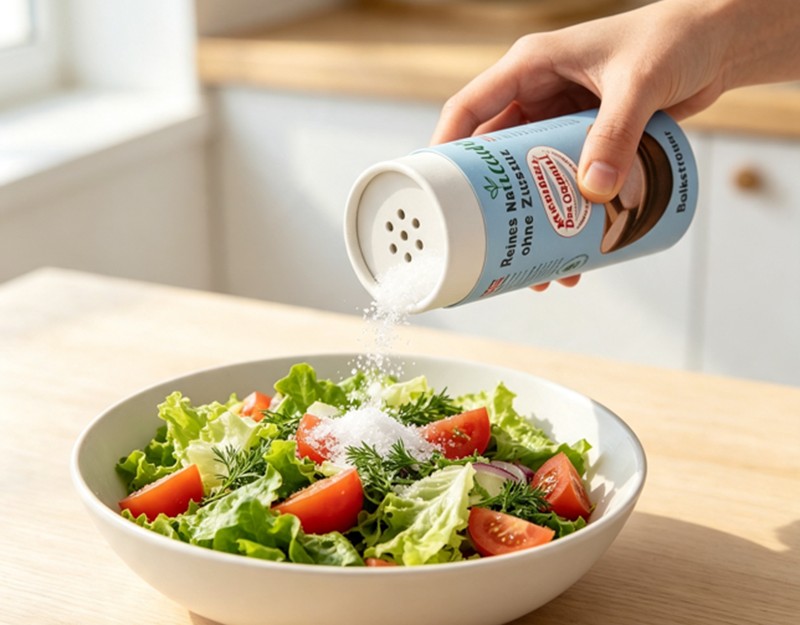
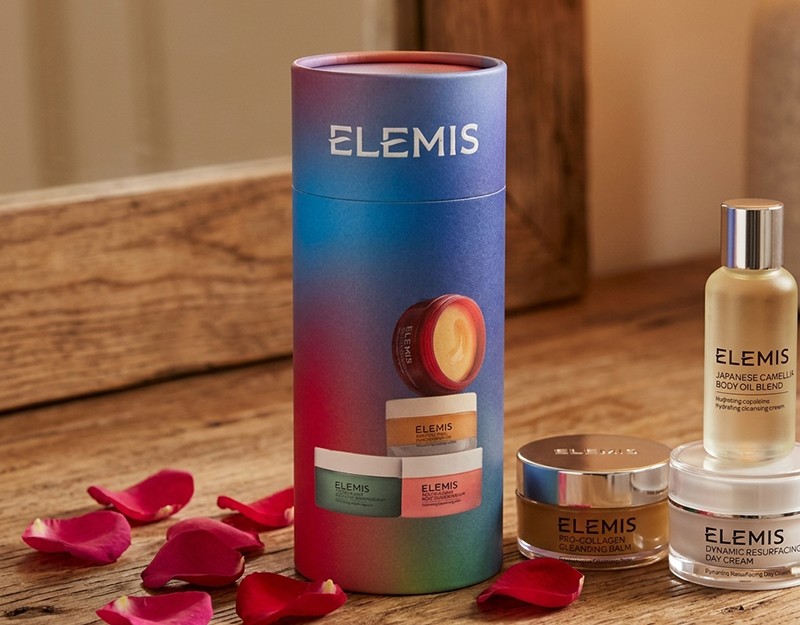
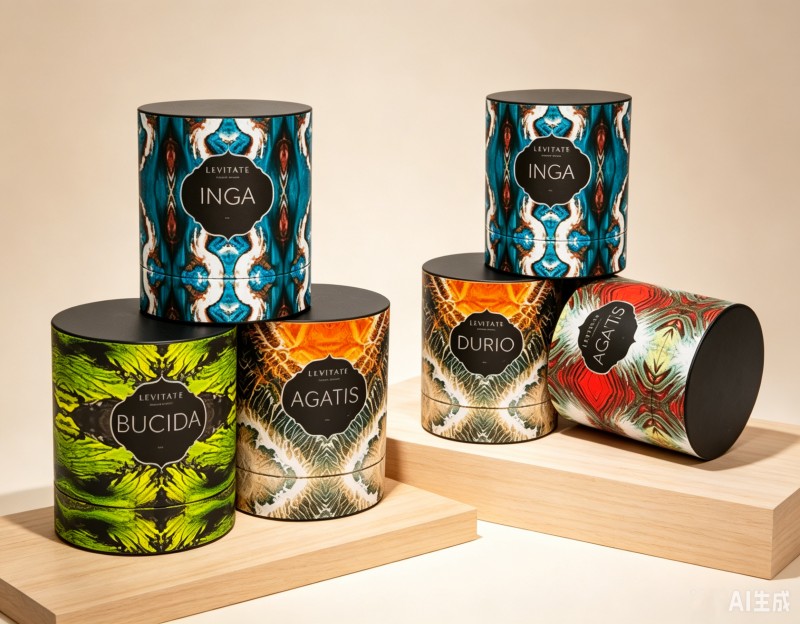
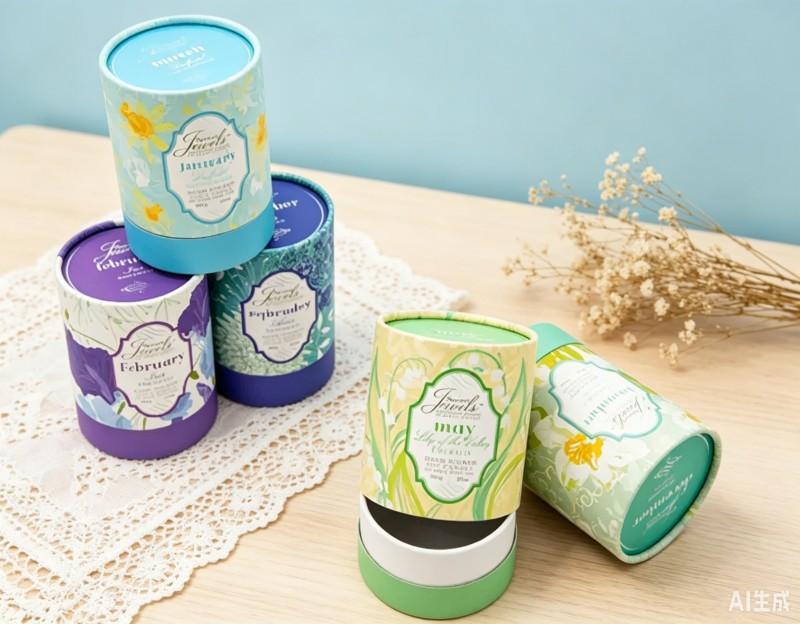
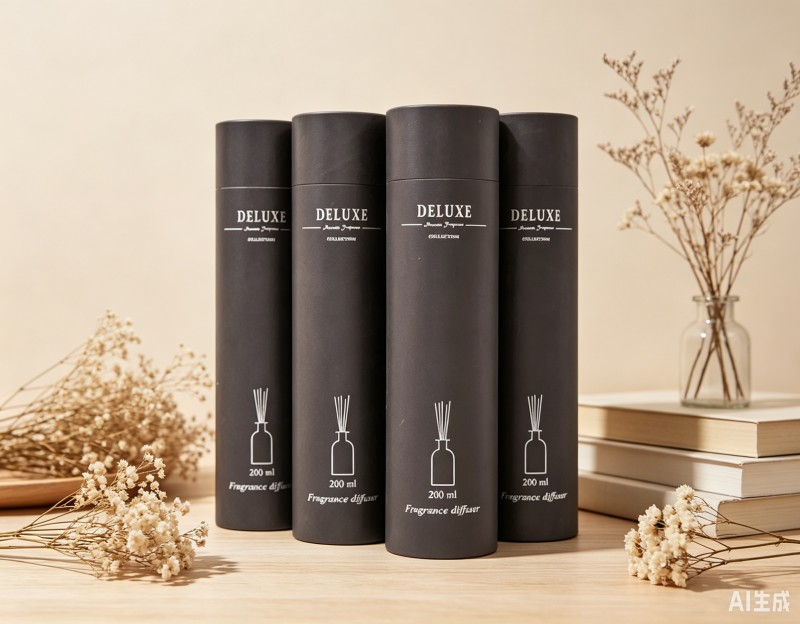
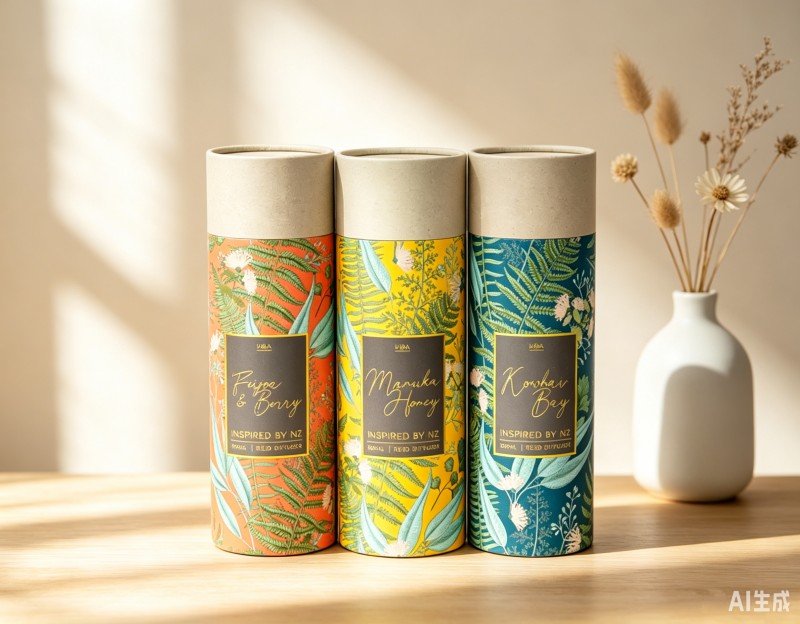
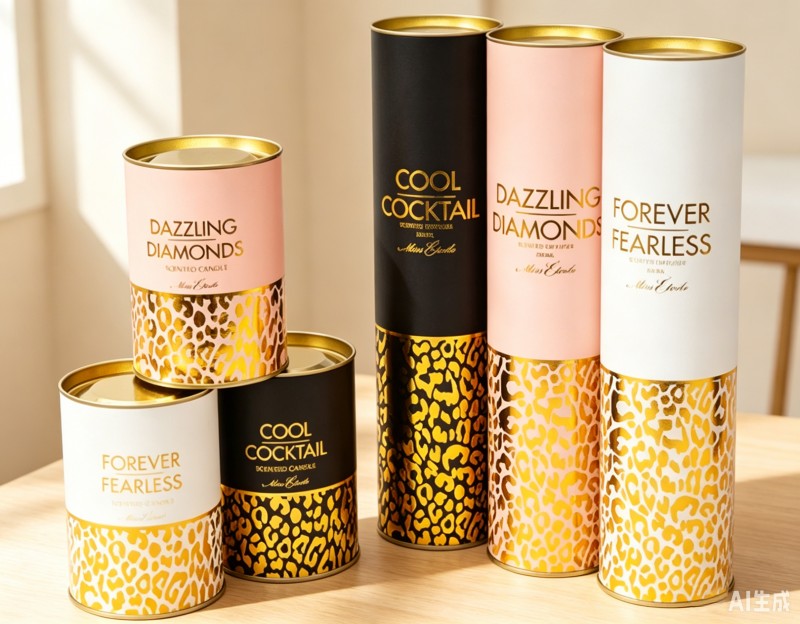
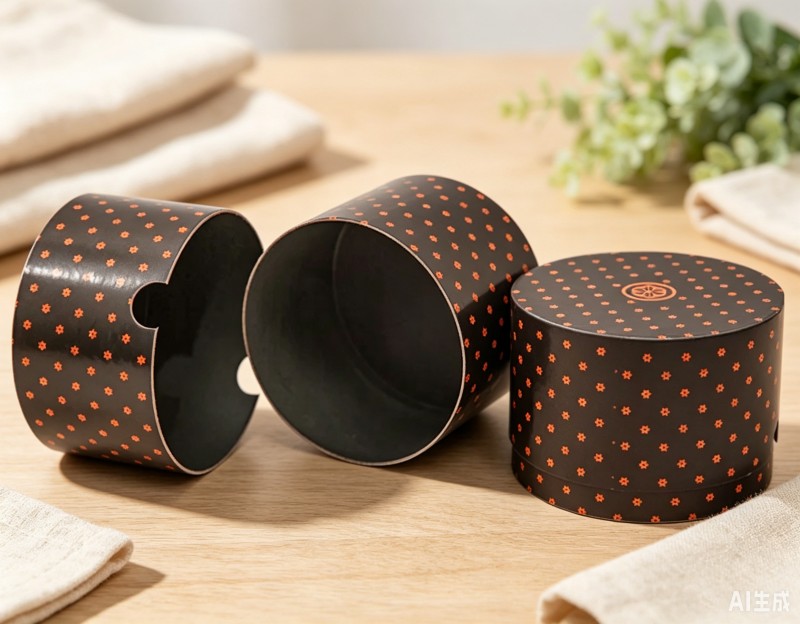
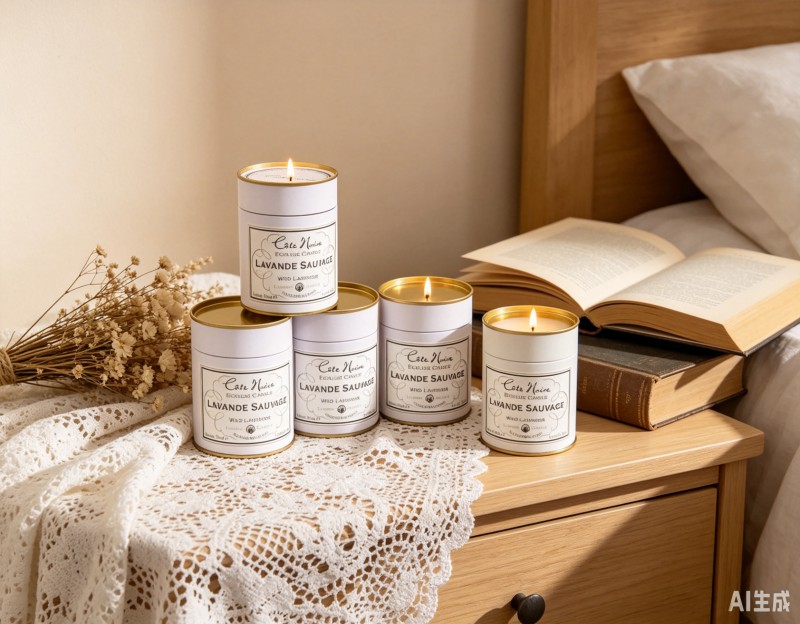

As one of the top China cardboard tube packaging manufacturers and paper tube packaging suppliers, we devote all of our efforts to research and launch more high quality packaging products to global market.
Chocolate is more than a sweet product; it is a sensory gift, a premium retail item, and a delicate food that depends heavily on presentation and protection. A well-designed chocolate packing box with dividers helps transform individual chocolates, truffles, pralines, bonbons, confectionery assortments, and seasonal gift collections into a refined customer experience. For brands competing in premium confectionery, the packaging must protect shape, preserve cleanliness, display value, support branding, and create an emotional impression before the first piece is tasted.
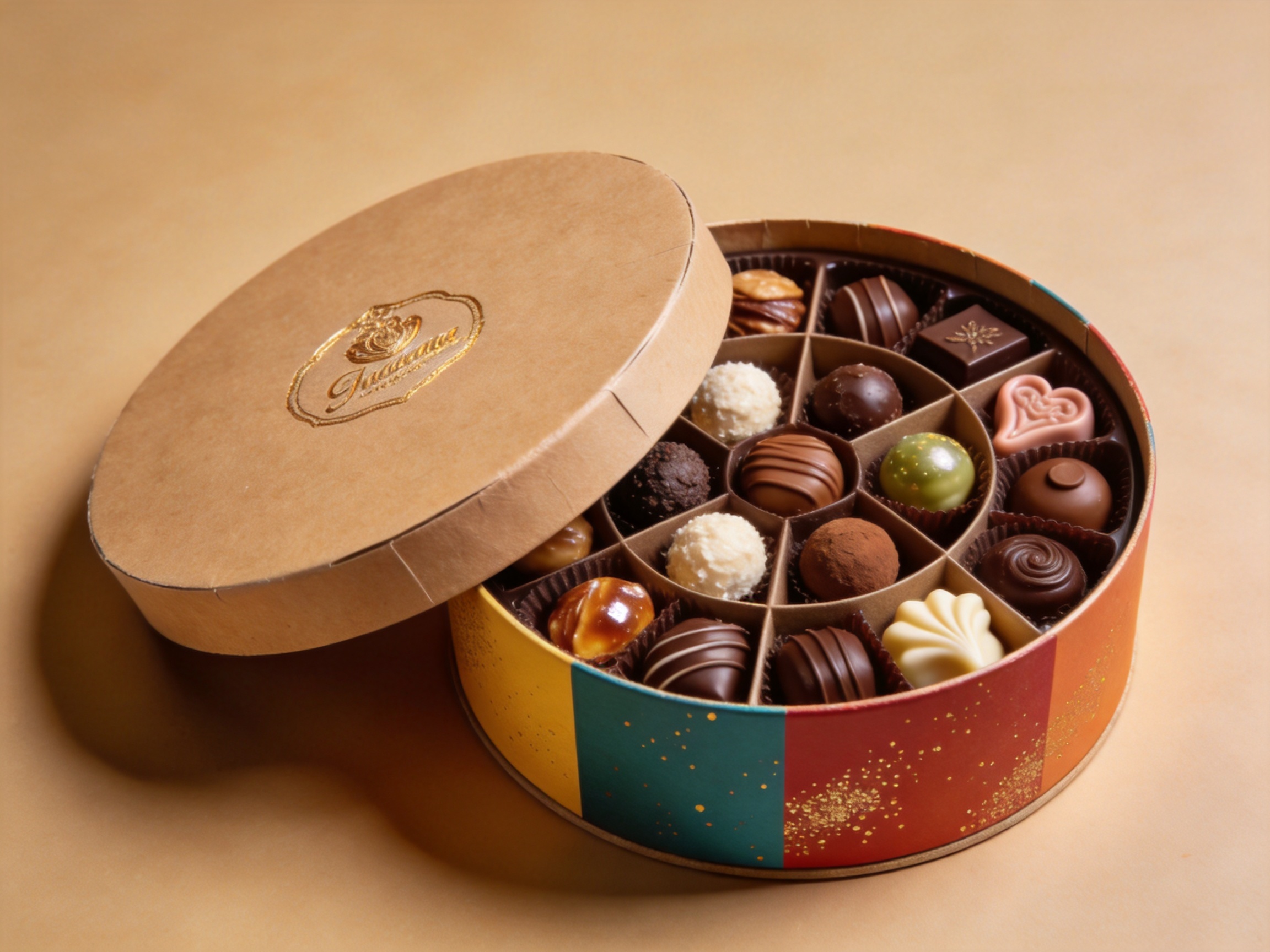
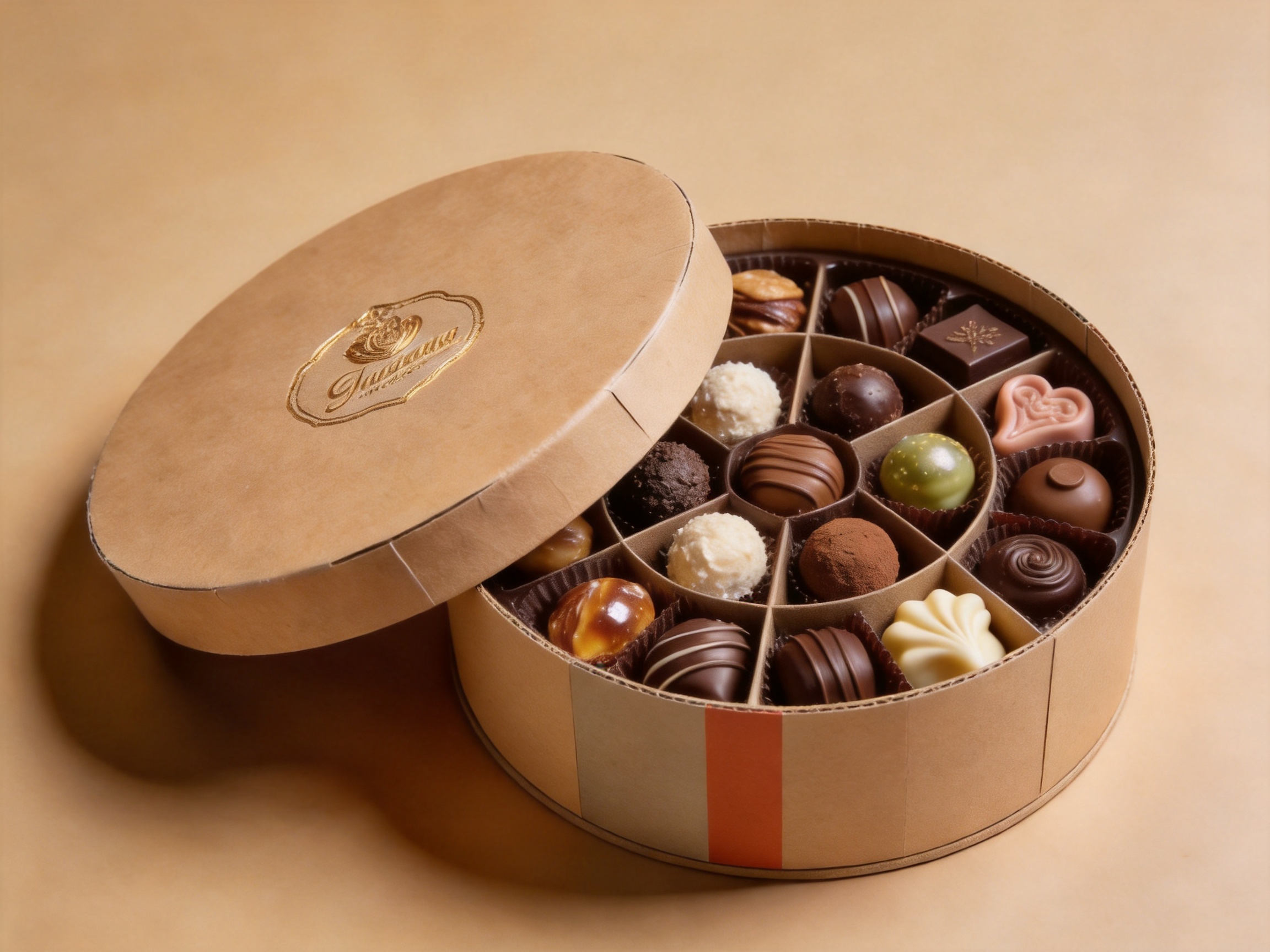
The chocolate packing box with dividers introduced here is designed for the Chocolate & Confectionary category and combines luxury styling with practical internal organization. Made with kraft paper and available for custom orders, it supports multiple finishing methods including embossing, glossy lamination, stamping, and UV coating. Its round shape, colorful appearance, recycled-material feature, and gift-packaging orientation make it suitable for high-end chocolate collections, festive confectionery sets, corporate gifts, boutique candy assortments, and retail display products.
Compared with ordinary folding cartons or simple plastic trays, this paper-based chocolate packing box offers a stronger premium impression, better structural distinction, and more brand storytelling space. Its divider system keeps individual chocolates separated, reducing friction, deformation, flavor transfer, and visual disorder. The outer paper packaging provides an elegant tactile surface, while the finishing options make it possible to communicate luxury, naturalness, celebration, or artisanal craftsmanship according to the customer’s market positioning.
Hangzhou Qunle Packaging Co.,Ltd. has been engaged in the composite can and paper can industry for over 20 years. With experience across food packaging, daily chemical products, fast-moving consumer goods, and gift packaging, the company has developed advanced capabilities in paper tube packaging and cardboard tube packaging. As a professional manufacturer and supplier, it offers customized paper packaging solutions for chocolate, confectionery, coffee, tea, nutrition products, snacks, cosmetics, candles, gifts, crafts, and more.
The company’s long-term manufacturing strength is especially important for chocolate packaging because confectionery brands require consistent quality, clean production standards, material reliability, and scalable customization. Qunle Packaging was the first enterprise in China to pass the QS certificate for producing food packaging containers, has obtained more than 10 patented technologies, and introduced a high-speed composite can production line from Europe in 2015. These strengths support the stable production of premium chocolate packaging with accurate forming, neat finishing, and reliable quality control.
Content
- 1 Understanding the Product: A Luxury Chocolate Packing Box with Dividers
- 2 Key Product Features
- 3 Why Dividers Matter in Chocolate Packaging
- 4 Advantages Over Common Competitor Packaging
- 5 Luxury Surface Finishing Options
- 6 Material Value: Kraft Paper and Recycled Material Features
- 7 Custom Order Capabilities for Brand Differentiation
- 8 Manufacturing Strength Behind the Product
- 9 Advanced Manufacturing Process for Premium Paper Chocolate Packaging
- 10 Applications in the Chocolate and Confectionery Market
- 11 Branding and Consumer Experience
- 12 Food Packaging Considerations
- 13 Why Manufacturer Experience Matters
- 14 Design Recommendations for Chocolate Brands
- 15 Sustainability and Premium Value Can Work Together
- 16 Wholesale and OEM Suitability
- 17 Practical Benefits for Retailers and Distributors
- 18 Quality Signals That Customers Notice
- 19 Q&A Section
- 19.1 What is the main purpose of a chocolate packing box with dividers?
- 19.2 Why is kraft paper a good material for chocolate gift packaging?
- 19.3 How does this packaging compare with plastic chocolate trays?
- 19.4 Can the box be customized for a specific chocolate assortment?
- 19.5 Which finishing options are available?
- 19.6 Is this packaging suitable for luxury gifts?
- 19.7 Why are internal dividers important for premium chocolate?
- 19.8 What manufacturing strengths support this product?
- 19.9 Can this box support sustainable packaging goals?
- 19.10 What types of chocolate products are best suited for this packaging?
- 20 Conclusion
- 21 References
Understanding the Product: A Luxury Chocolate Packing Box with Dividers
The product is a round chocolate packing box designed with dividers for organized gift packaging. Its basic material is kraft paper, a widely used paper type valued for strength, printability, and environmental appeal. Kraft paper supports a natural, premium, and recyclable image, while also being adaptable to different colors, surface laminations, and decorative treatments. When combined with high-end printing and finishing, kraft paper can deliver both rustic warmth and luxury refinement.
The box is positioned as a luxury-style packaging option for gift use. This means it is not simply a container; it is part of the product experience. Luxury chocolate buyers often judge quality before opening the package. The surface texture, lid fit, color harmony, printed details, and internal arrangement all influence perceived value. A chocolate box with dividers helps present each piece as intentional and carefully selected rather than loosely packed.
The round shape is particularly distinctive. Many chocolate gift boxes on the market use square or rectangular folding cartons. While those formats are practical, a round package creates a softer, more ceremonial impression. It is well suited for festive gifting, wedding favors, holiday collections, limited-edition assortments, and premium retail displays. A round silhouette stands out on shelves, in gift baskets, and in e-commerce unboxing content.
Internal dividers are a core advantage. Chocolates can be delicate, especially filled pralines, decorated truffles, coated nuts, molded pieces, or artisan bonbons with painted surfaces. Without dividers, products can shift during transport and handling. Dividers help maintain spacing, reduce rubbing, and improve presentation when the customer opens the box. They also allow brands to arrange chocolates by flavor, color, size, or theme.
The product supports custom orders, making it suitable for confectionery brands with different market levels and seasonal needs. A brand may request specific diameters, heights, divider layouts, color schemes, printing designs, decorative foil stamping, embossed logos, UV-highlighted graphics, or glossy lamination. This flexibility allows the same basic packaging concept to serve luxury boutiques, corporate gifting programs, supermarket premium lines, online chocolate stores, and hospitality gift sets.
Key Product Features
| Feature | Description | Value for Chocolate Brands |
|---|---|---|
| Material | Kraft paper with customizable surface treatment | Provides strength, printability, and an eco-conscious image |
| Structure | Round box with internal dividers | Keeps chocolates organized, separated, and visually attractive |
| Printing Handling | Embossing, glossy lamination, stamping, UV coating | Supports premium branding and luxury shelf appeal |
| Customization | OEM custom order accepted | Allows size, color, divider, and artwork adaptation |
| Feature | Recycled materials | Matches growing demand for responsible packaging |
| Style | Luxury | Enhances gifting value and perceived product quality |
| Color | Colorful options available | Supports seasonal, brand, and collection-specific designs |
| Usage | Gift packaging | Ideal for holidays, events, retail promotions, and premium assortments |
Why Dividers Matter in Chocolate Packaging
Dividers may appear to be a small structural detail, but in chocolate packaging they can dramatically improve product quality perception. Chocolate pieces are often made with smooth shells, decorative toppings, powder coatings, nuts, fruit inclusions, or colored cocoa butter designs. If pieces rub against one another, the surface can become scratched, dusty, sticky, or uneven. This is especially problematic for premium chocolate, where visual perfection is part of the selling point.
By separating each piece, dividers create individual compartments that preserve presentation. When the customer opens the lid, every chocolate is placed in its own defined space. This arrangement feels deliberate and luxurious. It also helps guide tasting order, because brands can arrange flavors from light to dark, fruit to nut, classic to experimental, or mild to intense. For tasting boxes, the divider layout can become part of the storytelling.
Dividers also help during transportation. Chocolate packaging often moves through multiple stages: production filling, warehouse storage, domestic or international shipping, retail handling, customer purchase, and final gifting. Even with careful outer cartons, internal movement can cause damage. A divider system provides added stability and reduces the chance that chocolates will gather on one side of the box.
For gift use, dividers support a sense of abundance and order. Empty space in packaging can sometimes feel wasteful, but well-designed compartments make space purposeful. They create a rhythm that makes each piece look more valuable. A twelve-piece chocolate assortment in a divider box can feel more refined than the same pieces placed loosely in a bag or tray.
Dividers can also support allergen, flavor, and product separation. Nut-based chocolates, fruit-filled pieces, alcohol-infused chocolates, dark chocolate, milk chocolate, and white chocolate can be arranged clearly. Although packaging dividers do not replace regulatory labeling or food safety procedures, they can help reduce accidental contact and improve clarity for the consumer.
Advantages Over Common Competitor Packaging
Many confectionery brands still rely on basic folding cartons, plastic blister trays, metal tins, or simple paper sleeves. Each format has its uses, but a luxury paper chocolate packing box with dividers provides a balanced combination of beauty, protection, sustainability, and customization. Its advantages become clear when compared with ordinary market alternatives.
Compared with Simple Folding Cartons
Folding cartons are lightweight and economical, but they often lack depth and ceremony. A flat carton can be suitable for mass-market candy bars or small chocolate packs, yet it may not deliver the same premium unboxing experience as a rigid-style round paper box. A round chocolate box with dividers feels more substantial in the hand, presents chocolates with greater visual structure, and offers more decorative surface area for premium finishing.
The divider structure further separates it from simple cartons. Folding cartons may include a basic insert, but their internal stability can be limited. A dedicated divider system inside a stronger paper container supports better organization and protects delicate confectionery more effectively.
Compared with Plastic Trays and Containers
Plastic trays are common in chocolate packaging because they are easy to mold and can hold individual pieces. However, many premium consumers increasingly prefer paper-based packaging because it feels warmer, more natural, and more environmentally responsible. Plastic can appear disposable or low-value, especially for artisanal chocolates. Kraft paper packaging with refined surface finishes offers a more sophisticated touch.
Paper packaging also gives brands broader storytelling possibilities. The surface can be printed, embossed, stamped, laminated, or UV-coated. A paper box can express heritage, craftsmanship, sustainability, celebration, or luxury in a way that many plastic packages cannot. With growing consumer concern about plastic waste, paper-based packaging can help brands align with responsible purchasing trends.
Compared with Metal Tins
Metal tins can feel durable and collectible, but they are often more expensive, heavier, and less flexible in small-batch customization. For brands that frequently launch seasonal designs or limited collections, paper packaging can be more adaptable. Printing changes, color adjustments, and decorative effects can be achieved efficiently through paper converting and finishing processes.
A paper chocolate packing box also provides a softer, more food-friendly visual tone. Metal can be excellent for certain products, but paper better supports natural, artisanal, and recyclable brand messages. It is also easier to coordinate with paper labels, ribbons, sleeves, hangtags, and gift cards.
Compared with Ordinary Paper Tubes Without Dividers
Paper tubes are popular for premium packaging, but not all tubes are designed for delicate confectionery. A standard tube may be suitable for loose candies, cookies, tea, or snacks. However, premium chocolates benefit from internal separation. The divider system makes the product more specialized for confectionery and improves both protection and presentation.
For chocolate assortments, the combination of a round premium paper structure and internal dividers gives brands the best of both worlds: the unique shelf presence of tube-style packaging and the organized elegance of a chocolate gift box.
Luxury Surface Finishing Options
Premium chocolate packaging depends strongly on surface finishing. The product supports embossing, glossy lamination, stamping, and UV coating, all of which can be used individually or in combination to create a distinctive brand identity. These finishing methods help packaging communicate quality before the customer sees or tastes the chocolate.
Embossing
Embossing raises selected areas of the paper surface, creating a tactile three-dimensional effect. For chocolate packaging, embossing is often used for logos, decorative patterns, product names, seals, or border details. When customers touch an embossed package, they immediately sense craftsmanship and attention to detail. This physical interaction increases perceived value and makes the box feel less like ordinary packaging and more like a gift object.
Embossing can also support minimal luxury design. A simple kraft paper box with an embossed logo can appear refined and modern without excessive color. For artisanal chocolate brands, this can communicate authenticity and restraint. For festive collections, embossing can be combined with metallic stamping for a more celebratory look.
Glossy Lamination
Glossy lamination adds shine and surface protection. It can make colors more vivid, enhance photographic graphics, and create a polished retail effect. For chocolate gift boxes that need strong shelf impact, glossy lamination helps packaging stand out under store lighting. It also improves resistance to minor handling marks and makes the surface easier to wipe.
Glossy lamination is especially suitable for colorful packaging, holiday editions, children’s confectionery gifts, romantic gift sets, and premium retail displays. It can be used across the full package or selectively combined with matte elements, depending on the desired visual effect.
Stamping
Stamping, including foil stamping, is one of the most effective ways to signal luxury. Gold, silver, copper, rose gold, holographic, or custom metallic foils can be applied to logos, patterns, borders, or text. For chocolate, stamping often evokes celebration, indulgence, and gift value. A stamped logo on a round kraft paper box can make the packaging suitable for weddings, festivals, corporate events, and high-end boutique sales.
Stamping works well because chocolate is commonly associated with emotion and occasion. Whether the product is given for Valentine’s Day, Christmas, Lunar New Year, birthdays, anniversaries, or business appreciation, metallic details create a sense of importance.
UV Coating
UV coating can highlight selected printed areas with gloss, texture, or contrast. Spot UV is particularly useful for premium designs, because it allows certain elements to catch light while other areas remain matte or natural. For example, a cocoa bean illustration, brand emblem, ribbon graphic, or flavor name can be enhanced with UV coating.
UV coating helps create visual depth without overcomplicating the design. It can also improve surface durability in highlighted areas. When combined with embossing or stamping, it contributes to a layered luxury effect that differentiates the packaging from standard cartons.
Material Value: Kraft Paper and Recycled Material Features
Kraft paper is a strong and versatile material widely used in premium paper packaging. It has a natural fiber appearance that can suggest authenticity, craftsmanship, and environmental responsibility. For chocolate brands, kraft paper provides a useful bridge between natural ingredients and premium gifting. It can appear rustic for handmade chocolates or refined when paired with advanced printing and finishing.
The recycled-material feature is increasingly important in modern packaging decisions. Many consumers now evaluate not only the product itself but also the environmental impact of its package. A chocolate packing box that incorporates recycled materials can help brands communicate responsibility and meet the expectations of retailers, distributors, and end customers who prefer more sustainable packaging options.
Paper-based packaging also supports circular economy messaging when designed responsibly. While exact recycling outcomes depend on local systems, paper packaging is generally more familiar to consumers as a recyclable material than many mixed-material plastic formats. Brands can use the package surface to encourage responsible disposal, reuse, or recycling.
At the same time, sustainability should not reduce perceived luxury. This product demonstrates that recycled-material features and premium appearance can coexist. Through embossing, stamping, lamination, and UV coating, kraft paper can be elevated into elegant gift packaging that still maintains a responsible material story.
Custom Order Capabilities for Brand Differentiation
The product accepts custom orders, which is critical in the chocolate and confectionery market. Chocolate brands often compete through flavor, visual identity, gifting occasions, and storytelling. Packaging must reflect these differences. A standard off-the-shelf box may be convenient, but it rarely captures a brand’s full personality. Custom paper packaging gives brands control over shape, size, color, finish, and internal arrangement.
Customization can begin with the dimensions. Different chocolates require different compartment sizes. Large truffles need deeper and wider spaces, while small pralines or coated nuts may require compact dividers. A box for six chocolates should feel intimate and refined, while a box for twenty-four pieces should feel generous and ceremonial. By adjusting the box diameter, height, lid depth, and divider configuration, packaging can be designed around the actual product.
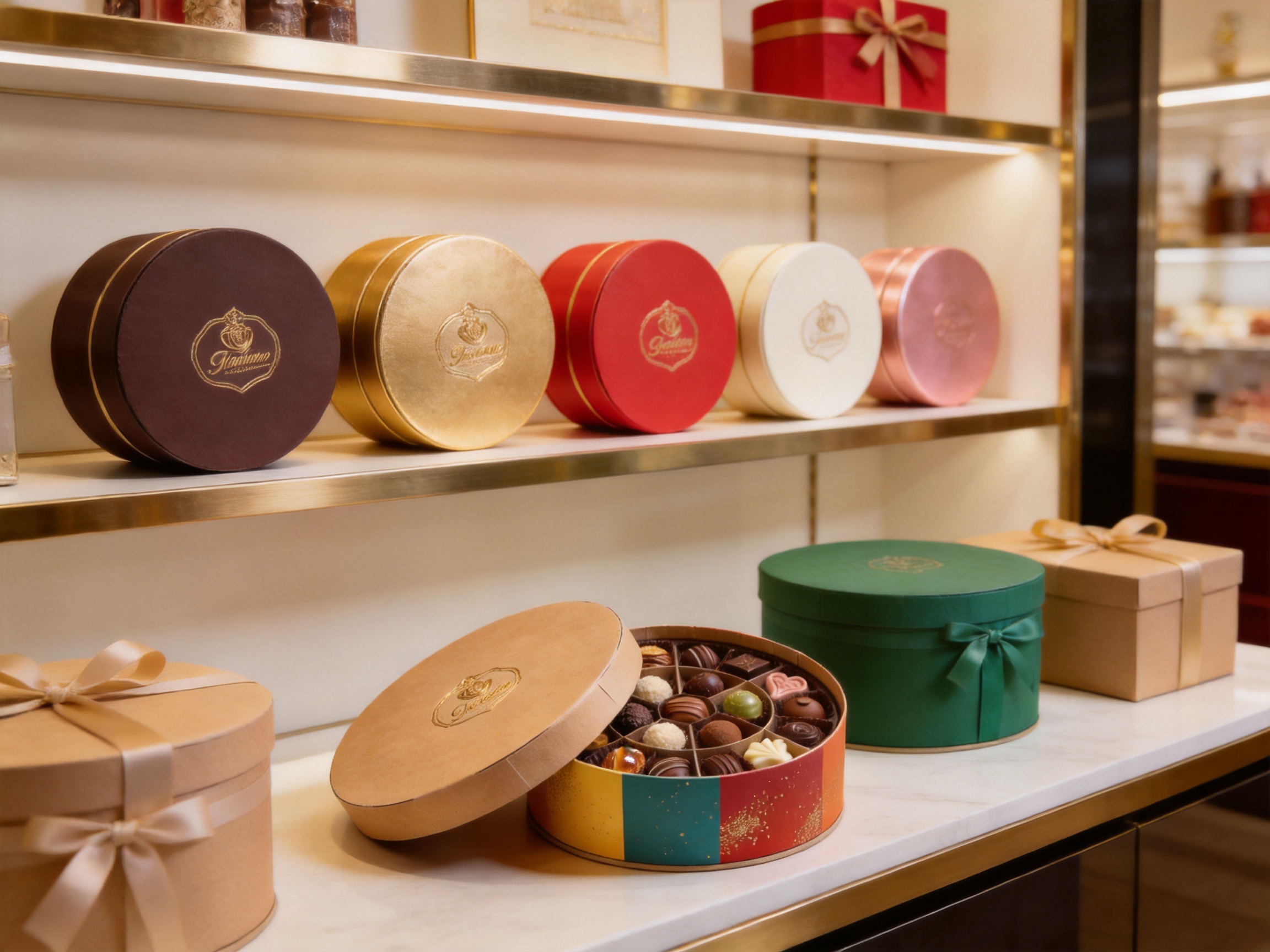
Color customization is another major advantage. The material information indicates colorful options, which means the packaging can support a wide range of brand styles. A dark brown and gold design may suit premium dark chocolate. Pink and rose-gold may suit romantic gift sets. Red and gold may suit festive holiday collections. Green and kraft tones may suit organic or natural chocolate lines. White and silver may suit winter or wedding themes.
Printing customization allows brands to add logos, flavor descriptions, ingredient highlights, certifications, QR codes, care instructions, and gift messages. For e-commerce brands, the packaging can include social media prompts or unboxing messages. For corporate gifts, the box can carry company logos, event themes, or personalized greetings.
Custom dividers can also support storytelling. Compartments may be arranged in circles, rings, grids, or themed patterns. For a tasting journey, numbered positions can guide customers through flavor order. For a holiday collection, each compartment can correspond to a different symbol, color, or festive note. This transforms packaging from a passive container into an interactive experience.
Manufacturing Strength Behind the Product
The quality of a chocolate packing box is determined not only by its design but also by the manufacturer’s process control. Paper packaging may look simple, but premium results require accurate material selection, precise forming, stable printing, clean finishing, strong bonding, and strict inspection. Hangzhou Qunle Packaging Co.,Ltd. brings more than 20 years of experience in composite cans and paper cans, which is directly relevant to producing round paper packaging with reliable structure.
The company’s expertise covers food, daily chemical products, fast-moving consumer goods, and other packaging sectors. This broad experience is valuable because each industry has different requirements. Food packaging requires cleanliness and material suitability. Cosmetics packaging demands appearance and surface refinement. Fast-moving consumer goods require efficiency and consistency. Gift packaging requires emotional value and decorative quality. A chocolate packing box with dividers benefits from all of these capabilities.
Qunle Packaging is the only member of the international Composite Can and Tube Institute in China’s packaging container industry. This reflects its specialized role in the paper can and composite tube sector. Membership in an international industry organization supports awareness of professional standards, technical exchange, and continued improvement. For customers, it indicates that the manufacturer is not a general low-end packaging supplier but an experienced participant in a specialized packaging field.
The company was also the first enterprise in China to pass the QS certificate for producing food packaging containers. This matters for chocolate packaging because food contact and food-related packaging require greater attention to material selection, production hygiene, and quality control. Even when a chocolate product uses inner wraps or cups, the outer packaging still influences brand trust and must be manufactured responsibly.
In 2015, the company introduced a high-speed composite can production line from Europe. Advanced equipment helps improve production speed, forming accuracy, consistency, and scalability. For chocolate brands with seasonal demand peaks, such as Christmas, Valentine’s Day, or New Year promotions, production capacity and stable delivery are critical. A manufacturer with advanced production lines can better support large wholesale orders and repeat programs.
The company has obtained more than 10 patented technologies. Patented technologies indicate investment in research, structural improvement, and process innovation. For packaging buyers, this can translate into better product development support, more stable solutions, and the ability to solve specialized packaging challenges.
Advanced Manufacturing Process for Premium Paper Chocolate Packaging
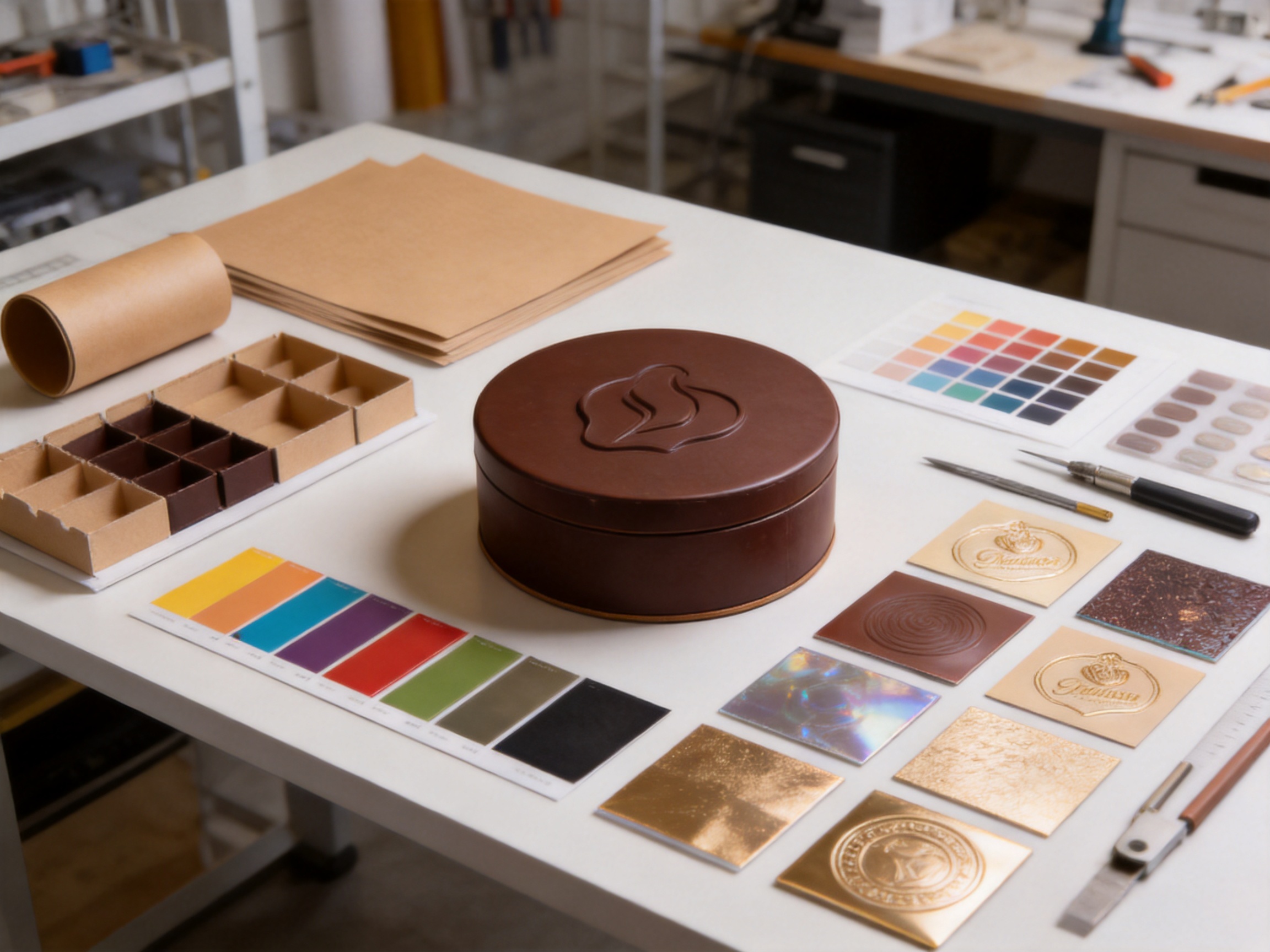
A well-made chocolate packing box with dividers typically involves several coordinated manufacturing stages. While exact processes may vary according to custom order specifications, the manufacturer’s long experience in paper tubes and composite cans supports an efficient and quality-focused workflow.
Material Selection and Preparation
The process begins with selecting appropriate kraft paper and supporting paperboard materials. The paper must meet requirements for strength, thickness, surface compatibility, and forming performance. For luxury packaging, the paper surface should also support high-quality printing and finishing. Recycled material content may be incorporated according to product requirements and customer preferences.
Material preparation includes cutting, conditioning, and checking. Paper materials must be stable enough to avoid warping, cracking, or poor adhesion during forming. For food-related packaging, material suitability and cleanliness are especially important. A responsible manufacturer controls incoming materials before production begins.
Structural Design and Sampling
Before mass production, the packaging structure is designed according to the chocolate product. Engineers and designers consider the box diameter, height, lid type, wall thickness, divider arrangement, and opening experience. If the customer provides chocolate dimensions, the internal divider can be designed to fit pieces securely without crushing them.
Sampling is a critical step. A sample allows the brand to check appearance, size, lid fit, divider function, printing color, and finishing effect. Adjustments can be made before mass production. This reduces risk and ensures the final packaging matches product and market expectations.
Printing
Printing gives the package its visual identity. Depending on the design, the box may include solid colors, patterns, ingredient illustrations, flavor names, brand graphics, or decorative motifs. High-quality printing requires color consistency, sharp details, accurate registration, and proper ink-paper compatibility.
For chocolate packaging, color accuracy is important because packaging often follows seasonal or brand-specific color systems. A premium chocolate brand may rely on a particular brown, gold, cream, red, or black tone. Consistent printing helps maintain brand recognition across batches.
Surface Finishing
After printing, finishing processes such as embossing, glossy lamination, stamping, and UV coating can be applied. These techniques require careful control. Poor embossing can look uneven, misaligned stamping can reduce perceived value, and incorrect lamination can create bubbles or edge defects. Experienced production teams and suitable equipment help ensure clean premium results.
Finishing is where a standard paper package becomes a luxury gift package. The tactile and visual details are often what customers remember. When handled correctly, these finishing options help the package compete with higher-cost materials while maintaining the flexibility and appeal of paper.
Tube or Box Forming
For a round paper chocolate box, forming accuracy is essential. The cylindrical or round body must be smooth, stable, and dimensionally consistent. The lid and base must fit properly, neither too loose nor too tight. Wall strength must support stacking, display, and shipping while maintaining an elegant profile.
Qunle Packaging’s long-term experience in composite cans and paper cans is highly relevant at this stage. Round paper packaging requires specialized knowledge of winding, bonding, shaping, cutting, and edge treatment. Inconsistent forming can cause poor lid fit, visible seams, or weak structure, all of which harm the premium impression.
Divider Production and Assembly
The internal divider is produced according to the chosen layout. It may be made from paperboard or other suitable paper-based material, depending on the application. Divider edges should be neat, compartments should be consistent, and the insert should fit securely inside the box. A well-made divider stays in place but remains easy for consumers to interact with.
Divider assembly must be accurate because it directly affects the chocolate presentation. If the divider is too loose, chocolates may shift. If too tight, it may deform the box or make filling difficult. Proper engineering balances protection, appearance, and production efficiency.
Quality Inspection
Quality inspection is vital for luxury packaging. Inspectors may check dimensions, color, surface finish, lid fit, divider placement, cleanliness, bonding strength, and appearance. For printed products, inspection also includes checking artwork accuracy, text clarity, and finishing alignment. Defective packages are removed before delivery.
For chocolate brands, consistent quality is important because packaging defects can damage consumer trust. A luxury chocolate box with scratches, dents, stains, poor printing, or loose dividers can make the chocolate seem lower quality even if the product itself is excellent.
Packing and Delivery Preparation
Finished packaging must be packed properly to prevent damage before reaching the customer. Round paper boxes should be protected from compression, moisture, dust, and abrasion. Efficient packing also supports warehouse handling and export transportation. A manufacturer experienced in wholesale paper packaging understands how to prepare products for domestic and international delivery.
Applications in the Chocolate and Confectionery Market
The chocolate packing box with dividers is suitable for many product types and selling scenarios. Its combination of structure, luxury appearance, and custom design makes it adaptable across confectionery markets.
Premium Chocolate Assortments
Assorted chocolates are one of the most natural uses for this packaging. Each compartment can hold a different flavor, shape, or decoration. The round format creates a gift-like presentation, while the dividers make the assortment look organized and generous. Brands can include flavor cards or printed guide elements to help customers identify each piece.
Truffles and Pralines
Truffles and pralines often have delicate surfaces. Powdered truffles can transfer cocoa dust, while glossy pralines can scratch. Dividers help preserve appearance and reduce contact. A luxury paper box also matches the premium nature of handmade or boutique truffles.
Seasonal Gift Collections
Holiday chocolate packaging must capture emotion quickly. A colorful round box with stamping, embossing, or glossy finish can be customized for Christmas, Valentine’s Day, Easter, Lunar New Year, Mid-Autumn gifting, weddings, birthdays, or corporate appreciation. Seasonal packaging often drives impulse purchases, making surface design and shelf presence especially important.
Corporate Gifts
Companies often choose chocolate as a business gift because it is widely appreciated and easy to share. A custom chocolate packing box with dividers can include corporate colors, logos, greeting messages, and event themes. The round luxury style makes the gift feel thoughtful rather than generic. For bulk programs, stable manufacturing capacity is essential.
Boutique Retail and Specialty Stores
Specialty chocolate shops need packaging that reflects craftsmanship. A kraft paper box with embossed logo and divider compartments can communicate handmade quality. Small-batch brands can use custom colors and finishes to create a signature look that customers recognize and remember.
E-Commerce Chocolate Packaging
Online chocolate sales require packaging that performs well during shipping and creates a memorable unboxing experience. While outer shipping protection is still necessary, the internal retail package must hold the chocolates attractively after transport. Dividers reduce movement, and a sturdy paper box improves customer satisfaction when the product is opened at home.
Branding and Consumer Experience
Packaging is often the first physical contact between the consumer and the brand. In chocolate, that first contact is especially important because the product is emotional, indulgent, and often given as a gift. A chocolate packing box with dividers helps create a complete experience from sight to touch to opening.
The round shape invites curiosity. Unlike a simple rectangular carton, it feels like a keepsake or ceremonial container. The lid-opening moment can be designed to feel smooth and satisfying. Once opened, the divider layout reveals the chocolates in an orderly and attractive arrangement. This sequence supports a premium unboxing experience.
Color also shapes emotion. Warm browns and creams suggest cocoa richness. Red, gold, and deep green suggest celebration. Pink, white, and metallic tones suggest romance or elegance. Black and gold suggest luxury and intensity. Kraft and natural green suggest organic or eco-conscious values. Because the packaging supports colorful customization, brands can align visual identity with product positioning.
Finishing adds another layer. Embossing encourages touch. Stamping catches light. Glossy lamination creates brightness. UV coating adds contrast. These effects increase the chance that consumers will keep, photograph, share, or reuse the package. In modern retail and e-commerce, photogenic packaging can support social media visibility and word-of-mouth promotion.
Dividers contribute to perceived generosity. When chocolates are individually displayed, each piece receives attention. The customer feels that the brand cared about arrangement, protection, and detail. This can justify premium pricing and encourage repeat purchase.
Food Packaging Considerations
Chocolate packaging must support both appearance and food-related responsibility. Although the box may be used with inner wraps, cups, or direct product inserts depending on the customer’s specification, the manufacturer’s experience with food packaging containers is a significant advantage. The company’s history as the first enterprise in China to pass the QS certificate for producing food packaging containers demonstrates attention to food packaging standards.
For chocolate, packaging should be clean, stable, and suitable for the intended use. It should not introduce unwanted odors that interfere with chocolate aroma. It should protect against dust and handling contamination. It should also maintain its shape under normal storage and display conditions. If the chocolates require additional barrier protection, the paper box can be combined with inner liners, wraps, trays, or sealed components according to product needs.
Chocolate is sensitive to temperature, humidity, and odor. Packaging alone cannot replace proper storage and logistics, but it can contribute to product protection. A well-constructed box helps reduce physical damage, while dividers help maintain spacing and appearance. Clear labeling can also remind consumers about storage recommendations.
Why Manufacturer Experience Matters
Packaging buyers sometimes focus mainly on price, but for premium chocolate packaging, manufacturer experience can determine the success of the whole project. A low-quality package may have inaccurate dimensions, uneven printing, weak seams, loose lids, poor divider fit, or inconsistent colors. These issues can lead to delayed launches, product complaints, and brand damage.
A manufacturer with more than 20 years of experience in paper cans and composite cans understands how to control round paper structures. This is important because round boxes are more technically demanding than basic flat cartons. The body must remain circular, the lid must fit correctly, and the surface must remain smooth after printing and finishing.
Long-term partnerships with well-known companies and brands such as COFCO, STANDERS, DAVIDsTEA, Avalanche Coffee, Whittaker’s, McSteven’s, Nongfu Spring, and Beingmate show that Qunle Packaging has experience serving demanding customers in food, beverage, and consumer product sectors. Such partnerships indicate the ability to meet professional expectations for quality, delivery, and communication.
Advanced production lines also reduce the risk of inconsistency. When orders increase, manual or outdated production methods can struggle to maintain quality. The high-speed composite can production line introduced from Europe supports efficiency and stable manufacturing. For chocolate brands planning seasonal campaigns, reliable capacity is a major advantage.
Patented technologies further strengthen the company’s position. Innovation in packaging can include structure, sealing, forming, material application, or production methods. Customers benefit when their manufacturer can provide practical solutions rather than only standard formats.
Design Recommendations for Chocolate Brands
To maximize the value of a chocolate packing box with dividers, brands should consider several design principles. First, the packaging should match the chocolate’s price level. A luxury chocolate collection should use refined finishes, precise dividers, and elegant color choices. A playful confectionery gift may use brighter colors and glossy effects. The package should set the correct expectation for the product inside.
Second, divider layout should follow product reality. Compartment size should allow easy placement and removal. If chocolates are too tight, consumers may damage them when picking them up. If compartments are too large, pieces may shift. Testing with actual chocolate samples is recommended before final production.
Third, the opening experience should be smooth. The lid should feel secure but not frustrating. Premium packaging should create anticipation, not difficulty. A good lid fit also helps protect the product during handling.
Fourth, the exterior design should communicate key brand values quickly. If the brand emphasizes sustainability, kraft texture and recycled-material messaging should be visible. If the brand emphasizes luxury, metallic stamping, embossing, and deep colors may be appropriate. If the brand emphasizes handmade quality, illustrations, natural tones, and tactile paper surfaces can work well.
Fifth, brands should consider how the package looks in photographs. Chocolate is frequently gifted and shared online. A round box with attractive surface finishing and organized dividers can create strong unboxing images. This supports marketing without additional advertising cost.
Sixth, packaging should be designed with logistics in mind. A beautiful box still needs to survive filling, packing, storage, shipping, and retail handling. The manufacturer can advise on wall thickness, carton packing, and structural improvements based on order requirements.
Sustainability and Premium Value Can Work Together
Some brands worry that sustainable packaging may look plain or low-cost. This product demonstrates that paper-based and recycled-material packaging can still achieve a luxury effect. Kraft paper provides a responsible foundation, while advanced finishing transforms the appearance into a premium gift package.
Consumers increasingly appreciate packaging that avoids unnecessary plastic and supports responsible material use. At the same time, gift buyers expect beauty. A chocolate packing box with dividers can satisfy both demands. The paper structure communicates naturalness, while embossing, stamping, UV coating, and glossy lamination provide decorative richness.
Sustainability can also become part of the storytelling. A brand can print messages about responsible packaging choices, recycling guidance, or material selection. When done tastefully, these messages strengthen brand trust. The key is to integrate sustainability into the overall design rather than treating it as an afterthought.
Reusable potential is another benefit. A sturdy round paper box may be kept by consumers for small items, keepsakes, craft supplies, or decorative storage. Reuse extends the life of the package and keeps the brand visible after the chocolate is consumed.
Wholesale and OEM Suitability
The product is especially suitable for wholesale and OEM packaging programs. The listed brand name and model number are OEM, and custom orders are accepted. This means the packaging can be produced according to the customer’s own brand requirements rather than being limited to a fixed design.
For wholesalers, consistent quality and scalable production are important. A reliable manufacturer can support repeat orders and different product lines. For private-label chocolate brands, OEM customization allows the creation of exclusive packaging without building in-house production capability.
For established brands, custom paper tube and round box packaging can support product extensions. A company may use this format for a limited-edition collection, a gift line, or a seasonal promotion. For new brands, the package can help create premium positioning from the beginning.
Because the company’s broader product categories include premium paper tube packaging, airtight paper canisters, coffee and tea packaging, nutrition and supplement tubes, snacks and nuts containers, cosmetics and skincare tubes, candle and fragrance packaging, coin banks, tubes with windows, car tissue holders, and other paper packaging solutions, customers can also develop coordinated packaging across multiple product categories. This is useful for brands that sell chocolates together with coffee, tea, gifts, candles, or specialty foods.
Practical Benefits for Retailers and Distributors
Retailers need packaging that attracts customers, protects goods, and supports efficient display. A round chocolate packing box offers distinctive shelf presence. It can be stacked, arranged in gift displays, placed in baskets, or featured on premium counters. Its colorful design options help create strong seasonal merchandising.
Distributors benefit from packaging consistency and structural reliability. Boxes that maintain shape and protect internal products reduce complaints and returns. A paper box with dividers can also support clear assortment presentation, making it easier for retailers to explain product value to customers.
For gift retailers, packaging is often as important as the chocolate itself. Customers buying gifts want something that looks complete without needing additional wrapping. A luxury paper box with stamping or embossing can be sold directly as a gift-ready product, increasing convenience and perceived value.
Quality Signals That Customers Notice
Consumers may not understand every technical detail of packaging, but they quickly notice quality signals. They notice whether the lid fits well, whether the box feels sturdy, whether colors are rich, whether the logo looks sharp, whether the surface is smooth, and whether the chocolates are neatly arranged. These details affect how they judge the chocolate brand.
A premium chocolate packing box with dividers sends multiple positive signals. The round shape suggests special occasion value. The kraft paper material suggests naturalness and responsibility. The finishing options suggest luxury. The dividers suggest care and organization. Together, these features create a stronger impression than many ordinary competitor packages.
When customers buy chocolate as a gift, they want confidence that the recipient will feel pleased. Packaging helps provide that confidence. A well-designed box reduces the need for extra gift wrapping and makes the product feel ready for presentation.
Q&A Section
What is the main purpose of a chocolate packing box with dividers?
The main purpose is to protect and present individual chocolates in an organized way. Dividers keep pieces separated, reduce friction, support attractive arrangement, and improve the gift-opening experience.
Why is kraft paper a good material for chocolate gift packaging?
Kraft paper offers strength, printability, and a natural appearance. It can support recycled-material features and can be upgraded with luxury finishing such as embossing, stamping, glossy lamination, and UV coating.
How does this packaging compare with plastic chocolate trays?
Plastic trays may be functional, but paper-based packaging often feels more premium, natural, and environmentally responsible. A kraft paper round box also provides more branding and decorative possibilities.
Can the box be customized for a specific chocolate assortment?
Yes. Custom orders are accepted. The size, color, printing, surface finish, and divider layout can be adjusted according to the chocolate shape, quantity, brand identity, and target market.
Which finishing options are available?
The packaging supports embossing, glossy lamination, stamping, and UV coating. These options help create a luxury appearance and strengthen brand recognition.
Is this packaging suitable for luxury gifts?
Yes. The product is designed in a luxury style for gift packaging. Its round shape, decorative finishes, colorful customization, and internal dividers make it suitable for premium chocolate gifts, seasonal sets, and corporate presents.
Dividers help prevent chocolates from rubbing against each other. They preserve surface appearance, keep assortments organized, and create a refined presentation when the box is opened.
What manufacturing strengths support this product?
The manufacturer has more than 20 years of experience in composite can and paper can production, advanced production equipment, more than 10 patented technologies, food packaging container certification history, and long-term cooperation with recognized brands.
Can this box support sustainable packaging goals?
Yes. The product uses kraft paper and features recycled materials. It can help brands communicate environmental responsibility while still maintaining a premium appearance through advanced finishing.
What types of chocolate products are best suited for this packaging?
It is suitable for pralines, truffles, bonbons, molded chocolates, assorted gift chocolates, seasonal confectionery sets, corporate chocolate gifts, and boutique handmade chocolate collections.
Conclusion
A chocolate packing box with dividers is a strategic packaging choice for brands that want to combine protection, presentation, sustainability, and luxury. In the competitive chocolate and confectionery market, packaging must do more than contain the product. It must communicate quality, create desire, support gifting, and protect delicate pieces from damage.
This product achieves those goals through a round kraft paper structure, internal divider organization, recycled-material features, colorful customization, and premium finishing options such as embossing, glossy lamination, stamping, and UV coating. It offers clear advantages over simple cartons, plastic trays, metal tins, and ordinary paper tubes without dividers. Its structure enhances the unboxing experience, while its surface design possibilities help brands stand out in retail, e-commerce, and gift markets.
Behind the product is the manufacturing strength of Hangzhou Qunle Packaging Co.,Ltd., a company with more than 20 years of experience in composite cans and paper cans. Its advanced production capabilities, food packaging container certification history, patented technologies, international industry participation, and long-term cooperation with well-known brands provide a strong foundation for reliable OEM and wholesale packaging projects.
For chocolate makers, confectionery brands, gift suppliers, retailers, and private-label companies, this packaging format provides a practical and elegant way to elevate product value. It protects each chocolate, improves shelf appeal, supports responsible material messaging, and creates a memorable gift experience. In a market where the package often shapes the first impression, a luxury paper chocolate packing box with dividers can become a powerful part of the brand’s success.
References
Packaging Materials and Containers for Food Applications, industry reference on paper-based food packaging principles.
Composite Can and Tube Manufacturing Practices, technical literature on paper tube and composite container production.
Food Packaging Technology, reference work on food packaging functions, materials, and safety considerations.
Paper and Paperboard Packaging Technology, reference work on kraft paper, paperboard forming, printing, and converting.
Luxury Packaging Design Principles, industry reference on premium visual identity, finishing methods, and consumer experience.
Sustainable Packaging Guidelines, reference material on recyclable materials, recycled content, and responsible packaging design.
