 English
 Español

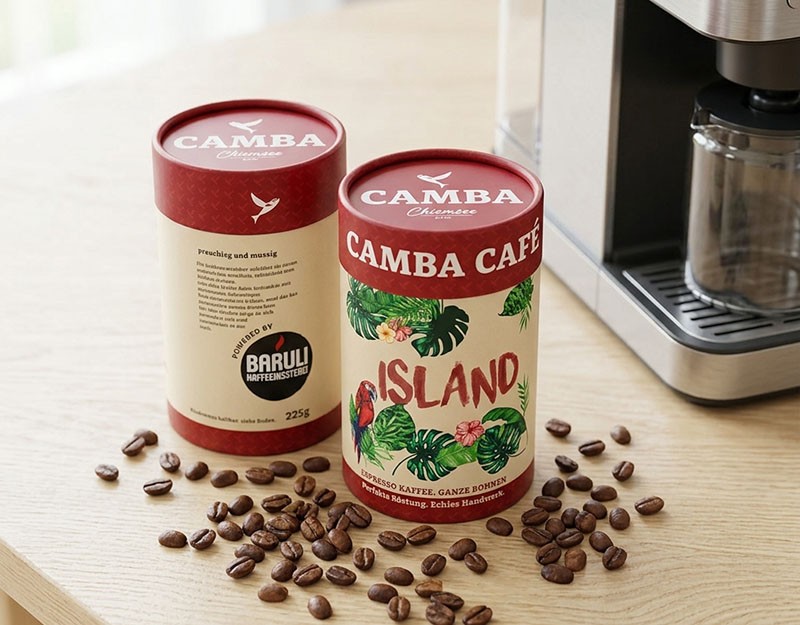
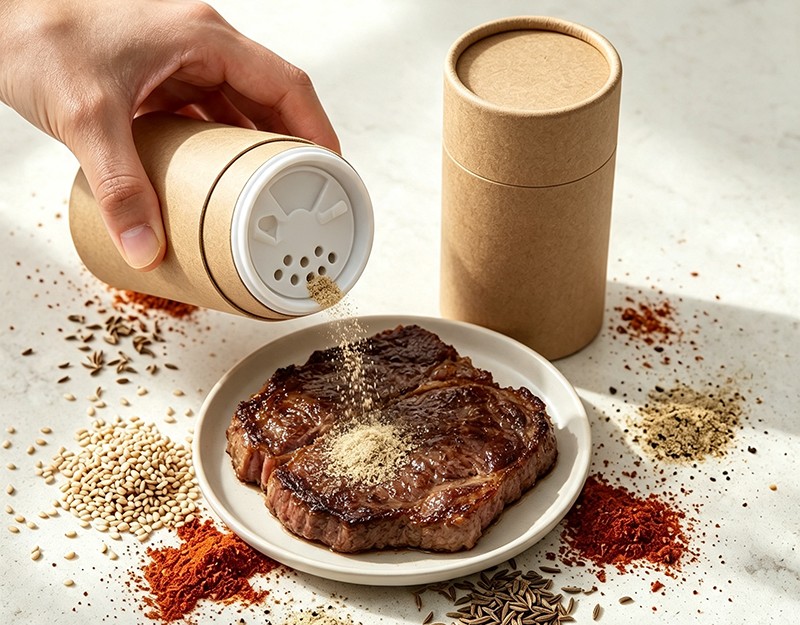
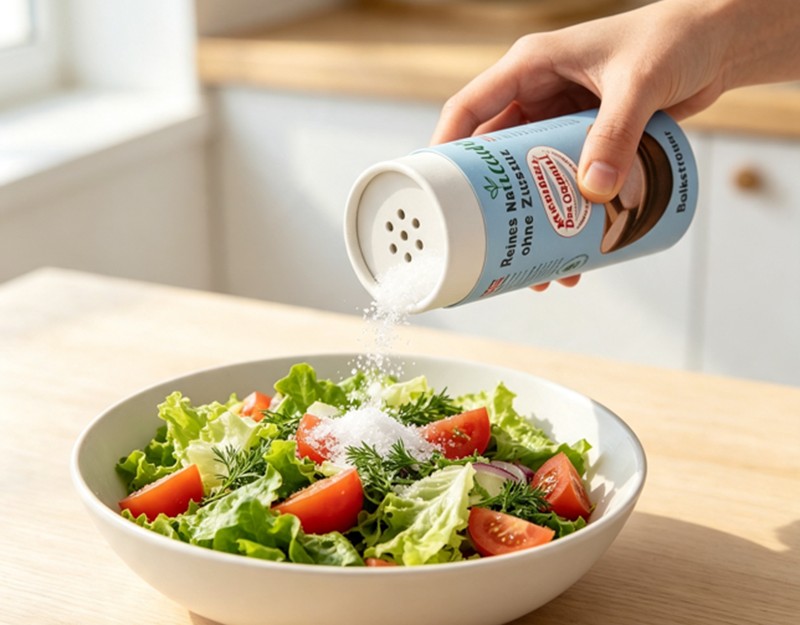
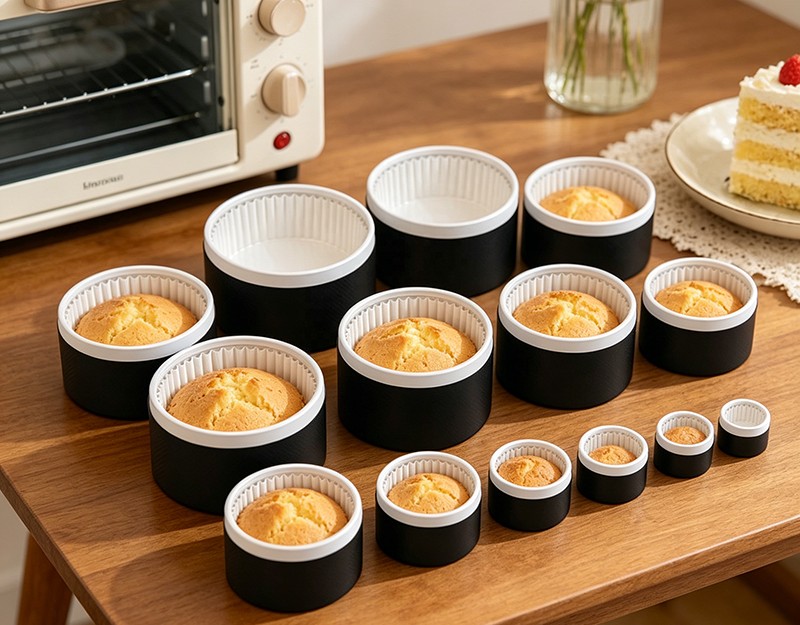

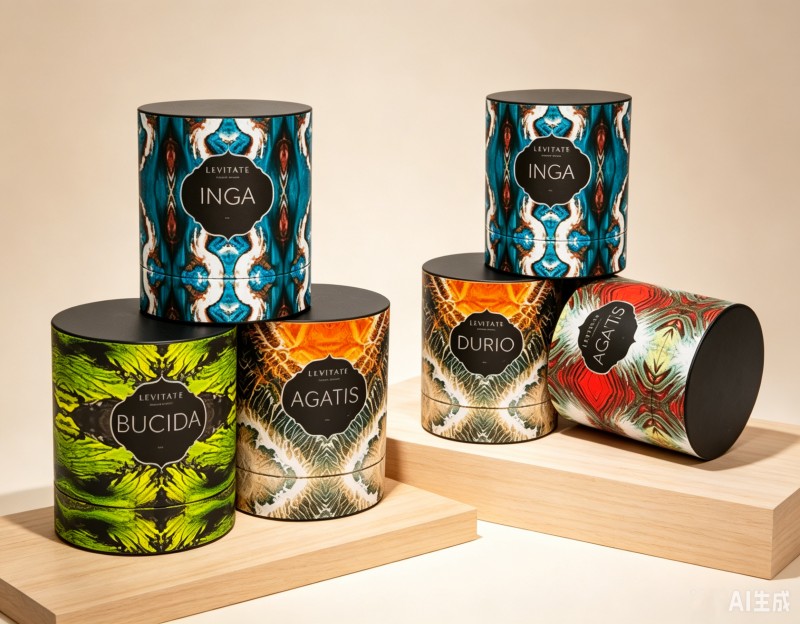
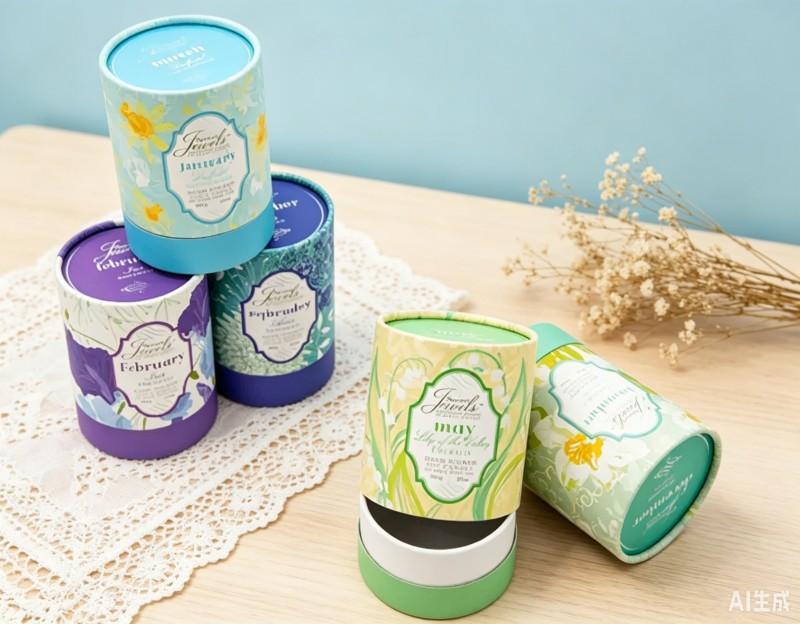
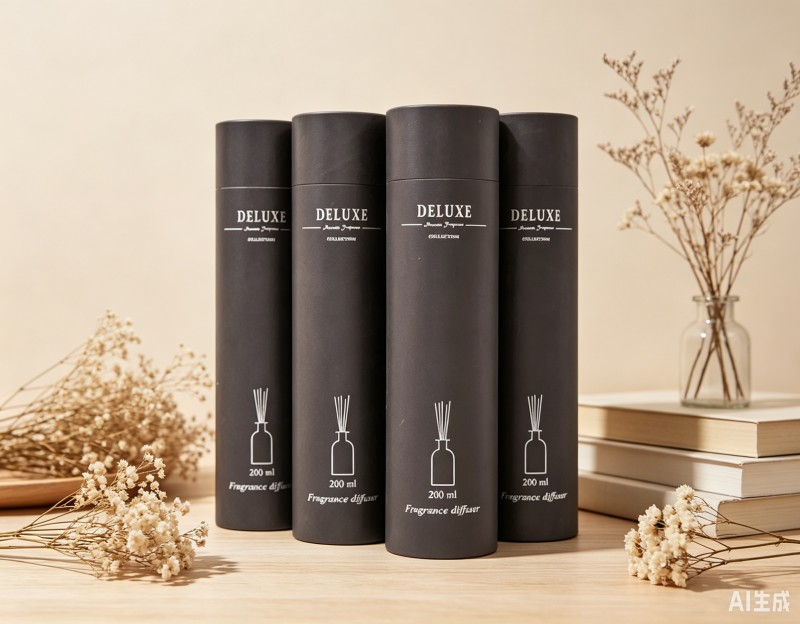
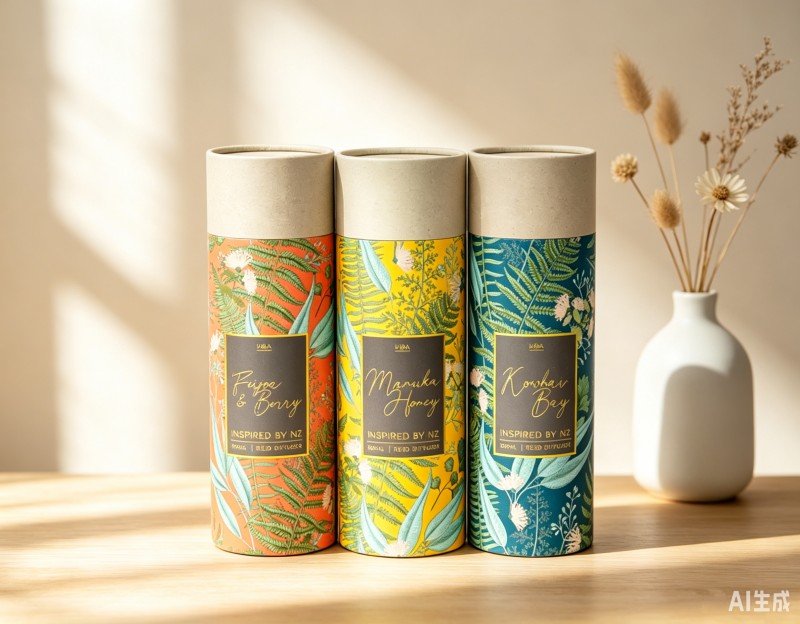

As one of the top China cardboard tube packaging manufacturers and paper tube packaging suppliers, we devote all of our efforts to research and launch more high quality packaging products to global market.
In the modern food packaging market, sugar is no longer viewed as a simple commodity that can be placed in any basic container. Retailers, food brands, specialty producers, and private-label suppliers increasingly need packaging that protects the product, supports brand value, improves shelf presentation, and answers consumer demand for more responsible materials. Cardboard paper tube biodegradable packaging for sugar offers a refined solution for this need, combining the strength of composite tube construction with the natural appeal of kraft paper, the barrier performance of aluminum foil lining, and the visual flexibility of high-quality custom printing.
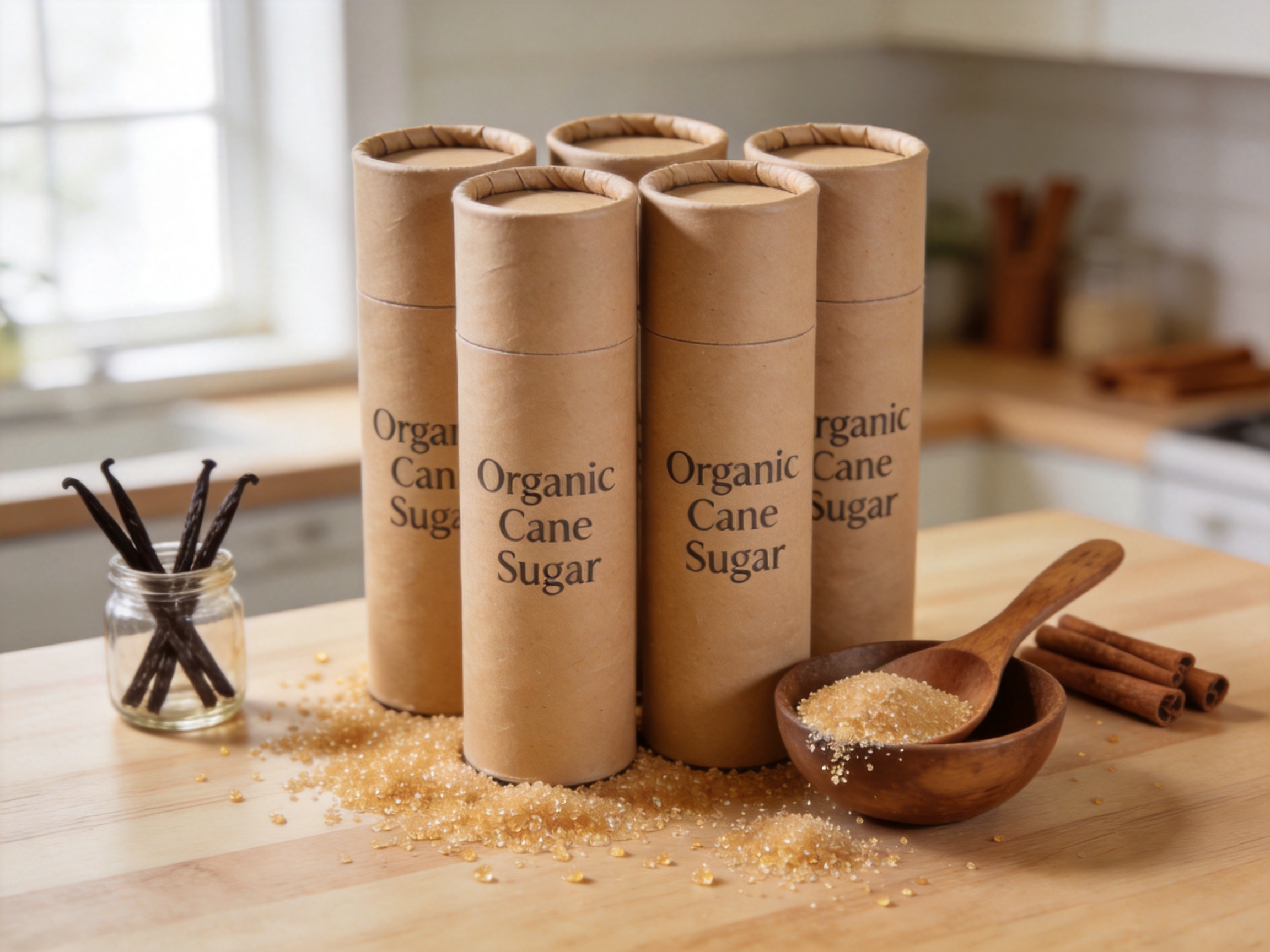
This product is designed as a cylindrical paper tube package for sugar and related dry food categories, especially within the broader field of seasonings and spices. Its structure uses a three-piece paper tube with rolled edges, a kraft paper body, coated paper options, and an inner aluminum foil lining. It can be customized with CMYK printing, matt lamination, brand logos, and size configurations, with a typical specification of ID 71–73 mm by 170 mm. The result is a durable, attractive, and practical packaging format suitable for sugar, powdered sweeteners, flavored sugar blends, spice mixes, premium seasoning products, specialty teas, confectionery ingredients, and other dry goods requiring an elegant protective container.
Unlike thin flexible pouches or ordinary plastic jars, this cardboard paper tube packaging creates a balance between premium appearance and responsible material use. It helps brands communicate quality before the customer even opens the package. The cylindrical form is comfortable to hold, easy to display, and suitable for home kitchen storage. Its rolled-edge construction gives the tube a smooth, finished profile, while the aluminum foil lining helps reduce moisture influence and maintain product quality during normal storage and distribution conditions.
For businesses seeking reliable paper tube packaging at wholesale scale, manufacturing capability is just as important as the package design itself. Hangzhou Qunle Packaging Co.,Ltd. brings more than 20 years of experience in composite cans and paper cans, advanced production equipment, patented technologies, and a strong history of serving food, daily chemical, fast-moving consumer goods, and other industries. As a factory-direct manufacturer, the company is able to support custom orders, stable batch production, brand-specific printing, and packaging development for both established and emerging food brands.
Content
- 1 Product Overview: A Strong, Eco-Friendly Tube for Sugar Packaging
- 2 Why Paper Tube Packaging Is a Strong Choice for Sugar
- 3 Key Product Specifications
- 4 Structural Advantage: Three-Piece Paper Tube with Rolled Edges
- 5 Barrier Performance: Aluminum Foil Lining for Dry Food Protection
- 6 Eco-Friendly Positioning and Biodegradable Packaging Value
- 7 Branding Advantage: CMYK Printing and Matt Lamination
- 8 Competitive Comparison: Why This Tube Stands Out
- 9 Applications Beyond Sugar
- 10 Manufacturing Strength: More Than 20 Years of Composite Can Experience
- 11 Advanced Production Capability and European High-Speed Line
- 12 Food Packaging Qualification and Quality Awareness
- 13 Patented Technologies and Continuous Product Development
- 14 Factory-Direct Customization for Brand Owners
- 15 MOQ and Commercial Production Planning
- 16 Design Strategies for Sugar Tube Packaging
- 17 Consumer Experience and Kitchen Convenience
- 18 Supply Chain Benefits for Retail and E-Commerce
- 19 Company Strengths Supporting Global Packaging Buyers
- 20 How This Packaging Helps Brands Compete
- 21 Quality Considerations Before Ordering
- 22 Q&A: Common Questions About Biodegradable Paper Tube Sugar Packaging
- 22.1 What is this cardboard paper tube mainly used for?
- 22.2 What materials are used in the package?
- 22.3 Why is aluminum foil lining important?
- 22.4 Is the package customizable?
- 22.5 What printing method is available?
- 22.6 What is the standard size?
- 22.7 What is the minimum order quantity?
- 22.8 How does this packaging compare with plastic jars?
- 22.9 How does it compare with paper bags or flexible pouches?
- 22.10 Can the tube be used for premium gift packaging?
- 22.11 What company strengths support this product?
- 22.12 Should brands test the packaging before full production?
- 23 Conclusion: A Premium, Protective, and Responsible Packaging Direction
- 24 References
Product Overview: A Strong, Eco-Friendly Tube for Sugar Packaging
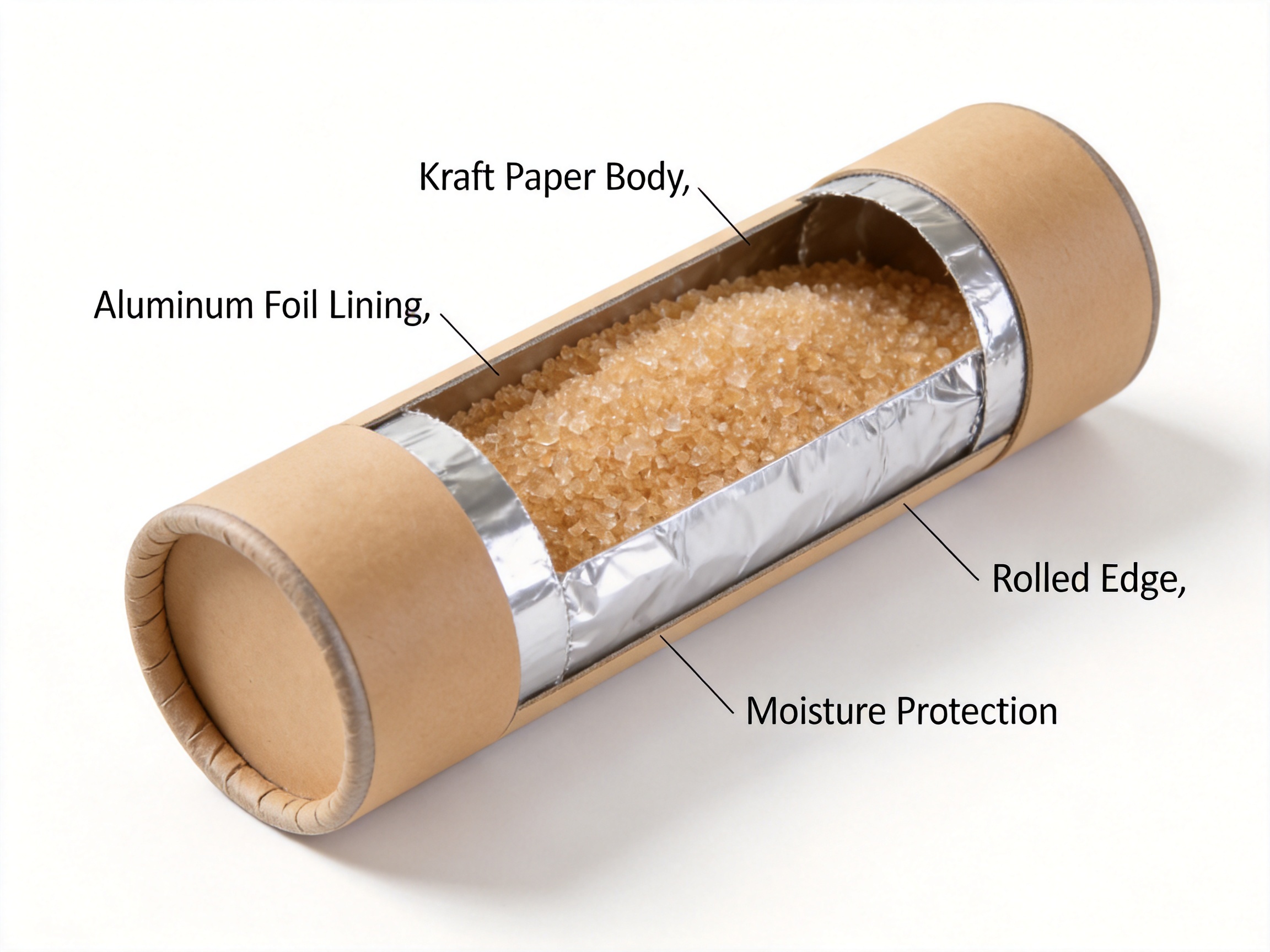
The Cardboard Paper Tube Biodegradable Packaging Sugar product is built around a simple but highly functional concept: a rigid paper-based cylinder that protects dry sugar while providing a premium brand surface. The main material is kraft paper, supported by coated paper options for decorative exterior layers and aluminum foil lining for improved internal protection. This combination makes the tube suitable for dry food packaging where appearance, safety, shelf stability, and sustainability are important purchasing factors.
The product belongs to the Seasonings & Spices category because sugar, flavoring powders, spice blends, baking ingredients, and sweetener products often share similar packaging requirements. They need containers that resist moisture exposure, prevent leakage of fine particles, maintain product cleanliness, and offer convenient storage after purchase. A cardboard tube with rolled edges can satisfy these needs while creating a distinctive shelf image compared with low-cost bags or plain cartons.
The standard size listed for this product is ID 71–73 mm by 170 mm. This size range is practical for retail food products because it offers enough capacity for household use while remaining compact enough for shelves, gift sets, and shipping cartons. However, custom orders are accepted, allowing brands to adjust dimensions, artwork, logo placement, finish, opening style, and other details according to their market requirements.
The construction is described as a three-piece paper tube with rolled edges. This means the package is not merely a rolled paper shell; it is a completed container system with a body and end components designed to work together. Rolled edges improve the structural finish and user feel, reducing roughness while adding a premium touch. They also contribute to the tube’s resistance to deformation during filling, handling, and retail display.
Another important detail is the matt lamination used as post-printing handling. A matt finish is often chosen for premium food packaging because it reduces glare, feels refined, and supports a natural or artisanal brand identity. For sugar products, especially organic sugar, cane sugar, flavored sugar, baking sugar, and premium granulated sweeteners, matt lamination can enhance the impression of quality and care.
Why Paper Tube Packaging Is a Strong Choice for Sugar
Sugar is sensitive to moisture, contamination, odor transfer, and rough handling. While it is a relatively stable dry product, poor packaging can still lead to clumping, leakage, loss of freshness perception, damaged appearance, or consumer dissatisfaction. Traditional packaging formats such as thin paper bags and flexible plastic pouches are common, but they often provide limited structural protection and limited reuse value after opening.
A cardboard paper tube changes the customer experience. It stands upright on a shelf, protects the contents from crushing, and gives the consumer a container that can remain in the kitchen after purchase. A cylindrical canister is easier to place beside tea, coffee, baking ingredients, spices, and countertop accessories. For brands competing in retail environments, the shape alone can create a strong point of difference.
The tube format also supports premiumization. Sugar may be a basic ingredient, but many sugar products are sold as specialty goods: raw cane sugar, organic sugar, brown sugar crystals, coconut sugar, fruit-infused sugar, vanilla sugar, cinnamon sugar, decorative baking sugar, and gourmet sweetener blends. These products benefit from packaging that communicates higher value. A rigid biodegradable paper tube with custom printing offers this positioning more effectively than a generic pouch.
Compared with glass jars, cardboard paper tubes are lighter and less fragile. Compared with metal tins, they offer a warmer natural texture and can incorporate recycled paper materials. Compared with plastic containers, they better answer the growing demand for paper-based packaging and reduced plastic dependence. Compared with folding cartons, they provide a more distinctive shape and better resistance against compression. These competitive advantages make the tube a versatile solution for brands seeking both function and identity.
Key Product Specifications
| Item | Specification | Value for Food Brands |
|---|---|---|
| Industrial Use | Sugar package | Designed for dry food, sweeteners, and seasoning-related products |
| Construction | Three-piece paper tube with rolled edges | Improves rigidity, finish, and premium appearance |
| Paper Type | Coated paper and kraft paper | Combines print quality with natural paper appeal |
| Lining | Aluminum foil lining | Helps protect contents from moisture and external influence |
| Feature | Recycled materials and eco-friendly design | Supports responsible packaging goals and consumer expectations |
| Material | Kraft paper | Provides strength, texture, and a sustainable image |
| Size | ID 71–73 mm by 170 mm | Suitable for compact retail food packaging |
| Printing | CMYK printing | Allows full-color custom branding and product information |
| Post-Printing Handling | Matt lamination | Creates a refined, soft-touch visual effect |
| Shape | Cylinder | Enhances shelf visibility and user convenience |
| Logo | Custom logo accepted | Supports private-label and branded packaging programs |
| Manufacturing Source | Factory direct | Enables stable supply, communication, and cost control |
| MOQ | 5000 pieces | Suitable for commercial production and wholesale orders |
Structural Advantage: Three-Piece Paper Tube with Rolled Edges
The three-piece tube structure is one of the most important reasons this packaging performs well. In food packaging, a tube must be strong enough to keep its shape, smooth enough for consumer handling, and consistent enough for automated or semi-automated filling. A three-piece paper tube provides a reliable format by combining the cylindrical body with top and bottom components in a stable package system.
Rolled edges give the package a finished, professional appearance. A poorly finished paper edge can make a package look cheap or unfinished, even if the artwork is attractive. Rolled edges improve tactile quality, create a smoother rim, and help the container feel more refined in the customer’s hand. For sugar packaging, this matters because the package may be opened and closed repeatedly in the kitchen.
Rigid tubes also resist deformation better than flexible packaging. Sugar pouches may arrive at retail with wrinkles, dents, or uneven shapes. Paper bags can tear or collapse when stacked. A cylindrical tube holds its form, which improves shelf presentation and helps maintain a neat retail display. For e-commerce or export distribution, the additional structural strength can also reduce visible package damage when properly packed in shipping cartons.
The cylinder shape distributes external pressure differently from rectangular cartons. It has no sharp vertical corners that can be easily crushed, and its continuous round wall provides stable compression resistance. This is especially useful when multiple units are packed together in master cartons or displayed in stacked arrangements. Although paper tube packaging is not indestructible, its structure gives it a strong advantage over many lightweight food packaging formats.
Barrier Performance: Aluminum Foil Lining for Dry Food Protection
The inclusion of aluminum foil lining is highly relevant for sugar and seasoning products. Sugar is hygroscopic, meaning it can absorb moisture from the surrounding environment. When moisture enters the package, sugar may clump, harden, or lose its free-flowing quality. Seasonings and spice blends may also lose aroma, absorb odors, or change texture when exposed to humidity. A foil lining helps create an internal barrier that supports product stability.
Aluminum foil lining is widely used in composite food packaging because it offers barrier properties against moisture, light, oxygen, and odor transfer. In a paper tube, it works together with the outer kraft paper structure: the paper provides strength and shape, while the foil layer provides internal protection. This multi-material approach is especially useful for dry foods that require both shelf appeal and protective function.
For sugar packaging, the lining also improves cleanliness. Fine granules can sometimes sift through weak seams or low-quality paper materials. A properly constructed lined tube helps contain the product and reduce leakage. It also provides a smooth internal surface that supports filling and product release. Consumers appreciate packaging that opens cleanly and keeps the contents inside rather than scattering powder or crystals around the kitchen.
Barrier requirements vary by product, region, storage condition, and shelf-life target. Brands should always test the package with their actual sugar product, filling method, closure system, and distribution environment. However, compared with unlined paper containers, the aluminum foil-lined cardboard tube offers a stronger foundation for dry food protection.
Eco-Friendly Positioning and Biodegradable Packaging Value
Packaging sustainability is now a central purchasing consideration for many food brands and consumers. The product is described as using recycled materials and eco-friendly features, with kraft paper as the main material. Paper-based packaging can help brands reduce dependence on rigid plastics and communicate a more natural identity. For sugar, a product often associated with agriculture, baking, and everyday household use, kraft paper packaging creates a strong visual connection with simplicity and authenticity.
Biodegradable packaging is attractive because it speaks to the end-of-life concerns surrounding packaging waste. While actual biodegradability can depend on material composition, local disposal systems, coatings, inks, adhesives, and lining layers, a paper-based tube generally provides a more environmentally recognizable platform than many petroleum-based packages. Brands can further improve sustainability performance by choosing responsible paper sources, minimizing unnecessary plastic components, optimizing package weight, and providing clear disposal guidance to consumers.
Recycled material content also supports circular economy messaging. Consumers increasingly look for packaging that shows visible effort toward reducing waste. A kraft paper tube can be printed with environmental information, certification statements where applicable, recycling instructions, and brand commitments. This helps turn the package into a communication tool, not just a container.
Another environmental advantage is the protective role of the package itself. Sustainable packaging is not only about material choice; it is also about preventing product waste. If sugar becomes contaminated, clumped, or spilled because of inadequate packaging, the environmental cost of wasted product can exceed the benefit of using less packaging material. A well-designed paper tube helps protect the product and may reduce losses during handling and consumer use.
Compared with ordinary plastic jars, this cardboard paper tube can offer a more paper-forward sustainability image. Compared with thin single-use pouches, it has the potential for longer household use after opening. Many consumers keep rigid tubes for storage, reuse, or organization, especially when the design is attractive. This extended use can strengthen brand visibility in the home and improve the consumer’s perception of value.
Branding Advantage: CMYK Printing and Matt Lamination
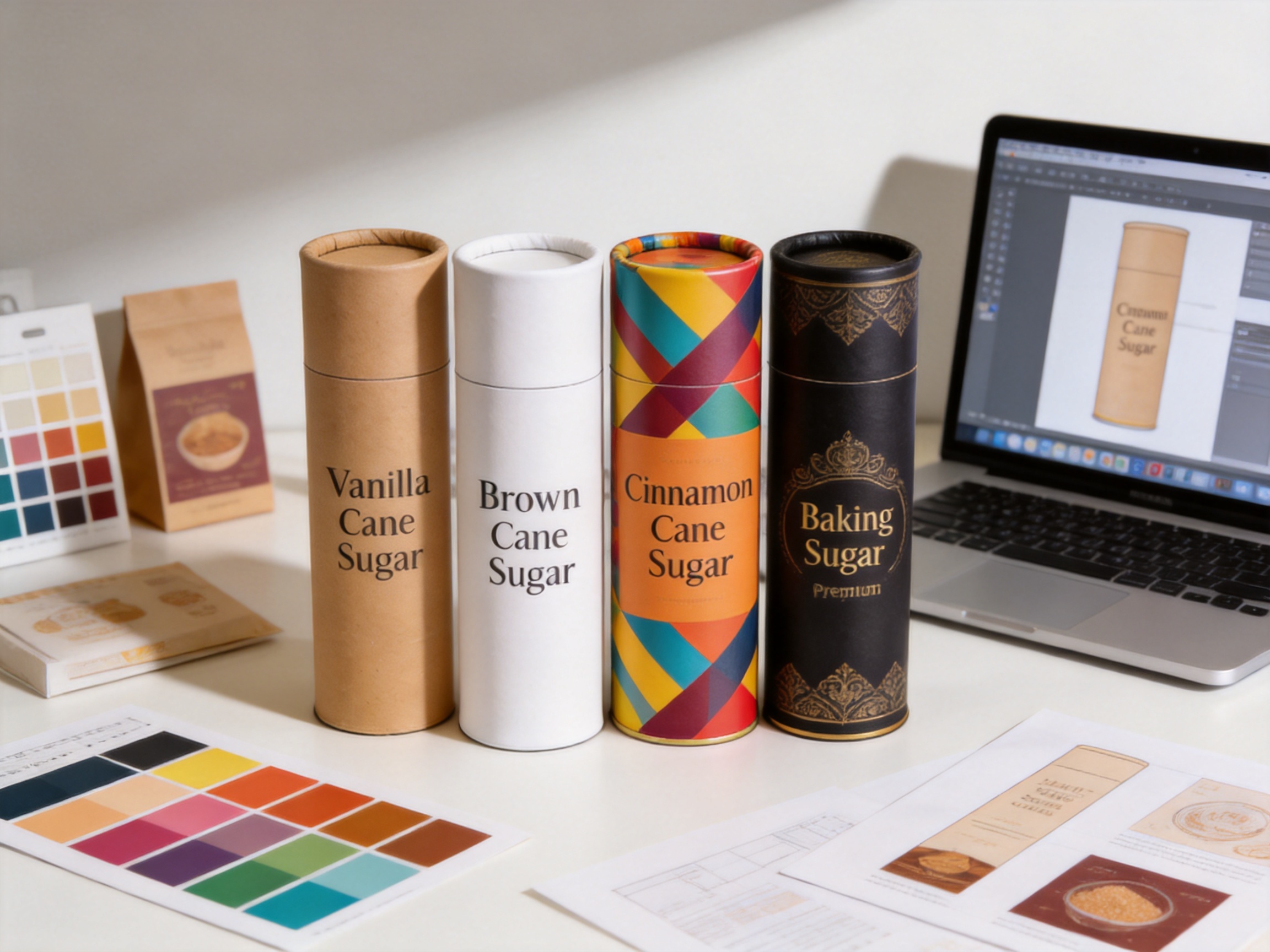
Food packaging must do more than protect the product; it must sell the product. The cylindrical surface of this paper tube is an excellent canvas for branding. With CMYK printing, brands can apply full-color artwork, product photography, illustrations, ingredient information, usage instructions, nutrition facts, barcodes, certifications, and storytelling elements. The tube body offers enough vertical space to create a complete visual identity.
Matt lamination adds another layer of perceived quality. Glossy packaging can look bright and energetic, but matt packaging often feels more sophisticated, natural, and premium. For sugar products, especially organic, artisanal, or gourmet varieties, a matt surface can communicate purity and refinement. It also reduces light reflection on shelves, making text and artwork easier to view under bright retail lighting.
Custom logo printing helps the package align with brand identity. Whether a company sells supermarket sugar, bakery ingredients, festive gift sugar, coffee sweeteners, or specialty spice-sugar blends, the tube can be designed to match its market position. Minimalist kraft designs, vintage baking themes, colorful confectionery graphics, luxury metallic-style artwork, and natural farm-inspired designs can all be adapted to the cylindrical format.
The round tube shape also changes how consumers interact with the package. Instead of seeing only a flat front panel, customers can rotate the container and discover information around the body. This creates opportunities for richer storytelling: one side can highlight product origin, another can present usage ideas, and another can show nutritional or storage details. For premium sugar products, this can increase engagement and support a higher retail price.
Competitive Comparison: Why This Tube Stands Out
Many packaging options are available for sugar, but not all serve the same purpose. Low-cost paper bags are common for bulk sugar, yet they lack premium shelf presence and may be vulnerable to tearing or moisture. Plastic pouches are lightweight and economical, but they may not provide the rigid appearance desired for high-end products. Glass jars look premium but are heavy and fragile. Metal tins are durable but may be more expensive and may not match a natural brand image. Folding cartons provide printability but generally need inner bags and do not offer the same cylindrical appeal.
The biodegradable cardboard paper tube sits in a valuable middle position. It is more premium than a pouch, lighter than glass, warmer and more natural than metal, and more structurally distinctive than a standard box. It provides a strong surface for branding while supporting practical protection through foil lining. For brands looking to differentiate in crowded food categories, this combination is powerful.
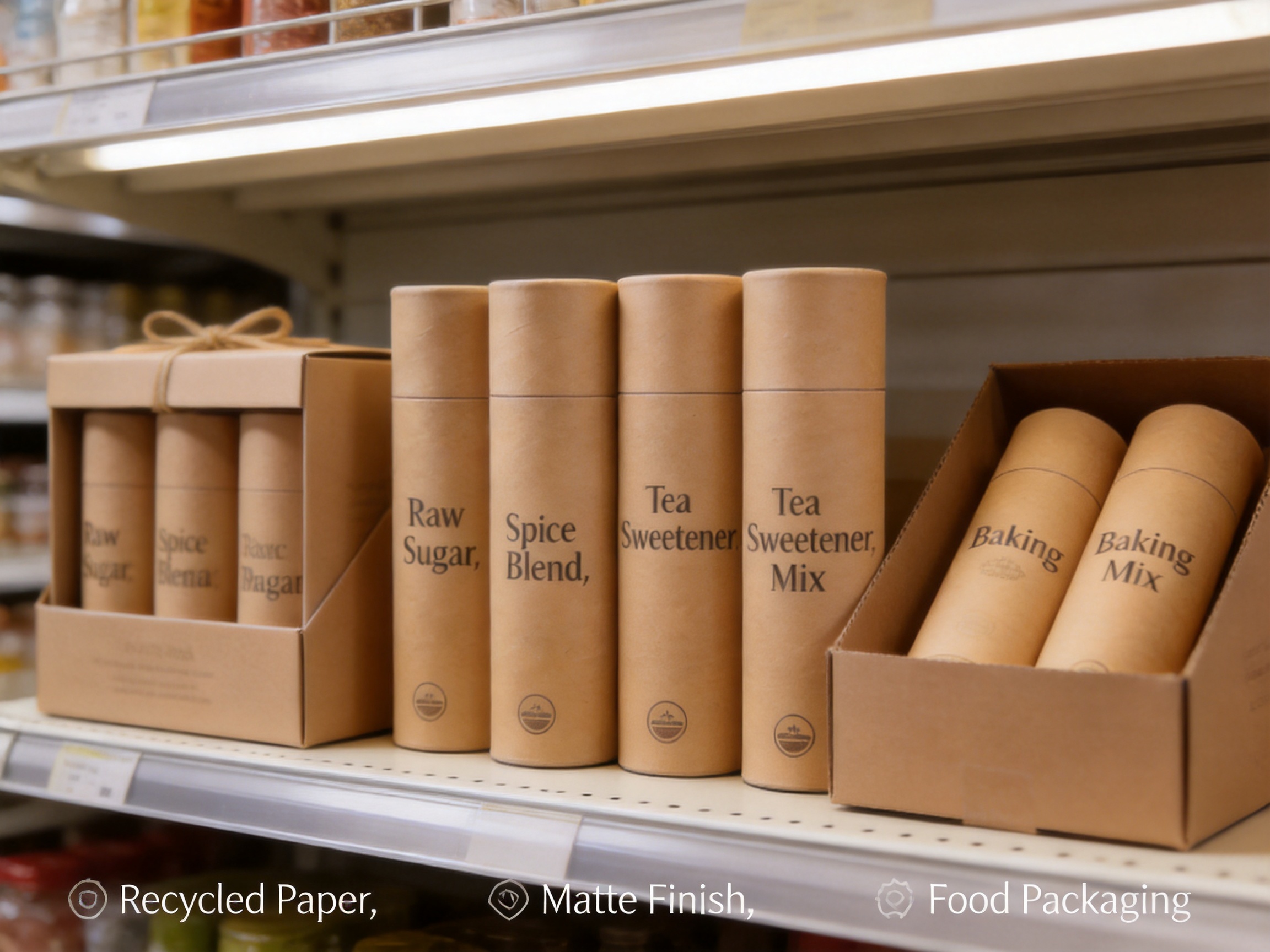
Another advantage is the ability to support gift-oriented and specialty product lines. Sugar products are often used in holiday baking kits, tea and coffee gift sets, dessert ingredient collections, and premium pantry selections. A well-printed paper tube can easily become part of a giftable presentation. Its upright shape and smooth surface also make it suitable for display boxes, multi-pack sets, and seasonal limited editions.
In retail, shelf space is competitive. A cylindrical tube can interrupt the visual monotony of rows of bags and boxes. When customers scan a shelf, shape contrast can attract attention even before they read the label. The tube also provides a stable vertical front, making it easier to display brand identity consistently. This can be especially valuable for new brands entering established categories.
Applications Beyond Sugar
Although the product is designed for sugar packaging, the same structure can serve many related dry food categories. Seasonings and spices are natural extensions because they require protection from moisture and aroma loss. Spice blends, herb salts, barbecue rubs, chili powders, soup seasonings, and dessert spice mixtures can all benefit from rigid paper tube packaging.
Coffee and tea brands may also use similar tube formats for specialty products, especially when foil lining and premium printing are required. Nutrition and supplement powders, confectionery ingredients, snacks, nuts, and baking decorations are other possibilities, depending on product compatibility and required testing. The cylinder shape works well for products that are poured, scooped, or displayed as premium dry goods.
For sugar specifically, possible product types include white granulated sugar, brown sugar, raw cane sugar, cube sugar, sanding sugar, pearl sugar, flavored sugar, cinnamon sugar, vanilla sugar, coffee sugar, cocktail rimming sugar, and decorative baking sugar. The tube can be adjusted with different opening styles or dispensing concepts according to the product’s use case.
This flexibility is important for brands with multiple product lines. A company can use the same tube family across sugar, spices, tea, and gift products while changing size, artwork, and labeling. This creates a coherent brand system and can simplify sourcing. A unified packaging format also improves recognition across retail shelves and online product pages.
Manufacturing Strength: More Than 20 Years of Composite Can Experience
The performance of a paper tube depends heavily on manufacturing expertise. Material selection, paper winding, adhesive control, lining application, edge rolling, printing alignment, lamination quality, dimension control, and inspection all influence the final package. Hangzhou Qunle Packaging Co.,Ltd. has been engaged in the composite can and paper can industry for over 20 years, giving it deep practical understanding of these production details.
Long-term experience is especially important in food packaging because small inconsistencies can affect usability. If the tube body is not round enough, filling may be inefficient. If the rim is uneven, the closure may not fit properly. If printing is misaligned, the brand image suffers. If the lining is poorly applied, the product may not receive adequate protection. Experienced manufacturers develop process controls to reduce these risks.
The company’s background covers food, daily chemical products, fast-moving consumer goods, and other packaging sectors. This broad application experience helps it understand different customer requirements, from strict food safety expectations to premium cosmetic-style presentation. For sugar packaging, this means the manufacturer can balance food-grade concerns with shelf appeal and commercial production efficiency.
Being the only member of the international Composite Can and Tube Institute in China’s packaging container industry, according to the provided company information, also reflects involvement in a specialized field. Composite can and tube packaging is not simply paper converting; it requires knowledge of layered structures, barrier materials, forming technology, and container performance. Such industry engagement supports technical awareness and continuous improvement.
Advanced Production Capability and European High-Speed Line
In 2015, the company introduced a high-speed composite can production line from Europe, strengthening its role in the paper can and composite can industry. Advanced equipment matters because modern packaging buyers require consistent quality, reliable lead times, repeatable dimensions, and scalable output. High-speed production capability can help support large orders while maintaining stable appearance and structure.
For wholesale paper tube packaging, production efficiency influences cost and delivery. A manufacturer with advanced production lines can better manage commercial volumes such as the listed MOQ of 5000 pieces and larger repeat orders. This is important for sugar brands planning retail launches, seasonal promotions, or export distribution. Packaging delays can disrupt filling schedules and market timing, so reliable manufacturing capacity is a practical advantage.
Advanced machinery also contributes to precision. Paper tube production involves winding paper layers under controlled tension, cutting tubes to length, forming edges, adding liners, and assembling components. Variations in tension, glue quantity, cutting angle, or humidity can affect the final result. Modern equipment helps improve consistency across batches, which is essential when packaging must fit filling lines or retail display systems.
Automation and process control also support better visual quality. Printed paper must align correctly around the cylinder. Surface defects, wrinkles, and poor lamination can reduce the premium effect. A factory with refined production processes can deliver tubes that meet brand expectations for color, finish, structure, and cleanliness. This is particularly important for matt-laminated packaging, where surface irregularities may be more visible.
Food Packaging Qualification and Quality Awareness
Food packaging requires special attention to safety, cleanliness, and compliance. The company was the first enterprise in China to pass the QS certificate for producing food packaging containers, according to the supplied company information. This history demonstrates early attention to food packaging standards and production requirements. For buyers sourcing sugar packaging, such experience can help reduce uncertainty during supplier evaluation.
Quality awareness begins before production. The manufacturer must understand the product being packed, the expected filling process, transportation environment, shelf-life requirements, and market regulations. Sugar may appear simple, but a premium package must address moisture, sealing, labeling, structural integrity, and consumer handling. A knowledgeable supplier can advise on material choices and structural options based on the intended use.
During production, quality control may include checks on paper materials, printing color, lamination adhesion, tube dimensions, lining placement, edge finish, and overall appearance. For food-related packaging, cleanliness and odor control are also important. Paper, ink, adhesive, and lining materials must be selected carefully for compatibility with dry food packaging applications.
After production, finished tubes should be packed to prevent deformation, contamination, or moisture exposure before they reach the customer. Since paper-based packaging can be influenced by storage conditions, proper carton packing, palletizing, and warehouse management are important parts of the supply chain. A manufacturer with long experience in export and branded packaging is better positioned to manage these details.
Patented Technologies and Continuous Product Development
The company has obtained more than 10 patented technologies and is committed to developing high-quality packaging products for global markets. Patents in packaging often reflect improvements in structure, forming methods, sealing systems, material combinations, or user experience. For buyers, this signals that the manufacturer is not only copying existing package formats but also investing in research and development.
Continuous product development is valuable because packaging trends change quickly. Food brands now ask for better recyclability, reduced plastic content, improved barrier performance, premium finishes, convenient opening systems, and more efficient shipping designs. A supplier with R&D capability can help adapt the paper tube format to evolving market requirements.
For sugar packaging, future improvements may include more paper-based closure systems, dispensing lids, easy-open seals, tamper-evident features, improved moisture resistance, compostable material combinations, or optimized lightweight structures. Not every feature is necessary for every product, but having a manufacturer capable of exploring options gives brands greater flexibility.
Innovation also helps differentiate products in mature categories. Sugar is a familiar item, so packaging innovation can be a major source of brand distinction. A patented or specially engineered tube design may allow a brand to present itself as more modern, responsible, and consumer-focused.
Factory-Direct Customization for Brand Owners
The product accepts custom orders, including custom logo and printing. Factory-direct supply is a major advantage for brand owners because it reduces communication layers and allows more accurate discussion of specifications. Instead of selecting a generic stock tube, buyers can work with the manufacturer to adjust size, artwork, finish, material combination, and order requirements.
Customization begins with product analysis. The buyer should identify the sugar type, target fill weight, required shelf life, distribution channel, retail price point, and brand image. A premium organic sugar may require a different design from a colorful baking sugar or a cocktail sugar. The tube size, opening design, and graphics should match the consumer’s expected use.
Next, artwork development is important. The cylindrical layout requires proper attention to seam position, readable text, barcode placement, and visual balance. CMYK printing can reproduce a wide range of designs, but colors should be checked through proofing, especially for brand-critical tones. Matt lamination may slightly affect perceived color, so brands should account for finish during design approval.
Factory-direct production also supports repeat consistency. Once a package is approved, the manufacturer can maintain specifications for future orders. This is essential for retail brands that need consistent shelf appearance across batches and locations. Long-term supplier relationships can also support cost optimization and packaging improvement over time.
MOQ and Commercial Production Planning
The listed MOQ is 5000 pieces. This quantity is suitable for commercial packaging projects rather than very small trial runs. For many food brands, 5000 pieces provides a practical starting point for market launch, regional retail distribution, seasonal promotion, or online sales. It allows custom printing and manufacturing setup to be spread across enough units to make the project economically reasonable.
Buyers should plan packaging orders carefully. Lead times may include design confirmation, sample production, proof approval, material preparation, printing, tube forming, quality inspection, packing, and shipping. For seasonal sugar products such as holiday baking sugar or gift sets, packaging should be ordered well before the selling season.
Brands should also consider storage space. Rigid paper tubes occupy more volume than flat pouches before filling, so warehouse planning matters. However, the benefit is that tubes arrive ready for filling and can reduce the need for additional retail display support. Proper storage in dry conditions is important to maintain paper quality.
For repeat orders, demand forecasting can improve cost and efficiency. If a sugar product gains popularity, brands may schedule larger production runs or multiple artwork versions. A manufacturer with scalable production capacity can support growth from initial launch to wider distribution.
Design Strategies for Sugar Tube Packaging
A successful sugar package should be beautiful, clear, and functional. The front-facing area should immediately communicate the product type, brand identity, and key selling points. For example, if the product is organic cane sugar, the design should emphasize natural origin and purity. If it is flavored sugar, the flavor and usage occasion should be obvious. If it is a premium baking ingredient, the design should support a refined kitchen aesthetic.
The side and back areas of the tube can provide more detailed information. Suggested uses may include coffee, tea, baking, cocktails, desserts, oatmeal, fruit toppings, or spice blends. Storage instructions can remind consumers to keep the product in a cool, dry place and close the container after use. Ingredient statements, net weight, nutritional information, and certification marks should be arranged clearly according to the target market’s labeling rules.
Color strategy matters. Natural kraft backgrounds can communicate eco-friendliness and simplicity. White and soft neutral palettes can suggest purity. Dark colors with metallic-style graphics can create a luxury effect. Bright colors can work well for confectionery or flavored sugar. Since the package uses matt lamination, designs can benefit from subtle textures, illustrations, and typography.
The top of the tube should not be ignored. In some retail settings, customers may view packages from above. A printed or labeled top can help identify the product and reinforce branding. For multi-flavor lines, top color coding can improve shelf organization and consumer selection.
Consumer Experience and Kitchen Convenience
Packaging success continues after purchase. Consumers judge a package by how easy it is to open, store, use, and dispose of. A cardboard paper tube provides a more satisfying handling experience than many flexible packages. It stands upright, feels stable, and can be placed neatly in a pantry or on a countertop.
For sugar, controlled access is important. Consumers may scoop sugar with a spoon, pour it into a recipe, or use it for beverages. A rigid tube can support these actions more comfortably than a floppy bag. It also helps prevent the package from collapsing or spilling when partially empty. The smooth cylindrical body is easy to grip, and the rolled edges add a finished touch.
The premium feel of the package can also influence product perception. Studies in packaging psychology often show that consumers associate heavier, sturdier, and better-finished packaging with higher product quality. While the actual sugar inside may be judged by taste and performance, the package shapes expectations. A well-designed tube can make the product feel more giftable, more trustworthy, and more valuable.
After the sugar is used, some consumers may reuse the tube for small kitchen items, craft supplies, tea bags, or pantry organization. This reuse potential extends brand exposure and supports the perception of responsible packaging. Although reuse is not guaranteed, attractive rigid packaging is more likely to be kept than a disposable pouch.
Supply Chain Benefits for Retail and E-Commerce
Retail packaging must survive multiple stages: factory packing, transport to the filling site, filling, case packing, warehousing, distribution, shelf stocking, and consumer handling. A rigid tube offers better form retention than many soft packages. When packed correctly, it can help maintain a clean, consistent appearance through the supply chain.
For e-commerce, appearance after delivery is especially important. Customers who buy premium food products online expect the package to arrive in good condition. While shipping protection still requires appropriate outer cartons and cushioning, a rigid paper tube can provide an extra level of product presentation compared with thin bags. It is less likely to look wrinkled or crushed when properly protected.
The cylindrical shape can also support efficient packing in some configurations. Tubes can be arranged vertically or horizontally in master cartons, depending on size and shipping requirements. Their consistent dimensions help with carton planning. For multi-product sets, tubes can be placed in gift boxes or display trays for a coordinated appearance.
Because the package is lightweight compared with glass, it may reduce shipping burden for premium products that otherwise might use jars. Lower package weight can support logistics efficiency, especially for export and online retail. At the same time, it still provides a stronger premium impression than many lightweight alternatives.
Company Strengths Supporting Global Packaging Buyers
Hangzhou Qunle Packaging Co.,Ltd. has built long-term partnerships with well-known companies and brands in food and consumer goods sectors. Such partnerships indicate the company’s ability to serve demanding customers, manage quality expectations, and maintain commercial reliability. For new buyers, this background can provide confidence during supplier selection.
The company’s business covers food, daily chemical products, fast-moving consumer goods, and more. This diversity is beneficial because packaging knowledge often transfers across categories. For example, cosmetic packaging requires strong visual finishing, food packaging requires safety awareness, and fast-moving consumer goods require production efficiency. Combining these experiences helps the manufacturer produce paper tubes that are both attractive and practical.
As one of China’s experienced cardboard tube packaging manufacturers and paper tube packaging suppliers, the company can offer wholesale paper tubes and custom paper canister solutions for international markets. Its location in Hangzhou, Zhejiang Province, places it within a developed manufacturing and logistics region, supporting export communication and supply chain coordination.
For sugar brands, the main value is not only purchasing a container but securing a packaging partner. A good partner can help solve problems before production, identify risks, recommend improvements, and support long-term product development. With more than two decades in the industry, advanced production equipment, patented technologies, and food packaging experience, the company is positioned to provide this type of support.
How This Packaging Helps Brands Compete
In a crowded market, brands compete through product quality, price, availability, story, and visual identity. Packaging influences all of these factors. The biodegradable cardboard paper tube helps create a premium and responsible image while maintaining practical packaging performance. It allows a sugar product to stand apart from standard bags and boxes without moving into the cost and fragility profile of glass.
For private-label brands, the tube can upgrade shelf perception and support differentiation within supermarket aisles. For specialty food producers, it can communicate craftsmanship and justify a higher price point. For gift product companies, it can create a ready-to-present format. For online sellers, it can improve unboxing appeal. For export brands, it can provide a distinctive packaging format that travels well when correctly packed.
The product’s customizability also allows segmentation. A brand can develop different tube sizes for everyday sugar, premium sugar, refill packs, or gift editions. It can use consistent structural packaging with different artwork for flavors or seasonal themes. This flexibility supports marketing campaigns and product line expansion.
Competitors using ordinary packaging may compete mainly on price. A brand using paper tube packaging can compete on experience, sustainability image, and visual value. This does not mean packaging alone guarantees success, but it gives the product a stronger platform for consumer attention and brand loyalty.
Quality Considerations Before Ordering
Before placing an order, buyers should define technical and commercial requirements clearly. The first step is confirming the product to be packed. Granulated sugar, powdered sugar, brown sugar, and flavored sugar have different flow properties and moisture sensitivities. Powdered products may require stronger leakage control, while brown sugar may need more careful moisture management.
The second step is confirming filling weight and volume. Sugar density varies by type, so the same tube size may hold different net weights depending on granule size and packing behavior. Brands should test actual fill quantity in sample tubes before finalizing dimensions. The listed ID 71–73 mm by 170 mm is a useful reference, but custom sizing may be required for exact retail weights.
The third step is reviewing closure and sealing needs. Aluminum foil lining improves barrier properties, but the total package performance also depends on the top and bottom closure, any inner seal, and how the consumer opens and recloses the container. For products requiring strict moisture protection, testing should include filled-package storage under expected conditions.
The fourth step is artwork proofing. CMYK printing can produce attractive results, but final color depends on paper surface, ink, lamination, and viewing conditions. Brands should request samples or proofs to confirm visual quality. Text size and barcode readability should also be checked on the curved surface.
The fifth step is logistics planning. Since paper tubes are rigid, shipping volume and packing method should be calculated. Buyers should confirm carton quantities, pallet dimensions, and storage recommendations. Proper planning reduces cost surprises and helps protect the finished packaging before filling.
Q&A: Common Questions About Biodegradable Paper Tube Sugar Packaging
What is this cardboard paper tube mainly used for?
It is mainly used for sugar packaging and related dry food products, especially items in the seasonings and spices category. It can also be adapted for flavored sugars, baking ingredients, spice blends, dry powders, and selected specialty food products after compatibility testing.
What materials are used in the package?
The main material is kraft paper, with coated paper options for exterior printing and an aluminum foil lining inside. The structure supports both visual branding and dry food protection.
Why is aluminum foil lining important?
Aluminum foil lining helps protect dry products from moisture, odor transfer, light, and other external influences. For sugar, it can help reduce clumping risk and maintain better product condition during normal storage.
Is the package customizable?
Yes. Custom orders are accepted. Brands can customize logo, artwork, printing, finish, size, and related specifications according to product and market needs.
What printing method is available?
The product supports CMYK printing, which allows full-color artwork and detailed brand communication. Matt lamination is available as a post-printing finish for a premium, refined appearance.
What is the standard size?
The listed size is ID 71–73 mm by 170 mm. However, buyers should test the actual product fill volume and may request custom sizes depending on net weight and packaging goals.
What is the minimum order quantity?
The MOQ is 5000 pieces, making it suitable for commercial packaging programs, wholesale orders, retail launches, and private-label projects.
How does this packaging compare with plastic jars?
Compared with plastic jars, the paper tube provides a more natural, paper-based image and supports eco-friendly positioning. It is also lightweight and highly printable, while still offering a premium rigid container format.
How does it compare with paper bags or flexible pouches?
It offers better shape retention, stronger shelf presence, improved handling, and a more premium consumer experience. Paper bags and pouches may be economical, but they often lack the same structural protection and display value.
Yes. The cylindrical shape, matt finish, and custom printing make it suitable for giftable sugar products, holiday baking sets, tea and coffee sweetener collections, and specialty food assortments.
What company strengths support this product?
Hangzhou Qunle Packaging Co.,Ltd. has more than 20 years of experience in composite cans and paper cans, advanced production equipment, food packaging qualification history, patented technologies, and partnerships with well-known brands. These strengths support stable quality and custom manufacturing.
Should brands test the packaging before full production?
Yes. Brands should test actual sugar or dry food products in the tube, including filling behavior, sealing performance, storage conditions, shipping durability, and consumer usability before full-scale production.
Conclusion: A Premium, Protective, and Responsible Packaging Direction
Cardboard paper tube biodegradable packaging for sugar offers a strong combination of sustainability image, protective structure, premium appearance, and customization potential. Its three-piece rolled-edge construction gives it a refined and durable form. Its kraft paper body communicates natural value. Its aluminum foil lining helps protect dry contents. Its CMYK printing and matt lamination allow brands to create attractive retail-ready packaging that stands out from ordinary bags, pouches, and boxes.
For sugar brands, this package is more than a container. It is a marketing surface, a user experience tool, a sustainability statement, and a practical supply chain component. It can help transform a common product into a distinctive retail item, especially in premium, organic, flavored, gift, and specialty food segments.
The manufacturing strength behind the product further enhances its value. With more than 20 years of paper can and composite can experience, advanced production equipment, patented technologies, food packaging expertise, and factory-direct custom service, Hangzhou Qunle Packaging Co.,Ltd. can support brand owners seeking reliable paper tube packaging at commercial scale. For companies looking to upgrade sugar packaging while aligning with modern consumer expectations, this biodegradable cardboard paper tube is a practical and competitive solution.
References
Robertson, G. L. Food Packaging: Principles and Practice. CRC Press.
Kirwan, M. J. Handbook of Paper and Paperboard Packaging Technology. Wiley-Blackwell.
Coles, R., McDowell, D., and Kirwan, M. J. Food Packaging Technology. Blackwell Publishing.
Marsh, K., and Bugusu, B. Food Packaging—Roles, Materials, and Environmental Issues. Journal of Food Science.
Soroka, W. Fundamentals of Packaging Technology. Institute of Packaging Professionals.
Yam, K. L. The Wiley Encyclopedia of Packaging Technology. Wiley.
