 English
 Español

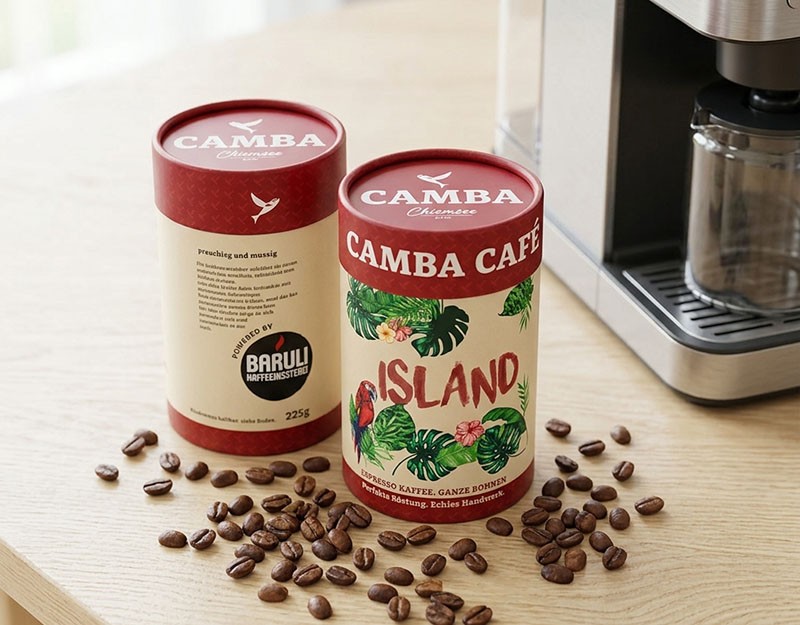
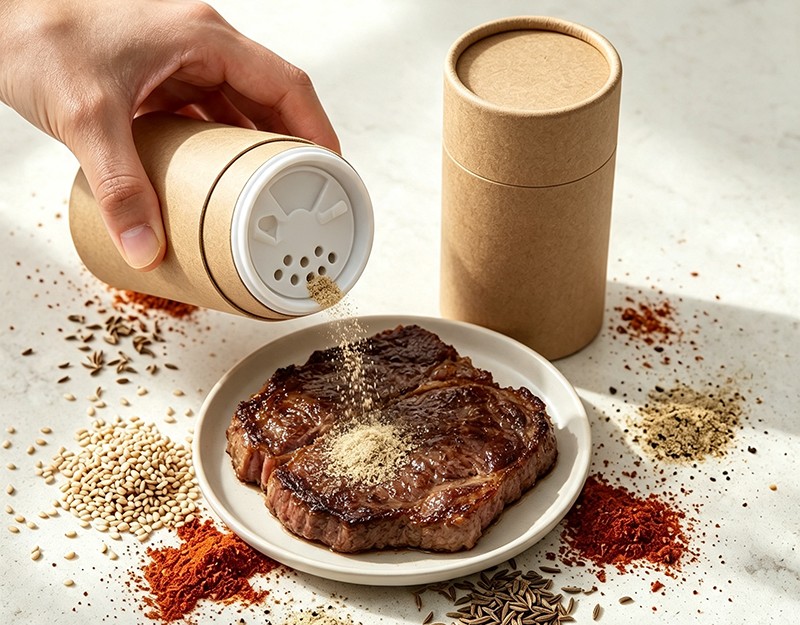
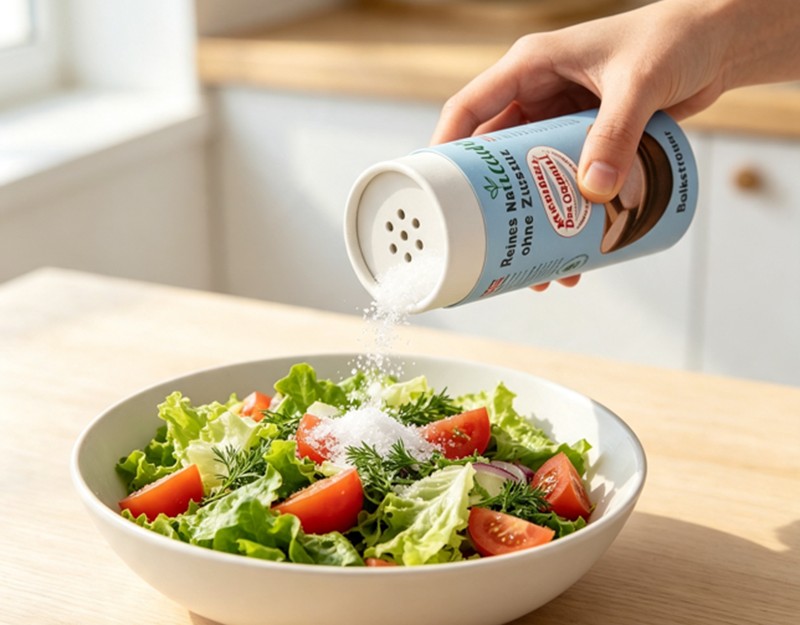
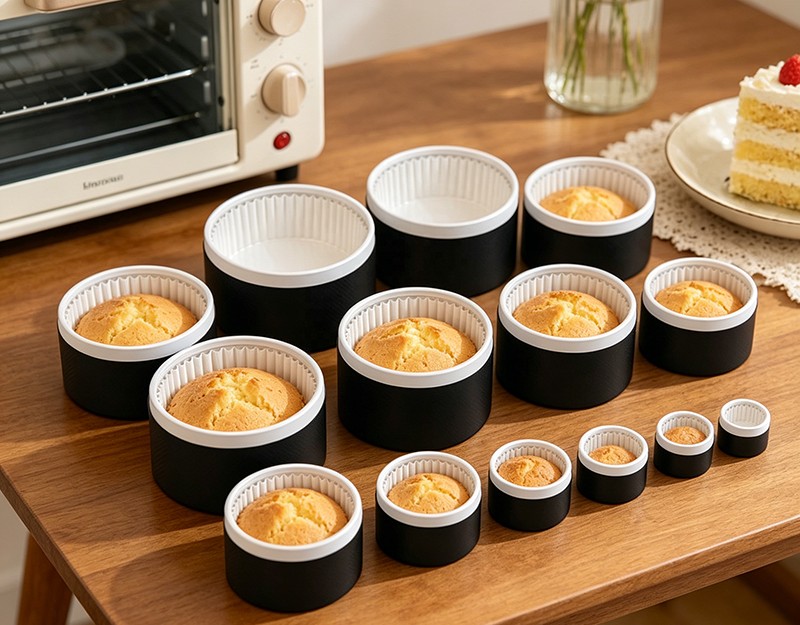
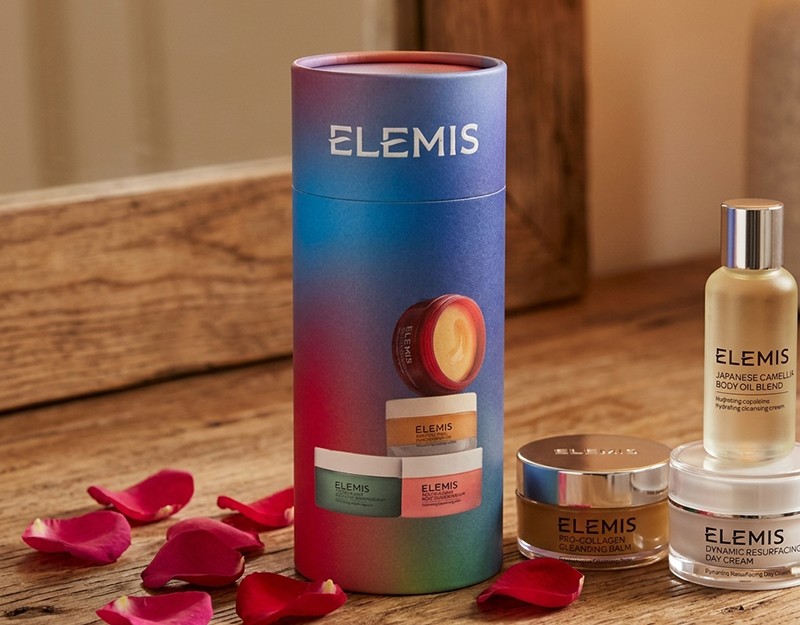
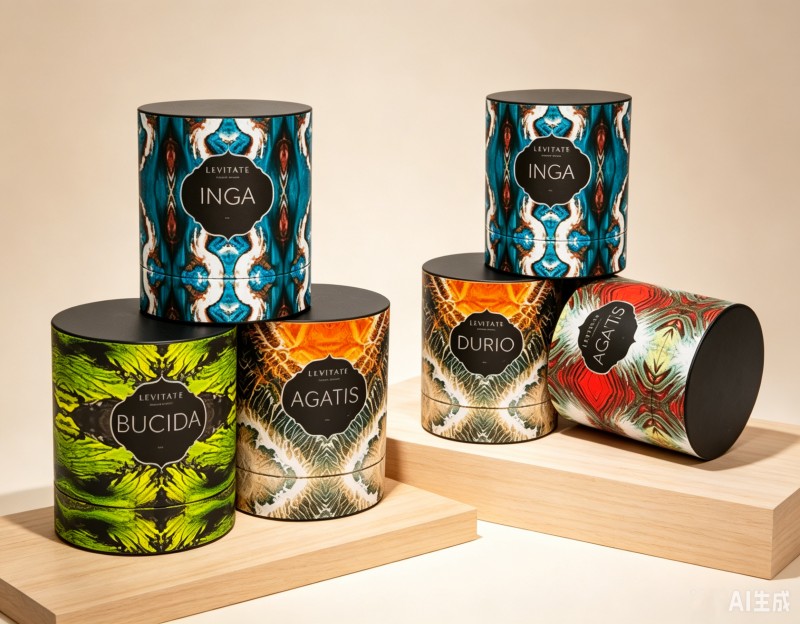
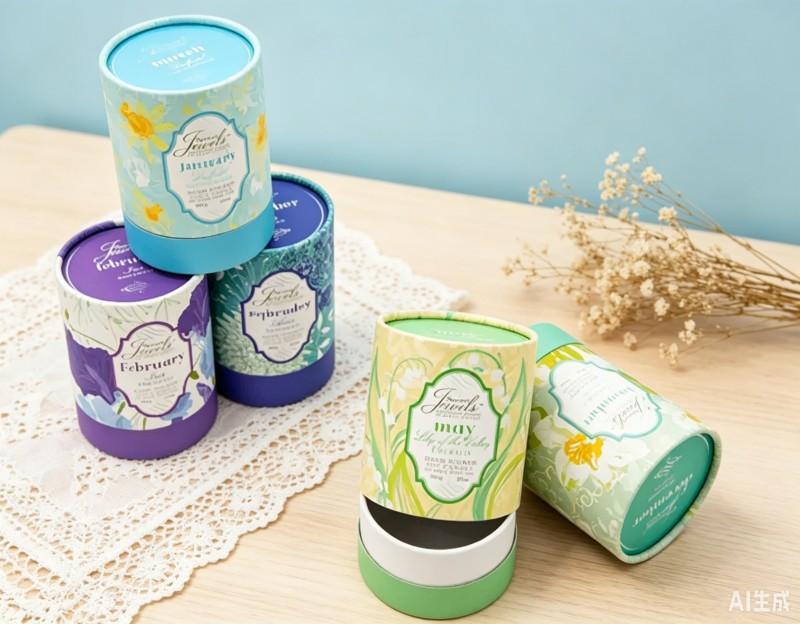
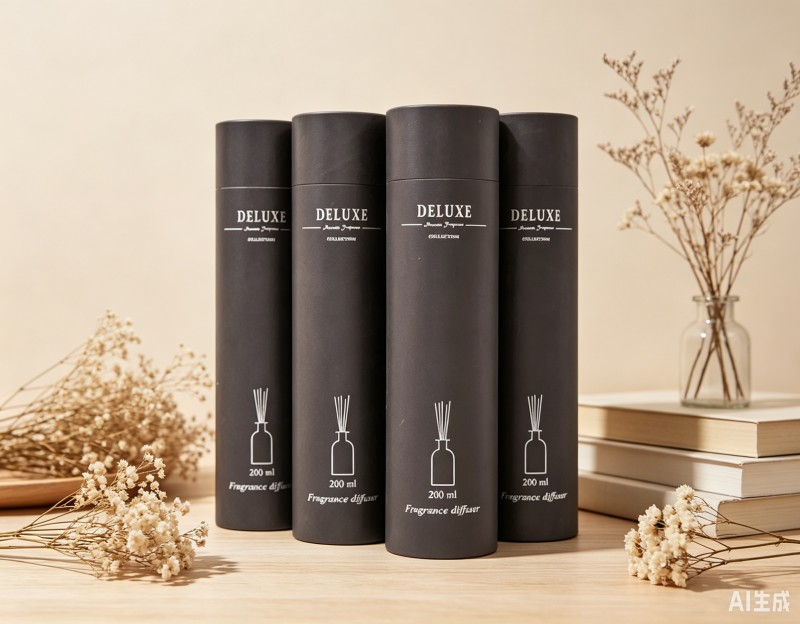
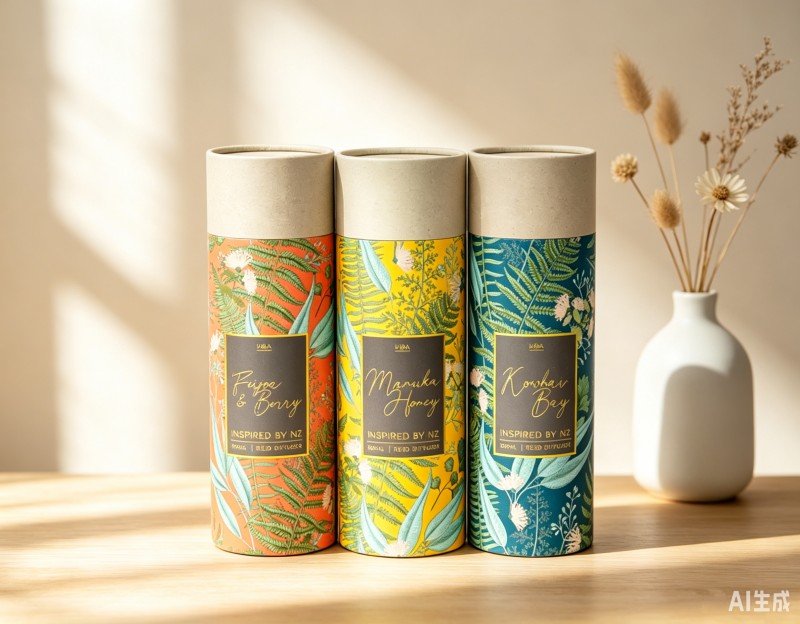
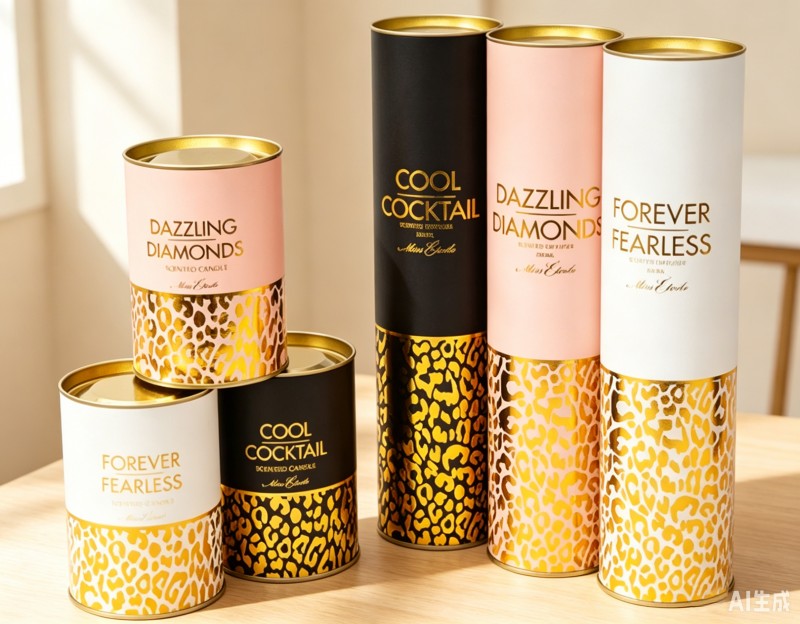
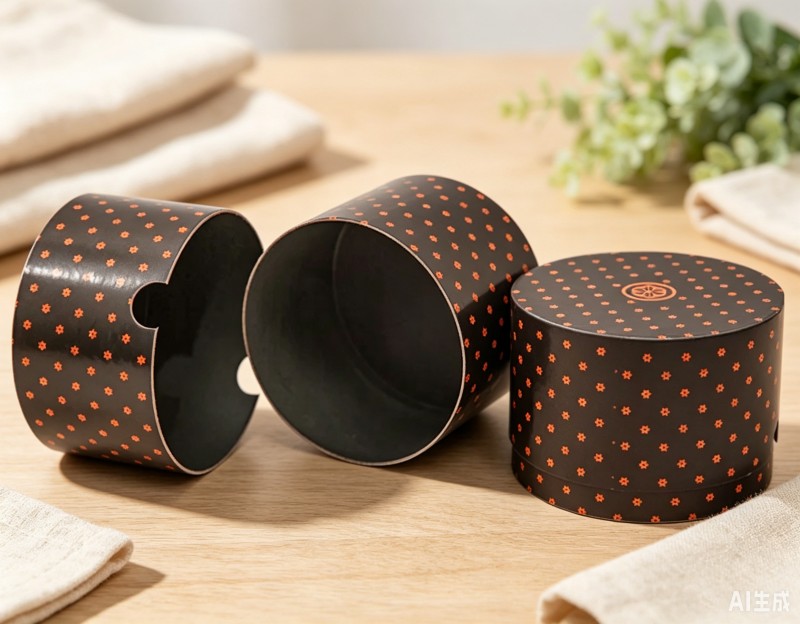


As one of the top China cardboard tube packaging manufacturers and paper tube packaging suppliers, we devote all of our efforts to research and launch more high quality packaging products to global market.
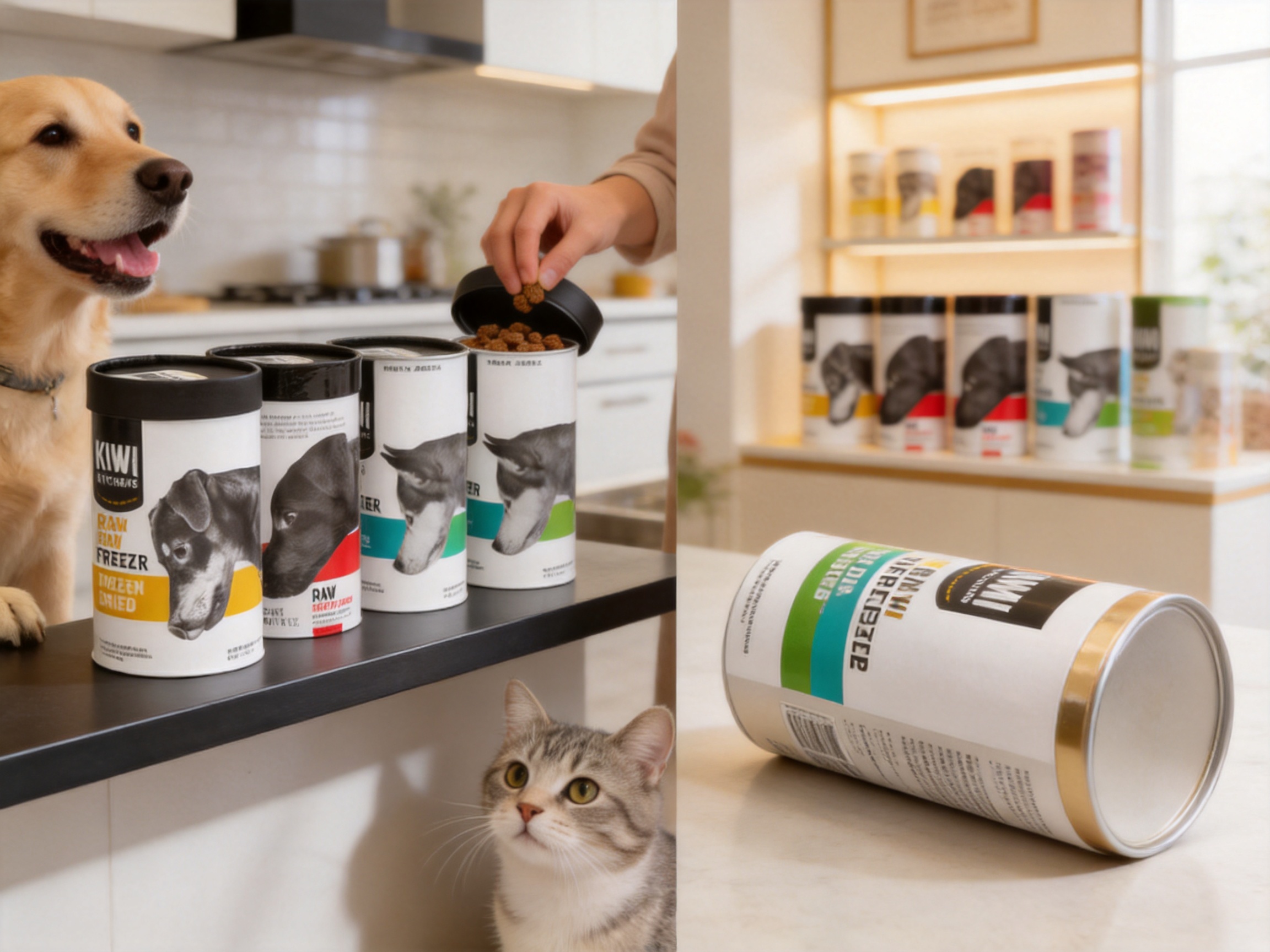
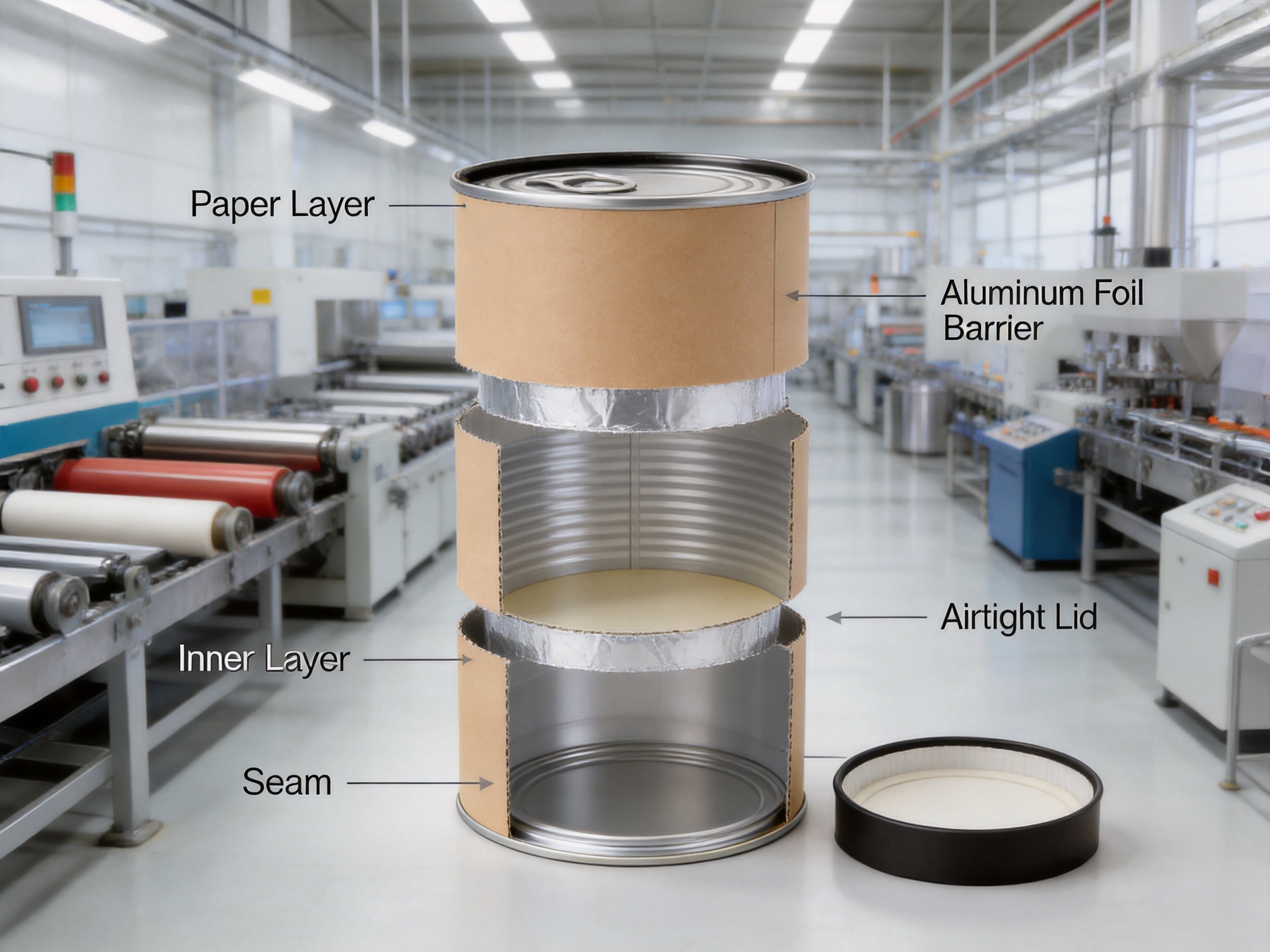
Pet food packaging must do more than hold a product. It must protect nutritional quality, preserve freshness, communicate product information, support convenient handling, and meet the practical expectations of pet owners. As the pet care market continues to develop, brands are looking for packaging that combines reliable protection with a more attractive and responsible material profile. Aseptic airtight paper tube packaging is designed to meet these requirements by combining a rigid paper structure with an aluminum foil barrier layer and carefully controlled sealing processes.
This type of container is suitable for dry pet food, treats, snacks, meal toppers, supplements, and other pet-related products that require protection from moisture, oxygen, light, odors, and external contamination. Its cylindrical shape provides strength and visual distinction, while its customizable surface creates opportunities for brand communication and shelf presentation. Compared with ordinary paper boxes, thin plastic bags, or unprotected paper containers, a properly manufactured composite paper can deliver a more balanced combination of rigidity, barrier performance, usability, and visual appeal.
The product discussed in this article is an aseptic airtight pet food container made from paper and aluminum foil. It is available in customized sizes and colors, supports CMYK and Pantone printing, and can be produced with stamping and varnishing finishes. The packaging is intended for food-related industrial use and can be customized according to the product’s dimensions, filling method, design requirements, and distribution environment.
Content
- 1 Why Pet Food Packaging Requires Advanced Protection
- 2 Construction of the Paper and Aluminum Foil Container
- 3 Airtight and Aseptic Protection
- 4 Advantages Over Conventional Pet Food Packaging
- 5 Manufacturing Strength and Production Experience
- 6 Quality Management and Certification Support
- 7 Advanced Process Flow for Pet Food Containers
- 8 Customization Options for Pet Food Brands
- 9 Applications Beyond Standard Dry Pet Food
- 10 Comparison with Alternative Packaging Formats
- 11 Sustainability Considerations
- 12 Ordering and Development Process
- 13 Technical Points Buyers Should Confirm
- 14 Branding Benefits for Premium Pet Products
- 15 Operational Benefits for Retailers and Consumers
- 16 Risk Management and Performance Validation
- 17 Why Factory Collaboration Matters
- 18 Recommended Product Development Checklist
- 19 Q&A
- 19.1 Q1: What products can be packed in this aseptic airtight paper tube?
- 19.2 Q2: What is the main material structure?
- 19.3 Q3: Is the container truly airtight?
- 19.4 Q4: Does aseptic packaging mean that the pet food is sterile?
- 19.5 Q5: Can the size and color be customized?
- 19.6 Q6: What printing methods are available?
- 19.7 Q7: What is the minimum order quantity?
- 19.8 Q8: How long does production take?
- 19.9 Q9: Are samples available?
- 19.10 Q10: Can the container be used for premium pet food?
- 19.11 Q11: Is the package recyclable?
- 19.12 Q12: What shipping methods are available?
- 19.13 Q13: What information should a buyer provide for a quotation?
- 19.14 Q14: Why is the aluminum foil layer important?
- 19.15 Q15: Can the packaging be used with automated filling equipment?
- 20 Conclusion
- 21 References
- 22 Product: Aseptic Airtight Pet Food Container packing
Why Pet Food Packaging Requires Advanced Protection
Pet food may appear simple to package, but its protection requirements can be demanding. Dry kibble, biscuits, freeze-dried products, functional treats, and nutritional powders can all be affected by air, water vapor, light, temperature changes, and handling during transport. Even when a product is shelf-stable, poor packaging can reduce its sensory quality and shorten its practical shelf life.
Oxygen can contribute to oxidation, especially in products containing animal fats, fish oils, plant oils, vitamins, and other sensitive ingredients. Oxidation may lead to unpleasant odors, flavor changes, and a gradual reduction in product quality. Moisture can soften crunchy foods, cause powders to clump, or encourage the deterioration of certain ingredients. Light may also affect color, flavor, and sensitive nutrients.
Pet owners increasingly inspect packaging before purchase. They want containers that appear clean, strong, safe, and easy to use. Retailers need packaging that can withstand warehouse storage, pallet movement, transportation vibration, and repeated shelf handling. Manufacturers therefore need a container that protects the product while also supporting efficient filling, reliable closure, and consistent presentation.
Aseptic airtight paper tube packaging addresses these needs through a multilayer construction. The paperboard body provides structural strength and a firm shape. The aluminum foil layer contributes a high level of resistance against light, oxygen, and moisture. Additional inner and outer materials, adhesives, coatings, or closure components may be selected according to the product and production requirements. Together, these elements form a composite container designed for protection and practicality.
Construction of the Paper and Aluminum Foil Container
The main material structure of the container is paper plus aluminum foil. This structure is engineered to combine the advantages of paper-based packaging with the high barrier capabilities of foil. Paper offers stiffness, printability, and a familiar natural appearance. Aluminum foil provides an effective barrier against several external factors that can compromise pet food quality.
The paper body creates a rigid cylindrical wall that resists crushing better than many flexible pouches. This rigidity helps the package maintain its shape during transportation and display. It also makes the container easier to stack, arrange, and present on retail shelves. A stable cylindrical format can create a distinctive silhouette compared with conventional flat bags or rectangular cartons.
The aluminum foil layer functions as a protective barrier within the composite structure. It can help reduce the passage of oxygen, water vapor, odors, and light. This is particularly useful for products that contain fats, aromatic ingredients, supplements, or flavors that must be protected from the surrounding environment. The foil is not used alone; it is integrated with the paper structure to create a balanced packaging solution.
The inner surface can be designed to suit the product and filling conditions. Depending on the final specification, the container may incorporate an appropriate food-contact layer, liner, membrane, or sealing component. These details should be confirmed during technical consultation because the required internal structure may vary according to the product formulation, filling temperature, storage conditions, target shelf life, and applicable regulations.
The outer paper surface provides a printable area for product information and visual design. It can display product names, flavor details, feeding guidance, ingredient information, instructions, barcodes, certifications, and marketing graphics. A clean printed surface gives pet food brands more room to communicate than a small label applied to a plain container.
Airtight and Aseptic Protection
The terms airtight and aseptic describe important protection goals, but the final performance depends on the complete packaging system rather than the container body alone. A successful package requires a suitable barrier material, accurate forming, reliable seams, compatible closures, and appropriate filling and sealing procedures.
Airtight performance helps prevent uncontrolled air exchange between the interior and exterior of the container. This can support the preservation of aroma, texture, and freshness. It may also help reduce the risk of external moisture entering the package. For pet food products containing oils or sensitive nutrients, limiting oxygen exposure can be especially valuable.
Aseptic performance refers to the effort to maintain hygienic conditions and protect the packaged product from contamination. The packaging material, manufacturing environment, filling process, and sealing method must all be controlled to achieve the intended result. A container cannot independently guarantee sterility or commercial shelf stability without a complete validated process. For this reason, pet food manufacturers should evaluate the container together with their own filling, sterilization, sanitation, and quality-control procedures.
The composite structure gives brands a strong foundation for designing this type of protective packaging. The material selection can be adapted to the product’s sensitivity and distribution requirements. Where higher barrier performance is needed, the paper and foil structure can be combined with suitable inner layers and closure systems. Where convenience is a priority, the package may be developed with a resealable lid or other opening system, subject to product and tooling requirements.
Reliable sealing is one of the most important factors in airtight packaging. The sealing area must be uniform, clean, and compatible with the selected materials. Production controls should monitor dimensions, adhesive application, seam integrity, and closure fit. Consistency in these areas helps reduce the risk of leakage, delamination, air ingress, or damage during transportation.
Advantages Over Conventional Pet Food Packaging
Improved Structural Protection
A rigid paper tube can offer greater shape retention than a flexible plastic bag. This structure helps protect the contents from compression and makes the package less likely to collapse on a shelf. A stable container can also make dispensing easier because the opening remains accessible and the body does not require constant support.
Compared with a thin pouch, the paper tube provides a more substantial feel in the hands of consumers. This perceived strength can be important for premium pet food, functional treats, and gift-oriented pet products. It also creates a more orderly appearance when several containers are displayed together.
High Barrier Potential
The aluminum foil layer helps protect the contents from light, oxygen, and moisture. Ordinary uncoated paper does not offer sufficient barrier performance for many pet food applications, while a paper-and-foil composite can provide a more suitable protective structure. This can be particularly useful for products with sensitive oils, strong aromas, or moisture-sensitive textures.
Barrier performance can contribute to more consistent product quality throughout the intended distribution period. It does not replace proper formulation, storage, or quality control, but it provides an important layer of defense against the external environment.
Enhanced Shelf Presentation
A cylindrical package presents a broad, continuous surface for graphics. Brands can use this area for colorful illustrations, nutritional messages, flavor identification, feeding instructions, and product claims. The rounded shape can create a premium appearance and help the product stand out among flat bags and standard cartons.
Custom printing in CMYK or Pantone colors enables accurate control over brand identity and product differentiation. Stamping can add emphasis to logos, text, or decorative elements, while varnishing can provide a selected surface effect and additional visual refinement. These finishing options allow the same basic container format to serve everyday, premium, natural, functional, and specialty pet food lines.
Convenient Product Handling
The rigid container is easy to hold, place, and organize. Its shape can support controlled dispensing of treats, dry food, or powders. A suitable lid or closure can help keep unused product protected between servings. The package can also be designed in different heights and diameters so that it fits the intended product volume and consumer use pattern.
For households with multiple pets, a stable container may be easier to store than a flexible bag that must be folded or clipped after opening. The cylindrical format can fit neatly on shelves, in cabinets, or in dedicated pet food storage areas. The final usability depends on the selected opening and closure design, which should be determined during product development.
Customizable Material and Design Options
The container can be customized in size, color, printing, surface treatment, and structural configuration. This flexibility is useful for brands with several product sizes or different product categories. A single packaging platform can potentially be adapted for dry food, treats, biscuits, supplements, and other pet care products.
Custom manufacturing also allows the packaging to be coordinated with existing brand guidelines. Designers may provide artwork in PDF, AI, or PSD formats for prepress review. Production teams can then check dimensions, bleed, color separation, text placement, barcode clarity, and other technical details before printing.
Paper-Based Brand Positioning
Consumers often associate paper-based packaging with a more natural, thoughtful, or responsible product presentation. Paper does not automatically make a package fully recyclable, because composite structures and foil layers require appropriate recycling systems. Nevertheless, the use of a paper-dominant outer structure can help brands reduce dependence on conventional single-material plastic appearances and communicate a packaging story that aligns with sustainability objectives.
The responsible use of this format requires transparent communication. Brands should avoid making broad environmental claims without confirming the actual material composition, local recycling infrastructure, production impacts, and disposal guidance. The container’s recyclable features should be evaluated according to the finished structure and the regulations in the target market.
Manufacturing Strength and Production Experience
The manufacturer behind this packaging solution has been engaged in the composite can and paper can industry for more than 20 years. Long-term experience in this field is valuable because composite containers require coordination between paper processing, material lamination, forming, printing, sealing, finishing, and inspection.
Specialized experience helps a factory understand how different paper grades, foil layers, adhesives, coatings, and closure components behave during production. It also supports more accurate advice during the design stage. Instead of treating the container as a simple printed cylinder, an experienced manufacturer can assess the product’s protection requirements, filling method, dimensions, artwork, and expected distribution conditions as one integrated system.
The company is described as a member of the international Composite Can and Tube Institute. Participation in an industry organization can support access to technical knowledge, professional exchange, and developments in composite packaging. It also reflects a focus on the specific requirements of composite cans and tubes rather than general packaging alone.
The manufacturer has built packaging partnerships with companies in food, beverages, tea, coffee, confectionery, and consumer goods. Experience across these markets can contribute to pet food packaging development because many of the same technical issues apply: odor control, moisture protection, barrier performance, graphic quality, filling compatibility, and shelf stability.
In 2015, the company introduced a high-speed composite can production line from Europe. A modern production line can improve output consistency, forming accuracy, process control, and production efficiency. High-speed equipment is most valuable when supported by trained operators, preventive maintenance, material control, and systematic inspection. Automation alone does not guarantee quality, but advanced equipment provides a stronger foundation for repeatable manufacturing.
The company has also obtained more than 10 patented technologies. Patents do not automatically establish that every product is superior, but they indicate investment in technical development and product innovation. In the context of paper tube packaging, research may cover forming processes, sealing structures, barrier integration, closure design, production efficiency, or other aspects of composite container manufacturing.
The business operates as a factory in Zhejiang, China. Direct factory production can support closer communication between customers and technical teams. It may also simplify the coordination of samples, artwork, specifications, production schedules, inspections, and shipping. For international customers, clear technical documentation and communication remain essential to ensure that the final package meets the intended requirements.
Quality Management and Certification Support
The product information identifies SGS and ISO among the available certifications or quality-related credentials. Such certifications and third-party testing can support customer confidence, but the exact scope and validity should always be confirmed for the specific production facility, material structure, and order. Documentation should be reviewed according to the destination market and the customer’s regulatory requirements.
The manufacturer was also the first enterprise in China to pass the QS certificate for producing food packaging containers, according to the supplied company information. Experience with food packaging compliance is relevant to pet food containers because pet food may require controlled material selection, hygiene management, traceability, and appropriate product-contact documentation.
Quality management should begin with incoming material inspection. Paperboard, aluminum foil, inks, coatings, adhesives, liners, and closure parts should be checked against approved specifications. Important characteristics may include thickness, width, surface quality, moisture content, adhesion, color, and compatibility with the intended production process.
During forming, operators and quality personnel can monitor tube dimensions, roundness, seam alignment, layer bonding, and surface defects. Dimensional consistency is important because containers must work with lids, filling equipment, labels, cartons, and shipping cases. Small variations can create problems during automated filling or closure application.
Printing inspection may include color accuracy, registration, image clarity, barcode readability, text correctness, and surface finish. A printed pet food container often carries legally important information, so artwork approval should be completed before mass production. Changes after printing begins can be costly and may create inventory or compliance risks.
Finished-product testing can include visual inspection, dimensional measurement, compression checks, closure evaluation, seam inspection, and selected barrier or leakage tests. The appropriate test plan depends on the product, container structure, and customer requirements. For airtight applications, the sealing system should be evaluated under conditions that represent actual filling, storage, transport, and use.
Advanced Process Flow for Pet Food Containers
Product and Specification Review
Production begins with a review of the customer’s product and packaging objectives. The factory needs information such as product type, filling weight or volume, density, moisture sensitivity, oil content, aroma intensity, target shelf life, filling equipment, closure preference, storage temperature, and distribution route.
The customer should also provide the desired container diameter, height, opening size, lid style, surface appearance, and printing requirements. If the package is intended for retail sale in different countries, regulatory and labeling requirements should be considered at the beginning rather than after artwork completion.
Structural Engineering and Material Selection
After the requirements are reviewed, the technical team can recommend a paper grade, foil layer, inner layer, adhesive system, and closure structure. The selected materials must work together during forming and sealing. They must also be compatible with the intended pet food product.
Material selection should balance barrier performance, rigidity, appearance, production speed, cost, and end-of-life considerations. A higher barrier structure may be required for products with oils or sensitive nutrients, while a simpler structure may be suitable for less sensitive dry treats. The correct design is therefore application-specific.
Artwork Preparation and Prepress
Customer artwork can be supplied in PDF, AI, or PSD format. Before printing, the design should be checked for correct dimensions, image resolution, color mode, bleed, safe zones, text size, barcode placement, and alignment with the tube seam. Important information should not be placed too close to the seam or closure area.
CMYK printing is suitable for detailed photographic and multicolor artwork, while Pantone colors can help maintain consistency for distinctive brand colors. Stamping may be used for selected decorative or branding elements. Varnishing can alter gloss, texture, and visual contrast, so the finish should be evaluated through a physical sample whenever possible.
Composite Material Processing
The paper and aluminum foil layers are assembled into a composite structure using controlled material handling and bonding processes. The goal is to achieve stable adhesion and consistent layer alignment throughout the web or sheet used for tube production.
Accurate tension control is important during lamination and forming. Excessive tension may distort the material, while insufficient tension can cause wrinkles or alignment problems. Adhesive application must also remain uniform so that the finished tube does not experience weak areas or visible defects.
Tube Forming
The prepared composite material is formed into a cylindrical body. The forming process must maintain the specified diameter, roundness, wall structure, and seam quality. A high-speed composite can production line can support efficient output, but process settings must be adjusted according to the material combination and container dimensions.
The longitudinal seam is a critical area. It must provide sufficient strength and contribute to the intended airtight performance. Operators may check seam appearance, alignment, adhesion, and continuity during production. Proper forming also helps ensure that the lid and base fit correctly.
Printing, Stamping, and Varnishing
Depending on the selected manufacturing route, printing may be completed before or after certain forming operations. The process must preserve image quality while maintaining accurate registration around the curved surface. High-quality printing is especially important for pet food because packaging often functions as the primary point of communication between the brand and the pet owner.
Stamping can create a highlighted visual effect for selected elements such as a product name, logo, nutrition claim, or premium symbol. Varnishing can protect the printed surface and provide a matte, satin, or glossy appearance. These finishes should be selected in relation to handling, scuff resistance, visual positioning, and the desired retail environment.
Sealing and Closure Assembly
The container may be completed with a bottom, lid, membrane, liner, or other closure component. The closure must be compatible with the container diameter and the product’s use requirements. A package intended for frequent opening may need a practical resealable system, while a single-use or smaller package may use a simpler closure.
Sealing parameters must be carefully controlled. Temperature, pressure, dwell time, adhesive compatibility, and surface cleanliness can influence seal quality. Finished containers should be checked for closure fit, sealing continuity, deformation, and evidence of leakage or air ingress.
Inspection, Sampling, and Shipment
Before shipment, finished goods are inspected according to the approved specification. Samples may be retained for reference, and production records can support traceability. The containers are then packed for protection during handling and transportation.
The available shipping options include sea, air, and express delivery. Sea freight is generally suitable for larger orders when cost efficiency is important. Air freight or express shipping may be appropriate for samples, urgent replenishment, or time-sensitive launches. The recommended method depends on order volume, destination, schedule, and budget.
Customization Options for Pet Food Brands
Customization begins with size. The diameter and height can be adjusted according to the product volume, serving format, shelf layout, and consumer handling preferences. Smaller tubes may be suitable for treats, supplements, or trial packs. Larger containers can be developed for dry food, bulk treats, or multi-serving products.
Color customization allows the packaging to match a brand’s identity or distinguish product varieties. Color may also be used to organize a product range by flavor, animal type, life stage, dietary function, or serving size. Consistent color control is important when several containers are produced over time or at different factories.
Printing can include product names, pet illustrations, ingredient highlights, feeding instructions, storage guidance, contact information, batch details, and regulatory marks. The printing area of a cylindrical tube can create a continuous storytelling surface. Designers should consider how the graphics appear when the container is viewed from the front, side, and shelf angle.
Finishing options such as stamping and varnishing can reinforce product positioning. A natural pet food line may use restrained colors and a matte finish, while a premium treat line may use metallic stamping and a high-contrast coating. The same structural packaging format can therefore support different brand personalities.
Design files can be provided in PDF, AI, or PSD formats. Customers should submit editable artwork when possible so that technical adjustments can be made efficiently. A preproduction proof or physical sample is strongly recommended for checking colors, text, proportions, closure fit, and overall appearance before the minimum order is approved.
Applications Beyond Standard Dry Pet Food
The container is suitable for a wide range of pet care applications. Dry kibble is an obvious use because it benefits from rigidity, barrier protection, and controlled dispensing. However, the format can also be considered for biscuits, dental chews, training treats, freeze-dried snacks, powdered supplements, vitamin products, and meal toppers.
For treats, the container can help protect shape and reduce crushing during transportation. For powders, an appropriate internal structure and closure are important to reduce moisture entry and clumping. For products with strong aromas, the barrier system may help limit odor transfer, although actual performance should be tested using the specific formulation.
The container may also be used for seasonal pet gift sets, subscription boxes, promotional packages, and limited-edition product launches. A printed paper tube creates a more substantial presentation than a simple refill pouch and can support premium merchandising. If the package is intended to be reused as a storage container, the closure and internal cleanliness requirements should be assessed carefully.
Because the format is customizable, it may be developed for different animals and product segments, including dogs, cats, small mammals, and other companion animals. The graphics, dimensions, and product information can be adapted to the target consumer and retail channel.
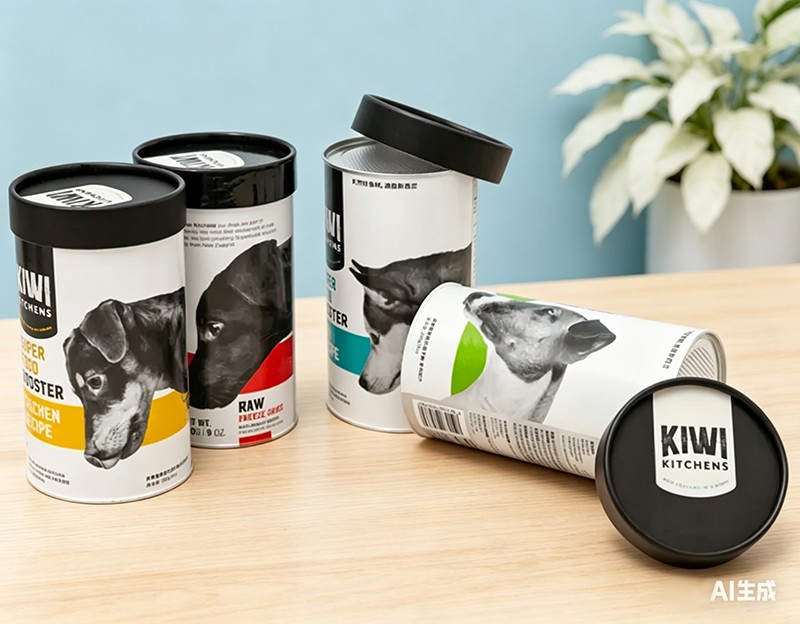
Aseptic Airtight Pet Food Container packing
Comparison with Alternative Packaging Formats
| Packaging Format | Structural Strength | Barrier Potential | Printing Area | Typical Advantages | Important Considerations |
|---|---|---|---|---|---|
| Aseptic paper tube with aluminum foil | High rigidity and shape retention | High potential when properly designed and sealed | Large continuous cylindrical surface | Premium appearance, strong shelf presence, customized protection | Composite structure requires specific recycling evaluation |
| Flexible plastic pouch | Low to moderate | Can be high depending on film structure | Good printable area but flexible presentation | Lightweight and efficient for transport | May collapse after opening and can be less rigid on shelves |
| Plain paper box | Moderate | Usually limited without additional liners | Good printable area | Simple folding structure and familiar appearance | May provide insufficient moisture or oxygen protection |
| Plastic jar | High | Moderate to high depending on resin and closure | Usually relies on labels or direct printing | Durable and widely understood by consumers | Higher plastic content and less paper-based visual positioning |
| Metal can | Very high | Very high when sealed correctly | Often limited by label or coating requirements | Strong protection and long-established format | May be heavier and less flexible for certain product presentations |
No single package is ideal for every pet food product. Flexible pouches may be attractive when minimum weight and transport efficiency are the primary goals. Plastic jars may be preferred for certain high-moisture or refill applications. Metal cans can provide excellent protection for specific products. The aseptic paper tube is most compelling when a brand wants a rigid, printable, premium-looking container with a strong barrier structure and a paper-dominant exterior.
The most appropriate choice depends on the product’s sensitivity, expected shelf life, filling method, distribution conditions, consumer habits, environmental objectives, and target price. A technical comparison should be based on measured performance rather than appearance alone.
Sustainability Considerations
The use of paper in the outer structure can help brands present a more paper-oriented packaging solution. Paper is renewable when sourced responsibly, and it can provide a familiar material identity for consumers. The rigid tube may also be designed to support efficient stacking and organized transportation, which can contribute to practical logistics benefits.
However, the container includes aluminum foil and may include additional layers, coatings, adhesives, liners, or plastic closure parts. These components affect recyclability and disposal. A responsible sustainability assessment must examine the complete finished package, not only the paper content.
Brands should confirm whether local collection and recycling systems accept composite paper-and-foil containers. They should also review applicable packaging regulations and labeling requirements in each target market. If recycling instructions are provided, they should be accurate and based on local infrastructure.
Material efficiency is another important consideration. The container should be sized appropriately for the product rather than excessively oversized. Optimizing wall thickness, closure weight, printing coverage, and shipping configuration can help reduce unnecessary material use while preserving required performance.
Manufacturers and customers can work together to evaluate alternative structures, responsibly sourced paper, water-based or lower-impact coatings where suitable, and optimized production methods. Any environmental claim should be supported by technical documentation, testing, or a recognized assessment method.
Ordering and Development Process
The supplied product information lists a minimum order quantity of 2,000 pieces. This quantity can be suitable for a product launch, regional distribution program, seasonal campaign, or initial market test. The final minimum may vary depending on size, printing method, finishing, tooling, material structure, and production schedule.
The development process normally begins with a product brief. The customer should provide the product type, target capacity, dimensions, barrier expectations, artwork, closure preference, estimated annual volume, destination market, and delivery requirements. Clear information at this stage helps the factory prepare a more accurate proposal.
Sampling is available. A sample allows the customer to assess the physical size, rigidity, opening experience, surface appearance, print quality, and closure fit. For sensitive pet food, the customer may also use samples for filling trials, transport simulation, odor evaluation, and compatibility testing.
The listed lead time is approximately 25 to 35 working days. The actual schedule can depend on artwork approval, material availability, sample confirmation, production capacity, finishing complexity, order quantity, and inspection requirements. Customers should approve all technical details before the production schedule begins.
Shipping is available by sea, air, or express service. For commercial quantities, sea transportation may offer the best balance of cost and capacity. Air and express services can reduce transit time for samples or urgent orders. Export packing should protect the containers from crushing, moisture, contamination, and movement during transit.
Communication is especially important for custom packaging. The customer and factory should confirm the approved drawing, material structure, dimensions, color references, printing artwork, closure design, quantity tolerance, packing method, inspection standard, and delivery terms. Written approval helps reduce misunderstandings and supports consistent repeat orders.
Technical Points Buyers Should Confirm
Buyers should first confirm the exact internal material structure. The phrase paper plus aluminum foil describes the main construction, but the final package may also include an inner food-contact layer, adhesive, liner, membrane, or plastic component. These details can affect barrier properties, sealing, recycling, and regulatory compliance.
The required airtight performance should also be defined. Buyers may request specific leakage, vacuum, pressure, oxygen transmission, or water vapor transmission tests, depending on the product. Testing conditions should represent actual use and storage. A general statement of airtightness is less useful than a clearly defined performance specification.
Food-contact and pet food-contact documentation should be reviewed for the destination market. Customers may need declarations, test reports, migration information, material specifications, or certificates. The appropriate documentation depends on local law and whether the package directly contacts the product.
Artwork should be checked carefully before printing. Common problems include incorrect ingredient statements, missing units, unreadable small text, low-resolution images, incorrect barcodes, color differences, and graphics positioned across the seam. A signed proof or approved preproduction sample can help prevent costly errors.
Closure performance should be tested after repeated opening and closing if the container is intended for multi-use storage. The lid should remain secure during transport but should not be unnecessarily difficult for the intended user to remove. For households with children or multiple pets, the opening design may require additional safety consideration.
Customers should also confirm carton packing and pallet configuration. Efficient packing can reduce damage and improve freight utilization. The dimensions of shipping cartons should be compatible with warehouse shelving, retail handling, and expected transportation conditions.
Branding Benefits for Premium Pet Products
Premium pet food buyers often look for evidence of quality before they read every product detail. A rigid, well-printed container can create a strong first impression. The tactile weight, smooth surface, precise graphics, and stable form can help position the product above basic commodity packaging.
The cylindrical shape offers a 360-degree branding opportunity. One section can introduce the product and animal illustration, another can present nutritional benefits, and another can provide feeding and storage instructions. This broad surface can support a more complete communication strategy without relying on a small front label.
Packaging can also help differentiate product families. For example, color coding may distinguish puppy and adult formulas, cat and dog products, or functional benefits such as digestion, skin and coat, dental care, and joint support. Consistent structural design combined with varied artwork can make a product line recognizable across retail channels.
Stamping and varnishing provide additional opportunities for premium presentation. A subtle finish can emphasize a natural or minimalist design, while selected metallic effects may support a luxury or gift-oriented product. These features should be used purposefully so that the package remains clear, legible, and consistent with the product’s positioning.
Operational Benefits for Retailers and Consumers
Retailers benefit from packaging that remains upright and visually organized. A rigid tube can be arranged in rows or grouped by product variety. Its stable shape may reduce shelf disorder compared with flexible bags that slump or fall over after partial use.
Consumers may appreciate the container’s easy handling and storage. The package can be carried with one hand, placed in a cupboard, and used for controlled dispensing. If a resealable closure is included, it can help maintain freshness after opening. The actual level of convenience depends on the opening diameter, lid design, product flow characteristics, and container size.
For online retail, the package can also support a more recognizable unboxing experience. A well-designed tube may resist moderate compression better than a flexible pouch, although outer shipping cartons and protective packing are still necessary. Product photographs can clearly show the cylindrical graphics and help customers distinguish different varieties.
For promotional campaigns, the container can serve as more than a disposable package. Some consumers may reuse a clean tube for toys, accessories, or household organization. Reuse should not be promoted for food contact unless the finished package and cleaning conditions are appropriate, but secondary use can extend the practical life of the container.
Risk Management and Performance Validation
Protective packaging should be validated through testing rather than assumed from its appearance. Pet food manufacturers can conduct accelerated storage studies, real-time shelf-life evaluations, transportation simulations, drop tests, compression tests, and closure cycling tests. These evaluations help identify whether the container performs effectively with the actual product.
Product compatibility is essential. Oils, acids, flavors, powders, and supplements may interact differently with internal layers or sealing materials. A package that works well for dry biscuits may not be suitable for a high-oil supplement without additional testing. The manufacturer should receive accurate product information so that the material recommendation is technically appropriate.
Environmental exposure should also be considered. Containers transported through humid regions, cold storage, hot warehouses, or long-distance supply chains may experience conditions that affect paper, adhesive bonds, printing, and closures. Packaging trials should reflect the most demanding expected conditions.
Potential failure modes include seam separation, foil damage, moisture ingress, odor loss, lid loosening, print scuffing, crushed bodies, and incorrect dimensions. Preventive controls should address these risks during design and production. An experienced composite packaging manufacturer can help identify likely issues before mass production.
Traceability is another important part of quality assurance. Raw material batches, production dates, machine settings, inspection results, and shipment records should be documented according to the factory’s quality system. Traceability makes it easier to investigate complaints and maintain consistency across repeat orders.
Why Factory Collaboration Matters
Custom packaging is most successful when the buyer and manufacturer collaborate early. A factory with direct control of material preparation, forming, printing, and finishing can provide feedback that may not be available from a trading intermediary. This can help identify design limitations, reduce unnecessary revisions, and improve production efficiency.
Direct communication also supports more accurate cost planning. The final price may be influenced by material grade, foil thickness, dimensions, printing colors, finishing, closure type, tooling, order quantity, packing, and delivery method. Discussing these variables together makes it easier to balance performance and budget.
Manufacturing experience is particularly useful when a brand is moving from a prototype to a commercial order. A sample may look attractive but still require adjustments for high-speed production. The factory can assess whether the design is suitable for stable forming, efficient printing, reliable sealing, and repeatable quality at the required quantity.
For international customers, the factory can also support export-oriented documentation and shipping coordination. Clear specifications, sample approval, inspection standards, and delivery planning help create a smoother purchasing process.
Recommended Product Development Checklist
Before requesting a quotation, the buyer should define the product category and physical characteristics. This includes whether the product is kibble, a treat, powder, supplement, freeze-dried food, or another pet care item. The buyer should indicate moisture sensitivity, oil content, aroma intensity, target fill weight, and expected shelf life.
The buyer should provide the preferred container dimensions or target capacity. If dimensions are not yet available, the manufacturer can often recommend a format based on product volume and filling requirements. The desired opening, lid, membrane, and resealing function should also be discussed.
Artwork should be prepared in a suitable format, such as PDF, AI, or PSD. The customer should confirm all text, symbols, nutritional statements, barcodes, colors, and legal information. A physical proof is recommended where accurate color or complex finishing is important.
The customer should specify the destination market and request the relevant material and compliance documentation. Requirements may differ by country or region. The buyer should also confirm whether the package will directly contact the pet food and whether any special declarations are required.
Finally, the order should include an agreed quantity, tolerance, lead time, shipping method, packing specification, inspection procedure, and payment schedule. These details create a clear production baseline and reduce the possibility of disagreement later.
Q&A
Q1: What products can be packed in this aseptic airtight paper tube?
The container is intended for pet care applications and may be suitable for dry pet food, treats, biscuits, freeze-dried snacks, nutritional powders, supplements, and meal toppers. Suitability depends on the product’s moisture, oil, aroma, acidity, filling temperature, and storage requirements. The final material structure should be confirmed through technical evaluation and compatibility testing.
Q2: What is the main material structure?
The listed structure is paper plus aluminum foil. The paper provides rigidity and printability, while the aluminum foil contributes barrier protection against light, oxygen, and moisture. Additional inner layers, adhesives, liners, membranes, or closure components may be required depending on the product and sealing system.
Q3: Is the container truly airtight?
The design is intended to provide airtight protection, but performance depends on the complete package, including the body seam, top and bottom seals, lid, liner, and filling process. Buyers should define the required airtight specification and request appropriate leakage or barrier testing for the finished package.
Q4: Does aseptic packaging mean that the pet food is sterile?
No. Aseptic packaging performance depends on the complete manufacturing and filling process. The container can support hygienic and protective packaging objectives, but the pet food producer must control product preparation, sanitation, filling, sealing, and validation procedures. The final system should be assessed according to the product and applicable regulations.
Q5: Can the size and color be customized?
Yes. The product information identifies both size and color as customizable. The diameter, height, capacity, artwork, and color scheme can be developed according to the product and brand requirements. Technical limitations may apply depending on the selected structure, tooling, printing process, and order quantity.
Q6: What printing methods are available?
The listed printing options include CMYK and Pantone colors. The packaging can also use stamping and varnishing for selected decorative and protective effects. Customers should submit artwork in PDF, AI, or PSD format and approve a proof before mass production.
Q7: What is the minimum order quantity?
The stated minimum order quantity is 2,000 pieces. The applicable quantity may vary according to the container size, printing requirements, finishing, tooling, and material structure. Buyers should confirm the final minimum when requesting a quotation.
Q8: How long does production take?
The listed lead time is approximately 25 to 35 working days. The schedule may change according to sample approval, artwork confirmation, material availability, production capacity, finishing complexity, quantity, and inspection requirements.
Q9: Are samples available?
Yes. Samples are available. A sample can be used to review dimensions, rigidity, appearance, color, closure fit, opening performance, and filling compatibility before the final order is manufactured.
Yes. The rigid cylindrical shape, printable surface, customizable colors, stamping, and varnishing can support premium product positioning. The final design should remain clear and functional, with product information presented in a readable and compliant manner.
Q11: Is the package recyclable?
The product is described as recyclable, but the actual recycling route depends on the complete paper-and-aluminum composite structure, closure components, local collection systems, and regional regulations. Brands should obtain specific documentation and provide disposal guidance based on the target market rather than making unsupported universal claims.
Q12: What shipping methods are available?
Sea, air, and express shipping are listed as available options. Sea freight is generally suitable for larger commercial orders, while air or express delivery may be useful for samples or urgent shipments. The best method depends on order volume, destination, budget, and required arrival date.
Q13: What information should a buyer provide for a quotation?
The buyer should provide the product type, target capacity, dimensions, material requirements, barrier expectations, closure preference, artwork, printing colors, finishing requirements, order quantity, destination, and desired delivery schedule. Product information such as moisture sensitivity, oil content, and shelf-life objectives is also useful for selecting the correct structure.
Q14: Why is the aluminum foil layer important?
Aluminum foil can provide strong resistance to light, oxygen, moisture, and odor transfer. This helps protect sensitive pet food products from environmental exposure. Its effectiveness depends on the full composite structure, seam quality, sealing method, and product-specific testing.
Q15: Can the packaging be used with automated filling equipment?
It may be compatible with automated filling and closure systems when the dimensions, opening, rigidity, and tolerance are designed for the equipment. The buyer should provide information about the filling line and conduct equipment trials with approved samples before mass production.
Conclusion
Aseptic airtight paper tube packaging offers pet food brands a practical combination of rigidity, barrier protection, visual impact, and customization. Its paper-and-aluminum foil structure is designed to help protect products from light, oxygen, moisture, and external handling while providing a stable cylindrical format for storage and display.
Compared with ordinary paper boxes, flexible bags, and less-protective containers, the composite tube can provide stronger shape retention, a more premium presentation, and a larger continuous surface for branding. CMYK and Pantone printing, stamping, varnishing, customized dimensions, and flexible design support make it suitable for a wide range of pet care products and market positions.
The manufacturer’s more than 20 years of composite can and paper can experience, specialized production capabilities, European high-speed composite can equipment, industry participation, patented technologies, and quality-related certifications provide a strong foundation for custom packaging development. Its factory-based production model also supports direct technical communication, sampling, production coordination, and international shipping.
For the best result, buyers should evaluate the container as part of a complete packaging system. Product compatibility, barrier requirements, closure performance, filling conditions, artwork accuracy, compliance documents, recycling expectations, and transportation conditions should all be confirmed before production. With appropriate design and validation, the aseptic airtight paper tube can help pet food brands protect product quality while creating a distinctive and professional package for the retail market.
References
Composite Can and Tube Institute. Technical principles of composite can and tube packaging.
International Organization for Standardization. Quality management systems and manufacturing process control principles.
SGS. General guidance on packaging material testing, barrier evaluation, and product-contact documentation.
Food packaging engineering literature. Barrier properties of paper, aluminum foil, polymer films, adhesives, and composite structures.
Pet food packaging research. Effects of oxygen, moisture, light, and temperature on dry pet food quality.
Packaging design and development manuals. Principles of artwork preparation, color management, printing registration, sealing, and package validation.
