English
 Español

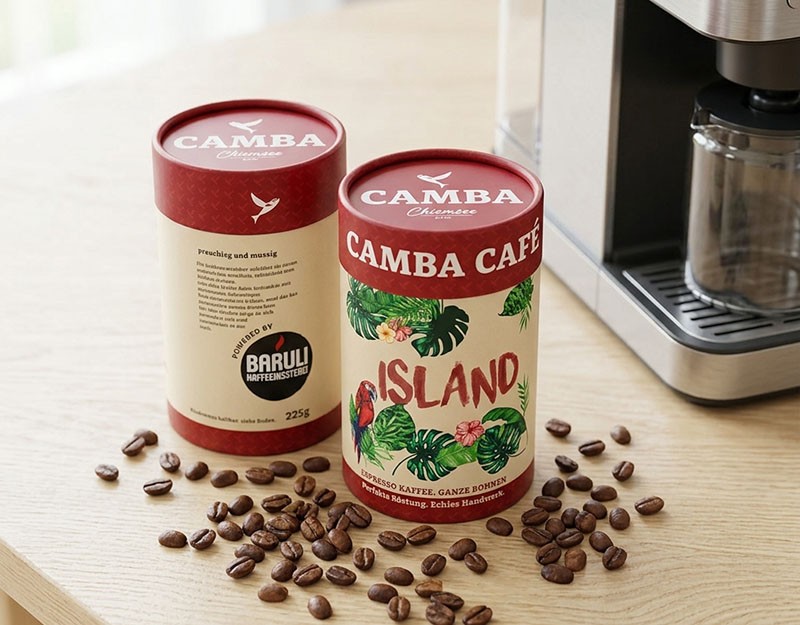
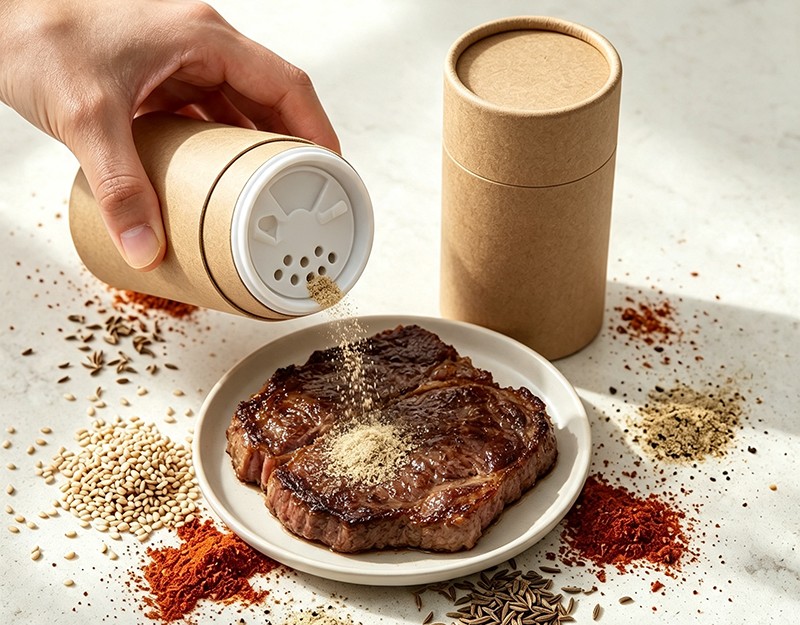
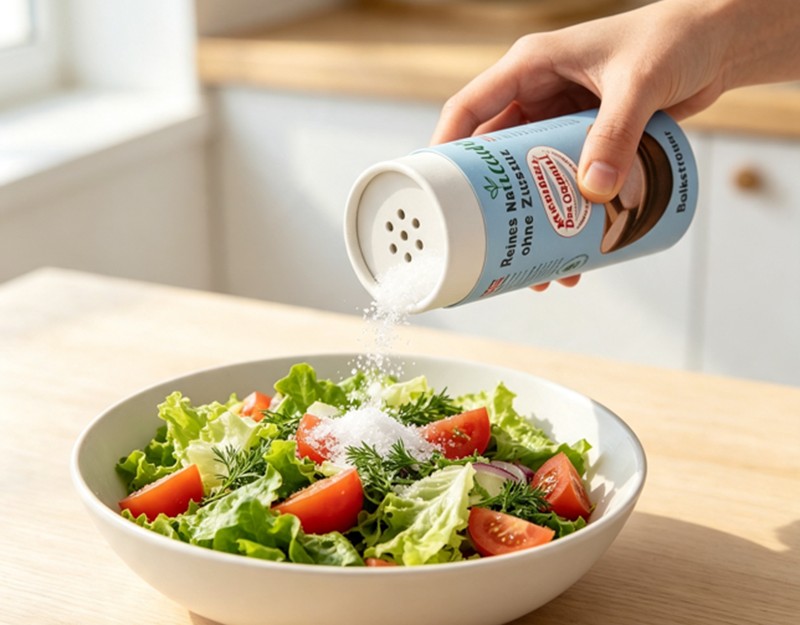
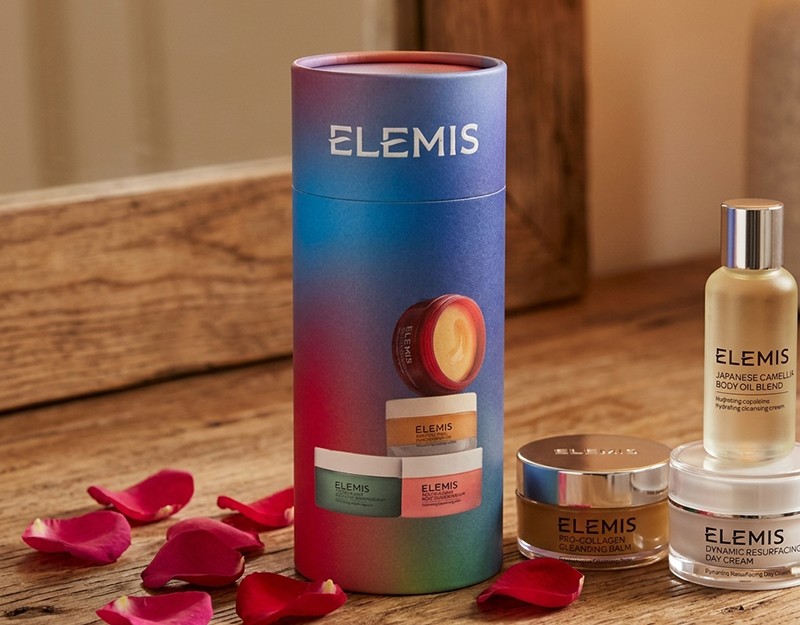
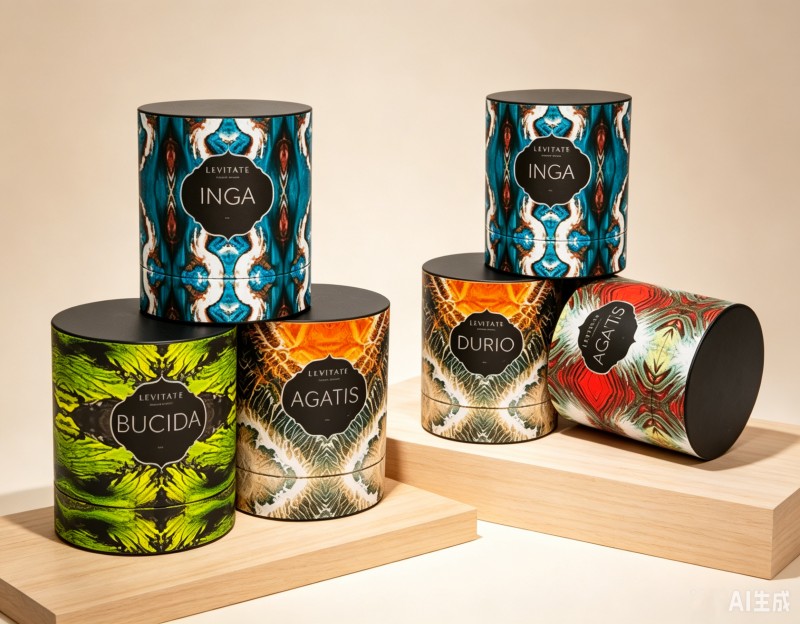
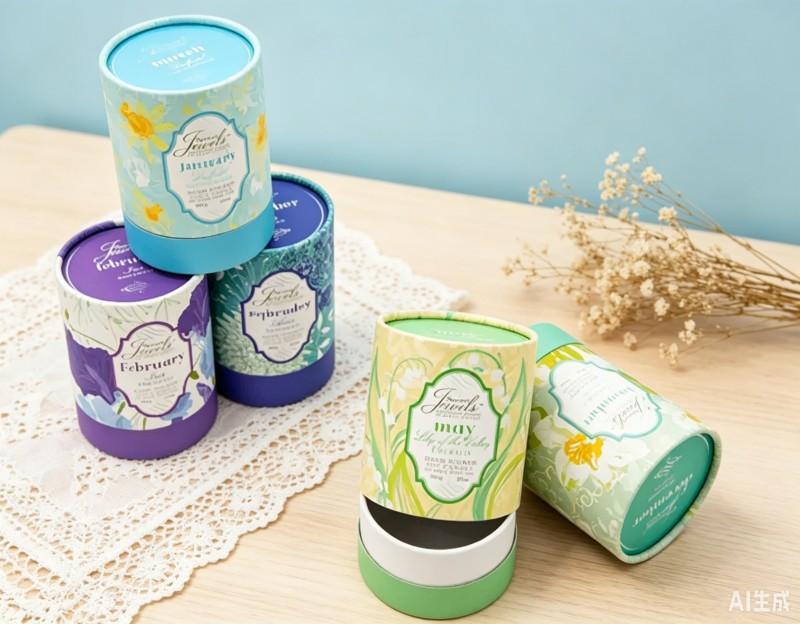
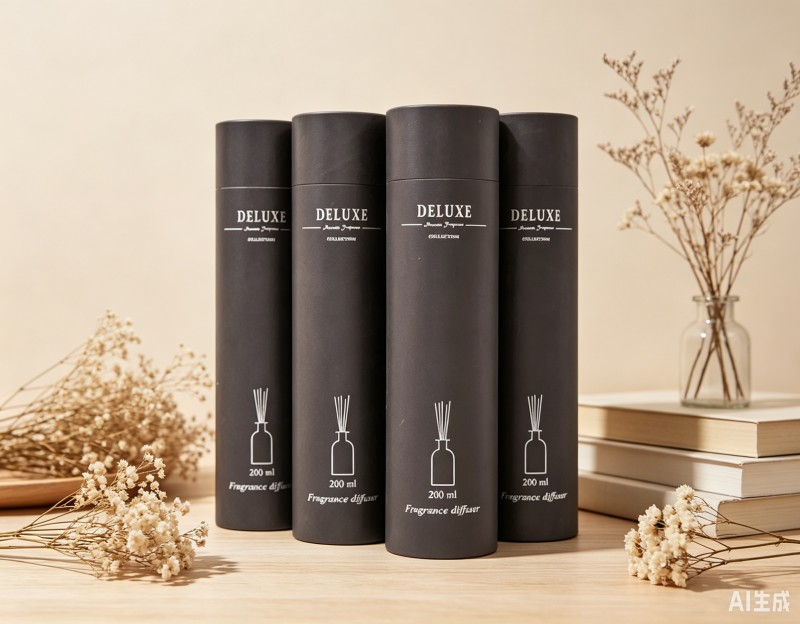
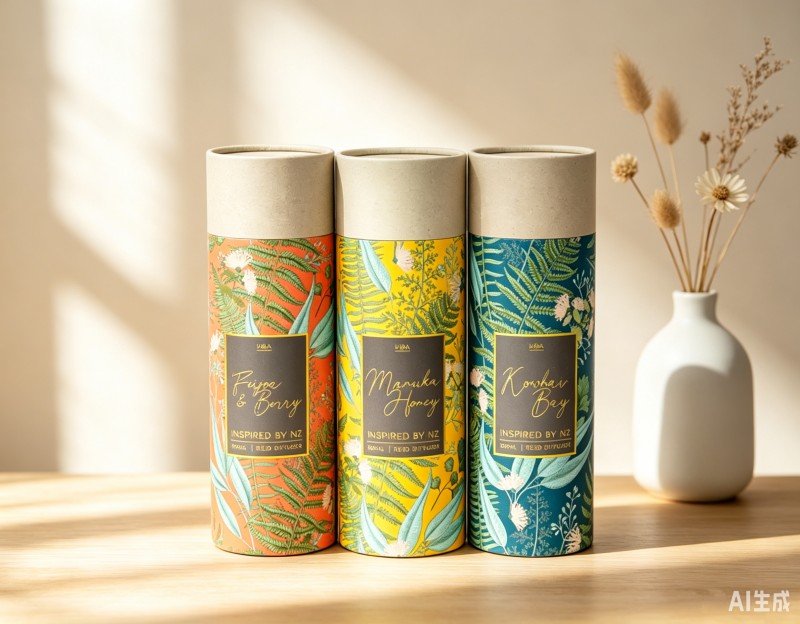
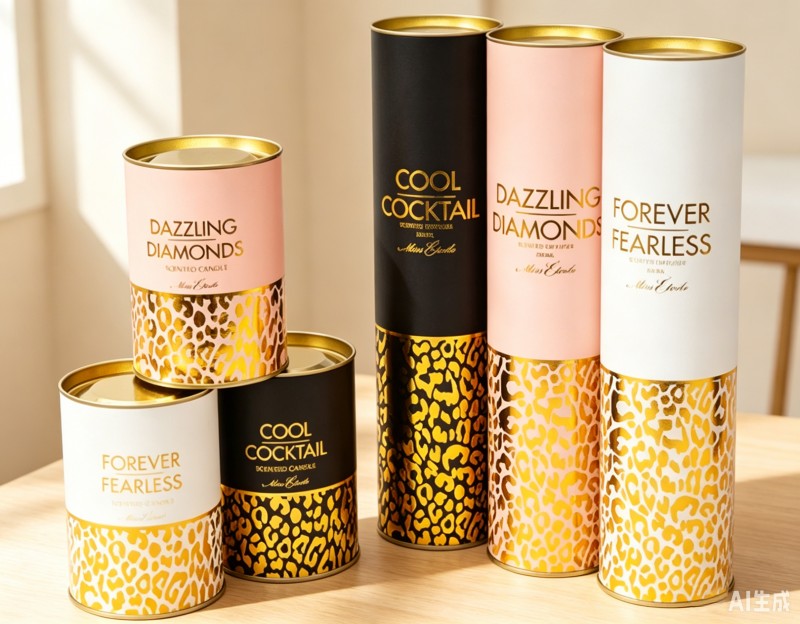
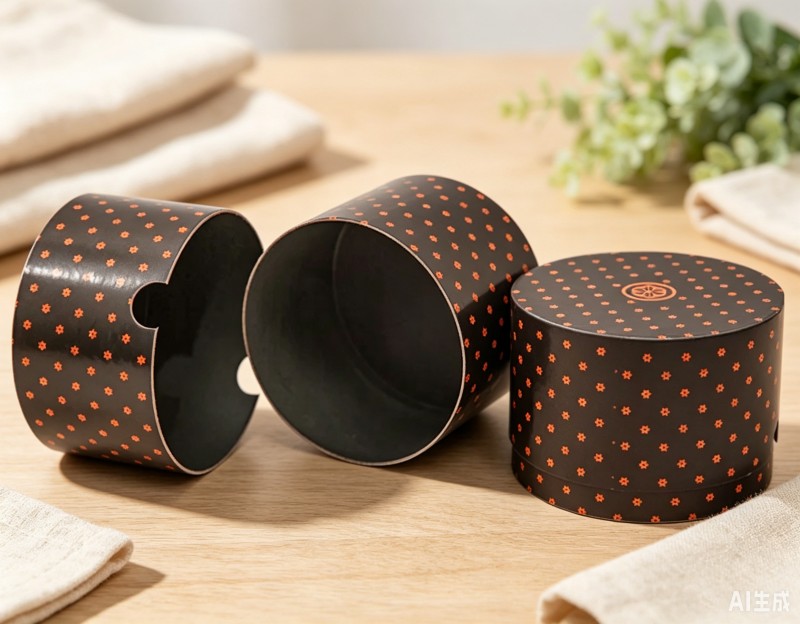
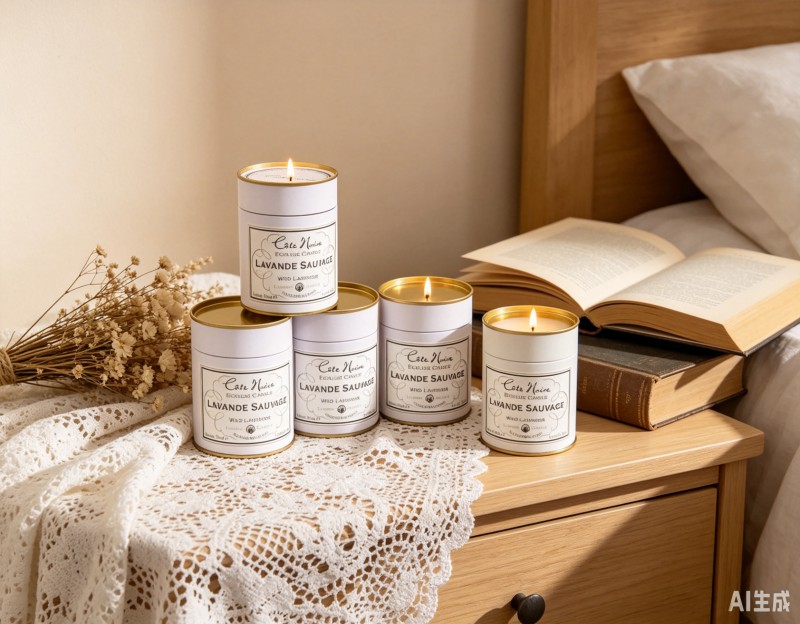

As one of the top China cardboard tube packaging manufacturers and paper tube packaging suppliers, we devote all of our efforts to research and launch more high quality packaging products to global market.
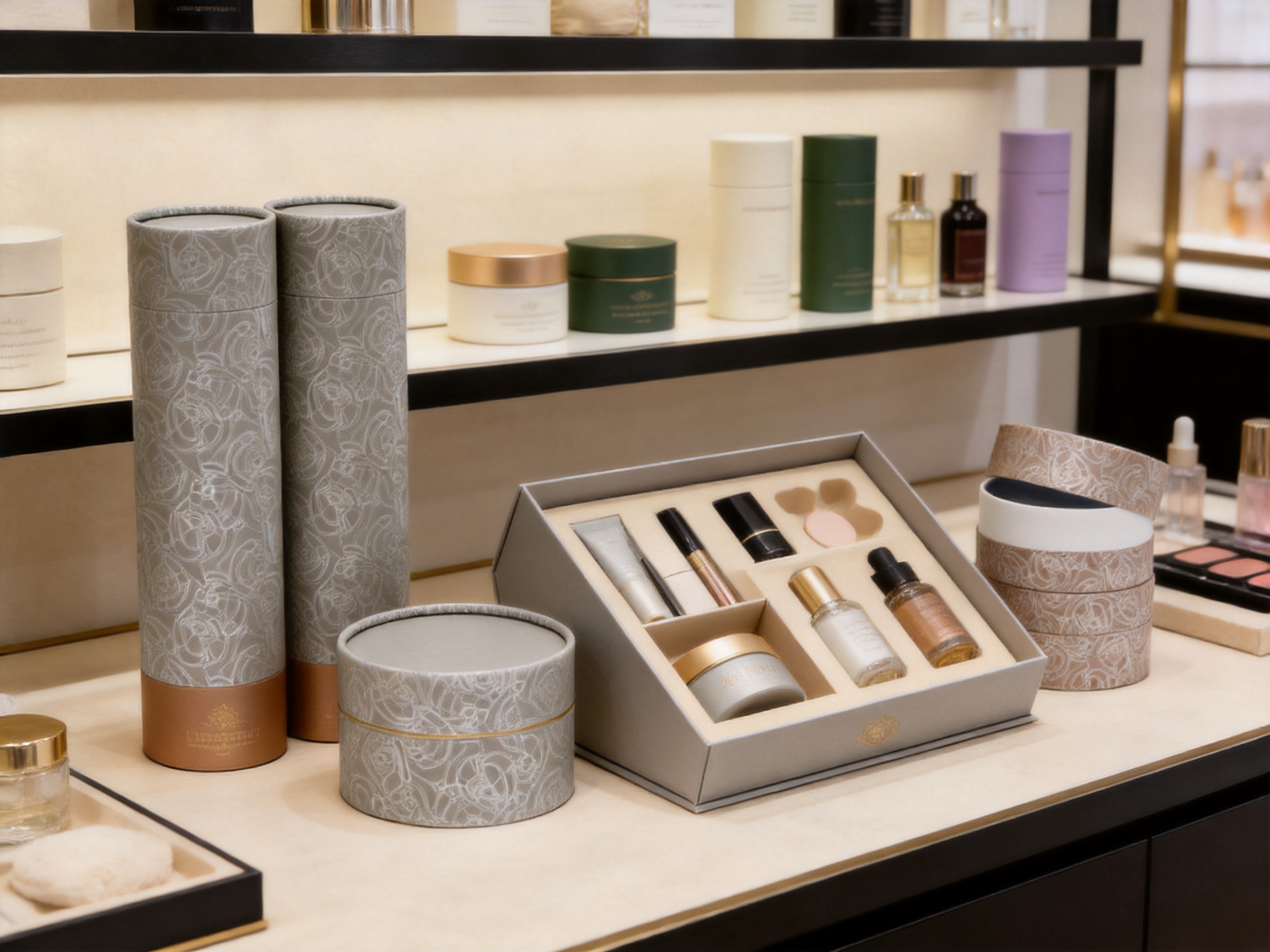
Premium cosmetics packaging must do far more than hold a product. It must protect delicate contents, communicate quality, create a memorable opening experience, support a distinctive brand identity, and increasingly demonstrate environmental responsibility. Custom printed premium-grade paper tube packaging offers a practical solution for beauty brands that need all of these benefits in one carefully engineered format.
Designed as a cylindrical paperboard container with paper ends, this packaging combines structural stability, high-quality surface decoration, flexible customization, and a refined appearance. It is suitable for skincare, cosmetics, fragrances, essential oils, personal care products, beauty gift sets, and other premium items that require a presentation beyond ordinary folding cartons or plastic containers.
The product described in this article is manufactured by Hangzhou Qunle Packaging Co., Ltd., a Chinese packaging specialist with more than two decades of experience in composite cans and paper cans. The company’s capabilities include custom structural design, paperboard conversion, printing, lamination, stamping, coating, forming, quality control, and product development for international customers.
By combining a round protective structure with advanced decorative finishing, the packaging gives brands an opportunity to create a sophisticated retail presence while reducing their dependence on conventional plastic formats. Its design can be adapted to different diameters, heights, closures, internal supports, printing requirements, and product categories.
Content
- 1 What Is Premium Cosmetic Paper Tube Packaging?
- 2 Core Product Advantages
- 3 Advantages Over Conventional Cosmetic Packaging
- 4 Advanced Manufacturing Process
- 5 Customization Capabilities
- 6 Applications Across the Beauty Industry
- 7 Manufacturing Strengths of Hangzhou Qunle Packaging
- 8 Comparison of Key Packaging Features
- 9 Quality, Safety, and Compliance Considerations
- 10 How Brands Can Develop an Effective Tube Design
- 11 Order and Customization Workflow
- 12 Practical Benefits for Different Business Models
- 13 Q&A
- 13.1 What products can be packed in these paper tubes?
- 13.2 Can the tube be customized in size?
- 13.3 What printing options are available?
- 13.4 Can multiple finishing techniques be combined?
- 13.5 Is the paper tube suitable for luxury cosmetics?
- 13.6 Does the package protect fragile products?
- 13.7 Is the packaging environmentally friendly?
- 13.8 Can the surface resist fingerprints and scratches?
- 13.9 Are samples available before mass production?
- 13.10 Which artwork formats are accepted?
- 13.11 Can the package include internal inserts?
- 13.12 What makes this packaging different from a basic cardboard tube?
- 13.13 What company experience supports production?
- 14 Conclusion
- 15 References
- 16 Additional Design Considerations
- 17 Final Product Positioning
- 18 Product: Custom Printed Premium Grade Cosmetics Paper Tube Packaging Paperboard Cylinders with Paper Ends
What Is Premium Cosmetic Paper Tube Packaging?
Premium cosmetic paper tube packaging is a rigid cylindrical container made primarily from paperboard or kraft paper-based composite material. It normally consists of a paperboard body, a printed exterior layer, an interior structure suitable for the intended product, and paper ends or fitted lids. Depending on the application, the package may also include internal inserts, molded pulp supports, paperboard dividers, or other protective components.
Unlike a basic mailing tube, this type of packaging is engineered for retail presentation. The outer surface can be printed in CMYK or Pantone colors and enhanced with matte lamination, hot foil stamping, cold foil effects, embossing, debossing, or spot UV coating. The result is a rigid package that functions as both a protective container and a highly visible brand communication tool.
The cylindrical form is particularly effective for premium products because it feels substantial in the hand and offers a distinctive alternative to rectangular cartons. Its continuous curved surface provides a broad area for graphics, product information, patterns, illustrations, and brand marks. It also eliminates many of the sharp corners associated with conventional folding boxes.
For beauty brands, the format can be used for individual products or coordinated product collections. A facial cream, serum, perfume, lipstick accessory, candle, bath product, or skincare gift set can be placed inside a customized tube with a consistent visual language across the entire range.
Core Product Advantages
Premium Matte Surface Finish
Matte lamination creates a refined, low-reflection surface that communicates elegance and restraint. Instead of reflecting strong overhead lighting like a glossy package, the matte finish diffuses light across the surface. This allows printed colors to appear deeper and more controlled, especially when combined with dark backgrounds, neutral tones, soft botanical illustrations, or minimalist typography.
The finish also produces a soft-touch visual effect that supports luxury positioning. When consumers pick up the package, the velvety surface gives the product a more tactile and considered character. This sensory response can be especially valuable for skincare, perfume, cosmetics, and wellness products, where consumers often associate touch and appearance with product quality.
Matte lamination is not limited to one aesthetic direction. It can support clean clinical designs, natural and organic themes, luxury fragrance graphics, youthful color palettes, and premium private-label branding. The same coating technology can therefore be used across multiple market segments while preserving a consistent high-end appearance.
Strong Cylindrical Construction
The circular structure provides an important strength advantage over many rectangular paperboard packages. A cylinder distributes external pressure around its circumference, reducing the concentration of stress at corners. Rectangular cartons, by comparison, may be more vulnerable to crushed edges, corner deformation, and creasing when they are stacked or exposed to impact.
The tube format is suitable for products that require reliable protection during transportation and storage. When properly dimensioned, the internal cavity helps keep the product centered and limits unnecessary movement. The rigid body can absorb a degree of handling pressure, while a suitable lid and internal insert help protect the contents from vibration and impact.
Structural performance depends on the selected paperboard, wall thickness, diameter, height, closure design, and internal components. Qunle Packaging can adjust these variables according to the product’s weight, fragility, shipping conditions, retail requirements, and target cost. This makes the format more versatile than a standard, one-size-fits-all tube.
High-Impact Printing and Decoration
Custom printing enables the package to function as a three-dimensional brand display. Full-surface graphics can be printed around the tube, while logos, product names, ingredient statements, usage instructions, and regulatory information can be integrated into the layout.
CMYK printing is suitable for photographic images, gradients, illustrations, and detailed patterns. Pantone color matching can be used when a brand requires closer control over signature colors. By selecting the appropriate printing process and substrate, manufacturers can help maintain consistency across multiple production batches.
Decorative techniques can be used independently or combined in a single packaging concept. Gold, silver, rose gold, copper, black, and custom-color foil can create emphasis around a logo or product name. Embossing can add dimension to a symbol, botanical pattern, or lettering. Spot UV can produce a glossy highlight over a matte background, allowing selected details to stand out visually and tactically.
This combination of finishes creates a level of visual hierarchy that is difficult to achieve with ordinary uncoated paper packaging. A consumer may first notice the contrast between matte and gloss, then recognize the reflective foil logo, and finally feel the raised or textured design when handling the package.
Fingerprint and Scuff Resistance
Cosmetic packaging is frequently handled in stores, showrooms, salons, department stores, and fulfillment centers. Packages may be picked up, rotated, opened, returned to shelves, and handled during packing. A surface that quickly accumulates fingerprints or scuff marks can weaken the product presentation.
Matte lamination helps reduce the visual impact of fingerprints and smudges. When combined with a protective UV coating in selected areas, it can also improve resistance to surface wear, abrasion, and minor moisture exposure. This helps the package retain a clean appearance during transport and on-shelf display.
Improved surface durability is valuable for both premium brands and online retailers. A package that arrives without visible scratches or handling marks is more likely to support a positive unboxing experience and reduce the risk of customer dissatisfaction caused by damaged presentation.
Recyclable Paper-Based Material
The packaging is made primarily from paper-based materials and is designed to support recyclable and biodegradable packaging goals. Paperboard and kraft paper can provide a lower-plastic alternative to many rigid plastic containers, particularly when the package is designed with compatible paper components and limited non-paper additions.
This characteristic supports the growing demand for more responsible beauty packaging. Consumers are increasingly examining the material composition, disposal options, and environmental claims associated with products. Brands that choose paper tube packaging can communicate a clear movement toward renewable and recyclable material structures.
Environmental performance must always be assessed according to the complete package design, local recycling infrastructure, coatings, adhesives, closures, and any internal inserts. Nevertheless, a paper-centered structure gives brands a strong foundation for reducing plastic use and developing more responsible packaging systems.
Advantages Over Conventional Cosmetic Packaging
Compared with Folding Cartons
Folding cartons are efficient and economical, but they are generally made from relatively thin paperboard and may not provide the same rigid, substantial feel as a cylindrical tube. Their corners and folded edges can be vulnerable to crushing, especially when the product is packed tightly or shipped through multiple distribution stages.
A rigid paper tube offers greater perceived value and often provides better compression resistance. Its round construction creates a different unboxing experience and gives the product a distinctive silhouette. For premium cosmetics, this differentiation can help the package stand out in a crowded retail environment.
Folding cartons remain suitable for lightweight products and high-volume applications, but paper tubes can be more effective when the brand wishes to create a gift-like presentation or reinforce a luxury positioning.
Compared with Plastic Jars and Containers
Plastic containers offer durability and familiar functionality, but they may not communicate the same environmental message as a paper-centered package. Plastic can also make a product appear similar to many competing items, particularly when the container shape is standardized.
Custom paper tubes create a larger printable surface and offer more opportunities for tactile decoration. They can help a brand move away from a generic container appearance while retaining rigidity and product protection. For secondary packaging around a glass jar or bottle, the tube can provide an additional protective layer without requiring a fully plastic outer shell.
Paper tube packaging may be particularly attractive for brands that want to reduce the visual dominance of plastic while still presenting a durable, premium package. The final choice depends on the product’s moisture sensitivity, dispensing requirements, barrier needs, and intended use.
Compared with Metal Tins
Metal tins are strong and recyclable in many markets, but they can add weight, create noise during transport, and provide a colder, harder tactile experience. They may also require more complex forming and decoration processes for certain shapes.
Paper tubes are generally lighter and can provide a warmer, more natural hand feel. Their paperboard exterior is well suited to detailed printing, matte lamination, foil stamping, and textured effects. For brands focused on natural beauty, wellness, handmade products, or sustainable gifting, the paper format may align more closely with the desired identity.
Compared with Standard Mailing Tubes
Standard mailing tubes are designed primarily for shipping documents, posters, and other rolled materials. Their appearance and construction are not necessarily optimized for premium retail presentation. Cosmetic paper tube packaging uses more controlled materials, decorative surfaces, precision dimensions, and fitted closures.
The distinction is important. A retail cosmetics tube must be visually consistent, accurately printed, easy to open, secure during handling, and suitable for display. It must also support brand storytelling and product information. Custom manufacturing allows these requirements to be addressed together rather than treating the tube as a basic shipping container.
Advanced Manufacturing Process
Material Selection and Structural Planning
Manufacturing begins with a review of the product and its packaging requirements. The manufacturer evaluates the product dimensions, weight, fragility, storage conditions, shipping method, display orientation, and desired opening experience. These factors determine the appropriate tube diameter, height, wall thickness, paper grade, end construction, and internal support.
Paper type is selected according to the balance between strength, printability, appearance, sustainability objectives, and cost. Kraft paper may be chosen for a natural visual effect or strong fiber character, while coated or laminated paperboard may be preferred for high-definition graphics and controlled color reproduction.
Structural planning also includes the relationship between the tube body and its lid. A well-designed lid should fit securely while remaining practical for consumers to remove. For premium products, a controlled or slow-release opening can enhance the unboxing experience and make the package feel carefully engineered.
Artwork Preparation
Customers can provide artwork in common professional formats such as AI, PDF, PSD, or CDR. Before production, the artwork is checked for dimensions, bleed, color settings, image resolution, text positioning, foil areas, UV zones, and alignment requirements.
The curved surface requires particular attention during prepress. Graphics must be positioned so that important information is not distorted or placed too close to a seam. Repeated patterns, wraparound illustrations, and front-facing logos must be aligned carefully around the circumference of the tube.
Prepress preparation also separates the artwork into layers for different finishing processes. The base print, foil-stamped elements, embossing plates, and spot UV areas may each require separate files or technical instructions. Accurate preparation reduces production errors and supports a consistent final appearance.
Paperboard Conversion and Tube Forming
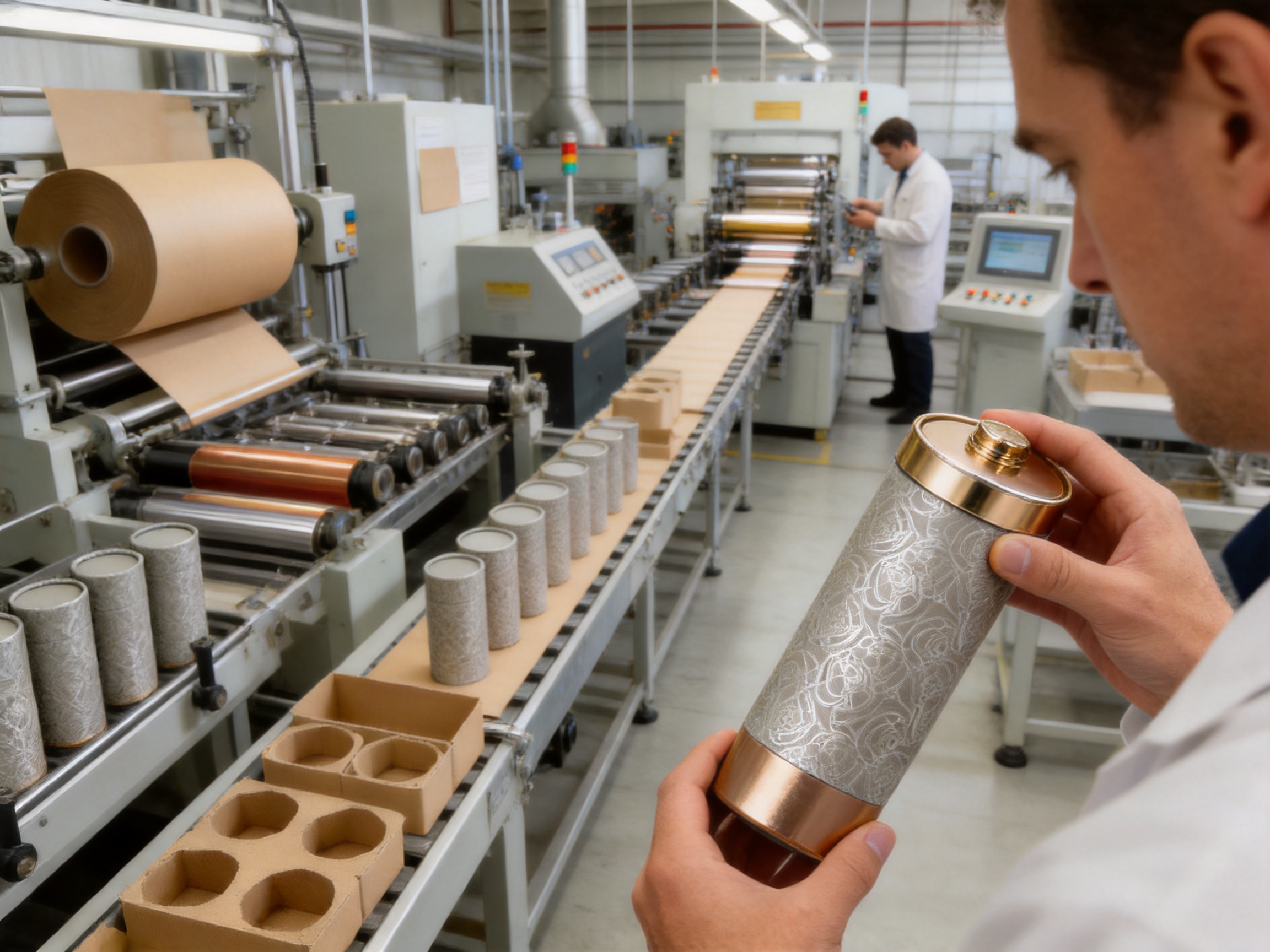
After materials are prepared, paperboard is converted into the required components. The body material is formed into a cylindrical shape using controlled winding or wrapping processes. The number of paper layers, adhesive application, winding tension, and curing conditions influence the final rigidity and dimensional stability.
Consistent winding is essential because uneven tension can produce variations in wall thickness, surface alignment, or roundness. Advanced production equipment helps maintain repeatability across large quantities. The manufacturer’s experience with composite cans and paper cans is particularly relevant to this stage because these products depend on precise paper layering and reliable cylindrical forming.
Paper ends are cut, formed, and fitted according to the design. The ends may be integrated into the body, attached as separate components, or designed as removable lids. Dimensional accuracy is important because a loose lid may compromise protection, while an excessively tight lid may be difficult for the consumer to open.
High-Quality Printing
Printing is selected according to the design, volume, color requirements, and substrate. CMYK printing supports complex images and full-color designs, while Pantone matching can help reproduce distinctive brand colors. The printing stage must account for the absorbency and surface characteristics of the paperboard.
Color control is maintained through production proofs, approved samples, calibrated equipment, and inspection procedures. Consistency is particularly important for international brands that may order the same packaging repeatedly or use coordinated packaging across several product lines.
The printed surface becomes the foundation for additional finishing. If the design includes a metallic foil logo or spot UV detail, the registration between printing and finishing must remain accurate. Even small alignment deviations can be visible on a premium package, especially when a logo is positioned on the front panel.
Matte Lamination
Matte lamination is applied to create the smooth, low-reflection exterior associated with the product. The lamination layer protects the printed surface and helps provide the desired hand feel. It can also contribute to resistance against fingerprints, minor moisture, and surface abrasion.
Correct lamination control is important for maintaining a uniform appearance. Excessive heat, pressure, or uneven application may affect the paperboard or create visual inconsistencies. Experienced operators must coordinate the lamination process with the selected paper, ink system, and later decorative treatments.
Foil Stamping
Foil stamping uses heat, pressure, and a specialized die to transfer metallic or colored foil to selected areas. It is commonly used for brand logos, product names, borders, seals, and decorative patterns. Gold and silver remain popular, but rose gold, copper, holographic effects, matte metallics, and custom-color foils can also be considered.
The process creates a sharp contrast against a matte background. A small amount of foil can provide a strong premium effect without covering the entire package. This makes it possible to create a restrained luxury appearance or a more dramatic high-fashion design.
Foil can also contribute to brand protection. A distinctive foil treatment is not a complete anti-counterfeiting system by itself, but it can make unauthorized reproduction more difficult and provide consumers with a visible authenticity cue when combined with other security features.
Spot UV Coating
Spot UV applies a glossy coating only to designated areas. The contrast between glossy and matte surfaces creates a layered visual effect without requiring additional materials or complex structural changes. Logos, icons, product names, botanical lines, and geometric patterns can be highlighted through selective coating.
The effect is especially noticeable when consumers rotate the tube under light. The package may appear understated from one angle, then reveal a bright reflective detail from another. This changing visual response can increase shelf appeal and encourage the consumer to interact with the package.
Assembly and Quality Control
Following printing and finishing, the components are assembled and inspected. Quality control may include checks for dimensions, roundness, lid fit, print clarity, color accuracy, foil registration, coating coverage, surface defects, and structural integrity.
Samples are available for evaluation before mass production. Sampling allows the customer to assess the physical dimensions, opening force, material feel, color reproduction, decorative effects, and compatibility with the product. It also provides an opportunity to identify design adjustments before the full production run begins.
For export packaging, quality control should also consider stacking, handling, carton loading, and transportation conditions. A package that looks excellent in a showroom must remain presentable after movement through factories, warehouses, distribution centers, retailers, and parcel networks.
Customization Capabilities
Adjustable Dimensions
The tube can be customized in diameter and height to suit different cosmetics and beauty products. Small formats may be used for lip products, sample sets, travel-size skincare, or solid perfumes. Larger diameters can accommodate facial cream jars, gift sets, candles, body care products, or multiple items arranged together.
Dimension customization improves product fit and can reduce unnecessary empty space. A properly fitted package limits movement, supports efficient material use, and creates a more deliberate presentation. It can also help brands develop a recognizable family of products with consistent proportions.
Customized Internal Inserts
Internal supports can be added when the product requires additional protection. Depending on the application, these may include paperboard structures, molded pulp supports, EVA foam, dividers, or shaped inserts. The most suitable option depends on product weight, fragility, moisture exposure, environmental objectives, and desired unboxing appearance.
For a glass perfume bottle, an insert can prevent contact with the tube wall. For a skincare gift set, dividers can separate several jars or bottles. For a delicate cosmetic accessory, a shaped support can hold the item in a fixed position during transport.
Where sustainability is a central brand value, paperboard or molded pulp inserts may be preferred. Where maximum cushioning or precise positioning is required, foam may be considered. The important advantage is that the internal design can be developed together with the exterior package rather than treated as an afterthought.
Closures and Opening Experience
The lid is an important part of premium packaging. It must protect the product while contributing to the consumer’s perception of quality. A snug fit can prevent accidental opening, while a carefully controlled friction level can create a smooth, satisfying removal action.
Brands may choose a simple paper lid, a telescoping closure, a shoulder-style structure, or another custom configuration. The final design is selected according to the product, required protection, manufacturing feasibility, and target price.
A well-engineered opening experience can support gifting, social media presentation, and repeat use. Consumers may keep an attractive tube for storage after the original product has been used, extending the life of the package and the visibility of the brand.
Branding and Decorative Effects
Customers can specify brand colors, logo placement, typography, patterns, illustrations, surface finishes, and decorative techniques. The package can be designed to match an existing visual identity or used to create a completely new product line.
Luxury brands may select dark matte backgrounds with restrained metallic foil. Natural brands may use kraft textures, botanical artwork, and earthy colors. Contemporary skincare brands may combine clean typography with spot UV details. Gift brands may use bright color contrasts, seasonal illustrations, or coordinated patterns across a collection.
Applications Across the Beauty Industry
Skincare
Facial creams, moisturizers, serums, essences, masks, and skincare kits can benefit from the protective and premium qualities of paper tube packaging. A tube placed around a glass or plastic primary container can provide an additional layer of protection while creating more space for brand storytelling and usage information.
For high-end skincare, the matte surface and foil details can reinforce a sense of clinical precision or luxurious self-care. For natural skincare, the recyclable paper structure can support a sustainability-focused positioning.
Makeup and Color Cosmetics
Cosmetic products such as lipstick accessories, mascara packaging, foundation containers, eye shadow products, and makeup gift sets require attractive shelf presentation. Cylindrical tubes can provide a distinctive alternative to ordinary rectangular boxes and can be sized for individual items or coordinated collections.
Strong color printing is useful for makeup brands because the packaging often needs to reflect a color family, shade range, or seasonal collection. Pantone colors, foil accents, and spot UV can be combined to distinguish product variants while maintaining a consistent overall identity.
Perfume and Fragrance
Fragrance products often depend on premium presentation and gift appeal. A rigid tube can surround a glass perfume bottle, protect it during transport, and provide a distinctive opening ritual. Foil stamping and matte lamination are especially effective for fragrance packaging because they convey elegance without requiring excessive graphics.
The tube can also be customized for perfume discovery sets, travel-size collections, essential oils, and aromatherapy products. Internal inserts help keep bottles separated and centered, reducing the risk of movement inside the package.
Beauty Gift Sets
Gift sets require both structural organization and visual impact. A larger tube can hold multiple products, while internal dividers or molded supports maintain a neat arrangement. Coordinated printing can present the items as a complete collection rather than unrelated individual products.
Seasonal artwork, metallic finishes, and premium paper textures can support holiday launches, limited editions, promotional campaigns, and special retail events. After purchase, the tube may be reused as a storage container, adding practical value to the gift experience.
Hotel, Spa, and Wellness Products
Hotels, spas, wellness boutiques, and hospitality brands often seek packaging that looks refined but also reflects natural and responsible values. Paper tube packaging can be used for amenity kits, bath salts, aromatherapy products, essential oils, solid lotions, and wellness gift sets.
The package can be printed with a hotel logo, spa identity, destination artwork, or treatment-specific information. Its rigid structure helps products remain presentable in guest rooms, retail areas, and gift shops.
Manufacturing Strengths of Hangzhou Qunle Packaging
Hangzhou Qunle Packaging Co., Ltd. has been engaged in the composite can and paper can industry for more than 20 years. This long-term focus provides relevant experience in cylindrical paper structures, multilayer paper construction, production consistency, and custom packaging development.
The company is identified as the only member of the international Composite Can and Tube Institute in China’s packaging container industry. Membership in an industry organization reflects an active connection with technical developments and professional standards within the composite can and tube sector.
Qunle Packaging operates across packaging applications for food, daily chemical products, fast-moving consumer goods, and other industries. This broad experience can benefit cosmetics customers because it exposes the manufacturer to different requirements involving material safety, durability, print quality, production volumes, and distribution conditions.
The company was the first enterprise in China to pass the QS certificate for producing food packaging containers, according to the supplied company information. Although cosmetic packaging has its own technical requirements, experience with regulated packaging production indicates an established awareness of process control, material management, and product safety considerations.
Qunle Packaging introduced a high-speed composite can production line from Europe in 2015. High-speed equipment can improve manufacturing efficiency, support larger orders, and help maintain repeatable production conditions. Modern production lines also allow manufacturers to coordinate multiple stages more effectively, from paper preparation and forming to finishing and assembly.
The company has developed more than 10 patented technologies and continues to research and launch packaging products for global markets. Product development capability is important for customers seeking more than a standard catalog package. It allows the manufacturer to participate in structural improvement, material selection, and design optimization.
Qunle Packaging has built long-term partnerships with companies and brands including COFCO, STANDERS, DAVIDsTEA, Avalanche Coffee, Whittaker’s, McSteven’s, Nongfu Spring, and Beingmate. Experience with established customers can indicate the ability to manage demanding production schedules, packaging specifications, quality expectations, and supply relationships.
Comparison of Key Packaging Features
| Feature | Premium Paper Tube Packaging | Standard Folding Carton | Generic Plastic Container |
|---|---|---|---|
| Structural form | Rigid cylindrical body with paper ends | Folded rectangular paperboard structure | Rigid molded container |
| Surface presentation | Matte lamination, foil, UV, embossing, and custom printing | Printed surface with selected coatings | Printed label, direct print, or molded decoration |
| Impact and compression performance | Strong round structure with distributed pressure | More vulnerable at corners and folded edges | Generally strong, depending on resin and wall thickness |
| Brand differentiation | Distinctive shape and tactile premium experience | Familiar format with limited structural uniqueness | Often similar to competing containers |
| Material positioning | Paper-centered and suitable for recyclable packaging strategies | Paper-based but usually lighter and less rigid | Plastic-based |
| Customization | Diameter, height, lid, inserts, printing, and finishing | Panel size and printing customization | Mold, color, label, and closure customization |
| Unboxing experience | Slow-release lid and cylindrical presentation | Simple opening and folding structure | Closure-dependent |
Quality, Safety, and Compliance Considerations
Packaging quality is influenced by material selection, adhesive performance, print stability, dimensional accuracy, and environmental conditions. Cosmetic brands should confirm that all materials and coatings are appropriate for the intended application, particularly if the package will be in close contact with the product or used in humid environments.
The supplied product information lists SGS, FDA, and ISO-related certification support. Specific certification requirements should be reviewed according to the product category, destination market, material structure, and applicable regulations. Certificates and test reports should be requested and evaluated for the exact packaging specification rather than assumed to apply universally to every design.
Important quality checks may include compression testing, lid retention testing, surface rub testing, color comparison, coating adhesion, dimensional measurement, and transport simulation. For fragile products, vibration and drop testing can help identify whether additional internal protection is needed.
Brands should also review the package’s disposal instructions. A package that includes foil, lamination, foam, or mixed-material components may require different recycling guidance from a simple uncoated paper tube. Clear material planning can help achieve the strongest balance between premium appearance, product protection, and environmental goals.
How Brands Can Develop an Effective Tube Design
Start with the Product
The product’s dimensions, weight, fragility, shape, and sensitivity should determine the starting point for the package. A tube should not be selected only because it looks attractive. It must provide sufficient protection, allow efficient filling, and support the product throughout transportation and retail handling.
Define the Brand Position
The visual design should reflect the intended market position. Luxury, clinical, natural, youthful, artisanal, minimalist, and festive brands may all use paper tubes, but they will require different combinations of color, typography, texture, and finishing.
Using too many decorative techniques can make a package look visually crowded. In many cases, a matte base with one foil accent or a carefully chosen spot UV detail provides stronger results than applying every available finish at once.
Plan the Consumer Experience
The lid fit, opening force, interior arrangement, product reveal, and reuse potential should be considered during development. Premium packaging is experienced through touch and movement, not just viewed on a computer screen.
A physical sample is therefore essential. It allows the brand team to evaluate whether the package feels stable, whether the lid is comfortable to remove, whether the product is easy to retrieve, and whether the decorative effects appear as expected under real lighting.
Balance Appearance and Sustainability
Brands should evaluate the complete material structure rather than relying on a single environmental claim. Paperboard, inks, adhesives, coatings, inserts, and closures all contribute to the package’s overall impact.
A practical approach may involve using recycled or recyclable paperboard, minimizing unnecessary components, selecting paper-based inserts, reducing excessive empty space, and designing the package for reuse or straightforward disposal. These choices can support environmental objectives while preserving premium presentation.
Order and Customization Workflow
The first stage is a product consultation in which the customer provides product dimensions, target quantity, application, preferred material, printing requirements, and delivery market. The packaging manufacturer then recommends a suitable structure and identifies any technical constraints.
The second stage involves structural design and artwork preparation. Dimensions, lid style, end construction, internal inserts, printing areas, and decorative finishes are confirmed. The customer supplies artwork in AI, PDF, PSD, or CDR format, or requests assistance with technical adaptation.
The third stage is sampling. A physical sample allows the customer to review appearance, proportions, lid fit, protection, and finishing. Adjustments can be made before mass production. This stage is particularly important for complex combinations of matte lamination, foil stamping, embossing, and spot UV.
The fourth stage is production approval. After the sample, artwork, material structure, and specifications are confirmed, the order enters manufacturing. The supplied payment condition is a 30 percent T/T deposit, with remaining arrangements confirmed according to the order agreement.
The final stage includes inspection, packing, and shipment. Finished tubes are checked for visual and structural quality before being packed for transportation. Export packing should be selected according to the shipping distance, handling conditions, and product fragility.
Practical Benefits for Different Business Models
For established cosmetics companies, custom paper tubes can refresh a mature product line or create a limited-edition appearance without changing the primary product formula. Consistent tube dimensions can also support a unified visual system across multiple categories.
For private-label manufacturers, the package provides a way to offer clients a more premium presentation without developing a completely new container mold. Adjustable dimensions, printing, and finishing allow several brands to use the same general manufacturing platform while maintaining individual identities.
For direct-to-consumer brands, the tube can improve the unboxing experience and create attractive content for digital marketing. A well-designed package can appear in product photography, promotional videos, customer reviews, and social media posts, giving the brand additional visual exposure.
For boutique and artisanal brands, the paper material and tactile surface can communicate craftsmanship and authenticity. The packaging can support small-batch collections, seasonal products, gift items, and specialty formulations.
Q&A
What products can be packed in these paper tubes?
They can be used for skincare products, facial creams, serums, essences, perfume bottles, essential oils, makeup products, beauty accessories, sunscreen products, wellness items, gift sets, candles, and other carefully sized consumer products. The final suitability depends on the product dimensions, protection requirements, and material compatibility.
Can the tube be customized in size?
Yes. Diameter and height can be adjusted according to the product and desired presentation. Custom sizing helps improve product fit, reduce movement, and create a more coherent product range.
What printing options are available?
CMYK and Pantone printing are available for customized graphics and brand colors. The package can also be enhanced with matte lamination, foil stamping, UV coating, embossing, and other decorative treatments.
Can multiple finishing techniques be combined?
Yes. Matte lamination can be combined with foil stamping and spot UV coating. These techniques create contrast between soft matte areas, reflective metallic details, and glossy highlights. The precise combination should be confirmed through artwork review and sampling.
Is the paper tube suitable for luxury cosmetics?
Yes. The rigid cylindrical structure, premium matte surface, high-quality printing, foil details, and controlled lid fit make it suitable for mid-range and high-end cosmetics, skincare, fragrance, and beauty gift sets.
Does the package protect fragile products?
The cylindrical body provides structural support and can help distribute external pressure. For fragile products such as glass bottles or jars, customized internal inserts may be added to limit movement and absorb handling impact.
Is the packaging environmentally friendly?
The package is paper-centered and supports recyclable and biodegradable material objectives. However, the complete environmental profile depends on the specific lamination, inks, adhesives, inserts, and local recycling systems. Brands should confirm the final material structure and disposal guidance for their target market.
Can the surface resist fingerprints and scratches?
Matte lamination helps reduce the visible impact of fingerprints and smudging. UV coating can add protection against scuffing and surface wear in selected areas. Performance depends on the exact coating system and handling conditions.
Are samples available before mass production?
Yes. Samples are available so customers can assess the dimensions, material feel, lid fit, printing, colors, and decorative finishes before approving a larger order.
Which artwork formats are accepted?
Common accepted formats include AI, PDF, PSD, and CDR. Artwork should include accurate dimensions, bleed, color information, and separate technical layers for foil, embossing, or spot UV where required.
Can the package include internal inserts?
Yes. Customized internal solutions may include paperboard structures, molded pulp, EVA foam, or other supports. The best option depends on product fragility, sustainability goals, and the required level of presentation.
What makes this packaging different from a basic cardboard tube?
Premium cosmetic tube packaging is designed for retail presentation as well as protection. It includes controlled dimensions, high-quality decorative finishing, fitted closures, customized interiors, and brand-oriented artwork. A basic cardboard tube may not provide the same level of visual refinement or product-specific engineering.
What company experience supports production?
Hangzhou Qunle Packaging Co., Ltd. has more than 20 years of experience in composite cans and paper cans. The company has developed patented technologies, installed a European high-speed composite can production line, served customers in several packaging sectors, and supplied packaging solutions for global markets.
Conclusion
Custom printed premium-grade cosmetics paper tube packaging provides a strong combination of protection, presentation, customization, and paper-based material positioning. Its cylindrical structure offers stable storage and a distinctive appearance, while matte lamination creates a sophisticated, fingerprint-resistant surface. Foil stamping, spot UV, embossing, and high-quality printing allow brands to create packaging that is visually memorable and tactilely engaging.
Compared with ordinary folding cartons, generic plastic containers, metal tins, and basic mailing tubes, this format offers a more distinctive retail identity and a more deliberate unboxing experience. Adjustable dimensions, custom paper ends, fitted lids, and internal inserts make it adaptable to products ranging from facial creams and serums to perfumes, cosmetics, wellness products, and beauty gift sets.
The manufacturing strength behind the product is equally important. More than two decades of experience in composite cans and paper cans, advanced production equipment, patented technologies, sampling support, and experience with international customers provide a foundation for consistent custom packaging development.
For brands seeking premium beauty packaging with a strong visual identity and a paper-centered material structure, this solution offers a practical path from concept to finished product. With careful design, appropriate material selection, and thorough sampling, the package can protect the product, strengthen shelf appeal, support brand values, and create a memorable experience for the consumer.
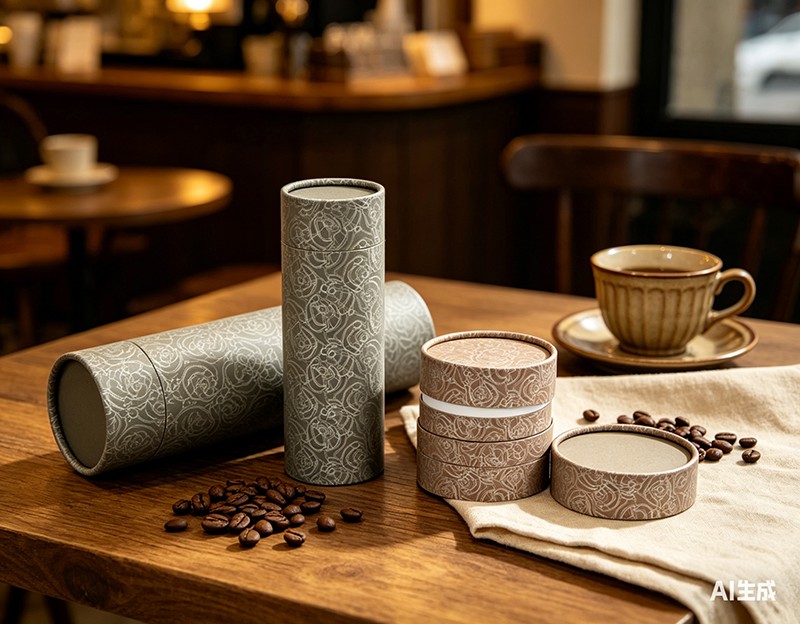
Custom Printed Premium Grade Cosmetics Paper Tube Packaging Paperboard Cylinders with Paper Ends
References
1. Composite Can and Tube Institute. Industry guidance on composite can and paper tube structures.
2. International Organization for Standardization. Quality management principles for manufacturing and packaging production.
3. Sustainable Packaging Coalition. General principles for recyclable and responsible packaging design.
4. Packaging Institute. Fundamentals of paperboard packaging, structural design, and transport protection.
5. Cosmetic Packaging Association. Considerations for beauty, skincare, fragrance, and personal care packaging.
6. Technical product information supplied for custom printed premium-grade cosmetics paper tube packaging.
7. Company information supplied for Hangzhou Qunle Packaging Co., Ltd., including manufacturing history, production capabilities, certifications, partnerships, and patented technologies.

Additional Design Considerations
A successful paper tube project benefits from early cooperation between the brand, product developer, graphic designer, and packaging manufacturer. When these teams collaborate from the beginning, the final package can balance aesthetics, production feasibility, product protection, cost, and sustainability more effectively.
Graphic designers should consider how artwork travels around the cylindrical body. The visual center may be different from a rectangular box, and the seam or opening area must be planned carefully. Product information should remain readable, while the primary logo and product name should be positioned where consumers are most likely to see them.
Product developers should provide accurate measurements and identify any special requirements, including temperature exposure, humidity, oil contact, fragrance migration, or repeated opening and closing. These details help the manufacturer select suitable materials and protective layers.
Purchasing teams should evaluate not only the unit price but also the total packaging value. A slightly more advanced package may reduce product damage, improve shelf presentation, support premium pricing, and strengthen customer retention. The best decision should consider the complete commercial role of the package rather than treating it as a simple container cost.
When these considerations are addressed together, premium paper tube packaging can become an effective part of a beauty brand’s product strategy. It can protect the formula, present the product attractively, support sustainability messaging, and provide a recognizable physical connection between the brand and its customers.
Final Product Positioning
This premium paper tube packaging is best positioned as a customizable, rigid, paper-based presentation solution for brands that require more visual and structural value than a standard carton. Its strengths are most apparent when the package must make a strong first impression, protect a delicate product, and communicate a carefully managed brand identity.
The combination of cylindrical engineering, paper ends, matte lamination, CMYK or Pantone printing, foil stamping, UV coating, and customized interiors creates a flexible platform for modern cosmetics and beauty packaging. It is suitable for both established international companies and emerging brands seeking an elevated market presence.
With sampling available, professional artwork formats supported, and a manufacturer experienced in composite paper packaging, customers can develop a package that is tailored to their specific product and sales channel. The result is not merely a printed tube, but a complete packaging experience designed to support protection, recognition, differentiation, and long-term brand value.