 English
 Español

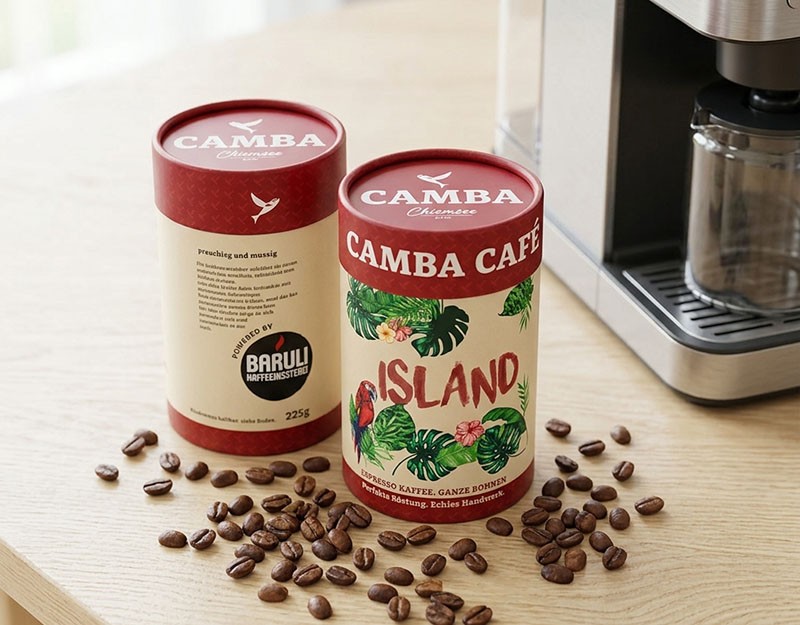
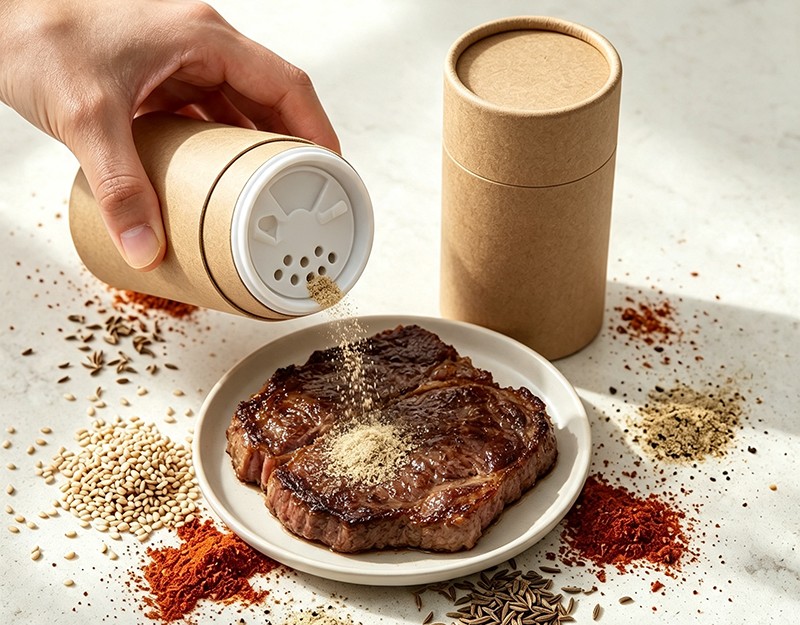
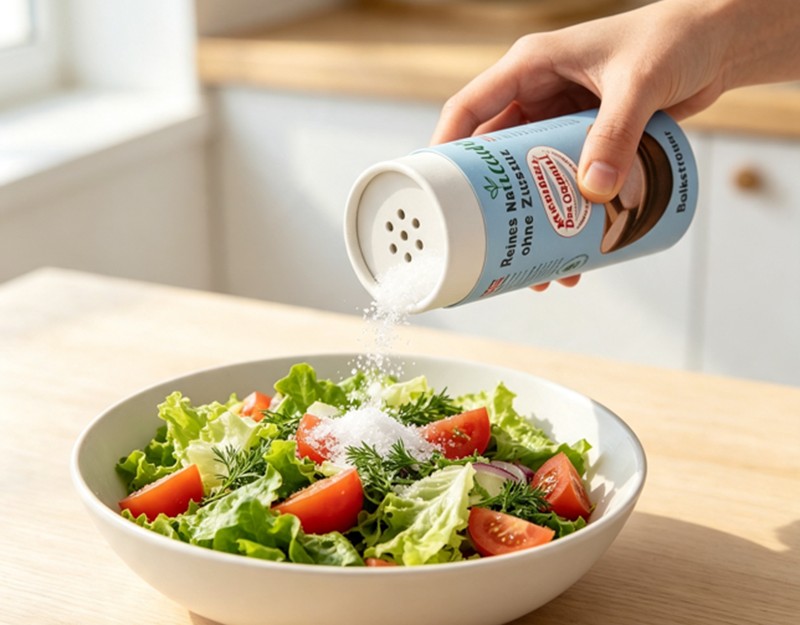
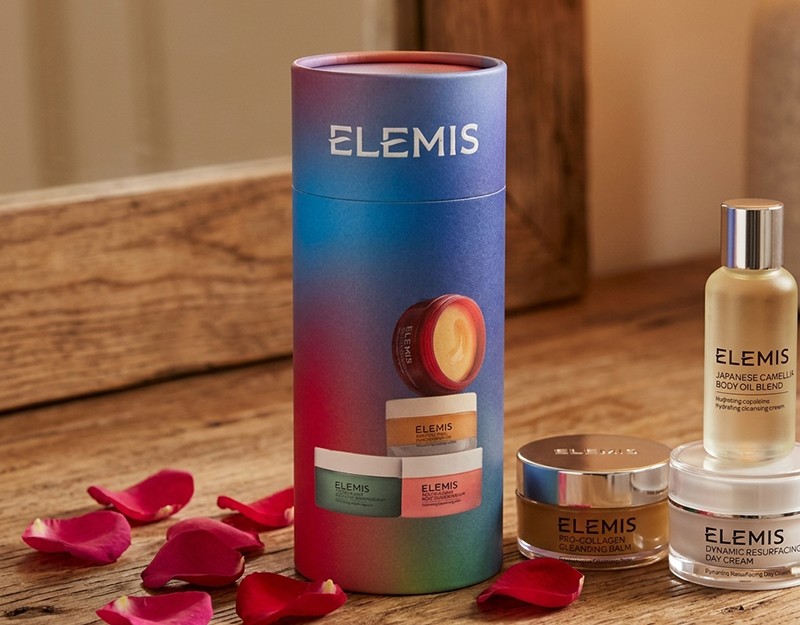
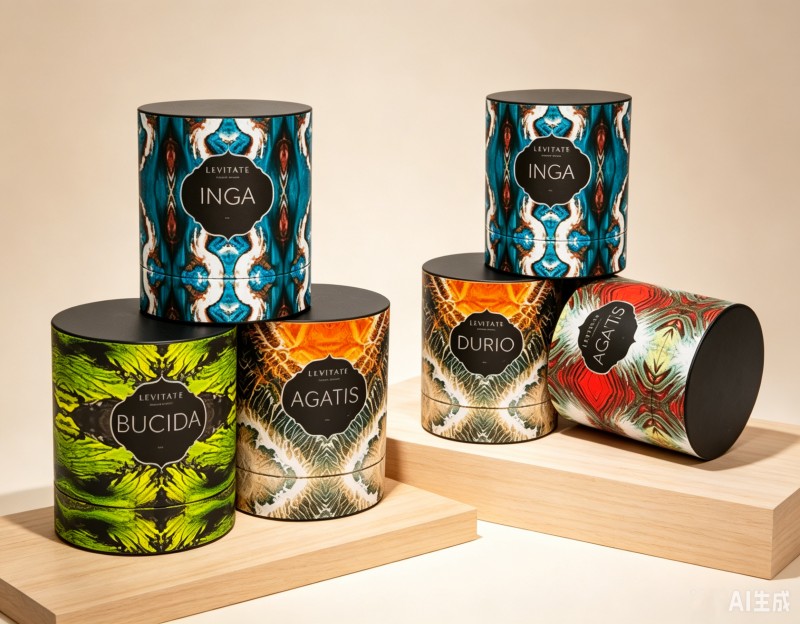
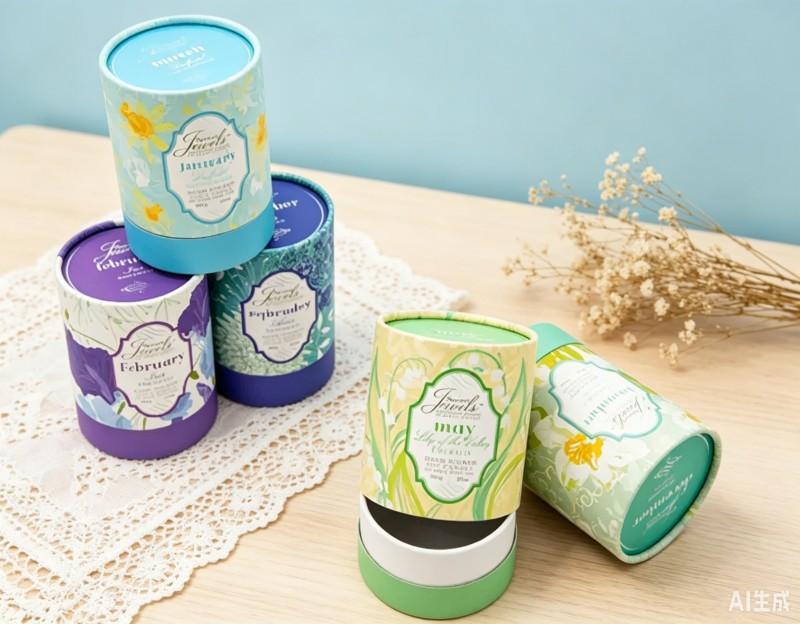
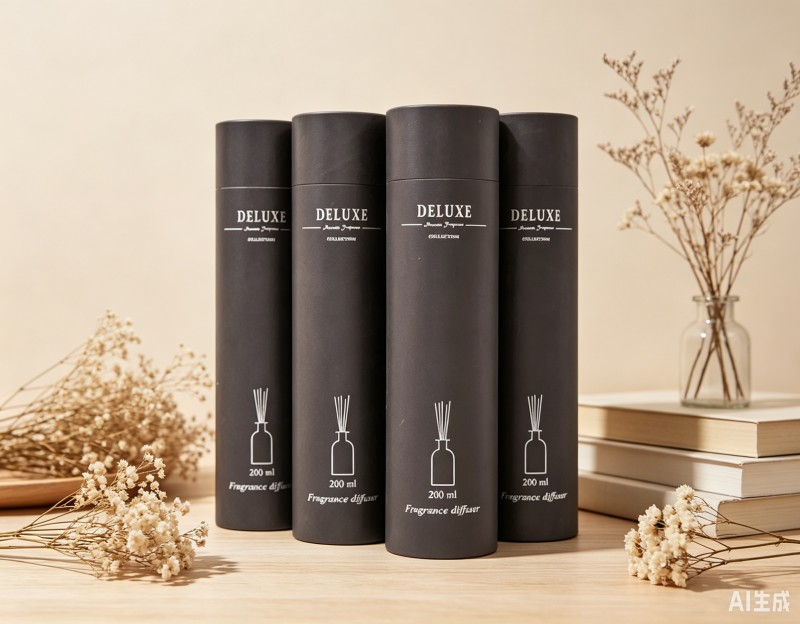
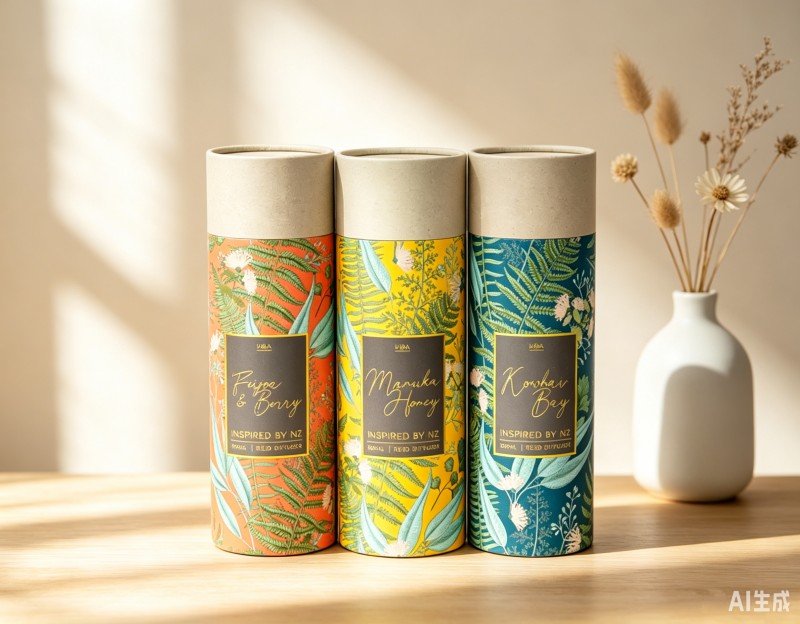
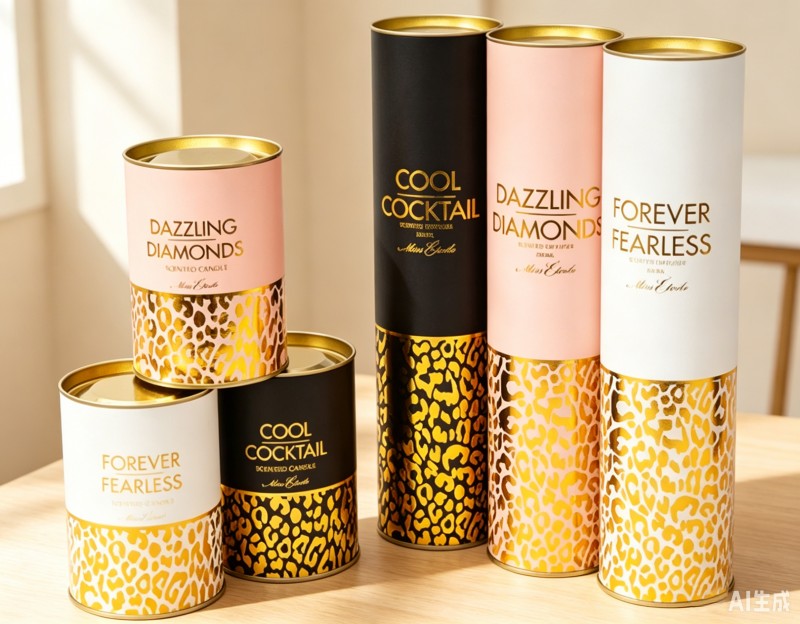
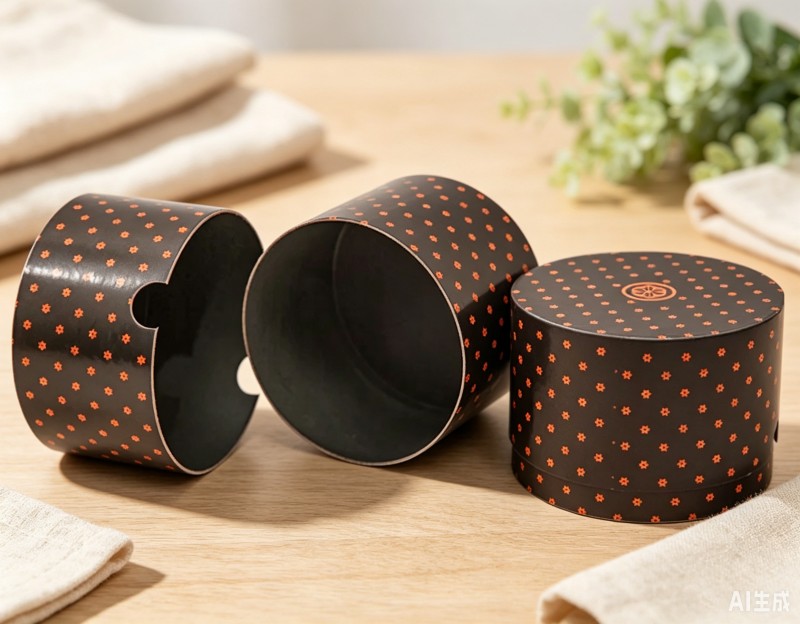
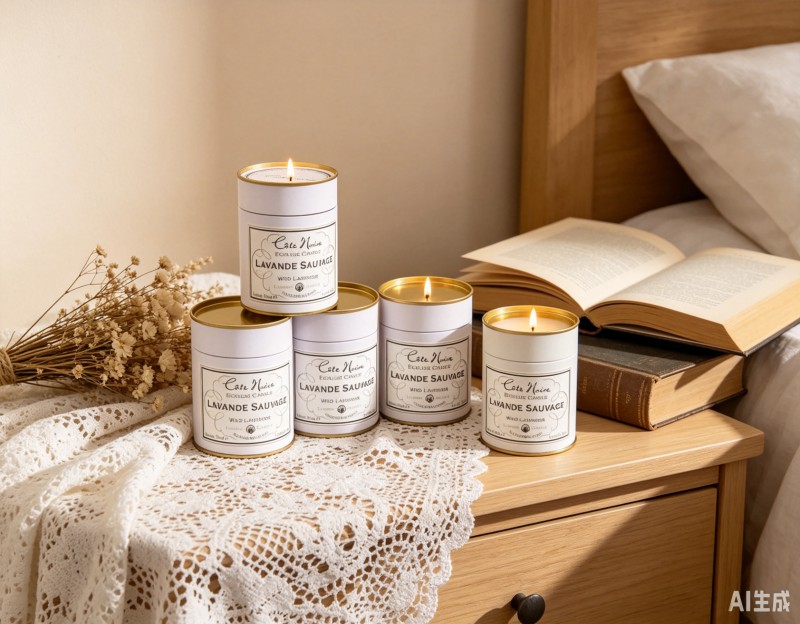

As one of the top China cardboard tube packaging manufacturers and paper tube packaging suppliers, we devote all of our efforts to research and launch more high quality packaging products to global market.
In the premium coffee and tea market, packaging is no longer a simple container. It is a barrier system, a branding surface, a retail display tool, a gift presentation format, and a sustainability statement. The Paper Tube Coffee Box Packaging with Metal Plug and Metal Lid is designed for brands that need a refined cylindrical package with dependable structure, attractive printing, and practical protection for coffee gift boxes and related specialty products. Built as a one-piece paper tube combined with a metal plug and metal bottom, this packaging solution balances the natural appeal of paper with the strength and sealing performance of metal components.
For coffee roasters, tea suppliers, gift-box distributors, and premium food brands, the package must perform in several ways at the same time. It must protect the contents from physical damage, help maintain product freshness, communicate product value, and remain suitable for modern retail, e-commerce, and gifting environments. This paper tube coffee box answers those needs with a cylinder shape, structured paper and kraft paper construction, custom CMYK and Pantone printing, matte finishing, and a customizable logo area. The result is a premium paper tube package that looks elegant on the shelf and feels substantial in the customer’s hands.
Unlike many ordinary paper cans that rely only on thin paperboard or loose-fitting lids, this coffee packaging structure uses a metal plug and metal lid system to reinforce the top and bottom areas. These areas are often the most vulnerable points in cylindrical packaging. By strengthening them with metal components, the tube achieves better durability, improved opening and closing feel, and a more premium appearance. This combination is particularly useful for coffee gift box applications, where the first impression often determines whether a product feels like a thoughtful gift or a standard commodity.
Hangzhou Qunle Packaging Co.,Ltd. manufactures this product with more than 20 years of experience in the composite can and paper can industry. As a long-standing specialist in paper tube packaging and cardboard tube packaging, the company has developed strong manufacturing capability for food, fast-moving consumer goods, daily chemical products, gifts, and many other categories. Its production background includes advanced composite can technology, patented technical know-how, food packaging certification experience, and cooperation with well-known international and domestic brands. These strengths support the consistent quality required for customized premium coffee tube packaging.
Paper Tube Coffee Box Packaging with Metal Plug & Metal Lid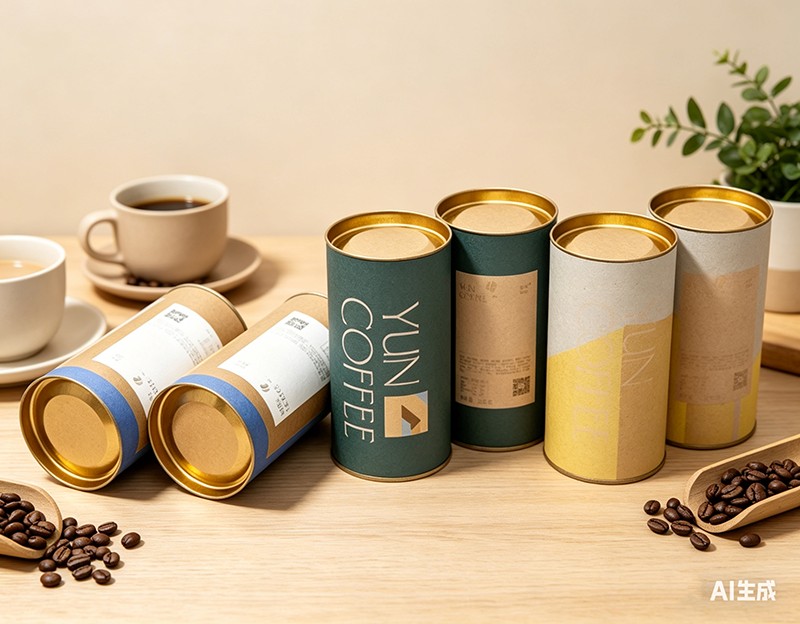
Content
- 1 Product Overview
- 2 Key Product Specifications
- 3 Why Paper Tube Packaging Is a Strong Choice for Coffee
- 4 Advantages Over Competing Packaging Options
- 5 Material Selection and Structural Design
- 6 Printing and Branding Capabilities
- 7 Eco-Friendly Packaging Value
- 8 Advanced Manufacturing Strengths
- 9 Production Process Behind the Paper Tube Coffee Box
- 10 Applications Beyond Coffee Gift Boxes
- 11 Retail and E-Commerce Benefits
- 12 Customization Strategy for Coffee Brands
- 13 Company Capability and Market Reliability
- 14 Quality Considerations for Professional Buyers
- 15 How This Packaging Supports Premium Pricing
- 16 Recommended Use Scenarios
- 17 Q&A Section
- 17.1 What is the main use of this paper tube packaging?
- 17.2 What makes the metal plug and metal lid valuable?
- 17.3 Is the packaging customizable?
- 17.4 What is the standard size?
- 17.5 Is this packaging eco-friendly?
- 17.6 Can this package replace a high-barrier coffee bag?
- 17.7 What printing methods are available?
- 17.8 What is the minimum order quantity?
- 17.9 Why choose a factory-direct paper tube manufacturer?
- 17.10 What company strengths support this product?
- 18 Conclusion
- 19 References
- 20 Product: Paper Tube Coffee Box Packaging with Metal Plug & Metal Lid
Product Overview
The Paper Tube Coffee Box Packaging with Metal Plug and Metal Lid is a cylindrical paper packaging solution developed primarily for coffee gift boxes. Its standard specification is ID73 x 150 mm, which means the inner diameter is approximately 73 mm and the height is approximately 150 mm. This size is well suited for premium coffee formats, sample packs, special edition beans, ground coffee portions, coffee sachets, or gift assortments depending on the inner packaging arrangement selected by the brand.
The product uses paper as its main material, including structured paper and kraft paper. Structured paper offers the rigidity and form stability needed for tube construction, while kraft paper contributes a natural, durable, and eco-friendly image. The package can be customized through CMYK printing and Pantone printing, allowing brands to reproduce full-color artwork, solid brand colors, seasonal graphics, and detailed product information. A matte finish can be applied after printing to create a soft, understated surface that reduces glare and enhances a premium visual impression.
The construction is described as a one-piece paper tube with a metal plug and metal bottom. This structure gives the package a clean cylindrical profile and a strong base. The metal plug and metal lid provide a more secure and polished finish than many basic paperboard caps. The cylinder shape also has practical advantages: it is easy to hold, visually distinctive, and naturally strong against compression compared with many flat-sided paperboard boxes. For retail shelves, the round form stands out among rectangular cartons and flexible bags. For gifting, it gives the product a keepsake-like quality.
Customization is a central advantage of this packaging. The product accepts custom orders, custom logos, brand colors, and tailored surface designs. Because coffee packaging often needs to reflect origin, roasting style, flavor profile, or gift positioning, this flexibility is important. A minimalist specialty coffee brand may choose kraft textures, black typography, and a matte finish. A seasonal gift line may use metallic color accents, full-color illustrations, or Pantone-matched holiday graphics. A premium tea or cocoa brand may adapt the same structure to match its category identity.
The minimum order quantity is 5,000 pieces, making the product suitable for professional brands, distributors, and retail programs that need reliable production scale. Direct factory supply also supports better control over quality, cost, customization details, and delivery planning. For businesses seeking wholesale paper tube packaging, working with an experienced factory provides more assurance than sourcing from general trading channels with limited technical control.
Key Product Specifications
| Item | Specification | Benefit for Coffee Packaging |
|---|---|---|
| Product Type | Paper tube coffee box packaging | Creates a premium cylindrical presentation for coffee gifts and specialty products |
| Industrial Use | Coffee gift box | Ideal for gift sets, premium beans, ground coffee, and retail promotions |
| Construction | One-piece paper tube with metal plug and metal bottom | Improves structure, protection, and perceived quality |
| Main Material | Paper, structured paper, kraft paper | Supports recyclable, eco-conscious, and brand-friendly packaging concepts |
| Size | ID73 x 150 mm | Suitable for compact premium coffee formats and gift packaging |
| Printing | CMYK printing plus Pantone printing | Supports full-color artwork and accurate brand color matching |
| Surface Finish | Matte finish | Creates a refined tactile and visual effect |
| Shape | Cylinder | Offers strong shelf impact and comfortable handling |
| Logo | Custom logo accepted | Strengthens brand identity and market recognition |
| Feature | Recycled materials, eco-friendly | Meets growing demand for sustainable packaging options |
| MOQ | 5,000 pieces | Appropriate for commercial production and wholesale projects |
Why Paper Tube Packaging Is a Strong Choice for Coffee
Coffee is sensitive to air, moisture, light, and odor. While this paper tube is not a replacement for every primary freshness barrier, it is an excellent secondary or presentation package for coffee gift formats and can be combined with inner bags or liners according to the brand’s product protection strategy. Many premium coffee brands use a high-barrier inner pouch for freshness and a rigid outer paper tube for structure, shelf appeal, and gift value. This approach separates technical freshness protection from premium presentation while allowing the brand to reduce reliance on large plastic outer formats.
Paper tube packaging has a natural association with craft, quality, and sustainability. Coffee buyers often care about origin, roasting methods, ethical sourcing, and environmental responsibility. A kraft paper or matte-finished paper tube communicates these values more effectively than glossy plastic containers or generic folding cartons. The cylindrical form also suggests care and distinction. When customers open a paper tube with a firm metal lid, the experience feels deliberate and premium, similar to opening a keepsake container rather than tearing open disposable packaging.
Compared with flexible bags alone, paper tubes provide better physical protection. Coffee bags can be squeezed, folded, punctured, or deformed during handling. A rigid tube helps protect the inner contents from crushing and makes the product easier to display. It also improves gift suitability because the package retains its shape throughout shipping, retail handling, and presentation. For holiday coffee collections, corporate gifts, subscription welcome kits, and limited-edition roasts, the rigid tube can significantly increase perceived value.
Compared with square paperboard boxes, cylindrical tubes provide a more distinctive silhouette. Many retail shelves are crowded with rectangular cartons and stand-up pouches. A round tube breaks the visual pattern and draws attention. It can be displayed upright, arranged in gift sets, or used as part of a premium countertop display. Its smooth curved surface supports continuous artwork, wraparound graphics, origin maps, flavor notes, and decorative patterns.
Compared with metal tins, the paper tube offers a softer, warmer, and more sustainable impression while still using metal components where they add functional value. Full metal cans can be more expensive, heavier, and less aligned with paper-based sustainability messaging. A paper tube with metal plug and metal lid creates a balanced solution: paper provides the main body and brand surface, while metal reinforces the opening and base. This hybrid design can deliver a premium feel without depending entirely on metal.
Advantages Over Competing Packaging Options
Stronger Premium Appeal Than Standard Folding Cartons
Folding cartons are widely used because they are economical and easy to ship flat before assembly. However, for premium coffee gift packaging, they may lack the tactile value and structural presence that customers expect. A cylindrical paper tube feels more substantial. It is less likely to collapse under normal handling and has a unique opening ritual. The metal plug and metal lid further elevate the customer experience by adding firmness and a refined finish. For brands positioning coffee as a gift, souvenir, or luxury daily ritual, this improved sensory experience can justify higher retail pricing.
Better Shape Retention Than Flexible Bags
Flexible coffee bags remain essential for many coffee products, particularly where degassing valves and high-barrier laminates are required. Yet bags can easily wrinkle, lose shape, and look less premium after transport. When used as an outer container, the paper tube protects the bag inside and keeps the product looking presentable. This is especially important for e-commerce shipments and gift programs, where the package may pass through several handling stages before reaching the final customer.
More Eco-Friendly Image Than Plastic Canisters
Plastic canisters are durable but often face criticism from environmentally aware consumers. Paper-based packaging offers a more natural and responsible image, especially when recycled materials and kraft paper are used. The paper tube body can communicate reduced plastic dependence and support brand sustainability messaging. While packaging sustainability depends on the entire material system and local recycling infrastructure, customers generally perceive paper-based formats as more environmentally considerate than rigid plastic containers.
More Brandable Than Generic Stock Containers
Generic stock containers may be fast and inexpensive, but they rarely create strong brand differentiation. This paper tube supports custom CMYK printing, Pantone printing, matte finish, and custom logos. Brands can use the entire cylindrical surface as a storytelling area. Coffee origin, roast level, tasting notes, brew recommendations, sustainability claims, and visual identity can be integrated into the package design. Because the surface is continuous, the artwork can wrap smoothly around the tube, creating an immersive brand impression.
More Gift-Oriented Than Ordinary Paper Cans
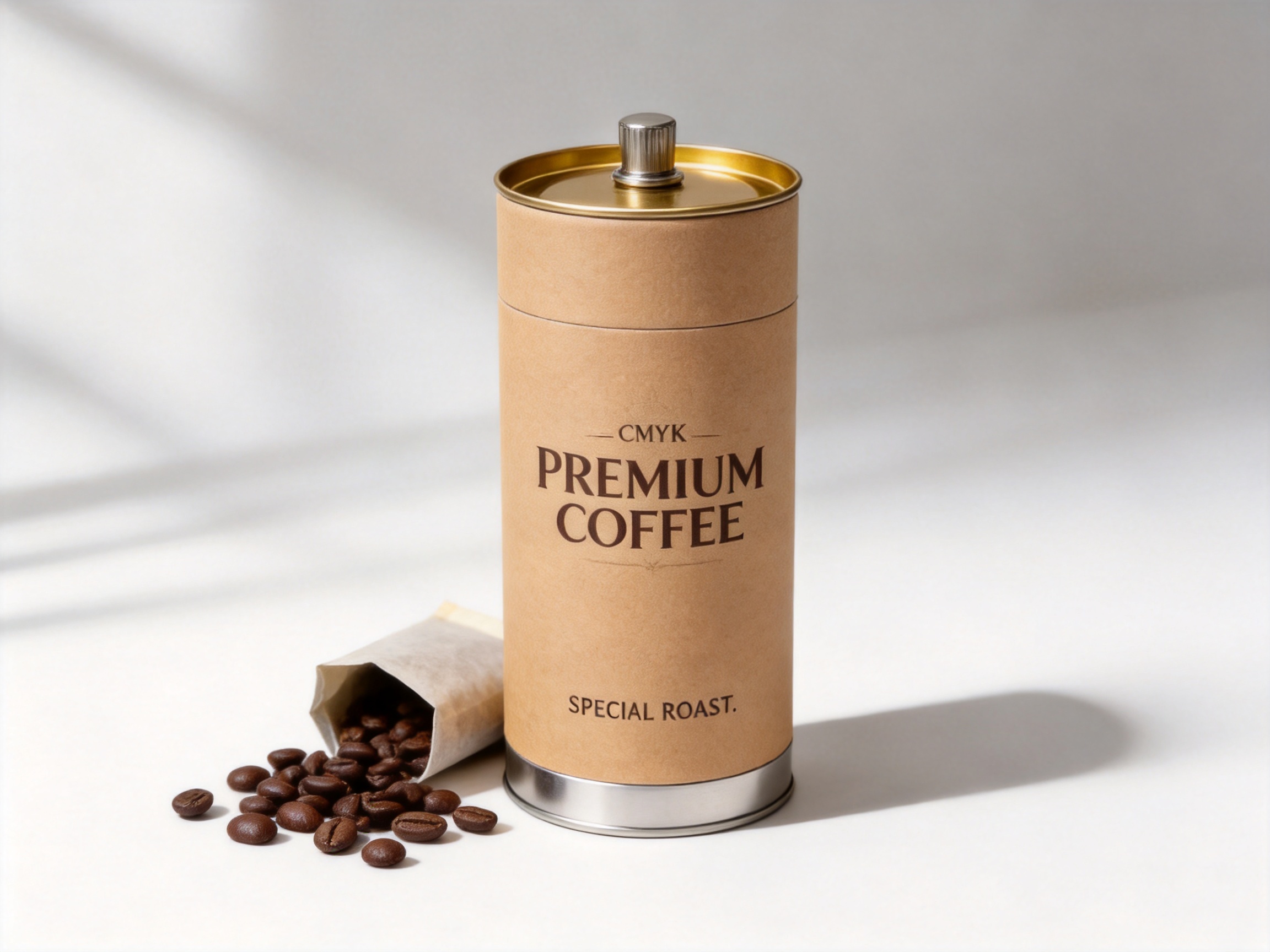
Not all paper cans are designed for gift presentation. Some are purely functional and may use basic paper lids or lightweight structures. The metal plug and metal lid distinguish this product from simpler competitors by providing added durability and a premium opening feel. The metal bottom also helps the package stand securely and resist deformation. These details matter when the product is sold as a gift box, because consumers evaluate not only the contents but also the elegance and reliability of the packaging.
Material Selection and Structural Design
The main material of the tube is paper, including structured paper and kraft paper. Structured paper is chosen for strength, dimensional stability, and suitability for tube winding or forming processes. Kraft paper adds durability and natural texture. Depending on the final design, the outer surface can be printed directly or wrapped with a printed label layer. The paper body can be engineered to achieve the required wall thickness, rigidity, and compression resistance for the intended product weight.
The use of a one-piece tube body contributes to a clean appearance and consistent structure. A well-formed cylindrical body distributes pressure evenly around the tube, making it less prone to corner damage than rectangular boxes. This is one reason tube packaging is often used for premium foods, cosmetics, candles, wine and spirits, and gift items. In coffee packaging, the cylinder shape also suggests freshness containers and traditional canisters, creating familiarity while still offering modern customization.
The metal plug and metal lid are important functional and aesthetic components. Metal provides precise edges, good closure feel, and improved durability at the opening. The lid is the part customers touch first when opening the package, so its fit, sound, and resistance influence the perceived quality of the entire product. A loose or flimsy lid can make a package feel cheap even when the printed artwork is beautiful. A well-fitted metal lid communicates care and reliability.
The metal bottom strengthens the lower part of the tube and improves stability when displayed upright. It can also help protect the base from abrasion and deformation. For retail products that may be moved repeatedly from cartons to shelves, a stronger bottom is a practical advantage. It also supports the gift-box character of the package, making it feel more durable and reusable.
The matte post-printing finish is another key design choice. Glossy surfaces can look bright but may create glare under store lighting and sometimes feel less natural. A matte finish gives the tube a modern, refined, and tactile surface. It can support minimalist premium coffee branding, natural kraft-inspired designs, or sophisticated gift themes. Matte finishing also allows printed colors to appear soft and elegant, which is often preferred in premium food and beverage packaging.
Printing and Branding Capabilities
Printing quality plays a decisive role in paper tube packaging. Coffee is a competitive category, and consumers often make purchase decisions quickly based on visual cues. The package must communicate flavor, origin, quality, and brand trust at a glance. CMYK printing enables full-color images, gradients, illustrations, product photography, and complex artwork. Pantone printing supports precise spot colors, which is important for maintaining brand consistency across product lines and marketing materials.
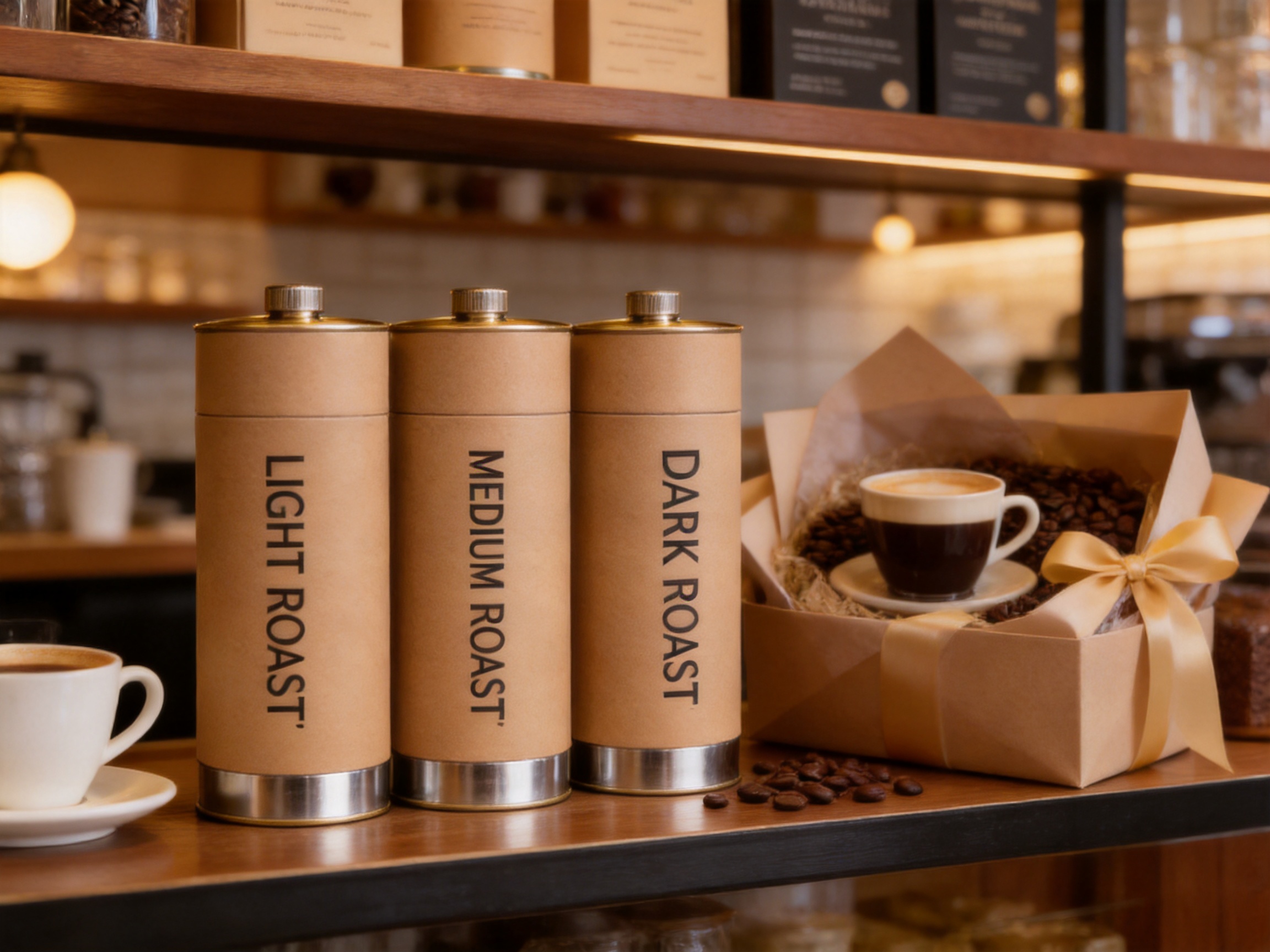
For example, a specialty coffee brand may require a specific deep green, warm brown, or signature orange that cannot be accurately reproduced through CMYK alone. Pantone printing helps ensure that the brand color remains consistent from batch to batch. This consistency is especially important for multi-SKU product families, such as light roast, medium roast, dark roast, single-origin editions, and seasonal blends. When several tubes appear together on a shelf, consistent printing makes the brand look organized and professional.
The cylindrical surface allows creative design possibilities that flat cartons cannot easily provide. Artwork can wrap around the tube to create a 360-degree brand story. One side may feature the logo and product name, another side may show brewing instructions, and another section may present origin details or sustainability information. Designers can also create patterns that align around the circumference, giving the package a premium decorative effect.
Custom logo placement is supported, enabling businesses to highlight their brand identity prominently. A logo can be printed in the main visual panel, repeated as a subtle pattern, or combined with special artwork. While the provided specification mentions CMYK printing, Pantone printing, and matte finish, brands may also discuss additional finishing possibilities with the manufacturer depending on project requirements, such as localized varnish effects, embossing concepts, or metallic color treatments if suitable for production.
Clear, accurate printing also supports regulatory and product communication needs. Coffee packaging often includes net weight, roast date areas, ingredient statements, storage instructions, origin information, and barcode placement. A professional packaging manufacturer can help ensure that the design layout works well on a curved surface and that important information remains readable after forming.
Eco-Friendly Packaging Value
Sustainability has become a major driver in packaging selection. Customers increasingly ask whether packaging is recyclable, whether it uses recycled content, whether it reduces plastic, and whether it aligns with responsible consumption. This paper tube packaging features recycled materials and an eco-friendly concept, helping brands present a more responsible image in the coffee and tea market.
Paper-based packaging is attractive because it is made from renewable fiber resources and can often be integrated into paper recycling systems depending on local facilities and the final material combination. Kraft paper also communicates authenticity and environmental awareness. For premium coffee brands that emphasize ethical sourcing, farmer relationships, organic cultivation, or low-impact roasting, paper tube packaging can reinforce the same values at the point of sale.
The product’s hybrid structure uses paper as the primary material while applying metal components strategically. This can reduce the need for full plastic or full metal containers while still providing structural benefits. It also supports the trend toward packaging that is both premium and more environmentally considerate. Many consumers do not want sustainability to mean poor quality or unattractive design. A well-made paper tube shows that eco-conscious packaging can still look refined and perform well.
Another sustainable advantage is reusability. A rigid paper tube with a metal lid can be kept after the original coffee is consumed. Customers may reuse it for storing small items, tea sachets, stationery, craft materials, or kitchen accessories. Reuse extends the life of the package and keeps the brand visible in the consumer’s home. Gift packaging that feels reusable often creates a stronger emotional connection than disposable packaging.
However, responsible sustainability communication should be accurate and specific. Brands should avoid vague claims and instead explain practical benefits, such as paper-based construction, use of recycled materials, reduced plastic outer packaging, or reusable design. Working with an experienced packaging supplier helps brands select materials and claims that are appropriate for their markets.
Advanced Manufacturing Strengths
Hangzhou Qunle Packaging Co.,Ltd. brings more than two decades of experience in the composite can and paper can industry. This long-term specialization matters because paper tube packaging requires more than simple paper conversion. It involves material selection, adhesive control, tube forming, dimensional accuracy, cutting, printing, finishing, lid fitting, and quality inspection. Each stage affects the final customer experience.
The company is recognized as a professional manufacturer and supplier of paper tube packaging and cardboard tube packaging. Its business covers food, daily chemical products, fast-moving consumer goods, gifts, cosmetics, candles, pet care, snacks, spices, nutrition supplements, and other categories. This broad category experience provides technical insight into different product protection needs, appearance standards, and market expectations. Coffee and tea packaging benefits from the company’s experience in food-grade container manufacturing and premium consumer packaging.
The company was the first enterprise in China to pass the QS certificate for producing food packaging containers. This background is significant for brands that need packaging intended for food-related applications. Food packaging requires disciplined production management, cleanliness, material control, and documentation. While each project may require confirmation of specific compliance requirements for the destination market, a manufacturer with food packaging certification experience is better positioned to understand the expectations of food brands.
In 2015, the company introduced a high-speed composite can production line from Europe. Advanced production equipment improves efficiency, consistency, and capacity. High-speed composite can production requires precise control of paper layers, forming tension, cutting accuracy, and component fitting. For customers ordering thousands or tens of thousands of units, consistent dimensions and appearance are essential. A small variation in tube diameter or lid fit can create problems during packing, shipping, and customer use. Modern equipment helps reduce these risks.
The company has obtained more than 10 patented technologies, showing its commitment to product development and technical improvement. Patent ownership indicates that the manufacturer is not only copying standard packaging formats but also researching and refining packaging structures and production methods. For customers, this can translate into better problem-solving, improved design options, and stronger technical support during custom projects.
Long-term cooperation with well-known companies and brands also demonstrates manufacturing reliability. Partnerships with organizations in food, beverages, tea, coffee, and consumer goods require stable quality and delivery performance. Premium coffee packaging customers benefit from this experience because the manufacturer understands the expectations of professional buyers, brand managers, and international supply chains.
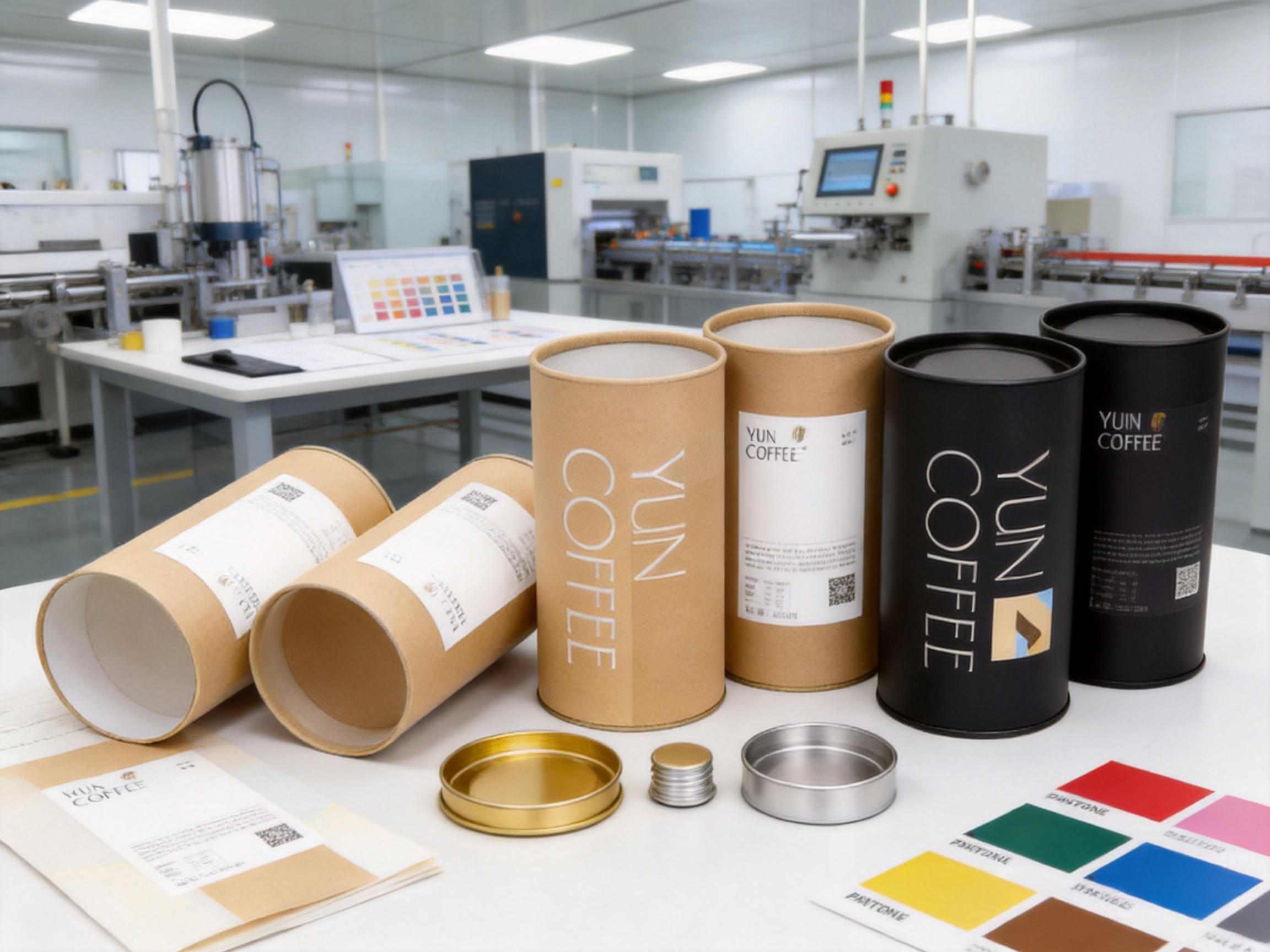
Production Process Behind the Paper Tube Coffee Box
Material Preparation
The production process begins with selecting suitable paper materials. Structured paper and kraft paper must meet the required thickness, strength, surface smoothness, and forming properties. The paper must be compatible with printing, lamination or finishing processes, adhesive systems, and tube forming equipment. Material preparation also includes confirming the specifications required by the customer, such as tube diameter, height, wall thickness, color design, and surface finish.
Artwork Review and Printing
Before mass production, the artwork is reviewed for technical suitability. A cylindrical tube requires careful attention to wraparound alignment, seam placement, bleed areas, text readability, and color consistency. CMYK and Pantone printing are selected according to the design. Brand colors, product names, origin information, and regulatory text must be reproduced accurately. Printing quality is checked for color deviation, registration, clarity, and surface defects.
Post-Printing Handling
After printing, a matte finish is applied as the post-printing handling method. This finish protects the printed surface and creates the desired tactile appearance. Matte finishing must be controlled carefully to avoid uneven coating, scratches, or visual inconsistency. A well-executed matte surface gives the tube a premium and professional appearance.
Tube Forming
The printed and prepared paper layers are formed into a cylindrical tube. The forming process must maintain accurate inner diameter and roundness. For the ID73 x 150 mm specification, the inner diameter must remain consistent so that the metal plug and lid fit properly. Tube wall strength depends on paper layer arrangement, adhesive application, pressure, and curing. The tube is then cut to the correct height with clean edges.
Metal Component Assembly
The metal plug, metal lid, and metal bottom are assembled with the paper tube body. Fit is critical. The lid must close securely but not be too difficult to open. The bottom must be stable and well aligned. The metal components should enhance the tube’s appearance without creating sharp edges or quality defects. A good manufacturer pays close attention to the interaction between paper body and metal parts because this determines the final user experience.
Quality Inspection
Quality inspection includes checking dimensions, printing, finish, structure, lid fit, bottom stability, cleanliness, and packaging. For coffee gift packaging, cosmetic quality is especially important because visible defects can reduce perceived value. Inspection helps identify issues such as color inconsistency, dents, stains, loose lids, misaligned seams, rough edges, or poor roundness. Consistent inspection supports reliable wholesale delivery and protects the brand’s reputation.
Packing and Delivery
Finished tubes are packed carefully to prevent crushing, abrasion, or moisture exposure during transport. Packaging for shipment must preserve the cylindrical shape and printed finish. Direct factory supply allows better coordination of production schedules, packing requirements, and shipping plans. Customers can communicate with the manufacturer about carton packing, palletizing, and export requirements according to their market and logistics needs.
Applications Beyond Coffee Gift Boxes
Although this product is designed for coffee gift box use, the same paper tube concept can be adapted for many premium categories. Coffee and tea are natural applications because both benefit from gift-ready, aroma-associated, and visually attractive packaging. Specialty tea blends, loose-leaf teas, herbal infusions, cocoa mixes, and beverage powders can all use similar cylindrical formats.
The structure is also relevant for nutrition supplements, chocolate and confectionery, snacks and nuts, seasonings and spices, cosmetics and skincare, candles and fragrances, gifts and crafts, coin banks, tubes with windows, round car tissue holders, car tissues, cereal and cookies, pet care products, and other customized packaging programs. The manufacturer’s product category range shows the flexibility of paper tube packaging across industries.
For premium food products, the tube can be used as an outer gift package with appropriate inner packaging. For cosmetics, it can hold jars, bottles, or skincare sets. For candles, it can protect the product and enhance fragrance-brand presentation. For gifts and crafts, it can serve as both protective packaging and decorative storage. The strong brandable surface and cylindrical shape make it a versatile option wherever product presentation matters.
Brands can also create product families using consistent tube dimensions and different printed designs. For example, a coffee company may use the same structure for three roast levels, each identified by a distinct Pantone color. A tea company may use botanical illustrations for different blends. A gift company may create seasonal editions with holiday artwork. Because custom printing is accepted, the same tube format can support multiple marketing campaigns.
Retail and E-Commerce Benefits
In physical retail, packaging must attract attention quickly. The cylindrical paper tube stands apart from flat cartons and pouches. Its vertical shape gives it strong shelf presence, while the curved surface encourages customers to pick it up and rotate it. Once in hand, the metal lid and matte finish reinforce the sense of quality. This interaction can increase the likelihood of purchase, especially for premium coffee products where customers are willing to pay more for an elevated experience.
For gift shops, supermarkets, specialty coffee stores, and duty-free environments, the tube format is highly suitable. It can be displayed upright in rows, stacked in gift sets, or arranged in seasonal promotional displays. The package also photographs well for catalogs, social media, and online marketplaces. A clean cylinder with custom printing can become part of a brand’s visual identity.
In e-commerce, rigid packaging helps reduce the risk of the product arriving crushed or unattractive. While outer shipping cartons are still required, the paper tube provides an extra layer of protection and presentation. When customers unbox a premium coffee product ordered online, the tube can deliver a gift-like experience. This is valuable for subscription boxes, corporate gifts, direct-to-consumer coffee brands, and holiday promotions.
Packaging also affects repeat purchase and word-of-mouth marketing. Customers are more likely to share attractive packaging on social media or keep it for reuse. A paper tube with a custom logo can remain visible after purchase, extending brand exposure. In a category where many products compete on flavor, origin, and story, memorable packaging can help a brand stay in the customer’s mind.
Customization Strategy for Coffee Brands
To get the best result from this paper tube, coffee brands should plan customization around both function and storytelling. The first step is defining the product format: whole beans, ground coffee, sachets, capsules, or a gift set. If the coffee requires a high-barrier inner pouch, the tube dimensions and internal fit should be planned accordingly. The ID73 x 150 mm specification provides a compact premium format, but custom sizing may be discussed for other needs.
The second step is defining the brand message. A premium single-origin coffee may emphasize farm location, altitude, processing method, and tasting notes. A corporate gift coffee may emphasize elegance, reliability, and logo visibility. A holiday coffee may highlight warmth, celebration, and seasonal design. The cylindrical surface should be organized so the main selling message is visible from the front while secondary information remains easy to find as the customer rotates the tube.
The third step is selecting colors and finish. Pantone colors should be used for key brand tones. CMYK can handle illustrations, images, and complex backgrounds. Matte finish is recommended for a refined, modern look. Designers should consider contrast because matte surfaces can soften color intensity. Text size should remain readable on the curved surface, and important information should not be placed too close to seams or edges.
The fourth step is planning the opening experience. The metal lid should feel secure and premium. Brands may consider how the customer will remove the lid, access the inner coffee, and reuse the tube. If inner packaging is included, it should fit neatly and not create pressure that affects lid closure. The unboxing sequence should feel smooth and intentional.
The final step is production communication. Customers should provide artwork files, color references, logo requirements, size needs, intended contents, and market requirements. Clear communication with the factory helps prevent delays and ensures that samples and mass production meet expectations. Because the manufacturer accepts custom orders and provides factory-direct production, customers can coordinate technical details more efficiently.
Company Capability and Market Reliability
Hangzhou Qunle Packaging Co.,Ltd. is located at No.36 Kangxian Road, Gongshu District, Hangzhou, Zhejiang Province, China. The company has built its position through more than 20 years of concentration in composite cans and paper cans. This long history gives customers confidence that the manufacturer understands not only production but also the changing needs of packaging markets.
The company is the only member of the international Composite Can and Tube Institute in China’s packaging container industry. This membership reflects its professional position in the field and connection with international composite can and tube standards and developments. For overseas customers seeking paper tube packaging suppliers, this professional background can be an important differentiator.
The company’s packaging business covers multiple sectors, including food, daily chemical products, and fast-moving consumer goods. This cross-industry experience supports practical design thinking. Food products require safety and cleanliness. Cosmetics require premium appearance and precise branding. Fast-moving consumer goods require cost control and production efficiency. Gift packaging requires emotional appeal and surface quality. The Paper Tube Coffee Box Packaging with Metal Plug and Metal Lid benefits from all these accumulated manufacturing insights.
Long-term partnerships with recognized companies and brands such as COFCO, STANDERS, DAVIDsTEA, Avalanche Coffee, Whittaker’s, McSteven’s, Nongfu Spring, and Beingmate demonstrate the company’s ability to serve demanding customers. These partnerships suggest experience with quality control, supply continuity, customization, and professional communication. For coffee brands entering international retail or scaling up seasonal gift programs, a proven supplier can reduce sourcing risk.
The factory-direct model is another advantage. Customers dealing directly with the manufacturer can often achieve better alignment on price, lead time, sample development, and technical requirements. Factory-direct communication reduces information loss and allows problems to be solved more quickly. For custom printed paper tubes, this is particularly important because artwork, material, size, and assembly details must be coordinated precisely.
Quality Considerations for Professional Buyers
Professional buyers evaluating paper tube coffee packaging should consider several quality indicators. The first is dimensional consistency. The inner diameter and height must match the agreed specification, especially when the tube is designed to hold a specific inner pouch or product insert. Inconsistent dimensions can create packing problems and affect lid fit.
The second indicator is roundness and structural strength. A high-quality paper tube should maintain a smooth cylindrical shape without visible warping, dents, or uneven seams. It should feel firm in the hand and stand upright without instability. The metal bottom should be securely installed and flush with the tube structure.
The third indicator is lid performance. The metal lid or plug should fit properly, open smoothly, and close securely. It should not feel excessively loose or overly tight. The edge finish should be safe and clean. Since the lid is a major part of the consumer interaction, its quality strongly influences the perceived value of the package.
The fourth indicator is printing accuracy. Colors should match approved samples or color standards as closely as possible. Logos and text should be sharp. The matte finish should be even, without scratches, bubbles, or streaks. Because premium coffee packaging depends heavily on shelf appearance, surface defects can harm brand image.
The fifth indicator is cleanliness. Coffee and tea packaging should be produced, stored, and packed in a clean environment. Dust, odor, stains, or foreign particles are unacceptable. A manufacturer with food packaging container experience is better equipped to manage these concerns.
The sixth indicator is batch consistency. For a minimum order quantity of 5,000 pieces, every tube should look and perform consistently. If multiple production batches are required, color and dimensional consistency should be maintained. Professional quality control and stable production equipment are essential for this.
How This Packaging Supports Premium Pricing
Premium pricing is not achieved by product quality alone. Customers must see and feel the value before they taste the coffee. Packaging is the first evidence of that value. A paper tube with a metal plug and metal lid communicates quality through its shape, texture, weight, and opening experience. This can help specialty coffee brands justify higher prices, especially for gift lines, limited editions, and curated collections.
The matte finish creates a sophisticated visual identity. Custom printing tells the brand story. The metal components add tactile satisfaction. The rigid body protects the product and maintains a neat appearance. Together, these elements create a package that feels more valuable than a simple bag or thin carton. When customers buy coffee as a gift, they are often willing to pay more for packaging that looks complete and presentable without additional wrapping.
The package can also reduce the need for secondary gift materials. A beautifully printed tube may serve as the gift box itself. This can simplify retail presentation and improve convenience for customers. For corporate buyers ordering coffee gifts, a custom logo tube can deliver a branded gift experience in a compact and professional format.
In addition, the reusable nature of the tube adds perceived value. Customers may keep the container, which makes the product feel less disposable. Reuse also increases long-term brand exposure. Every time the customer sees the tube after purchase, the brand message is reinforced.
Recommended Use Scenarios
This packaging is especially recommended for premium coffee gift boxes, specialty coffee launches, seasonal coffee promotions, corporate coffee gifts, limited-edition roasts, coffee subscription welcome packages, sample assortments, and co-branded retail campaigns. It is also suitable for premium teas, cocoa, confectionery, and other products where a compact cylindrical gift package creates added value.
For specialty roasters, the tube can be used for exclusive single-origin coffees or rare microlot releases. For larger coffee brands, it can support holiday promotions or supermarket gift displays. For hotels, airlines, and corporate gifting companies, it can hold branded coffee products in a format that feels polished and memorable. For e-commerce brands, it can improve unboxing satisfaction and product protection.
The ID73 x 150 mm size is compact enough for convenient handling but large enough to provide meaningful branding space. Brands should confirm content volume and internal fit during sample development. If the contents include a separate inner bag, the bag dimensions and sealing method should be planned before finalizing the tube size.
Q&A Section
What is the main use of this paper tube packaging?
It is mainly designed for coffee gift box packaging. It can hold coffee products directly when suitable lining and compliance conditions are met, or it can serve as a premium outer container for inner coffee bags, sachets, or gift assortments.
What makes the metal plug and metal lid valuable?
The metal plug and metal lid improve durability, closure feel, and perceived quality. They make the package feel more refined than standard paper-only tubes and help protect the opening and base areas from deformation.
Is the packaging customizable?
Yes. Custom orders are accepted. The tube can be customized with brand logos, CMYK printing, Pantone printing, matte finishing, and tailored artwork. Custom sizing and additional design requirements may be discussed with the manufacturer according to project needs.
What is the standard size?
The listed size is ID73 x 150 mm. This means the inner diameter is approximately 73 mm and the height is approximately 150 mm. It is suitable for compact premium coffee packaging and gift formats.
Is this packaging eco-friendly?
The product uses paper materials, including structured paper and kraft paper, and features recycled materials and an eco-friendly concept. It can help brands reduce dependence on plastic outer packaging and communicate a more sustainable image.
Can this package replace a high-barrier coffee bag?
That depends on the product’s freshness requirements. Coffee often needs protection from oxygen, moisture, and aroma loss. Many brands use this paper tube as a premium outer package together with an inner high-barrier coffee bag. Specific barrier needs should be confirmed during packaging development.
What printing methods are available?
The package supports CMYK printing and Pantone printing. CMYK is useful for full-color designs, while Pantone printing helps maintain accurate brand colors. Matte post-printing handling gives the surface a premium finish.
What is the minimum order quantity?
The MOQ is 5,000 pieces. This quantity is suitable for commercial brands, wholesale projects, promotional campaigns, and professional coffee packaging programs.
Why choose a factory-direct paper tube manufacturer?
Factory-direct supply supports better communication, quality control, customization, pricing coordination, and production planning. It also allows customers to discuss technical requirements directly with the team responsible for manufacturing.
What company strengths support this product?
The manufacturer has more than 20 years of experience in the composite can and paper can industry, advanced production equipment, more than 10 patented technologies, food packaging container certification experience, and long-term cooperation with recognized brands in food, beverage, tea, coffee, and consumer goods markets.
Conclusion
The Paper Tube Coffee Box Packaging with Metal Plug and Metal Lid is a strong packaging choice for coffee brands that want to combine premium presentation, structural reliability, customization, and eco-conscious material appeal. Its one-piece paper tube body, metal plug, metal lid, and metal bottom create a durable and attractive cylindrical package. Its CMYK and Pantone printing capabilities support strong branding, while the matte finish adds a refined tactile quality.
Compared with ordinary folding cartons, flexible bags, plastic canisters, and basic paper cans, this package offers a more gift-oriented and differentiated customer experience. It protects the product presentation, enhances shelf impact, supports brand storytelling, and can encourage reuse after purchase. For specialty coffee, corporate gifts, seasonal promotions, and premium beverage packaging, these advantages can directly support stronger perceived value and better market positioning.
The manufacturing strength behind the product is equally important. With decades of experience, advanced composite can production capability, patented technologies, food packaging background, and professional factory-direct service, Hangzhou Qunle Packaging Co.,Ltd. provides the production reliability needed for customized paper tube packaging. For brands seeking high-quality coffee and tea packaging with a premium sustainable image, this paper tube solution is a practical and competitive option.
References
Composite Can and Tube Institute. Industry Guidance on Composite Can and Tube Packaging.
Packaging Machinery Manufacturers Institute. Fundamentals of Packaging Materials and Processes.
Food and Agriculture Organization. Food Packaging and Shelf-Life Considerations for Dry Food Products.
International Organization for Standardization. Packaging and Environmental Considerations in Product Design.
Robertson, G. L. Food Packaging: Principles and Practice.
Soroka, W. Fundamentals of Packaging Technology.
