 English
 Español

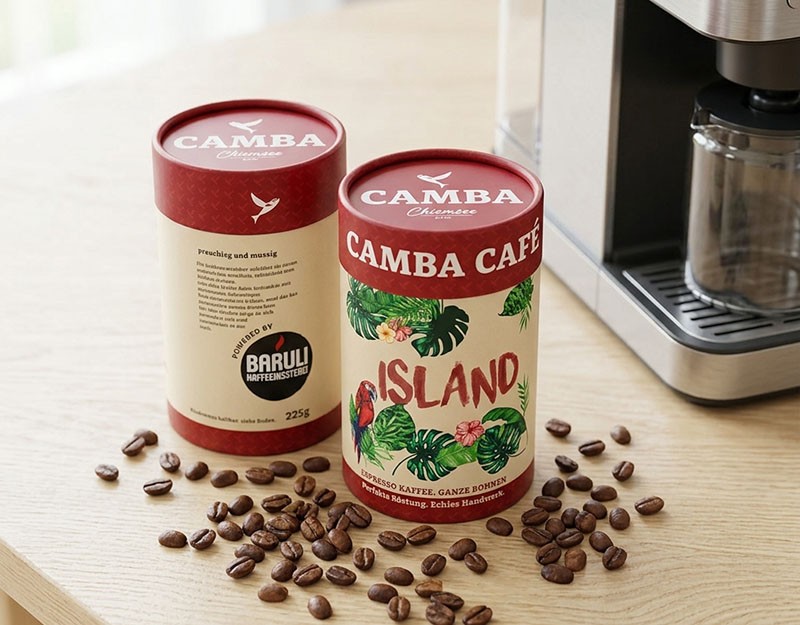
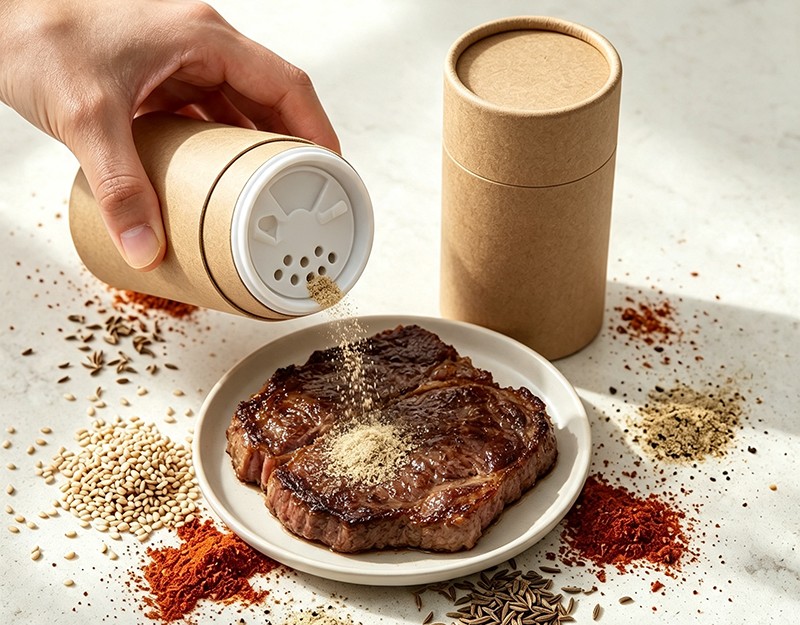
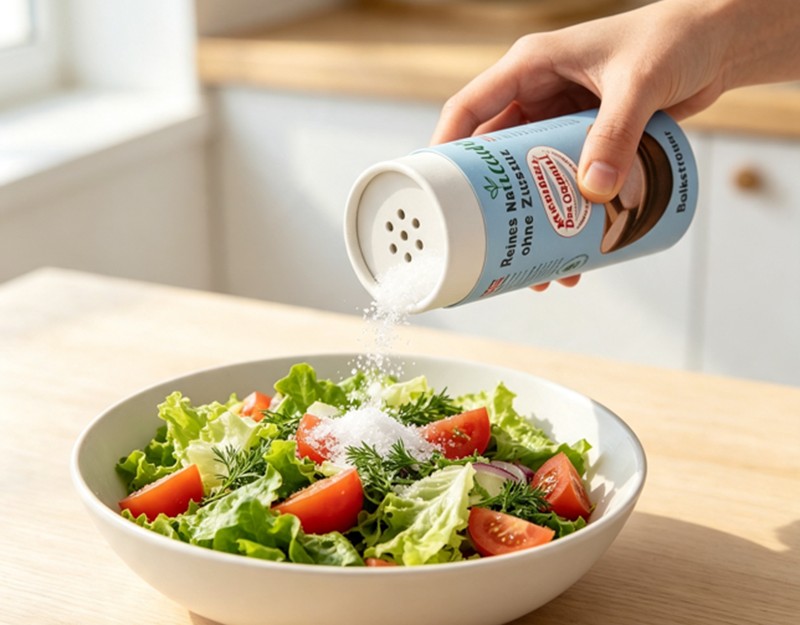
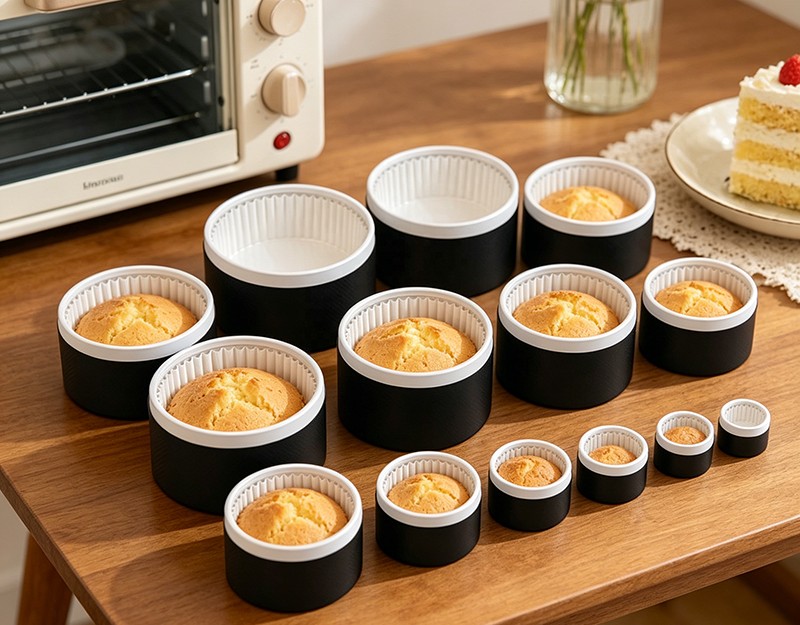
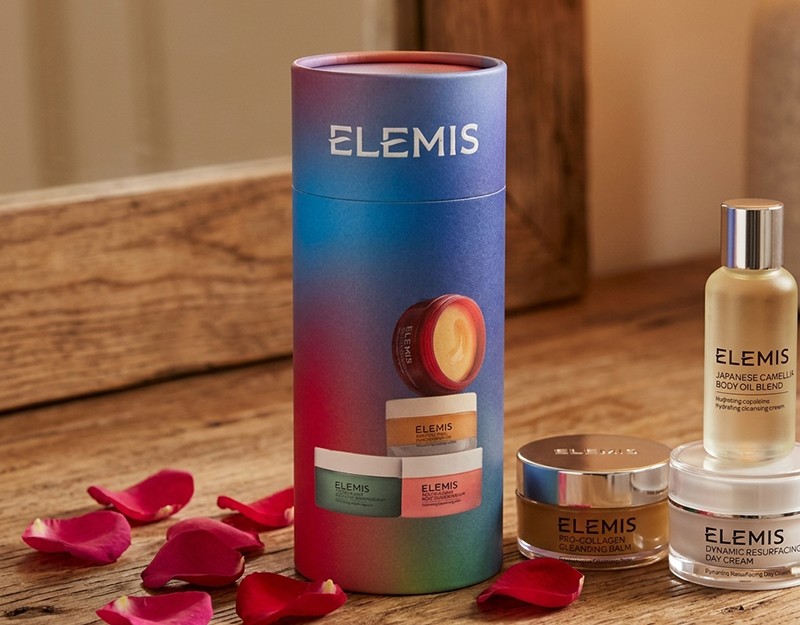
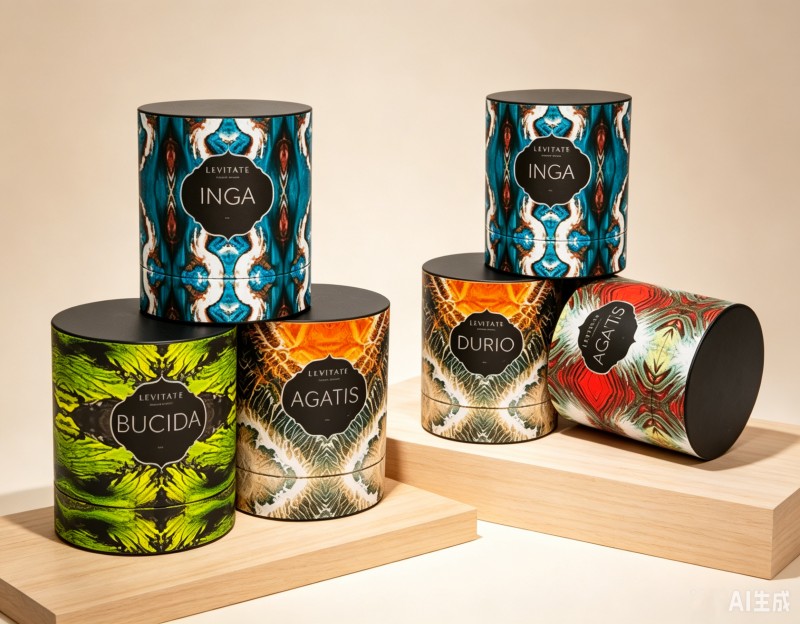
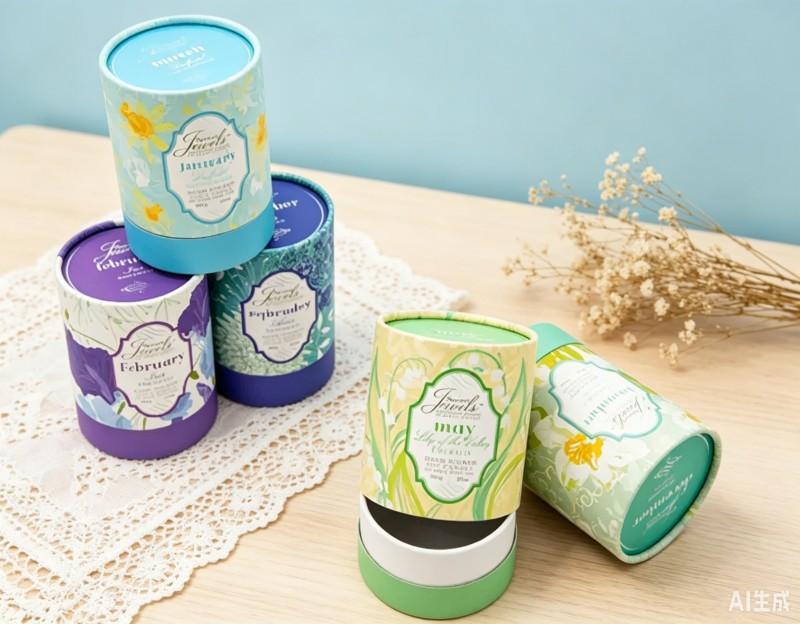
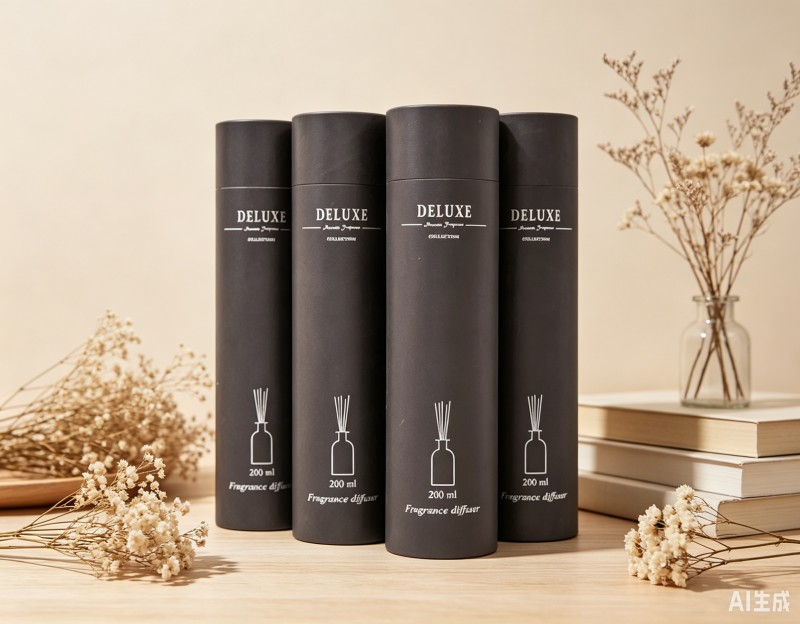
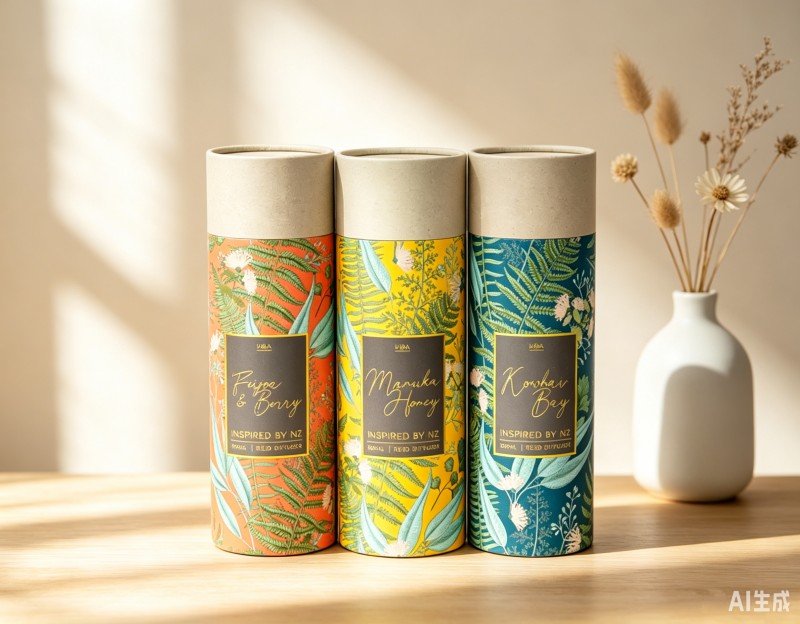
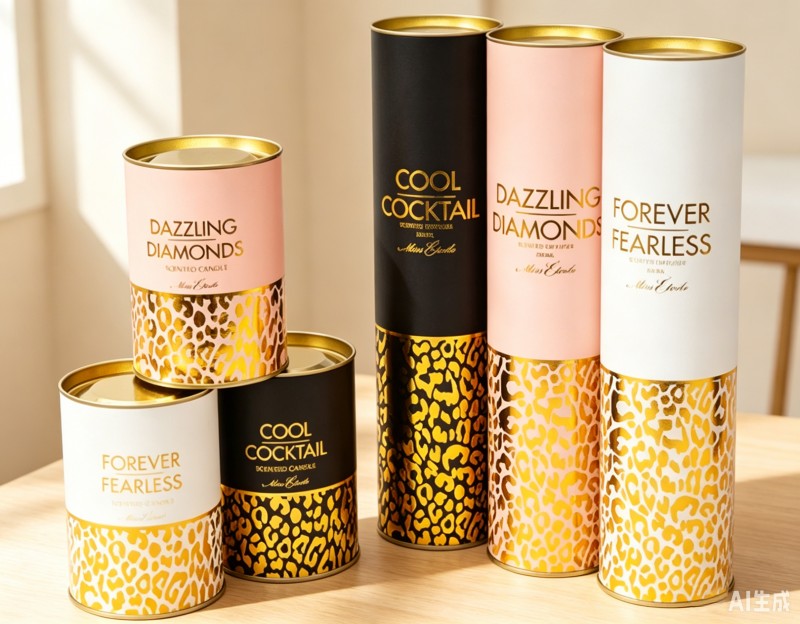
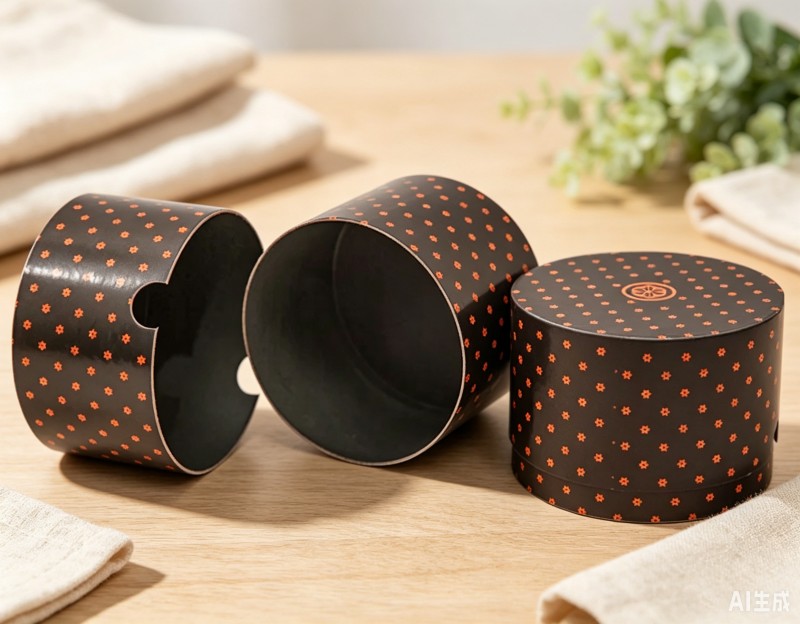
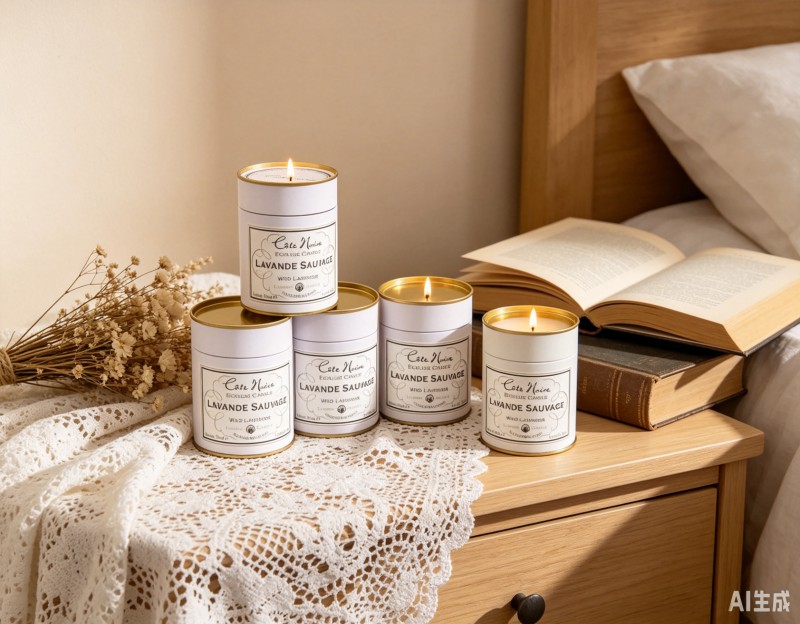

As one of the top China cardboard tube packaging manufacturers and paper tube packaging suppliers, we devote all of our efforts to research and launch more high quality packaging products to global market.
Premium wine deserves packaging that protects the bottle, elevates the first impression, and communicates value before the cork is opened. A high-end luxury carton tube paper tube box for wine packaging is designed for exactly that purpose: it combines the strength of rigid cylindrical construction, the refinement of custom printed surfaces, and the practicality of recyclable paper-based materials. For wineries, wine distributors, spirits brands, gift companies, and private-label packaging buyers, this style of packaging offers a sophisticated alternative to ordinary folding cartons and generic bottle boxes.
The featured wine paper tube box is a custom packaging solution made with kraft paper, an art paper label, a coated paper liner, and tin lid and bottom components. Its standard reference size is ID 99 mm by H 316 mm, making it suitable for many wine bottle formats while also allowing customization according to bottle dimensions, branding requirements, and market positioning. With offset printing surface handling, custom colors, and reusable structure, it is created for brands that want a refined presentation without sacrificing protection or practical manufacturability.
High-end Luxury Carton Tube Paper Tube Box Wine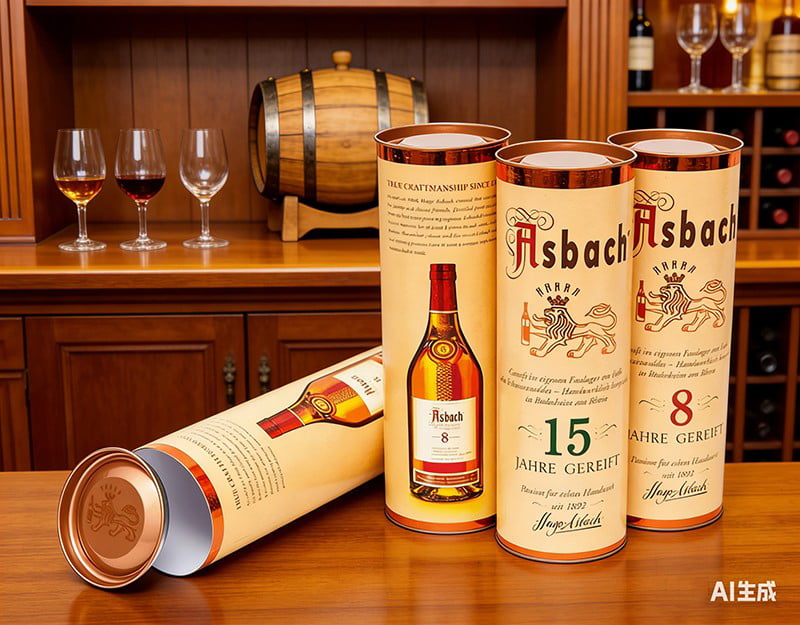
Content
- 1 Product Overview
- 2 Key Product Specifications
- 3 Why Paper Tube Packaging Works So Well for Wine
- 4 Advantages Over Ordinary Competitor Packaging
- 4.1 Stronger Shelf Presence Than Standard Folding Cartons
- 4.2 More Premium Tactile Experience Than Lightweight Boxes
- 4.3 Better Customization Potential Than Generic Bottle Sleeves
- 4.4 More Sustainable Appeal Than Many Plastic-Based Gift Packages
- 4.5 Improved Protection for Labels and Bottle Presentation
- 5 Material Design and Structural Performance
- 6 Offset Printing for Luxury Wine Branding
- 7 Manufacturing Strength Behind the Product
- 8 Advanced Production Capabilities
- 9 Quality Control and Consistency
- 10 Applications in Wines and Spirits
- 11 Design Strategies for Premium Wine Tubes
- 12 Sustainability and Reuse Value
- 13 How the Tube Enhances Consumer Experience
- 14 Why Choose an Experienced Paper Tube Manufacturer
- 15 Customization Process for Wine Brands
- 16 Business Value for Wine and Spirits Brands
- 17 Comparison With Alternative Packaging Formats
- 18 Q&A Section
- 18.1 Q1: What is the main use of this paper tube box?
- 18.2 Q2: What materials are used in the product?
- 18.3 Q3: What is the standard reference size?
- 18.4 Q4: Can the color and artwork be customized?
- 18.5 Q5: Why is a paper tube better than a normal folding carton for wine?
- 18.6 Q6: Is this packaging reusable?
- 18.7 Q7: Is the product recyclable?
- 18.8 Q8: What makes the manufacturer capable of producing premium wine tubes?
- 18.9 Q9: Can this type of tube be used for spirits as well as wine?
- 18.10 Q10: What should buyers prepare before requesting a custom order?
- 19 Conclusion
- 20 References
- 21 Product: High-end Luxury Carton Tube Paper Tube Box Wine
Product Overview
The high-end luxury carton tube paper tube box is developed for wines and spirits packaging, with a focus on premium presentation and dependable structural support. Unlike flat cartons that depend heavily on folding lines and glued seams, a rigid paper tube uses a cylindrical body that naturally resists compression from multiple directions. This makes it suitable for premium bottle packaging, especially where the product may pass through retail, gifting, e-commerce, distribution, and display environments.
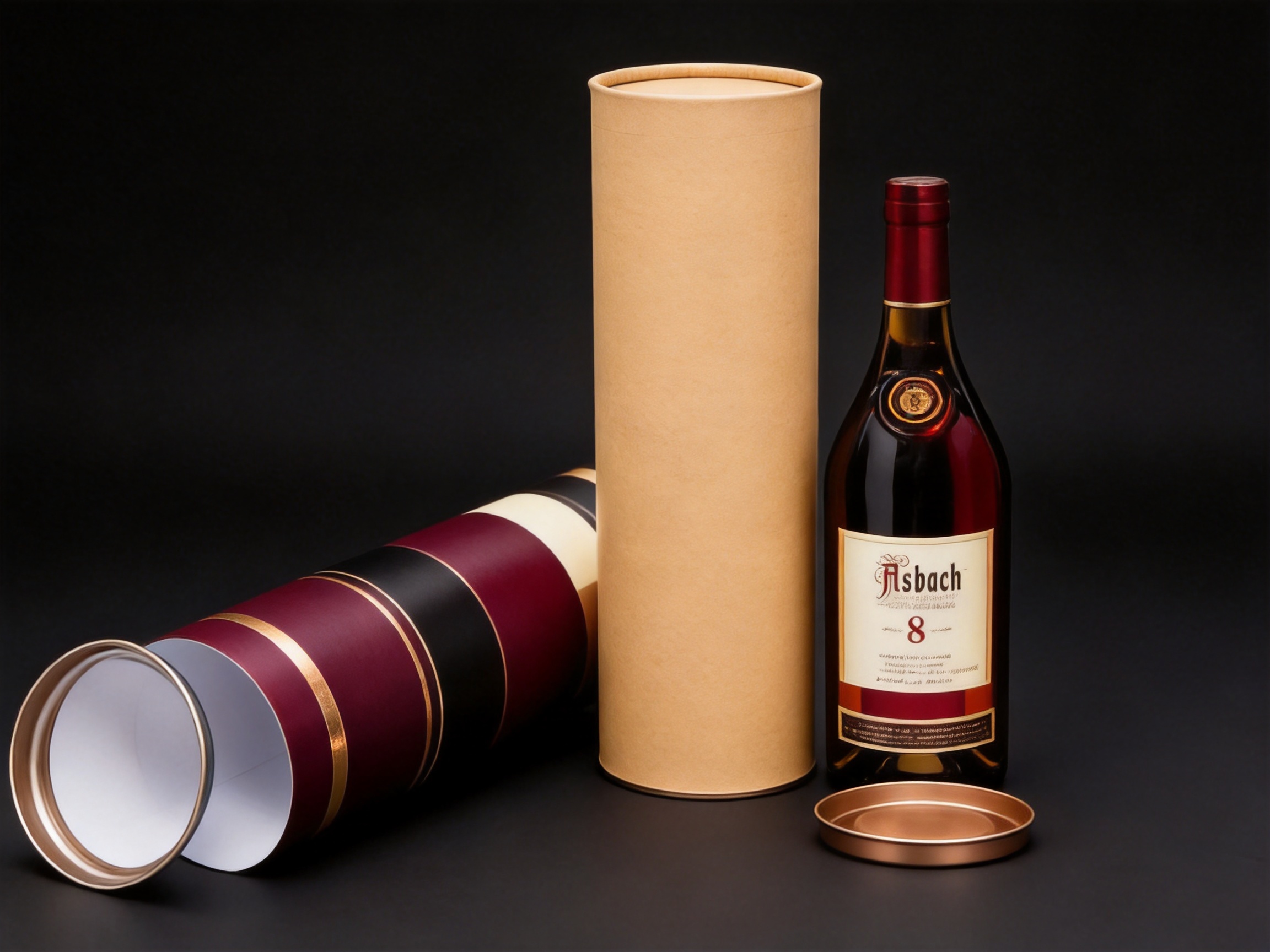
The body material is kraft paper, which provides the foundation for strength and dimensional stability. Kraft paper is widely used in quality packaging because of its fiber toughness, reliable forming ability, and compatibility with surface finishing. The tube is finished with an art paper label, allowing high-quality graphics, brand colors, product details, decorative patterns, and luxury visual effects to be printed cleanly. Inside, a coated paper liner helps improve the inner appearance and adds a more refined contact surface around the bottle.
The lid and bottom are made with tin components, adding a premium feel and improved durability at two critical points of the package. The metal ends give the tube a more substantial hand feel and help reinforce the structure. This combination of paper and tin creates a balanced design: it feels luxurious, supports the bottle effectively, and remains practical for mass production and custom branding.
Custom orders are accepted, which is essential for wine packaging. Bottle shapes, shoulder heights, closure types, labels, and brand identities vary widely. A custom paper tube box can be adapted to different inner diameters, heights, label artwork, color schemes, liners, and finishing requirements. For brands that require seasonal gift packs, limited-edition releases, anniversary packaging, or export-ready presentation tubes, this flexibility is a major advantage.
Key Product Specifications
| Item | Specification | Packaging Value |
|---|---|---|
| Product Type | High-end luxury carton tube paper tube box for wine | Designed for premium wine and spirits presentation |
| Category | Wines & Spirits | Suitable for wineries, distilleries, gift packs, and retail displays |
| Main Material | Kraft paper | Provides rigid structure, durability, and recyclable paper-based appeal |
| Lid and Bottom | Tin | Enhances strength, premium feel, and opening experience |
| Label | Art paper | Supports high-quality printing and visual branding |
| Liner | Coated paper liner | Improves interior appearance and protects presentation quality |
| Surface Handling | Offset printing | Delivers clear graphics, accurate colors, and refined decoration |
| Reference Size | ID 99 mm × H 316 mm | Appropriate for many wine bottle packaging applications |
| Color | Custom printing | Allows brand-specific design, seasonal themes, and luxury decoration |
| Custom Order | Accepted | Adaptable to bottle size, branding, and market requirements |
| Feature | Recyclable and reusable | Supports sustainability positioning and extended consumer use |
| Place of Origin | Hangzhou, Zhejiang, China | Manufactured in an established packaging production region |
Why Paper Tube Packaging Works So Well for Wine
Wine packaging has to do more than hold a bottle. It needs to tell a story, create anticipation, support premium pricing, and protect the product during movement. A paper tube format performs well because it surrounds the bottle with a continuous cylindrical wall. This creates a sense of security and ceremony: the consumer lifts the lid, removes the bottle, and experiences the product as a gift rather than a commodity.
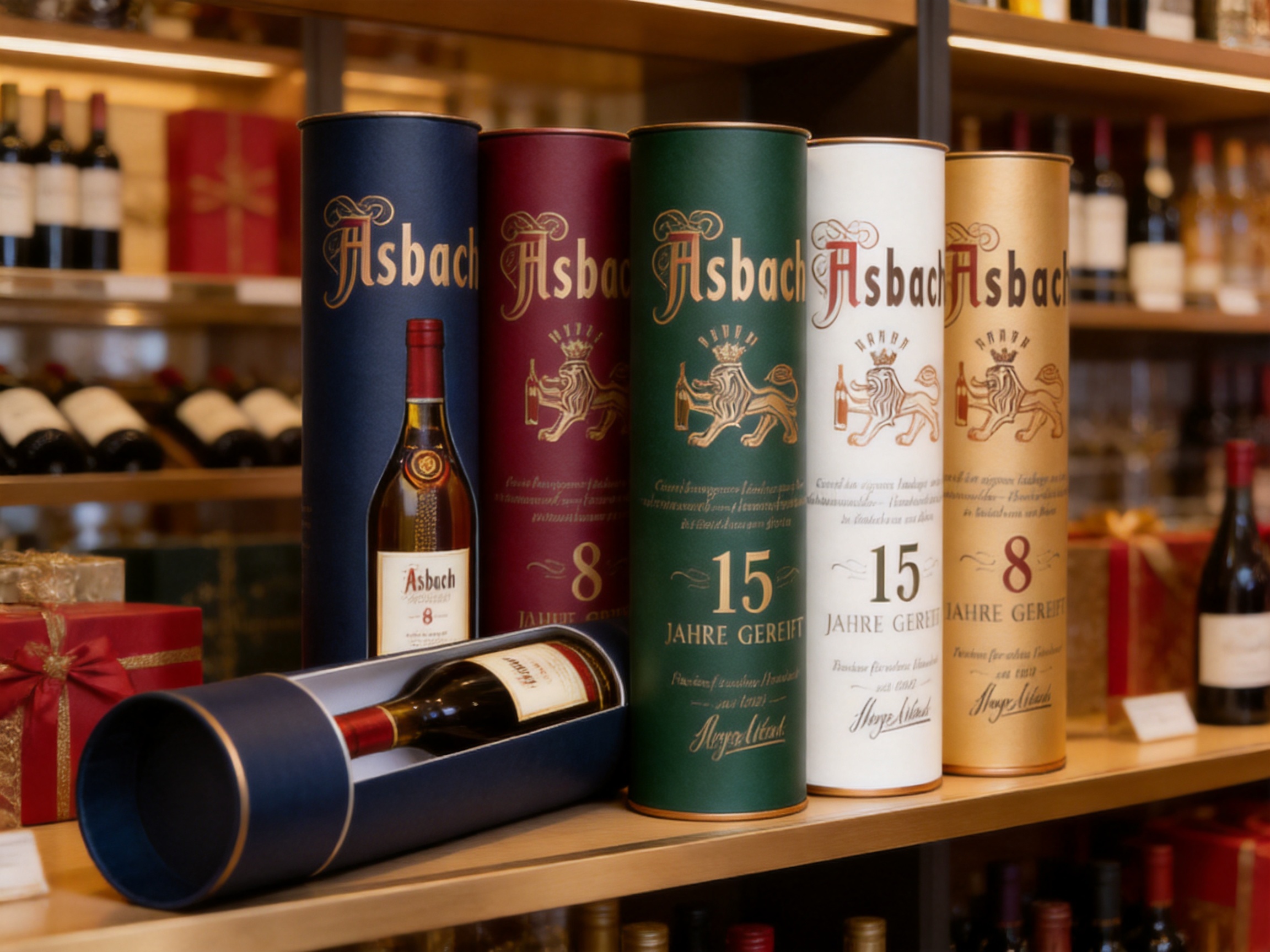
In retail, cylindrical tubes stand out from rectangular cartons. Shelves are often filled with boxes that look similar, while a tall round tube immediately adds visual variety. The tube can be printed with deep colors, gold-inspired tones, elegant typography, vintage wine patterns, minimalist designs, or brand storytelling elements. The full wraparound surface gives designers a broad canvas, allowing packaging to appear attractive from every angle.
For gifting, the structure is especially valuable. Wine is often purchased for celebrations, corporate events, holidays, weddings, anniversaries, and hospitality occasions. A rigid tube makes the product feel more complete, reducing the need for additional gift wrapping. The reusable nature of the tube also extends its value. After the bottle is removed, consumers may keep the tube for storage, decoration, or secondary use, which keeps the brand impression visible for longer.
For logistics, the rigid body and reinforced metal ends provide a protective outer shell. While wine still requires proper transport cartons and cushioning for shipping, the paper tube adds an additional layer of protection against scratches, label damage, and light impacts. Compared with thin folding cartons, the tube has a stronger tactile presence and offers more resistance to deformation.
Advantages Over Ordinary Competitor Packaging
Stronger Shelf Presence Than Standard Folding Cartons
Many wine packages rely on rectangular folding cartons. These can be economical, but they often look similar across competing products. A round paper tube creates a different silhouette, helping the bottle stand out in retail environments, gift shops, duty-free displays, online product photos, and seasonal promotional sets. The cylindrical shape gives the packaging a premium identity even before decorative finishing is applied.
The wraparound label surface also helps branding remain visible from multiple viewing angles. A flat carton usually has one primary front panel, while a tube can be rotated without losing visual appeal. This is useful in physical stores where products may not always face forward perfectly. With well-planned artwork, the tube can communicate the brand name, wine type, origin story, tasting cues, and luxury cues continuously around the surface.
More Premium Tactile Experience Than Lightweight Boxes
Luxury packaging is not only visual. Customers notice weight, texture, opening resistance, edge quality, and sound. A rigid kraft paper tube with tin lid and bottom provides a more substantial hand feel than many thin paperboard cartons. The lid-opening action also creates a moment of discovery, similar to premium cosmetics, fine teas, spirits, and specialty gift packaging. This tactile experience helps reinforce the perception that the wine inside is valuable and carefully presented.
The tin ends add firmness at the top and bottom, making the package feel more complete. They can also help the package maintain its shape during handling. Compared with low-grade paper tubes that may use weak end closures or rough surfaces, this construction supports a cleaner, more luxurious result.
Better Customization Potential Than Generic Bottle Sleeves
Some wine brands use simple sleeves or low-cost boxes that allow limited personalization. The high-end paper tube box can be customized through size, color, printed artwork, label paper, inner liner, surface finishing, and structural details. This makes it suitable for boutique wineries, export labels, special editions, holiday gift tubes, corporate wine gifts, and spirits collections.
Offset printing supports refined graphics and consistent colors. For brands with strict identity systems, accurate printing is important because packaging is often the first physical expression of the brand. A custom tube can carry classic wine aesthetics, modern minimalist branding, regional illustrations, vineyard maps, tasting notes, or commemorative graphics. The same structure can be adapted for multiple product lines while maintaining a coherent brand family appearance.
More Sustainable Appeal Than Many Plastic-Based Gift Packages
Modern buyers increasingly consider sustainability when selecting packaging. This paper tube box is made primarily with paper-based materials and is described as recyclable and reusable. Compared with plastic-heavy gift containers, a kraft paper tube can support a more environmentally conscious packaging strategy. Its reuse potential also improves the product’s lifecycle value, because consumers are less likely to discard a rigid and attractive tube immediately.
While responsible disposal depends on local recycling systems and the separation of mixed materials, paper-based packaging remains a strong choice for brands seeking to reduce dependence on plastic. A luxury wine package no longer has to rely on excessive synthetic materials to look premium. Through quality printing, rigid forming, and thoughtful finishing, paper tube packaging can achieve a high-end image while aligning with greener consumer expectations.
Improved Protection for Labels and Bottle Presentation
Wine labels are part of the product’s identity. During storage, gift handling, and transport, exposed bottles may suffer scuffing, edge lifting, or surface marks. A paper tube protects the bottle label from direct contact with external surfaces. The coated paper liner helps maintain a clean interior environment, and the tube wall keeps the bottle separated from retail shelf friction and casual handling.
Compared with simple paper wraps or thin cartons, the rigid tube gives the bottle a more stable presentation. It is especially useful for premium bottles where label quality, foil condition, and overall appearance matter. When the consumer opens the tube, the bottle should look pristine and ready for gifting or serving.
Material Design and Structural Performance
Kraft Paper Body
Kraft paper is selected for its strength and forming performance. In tube manufacturing, layers of paper are wound and bonded to create a stable cylindrical body. The final rigidity can be adjusted according to the product’s weight, bottle diameter, expected handling conditions, and customer requirements. This makes kraft paper an excellent base for wine tubes because it combines strength with print compatibility and sustainability appeal.
The cylindrical form distributes pressure differently from flat cartons. The curved wall naturally resists bending and crushing, especially when made with suitable wall thickness. This structural advantage is one reason paper tubes are popular for wine, spirits, premium food, candles, cosmetics, and gift packaging. For a glass bottle, the outer packaging must convey confidence, and the rigid tube body does this effectively.
Tin Lid and Bottom
The use of tin for the lid and bottom adds both functional and aesthetic value. Metal ends can improve the package’s resistance to deformation and help protect the tube openings. The lid creates a satisfying closure, while the bottom provides a stable base. This is especially important for vertical display, where the package needs to stand upright with a clean and balanced appearance.
From a sensory perspective, tin components give the package a refined touch. They can make the tube feel more substantial and gift-worthy. When consumers handle wine packaging, these subtle physical cues influence their perception of quality. A package that feels firm, smooth, and carefully assembled supports the idea that the wine inside has been produced with equal care.
Art Paper Label
The art paper label is the main visual communication layer. It can be printed with brand imagery, color gradients, product details, certifications, decorative patterns, and promotional messages. Because the label wraps around the tube, it should be designed with both front-facing and panoramic visibility in mind. This allows the package to function as a display object as well as a container.
Art paper can support a premium surface appearance, and it works well with offset printing. Depending on customer requirements, the printed label may be further enhanced through finishing options, though the essential specification here emphasizes offset printing. Even with a clean printed surface, the tube can achieve an upscale look through careful color selection, typography, and material texture.
Coated Paper Liner
The inner liner is important because the packaging experience does not end at the exterior. When the consumer opens the tube, the interior should look clean, smooth, and intentional. A coated paper liner improves the inner presentation and supports the premium feel of the product. It also helps create a more finished appearance than raw inner paper alone.
For wine packaging, the inside of the tube can be designed to complement the bottle. A dark exterior with a light liner can create contrast, while a matching liner can deliver a unified luxury style. The liner may also be selected according to customer preferences and product positioning.
Offset Printing for Luxury Wine Branding
Offset printing is a key advantage for wine paper tube packaging because it supports detailed graphics and consistent reproduction. Wine brands often rely on subtle visual elements: fine lines, heritage illustrations, vineyard scenes, embossed-looking artwork, color blocks, seals, and carefully balanced typography. High-quality printing helps these elements appear clear and professional.
For competitive wine markets, packaging consistency is essential. If a brand sells multiple vintages or varieties, the packaging should present a unified identity while distinguishing each product. Offset printing allows controlled color management and accurate artwork reproduction across different batches, helping brands maintain recognition in retail and online sales channels.
Custom printing also makes the product suitable for seasonal campaigns. A winery may use one tube design for its core range, another for holiday gifts, and another for a limited reserve release. Corporate customers may request customized designs for events, client gifts, or commemorative editions. Because the paper tube accepts custom printing, it can serve both large-volume and specialty packaging programs.
Manufacturing Strength Behind the Product
High-quality paper tube packaging depends on more than attractive design. It requires experience in material selection, tube forming, printing coordination, liner application, end assembly, dimensional control, and quality inspection. Hangzhou Qunle Packaging Co., Ltd. has been engaged in the composite can and paper can industry for more than 20 years, giving it a strong foundation in rigid paper packaging production.
The company’s long-term experience is especially relevant for wine packaging because bottle tubes must be both visually refined and structurally reliable. A small dimensional error can affect bottle fit. Weak bonding can reduce durability. Poor surface handling can damage the luxury image. Mature production knowledge helps prevent these problems and supports stable delivery for international packaging buyers.
The company is the only member of the international Composite Can and Tube Institute in China’s packaging container industry, which reflects its professional involvement in the composite can and tube field. Its packaging business covers food, daily chemical products, fast-moving consumer goods, and other sectors. This broad application experience is valuable because high-end wine packaging often borrows standards from multiple industries: food safety awareness, cosmetic-grade appearance, gift packaging refinement, and retail durability.
In addition, the company was the first enterprise in China to pass the QS certificate for producing food packaging containers. This background demonstrates attention to regulated packaging production and quality systems. Although wine tubes are a gift and bottle packaging product, buyers benefit from working with a manufacturer that understands controlled production and quality requirements.
Advanced Production Capabilities
Composite Can and Paper Tube Expertise
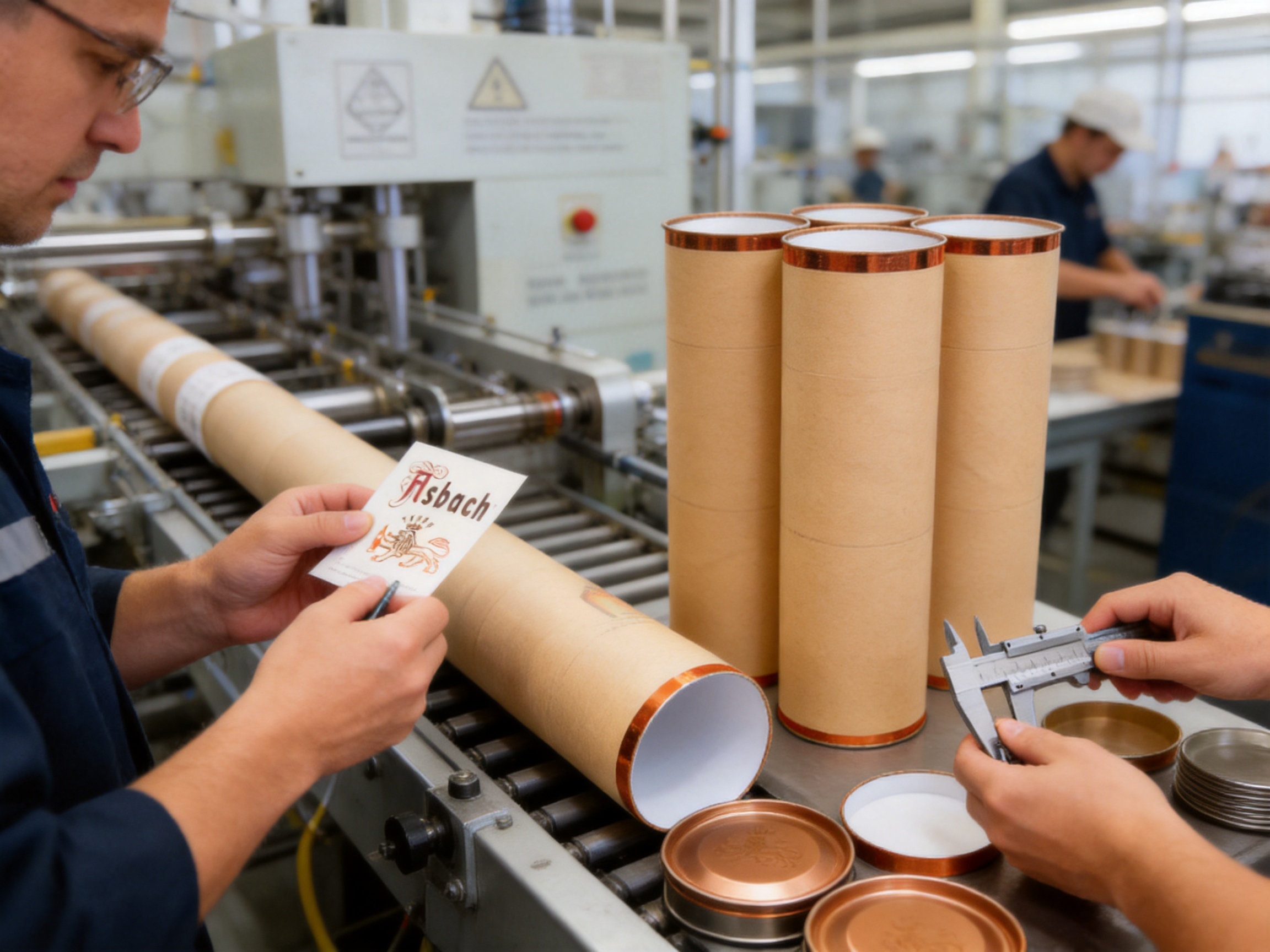
Composite paper tube manufacturing involves winding paper layers into a tube body, controlling wall thickness, applying liners or labels, cutting to accurate heights, and assembling lids and bottoms. Each step influences the finished product. A luxury wine tube must have clean edges, accurate dimensions, smooth surfaces, proper roundness, and reliable closure performance.
With more than two decades in the industry, the manufacturer has developed expertise in these details. Paper tube production may appear simple from the outside, but premium results require engineering discipline. The winding tension must be controlled. Adhesion must be appropriate. Cutting must avoid rough edges. Label application must prevent wrinkles, bubbles, misalignment, or color inconsistency. End assembly must be secure and visually clean.
European High-Speed Composite Can Production Line
In 2015, the company introduced a high-speed composite can production line from Europe. This investment strengthened its leading role in the composite can and paper can industry. Advanced production equipment supports better efficiency, more stable output, and improved consistency for large-scale orders. For buyers, this means the manufacturer can support both custom premium packaging and wholesale paper tube requirements with professional capacity.
High-speed equipment is important because it helps reduce variation between units. Luxury packaging must be consistent across thousands of pieces. Retail customers expect the first tube and the last tube in a batch to look the same. Automated and advanced production lines can support this consistency while improving lead-time reliability.
Patented Technologies and Continuous Development
The company has obtained more than 10 patented technologies and is committed to researching and launching more high-quality packaging products for the global market. Patented technologies indicate a willingness to innovate rather than simply copy standard packaging formats. For wine and spirits brands, innovation can support unique structures, better sealing, improved usability, or more attractive presentation styles.
Continuous development is also valuable because packaging trends change quickly. Sustainability expectations, printing styles, retail formats, and consumer preferences evolve. A manufacturer with research capability can help customers adapt packaging to new market demands while maintaining practical production feasibility.
Quality Control and Consistency
For premium wine packaging, quality control must address both technical and aesthetic requirements. The tube should fit the bottle correctly, stand upright, open smoothly, close securely, and maintain its shape. The printed surface should be clean, properly aligned, and free from visible defects. The lid and bottom should be installed firmly without roughness or distortion. The inner liner should appear neat and suitable for a luxury product.
Dimensional control is particularly important. The stated reference size of ID 99 mm by H 316 mm provides a useful specification, but custom projects may require adjusted dimensions. The inner diameter must allow the bottle to be inserted and removed without excessive tightness, while still avoiding an overly loose fit. The height must accommodate the bottle and closure comfortably. Depending on customer needs, inserts or internal supports may also be considered for additional stabilization.
Color consistency is another important factor. Wine brands often invest heavily in label design and visual identity. If the tube color does not match approved artwork, the brand image can suffer. Offset printing and professional production control help maintain accurate and repeatable results.
Surface condition also matters. Luxury packaging should feel smooth and look refined. Wrinkles, scratches, glue marks, dents, rough edges, and uneven closure fitting can reduce perceived value. A strong manufacturing process minimizes these risks and ensures that the packaging supports the premium status of the product.
Applications in Wines and Spirits
Although the featured product is designed for wine packaging, the same structural concept can also serve selected spirits and specialty beverage products. Premium whiskey, brandy, cognac, craft spirits, and limited-edition bottles often benefit from cylindrical packaging. The tube creates a ceremonial opening experience and offers a premium display format.
For wineries, paper tube packaging is useful for reserve wines, gift collections, export products, holiday promotions, wine club shipments, and corporate gifting programs. A winery can use custom artwork to highlight a vineyard, vintage year, regional identity, award, or special occasion. The tube becomes part of the storytelling, not just a protective container.
For distributors and retailers, the tube improves gift readiness. Many consumers choose wine as a gift but want packaging that feels complete. A bottle in a luxury tube looks more thoughtful and valuable than an unboxed bottle. This can support higher retail margins and improve customer satisfaction.
For e-commerce, the paper tube can enhance unboxing appeal. While it should be used with suitable outer shipping protection, the tube itself improves the first impression when the customer opens the delivery carton. In online sales, packaging often appears in customer reviews, social media posts, and gift photos. A refined tube can help strengthen brand visibility beyond the initial sale.
Design Strategies for Premium Wine Tubes
Classic Luxury Style
A classic luxury wine tube may use deep colors such as black, burgundy, dark green, navy, or cream. Metallic-looking design elements, fine borders, elegant serif typography, and traditional vineyard motifs can create a heritage appearance. This style is suitable for reserve wines, old-vine selections, and established wine brands.
Modern Minimalist Style
Modern wine brands may prefer clean layouts, large areas of solid color, simple typography, and subtle textures. A cylindrical tube works well with minimalist design because the shape itself provides visual interest. The brand can use restrained printing to communicate confidence and sophistication.
Seasonal and Gift-Oriented Style
For holiday promotions and corporate gifts, the tube can feature festive colors, commemorative messages, or event-specific artwork. Custom printing allows brands to create special editions without changing the entire bottle label. This is an efficient way to refresh product presentation for limited periods.
Regional Storytelling Style
Wine is closely connected to place. The tube can display maps, vineyard sketches, mountain lines, river patterns, local architecture, or cultural symbols. This helps customers connect emotionally with the wine’s origin. Because the tube offers a large wraparound surface, it is ideal for visual storytelling.
Sustainability and Reuse Value
The product’s recyclable and reusable features are important in today’s packaging market. Consumers increasingly prefer packaging that feels responsible and avoids unnecessary waste. A paper tube made primarily from kraft paper can support sustainability-focused messaging, especially when compared with rigid plastic gift boxes or heavily laminated disposable packages.
Reuse is a practical advantage. A well-made wine tube may be kept for storing documents, small items, craft materials, kitchen accessories, or decorative objects. Even if the consumer does not reuse it long-term, the durable structure makes the package feel less disposable. This perception can improve brand reputation and align with premium values.
For brands, sustainability should be communicated honestly. The tube can be described as paper-based, recyclable where facilities exist, and reusable. If customers require specific recycling instructions, material separation guidance, or eco-focused artwork, these can be considered during the design process.
How the Tube Enhances Consumer Experience
Consumer experience begins the moment the package is seen. A high-end paper tube creates curiosity because it looks different from ordinary wine boxes. The customer picks it up and feels the rigidity. The surface graphics communicate quality. The lid creates anticipation. When the bottle is removed, the packaging has already prepared the consumer to expect something special.
This experience is especially important for gift buyers. A gift must feel generous, thoughtful, and complete. The wine tube helps achieve that without requiring additional wrapping. The recipient receives a product that looks intentionally packaged and ready for celebration.
For premium brands, this kind of emotional experience supports brand loyalty. Customers remember packaging that feels distinctive. They may keep the tube, photograph it, or associate the brand with quality. In competitive wine markets, these small experiential advantages can make a meaningful difference.
Why Choose an Experienced Paper Tube Manufacturer
Choosing the right manufacturer is critical because luxury packaging must balance design ambition with production reality. A beautiful concept is not enough if the final tube is inconsistent, weak, delayed, or difficult to assemble. An experienced manufacturer can guide customers through material selection, sizing, printing, sampling, production, and inspection.
Hangzhou Qunle Packaging Co., Ltd. has built long-term partnerships with well-known companies and brands across different sectors, including food, beverages, tea and coffee, consumer goods, and other packaging categories. These relationships reflect its ability to serve demanding customers and maintain production standards over time.
Its location in Hangzhou, Zhejiang Province, China, places it within a strong manufacturing and logistics region. For international buyers, a supplier with established export experience and broad packaging capability can simplify project management. The company offers wholesale paper tube packaging and customized cardboard tube packaging solutions, making it suitable for both brand owners and procurement teams seeking scalable supply.
The company’s product categories cover premium paper tube packaging, airtight paper canisters, wines and spirits, coffee and teas, nutrition and supplements, chocolate and confectionery, snacks and nuts, seasonings and spices, pet care, cosmetics and skincare, gifts and crafts, candles and fragrances, coin banks, tubes with windows, car tissue holders, car tissues, cereal and cookies, and other paper packaging solutions. This broad product range demonstrates manufacturing flexibility and accumulated experience across many packaging formats.
Customization Process for Wine Brands
Step One: Bottle and Market Analysis
The process begins with understanding the bottle dimensions, weight, closure type, label position, target market, retail environment, and shipping requirements. Wine bottles vary in diameter and height, so the tube must be designed to fit correctly. The reference size of ID 99 mm by H 316 mm may be suitable for many applications, but custom sizing is often recommended for precise fit and premium presentation.
Step Two: Structural Design
The manufacturer determines the appropriate tube diameter, height, wall thickness, lid style, bottom structure, and liner arrangement. If the bottle requires additional stabilization, the design may include internal support concepts. Structural design must balance protection, ease of use, production efficiency, and cost.
Step Three: Artwork and Printing Preparation
The customer provides brand artwork, or the packaging design is developed according to brand guidelines. Because the label wraps around the tube, artwork should be prepared carefully to avoid awkward seam placement or distorted visual flow. Offset printing requires proper file preparation, color control, and proofing.
Step Four: Sampling and Review
A sample allows the customer to evaluate fit, printing effect, surface appearance, lid movement, and overall presentation. Sampling is especially important for luxury wine packaging because tactile quality cannot be fully judged from digital artwork alone. Adjustments may be made before mass production.
Step Five: Mass Production and Inspection
Once the sample is approved, mass production begins. Quality inspection should confirm dimensions, printing quality, surface condition, lid and bottom assembly, liner appearance, and packaging integrity. Reliable production control helps ensure that every tube reflects the approved standard.
Business Value for Wine and Spirits Brands
A premium paper tube box can increase perceived product value. Consumers often judge wine by packaging before they understand the bottle’s flavor profile or origin. A refined tube suggests that the product is suitable for gifting, collecting, or special occasions. This can support premium pricing and stronger retail performance.
The tube also supports brand differentiation. In crowded wine categories, many bottles compete with similar label shapes and shelf positions. Outer packaging gives brands another layer of communication. A distinctive tube can help a product stand out during holiday seasons, in duty-free stores, in hotel gift shops, and in online listings.
For distributors, better packaging can reduce the need for extra gift accessories. A wine tube is already gift-ready, making it easier to sell as a complete product. For corporate buyers, custom printed tubes can carry event themes or company messages, making wine gifts more personalized and memorable.
From a supply perspective, working with an established paper tube packaging manufacturer can reduce project risk. Experience, equipment, quality systems, and customization capability all contribute to smoother execution. This is especially important when packaging must be delivered for seasonal launches or limited-edition releases.
Comparison With Alternative Packaging Formats
| Packaging Format | Strengths | Limitations Compared With Luxury Paper Tube |
|---|---|---|
| Standard Folding Carton | Low cost, lightweight, easy to store flat | Less rigid, less premium tactile feel, more common shelf appearance |
| Plastic Gift Box | Can be durable and transparent | Less sustainable appeal, may feel less natural for wine branding |
| Wooden Box | Traditional premium image, strong protection | Heavier, often higher cost, less flexible for printed graphics |
| Fabric Bag | Soft gift presentation, lightweight | Limited protection, less structured display presence |
| Rigid Paper Tube | Premium look, strong cylindrical body, custom printing, reusable and recyclable features | Requires accurate sizing and professional production for best results |
As the comparison shows, the luxury paper tube occupies a valuable middle ground. It is more premium and protective than many folding cartons or fabric bags, more sustainable in appearance than many plastic options, and more print-flexible and efficient than many wooden boxes. For wine and spirits brands seeking a strong balance of beauty, protection, customization, and commercial practicality, the paper tube is an excellent solution.
Q&A Section
Q1: What is the main use of this paper tube box?
A1: The main use is premium wine packaging. It is suitable for wines and selected spirits that require a high-end presentation, protective outer structure, and custom printed branding.
Q2: What materials are used in the product?
A2: The tube uses kraft paper as the main body material, tin for the lid and bottom, art paper for the printed label, and a coated paper liner for the interior.
Q3: What is the standard reference size?
A3: The listed reference size is ID 99 mm by H 316 mm. Custom sizes can be made according to the bottle dimensions and customer requirements.
Q4: Can the color and artwork be customized?
A4: Yes. The product supports custom printing, and offset printing is used for refined visual presentation. Brands can customize colors, graphics, text, and overall style.
Q5: Why is a paper tube better than a normal folding carton for wine?
A5: A paper tube offers a stronger cylindrical structure, a more premium hand feel, better shelf distinction, and a more ceremonial opening experience. It also provides a larger wraparound branding surface.
Q6: Is this packaging reusable?
A6: Yes. The tube is designed to be reusable. Consumers may keep it for storage, decoration, or secondary purposes, which extends brand exposure after purchase.
Q7: Is the product recyclable?
A7: The product is described as recyclable, and its main structure is paper-based. Actual recyclability may depend on local recycling systems and material separation practices.
A8: The manufacturer has more than 20 years of experience in the composite can and paper can industry, advanced production equipment, patented technologies, and broad experience in food, beverage, daily chemical, and consumer goods packaging.
Q9: Can this type of tube be used for spirits as well as wine?
A9: Yes. While it is designed for wine packaging, the same tube concept can be adapted for whiskey, brandy, cognac, craft spirits, and other premium bottled products.
Q10: What should buyers prepare before requesting a custom order?
A10: Buyers should prepare bottle dimensions, target quantity, artwork requirements, preferred colors, market positioning, shipping needs, and any special structural or finishing expectations.
Conclusion
The high-end luxury carton tube paper tube box for wine packaging is a powerful solution for brands that want to combine protection, premium appearance, sustainability appeal, and customization flexibility. With a kraft paper body, tin lid and bottom, art paper label, coated paper liner, offset printing, and custom sizing options, it is designed to elevate wine presentation in retail, gifting, e-commerce, and promotional markets.
Compared with ordinary folding cartons, lightweight sleeves, plastic gift boxes, and other common packaging formats, the rigid paper tube delivers stronger shelf presence, a better tactile experience, broader branding opportunities, and a more memorable opening moment. Its recyclable and reusable features also support modern packaging expectations and responsible brand positioning.
Behind the product is a manufacturer with more than 20 years of industry experience, advanced composite can production capability, patented technologies, quality awareness, and a broad packaging portfolio. For wine and spirits brands seeking a premium cardboard tube packaging partner, this product offers a reliable and attractive path to stronger brand presentation and improved consumer experience.
References
1. Soroka, W. Fundamentals of Packaging Technology. Institute of Packaging Professionals.
2. Robertson, G. L. Food Packaging: Principles and Practice. CRC Press.
3. Kirwan, M. J. Paper and Paperboard Packaging Technology. Wiley-Blackwell.
4. Yam, K. L. The Wiley Encyclopedia of Packaging Technology. Wiley.
5. Twede, D., and Selke, S. Cartons, Crates and Corrugated Board: Handbook of Paper and Wood Packaging Technology. DEStech Publications.
6. Composite Can and Tube Institute. Industry materials on composite can and paper tube packaging standards.
