 English
 Español

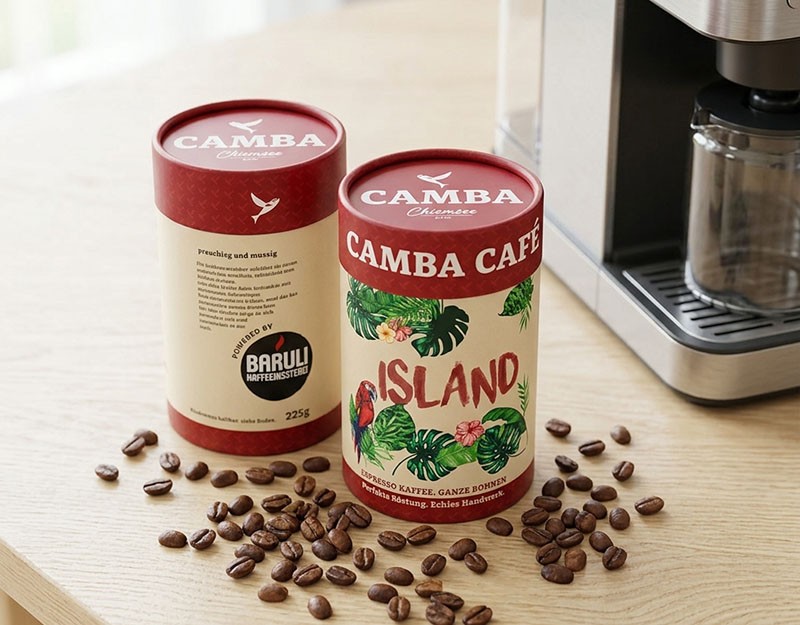
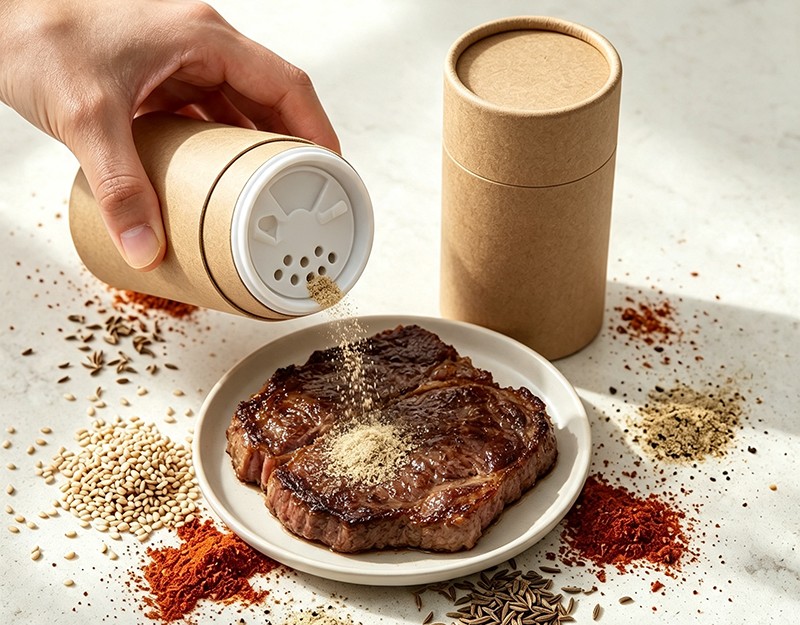


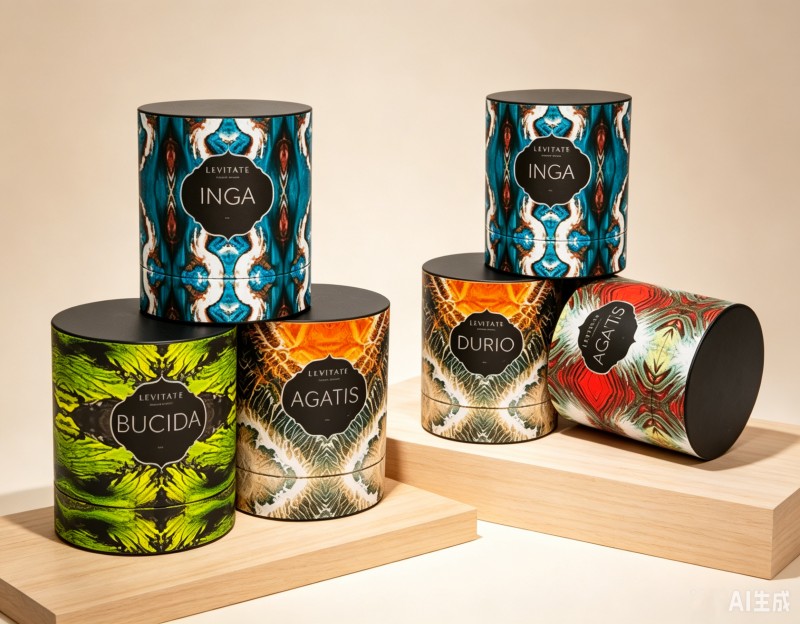
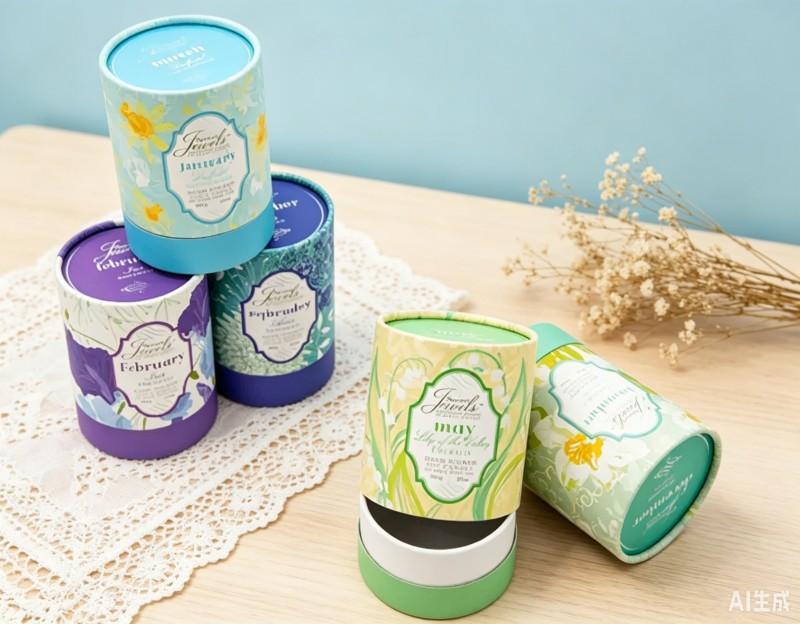
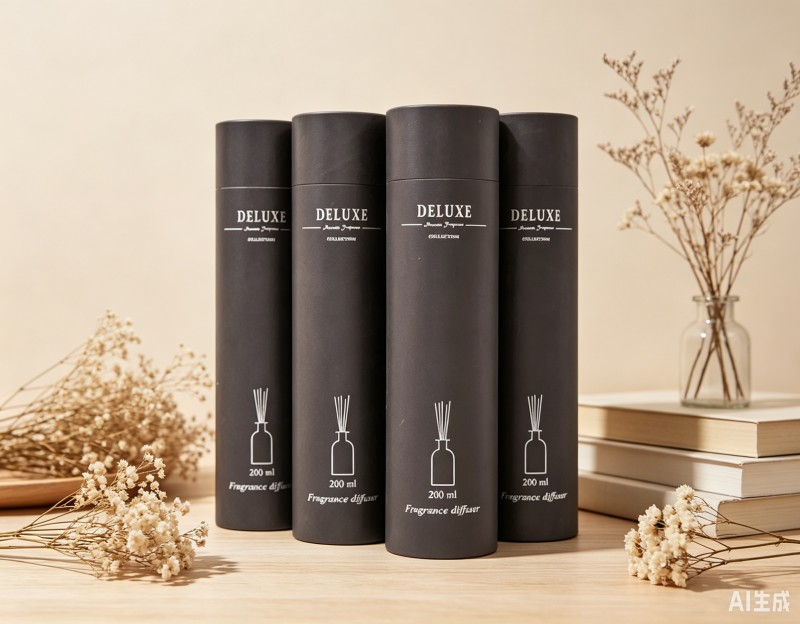
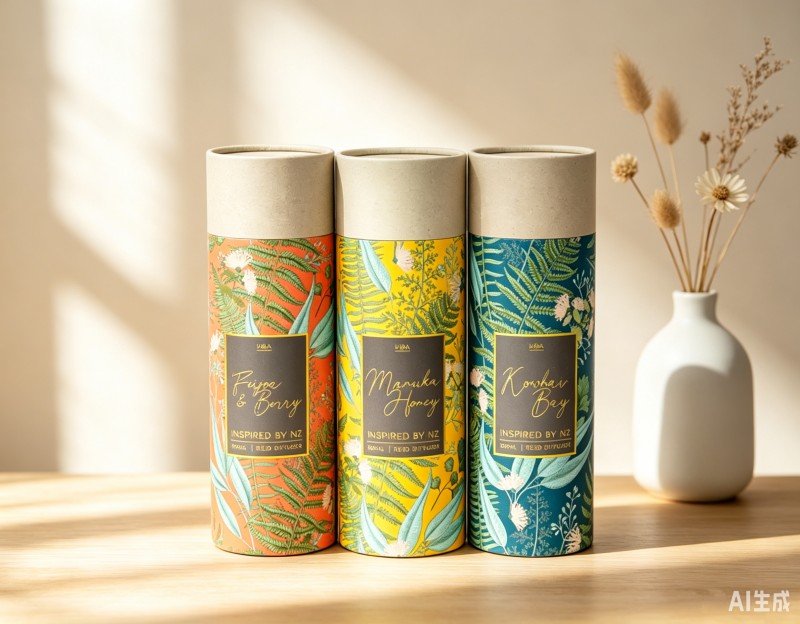
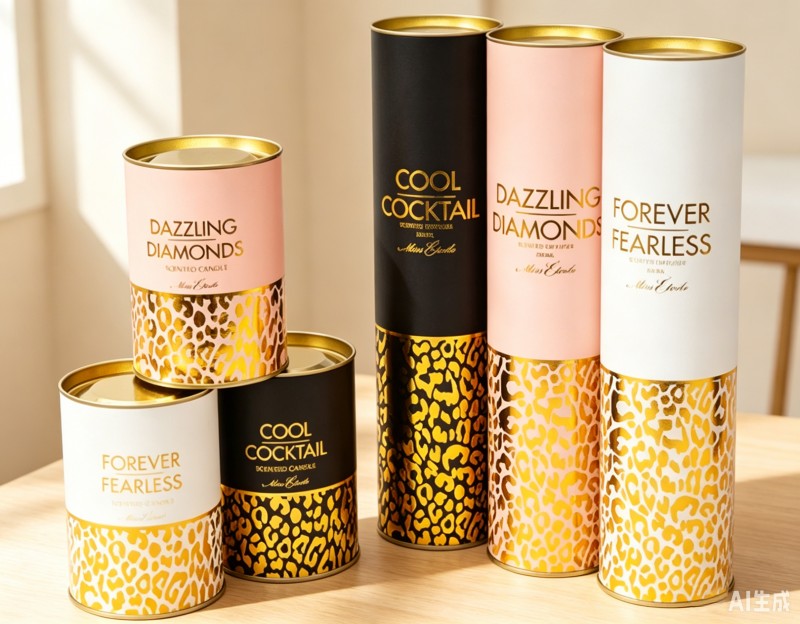
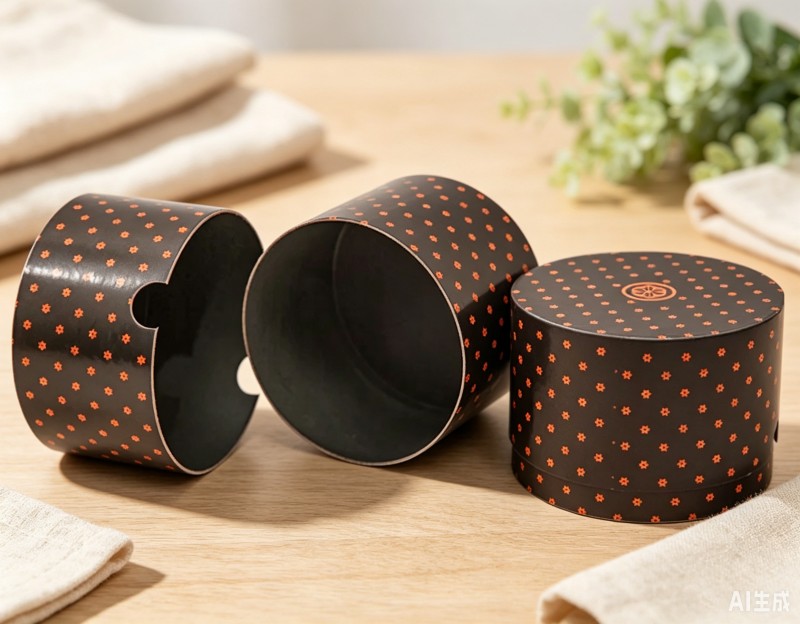
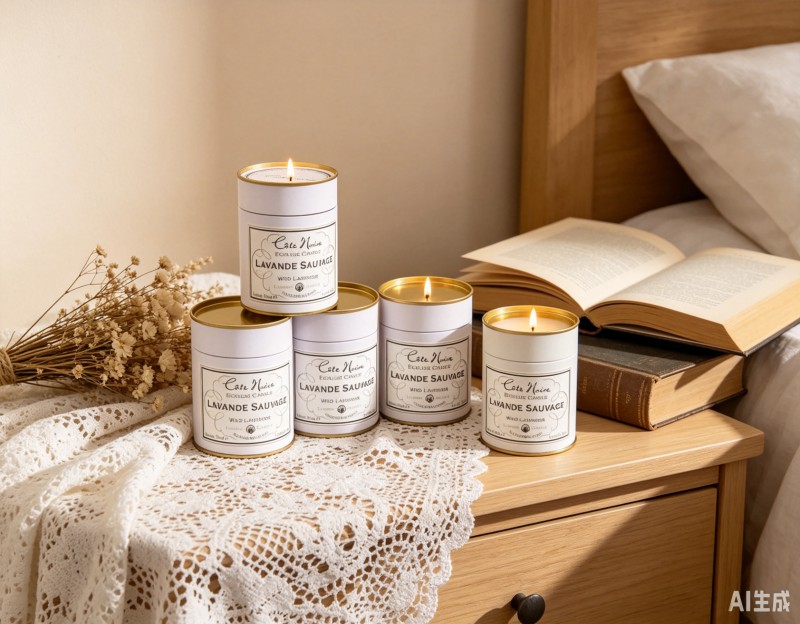

As one of the top China cardboard tube packaging manufacturers and paper tube packaging suppliers, we devote all of our efforts to research and launch more high quality packaging products to global market.
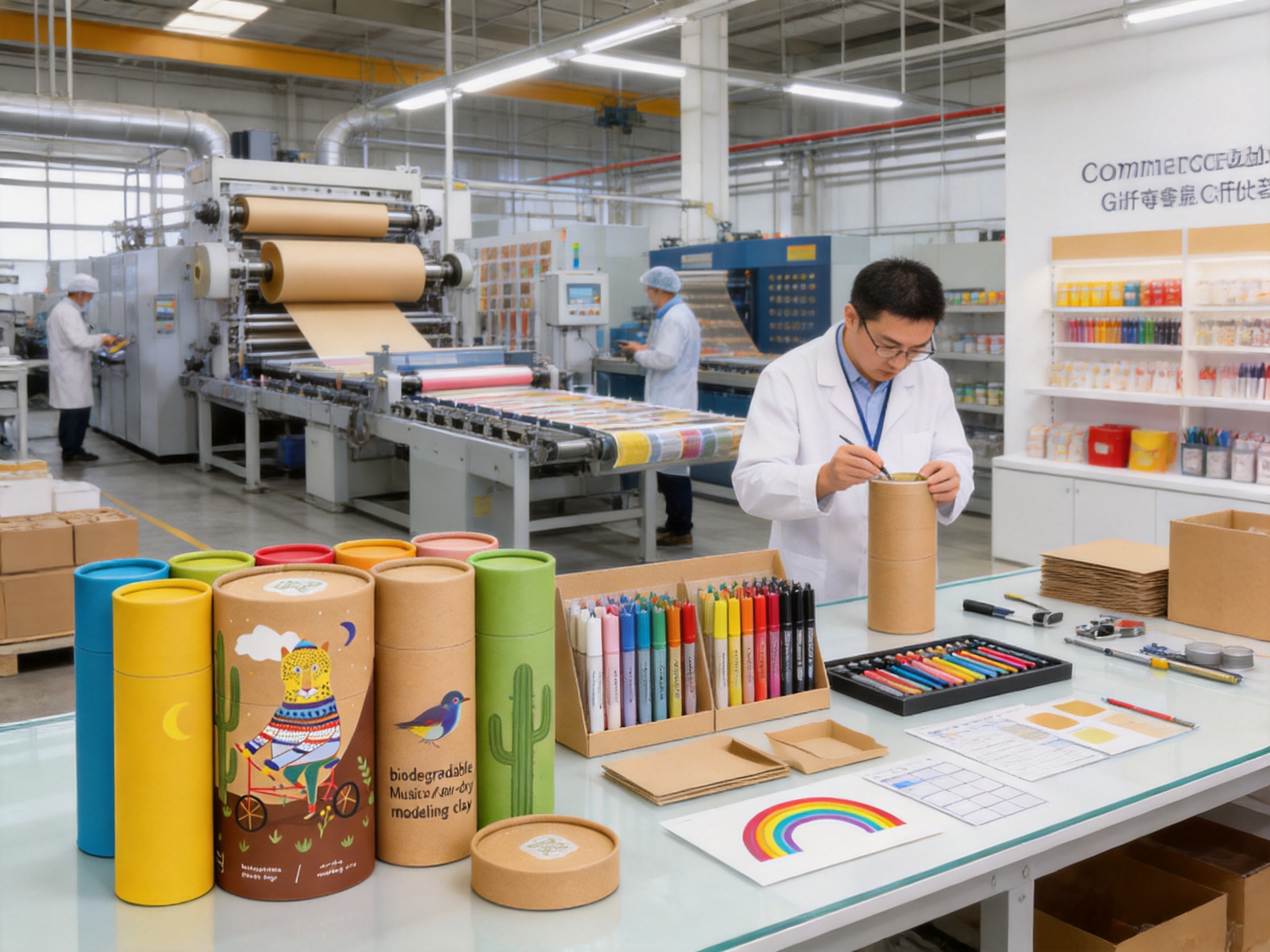
Packaging for watercolor markers must do more than protect a group of creative tools. It must communicate color, craftsmanship, quality, and imagination before the customer opens the package. A well-designed package can turn a simple collection of markers into a complete creative experience, while an ordinary package may fail to distinguish the product in a crowded stationery, gift, or art-supply market. The custom UV printed recycled kraft paper tube is designed to meet this challenge with a combination of durable paper construction, colorful printing, premium surface treatments, and a distinctive round format.
This packaging solution is produced from kraft paper and configured as a round tube suitable for gift and craft applications. Its structure offers a practical alternative to conventional folding cartons, plastic containers, and rigid boxes. The cylindrical body provides a continuous 360-degree branding area, while the recycled material supports a more responsible packaging strategy. Glossy lamination, UV coating, embossing, and stamping can be combined to create a visually rich and tactile exterior.
For watercolor markers, the tube can function as both primary packaging and a reusable storage container. It can organize multiple markers, protect them during transportation, and provide an attractive presentation for retail shelves, e-commerce photography, subscription boxes, artist gift sets, and educational products. The round silhouette is also comfortable to hold, easy to display, and visually different from the rectangular boxes commonly used for writing instruments.
Behind the product is Hangzhou Qunle Packaging Co., Ltd., a Chinese manufacturer with more than two decades of experience in composite cans and paper cans. The company’s capabilities include paper tube development, printing, surface finishing, and production for food, daily chemical, fast-moving consumer goods, gift, and craft applications. Its experience in composite packaging provides a strong foundation for producing customized paper containers that balance appearance, performance, and manufacturing consistency.
Content
- 1 Product Overview
- 2 Why a Paper Tube Is Suitable for Watercolor Markers
- 3 Recycled Kraft Paper and Responsible Packaging Design
- 4 High-Impact Glossy Lamination
- 5 UV Printing and Selective UV Coating
- 6 Embossing and Stamping for a Tactile Experience
- 7 360-Degree Branding and Visual Storytelling
- 8 Advantages Over Common Packaging Alternatives
- 9 Manufacturing Capabilities and Company Strengths
- 10 Production Process for a Customized Marker Tube
- 11 Design Recommendations for Watercolor Marker Brands
- 12 Applications and Sales Channels
- 13 Cost, Efficiency, and Commercial Value
- 14 Quality and Specification Checklist
- 15 Why Manufacturer Experience Matters
- 16 Frequently Asked Questions
- 16.1 What products can be packed in this paper tube?
- 16.2 Is the tube made with recycled material?
- 16.3 Can the design be customized?
- 16.4 What is the advantage of the round shape?
- 16.5 Can the tube include a window?
- 16.6 How does glossy lamination affect the appearance?
- 16.7 What is the purpose of UV coating?
- 16.8 Can embossing and stamping be used together?
- 16.9 Is this packaging suitable for e-commerce?
- 16.10 Can the package be reused?
- 16.11 How should a buyer approve the product before mass production?
- 16.12 What company produces this packaging?
- 17 Conclusion
- 18 References
- 19 Product: Custom UV Printed Recycled Kraft Paper Tube for Watercolor Markers
Product Overview
The custom UV printed recycled kraft paper tube is a round paper packaging container developed for watercolor markers and other gift or craft products. The supplied product specification identifies kraft paper as the main paper type, recycled materials as a feature, and colorful printing as an important part of the visual design. Its industrial use is listed as gift and craft packaging, making it particularly suitable for artist collections, hobby products, creative kits, and premium stationery presentations.
The tube can be customized with a range of finishing techniques, including embossing, glossy lamination, stamping, and UV coating. These processes allow packaging designers to create different levels of contrast between printed areas, raised patterns, metallic details, and highly reflective highlights. A brand can use these effects to emphasize its logo, communicate the artistic nature of watercolor markers, or create a premium appearance without moving to heavier rigid packaging.
The round shape also creates a different user experience from a standard folding carton. Instead of opening a flat box with separate front and side panels, the customer interacts with a container that wraps around the product. This format can make the marker set feel more like a collectible creative object. After purchase, the tube may continue to serve as a storage holder for markers, brushes, pencils, craft tools, or other small accessories.
Because the packaging is made for customization, dimensions, internal arrangement, printing artwork, closure style, and finishing details can be developed according to the marker set. A short tube may hold a compact travel collection, while a taller or wider version may accommodate a larger assortment or include supplementary items such as a palette, instruction card, or small sketchbook. The exact configuration can therefore be adapted to different product lines and price levels.
| Item | Specification or Capability | Value for Watercolor Marker Packaging |
|---|---|---|
| Primary material | Recycled kraft paper | Supports a natural paper appearance and a more responsible material strategy |
| Structure | Round paper tube | Provides protection, easy handling, and a continuous branding surface |
| Printing | Custom colorful printing with UV printing options | Reproduces lively artwork, product information, and brand graphics |
| Surface finishing | Glossy lamination, UV coating, embossing, and stamping | Adds visual depth, tactile interest, and premium shelf appeal |
| Primary application | Gift and craft packaging | Suitable for marker collections, art kits, and creative gift sets |
| Shape | Cylindrical | Offers 360-degree design coverage and a distinctive retail profile |
| Customization | OEM and custom order support | Allows packaging to be matched with product size, identity, and sales channel |
Why a Paper Tube Is Suitable for Watercolor Markers
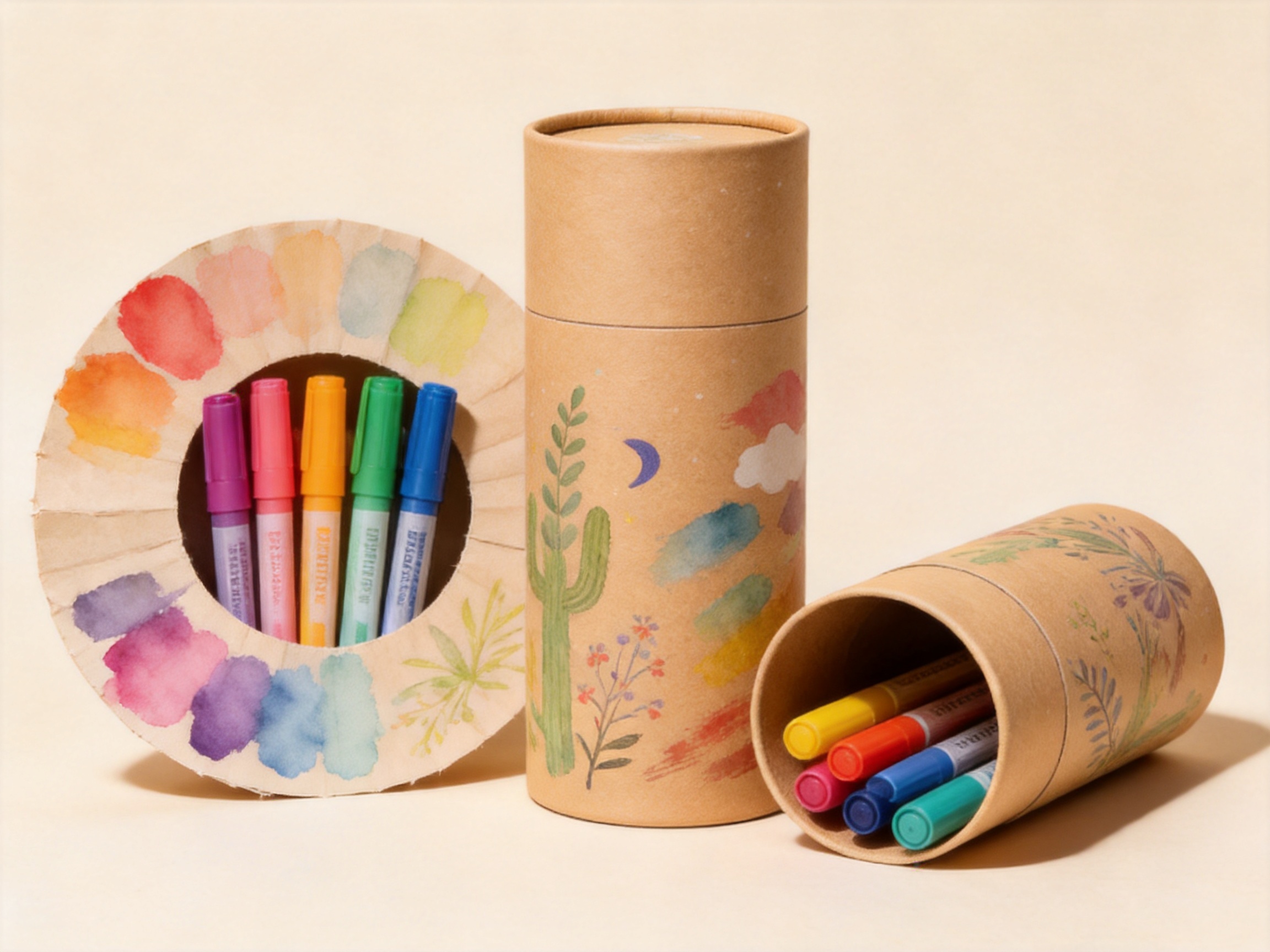
Watercolor markers are often purchased for their color range and creative potential. Packaging should therefore reflect the expressive character of the product. A round tube offers a natural canvas for gradients, brush effects, color swatches, hand-drawn illustrations, and continuous patterns. Instead of limiting the design to a single front panel, the entire circumference can become part of the visual story.
The tube is also practical for organizing marker sets. Markers can be arranged vertically or horizontally depending on the internal structure and the desired user experience. The container can be designed with an internal insert, divider, paper tray, or simple open cavity. This helps prevent loose markers from moving excessively inside the package and makes the set easier to retrieve after opening.
For gift packaging, the cylindrical profile creates a sense of discovery. The recipient may remove a lid, slide out an inner component, or open the tube to reveal the organized marker collection. The package can therefore become part of the gift rather than a disposable layer that is immediately discarded. This characteristic is especially valuable for art brands that want to encourage repeat use and build an emotional connection with customers.
Paper tubes also provide a firm outer wall compared with thin paper sleeves. When properly engineered, the layered paper structure can help shield the contents from crushing forces encountered during handling and distribution. The exact protection depends on tube diameter, wall thickness, closure design, internal support, and transport conditions, but the basic format is well suited to products that need more structure than a lightweight carton.
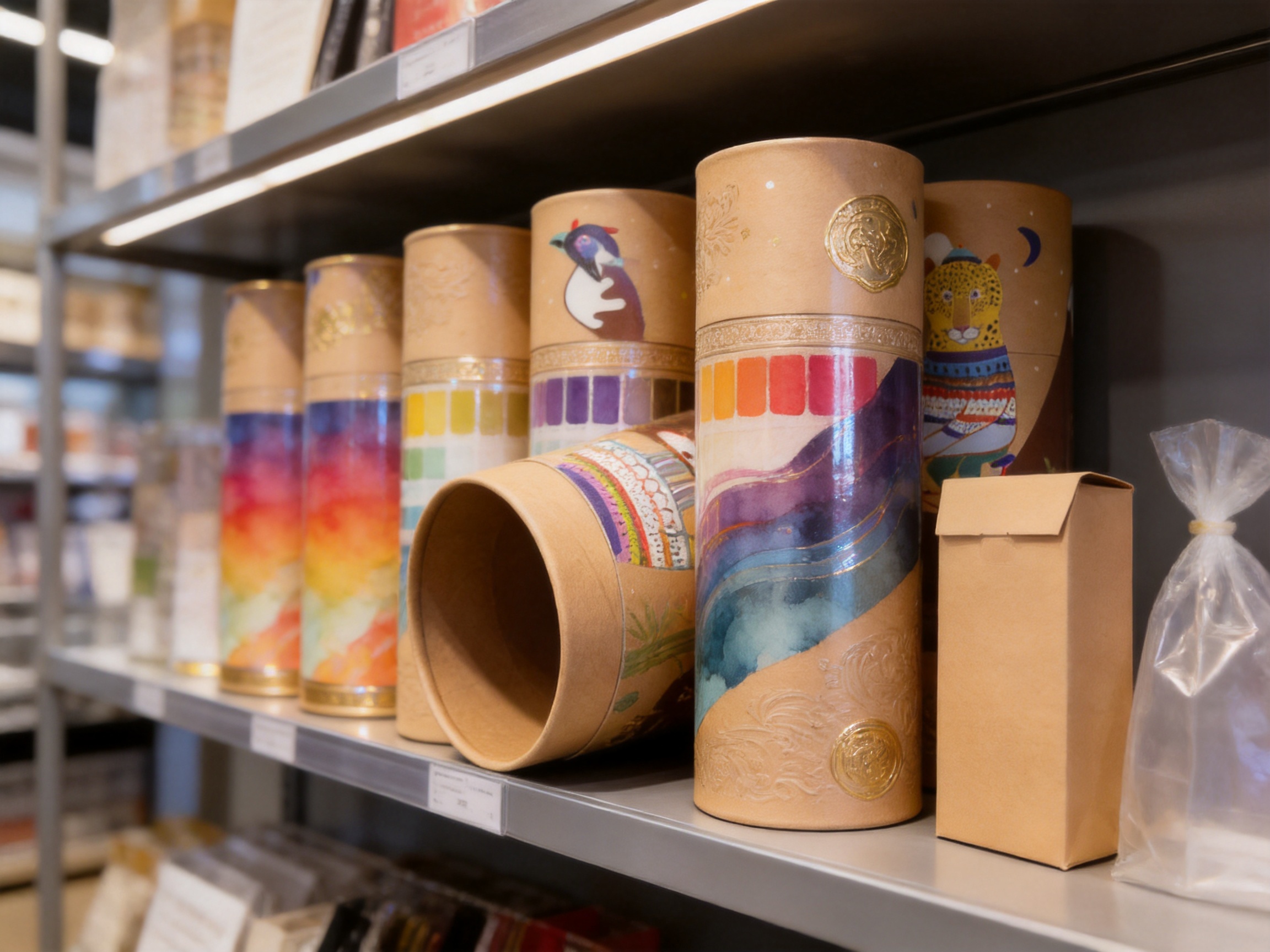
The shape is easy to recognize from a distance. On a retail shelf, a group of cylindrical packages can create a strong visual block, particularly when the artwork uses coordinated colors. In online stores, the tube can produce a distinctive product image that separates the marker set from competitors using generic rectangular cartons or transparent plastic bags.
Recycled Kraft Paper and Responsible Packaging Design
The use of recycled kraft paper responds to the growing demand for packaging that combines performance with material awareness. Kraft paper has a recognizable natural texture and an established association with paper-based packaging. When recycled content is incorporated into the construction, the package can support a brand message centered on resource efficiency, creative reuse, and reduced dependence on conventional plastic formats.
Material selection should always be evaluated according to the complete packaging requirement. Watercolor markers need to remain clean, organized, and protected, while the package must withstand production, storage, shipping, and retail handling. The tube design allows the manufacturer to adjust the paper construction and finishing approach according to the required balance between appearance, strength, and cost.
Recycled kraft paper can also enhance the visual identity of an art product. It provides a warm base that pairs naturally with watercolor themes, botanical illustrations, hand-painted graphics, and earth-inspired color palettes. A designer may choose to show portions of the kraft texture, or may cover the exterior with a full-color printed design. Both approaches can be used effectively: the first emphasizes natural simplicity, while the second creates a more colorful and premium presentation.
Glossy lamination and UV coating can be selected strategically rather than applied without consideration. A brand may use a printed kraft surface for a tactile, natural effect and reserve high-gloss UV highlights for the logo, color names, or selected artwork. This combination creates contrast and can reduce the need to make every part of the package equally reflective. It also provides a layered appearance that helps the container look more sophisticated than a basic printed tube.
Responsible packaging is not defined by material alone. Efficient sizing, reduced empty space, practical reuse, appropriate printing coverage, and well-planned transportation all contribute to better packaging performance. A custom tube can be sized to the marker collection instead of relying on an oversized generic box. When the dimensions are carefully developed, the package may reduce unnecessary volume while still leaving sufficient room for product protection and presentation.
High-Impact Glossy Lamination
Glossy lamination creates a smooth, reflective layer over the printed surface. For watercolor marker packaging, this finish can make vivid colors appear more intense and can give illustrations greater visual clarity. Reds, blues, greens, and metallic effects may appear more saturated and energetic when viewed under retail lighting or photographed for online sales.
The reflective surface is particularly useful for e-commerce images. Product photographs often depend on light placement to communicate quality. A glossy tube can catch highlights along its curved body, emphasizing the cylindrical shape and giving the package a polished appearance. The result can make the product listing feel more premium without requiring a heavier rigid box or a complex structural design.
Glossy lamination also creates a protective surface over the printed design. It can help the exterior resist ordinary scuffing, handling marks, and minor surface contamination. The level of protection depends on the film, application, and use conditions, but the finish generally offers a practical advantage for products that will be repeatedly handled in stores, studios, classrooms, or homes.
For competitive packaging, the finish can create a clear difference between the marker set and products packed in uncoated paperboard. A matte package may communicate a subdued or minimalist identity, while a glossy tube can communicate energy, brightness, and premium presentation. The appropriate choice depends on the brand, but the ability to combine a paper structure with a high-reflection surface gives the product a broad design range.
UV Printing and Selective UV Coating
UV printing is well suited to packaging that requires strong image definition and colorful visual communication. The process uses ultraviolet light to cure printed inks rapidly, helping create a sharp and durable printed surface. On a watercolor marker tube, UV printing can reproduce color charts, painted textures, lettering, product benefits, character illustrations, and decorative patterns with a high-impact appearance.
UV coating can also be applied selectively to specific areas. A designer might highlight the product name, a circular color wheel, a watercolor splash, or a small emblem. The contrast between a standard printed area and a raised or extra-glossy UV detail guides the viewer’s attention. This is valuable when the package contains multiple design elements and the brand needs a clear visual hierarchy.
Selective UV treatment can be especially effective on a cylindrical surface. As the tube rotates, certain highlighted areas catch light at different angles. The package therefore changes subtly as it is handled, creating movement and interest. This effect can support the artistic nature of watercolor markers and make the container feel interactive even before it is opened.
UV printing should be integrated into the overall artwork rather than treated as an isolated decoration. The manufacturer can work with the customer’s files to separate the regular print layer from the UV effect layer. Careful preparation helps ensure that the chosen highlights align with the logo, illustrations, and text. Production samples are useful for confirming how colors and gloss levels behave on the actual kraft paper tube.
Embossing and Stamping for a Tactile Experience
Visual quality attracts attention, but tactile quality often influences how premium a package feels in the customer’s hands. Embossing creates a raised pattern or design on the paper surface. It can be used for a logo, a decorative border, a repeating watercolor motif, or a tactile identification mark. When a customer touches the tube, the raised elements communicate that the package has been carefully designed rather than mass-produced as a basic container.
The curved body of a tube presents an interesting surface for embossing. Continuous patterns can wrap around the package, creating a seamless visual rhythm. A manufacturer with experience in composite cans and cylindrical paper packaging can account for the relationship between the artwork, the seam area, the tube circumference, and the embossing position. This helps avoid awkward interruptions in the design.
Stamping provides another method of creating distinction. Metallic or special-effect stamping can be used for selected words, lines, symbols, or logos. Gold, silver, and other decorative effects may be suitable for premium art collections, holiday gift sets, limited editions, and collaborations. Stamping should be used selectively so that it supports the main design instead of overwhelming the watercolor artwork.
Embossing and stamping can be combined with glossy lamination and UV coating to form several layers of contrast. For example, a tube may have a colorful printed background, an embossed title, a metallic stamped logo, and selective UV highlights around a painted motif. This combination can achieve a luxury appearance while retaining the practical and material advantages of a paper tube.
360-Degree Branding and Visual Storytelling
One of the strongest advantages of the round format is its continuous branding surface. Rectangular packaging usually divides the design into front, back, side, and top panels. A cylinder offers a more unified canvas. Graphics can flow around the entire body, allowing a brand to present a continuous sequence of colors, illustrations, instructions, and product information.
For watercolor markers, the wrap-around surface can display the complete marker range. Each color may be represented by a swatch or illustrated mark, helping customers understand the contents before opening the package. A brand can also use one section for product information, another for usage ideas, and another for care or storage guidance. The design can remain visually connected instead of appearing as unrelated panels.
Storytelling is another useful application. An art brand may create a landscape that gradually changes around the tube, a series of leaves and flowers, or a sequence showing how a watercolor effect develops. A children’s creative set may use characters that travel around the package. A professional marker collection may use a restrained color spectrum and technical information. The same structure can support very different market positions.
The 360-degree surface also provides additional room for multilingual information, regulatory details, barcodes, and usage instructions. The available area must still be planned carefully so that important text remains easy to read and does not cross seams, closures, or curved areas that make reading difficult. Proper artwork planning is therefore an important part of the customization process.
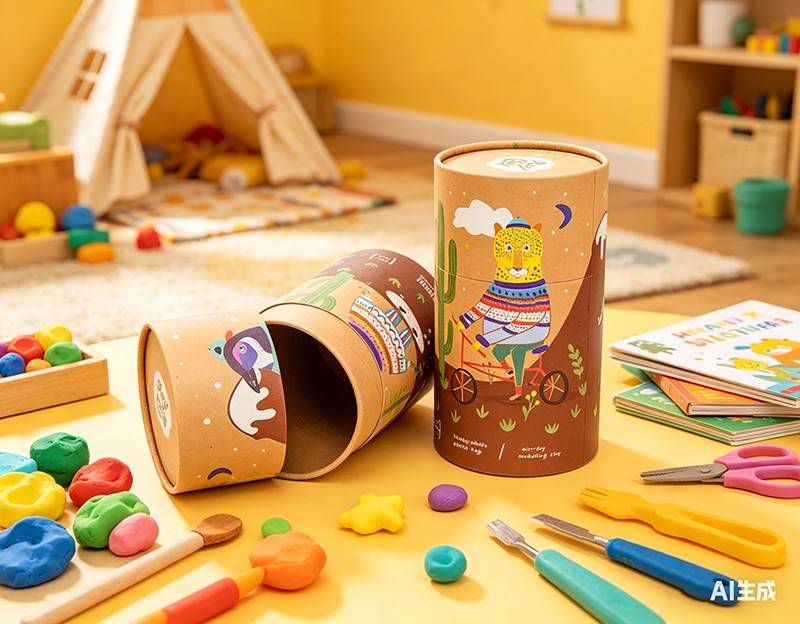
Custom UV Printed Recycled Kraft Paper Tube for Watercolor Markers
Advantages Over Common Packaging Alternatives
The custom paper tube offers several advantages when compared with ordinary folding cartons. A folding carton is often efficient and economical, but its flat structure may provide less crush resistance and less perceived value. Its corners can become damaged during transport, and its visual identity is divided into separate panels. The paper tube creates a stronger three-dimensional presence and can offer a more durable storage format after purchase.
Compared with thin plastic bags, the paper tube provides a more substantial presentation and better organization. Bags may be inexpensive, but they can allow markers to shift, offer limited protection, and provide fewer opportunities for premium finishing. A tube can communicate that the marker set is a complete product collection rather than a loose group of writing instruments.
Compared with transparent plastic containers, the recycled kraft paper tube provides greater control over visual storytelling. Clear containers show the contents but may offer limited space for brand graphics and may create a less distinctive shelf presence. The paper tube can combine full-color printing with an opaque protective body, allowing the packaging to communicate the product’s artistic identity before the markers are visible.
Compared with rigid wooden or heavy composite gift boxes, the paper tube can provide a luxury appearance with a potentially more economical material structure. The use of lamination, UV coating, embossing, and stamping gives the package a refined exterior without requiring the cost, weight, and storage requirements of a thick wooden box. This makes the format suitable for emerging brands, private-label products, seasonal collections, and promotional programs.
The tube also has a practical advantage over single-use packaging formats because it can be reused. Customers may keep the container for storing markers, pens, brushes, clips, beads, or other small objects. Reuse extends the functional life of the package and can keep the brand visible in the customer’s workspace for a longer period.
| Packaging Option | Typical Strength | Potential Limitation | Distinctive Benefit of the Paper Tube |
|---|---|---|---|
| Folding carton | Efficient flat storage and economical production | Less three-dimensional impact and limited reuse | More substantial cylindrical presentation and reusable structure |
| Plastic bag | Low material cost and product visibility | Limited protection, organization, and premium appeal | Better presentation, stronger structure, and extensive branding area |
| Transparent plastic box | Clear product visibility | Less room for immersive graphics and a less natural material message | Full-wrap artwork and recycled kraft paper construction |
| Rigid gift box | Premium appearance and high structural rigidity | Higher weight, cost, and storage requirements | Luxury finishing with a lighter paper-based format |
| Metal tin | Durability and long-term reuse | Higher material and tooling requirements | Paper-based appearance with flexible custom printing and finishing |
Manufacturing Capabilities and Company Strengths
Hangzhou Qunle Packaging Co., Ltd. has been engaged in the composite can and paper can industry for more than 20 years. This long operating history provides experience in the design and manufacture of cylindrical packaging formats. Paper tubes require control over paper winding, layer bonding, dimensional accuracy, seam quality, surface finishing, and closure compatibility. Experience across these areas supports consistent production for customized packaging orders.
The company is identified as the only member of the international Composite Can and Tube Institute in China’s packaging container industry. Membership in an industry organization reflects participation in a specialized packaging field and provides a connection to broader technical knowledge relating to composite cans and tubes. For customers developing a new marker package, this sector focus can be valuable because the supplier is familiar with the practical requirements of cylindrical paper containers.
Qunle Packaging’s business covers food, daily chemical products, fast-moving consumer goods, and other packaging applications. This cross-category experience can help the company understand different requirements for appearance, durability, hygiene, logistics, retail presentation, and consumer handling. Although the watercolor marker tube is positioned for gift and craft use, the manufacturing knowledge gained from other sectors can contribute to disciplined production and quality control.
The company was the first enterprise in China to pass the QS certificate for producing food packaging containers, according to the supplied company information. Food packaging requires attention to production conditions, material management, and compliance expectations. Experience in that field may support a careful approach to material selection and manufacturing control, although customers should confirm the certifications and specifications applicable to their individual project before placing an order.
In 2015, the company introduced a high-speed composite can production line from Europe. Investment in high-speed equipment can support production efficiency, repeatability, and capacity. For custom packaging, efficient machinery is especially important when a project moves from sample approval to mass production. Stable equipment can help reduce variation in dimensions, printing registration, and finishing quality across a large order.
The company has obtained more than 10 patented technologies and states that it continues to research and launch packaging products for the global market. Research and development can be important for paper tube packaging because customers often require non-standard diameters, special closures, unusual internal structures, or combinations of surface treatments. A supplier with product development experience is better positioned to discuss practical solutions rather than simply offering one fixed container.
Long-term partnerships with recognized companies and brands, including COFCO, STANDERS, DAVIDsTEA, Avalanche Coffee, Whittaker’s, McSteven’s, Nongfu Spring, and Beingmate, are included in the company profile. These relationships indicate experience serving established customers and managing packaging requirements across food, beverage, retail, and consumer product categories. For a watercolor marker project, that background can provide confidence in the supplier’s ability to coordinate specifications, production planning, and delivery requirements.
Production Process for a Customized Marker Tube
1. Requirement Analysis
Production begins with a clear review of the marker set. The supplier needs to understand the number of markers, their dimensions, cap configuration, accessories, desired display position, shipping conditions, and target retail price. The customer should also define whether the tube will be used as a simple protective container, a premium gift package, or a reusable organizer.
At this stage, the required outer diameter, height, wall thickness, closure style, and internal support can be considered. The tube must provide sufficient clearance for easy insertion and removal without allowing excessive movement. If the product includes a leaflet, palette, or accessory, these components should be included in the structural plan from the beginning.
2. Structural Development
The round body is developed according to the product dimensions and desired user experience. Paper layers are selected and configured to create the required balance of strength, weight, and appearance. The top and bottom closures are also considered. Depending on the concept, the package may use a removable lid, a fitted cap, an inner and outer tube arrangement, or another suitable paper-based closure.
Structural development should include attention to the tube seam and the orientation of the artwork. The seam must be positioned so that it does not interrupt the most important design element. The artwork should also account for the curved surface, because straight lines and small text may appear different when wrapped around a cylinder.
3. Artwork Preparation
The customer’s artwork is prepared for the selected printing and finishing processes. This may involve separating full-color graphics from spot UV areas, embossing elements, and stamping details. Color management is important because the final appearance can be influenced by the kraft paper base, printed ink coverage, lamination, and lighting conditions.
Designers should keep essential text at an appropriate size and avoid placing critical information too close to the seam or closure. A color chart should be checked carefully because watercolor markers are often sold according to shade names and visual swatches. Proofing helps confirm that the printed colors represent the brand and product range as accurately as possible.
4. Printing and Surface Treatment
Once the structure and artwork are approved, the tube components move into printing and finishing. Colorful printing creates the main visual design. Glossy lamination can then provide an overall reflective surface, while UV coating may be applied to selected areas for additional contrast. Embossing and stamping are introduced according to the approved specification.
Each finishing process must be coordinated with the others. Embossing depth, lamination behavior, UV coverage, and stamping position can affect the appearance and feel of the finished tube. Production control is therefore important to maintain alignment and prevent defects such as uneven gloss, incomplete transfer, misregistered graphics, or damage to the paper surface.
5. Forming and Assembly
The printed and finished paper is formed into a cylindrical body. Layer bonding and winding accuracy influence the tube’s roundness, rigidity, and dimensional stability. The body is then combined with the selected base, lid, or internal component. The assembly process must preserve the printed design and ensure that the finished package opens and closes as intended.
For marker packaging, internal components may be used to keep the markers orderly. The design can include a paper insert or fitted support that creates individual positions or prevents the products from shifting. The appropriate solution depends on the number and shape of the markers and whether the customer wants the package to be reusable as a storage container.
6. Inspection and Quality Control
Quality control should cover both appearance and function. Visual inspection can review color consistency, print clarity, lamination quality, UV placement, embossing definition, stamping coverage, seam appearance, and overall cleanliness. Dimensional checks can verify height, diameter, closure fit, and internal space.
Functional inspection can include opening and closing tests, product insertion and removal, handling simulations, and packaging checks. If the tube will be shipped internationally, the customer may also request transport testing appropriate to the product and distribution environment. Clear approval standards established before production help both the buyer and manufacturer evaluate the finished goods objectively.
Design Recommendations for Watercolor Marker Brands
Use Color as a Functional Communication Tool
Watercolor marker packaging should make the color range easy to understand. A wrap-around palette can show representative swatches, color families, or sample strokes. The package may use a graduated spectrum from warm to cool colors, or it may present the complete assortment in the same order as the markers inside. This improves shelf communication and helps customers select the appropriate set.
Balance Natural Kraft Texture with Premium Effects
The recycled kraft base does not need to be hidden. Exposed kraft areas can communicate authenticity and material awareness, while glossy lamination and UV coating can be reserved for key design elements. This contrast creates a layered identity that is both natural and refined. It also gives designers more freedom to create visual rhythm across the cylinder.
Make the Opening Experience Memorable
The package should be easy to open without sacrificing protection. A fitted lid, pull tab, or internal paper insert can make the opening process feel deliberate. Instruction cards or small creative prompts may be placed inside the tube. Because the package is intended for gift and craft use, the opening experience can be considered part of the product’s perceived value.
Plan for Reuse
A reusable tube can support the brand after the original purchase. The diameter and closure should make it convenient to store markers or other small tools. A short message printed on the package can encourage customers to reuse it. If the tube is intended to remain on a desk or in a studio, the design should be attractive from every angle rather than focusing only on the front.
Consider Different Customer Groups
Children’s marker sets may benefit from bright colors, friendly illustrations, and simple instructions. Professional artists may prefer a more restrained design with precise color information. Gift collections can use embossing and metallic stamping to create an elevated appearance. Educational kits may require clear labeling, organized contents, and additional space for instructions. The same tube format can be adapted to each audience through artwork, dimensions, and internal configuration.
Applications and Sales Channels
The primary application is packaging for watercolor marker collections, but the tube can support many related products. It may hold brush pens, colored pencils, paint sticks, calligraphy tools, craft accessories, or mixed-media kits. A brand can use the same structural family for multiple product sizes, creating a consistent packaging system across its catalog.
In gift retail, the tube can be positioned as a creative present for birthdays, holidays, graduation, back-to-school promotions, and corporate events. Its premium surface treatment makes it appropriate for limited-edition sets and seasonal collections. The cylindrical form also works well in gift displays where packages are grouped by color or arranged vertically.
For independent art stores and stationery boutiques, the package can help a product appear more distinctive among conventional boxes. The 360-degree design surface provides additional space for brand storytelling, product details, and creative usage suggestions. In specialty retail, packaging that invites customers to pick it up and rotate it can increase engagement at the shelf.
E-commerce is another important channel. The tube’s strong silhouette can produce recognizable product images, and the glossy surface can create dramatic highlights when photographed correctly. Packaging should still be designed to withstand fulfillment and parcel handling. A suitable shipping carton or protective outer pack may be necessary to preserve the tube during delivery.
Subscription boxes and artist collaboration programs can also benefit from custom tubes. A limited print, seasonal artwork, or guest illustrator design can turn the container into a collectible item. Because the tube offers a large wrap-around area, it can accommodate special edition graphics without changing the fundamental structure of the package.
Cost, Efficiency, and Commercial Value
The paper tube combines a relatively economical kraft paper structure with finishing processes that create a higher-value appearance. This allows brands to position a watercolor marker set as premium without automatically adopting the cost and weight associated with rigid wood, thick plastic, or elaborate multi-piece gift boxes.
Commercial value comes from more than the unit price of the packaging. A distinctive tube can improve product recognition, strengthen online images, support gifting, and encourage reuse. It can also provide a consistent platform for a product family. When several marker collections share the same tube shape but use different artwork, customers can quickly recognize the brand while still distinguishing the individual sets.
Efficient production planning can improve cost control. Standardizing selected dimensions, closures, or internal inserts across a product range may reduce development complexity. At the same time, surface treatments can be varied to create different price tiers. A basic version may use colorful printing and a simple finish, while a premium edition may add lamination, spot UV, embossing, and stamping.
Order planning should consider minimum quantities, sampling, lead time, artwork approval, and shipping method. Customers should provide complete technical information before quotation so that the manufacturer can calculate materials, tooling, printing, finishing, assembly, and packaging requirements accurately. A well-defined specification reduces the risk of unexpected changes during production.
Quality and Specification Checklist
Before approving a customized tube, the buyer should confirm the product dimensions and the intended internal arrangement. The marker length, cap diameter, number of pieces, and accessory requirements should be checked against the sample. The package should open smoothly and retain the contents securely during ordinary handling.
The artwork should be reviewed around the entire circumference. Important text should be readable, graphics should align across the seam, and color swatches should be positioned where customers can see them easily. The customer should also confirm whether the kraft paper texture will remain visible or be fully covered by printed ink and lamination.
Finishing details deserve separate approval. The exact locations of embossing, stamping, and UV coating should be marked in the artwork. The buyer should evaluate the effect under different lighting conditions because gloss and metallic effects can appear differently in photographs, stores, and indoor workspaces.
Packaging performance should be evaluated according to the distribution environment. If the tubes will be shipped by parcel, exported in containers, or displayed in open retail fixtures, the outer packaging and stacking method should be planned accordingly. Samples can help identify whether additional protection is needed at the ends, around the lid, or between individual tubes.
| Inspection Area | Points to Confirm |
|---|---|
| Dimensions | Tube height, diameter, wall thickness, lid fit, and internal clearance |
| Printing | Color accuracy, image sharpness, text readability, and seam alignment |
| Lamination | Even coverage, smooth surface, adhesion, and resistance to ordinary handling marks |
| UV coating | Correct position, gloss contrast, clean edges, and consistency across units |
| Embossing | Pattern definition, depth, alignment, and tactile consistency |
| Stamping | Transfer quality, metallic coverage, registration, and resistance to rubbing |
| Structure | Roundness, seam quality, rigidity, and closure performance |
| Product fit | Secure organization of markers and easy removal by the customer |
| Shipping readiness | Protection against crushing, abrasion, moisture exposure, and movement during transport |
Why Manufacturer Experience Matters
Custom packaging projects often fail when a supplier focuses only on printing and does not fully understand the structure. A paper tube is a coordinated product involving materials, forming, adhesives, artwork, finishing, closures, and logistics. A manufacturer with long-term specialization in composite cans and paper cans can address these elements as an integrated system.
Qunle Packaging’s more than 20 years in the composite can and paper can industry are relevant to the development of a reliable marker tube. The company’s experience across food, daily chemical, fast-moving consumer goods, and other categories suggests familiarity with high-volume packaging requirements and different customer expectations. Its European high-speed composite can production line, patented technologies, and industry participation further support its stated manufacturing capabilities.
Customers also benefit from a supplier that can discuss design feasibility early. For example, a very fine embossed line may need adjustment to remain visible on a curved surface. A metallic stamp may require suitable spacing from the seam. A high-gloss finish may affect the appearance of a kraft-based background. These decisions are easier to manage when the packaging manufacturer is involved before the artwork is finalized.
Long-term manufacturing relationships can also support repeat orders. Once a tube specification, artwork system, and quality standard have been approved, future production may be easier to coordinate. This is useful for brands that launch seasonal colors, new marker sizes, promotional editions, or related craft products over time.
Frequently Asked Questions
What products can be packed in this paper tube?
The product is designed for watercolor markers, but the round tube format can also hold brush pens, colored pencils, craft tools, stationery collections, small gift items, candles, confectionery products, cosmetics accessories, and other suitable products. The internal dimensions and structure should be developed according to the specific contents.
Is the tube made with recycled material?
The supplied specification identifies recycled materials as a feature and kraft paper as the paper type. Buyers should confirm the precise recycled content, paper grade, and any documentation required for their market before production.
Can the design be customized?
Yes. The product is listed as accepting custom orders and OEM requirements. Customization may include dimensions, artwork, color, internal arrangement, closure style, printing, embossing, stamping, glossy lamination, and UV coating.
What is the advantage of the round shape?
The cylindrical structure provides a continuous 360-degree branding surface, a distinctive retail appearance, and a practical format for organizing marker sets. It can also be reused as a storage container after the original product has been opened.
Can the tube include a window?
A window may be possible depending on the required structure and design. A customer should discuss the desired window position, size, material, and effect on strength and printing area with the manufacturer during structural development.
How does glossy lamination affect the appearance?
Glossy lamination creates a reflective surface that can make printed colors appear more vivid and saturated. It also gives the tube a polished finish and may help protect the printed exterior from ordinary handling marks.
What is the purpose of UV coating?
UV coating can be applied across the surface or selectively to chosen design elements. Spot UV is useful for emphasizing a logo, product name, illustration, or pattern by creating a higher-gloss contrast against the surrounding print.
Can embossing and stamping be used together?
Yes. Embossing adds raised texture, while stamping can add metallic or special-effect details. Combining them with printing and lamination can create a premium appearance, provided the artwork and production tolerances are planned carefully.
Is this packaging suitable for e-commerce?
The tube can be suitable for e-commerce presentation because its cylindrical form and glossy surface photograph well. However, the fulfillment system should include an appropriate shipping carton or protective material to reduce the risk of crushing, abrasion, or impact during delivery.
Can the package be reused?
Yes. After the markers are removed, the tube can be reused for storing markers, pens, brushes, clips, beads, craft accessories, or other small items. The usability of the package after purchase depends on the selected dimensions and closure design.
How should a buyer approve the product before mass production?
The buyer should review a physical sample or approved proof covering dimensions, fit, artwork, colors, seam position, closure performance, surface finishes, and internal organization. Any special requirements for transportation, labeling, or retail display should be confirmed before production begins.
What company produces this packaging?
The supplied product information identifies Hangzhou Qunle Packaging Co., Ltd. as the manufacturer. The company has more than 20 years of experience in composite cans and paper cans, serves multiple packaging sectors, participates in the Composite Can and Tube Institute, operates a high-speed European composite can production line, and reports more than 10 patented technologies.
Conclusion
The custom UV printed recycled kraft paper tube provides a strong packaging platform for watercolor markers and other creative products. Its advantages come from the combination of structure and decoration: a round paper body, recycled kraft material, colorful custom printing, glossy lamination, selective UV coating, embossing, and stamping. Together, these features can produce a package that is protective, distinctive, reusable, and suitable for premium gift presentation.
Its 360-degree surface gives designers more room for color charts, illustrations, brand messages, instructions, and storytelling than many conventional packages. The cylindrical format also creates a memorable physical experience and can help a marker collection stand out in stores and online product images.
Compared with plastic bags, ordinary cartons, and generic containers, the tube offers stronger visual identity and a more substantial user experience. Compared with heavy rigid gift boxes, it can achieve luxury positioning through surface finishing while retaining the practical advantages of a paper-based structure. These qualities make it suitable for emerging brands, established art suppliers, private-label manufacturers, gift retailers, education companies, and creative product developers.
Manufacturer capability is equally important. Hangzhou Qunle Packaging Co., Ltd.’s long experience in composite cans and paper cans, cross-category packaging background, high-speed production equipment, industry participation, and reported patented technologies provide a foundation for developing and producing customized cylindrical packaging. By combining accurate structural development, controlled printing, coordinated finishing, and quality inspection, the supplier can help turn a watercolor marker set into a complete and commercially compelling product experience.
References
1. Hangzhou Qunle Packaging Co., Ltd. Product specification for custom UV printed recycled kraft paper tube packaging.
2. Hangzhou Qunle Packaging Co., Ltd. Corporate information on composite cans, paper cans, production capabilities, and industry experience.
3. Composite Can and Tube Institute. General technical context for composite can and paper tube packaging.
4. Packaging design principles for cylindrical containers, including wrap-around graphics, structural development, and retail presentation.
5. General packaging quality-control practices for printed paper containers, including dimensional inspection, surface-finish evaluation, closure testing, and transport preparation.
