 English
 Español

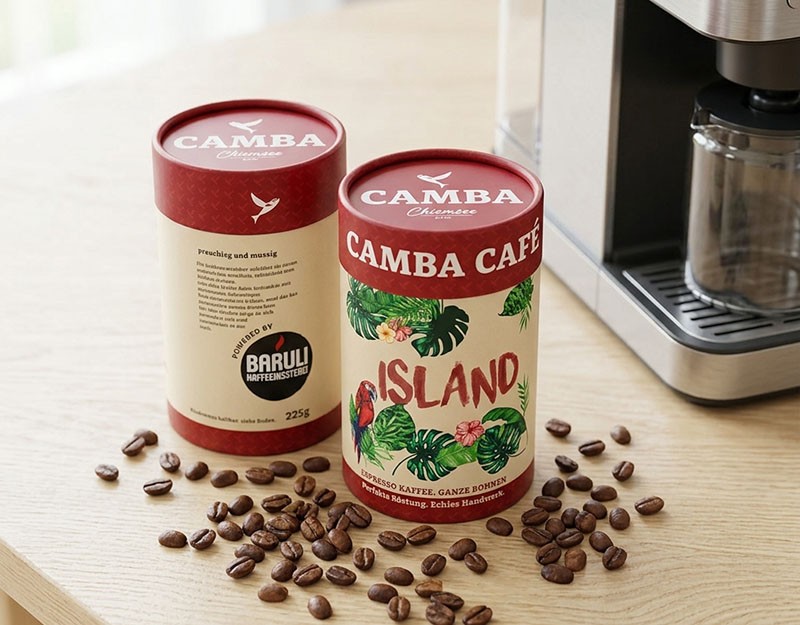
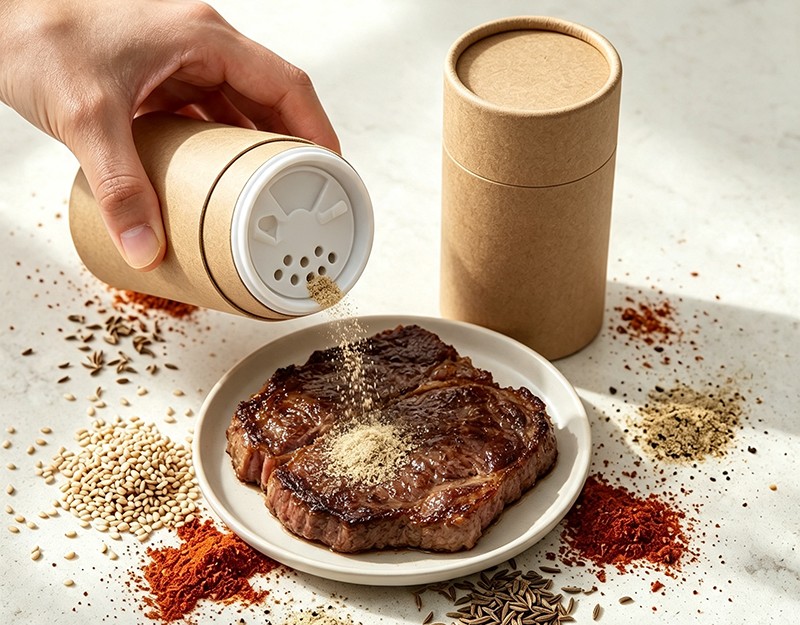
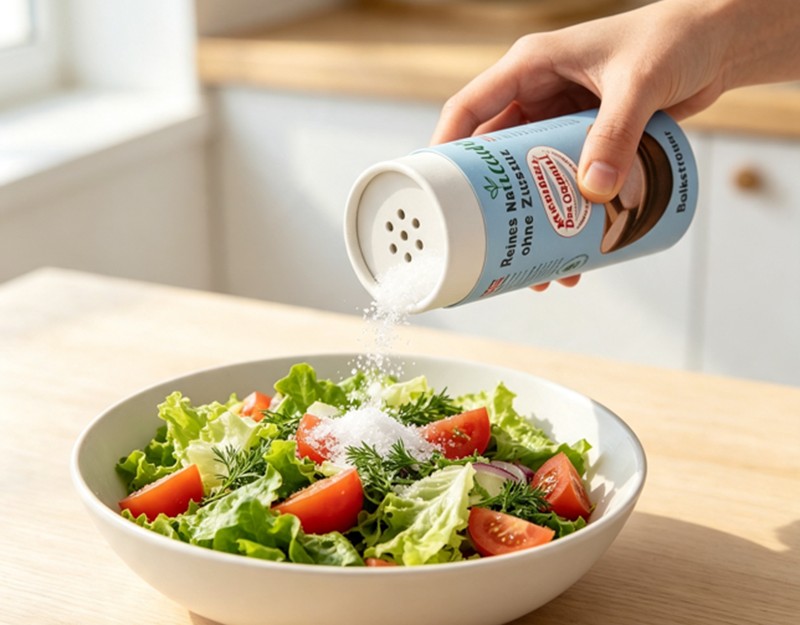
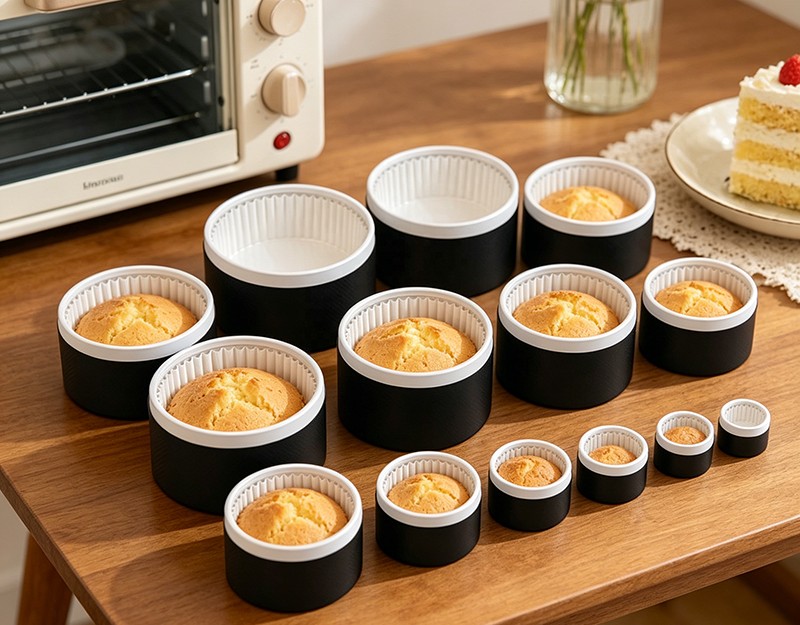
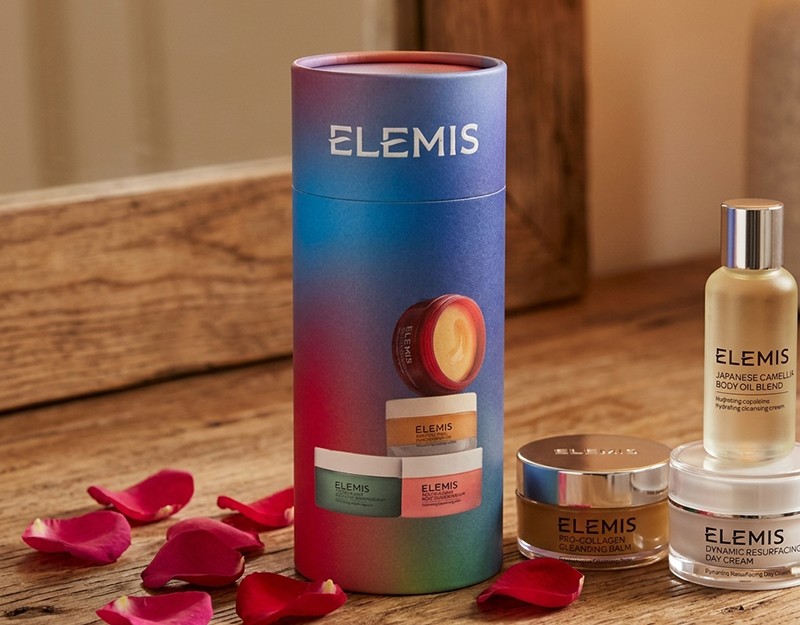
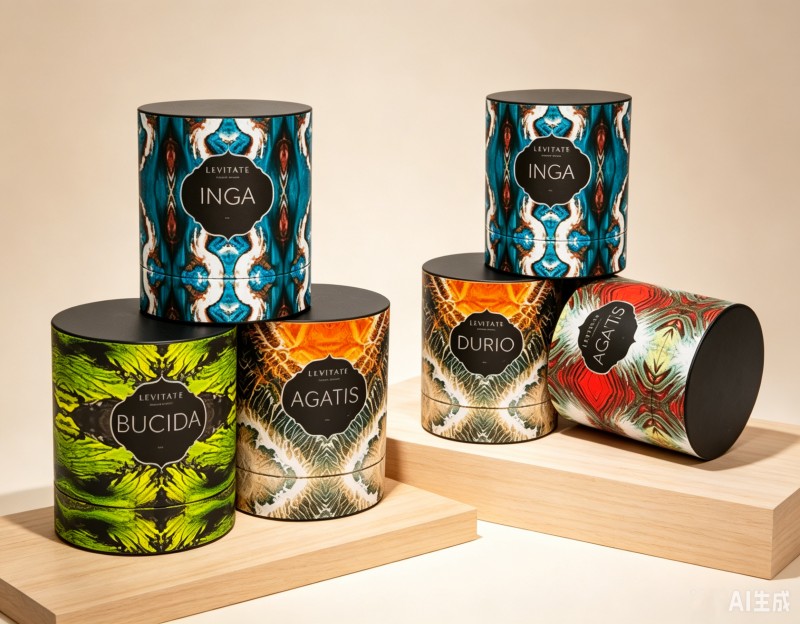
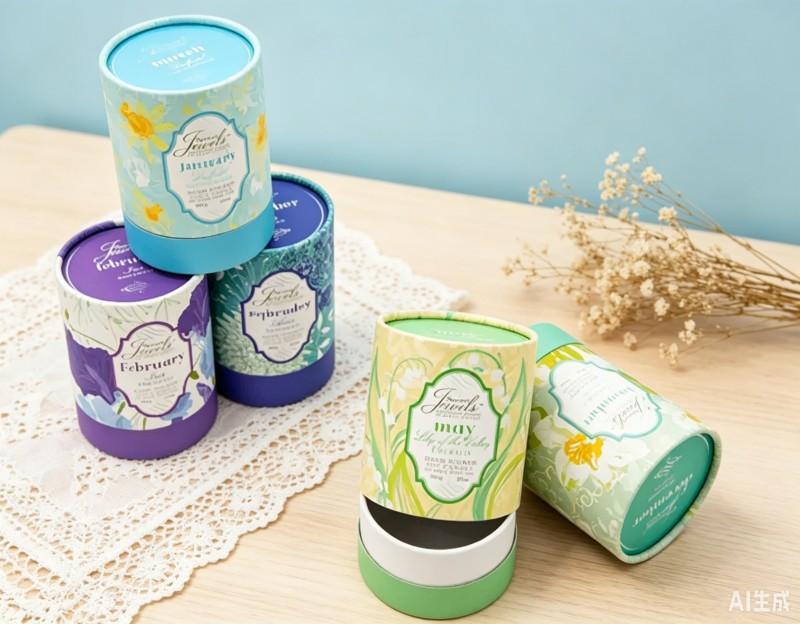
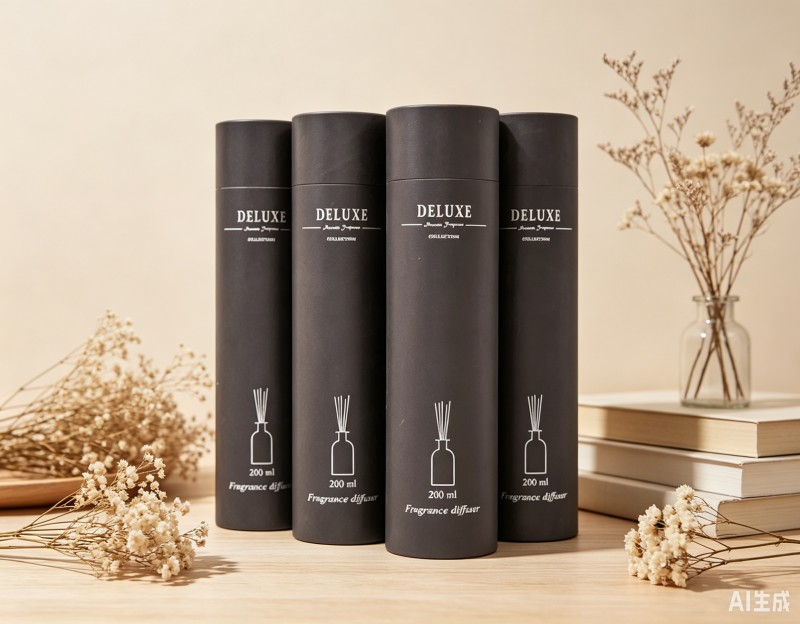
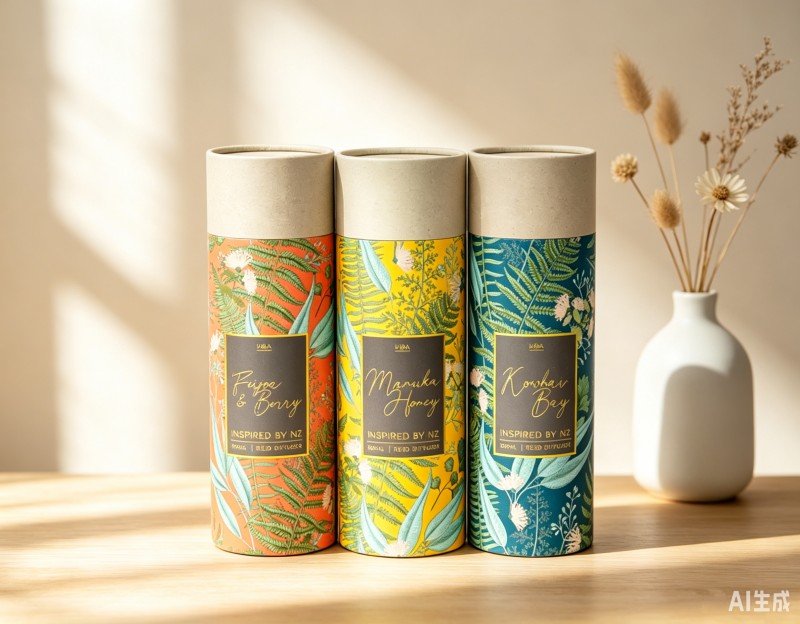
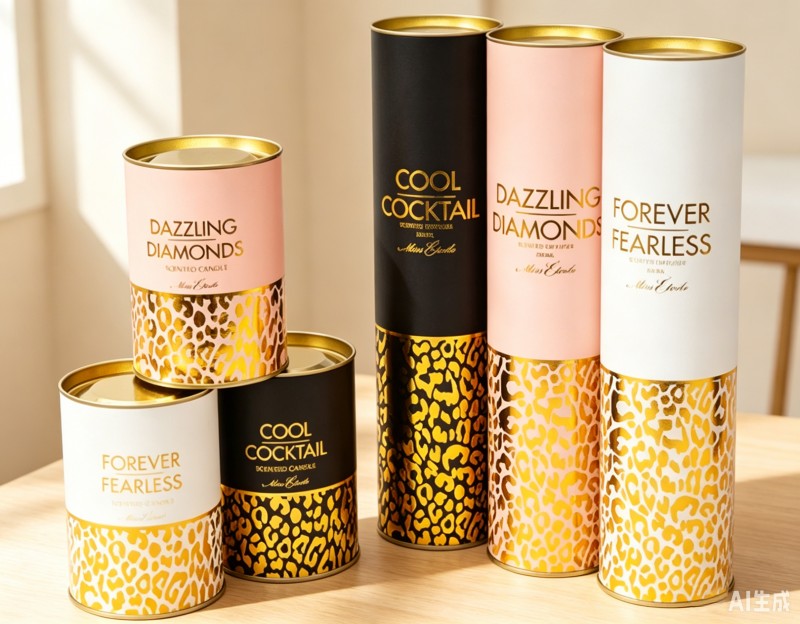
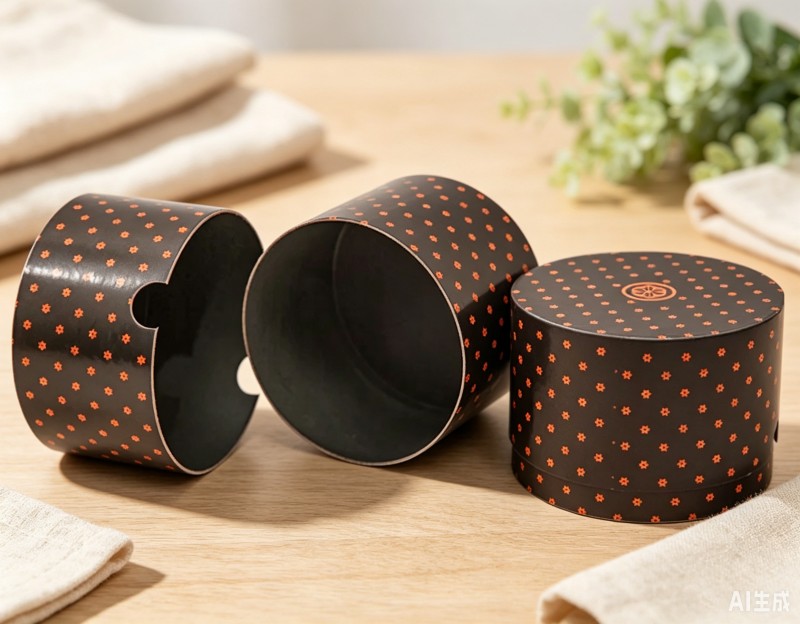
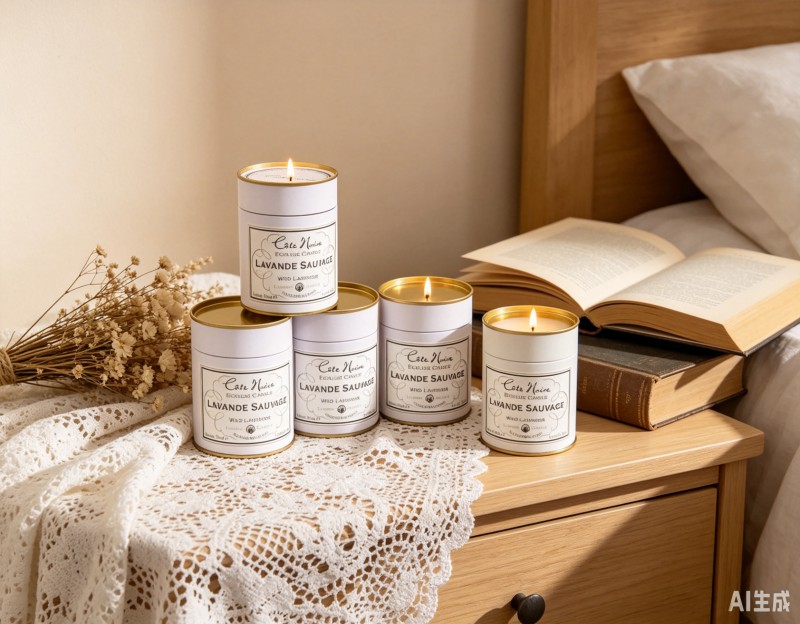

As one of the top China cardboard tube packaging manufacturers and paper tube packaging suppliers, we devote all of our efforts to research and launch more high quality packaging products to global market.
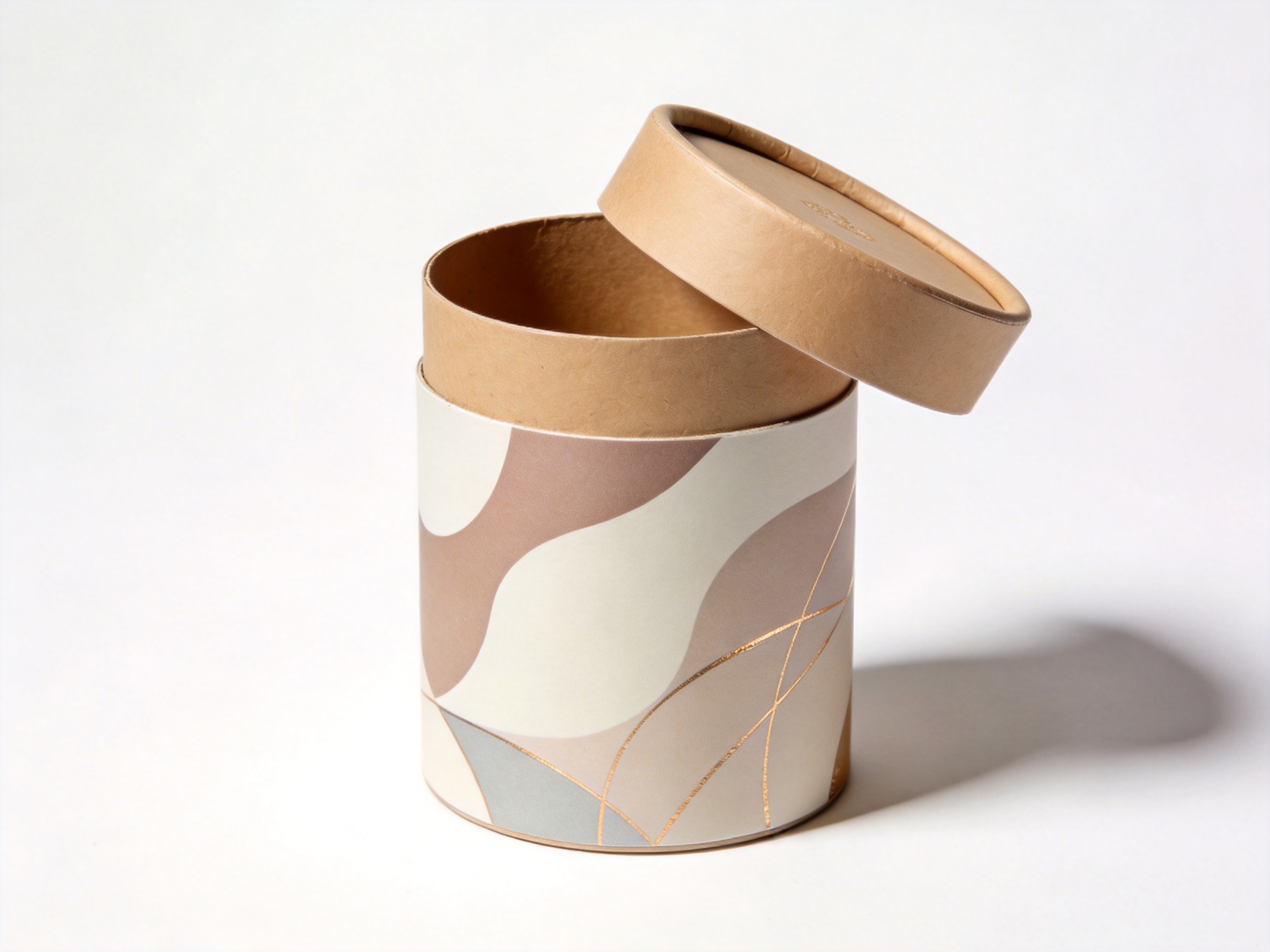
In modern retail, packaging is no longer only a protective shell. It is a visual message, a tactile experience, a storage solution, and often the first physical interaction between a buyer and a product. Among the many formats available to gift, craft, confectionery, specialty food, and lifestyle brands, the cylindrical paper gift box has become a highly effective option because it combines elegance, practicality, and sustainability in a single structure.
The custom cylindrical gift box discussed in this article is designed for brands that want a premium presentation without relying on heavy plastic, overly complex rigid boxes, or disposable packaging that fails to support environmental goals. Made primarily from paper materials, including kraft paper and art paper labels, and enhanced through offset printing, varnishing, and matte lamination, this packaging format offers a refined appearance while maintaining recyclability and practical strength.
Its typical structure includes a durable paper body, a paper lid, and customizable external decoration. The product can be manufactured according to customized orders, with dimensions such as an internal diameter range of approximately 99 to 101 millimeters and a height of 130 millimeters, depending on the buyer’s requirements. While compact, the format is highly versatile and can be adapted for gifts, crafts, specialty foods, candles, cosmetics, tea, confectionery, small accessories, promotional items, and seasonal product sets.
As competition increases across consumer markets, brands need packaging that does more than simply hold an item. They need packaging that communicates care, quality, originality, and responsibility. A well-designed cylindrical gift box can achieve all of these goals. Its rounded shape stands apart from ordinary square cartons, its smooth printed surface supports high-end branding, and its paper-based construction aligns with the growing demand for sustainable packaging.
Content
- 1 Why Cylindrical Gift Boxes Are Becoming a Preferred Packaging Format
- 2 Product Overview and Key Specifications
- 3 Design Advantages Over Conventional Gift Packaging
- 4 Material Selection and Sustainability Benefits
- 5 Printing, Finishing, and Brand Expression
- 6 Manufacturing Processes That Support Quality and Consistency
- 7 Company Strengths Behind the Product
- 8 Applications in Gifts, Crafts, Food, and Lifestyle Markets
- 9 How the Cylindrical Format Improves Shelf Impact
- 10 Functional Protection and User Convenience
- 11 Customization Strategy for Brand Owners
- 12 Quality Control Considerations
- 13 Competitive Advantages for Wholesale Buyers
- 14 Comparison With Common Alternative Packaging Types
- 15 Role of Packaging in Consumer Perception
- 16 Production Experience for Food-Adjacent Gift Packaging
- 17 How Advanced Equipment Supports Wholesale Scale
- 18 Patented Technologies and Ongoing Development
- 19 Practical Ordering Considerations
- 20 Q&A Section
- 20.1 What is the main advantage of a cylindrical gift box compared with a rectangular box?
- 20.2 Is the cylindrical gift box recyclable?
- 20.3 Can the size be customized?
- 20.4 What materials are used in the gift box?
- 20.5 What printing and finishing options are available?
- 20.6 What products can be packaged in this cylindrical box?
- 20.7 Why is manufacturing experience important for this type of packaging?
- 20.8 How does matte lamination improve the package?
- 20.9 Can this packaging help improve retail sales?
- 20.10 Why choose a paper cylindrical box instead of plastic packaging?
- 21 Conclusion
- 22 References
Why Cylindrical Gift Boxes Are Becoming a Preferred Packaging Format
Traditional rectangular gift boxes remain widely used, but they are not always the most memorable or space-efficient choice for premium presentation. A cylindrical gift box immediately creates a different impression. Its circular profile feels softer, more refined, and more personal. Instead of looking like a standard shipping carton or retail box, it resembles a keepsake container that the consumer may want to retain after opening.
This emotional value is important. Many buyers judge product quality before they ever touch the product itself. The smooth walls, seamless label area, and fitted lid of a cylindrical paper box can elevate a relatively simple product into a more desirable gift. For craft items, chocolates, small food selections, scented products, or branded promotional goods, the packaging can become part of the perceived value.
Compared with many competing gift packaging solutions, cylindrical paper boxes also offer excellent flexibility. They can be minimal and natural with kraft textures, colorful and decorative for seasonal campaigns, or sleek and luxurious with matte lamination and refined offset printing. This gives buyers the freedom to develop packaging that reflects a particular market position, whether that position is eco-conscious, premium, playful, artisanal, or corporate.
Another advantage is structural efficiency. Cylindrical packaging distributes pressure evenly around the wall of the tube. When properly manufactured from layered paper materials, it can resist deformation better than many lightweight folding cartons. The structure is especially suitable for products that need an upright presentation, a snug enclosure, or a premium unboxing experience.
For brands selling through retail shelves, online stores, boutiques, gift shops, and promotional channels, the cylinder also provides strong visibility. Rows of square packages often blend together, while a round container attracts attention through shape alone. This visual distinction can help brands stand out without depending solely on costly graphics or oversized packaging.
Product Overview and Key Specifications
The cylindrical gift box is a customized paper packaging solution intended for gifts and crafts as well as selected food-related applications. Its core material is paper, commonly including kraft paper as a structural base and art paper for the printed label or outer wrap. The lid is also paper-based, allowing the entire design to maintain a consistent material identity and support recyclability.
The surface can be finished through offset printing combined with matte lamination, varnishing, or other decorative treatments according to the desired brand effect. Offset printing is particularly valuable when buyers require accurate colors, detailed graphics, gradients, logos, illustrations, or product information. Matte lamination contributes a soft, refined hand feel, while varnishing can provide additional visual depth and surface protection.
Customization is one of the central strengths of this packaging. The model can be produced according to customer requirements rather than limited to a single stock design. Buyers may specify dimensions, external artwork, label material, lid style, color scheme, finish, and usage requirements. This makes the cylindrical gift box suitable for wholesale buyers, private-label projects, retail product lines, and branded seasonal packaging.
The example size of internal diameter 99 to 101 millimeters by 130 millimeters in height represents a practical compact cylinder suitable for many gift applications. It can hold small packaged products, craft items, confectionery, specialty samples, candles, rolled textiles, decorative accessories, stationery, or promotional sets. However, the general manufacturing method can be adapted for other dimensions, depending on volume, structural needs, and filling requirements.
The packaging is described as recyclable, which is a significant advantage for modern brands. Consumers increasingly expect packaging to reduce unnecessary plastic and support circular material use. Paper-based cylindrical gift boxes provide an appealing alternative to plastic tubes, mixed-material blister packs, and heavy rigid containers that may be more difficult to process after use.
| Feature | Specification or Option | Value for Buyers |
|---|---|---|
| Main Structure | Paper tube body with paper lid | Creates a cohesive, recyclable, premium container |
| Material | Kraft paper, art paper label, paper components | Supports strength, print quality, and sustainable positioning |
| Surface Treatment | Offset printing, matte lamination, varnishing | Improves visual impact, brand recognition, and tactile quality |
| Customization | Accepted for size, design, label, finish, and use | Allows packaging to match brand identity and product requirements |
| Example Size | Internal diameter 99 to 101 millimeters, height 130 millimeters | Suitable for compact gift, craft, food, and promotional products |
| Industrial Use | Gifts, crafts, food-related applications, specialty retail | Offers broad market versatility |
| Environmental Feature | Recyclable paper-based construction | Helps brands respond to sustainability expectations |
Design Advantages Over Conventional Gift Packaging
The first major advantage of a cylindrical gift box is differentiation. Conventional rectangular gift boxes and folding cartons are everywhere. They are useful, but they often fail to create a memorable first impression unless they use expensive specialty materials or elaborate finishing. A cylinder, by contrast, is distinctive even before decorative printing is applied. The shape itself becomes a design statement.
The second advantage is perceived value. Cylindrical boxes are often associated with premium teas, fine confectionery, cosmetics, specialty spirits, candles, and luxury gifts. Even when used for more affordable products, the format can make the item feel curated and gift-ready. This helps brands increase shelf appeal and may support higher perceived price positioning.
The third advantage is user experience. A paper lid that opens smoothly creates a satisfying moment of discovery. Unlike a flat folding carton that is often torn or discarded immediately, a cylindrical gift box may be reused by the consumer for storage, decoration, or organization. This extended use keeps the brand visible longer and reduces the feeling of waste.
The fourth advantage is surface continuity. The curved wall provides a broad wraparound area for graphics, product storytelling, seasonal artwork, or minimalist branding. A full circular label can create a 360-degree communication space, allowing the package to look attractive from multiple viewing angles. On a shelf or display table, there is no single front side that must be perfectly aligned to attract attention.
The fifth advantage is compatibility with decorative trends. Cylindrical boxes work well with vintage illustrations, festive motifs, botanical patterns, metallic effects, natural kraft textures, pastel craft themes, and high-contrast modern branding. Because the shape is simple but elegant, it can support a wide range of design languages without looking visually overloaded.
Compared with plastic gift containers, paper cylinders offer a warmer and more natural impression. Compared with metal tins, they are usually lighter and easier to customize in smaller design variations. Compared with ordinary cardboard cartons, they are more memorable and more gift-oriented. Compared with many rigid boxes, they can provide premium presentation while remaining efficient for production and storage planning.
Material Selection and Sustainability Benefits
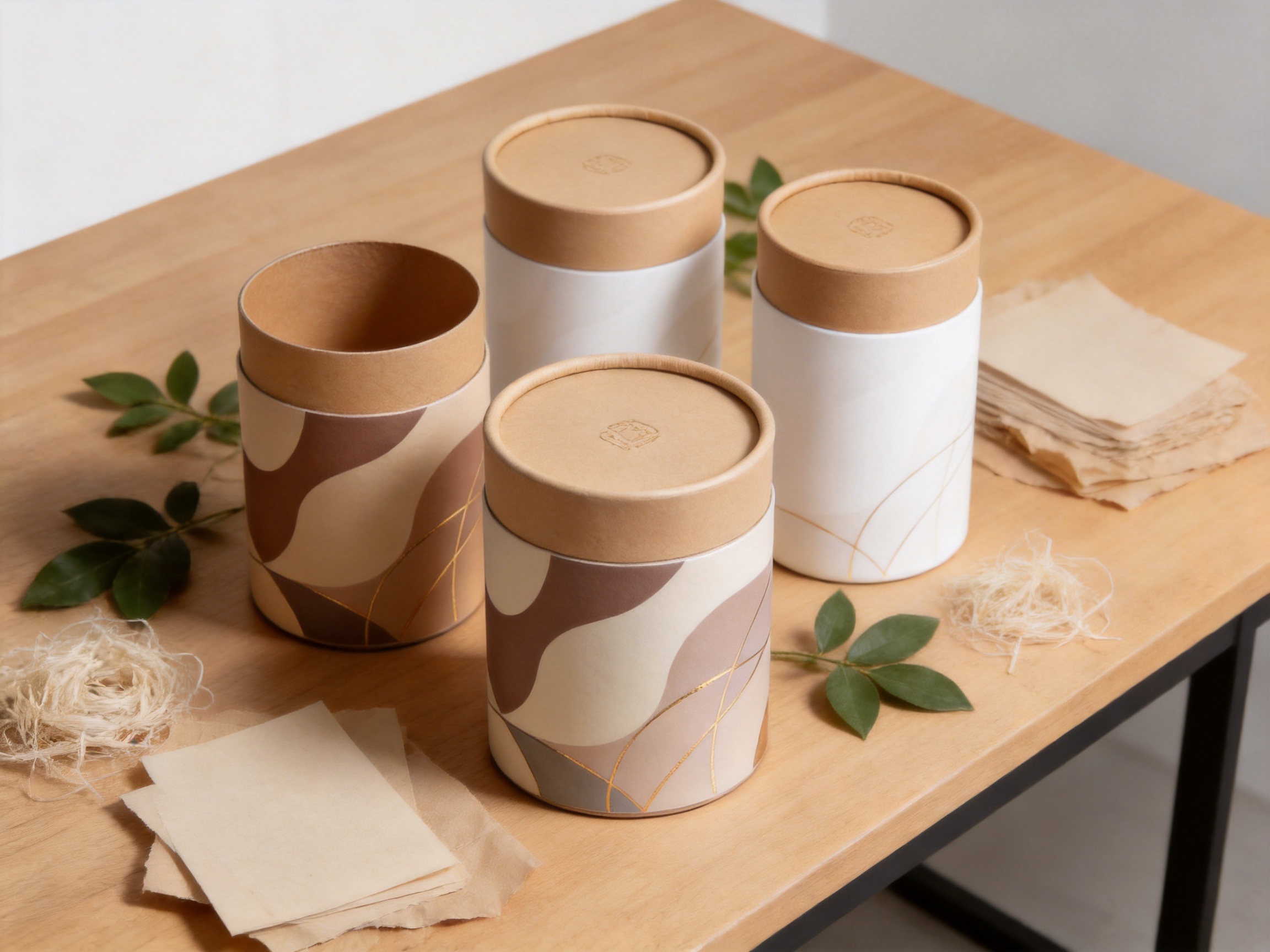
Paper remains one of the most widely accepted materials for sustainable packaging because it is renewable, familiar to consumers, and broadly recyclable in many regions. In the cylindrical gift box, kraft paper provides a strong and practical base. Kraft paper is valued for its fiber strength and natural appearance. It can serve as a structural component while also supporting an eco-conscious brand message when left visible or combined with minimal printing.
Art paper labels enable high-quality decorative presentation. A brand may choose full-color printing for a retail launch, elegant monochrome graphics for luxury positioning, or seasonal designs for holiday sales. The combination of a sturdy paper tube body and an attractive art paper wrap allows the package to balance functional strength with visual refinement.
The use of a paper lid is also important. Some packaging formats rely on plastic caps, metal bottoms, or mixed-material closures that complicate recycling. A paper lid helps preserve material consistency and supports an easier sustainability story. For brands that want to reduce plastic use, this detail can be valuable in marketing and compliance discussions.
Recyclability is not only a technical feature; it is also a consumer-facing benefit. Many shoppers now actively look for packaging that can be recycled or reused. A paper cylindrical gift box communicates environmental responsibility more clearly than opaque plastic or mixed-material packaging. When the box is also attractive enough to be reused, its lifecycle can extend beyond the original purchase.
In addition to recyclability, paper packaging often has advantages in print adaptability. Graphics can be applied cleanly, text remains readable, and finishes can be selected to create the desired tactile effect. This means sustainability does not require sacrificing beauty. A paper-based cylindrical box can be natural, luxurious, colorful, or minimalist depending on the brand’s needs.
The efficient use of materials is another benefit. Because the cylindrical wall is formed from paper layers, the packaging can achieve good rigidity without excessive bulk. This is especially relevant for brands trying to reduce packaging weight while maintaining quality perception. In many applications, the paper tube format provides a practical balance between strength, appearance, and responsible material use.
Printing, Finishing, and Brand Expression
Packaging design becomes powerful when structure and surface decoration work together. The cylindrical gift box offers a smooth, continuous surface that is highly suitable for offset printing. Offset printing is known for color accuracy, fine detail, and professional consistency, making it suitable for brand logos, artwork, product names, ingredient information, decorative illustrations, and promotional messages.
For gift packaging, color quality matters. A slightly dull or inaccurate print can weaken the premium impression. Offset printing helps achieve crisp graphics and repeatable results across production batches. This is especially useful for brands that need consistent shelf appearance in multiple stores or markets.
Matte lamination adds another layer of refinement. It reduces excessive glare and provides a soft, smooth texture that many consumers associate with high-end packaging. Matte surfaces also make darker colors look more elegant and can help minimalist designs feel more sophisticated. For gift boxes, the tactile impression of matte lamination can be as important as the visual effect.
Varnishing can be used to protect the printed surface and enhance selected visual areas. Depending on design goals, varnish may create subtle sheen, improve resistance to handling, or highlight certain graphic elements. When combined carefully with matte lamination, varnish can create contrast between soft background areas and more vivid design details.
The cylinder format also encourages creative design layouts. Instead of designing only a front panel, designers can create a wraparound story. A festive gift box might show a continuous landscape, pattern, ribbon illusion, or repeating brand motif. A craft product might use hand-drawn illustrations that encircle the tube. A gourmet food item might use a premium label band with supporting product details around the back.
Customization allows the package to support many different sales strategies. A brand can create limited-edition holiday packaging, corporate gift packaging, private-label packaging, or coordinated sets across multiple product sizes. Because the core structure remains efficient while the surface design changes, businesses can refresh their presentation without redesigning the entire packaging system.
Manufacturing Processes That Support Quality and Consistency
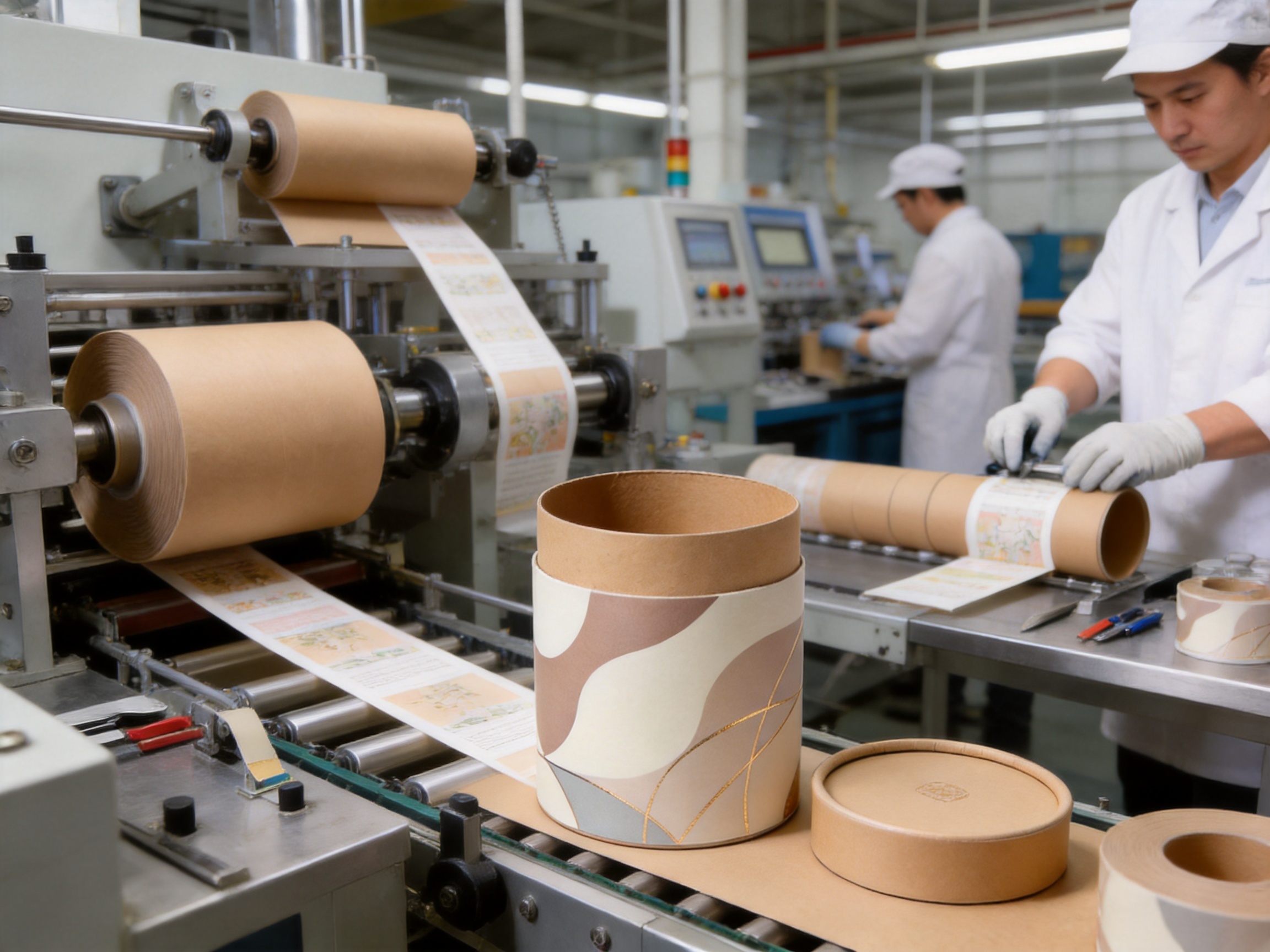
A premium cylindrical gift box requires more than attractive artwork. It must be manufactured with accurate dimensions, stable tube formation, clean surface application, and reliable lid fit. The manufacturing process typically begins with material selection. Paper grades must be chosen according to the required strength, appearance, printing needs, and product application.
Kraft paper is prepared for tube forming, where paper layers are shaped into a cylindrical body. The accuracy of this process affects the roundness, wall stability, and overall appearance of the finished box. A well-formed cylinder should feel firm in the hand and should not appear warped, collapsed, or uneven. Roundness is essential because it influences both aesthetics and lid performance.
After the tube body is formed, the printed label or decorative paper layer is applied. This stage requires careful alignment. Since the surface is curved, the label must wrap smoothly without bubbling, wrinkling, or visible misplacement. Clean application is particularly important for premium gift packaging because buyers and end consumers notice small defects quickly.
Surface finishing such as matte lamination and varnishing is integrated according to the artwork and performance requirements. The goal is to produce a surface that is visually attractive, pleasant to touch, and sufficiently protected for handling during packing, transport, retail display, and consumer use. Quality control at this stage checks color consistency, surface cleanliness, gloss or matte effect, and print registration.
The paper lid must be manufactured to match the tube body. A lid that is too loose can create an impression of poor quality, while a lid that is too tight may frustrate the user or damage the package. Proper tolerance control is therefore essential. The example internal diameter of 99 to 101 millimeters demonstrates the need for precision in cylindrical packaging, where even small dimensional variations can affect fit and user experience.
Advanced production capabilities further improve consistency. Hangzhou Qunle Packaging Co.,Ltd. has been engaged in the composite can and paper can industry for more than 20 years, providing deep practical knowledge of cylindrical paper packaging. Long-term experience matters because paper tube production involves many variables, including material behavior, humidity, adhesive performance, cutting accuracy, printing compatibility, and finishing stability.
The company introduced a high-speed composite can production line from Europe in 2015, strengthening its manufacturing efficiency and technical level. Advanced equipment helps improve production speed, dimensional control, and repeatability, which are critical for wholesale orders and brand programs requiring consistent packaging quality across large quantities.
The company has also obtained more than 10 patented technologies, showing continuous investment in packaging research and development. Patented technologies can support better structures, improved production methods, enhanced sealing or forming solutions, and specialized packaging performance. For buyers, this technical foundation reduces risk and supports the development of packaging that is both attractive and practical.
Company Strengths Behind the Product
Reliable packaging depends on reliable manufacturing. Hangzhou Qunle Packaging Co.,Ltd. has worked in the composite can and paper can industry for over two decades, which gives it strong familiarity with both food and non-food packaging requirements. This experience is valuable for gift and craft packaging because premium presentation must be supported by stable production capability.
The company is known as a cardboard tube packaging manufacturer and paper tube packaging supplier, serving a wide range of markets such as food, daily chemical products, fast-moving consumer goods, gifts, and related categories. This broad industry coverage helps the company understand different packaging needs, from visual branding to product protection and from retail display to logistics handling.
One of the company’s notable strengths is its position as the only member of the international Composite Can and Tube Institute in China’s packaging container industry. This membership reflects a connection to international packaging standards, industry knowledge, and technical exchange. For global buyers, it suggests that the manufacturer is not limited to local production habits but is aware of broader developments in composite can and tube packaging.
The company was also the first enterprise in China to pass the QS certificate for producing food packaging containers. Although the cylindrical gift box may be used for gifts and crafts, food packaging experience is a major advantage. Food packaging requires stricter attention to cleanliness, material safety, process control, and compliance awareness. These capabilities can improve confidence even when the packaging is used for non-food premium gifts.
Long-term partnerships with recognized companies and brands across food, beverage, tea, coffee, and consumer goods markets indicate that the company has experience meeting commercial expectations from demanding clients. Such partnerships require stable quality, responsive service, supply continuity, and manufacturing discipline. For buyers seeking custom cylindrical gift boxes, these strengths can reduce uncertainty in supplier selection.
Another important advantage is vertical knowledge of paper tube and composite can production. Many packaging suppliers only trade finished goods or outsource critical steps. A manufacturer with deep production experience can better advise on structure, dimensions, finishing, material choices, and cost-performance balance. This helps buyers avoid designs that look good on screen but fail during production or handling.
For wholesale buyers, customization must be practical, not merely advertised. The company’s manufacturing background supports customized orders, allowing customers to adapt the box to specific product sizes, branding needs, and market positioning. This flexibility is especially important for gift packaging, where visual identity and seasonal variation often drive purchasing decisions.
Applications in Gifts, Crafts, Food, and Lifestyle Markets
The cylindrical gift box is categorized under gifts and crafts, but its potential applications extend across many related fields. In the gift industry, it can be used for holiday presents, corporate gifts, wedding favors, birthday packaging, souvenir items, cultural gifts, and promotional products. The shape makes even small objects feel carefully presented.
For craft products, the cylinder is suitable for handmade items, decorative materials, ribbons, stationery, art supplies, small ornaments, and DIY kits. Craft buyers often appreciate packaging that feels creative and reusable. A paper tube can become part of the product experience, especially when the design reflects handmade aesthetics or natural materials.
In confectionery and specialty food, the cylindrical gift box can package wrapped candies, chocolates, cookies, tea assortments, coffee samples, nuts, spices, or festive food selections, provided the internal packaging and food-contact requirements are properly considered. The company’s background in food packaging containers is helpful for buyers in this area because it demonstrates awareness of food industry expectations.
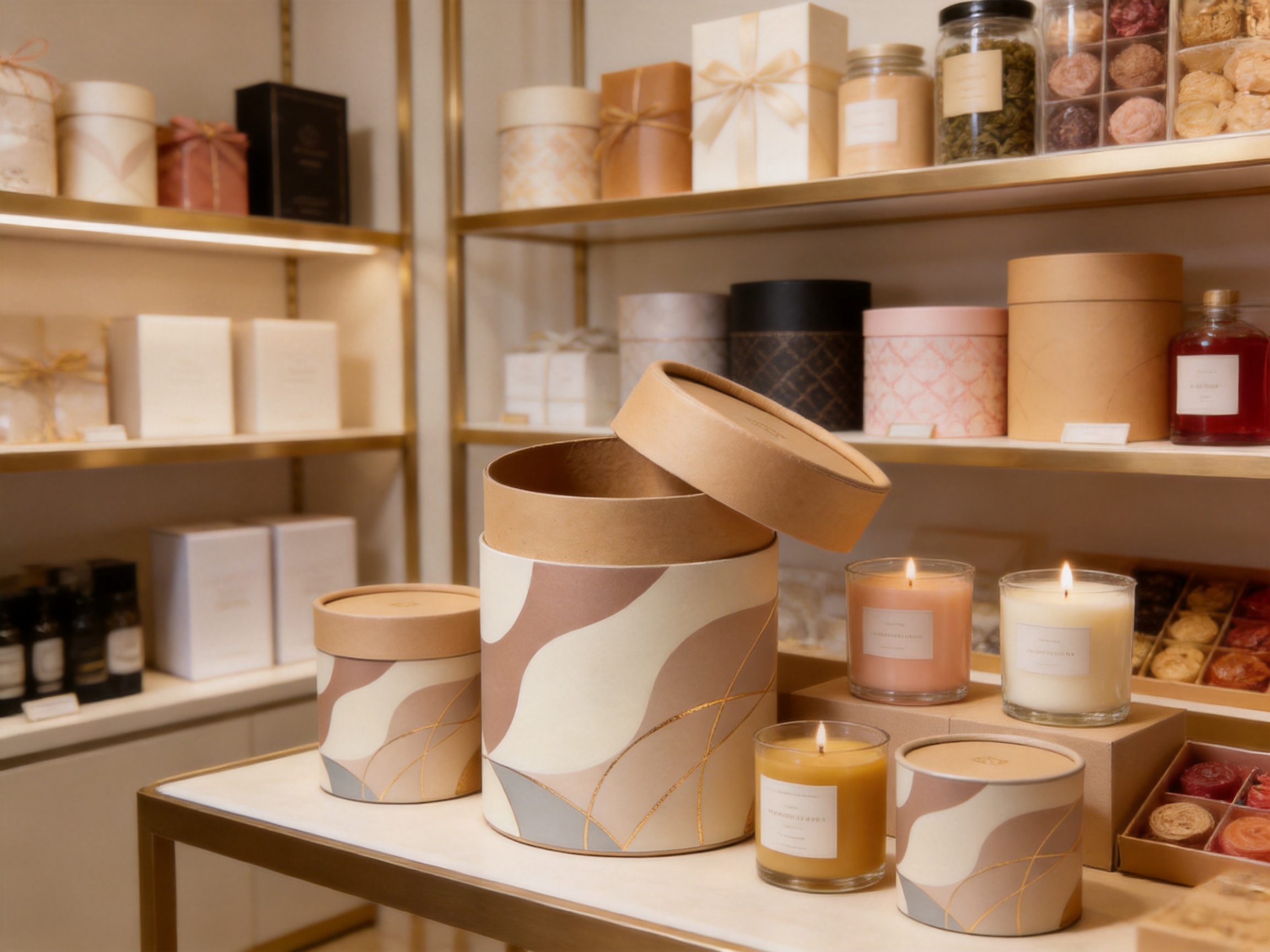
For candles and fragrances, cylindrical packaging is especially suitable because many candle jars and fragrance products already have round shapes. A cylindrical box can follow the product geometry, minimizing unnecessary space while creating an elegant vertical presentation. Matte lamination and refined printing can reinforce the premium sensory nature of fragrance products.
Cosmetics and skincare brands can use cylindrical gift boxes for creams, jars, small bottles, trial sets, bath products, or seasonal beauty kits. The format communicates softness and sophistication, which is valuable in beauty packaging. A well-designed paper tube can also help natural or eco-focused cosmetic brands reduce plastic-heavy secondary packaging.
Pet care, snacks, nutrition supplements, and specialty retail categories may also use this format for sample collections, promotional packs, or premium limited editions. Because the structure is customizable, the same basic packaging concept can be adapted to different industries while maintaining a consistent brand family appearance.
For corporate marketing, cylindrical gift boxes offer a professional alternative to standard promotional cartons. Companies can package branded items, small gifts, event materials, or client appreciation sets in a container that feels polished and memorable. The wraparound print area can carry corporate colors, event themes, and personalized messaging.
How the Cylindrical Format Improves Shelf Impact
Retail shelves are crowded spaces. Consumers often make quick decisions based on shape, color, and perceived quality. A cylindrical gift box improves shelf impact by creating contrast against the rectangular geometry of most surrounding products. Even when placed among many items, the curved profile naturally catches the eye.
The 360-degree printable surface supports strong visibility from different angles. In a retail environment, products are not always perfectly front-facing. A rectangular box may lose impact if turned sideways, but a cylinder can maintain visual continuity. Designers can repeat key branding elements around the package or create a continuous pattern that remains attractive from any direction.
Height and proportion also matter. A compact cylinder such as an approximately 130-millimeter-tall box can be displayed upright on shelves, counters, gift tables, or promotional stands. Its vertical presentation can make efficient use of limited shelf depth while preserving premium appearance. Multiple cylinders can be arranged in rows, pyramids, or themed displays.
The tactile quality of the package can further influence buying behavior. Consumers may pick up a cylindrical box because it feels different. The rounded surface, firm body, and fitted lid provide a sense of substance. When combined with matte lamination, the package can feel smooth and high quality, reinforcing the purchase decision.
For seasonal campaigns, shelf impact becomes even more important. During holidays, consumers compare many gift options quickly. Cylindrical packaging can help a product look ready to give without requiring additional wrapping. This convenience can be a major selling point, especially for last-minute buyers or customers seeking attractive pre-packaged gifts.
Functional Protection and User Convenience
Although gift packaging must look appealing, it must also protect the product. The cylindrical paper tube structure provides a stable enclosure for many items. Its walls can resist everyday handling pressure, and its round form helps distribute force evenly. This can be beneficial during storage, transportation, and retail handling.
The lid adds convenience and reusability. A consumer can open the box without destroying it, unlike many sealed folding cartons. This makes the container suitable for products that may be removed and returned, such as craft supplies, accessories, small keepsakes, or multi-piece gift sets. Reusability enhances the consumer’s perception of value.
For brands, the ability to create a snug but accessible lid fit is important. The opening experience should feel smooth, controlled, and premium. A poorly fitted lid can undermine the entire presentation, even if the graphics are attractive. Precision manufacturing and tolerance management help ensure that the final product performs as intended.
The paper structure is also lightweight compared with many rigid alternatives. Lower packaging weight can support more efficient shipping and easier handling. For wholesale buyers managing inventory and logistics, this can be an important practical benefit. Lightweight does not mean weak when the tube is properly engineered; it means the structure uses material intelligently.
Internal fit can be further improved with inserts, wraps, or inner packaging depending on the product. For delicate gifts, an insert can hold the item in place. For food products, an internal bag or liner may be used according to product requirements. For craft items, paper bands or dividers can organize contents. The outer cylinder provides the premium shell, while internal components can be customized for protection and presentation.
Customization Strategy for Brand Owners
Successful custom packaging begins with clear goals. A brand owner should first identify what the cylindrical gift box must achieve. Is it meant to increase premium perception, support sustainability claims, improve shelf visibility, create a holiday gift format, protect a delicate product, or replace plastic packaging? The answer will guide material choices, dimensions, graphics, and finishing.
Size is one of the first technical decisions. The box should fit the product comfortably without excessive empty space. The example size of internal diameter 99 to 101 millimeters and height 130 millimeters is suitable for many compact gifts, but each project may require adjustment. Accurate product measurements help avoid problems such as loose movement, difficult insertion, or unnecessary material use.
Next comes artwork planning. Because the cylinder has a continuous surface, designers should consider how the graphics wrap around the body. Important logos and product names should be positioned for easy visibility, but supporting patterns can flow around the entire tube. For retail products, barcode placement, regulatory text, product descriptions, and batch information should be planned carefully.
Finish selection should match the brand identity. Matte lamination is well suited for premium, natural, minimalist, and luxury designs. Varnishing can add durability or highlight selected elements. Kraft paper textures can support eco-friendly and artisanal positioning. Bright full-color printing may be ideal for children’s gifts, festive packaging, or craft products.
The lid design should also be considered as part of the brand experience. A paper lid can match the body color, contrast with it, or carry additional graphics. The top surface can display a logo, pattern, product name, or simple decorative element. Since the top is visible in certain display arrangements, it should not be ignored.
For wholesale projects, consistency across a product range can be highly valuable. A brand may use one cylinder size for one product and related sizes for other items, all sharing a common design system. This creates a recognizable packaging family while allowing each product to remain distinct. A manufacturer experienced in paper tube packaging can help plan such systems efficiently.
Quality Control Considerations
Quality control is essential because gift packaging is judged visually and physically. Consumers expect premium packaging to be clean, well-shaped, and easy to open. Even small defects can affect brand reputation. For cylindrical gift boxes, the main quality control points include material quality, tube roundness, dimensional accuracy, print consistency, surface finish, label alignment, lid fit, and overall cleanliness.
Material inspection helps confirm that paper grades meet required standards for strength and appearance. Paper that is too thin may feel weak, while paper that is poorly finished may create printing defects. The right paper selection supports both structure and decoration.
Tube roundness is critical. A cylinder should appear smooth and symmetrical. Deformation can make the package look cheap and may affect lid fit. Accurate forming, cutting, and handling help preserve the intended shape.
Printing control ensures that colors match approved samples and remain consistent across batches. For branded packaging, color consistency is especially important because it affects recognition and perceived professionalism. Offset printing provides strong capability in this area when properly managed.
Surface finishing must be checked for scratches, bubbles, uneven lamination, varnish defects, or contamination. Since consumers touch the package directly, the surface must feel clean and refined. Gift packaging often receives closer attention than ordinary transport packaging, so finishing quality matters greatly.
Lid fit should be tested repeatedly. The lid should attach securely but open without excessive force. The fit may be affected by paper thickness, humidity, production tolerance, and finishing layers. Experienced manufacturers understand these variables and control them during production.
Final inspection should evaluate the complete package as a consumer would see it. Does it stand upright? Does the lid align? Is the print attractive? Are edges clean? Does the package feel sturdy? These practical questions help ensure that the final cylindrical gift box supports the brand’s promise.
Competitive Advantages for Wholesale Buyers
Wholesale buyers need packaging that combines cost control, quality stability, customization, and reliable supply. The cylindrical paper gift box offers several competitive advantages in this context. First, it delivers a premium look without requiring overly heavy materials. This helps balance appearance and cost.
Second, it supports broad design flexibility. A single structural concept can be adapted to multiple campaigns, product lines, and seasons. This can simplify procurement because buyers can work with a familiar packaging format while changing artwork and finishes as needed.
Third, it responds to sustainability trends. Many retailers and consumers are reducing acceptance of unnecessary plastic packaging. A recyclable paper-based gift box can help buyers meet internal sustainability goals and improve market perception.
Fourth, it offers strong shelf differentiation. In competitive retail categories, packaging shape can be as influential as color. A cylindrical form helps products stand out without relying solely on large size or excessive decoration.
Fifth, manufacturing expertise reduces project risk. Working with a company that has over 20 years of experience in composite cans and paper cans, advanced production equipment, patented technologies, and food packaging certification history can help buyers achieve more dependable results. This is especially important for international buyers who need confidence in quality, communication, and production capability.
Sixth, the product is adaptable for both food and non-food applications. A buyer may use the cylindrical gift box for craft items today and develop a confectionery or tea gift set later. This flexibility can support business growth and category expansion.
Comparison With Common Alternative Packaging Types
When selecting gift packaging, buyers often compare cylindrical paper boxes with folding cartons, rigid boxes, plastic tubes, metal tins, and fabric bags. Each option has strengths, but the cylindrical paper box offers a particularly balanced combination of appearance, sustainability, and practicality.
Folding cartons are economical and easy to ship flat, but they may not provide the same premium impression. They are often associated with ordinary retail packaging rather than gift presentation. Unless enhanced with special finishes, they can feel less memorable.
Rigid boxes offer luxury appeal, but they can be heavier, more expensive, and less efficient for certain products. They may also use more material than necessary. For brands seeking premium appearance with better material efficiency, a paper cylinder can be a strong alternative.
Plastic tubes can be transparent or durable, but they may conflict with sustainability goals. Consumers and retailers increasingly question single-use plastic packaging. Paper tubes provide a more natural and environmentally responsible appearance.
Metal tins are reusable and protective, but they may be costlier and less flexible for certain customized graphics. They also have a different aesthetic, which may not suit craft, natural, or paper-based brand identities. A paper cylindrical box can feel warmer and more adaptable.
Fabric bags are reusable and decorative, but they provide limited structural protection and less printable branding area. They may work well as secondary presentation, but they do not offer the same firm container experience as a paper tube.
The cylindrical paper gift box therefore occupies a valuable middle position. It is more distinctive than a folding carton, lighter and often more flexible than a rigid box, more sustainable in appearance than plastic, warmer than metal, and more protective than fabric. This balanced profile is why it is increasingly popular across premium and specialty retail markets.
Role of Packaging in Consumer Perception
Packaging influences consumer perception through visual design, touch, opening experience, and after-use value. A cylindrical gift box performs well in all four areas. Visually, its shape is attractive and distinct. Tactilely, the paper surface and matte finish can feel refined. Functionally, the lid creates an enjoyable opening action. After purchase, the box can be reused.
For gifts, the packaging may carry emotional meaning. A product placed in a well-designed cylinder can feel more thoughtful than the same product in a plain carton. This is especially important for occasions such as holidays, birthdays, weddings, corporate events, and seasonal promotions.
The package can also communicate brand values. Natural kraft paper may suggest authenticity and environmental awareness. Clean matte printing may suggest elegance and quality. Colorful illustration may suggest creativity and joy. The cylindrical shape supports these messages by providing a distinctive canvas.
In e-commerce, packaging also contributes to unboxing. Consumers often share attractive packaging experiences through photos or videos. A cylindrical gift box is visually interesting and easy to present in unboxing content. This can extend brand exposure beyond the original buyer.
In physical retail, the package helps consumers make faster decisions. If the box looks ready to give, the buyer may not need separate wrapping. This convenience adds value. A product that solves both the gift selection and presentation problem has a stronger chance of purchase.
Production Experience for Food-Adjacent Gift Packaging
Although this product belongs to the gifts and crafts category, many gift boxes are used for food-adjacent products such as chocolates, cookies, tea, coffee, snacks, nuts, spices, or festive treats. In these cases, packaging suppliers with food container experience provide an important advantage.
Food packaging requires careful attention to hygiene, material selection, odor control, production environment, and regulatory expectations. Even if the outer cylindrical gift box does not directly contact food because the food is packed in an inner bag, the buyer still benefits from a supplier familiar with food packaging discipline.
Hangzhou Qunle Packaging Co.,Ltd. was the first enterprise in China to pass the QS certificate for producing food packaging containers. This background supports confidence in process control and quality awareness. It also demonstrates that the company has experience serving markets where packaging performance and safety expectations are higher than ordinary decorative packaging.
For premium food gifts, the outer package must protect visual quality and reinforce freshness perception. The cylindrical gift box can be paired with internal food-safe packaging, such as sealed pouches or wrapped units, to create a complete system. The outer tube provides branding and gift appeal, while the inner packaging provides direct product protection.
This combination is common in tea, coffee, confectionery, and snack gift sets. Consumers receive a beautiful package that can be displayed or reused, while the product inside remains properly packed. The result is both practical and emotionally appealing.
How Advanced Equipment Supports Wholesale Scale
Wholesale packaging orders require more than creative design. They require production capacity, repeatability, scheduling control, and quality assurance. Advanced equipment can make a major difference, particularly for cylindrical paper packaging where forming accuracy and finishing consistency are essential.
The introduction of a high-speed composite can production line from Europe strengthened manufacturing capability by improving efficiency and technical precision. High-speed production supports larger order volumes while helping maintain consistent output. For buyers with retail deadlines, seasonal launches, or promotional campaigns, reliable production timing is critical.
Equipment quality also affects dimensional control. In cylindrical packaging, small deviations can cause visible problems. A slightly uneven cut can affect lid alignment. A poorly formed tube can appear oval rather than round. Advanced production systems help reduce these issues.
In addition, efficient production can support cost competitiveness. Premium packaging must remain commercially viable. By combining experience, equipment, and process control, a manufacturer can offer packaging that looks refined while still meeting wholesale purchasing expectations.
For international buyers, manufacturing scale also supports long-term cooperation. A supplier capable of producing consistent packaging over multiple batches can become a strategic partner rather than a one-time vendor. This is valuable for brands that plan to expand product lines or repeat seasonal packaging programs.
Patented Technologies and Ongoing Development
Packaging innovation often appears simple from the outside, but it depends on detailed technical improvements. Tube forming, lid fitting, surface finishing, material bonding, and structural stability can all benefit from research and development. The company’s more than 10 patented technologies reflect an ongoing commitment to improving packaging products.
Patents may support specialized structures, improved manufacturing methods, enhanced performance, or more efficient production processes. For buyers, this technical investment suggests that the manufacturer is not only producing standard items but also developing better solutions for changing market needs.
In competitive packaging markets, innovation helps brands respond to new demands. These demands may include reduced plastic, better recyclability, lighter structures, stronger visual differentiation, improved sealing, or more efficient filling. A manufacturer with research capability can help buyers adapt instead of relying on outdated packaging formats.
For cylindrical gift boxes, continued development may lead to improved material combinations, more refined lid systems, better print compatibility, or new decorative effects. This supports long-term brand growth because packaging can evolve with consumer expectations.
Practical Ordering Considerations
When preparing to order custom cylindrical gift boxes, buyers should organize product details in advance. Important information includes product dimensions, product weight, intended market, required quantity, artwork files, desired finish, lid preference, sustainability goals, and any food-related requirements. Clear information helps the manufacturer recommend the most suitable structure and process.
Sampling is recommended before mass production. A sample allows the buyer to evaluate size, fit, color, finish, lid function, and overall impression. It can reveal whether the design needs adjustment before larger quantities are produced. For gift packaging, physical sampling is especially important because tactile quality cannot be fully judged from digital artwork.
Buyers should also consider how the boxes will be filled. Manual filling, semi-automatic filling, and retail assembly may have different requirements. If the lid must be opened and closed repeatedly during packing, durability and fit should be tested. If the product is fragile, internal inserts may be needed.
Shipping and storage should be planned as well. Cylindrical boxes may require different packing arrangements than flat cartons. Proper outer cartons help prevent deformation during transport. A manufacturer experienced in wholesale packaging can advise on protective packing methods.
Lead time should account for artwork confirmation, sample production, material preparation, printing, tube forming, finishing, inspection, and shipping. Seasonal gift packaging should be ordered early to avoid delays during peak demand periods.
Q&A Section
What is the main advantage of a cylindrical gift box compared with a rectangular box?
The main advantage is visual differentiation combined with premium presentation. A cylindrical gift box stands out from common rectangular packaging, offers a smooth 360-degree branding surface, and creates a more memorable unboxing experience.
Is the cylindrical gift box recyclable?
Yes. The product is paper-based and described as recyclable. Its paper body and paper lid help support sustainability goals and reduce reliance on plastic packaging.
Can the size be customized?
Yes. Custom orders are accepted. The example size is approximately 99 to 101 millimeters in internal diameter and 130 millimeters in height, but dimensions can be adjusted according to product requirements and manufacturing feasibility.
What materials are used in the gift box?
The structure is primarily made from paper, including kraft paper for strength and art paper for the printed label or outer surface. The lid is also paper-based.
What printing and finishing options are available?
Offset printing, matte lamination, and varnishing are key options. These processes support high-quality graphics, refined texture, surface protection, and premium brand presentation.
What products can be packaged in this cylindrical box?
It can be used for gifts, crafts, confectionery, tea, coffee, candles, cosmetics, small accessories, promotional products, snacks, and other compact items. For food products, appropriate inner packaging or food-contact solutions should be considered.
Why is manufacturing experience important for this type of packaging?
Cylindrical paper packaging requires accurate tube forming, smooth label application, precise lid fit, and consistent surface finishing. A manufacturer with long experience and advanced equipment can better control these details.
How does matte lamination improve the package?
Matte lamination provides a soft, elegant surface, reduces glare, and enhances premium perception. It is especially suitable for gift, craft, cosmetic, and luxury-style packaging designs.
Can this packaging help improve retail sales?
Yes. Its distinctive shape, premium appearance, and gift-ready format can attract consumer attention, improve perceived value, and make the product easier to choose as a present.
Why choose a paper cylindrical box instead of plastic packaging?
Paper cylindrical packaging offers a more natural look, supports recyclability, reduces plastic dependence, and aligns better with modern sustainability expectations while still allowing strong branding and attractive presentation.
Conclusion
The custom cylindrical gift box is a highly effective packaging solution for brands that need premium presentation, practical protection, customization, and sustainable material appeal. Its rounded structure distinguishes it from ordinary cartons, while its paper-based construction supports recyclability and responsible branding. With offset printing, matte lamination, varnishing, and customizable dimensions, it can be adapted to a wide range of gifts, crafts, food-related items, candles, cosmetics, promotional goods, and lifestyle products.
Its advantages over competing packaging formats are clear. It is more memorable than standard folding cartons, often lighter and more material-efficient than rigid boxes, more environmentally appealing than plastic tubes, warmer and more flexible than metal tins, and more protective than fabric bags. The result is a balanced package that delivers visual impact, tactile quality, and practical function.
Behind the product, strong manufacturing capability is essential. Hangzhou Qunle Packaging Co.,Ltd. brings more than 20 years of experience in composite can and paper can production, advanced European high-speed production equipment, more than 10 patented technologies, food packaging certification history, and long-term partnerships with recognized companies. These strengths support consistent quality, practical customization, and reliable wholesale supply.
For brands seeking packaging that can elevate consumer perception, support sustainability goals, and create a memorable unboxing experience, the cylindrical paper gift box is a smart and future-ready choice. It transforms packaging from a simple container into a meaningful part of the product experience.
References
Packaging Technology and Science. Research on Paper-Based Packaging Structures and Consumer Perception.
Composite Can and Tube Institute. Industry Guidance on Composite Can and Paper Tube Packaging.
International Organization for Standardization. Packaging and the Environment: General Principles for Packaging Design.
Smithers. Market Studies on Sustainable Packaging and Paper Packaging Trends.
Food Packaging Principles and Practice. Technical References on Materials, Safety, and Packaging Performance.
Retail Packaging Design Literature. Studies on Shelf Impact, Shape Differentiation, and Premium Presentation.
