 English
 Español

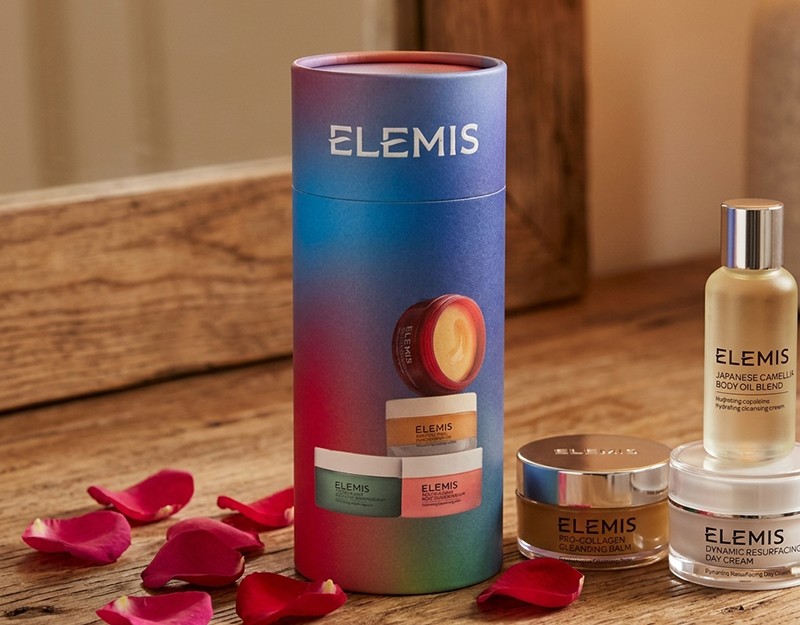
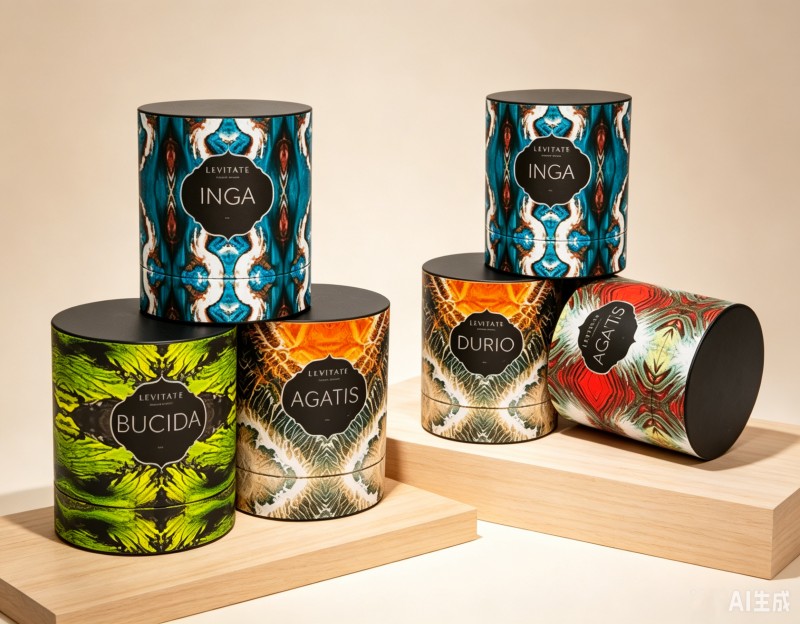
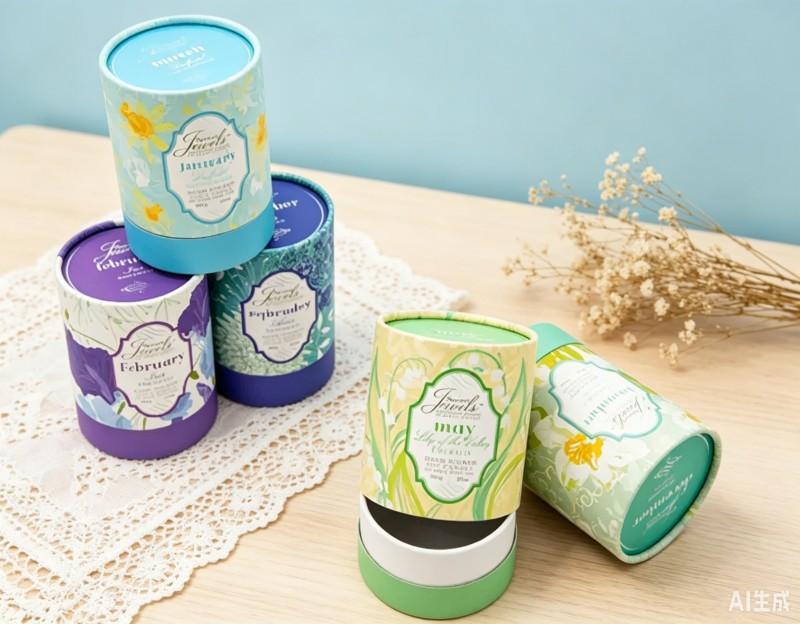
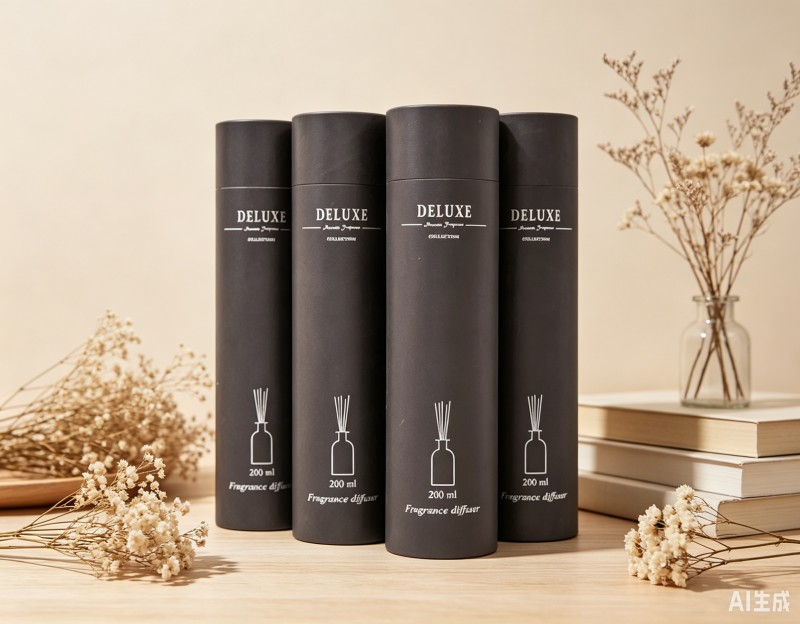
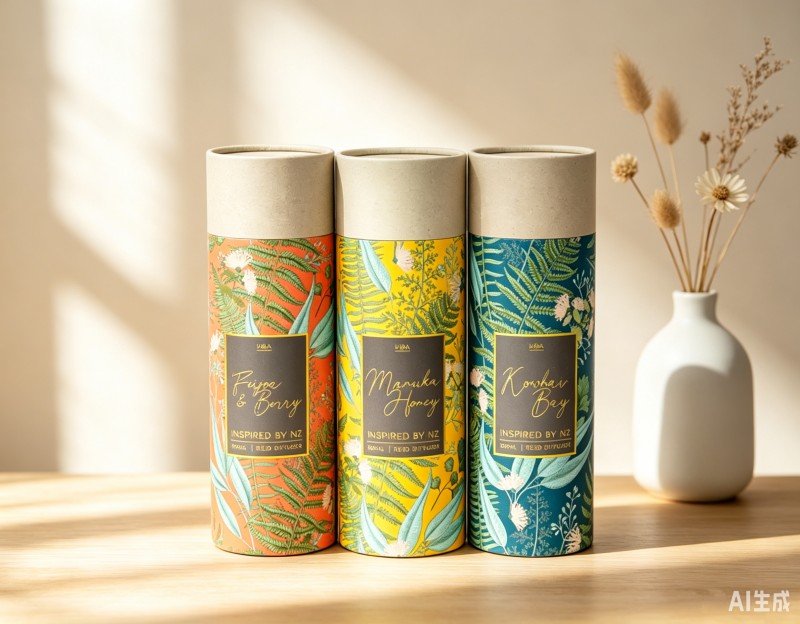
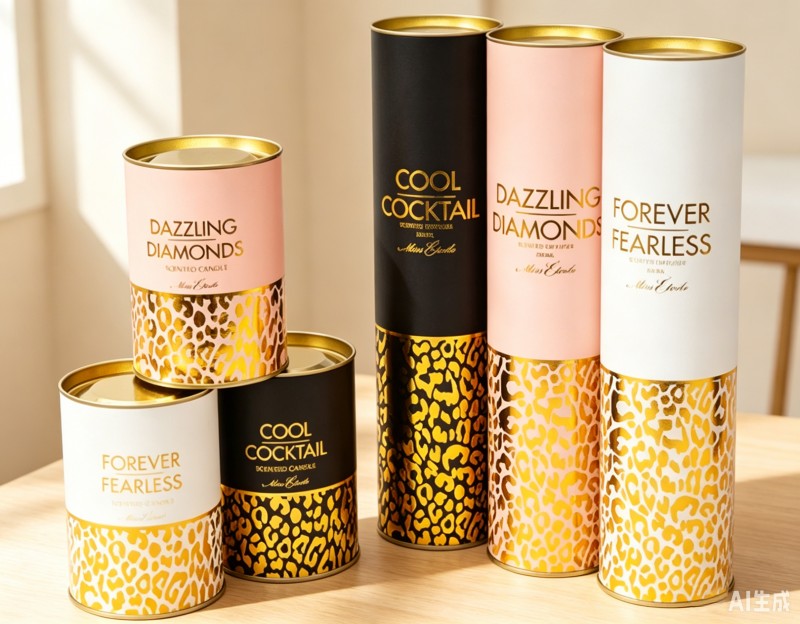
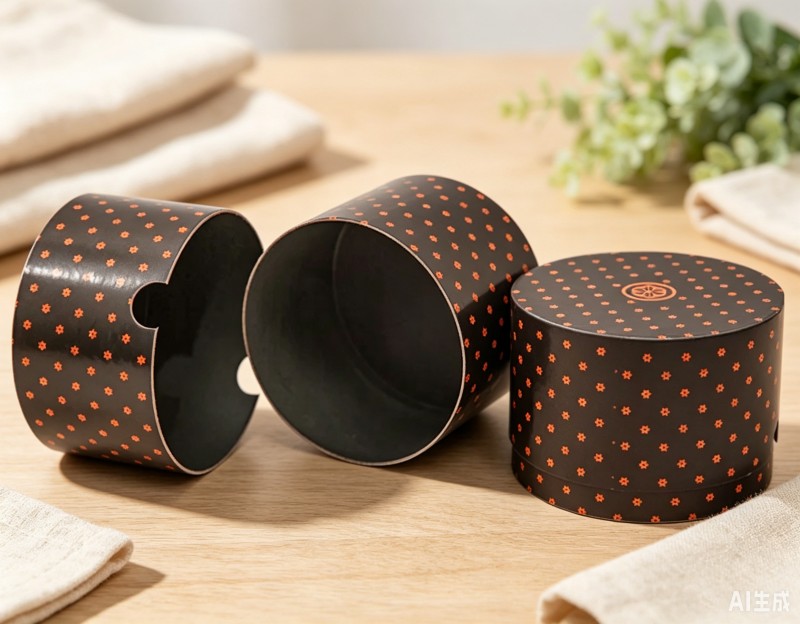
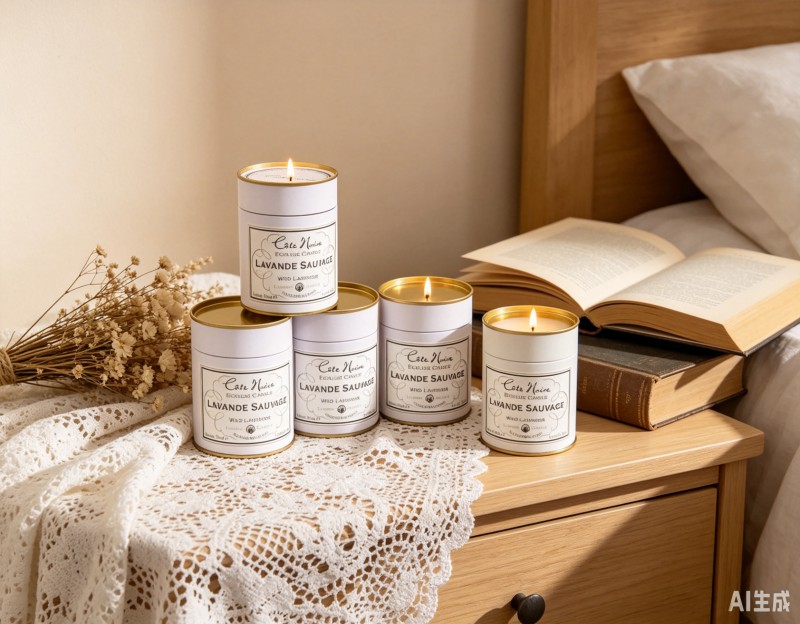

As one of the top China cardboard tube packaging manufacturers and paper tube packaging suppliers, we devote all of our efforts to research and launch more high quality packaging products to global market.
Pet food is no longer treated as a simple commodity. For many consumers, it is part of a daily care routine, a health decision, and a reflection of how much they value the animals living in their homes. This change has pushed pet food brands to demand packaging that does more than hold kibble, treats, supplements, or powdered formulas. Modern pet care packaging must protect freshness, support product safety, communicate premium value, look attractive on retail shelves, and align with sustainability expectations. The aseptic airtight pet food container packing described here is designed for that exact market need.
This packaging solution is a customized paper tube container made with a paper and aluminum foil material structure. It combines the natural appeal of paper with the functional barrier properties required for food-related packaging. Its aseptic and airtight design helps protect pet food from moisture, oxygen exposure, odors, and external contamination during storage and distribution. For brands selling cat food, dog treats, pet nutritional products, freeze-dried snacks, powder supplements, or specialty pet formulas, this type of container offers a practical and premium alternative to ordinary plastic jars, flexible pouches, and low-grade cardboard packaging.
Manufactured in Zhejiang, China by Hangzhou Qunle Packaging Co.,Ltd., the product reflects more than 20 years of experience in the composite can and paper can industry. The company’s strengths include advanced production equipment, long-term technical development, food packaging manufacturing qualifications, SGS and ISO certification support, customized printing capability, and experience serving international brands. As a result, the aseptic airtight pet food container is not only a package; it is a brand-building tool that protects product quality while improving customer confidence.
Aseptic Airtight Pet Food Container packing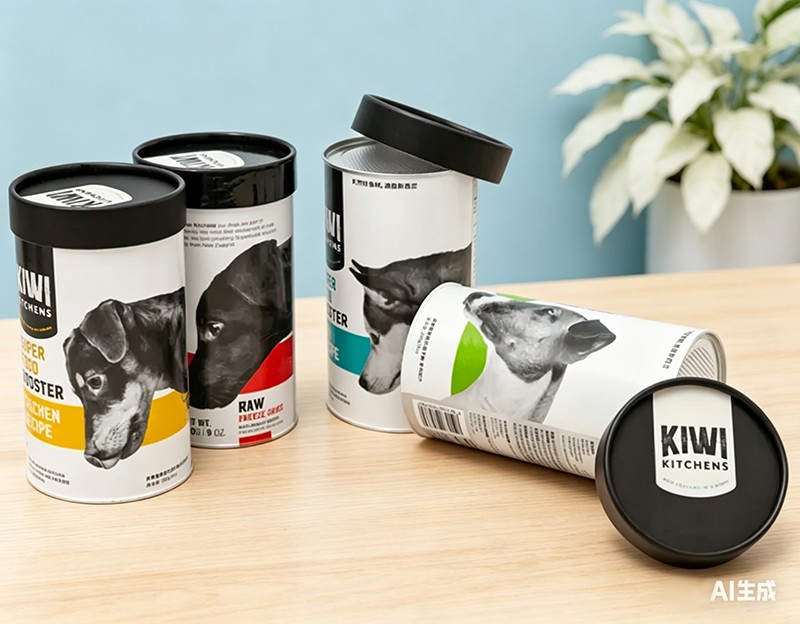
Content
- 1 Why Pet Food Packaging Requires Higher Standards
- 2 Product Overview: Aseptic Airtight Pet Food Container Packing
- 3 Key Specifications and Customization Options
- 4 Airtight Protection for Freshness and Aroma Retention
- 5 Aseptic Packaging Value in the Pet Care Market
- 6 Paper and Aluminum Foil: A Practical Composite Material Structure
- 7 Advantages Over Flexible Pouches
- 8 Advantages Over Plastic Jars and Buckets
- 9 Advantages Over Ordinary Cardboard Tubes
- 10 Customization for Brand Identity and Product Families
- 11 Retail Shelf Impact and Consumer Experience
- 12 Manufacturing Strength Built on More Than 20 Years of Experience
- 13 Advanced Production Equipment and European High-Speed Line
- 14 Quality Control for Food-Related Paper Tube Packaging
- 15 Patented Technologies and Continuous Product Development
- 16 Factory-Direct Support from Zhejiang, China
- 17 MOQ and Lead Time for Practical Commercial Planning
- 18 Sustainability and Recyclable Packaging Appeal
- 19 Applications in Pet Care Product Lines
- 20 Brand Storytelling Through Packaging Design
- 21 How the Container Supports Premium Pricing
- 22 Global Market Readiness and Export Experience
- 23 Recommended Buying Process for Pet Food Brands
- 24 Why This Packaging Stands Out Against Competitors
- 25 Q&A: Common Questions About Aseptic Airtight Pet Food Container Packaging
- 25.1 What pet products can be packed in this container?
- 25.2 Why use a paper tube instead of a pouch?
- 25.3 How does the aluminum foil layer help?
- 25.4 Can the size and design be customized?
- 25.5 What finishing options are available?
- 25.6 What is the minimum order quantity?
- 25.7 Are samples available?
- 25.8 What is the production lead time?
- 25.9 What shipping methods are offered?
- 25.10 Why choose this manufacturer for pet food packaging?
- 26 Conclusion: A Better Container for a More Demanding Pet Care Market
- 27 References
- 28 Product: Aseptic Airtight Pet Food Container packing
Why Pet Food Packaging Requires Higher Standards
Pet food packaging faces several challenges that ordinary dry product packaging may not need to handle. Many pet food products contain fats, proteins, minerals, flavoring ingredients, dried meat, fish oil, probiotics, vitamins, or natural extracts. These ingredients can be sensitive to moisture, oxygen, heat, light, and odor transfer. If packaging is weak, the food may lose aroma, texture, nutrition, or consumer appeal before the end user finishes the container.
Pet owners also open and close the same package repeatedly. A bag may be opened every morning and evening; a treat container may be handled by several family members; a supplement tube may sit on a kitchen counter for weeks. This repeated use makes resealability and airtight performance important. Packaging that looks good only at the time of purchase is not enough. It must continue protecting the product after opening.
In addition, pet care has become a premium consumer category. Shoppers now compare labels, ingredients, sourcing, and packaging presentation. If a brand claims that its pet food is natural, premium, functional, organic, freeze-dried, grain-free, or nutrition-focused, the package must support that promise. A weak, easily damaged, or cheap-looking container can reduce perceived value even when the formula inside is excellent.
The aseptic airtight paper canister addresses these needs through a structure that balances protection, presentation, customization, and sustainability. It is suitable for pet care brands that want to move beyond standard pouch packaging and create a stronger shelf identity. It can be customized by size, color, printing method, and surface finish, allowing it to match different product lines and market positioning.
Product Overview: Aseptic Airtight Pet Food Container Packing
This product is a paper tube packaging container developed for pet care use. It is designed for pet food storage and presentation, including cat food storage, dog food treats, pet snacks, nutrition powders, and related pet products. The material structure uses paper combined with aluminum foil, offering a composite solution that improves protection compared with simple paper-only tubes.
The container can be customized according to brand requirements. Size, color, design, printing, and finishing can be adjusted to fit the product volume, target price, and visual identity. CMYK and Pantone color printing are available, supporting both full-color artwork and precise brand color matching. Design files can be accepted in common formats such as PDF, AI, and PSD, making it convenient for packaging designers and purchasing teams to develop a complete product line.
Printing handling options include stamping and varnishing. These finishing methods help create a premium visual effect. Stamping can highlight logos, icons, flavor names, or product claims, while varnishing can improve surface appearance and tactile quality. For pet food brands competing in physical stores, e-commerce images, subscription boxes, or gift-oriented pet care channels, these visual details can make the product more memorable.
The packaging is available for custom orders, with samples available for evaluation. The minimum order quantity is 2,000 pieces, making it suitable for established product launches, seasonal campaigns, private label projects, and growing pet care brands preparing for retail distribution. Shipping can be arranged by sea, air, or express depending on urgency, order size, and destination. Typical lead time is approximately 25 to 35 working days, depending on customization and production scheduling.
Key Specifications and Customization Options
Item |
Specification |
Brand Value |
|---|---|---|
Product Type |
Aseptic airtight paper tube pet food container |
Supports freshness, hygiene, and premium presentation |
Category |
Pet Care |
Suitable for cat food, dog treats, pet snacks, and supplements |
Material Structure |
Paper plus aluminum foil |
Combines paper appearance with improved barrier protection |
Paper Type |
Kraft paper option |
Creates a natural, recyclable, and eco-conscious impression |
Feature |
Aseptic and recyclable |
Meets consumer demand for safe and responsible packaging |
Printing |
CMYK or Pantone color |
Allows accurate branding and high shelf impact |
Finishing |
Stamping and varnishing |
Enhances premium appearance and touch |
Size and Color |
Customized |
Fits different formulas, volumes, and product families |
Design Files |
PDF, AI, PSD |
Convenient for professional packaging design workflows |
MOQ |
2,000 pieces |
Practical for commercial launches and brand expansion |
Lead Time |
25 to 35 working days |
Supports planned production and international sourcing |
Shipping |
Sea, air, or express |
Flexible logistics for different budget and timing needs |
Airtight Protection for Freshness and Aroma Retention
One of the strongest advantages of this container is its airtight packaging concept. Pet food often contains aromatic ingredients that attract pets and communicate freshness to owners. If the package does not close securely, aroma may fade, moisture may enter, and the food can become less appealing. For products such as cat treats, freeze-dried meat snacks, fish-based products, herbal pet supplements, and high-protein formulations, aroma retention can directly influence repeat purchase behavior.
An airtight paper canister helps create a more controlled storage environment. While every final closure system depends on the exact container design selected, the overall packaging approach is intended to reduce exposure to air and external conditions. This is especially important after the consumer opens the product. A pouch may depend on a zipper that can become clogged with crumbs or fail after repeated use. A rigid canister maintains its shape and offers a more reliable user experience during daily handling.
Compared with ordinary folding cartons, the tube format offers stronger three-dimensional protection. Folding cartons are often used as secondary packaging, but they do not provide the same level of internal barrier or airtight storage. Compared with low-cost plastic jars, the paper tube creates a warmer, more natural brand image while reducing dependence on fully plastic packaging. For premium pet food companies, this balance of performance and brand identity is a major advantage.
The aluminum foil layer is particularly valuable for pet food protection. Foil-based composite structures can help reduce moisture and oxygen transmission compared with simple paper packaging. This makes the container more suitable for food-related products that require better storage performance. It also helps reduce odor transfer, which is important when pet food is stored in kitchens, cabinets, living spaces, or travel bags.
Aseptic Packaging Value in the Pet Care Market
Aseptic packaging is often associated with food safety, hygiene, and reduced contamination risk. In pet care, these factors are increasingly important because consumers now expect pet food to follow standards similar to human food packaging. Owners are aware that pets can be sensitive to spoiled food, mold, rancidity, and contamination. A clean, carefully manufactured package communicates that the brand takes product safety seriously.
The aseptic feature of this paper tube packaging helps position the product for brands that focus on trust. For example, pet supplements containing probiotics, vitamins, minerals, or natural extracts require packaging that supports stability and cleanliness. Specialty cat foods and premium snacks also benefit from packaging that looks hygienic and controlled. The container’s structure, finish, and manufacturing consistency all contribute to that message.
Aseptic value is not only technical; it is psychological. When consumers see a rigid, clean, professionally printed container with an airtight closure, they often perceive the contents as more carefully produced. This perception matters in pet care because owners are emotionally invested in what they buy. Packaging becomes part of the promise that the food inside is safe, fresh, and worth its price.
For brands competing against products in thin pouches or generic tubs, aseptic airtight paper tube packaging can create a stronger quality signal. It tells customers that the product has been developed with attention to storage, handling, and daily use. That can help justify a premium price and strengthen long-term customer loyalty.
Paper and Aluminum Foil: A Practical Composite Material Structure
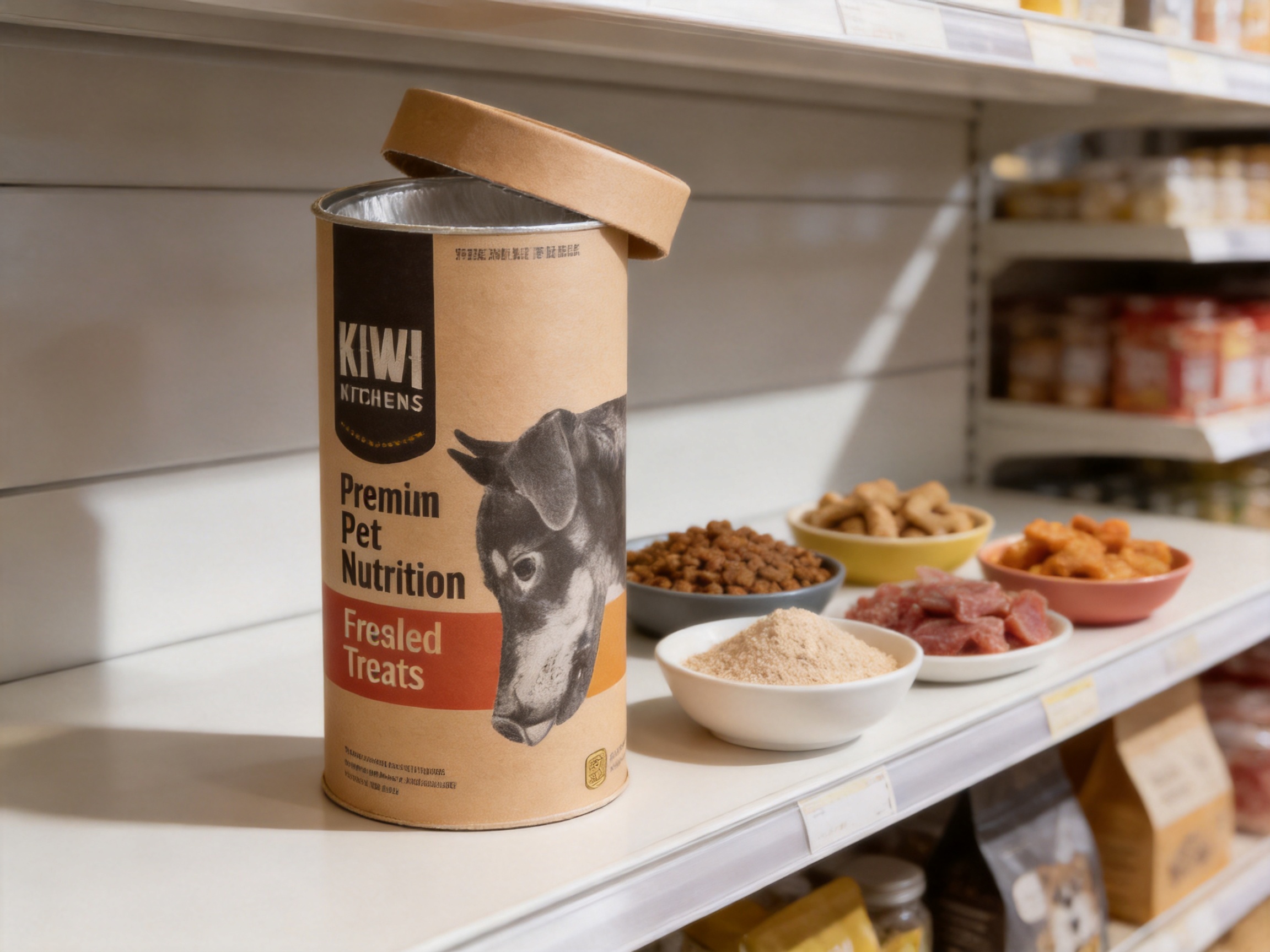
The material structure of paper plus aluminum foil is central to the product’s performance. Paper provides rigidity, printability, shape, and a recyclable appearance. Aluminum foil contributes barrier performance and food packaging functionality. Together, they create a composite package that is well suited for dry pet food and related products.
Kraft paper options support a natural and environmentally conscious look. Many pet care brands use natural ingredients, simple recipes, or sustainable sourcing claims. Kraft paper visually supports these messages better than glossy plastic alone. It gives the package a warm, organic, and responsible appearance, especially when combined with clean typography, earth-tone printing, or minimalist design.
At the same time, pet food packaging cannot rely only on appearance. The foil layer helps improve protection against moisture and external contamination. This is important because dry pet food can absorb moisture from the air, leading to changes in texture, clumping, or spoilage risk. Treats may soften or lose crispness. Powders may cake. Aromatic ingredients may oxidize. A barrier-enhanced paper tube is therefore a practical solution.
The composite construction also supports structural strength. Rigid paper tubes are less likely to collapse than flexible pouches during shipping and retail display. They can be stacked, arranged in gift boxes, photographed for online stores, and displayed upright on shelves. This improves both logistics efficiency and brand presentation.
Advantages Over Flexible Pouches
Flexible pouches are common in pet food packaging because they are lightweight and economical. However, they also present several limitations. They may not stand upright reliably after partial use, they can crease or deform, their zippers may fail, and they often look similar across competing brands. In crowded retail spaces, many pouches blend together visually.
The aseptic airtight paper tube container provides a more distinctive shape. Its cylindrical form immediately separates it from the flat pouch category. This helps customers notice it more easily on shelves, in online product thumbnails, and in subscription box displays. The rigid structure also makes the product feel more substantial in the hand, which can enhance perceived value.
Pouches are often difficult to keep clean after opening. Crumbs can collect around zipper seals, and the package may not close properly if the consumer does not align it carefully. A tube container can offer a more intuitive open-close experience, especially for households that use the product daily. For pet treats, this ease of access can be a major benefit.
Another advantage is reusability. Consumers often keep attractive rigid containers after the original contents are finished. They may reuse them for storing treats, small pet accessories, grooming items, toys, or household goods. This extends brand visibility beyond the initial purchase. A pouch is usually discarded immediately, while a well-designed paper canister may remain in the home for weeks or months.
Advantages Over Plastic Jars and Buckets
Plastic jars and buckets are familiar in pet food packaging, but they do not always match modern sustainability expectations. Many consumers are trying to reduce plastic consumption, and brands are under pressure to improve packaging responsibility. A paper-based tube with recyclable characteristics offers a more balanced option, especially for premium dry products and treats.
Plastic packaging can also look generic unless significant investment is made in molds, labels, and decoration. A customized paper tube can achieve strong visual differentiation through printed graphics, Pantone color matching, stamping, varnishing, and surface texture. This allows brands to create a premium identity without relying on expensive custom plastic tooling.
From a tactile standpoint, paper often feels warmer and more natural than plastic. This matters in categories where emotional connection is strong. Pet owners buying healthy food, artisanal treats, or natural supplements may respond better to packaging that feels aligned with those values. A paper tube communicates craft, care, and quality.
The round container format also helps create an organized storage experience. It can sit neatly on shelves or countertops. Unlike flexible bags that fall over or plastic tubs that may feel industrial, the paper canister provides a clean, home-friendly appearance. This is especially valuable for products sold to urban consumers who store pet supplies in visible living spaces.
Advantages Over Ordinary Cardboard Tubes
Not all paper tubes are equal. Some ordinary cardboard tubes are designed for gifts, posters, or dry non-food items. They may not include a suitable barrier layer, food-grade production controls, or airtight design considerations. For pet food, a simple decorative tube may look attractive but fail to provide necessary protection.
The aseptic airtight pet food container is developed specifically for food-related industrial use and pet care applications. Its paper and aluminum foil structure offers better functional performance than basic cardboard tubes. The manufacturing background of the producer in composite cans and paper cans further supports reliable quality.
Custom printing and finishing also separate this product from generic tube packaging. Instead of applying a basic sticker or plain paper wrap, brands can use integrated CMYK or Pantone printing, stamping, and varnishing. This creates a more professional result and reduces the appearance of low-cost packaging.
For pet care companies that want to compete in higher-value markets, these differences matter. The package must survive transportation, support food protection, display well, and communicate brand trust. A low-grade tube may save money initially but can damage customer perception or lead to product complaints. A purpose-built airtight paper canister reduces these risks.
Customization for Brand Identity and Product Families
One of the most important commercial benefits of this container is customization. Pet care brands often manage multiple SKUs, including different flavors, animal types, product sizes, age ranges, and functional benefits. A packaging system must be flexible enough to support this variety while maintaining a consistent brand identity.
With customized size options, the container can be adapted for small trial packs, regular retail sizes, premium gift packs, or large-volume refill concepts. Color can be customized to distinguish chicken, fish, beef, lamb, herbal, dental, skin and coat, digestive, kitten, puppy, senior, or sensitive formulas. CMYK printing allows photographic images, illustrations, icons, and detailed product information, while Pantone printing helps maintain accurate brand colors.
Design file support in PDF, AI, and PSD formats makes it easier for professional design teams to prepare production-ready artwork. This is important for brands that need consistent results across different markets and languages. A well-structured artwork process reduces errors, improves approval efficiency, and supports faster launches.
Surface finishing can elevate the design further. Stamping can be used to highlight a logo, premium seal, product name, or limited-edition element. Varnishing can create gloss, matte, or selective visual contrast depending on the desired effect. These treatments help the package attract attention without relying only on bright colors or oversized claims.
Retail Shelf Impact and Consumer Experience
Packaging must perform in two moments: before purchase and after purchase. Before purchase, it must attract attention, communicate benefits quickly, and build trust. After purchase, it must be easy to use, protect the contents, and reinforce the consumer’s decision. The aseptic airtight pet food container performs well in both moments.
On the shelf, the cylindrical shape creates a strong silhouette. It can stand upright, display branding clearly, and create an organized product block when multiple units are arranged together. The round format also gives designers a continuous surface for storytelling, ingredient explanation, feeding instructions, and visual branding.
In e-commerce, rigid tube packaging photographs well. It can be shown from multiple angles, stacked with companion products, or placed in lifestyle images with pets and home settings. This is valuable because many pet food purchases now begin online. A visually attractive container can improve click-through interest and perceived quality.
After purchase, the consumer benefits from better storage convenience. A rigid canister can be placed on a kitchen shelf, pantry, pet feeding station, or travel area. It is easier to pour, scoop, or retrieve treats from a stable container than from a collapsing pouch. The package also remains neat and presentable throughout its use cycle.
Manufacturing Strength Built on More Than 20 Years of Experience
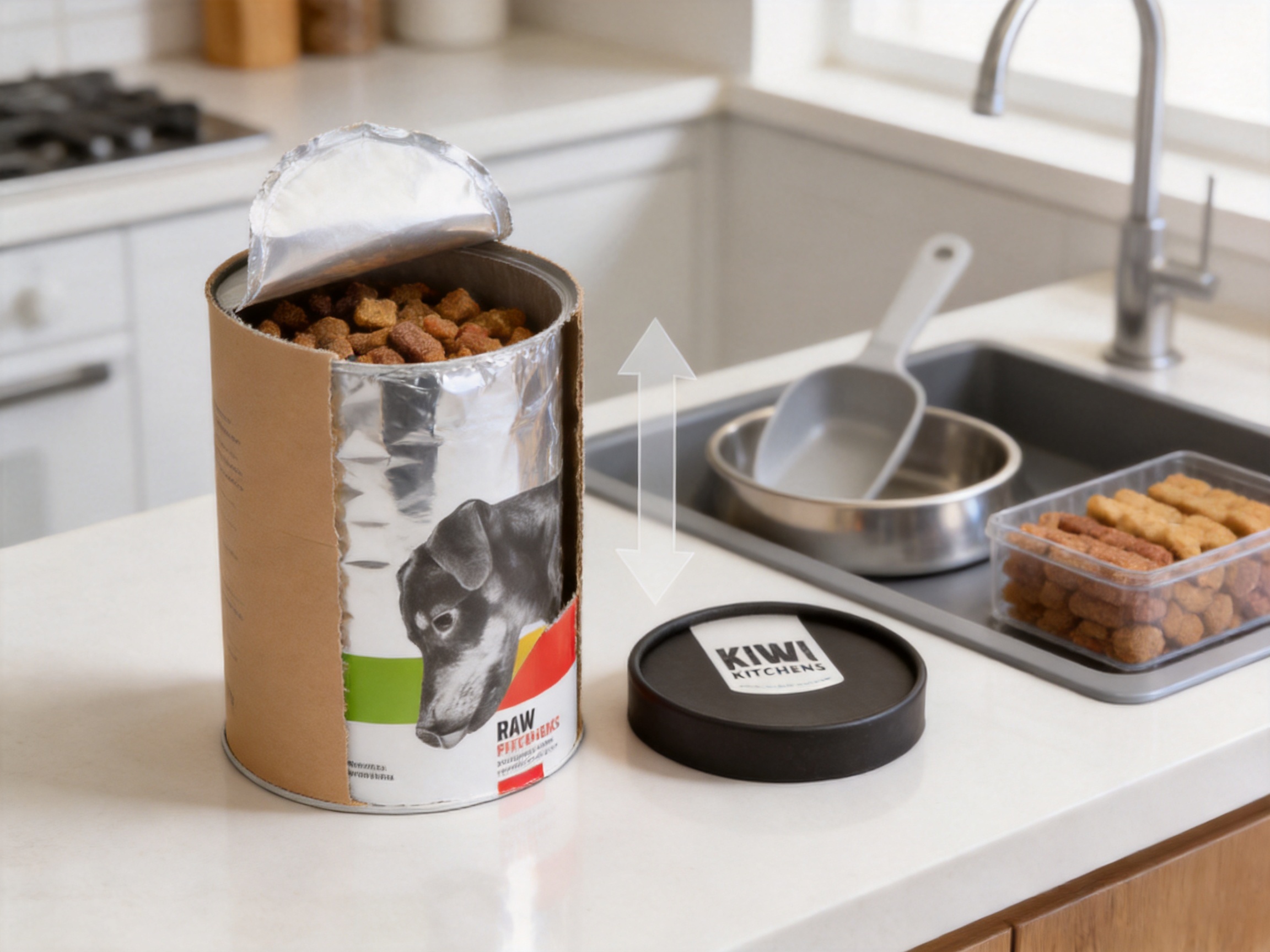
Hangzhou Qunle Packaging Co.,Ltd. has been engaged in the composite can and paper can industry for over 20 years. This long experience is especially important in packaging because quality depends on repeated technical control. A paper tube may look simple from the outside, but the internal process involves material selection, winding or forming precision, barrier integration, cutting accuracy, printing alignment, surface finishing, lid matching, sealing performance, and quality inspection.
The company’s experience covers food, daily chemical products, fast-moving consumer goods, and other packaging fields. This broad background allows it to understand the different requirements of various industries. For pet care, the company can apply food packaging knowledge while also considering branding and consumer presentation needs.
The company is the only member of the international Composite Can and Tube Institute in China’s packaging container industry. This reflects its technical position in the composite can field. Membership in such an industry organization indicates participation in professional standards, technical exchange, and ongoing development within the paper tube and composite can sector.
In addition, the company was the first enterprise in China to pass the QS certificate for producing food packaging containers. This history supports its credibility for food-related packaging applications. Pet food brands benefit from working with a manufacturer that understands packaging hygiene, production consistency, and compliance expectations.
Advanced Production Equipment and European High-Speed Line
In 2015, the company introduced a high-speed composite can production line from Europe. This investment strengthened its production capability and helped support its leading role in the composite can and paper can industry. Advanced equipment is crucial because modern packaging buyers require stable quality, accurate dimensions, reliable production speed, and consistent finishing across large orders.
A high-speed production line supports better efficiency and repeatability. For customized pet food containers, repeatability is important because each unit must match the approved sample. The container diameter, height, wall thickness, print position, lid fit, and finish must remain consistent. Any visible inconsistency can affect brand image, especially for premium products displayed side by side.
Advanced equipment also helps improve delivery reliability. International buyers often work with launch schedules, retail listing dates, promotional campaigns, and seasonal sales windows. A manufacturer with stronger production capacity is better positioned to meet planned lead times. The stated lead time of 25 to 35 working days supports brands that organize procurement in advance and need predictable supply.
Equipment alone is not enough, however. It must be supported by trained operators, process management, inspection systems, and experience with customized orders. The company’s long history and accumulated patents show that it has invested in both machinery and technical know-how.
Quality Control for Food-Related Paper Tube Packaging
Quality control is essential for pet food packaging. A container that fails during shipping, leaks aroma, does not close properly, or shows printing defects can create customer dissatisfaction. For this reason, the manufacturing process must include checks at multiple stages.
Material inspection comes first. Paper, foil, adhesives, inks, and finishing materials must be selected according to the intended use. For food-related packaging, material suitability and cleanliness are important. The company supports SGS and ISO certification, which helps international buyers evaluate quality management and product reliability.
During forming, tube strength and dimensional accuracy are monitored. The container must maintain its shape, resist crushing within normal handling conditions, and match lid or closure components. If the tube is too loose or too tight, airtight performance and user experience may be affected.
Printing inspection ensures that colors, artwork alignment, text clarity, and finishing effects meet approved specifications. CMYK printing must reproduce images accurately, while Pantone colors must match brand standards. Stamping and varnishing require additional control to avoid misalignment, uneven finish, or surface defects.
Final inspection can include appearance checks, structural checks, packaging checks, and order quantity verification. For export orders, proper packing is also important to protect the containers during sea, air, or express shipment. Strong quality control reduces risk for brands and helps maintain consistent market presentation.
Patented Technologies and Continuous Product Development
The company has obtained more than 10 patented technologies and is committed to researching and launching high-quality packaging products for the global market. Patented technologies indicate a focus on innovation rather than simple commodity manufacturing. In the packaging industry, innovation can involve structural improvement, sealing methods, material combinations, production efficiency, or user experience enhancements.
For pet food packaging, continuous development is especially valuable. Consumer expectations are evolving quickly. Brands need packaging that can support cleaner labels, premium ingredients, sustainability claims, convenience, and online retail logistics. A manufacturer with technical development capability can help brands adapt to these changes.
Innovation also supports differentiation. Many competitors can supply standard boxes or pouches, but fewer can provide customized composite paper canisters with barrier structures, advanced printing, and food packaging experience. For pet care brands looking to stand out, this manufacturing background can be a major competitive advantage.
Technical development also improves problem-solving. If a brand needs a special size, unique finish, tighter closure, different paper texture, or packaging for a new formula, an experienced manufacturer is more likely to provide practical guidance. This reduces trial-and-error costs and helps move products from concept to production more efficiently.
Factory-Direct Support from Zhejiang, China
The product is manufactured by a factory based in Zhejiang, China, a region with strong manufacturing and export capability. Factory-direct cooperation offers several benefits. Buyers can communicate customization requirements directly, control specifications more clearly, and reduce unnecessary sourcing layers. This can improve both cost efficiency and technical accuracy.
The business type is factory-based, which is important for buyers who need consistent production rather than short-term trading. A factory with established equipment, quality systems, and export experience can provide better control over lead time, materials, sampling, and mass production.
Sample availability allows brands to evaluate the container before committing to full production. This is important because packaging decisions involve visual, tactile, and functional evaluation. Buyers may need to test size, closure, filling compatibility, product weight, label information, shelf display, and shipping performance.
Shipping options include sea, air, and express. Sea shipping is suitable for planned bulk orders and cost control. Air shipping can support urgent launches or replenishment needs. Express shipping may be used for samples, prototypes, or smaller urgent deliveries. This flexibility helps international buyers manage different project stages.
MOQ and Lead Time for Practical Commercial Planning
The minimum order quantity of 2,000 pieces is practical for many pet care brands. It is large enough to support efficient manufacturing and professional customization, but not so large that only multinational corporations can participate. This makes it suitable for premium pet food startups, private label buyers, regional brands, subscription pet care companies, and established manufacturers launching a new line.
The lead time of 25 to 35 working days allows for custom production while remaining manageable for planned projects. Since customized packaging includes artwork confirmation, material preparation, printing, forming, finishing, inspection, and packing, sufficient lead time is necessary. Buyers should plan artwork approval and sample confirmation early to avoid delays.
For best results, brands should prepare product specifications in advance. These may include filling weight, product form, shelf-life expectations, storage conditions, shipping destination, branding guidelines, barcode requirements, regulatory text, and carton packing preferences. Clear information helps the manufacturer recommend appropriate size, structure, and finishing choices.
Good planning also supports cost control. For example, sea shipping is usually more economical for larger orders, but it requires more transit time. Air or express shipping can solve urgent needs but increases logistics cost. By matching production planning with sales forecasts, brands can get better value from customized packaging.
Sustainability and Recyclable Packaging Appeal
Sustainability is now a major influence in packaging decisions. Pet owners who buy natural or premium food often care about environmental responsibility. While performance remains essential, brands are increasingly looking for ways to reduce plastic use and choose packaging that feels more responsible.
The recyclable feature of this paper tube packaging supports that direction. A paper-based package can communicate a more eco-conscious identity than fully plastic containers. Kraft paper options strengthen this impression by presenting a natural, renewable-material look. When paired with responsible brand messaging, this can improve consumer trust.
It is important to communicate sustainability accurately. Composite packaging structures may vary in recyclability depending on local recycling systems and material separation requirements. Brands should confirm disposal instructions for their target markets. However, the shift toward paper-based structures still provides a meaningful brand advantage, especially compared with heavy plastic jars or multi-layer pouches that are difficult for consumers to understand.
Sustainability also includes reducing waste through better product protection. Packaging that helps preserve freshness can reduce the chance that consumers discard spoiled, stale, or moisture-damaged pet food. In this sense, barrier performance and environmental responsibility can work together. A package that protects the product well contributes to more efficient resource use.
Applications in Pet Care Product Lines
The aseptic airtight pet food container is suitable for multiple pet care applications. For cat food storage, it can hold dry kibble, freeze-dried food, treat bites, fish snacks, or nutrition toppers. Cat owners often value odor control and freshness because many cat food products have strong aromas. The airtight concept and foil barrier structure support better storage.
For dog treats, the container can create a premium treat jar experience. Brands can develop different sizes for training treats, dental snacks, meat cubes, biscuit pieces, or functional treats. The rigid tube is easy to place near a feeding area, making daily use convenient.
For pet supplements, the package can hold powders, tablets, granules, or small functional bites. Supplements often require a higher trust level because consumers associate them with health. A clean, aseptic, professionally printed container helps communicate reliability.
For specialty products such as limited-edition holiday pet snacks, subscription boxes, or gift sets, the paper tube format offers strong decorative potential. Stamping, varnishing, custom color, and premium graphics can create a gift-worthy appearance. This is difficult to achieve with standard pouches.
Brand Storytelling Through Packaging Design
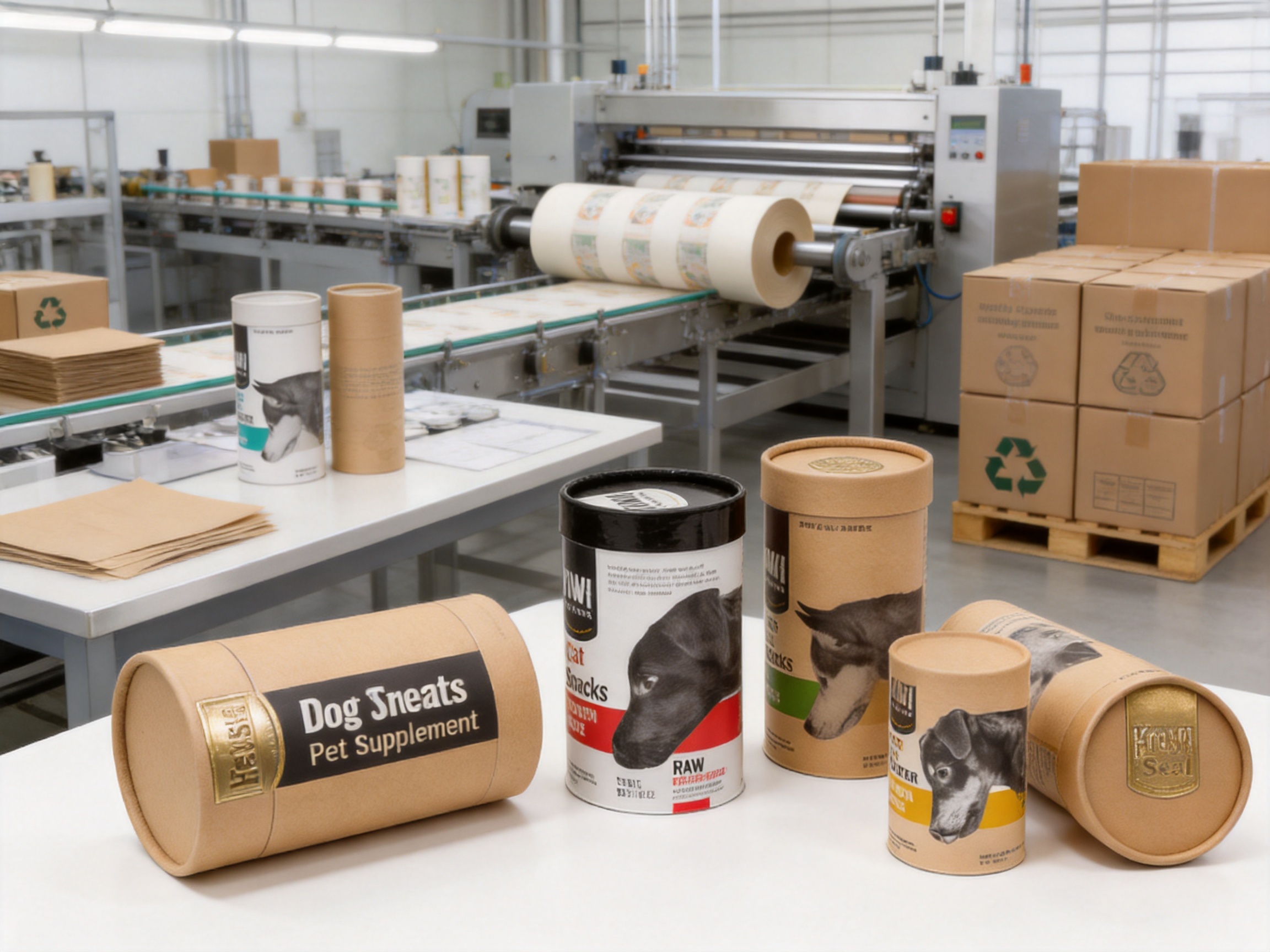
Packaging is one of the most powerful storytelling tools in pet care. A container can explain ingredients, show the pet type, communicate feeding moments, highlight nutrition benefits, and express brand personality. The round tube format provides a continuous surface that can be used creatively.
A natural pet food brand may choose kraft paper, earth-tone Pantone colors, botanical illustrations, and matte varnish. A premium cat treat brand may use deep colors, metallic stamping, and elegant typography. A functional supplement brand may choose clean white space, scientific icons, and precise dosage instructions. A playful dog snack brand may use bright CMYK artwork, character illustrations, and flavor color coding.
Because the package is customized, brands can create a full family system. Different product categories can share the same structure but use different colors and graphics. This improves shelf blocking and makes it easier for consumers to recognize the brand. Over time, the container shape itself can become part of brand identity.
The ability to print detailed artwork also supports regulatory and informational needs. Pet food labels may need ingredient lists, nutrition analysis, feeding instructions, manufacturer information, batch coding areas, storage guidance, barcodes, and market-specific language. A customized paper tube can allocate space for these details while keeping the front panel attractive.
How the Container Supports Premium Pricing
Premium pricing requires more than a good formula. Consumers must see, feel, and believe the value. Packaging plays a central role in that process. A rigid aseptic airtight paper canister immediately communicates that the product is not ordinary. It looks more considered, more giftable, and more durable than common flexible packaging.
Surface finishing options such as stamping and varnishing add luxury cues. These effects are commonly associated with premium food, cosmetics, wine, tea, and gift packaging. When applied to pet care, they elevate the category and show that the brand respects the pet owner’s buying experience.
Functional quality also supports price. If customers find that the container is easy to open, easy to close, clean to store, and effective at preserving freshness, they are more likely to accept a higher price. Good packaging reduces frustration and improves the daily relationship between the consumer and the brand.
In competitive pet care markets, packaging may be the first reason a shopper picks up a product. Once the product is in hand, the label and design can communicate benefits. The container therefore acts as a silent salesperson. A stronger package can help a premium product win attention before the consumer even compares ingredients.
Global Market Readiness and Export Experience
The company has built long-term partnerships with well-known companies and brands across food, beverage, and consumer goods sectors. Experience with recognized customers indicates an ability to meet demanding quality, communication, and supply expectations. This background is valuable for pet care brands that need reliable packaging for domestic or international markets.
Export packaging requires more than manufacturing the product. It includes documentation, packing protection, shipping coordination, communication across time zones, and understanding international buyer expectations. The availability of sea, air, and express shipping options supports different project needs.
For global pet care brands, consistency is especially important. A product may be sold in multiple regions, and packaging must maintain the same appearance across batches. Color variation, printing defects, or structural inconsistency can create problems in retail presentation. Advanced manufacturing processes and quality management help reduce these risks.
The company’s SGS and ISO certification support can also assist buyers in supplier evaluation. While brands should always confirm the specific documents required for their market and product, working with a manufacturer that has certification experience makes the sourcing process more professional.
Recommended Buying Process for Pet Food Brands
To develop a successful custom pet food container, brands should begin by defining the product inside. The manufacturer needs to know whether the content is dry kibble, powder, treat pieces, freeze-dried food, tablets, granules, or another form. Product density and filling weight influence container size and structure.
Next, the brand should define the storage and marketing requirements. Does the product need a premium gift appearance? Will it be sold mainly online or in stores? Does it require strong aroma control? Will consumers use it daily for several weeks? Is the brand positioning natural, scientific, luxury, playful, or eco-conscious? These answers guide material, color, printing, and finishing decisions.
Artwork preparation is another key step. Designers should create production-ready files in PDF, AI, or PSD format according to the manufacturer’s template. Important text should be checked carefully before production. Colors should be specified in CMYK or Pantone values, and any stamping or varnishing areas should be clearly marked.
Sampling is strongly recommended. A sample allows the brand to check dimensions, visual quality, closure feel, and compatibility with the product. After sample approval, mass production can proceed more smoothly. During production, buyers should maintain clear communication about schedule, shipping method, packing details, and inspection requirements.
Why This Packaging Stands Out Against Competitors
The aseptic airtight pet food container stands out because it combines multiple advantages in one solution. It is not merely decorative, and it is not merely functional. It offers protection, custom branding, shelf impact, sustainability appeal, and experienced manufacturing support.
Against flexible pouches, it offers stronger structure, better display presence, improved consumer handling, and a more premium look. Against plastic jars, it offers a more natural paper-based identity, advanced print customization, and reduced reliance on plastic appearance. Against ordinary cardboard tubes, it offers a more suitable food-related composite structure with aluminum foil barrier and aseptic airtight positioning.
The manufacturer’s strengths further separate it from basic packaging suppliers. More than 20 years of industry experience, advanced European high-speed production equipment, SGS and ISO certification support, food packaging qualification history, CCTI membership, patented technologies, and established customer partnerships create a strong foundation for quality and trust.
For pet care brands, this means fewer compromises. They can choose packaging that looks premium without sacrificing function. They can pursue sustainability appeal while maintaining barrier protection. They can customize artwork and finishing while relying on an experienced factory. This combination is especially valuable in the fast-growing premium pet food market.
Q&A: Common Questions About Aseptic Airtight Pet Food Container Packaging
What pet products can be packed in this container?
It is suitable for many dry pet care products, including cat food, dog treats, pet snacks, nutritional powders, supplement tablets, granules, freeze-dried food, and specialty pet formulas. The final suitability should be confirmed according to the product’s weight, moisture sensitivity, shelf-life expectations, and filling method.
Why use a paper tube instead of a pouch?
A paper tube provides a stronger rigid structure, better shelf presence, easier storage, and a more premium consumer experience. It is less likely to collapse during use and can create a more distinctive brand identity than common flexible pouches.
How does the aluminum foil layer help?
The aluminum foil layer improves barrier performance compared with simple paper packaging. It helps protect against moisture, oxygen exposure, odor transfer, and external contamination, which is important for pet food freshness and quality.
Can the size and design be customized?
Yes. Size, color, printing, and surface finishing can be customized. CMYK and Pantone printing are available, and design files can be provided in PDF, AI, or PSD format. This allows brands to create packaging that matches their product line and visual identity.
What finishing options are available?
Stamping and varnishing are available. Stamping can highlight logos or premium details, while varnishing can improve surface appearance and create visual contrast. These options help elevate the package for premium pet care markets.
What is the minimum order quantity?
The minimum order quantity is 2,000 pieces. This quantity is suitable for commercial product launches, private label projects, regional distribution, and growing pet care brands.
Are samples available?
Yes. Samples are available, and sampling is recommended before mass production. A sample helps buyers check the structure, size, printing effect, finish, and practical handling experience.
What is the production lead time?
The typical lead time is about 25 to 35 working days. The exact schedule depends on order quantity, customization details, artwork approval, material preparation, and production planning.
What shipping methods are offered?
Shipping can be arranged by sea, air, or express. Sea shipping is cost-effective for bulk orders, air shipping is useful for urgent replenishment, and express shipping is often used for samples or urgent small shipments.
Why choose this manufacturer for pet food packaging?
Hangzhou Qunle Packaging Co.,Ltd. has more than 20 years of experience in composite can and paper can manufacturing. The company has advanced production equipment, SGS and ISO certification support, patented technologies, food packaging experience, and a strong background in serving well-known customers across multiple industries.
Conclusion: A Better Container for a More Demanding Pet Care Market
The pet care industry is moving toward higher quality, better safety, stronger branding, and more responsible packaging choices. Brands that want to compete in this environment need packaging that can protect the product while also communicating value. The aseptic airtight pet food container packing meets this need through its paper and aluminum foil composite structure, airtight freshness concept, aseptic positioning, recyclable feature, and extensive customization options.
Its advantages over competitors are clear. It offers better structure and shelf presence than flexible pouches, a more natural and customizable identity than plastic jars, and stronger food-related functionality than ordinary decorative cardboard tubes. It supports premium pricing, consumer convenience, product freshness, and brand storytelling.
Behind the product is a manufacturer with deep experience and advanced capability. Hangzhou Qunle Packaging Co.,Ltd. brings more than two decades of composite can expertise, advanced European high-speed production equipment, certification support, patented technologies, and a history of food packaging development. For pet care brands seeking a reliable, attractive, and functional packaging solution, this container provides a strong path forward.
In a market where pet owners care deeply about freshness, hygiene, sustainability, and design, packaging can become a decisive competitive advantage. An aseptic airtight paper tube container does more than store pet food. It protects the formula, strengthens the brand, improves the user experience, and helps create trust every time the package is opened.
References
1. Robertson, G. L. Food Packaging: Principles and Practice. CRC Press.
2. Soroka, W. Fundamentals of Packaging Technology. Institute of Packaging Professionals.
3. Han, J. H. Innovations in Food Packaging. Academic Press.
4. Marsh, K., and Bugusu, B. Food Packaging: Roles, Materials, and Environmental Issues. Journal of Food Science.
5. Yam, K. L. The Wiley Encyclopedia of Packaging Technology. Wiley.
6. Coles, R., McDowell, D., and Kirwan, M. J. Food Packaging Technology. Blackwell Publishing.
