 English
 Español

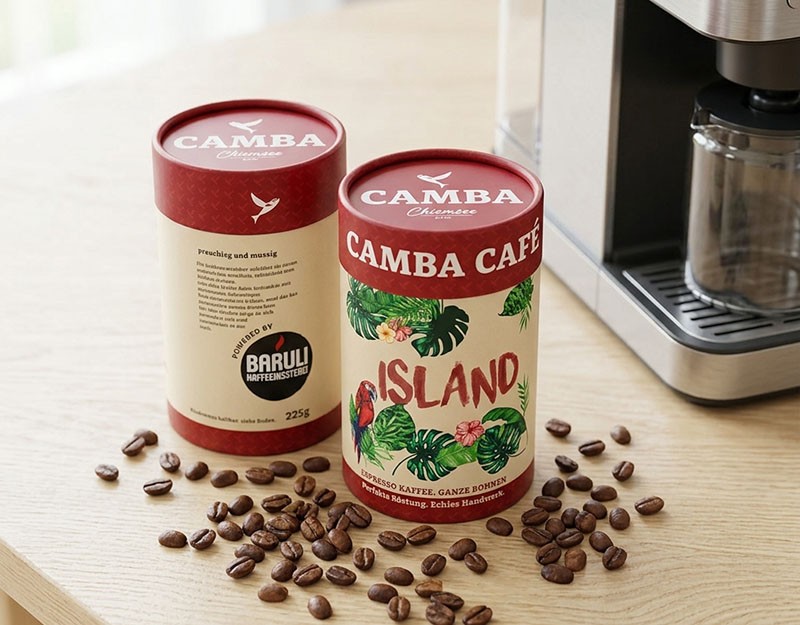
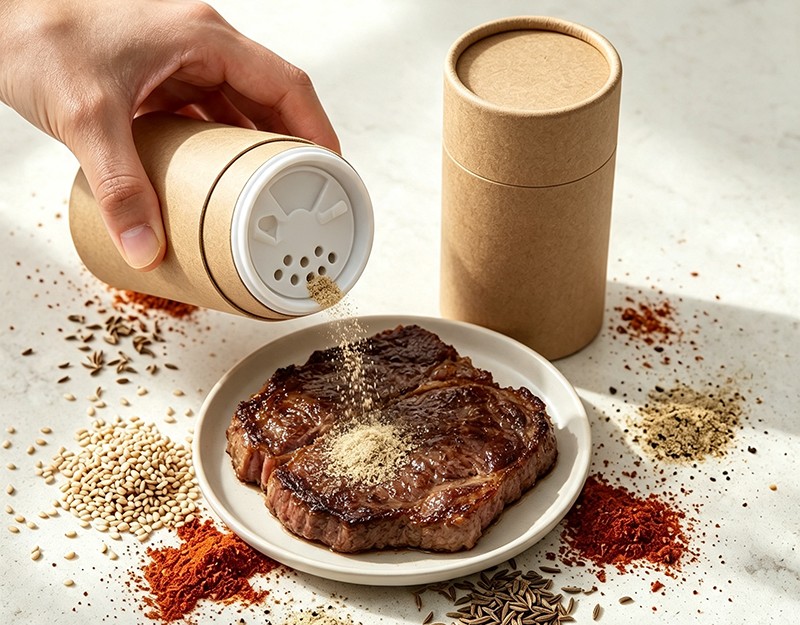
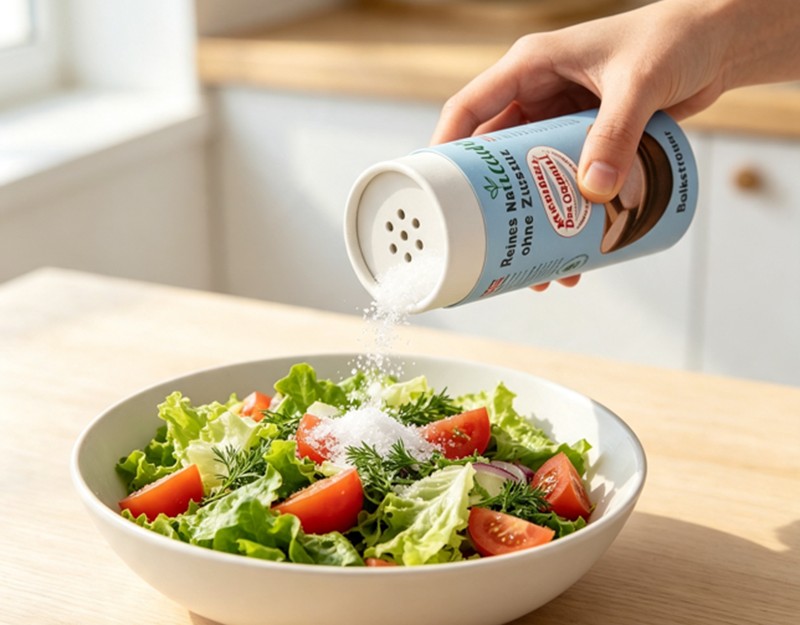

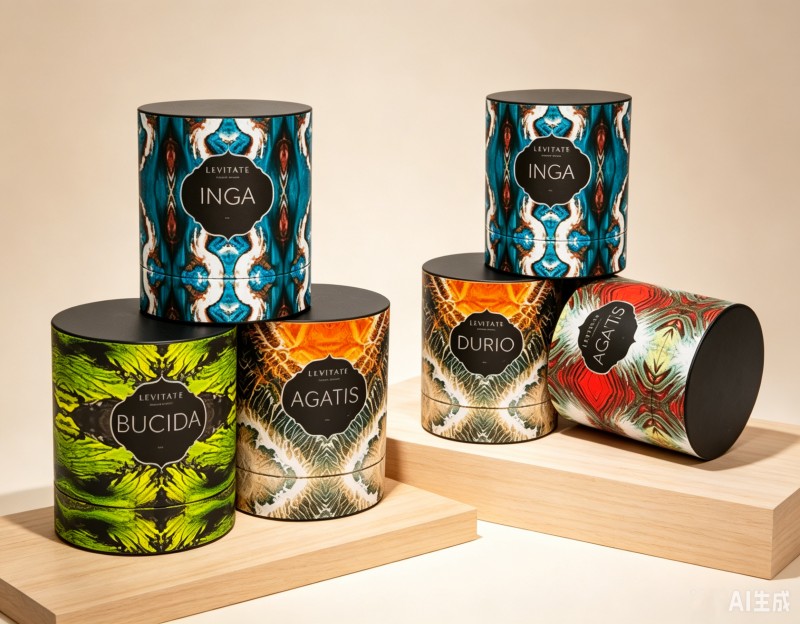
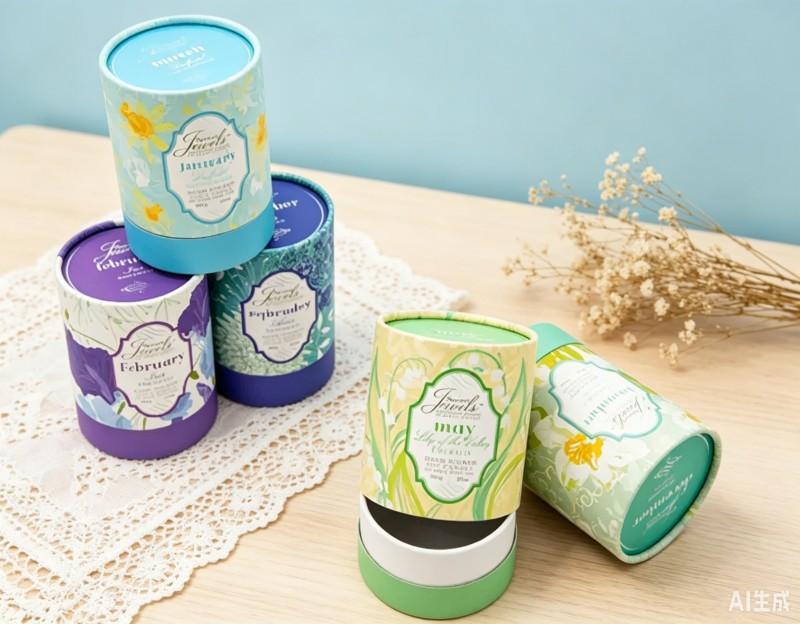
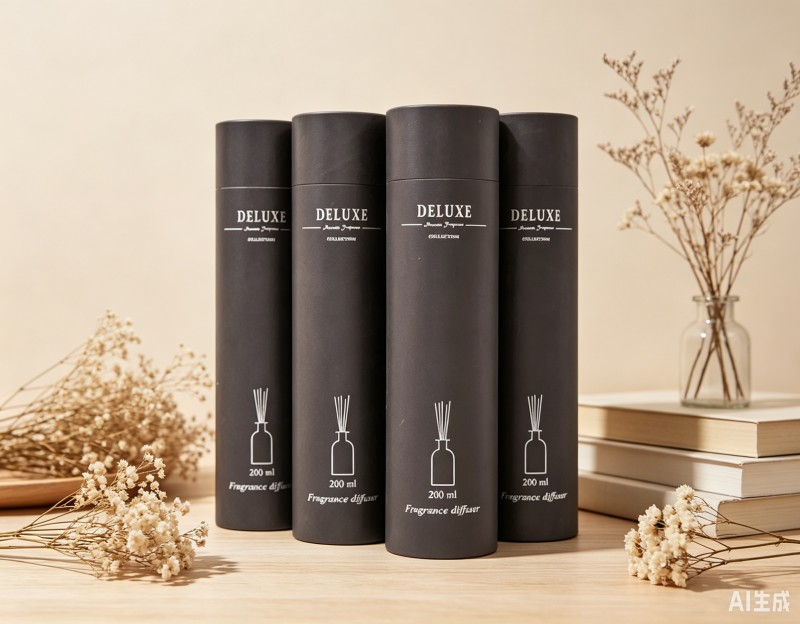
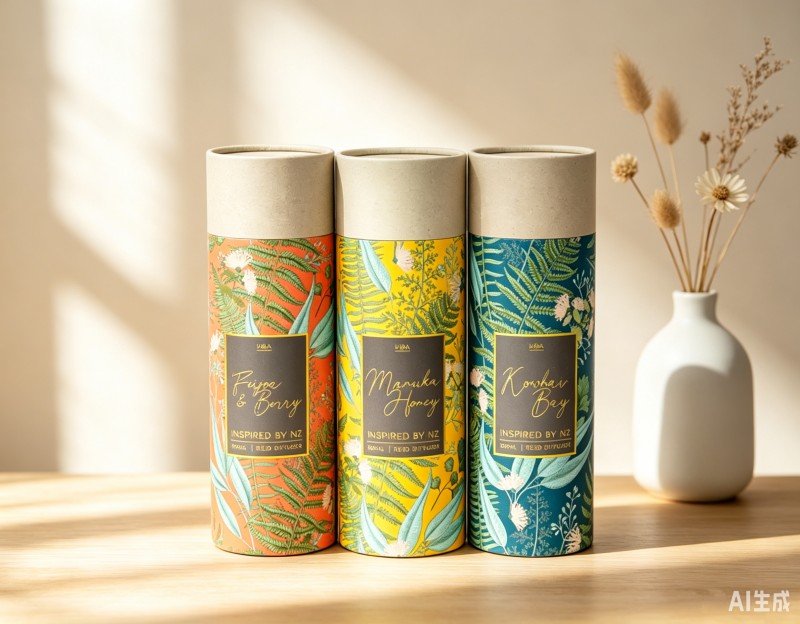
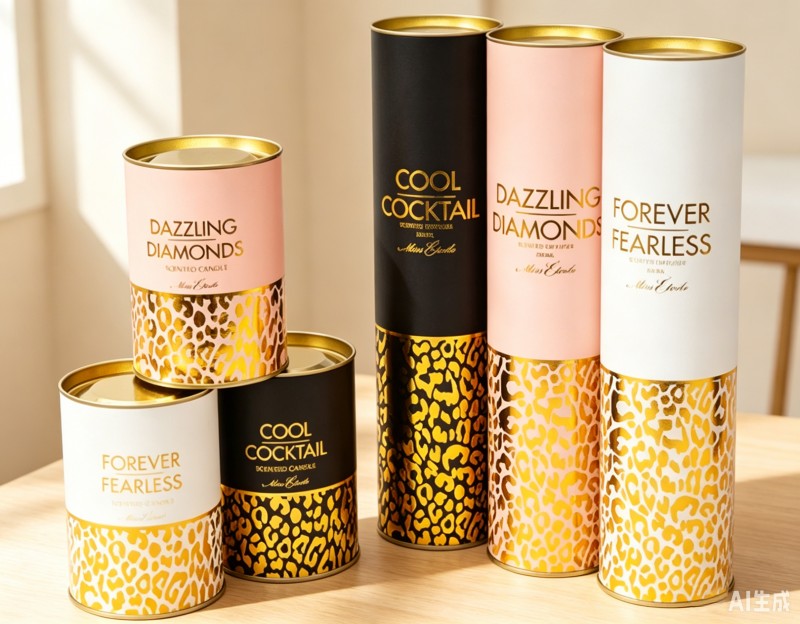
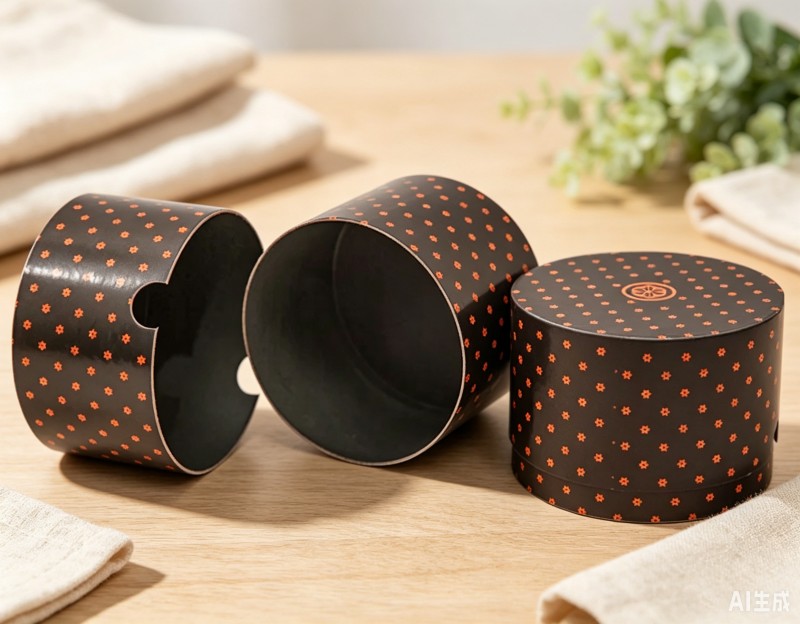
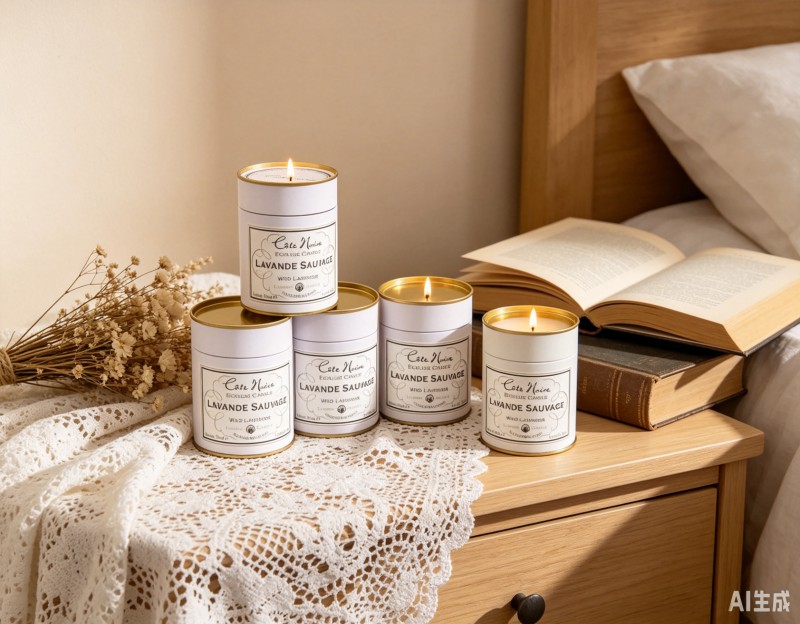

As one of the top China cardboard tube packaging manufacturers and paper tube packaging suppliers, we devote all of our efforts to research and launch more high quality packaging products to global market.
Modern sugar packaging is no longer only a container for holding granules. For premium sugar, cane sugar, specialty sweeteners, baking ingredients, beverage additives, and seasoning-related products, packaging has become a vital part of product identity, freshness protection, retail communication, logistics efficiency, and sustainability strategy. The Unique Design Custom Sugar Cane Packaging 300g is a cylindrical airtight paper canister developed for brands that want a practical, attractive, and environmentally responsible solution for sugar packaging.
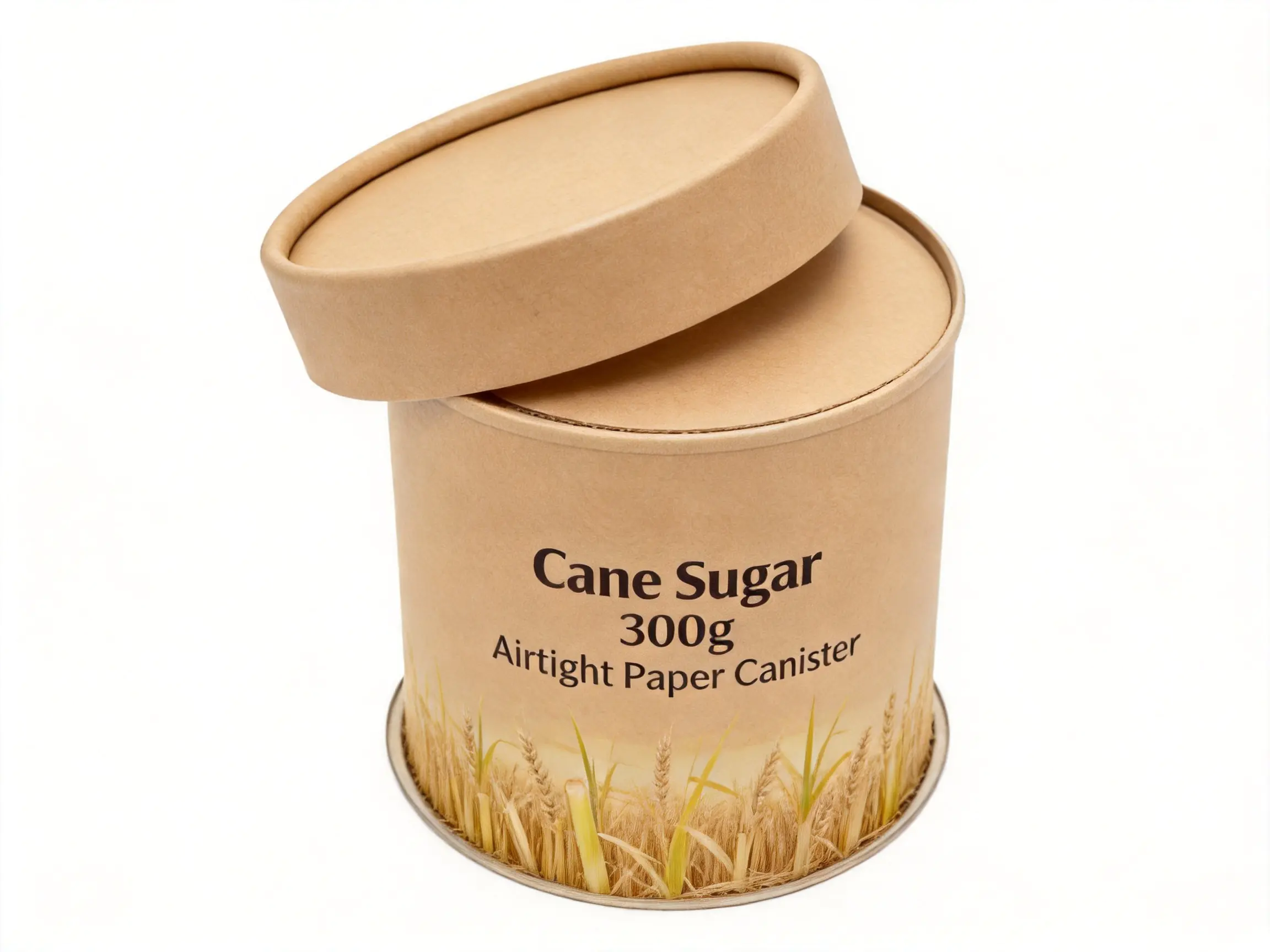
This 300g paper tube packaging solution is designed for sugar products that require reliable protection against moisture, odor transfer, handling damage, and shelf wear. Its structure combines paper-based materials with an aluminum foil lining and an airtight closure system, offering a strong balance between natural appearance, food packaging performance, and customized branding potential. With an inner diameter of 73 mm and a height of 120 mm, the canister is compact enough for retail shelves and e-commerce cartons while remaining large enough to deliver a premium unboxing and usage experience.
Unlike ordinary flexible pouches or simple cardboard boxes, this airtight paper canister gives sugar products a distinctive cylindrical form, a stable standing profile, and a surface suitable for full-color CMYK printing. The matte finish enhances the tactile quality and provides a refined look that matches natural, organic, craft, and premium food positioning. For sugar cane products, where consumers often associate quality with purity, origin, and freshness, the packaging helps communicate value before the container is even opened.
Unique Design Custom Sugar Cane Packaging 300g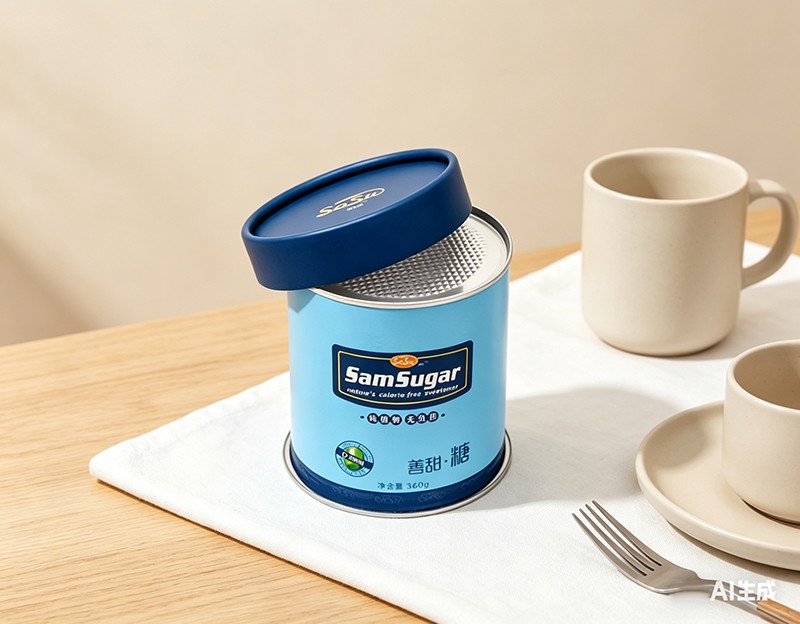
Content
- 1 Product Overview
- 2 Why Airtight Paper Canister Packaging Matters for Sugar
- 3 Structural Advantages of the Two-Piece Airtight Canister
- 4 Material Composition and Performance
- 5 Design and Branding Potential
- 6 Advantages Over Common Competitor Packaging
- 7 Food Packaging Safety and Hygiene Considerations
- 8 Advanced Manufacturing Processes Behind the Canister
- 9 Quality Control and Production Reliability
- 10 Company Strengths Supporting the Product
- 11 Eco-Friendly Value and Consumer Perception
- 12 Retail Shelf Impact and Market Positioning
- 13 Applications Beyond Cane Sugar
- 14 Customization Strategy for Sugar Brands
- 15 Logistics and Handling Benefits
- 16 Cost and Value Considerations
- 17 How the Packaging Supports Brand Trust
- 18 Recommended Product Scenarios
- 19 Q&A Section
- 19.1 What is the main use of this packaging?
- 19.2 What makes this paper canister different from ordinary paper boxes?
- 19.3 Is the packaging customizable?
- 19.4 What is the size of the canister?
- 19.5 Why is aluminum foil lining used?
- 19.6 Is this packaging eco-friendly?
- 19.7 What printing method is available?
- 19.8 What is the minimum order quantity?
- 19.9 What company strengths support this product?
- 19.10 Can this packaging help increase product value?
- 20 Conclusion
- 21 References
- 22 Product: Unique Design Custom Sugar Cane Packaging 300g
Product Overview
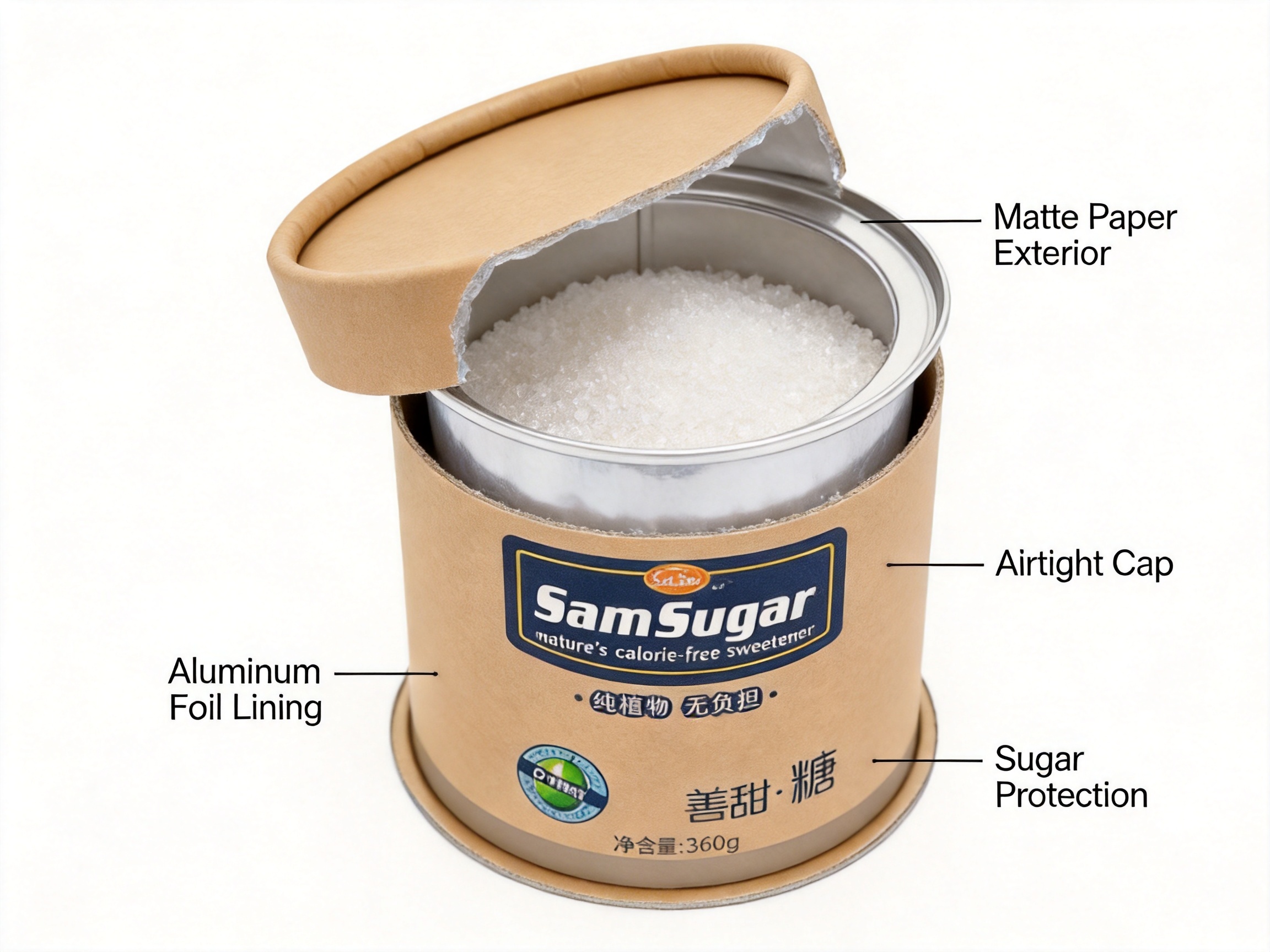
The Unique Design Custom Sugar Cane Packaging 300g is categorized under Seasonings & Spices, but its application extends naturally to sugar, cane sugar, brown sugar, specialty sweeteners, spice blends, tea sugar, coffee sugar, baking sugar, and other dry food ingredients. The product is built as a two-piece airtight paper canister with a paper cap. It uses coated paper and kraft paper as core paper types, with aluminum foil lining inside to improve barrier performance.
The construction is intended to solve several common problems in sugar packaging. Sugar can absorb moisture from the environment, leading to clumping, reduced flowability, and an unpleasant user experience. It can also be affected by odors in storage or during transportation. A conventional paper box may lack sufficient barrier protection, while a plastic jar may not satisfy sustainability expectations. This paper canister format provides a middle path: strong, attractive, customizable, and more aligned with eco-conscious packaging trends.
The packaging supports custom orders, custom logos, CMYK printing, and matte post-printing handling. The cylinder shape creates a premium retail presence and makes the container easy to grip, pour from, store, and reuse. For brands that want their sugar packaging to look different from common pouches, bags, or square cartons, this paper tube solution offers a clear visual advantage.
| Specification | Details |
|---|---|
| Product Name | Unique Design Custom Sugar Cane Packaging 300g |
| Industrial Use | Sugar Packaging Paper |
| Category | Seasonings & Spices |
| Construction | Two-piece airtight paper canister with paper cap |
| Paper Type | Coated paper and kraft paper |
| Lining | Aluminum foil lining |
| Material Composition | Paper, plastic, and tin components |
| Size | ID 73 mm × 120 mm |
| Shape | Cylindrical |
| Printing | CMYK printing |
| Surface Handling | Matte finish |
| Customization | Custom order and custom logo accepted |
| Features | Recycled materials and eco-friendly design |
| MOQ | 5000 pieces |
Why Airtight Paper Canister Packaging Matters for Sugar
Sugar may appear simple, but it is sensitive to storage conditions. Moisture is the greatest concern. When sugar absorbs humidity, it may harden, form lumps, or become difficult to pour. For cane sugar, raw sugar, muscovado-style sugar, powdered sugar, and specialty granulated products, moisture control is especially important because the texture strongly influences consumer satisfaction.
An airtight paper canister reduces exposure to ambient air after sealing. The aluminum foil lining contributes to a better internal barrier than plain paper alone. This makes the packaging suitable for products that must remain dry, clean, and stable during distribution and shelf display. Compared with many low-cost paperboard cartons, the canister offers improved protection through its composite structure and tighter closure design.
Odor protection is also significant. Sugar can absorb surrounding smells during storage, especially in warehouses or retail environments where spices, coffee, tea, or aromatic foods are nearby. The inner lining helps separate the sugar from external odors, supporting a cleaner taste and aroma when the consumer opens the package.
Physical protection should not be overlooked. Flexible bags can be punctured, crushed, or wrinkled. Thin cartons can deform at corners. A cylindrical paper tube distributes pressure more evenly and resists minor impacts better than many lightweight alternatives. This is particularly valuable for e-commerce and international shipping, where packages may experience stacking, vibration, and handling stress.
Structural Advantages of the Two-Piece Airtight Canister
The two-piece construction is one of the important design strengths of this product. It combines a main paper canister body with a paper cap, creating a clean and user-friendly container. The cylindrical body provides shape stability, while the cap supports resealability and helps consumers store the sugar after opening.
For a 300g sugar product, the size is practical. It is large enough to feel substantial in the hand, yet not too bulky for household kitchens, café counters, gift boxes, or specialty food displays. Consumers can store the tube upright in cabinets, on shelves, or beside coffee and tea stations. Its round shape also makes it pleasant to hold, which matters more than many brands realize. Packaging that feels comfortable in daily use can increase repeat purchases and brand loyalty.
The paper cap enhances the natural and eco-friendly image of the product. Many competing sugar containers rely heavily on plastic lids, plastic jars, or laminated flexible pouches. While each packaging type has its place, a paper cap provides a more cohesive paper-based appearance and reinforces the brand’s environmental message. When paired with kraft paper graphics or soft matte printing, the result can be especially suitable for organic cane sugar, fair-trade sugar, artisan sweeteners, or gift-oriented food products.
The aluminum foil lining adds functionality without compromising the external paper look. This combination of outer natural texture and inner protective layer allows brands to deliver both visual warmth and practical performance. In a competitive retail environment, this dual advantage can be decisive.
Material Composition and Performance
The packaging uses coated paper and kraft paper, giving brands flexibility in appearance and performance. Coated paper supports sharp, vivid printing and refined visual effects. Kraft paper provides a natural, rustic, and eco-conscious impression. Depending on the desired market positioning, the canister can be styled as modern and colorful, minimal and premium, natural and organic, or festive and gift-ready.
The listed material composition includes paper, plastic, and tin. In composite canister manufacturing, different components may be used to improve sealing, structural integrity, and closure performance. Paper provides the main body and print surface. Barrier and lining materials protect the contents. Tin or metal-related components may support closure stability or base strength depending on the final design configuration. Plastic may be applied in functional areas where airtightness or fit is required. The goal is not to use materials randomly, but to balance food safety, barrier protection, durability, and user convenience.
The aluminum foil lining is particularly important for sugar packaging. Aluminum foil has strong barrier properties against moisture, vapor, aroma transfer, and light influence. While sugar itself is not usually light-sensitive in the same way as some oils or vitamins, a better barrier still supports cleaner storage and longer shelf appeal. The lining also gives the interior a hygienic, professional appearance, helping consumers trust the quality of the packaged food.
Recycled materials and eco-friendly features make the product more attractive in markets where consumers and retailers increasingly evaluate packaging sustainability. A paper-based container can help brands reduce dependence on fully plastic rigid packaging and align with environmental goals. The cylindrical canister may also be reused by consumers for storing small items, tea bags, snacks, craft supplies, or kitchen ingredients, extending its life beyond the first purchase.
Design and Branding Potential
One of the strongest advantages of this paper canister is its custom design potential. The product supports custom orders and custom logos, allowing brands to create packaging that reflects their identity. Since the tube surface is continuous and curved, it offers a broad canvas for storytelling, ingredient information, origin claims, usage suggestions, certification icons, flavor notes, and decorative patterns.
CMYK printing allows full-color artwork, from clean minimalist typography to rich botanical illustrations. For cane sugar packaging, brands can use visual elements such as sugar cane fields, natural textures, golden tones, craft patterns, or modern geometric designs. The matte finish reduces glare and creates a soft-touch visual impression. This is beneficial in premium food packaging because consumers often associate matte surfaces with elegance, quality, and natural authenticity.
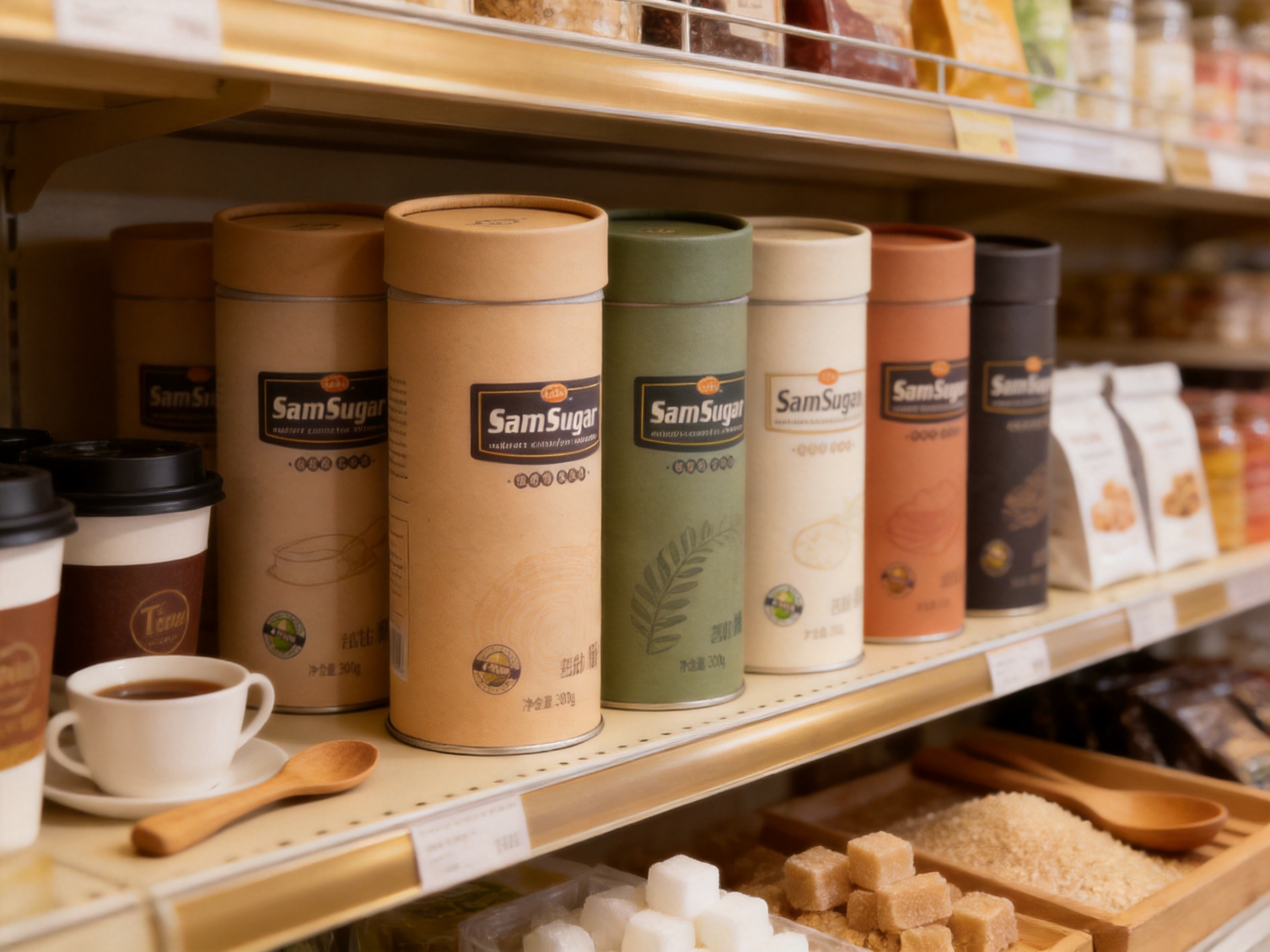
Compared with standard plastic jars, the paper tube feels warmer and more tactile. Compared with flexible bags, it stands upright and presents graphics more consistently. Compared with ordinary folding cartons, it has a distinctive 360-degree shape that is easier to recognize on shelves. The packaging becomes not only a protective container but also a marketing tool.
For retail buyers, shelf differentiation is crucial. A product that looks different can attract attention even in a crowded category. Sugar is often placed near baking goods, coffee, tea, spices, and natural food items. Many packages in these categories use bags, jars, or rectangular boxes. A cylindrical paper canister can interrupt the visual pattern and encourage consumers to pick it up. That first touch is often the beginning of a purchase decision.
Advantages Over Common Competitor Packaging
To understand the value of this packaging, it is helpful to compare it with common alternatives in the sugar market. Flexible plastic pouches are lightweight and economical, but they often lack premium shelf appeal and may not stand upright well after repeated use. Paper cartons are recyclable in many markets, but they may offer limited moisture protection unless combined with inner bags. Plastic jars provide convenience but can conflict with eco-friendly branding and may appear less distinctive. Glass jars look premium but are heavy, breakable, and expensive to ship.
The airtight paper canister offers a balanced solution. It is more rigid and display-friendly than a pouch, more moisture-protective than a simple paper carton, more environmentally aligned than many plastic jars, and lighter and safer than glass. For a 300g product, this balance is highly practical because consumers expect convenience, but brands also need cost control and reliable distribution performance.
The canister’s cylindrical structure also improves perceived value. Consumers often associate tube packaging with premium tea, coffee, chocolate, confectionery, gifts, candles, cosmetics, and specialty foods. Applying this format to sugar cane packaging elevates the product from a commodity ingredient to a curated kitchen or café item. This can support higher retail pricing, better gifting potential, and stronger brand differentiation.
Another competitive advantage is customization at scale. With a minimum order quantity of 5000 pieces, the packaging is suitable for brands preparing commercial launches, seasonal products, private-label lines, retail testing, or premium product upgrades. The ability to customize logo, artwork, color, finish, and structure gives brands more control than off-the-shelf packaging.
Food Packaging Safety and Hygiene Considerations
Food packaging must do more than look attractive. It must help protect contents, support hygienic handling, and maintain product integrity. This sugar cane packaging is designed for food-related use, with an internal lining that helps create a protective separation between the sugar and the external environment. The smooth interior also improves user confidence when the container is opened.
Hangzhou Qunle Packaging Co., Ltd. has experience in the composite can and paper can industry spanning more than 20 years. The company’s background in food, daily chemical products, fast-moving consumer goods, and related packaging fields supports its ability to understand practical requirements such as sealing, material compatibility, production consistency, and quality control. It was the first enterprise in China to pass the QS certificate for producing food packaging containers, which reflects a long-standing emphasis on food packaging standards.
For sugar brands, supplier experience is critical. Poorly made packaging can lead to loose caps, weak seams, inconsistent printing, poor odor control, crushed tubes, or inaccurate dimensions. A professional manufacturer with established systems can reduce these risks. Consistent tube diameter, cap fit, lining quality, and printing registration all contribute to a final package that feels reliable in the consumer’s hand.
Food safety also depends on production discipline. Clean material handling, controlled manufacturing procedures, inspection points, and packaging of finished canisters all influence the final quality. A company that has served well-known food and beverage brands is more likely to understand the expectations of global buyers, including documentation, quality consistency, sampling, and production repeatability.
Advanced Manufacturing Processes Behind the Canister
A high-quality paper canister may look simple, but its manufacturing process involves multiple controlled steps. The process begins with material selection. Paper grades must be chosen for strength, printability, flexibility, and compatibility with lining materials. Kraft paper may be selected for natural visual appeal and structural feel, while coated paper may be selected for excellent print results. Barrier layers such as aluminum foil lining must be integrated precisely to ensure coverage and performance.
Next comes tube forming. Composite paper canisters are commonly produced through winding, shaping, and bonding processes that create a strong cylindrical body. The layers must be aligned evenly so the tube wall has stable thickness and a clean surface. If the tube is poorly formed, it may lean, wrinkle, crack, or fail under pressure. Professional manufacturing equipment helps ensure roundness, verticality, and dimensional accuracy.
The ID 73 mm × 120 mm specification requires accurate control. Even small variations can affect cap fit, filling compatibility, sealing performance, and packing efficiency. For brands using automated or semi-automated filling lines, dimension consistency is especially important. A canister that varies too much in diameter or height may slow production or increase waste.
Printing is another major process. CMYK printing must accurately reproduce brand colors, product claims, images, and fine text. The cylindrical format requires artwork planning so the design wraps smoothly around the tube without awkward seams or distorted elements. After printing, matte finishing is applied to achieve the desired surface appearance. The finish must be even, durable, and compatible with handling during packing and shipping.
Cap and closure production is equally important. An airtight paper canister depends on a well-designed relationship between body and lid. The cap must be easy to remove and replace, but not so loose that it compromises protection. It must feel secure without frustrating the user. Achieving this balance requires experience in tolerance control, material behavior, and closure design.
Hangzhou Qunle Packaging Co., Ltd. introduced a high-speed composite can production line from Europe in 2015, strengthening its production capacity and technical level. Advanced production equipment supports efficiency, consistency, and scalable output. For customers ordering thousands or larger commercial quantities, stable manufacturing capacity is a major advantage. The company has also obtained more than 10 patented technologies, showing continued investment in product development and technical improvement.
Quality Control and Production Reliability
In packaging, quality control is not a final step; it is a system that runs through the entire process. For this sugar cane paper canister, quality control may involve checking raw paper quality, lining integrity, adhesive performance, tube dimensions, surface cleanliness, printing accuracy, finish consistency, cap fit, seam strength, and carton packing condition.
Dimension inspection is essential for the 73 mm inner diameter and 120 mm height. Consistency ensures that the container works properly with caps and filling processes. Visual inspection is also critical because premium packaging must look flawless on shelves. Scratches, color variation, dents, glue marks, and misaligned printing can reduce perceived value.
Barrier inspection matters because sugar packaging must resist moisture. While exact testing requirements depend on customer specifications, professional manufacturers understand the importance of lining continuity and closure integrity. The aluminum foil lining should be applied cleanly and consistently, with attention to seams and edges.
Packaging strength must also be considered. The canister should resist normal stacking pressure, transport vibration, and retail handling. A tube that collapses easily can damage the product’s reputation, even if the sugar inside remains usable. The composite structure helps provide better rigidity than many lightweight alternatives.
Reliable production is also about communication. Custom packaging often requires artwork confirmation, sample approval, material discussion, production scheduling, and shipping planning. A factory with long experience can guide customers through these stages and help avoid costly mistakes. This is especially valuable for international buyers who need consistent supply and clear specifications.
Company Strengths Supporting the Product
Hangzhou Qunle Packaging Co., Ltd. has been engaged in the composite can and paper can industry for over 20 years. This long experience matters because paper tube packaging involves both engineering and design. A manufacturer must understand paper behavior, lining materials, food packaging requirements, printing processes, die-cutting or cap systems, logistics, and customer branding needs.
The company is the only member of the international Composite Can and Tube Institute in China’s packaging container industry. This membership reflects industry recognition and connection with composite can technologies and standards. In a market where many suppliers may produce simple tubes, professional industry participation helps distinguish a manufacturer focused on long-term technical capability.
The company’s packaging business covers food, daily chemical products, fast-moving consumer goods, and more. Such cross-category experience is valuable because different industries have different performance priorities. Food packaging emphasizes safety, freshness, and barrier performance. Cosmetics packaging emphasizes appearance and tactile quality. Fast-moving consumer goods emphasize production efficiency and shelf impact. Combining these perspectives helps improve the design of a sugar cane paper canister that is functional, attractive, and commercially practical.
The company has built long-term partnerships with well-known companies and brands across food, tea, coffee, confectionery, beverage, and consumer product sectors. Such cooperation suggests the ability to meet demanding customer requirements, manage repeat orders, and maintain reliable production quality. For a sugar brand choosing a packaging supplier, proven experience with established clients can reduce sourcing risk.
As a cardboard tube packaging manufacturer and paper tube packaging supplier, the company emphasizes wholesale paper tubes and customized packaging solutions. Factory-direct production is another strength. Customers can communicate with the source manufacturer rather than relying only on intermediaries. This can improve technical communication, cost transparency, sampling speed, and production coordination.
Eco-Friendly Value and Consumer Perception
Sustainability has become a core issue in packaging decisions. Consumers increasingly notice whether food packaging is excessive, difficult to recycle, or heavily plastic-based. Retailers also push suppliers to improve packaging sustainability. The Unique Design Custom Sugar Cane Packaging 300g responds to this trend through recycled materials, paper-based construction, and an eco-friendly design direction.
Paper packaging carries a familiar environmental image. Consumers often perceive paper as natural, renewable, and easier to integrate into responsible waste systems than many plastic formats. While composite structures must be evaluated according to local recycling capabilities, the reduction of fully plastic rigid packaging can still support a brand’s sustainability narrative.
The design also encourages reuse. A sturdy cylindrical tube with a lid is naturally reusable. After the sugar is consumed, customers may keep the container for storing small kitchen items, craft supplies, office accessories, seed packets, tea bags, or coins. Reuse extends brand exposure because the printed package remains in the household rather than being discarded immediately.
For sugar cane products, an eco-friendly package is particularly appropriate. Cane sugar is often marketed with themes of natural farming, traditional processing, mineral-rich sweetness, ethical sourcing, or organic agriculture. Packaging that appears natural and responsible helps align the external presentation with the internal product story. A plastic-heavy package may create a contradiction, while a paper canister strengthens the message.
Retail Shelf Impact and Market Positioning
The sugar category contains both commodity products and specialty products. Commodity sugar is often sold in bags at low margins, while specialty sugar can command higher prices through origin, texture, purity, processing method, organic certification, flavor, or gift appeal. Packaging is one of the most effective ways to signal which segment a product belongs to.
This 300g paper canister is especially suitable for premium and specialty positioning. Its compact size encourages trial purchases and gifting. A consumer may be more willing to buy a 300g premium cane sugar tube for coffee, tea, desserts, cocktails, or baking than a large bulk bag. The tube format can also support product lines, such as golden cane sugar, dark brown sugar, coconut sugar, vanilla sugar, cinnamon sugar, coffee sugar, or seasonal sweetener blends.
On shelf, the cylinder breaks the monotony of flat pouches and rectangular boxes. The round body displays graphics from multiple angles and creates a premium silhouette. The matte finish helps the product photograph well for online stores and social media. In e-commerce, packaging that looks attractive in product images can directly improve click-through and conversion rates.
The packaging also works well for gift sets. Sugar cane products can be paired with coffee, tea, hot chocolate, baking mixes, spices, or holiday confectionery. A rigid paper tube feels giftable and can be customized for seasonal editions, limited releases, wedding favors, corporate gifts, or café retail merchandise.
Applications Beyond Cane Sugar
Although the product name focuses on sugar cane packaging, the same structural concept can be adapted to many dry food products. Within the Seasonings & Spices category, the airtight paper canister can be used for salt blends, pepper blends, spice rubs, powdered seasonings, baking ingredients, and flavored sugars. The barrier lining helps protect aromatic and moisture-sensitive products.
In coffee and tea markets, similar tube packaging is widely valued because it protects aroma and supports premium branding. In confectionery, the canister may be used for chocolate-covered nuts, candies, cocoa powder, or dessert toppings. In nutrition and supplements, the format can be adapted for powders, tablets, or dry mixes when compatible with product requirements. The broad application potential demonstrates the flexibility of composite paper tube packaging.
For brands with multiple product categories, using a consistent tube packaging family can build strong shelf recognition. A company might use the same diameter and height variations for sugar, spices, tea, and snacks, changing only the artwork and lining specifications. This creates visual unity while preserving product-specific functionality.
Customization Strategy for Sugar Brands
To make the most of this packaging, brands should approach customization strategically. The first step is defining the product position. Is the sugar organic, artisan, fair-trade, baking-focused, café-focused, luxury, family-friendly, or gift-oriented? The answer should influence paper choice, color palette, typography, finish, and messaging.
For organic cane sugar, kraft paper textures, earth tones, simple illustrations, and matte finish can reinforce naturalness. For premium cocktail sugar or café sugar, darker colors, metallic accents, and elegant typography may create a more sophisticated look. For family baking sugar, bright colors and clear usage instructions may be more effective. For gift products, decorative patterns and seasonal themes can increase emotional appeal.
Custom logo placement should be carefully planned. Because the tube is round, the front-facing area must be defined in relation to the seam and cap orientation. Important information such as product name, net weight, flavor, certification icons, and key claims should appear clearly on the main display panel. Secondary information, such as ingredients, storage instructions, manufacturer details, and barcode, can be placed on the side or back area.
CMYK printing allows rich design expression, but color management is important. Brands should request samples or proofs to confirm that colors match expectations on the selected paper material. Coated paper may produce brighter colors, while kraft paper may create warmer and more muted tones. The matte finish can also slightly affect visual contrast, so artwork should be adjusted accordingly.
Logistics and Handling Benefits
Packaging must survive the journey from factory to filling site, warehouse, retailer, and consumer. The cylindrical paper canister offers useful handling advantages. Its rigid body resists wrinkling better than flexible packaging and can protect the product from minor impacts. Its uniform shape allows orderly packing in shipping cartons. For a 300g size, carton weight remains manageable.
Compared with glass jars, paper canisters reduce breakage risk and shipping weight. This can be especially important for international orders, online sales, and subscription boxes. Compared with plastic tubs, paper tubes may improve brand perception while still offering practical durability. Compared with simple paper boxes, the tube’s wall structure can provide stronger crush resistance depending on material thickness and construction.
Good packaging design also improves consumer storage. A tube with a cap can be opened and closed repeatedly. It stands upright and avoids the messy appearance of rolled-down bags. In a kitchen or café, a well-designed paper canister can remain visible on the countertop, creating ongoing brand exposure every time the consumer prepares coffee, tea, or dessert.
Cost and Value Considerations
Premium paper tube packaging may cost more than a basic pouch, but value should be measured beyond unit price. Packaging affects shelf appeal, product protection, brand positioning, customer satisfaction, and perceived quality. A higher-quality container can justify a higher retail price, reduce damage complaints, and improve repeat purchase potential.
The MOQ of 5000 pieces supports commercial production while remaining realistic for many growing brands. It is large enough to benefit from production efficiency but not so high that it is only accessible to major corporations. For private-label buyers, specialty food companies, and seasonal product developers, this MOQ can be suitable for launching a new sugar line or upgrading an existing product.
Factory-direct supply can also improve cost efficiency. Working directly with the manufacturer enables clearer discussion of materials, printing, dimensions, finish, and delivery requirements. If a brand needs adjustments to cap design, lining, artwork, or carton packing, direct factory communication helps accelerate problem-solving.
The true advantage is the balance of performance and presentation. Many packages provide one strength but sacrifice another. A pouch may be low-cost but less premium. A glass jar may be premium but heavy and fragile. A plain box may be paper-based but weak in moisture protection. This airtight paper canister offers a broad combination of benefits, making it a strong option for sugar cane products seeking a differentiated market position.
How the Packaging Supports Brand Trust
Trust is built through consistent signals. Consumers judge a food product by its appearance, label clarity, packaging feel, opening experience, aroma, freshness, and storage convenience. The Unique Design Custom Sugar Cane Packaging 300g contributes to trust by presenting sugar in a clean, stable, and protective container.
The airtight design suggests care for freshness. The aluminum foil lining suggests hygiene and barrier protection. The matte printed exterior suggests quality and professionalism. The paper-based construction suggests environmental awareness. Together, these features help create a positive first impression and a reliable long-term usage experience.
For international markets, packaging quality can also communicate export readiness. A well-printed cylindrical canister with accurate dimensions and a secure cap gives buyers confidence that the product is professionally developed. This matters for distributors, retailers, and importers evaluating new food brands.
Recommended Product Scenarios
This packaging is well suited for specialty cane sugar sold in supermarkets, organic stores, gourmet food shops, coffee shops, tea retailers, bakeries, gift stores, and online platforms. It can also be used for private-label retail programs where the goal is to create a premium appearance without using glass or heavy rigid plastic.
Cafés can use the canister for branded sugar products sold beside coffee beans or tea tins. Bakeries can use it for decorative sugars or baking blends. Gourmet food companies can use it for regional sugar, raw sugar, or flavored sweetener collections. Gift companies can include it in food hampers or seasonal packages.
The 300g capacity is especially flexible. It is small enough to encourage impulse purchase and large enough to provide meaningful value. It works for trial sizes, premium editions, or everyday countertop sugar. The tube format also supports collectible series packaging, where different designs or flavors encourage customers to buy multiple items.
Q&A Section
What is the main use of this packaging?
The main use is sugar packaging, especially for 300g cane sugar and similar dry sweetener products. It can also be adapted for seasonings, spices, flavored sugars, baking ingredients, and other dry food products that benefit from protective and attractive cylindrical packaging.
What makes this paper canister different from ordinary paper boxes?
Ordinary paper boxes often provide limited moisture protection and may deform at corners. This canister uses a rigid cylindrical composite structure with aluminum foil lining and an airtight closure design, giving it better freshness protection, stronger shelf presence, and a more premium consumer experience.
Is the packaging customizable?
Yes. Custom orders and custom logos are accepted. The packaging supports CMYK printing and matte finishing, allowing brands to design the exterior according to their identity, product story, market position, and retail requirements.
What is the size of the canister?
The listed size is ID 73 mm × 120 mm. This compact cylindrical format is suitable for 300g sugar products and convenient for retail display, household storage, and shipping.
Why is aluminum foil lining used?
Aluminum foil lining helps improve barrier performance. It reduces exposure to moisture, odor transfer, and external contamination, which is important for maintaining sugar texture, cleanliness, and product quality.
Is this packaging eco-friendly?
The product is designed with recycled materials and eco-friendly features. Its paper-based structure supports brands seeking a more sustainable image than many fully plastic rigid packaging options. The durable tube can also be reused by consumers after the sugar is finished.
What printing method is available?
CMYK printing is available. This allows full-color artwork, detailed product graphics, brand logos, usage instructions, and decorative patterns. A matte finish can be applied after printing for a refined appearance.
What is the minimum order quantity?
The MOQ is 5000 pieces. This quantity is suitable for commercial product launches, private-label programs, seasonal editions, and established brands upgrading their packaging.
What company strengths support this product?
The manufacturer has more than 20 years of experience in composite can and paper can packaging, advanced production equipment, patented technologies, food packaging certification experience, and long-term cooperation with well-known companies. These strengths support stable quality, customization capability, and reliable production.
Can this packaging help increase product value?
Yes. The rigid cylindrical shape, matte printed surface, airtight structure, and eco-friendly appearance can make sugar look more premium than common bags or basic cartons. Better packaging can support stronger shelf impact, higher perceived value, and improved consumer trust.
Conclusion
The Unique Design Custom Sugar Cane Packaging 300g is a strong packaging choice for sugar brands that want more than basic containment. It combines a two-piece airtight paper canister structure, aluminum foil lining, coated and kraft paper options, CMYK printing, matte finishing, custom logo capability, and an eco-friendly design direction. These features make it suitable for premium cane sugar, specialty sweeteners, seasoning-related products, and dry food ingredients requiring both protection and presentation.
Its advantages over common competitor packaging are clear. It is more premium and structured than flexible pouches, more protective than simple paper cartons, lighter and safer than glass jars, and more environmentally aligned than many plastic containers. The cylindrical shape enhances shelf recognition, while the airtight design and foil lining support freshness and product confidence.
Behind the product is advanced manufacturing experience, including more than two decades in composite can and paper can production, high-speed European production equipment, patented technologies, food packaging expertise, and factory-direct customization capability. For brands seeking packaging that supports sustainability, quality, and market differentiation, this 300g sugar cane paper canister provides a practical and visually compelling solution.
References
Composite Can and Tube Institute. Technical Principles of Composite Can Manufacturing.
Food Packaging Technology. Moisture Barrier Requirements for Dry Food Ingredients.
Paper and Paperboard Packaging Handbook. Structural Design and Printing Considerations for Paper-Based Containers.
Sustainable Packaging Guidelines. Material Reduction, Reuse, and Consumer Perception in Food Packaging.
Quality Management in Food Packaging Production. Inspection Systems for Dimensional Accuracy, Sealing, and Print Consistency.
