 English
 Español

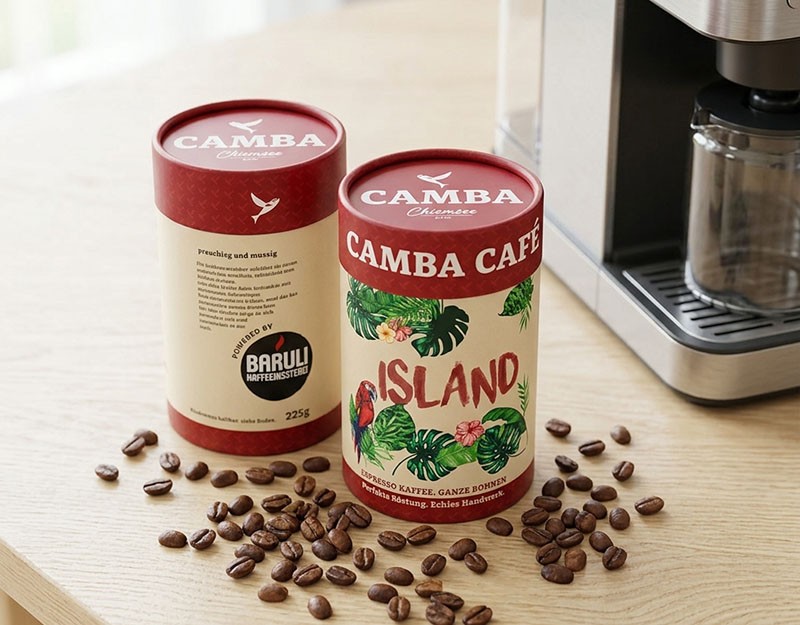
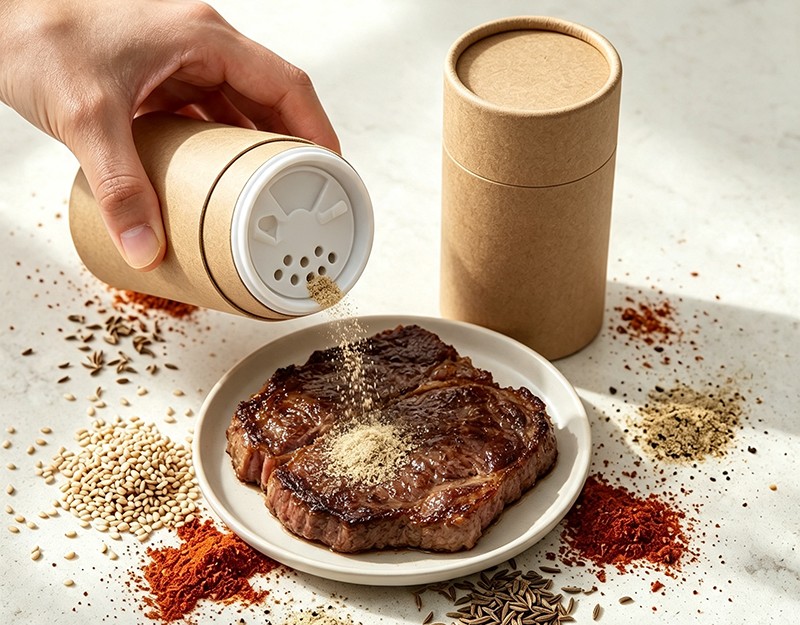
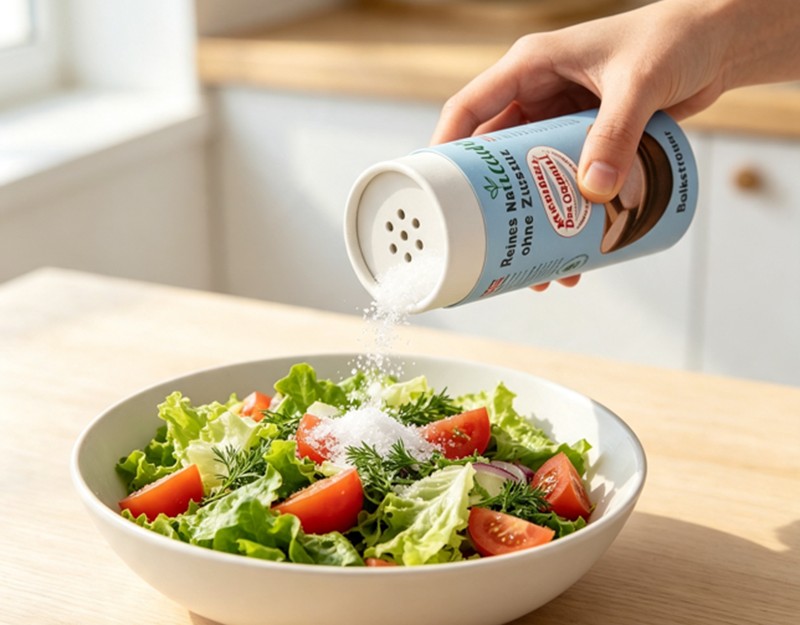
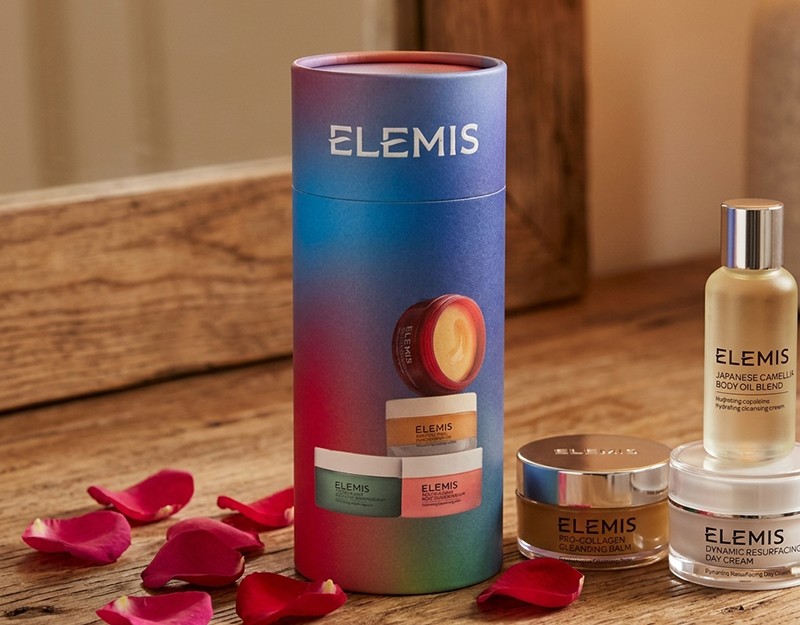
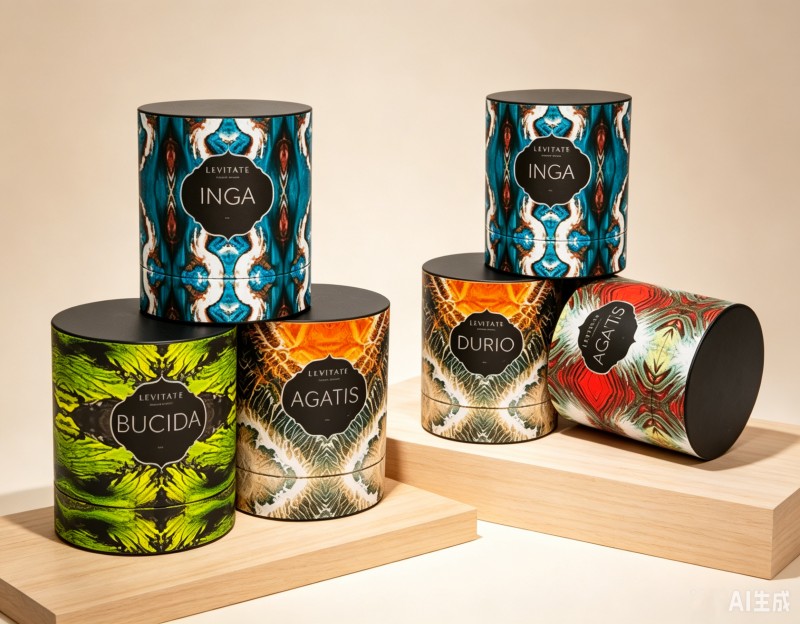
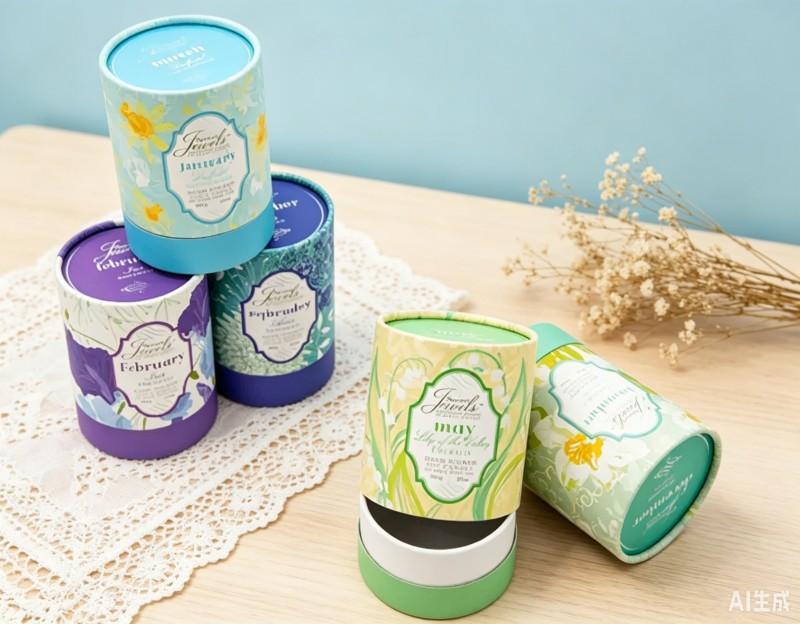
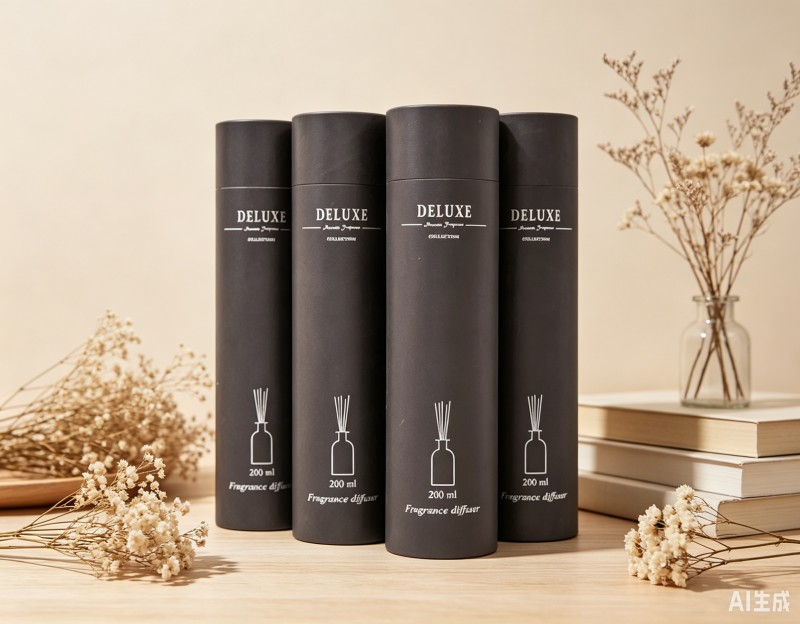
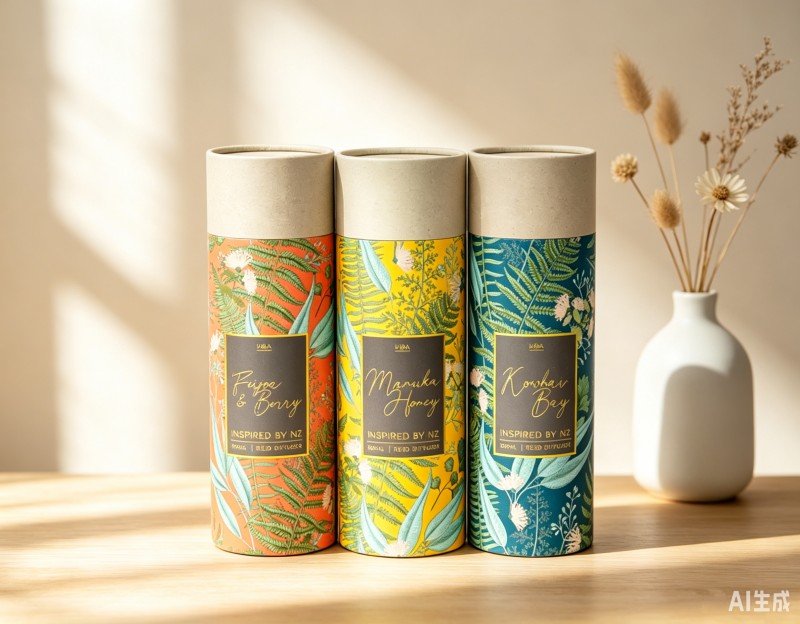
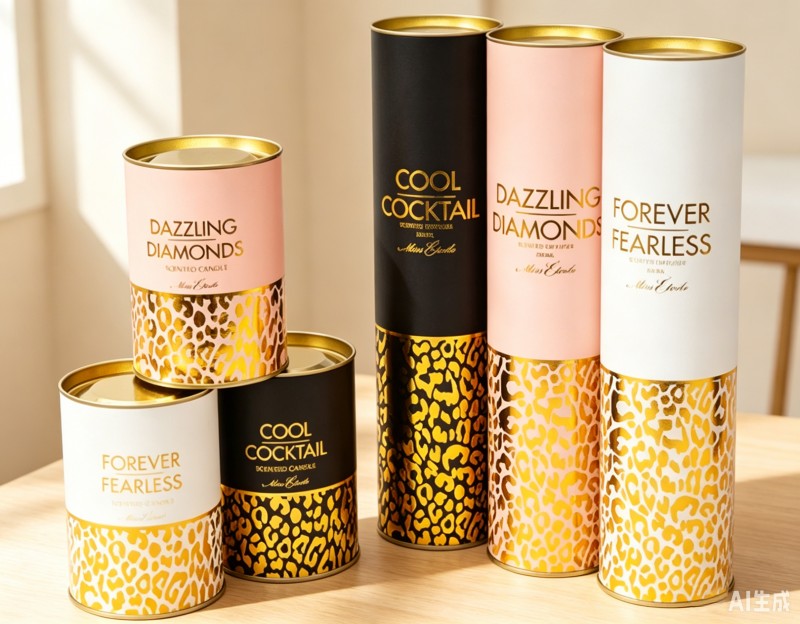
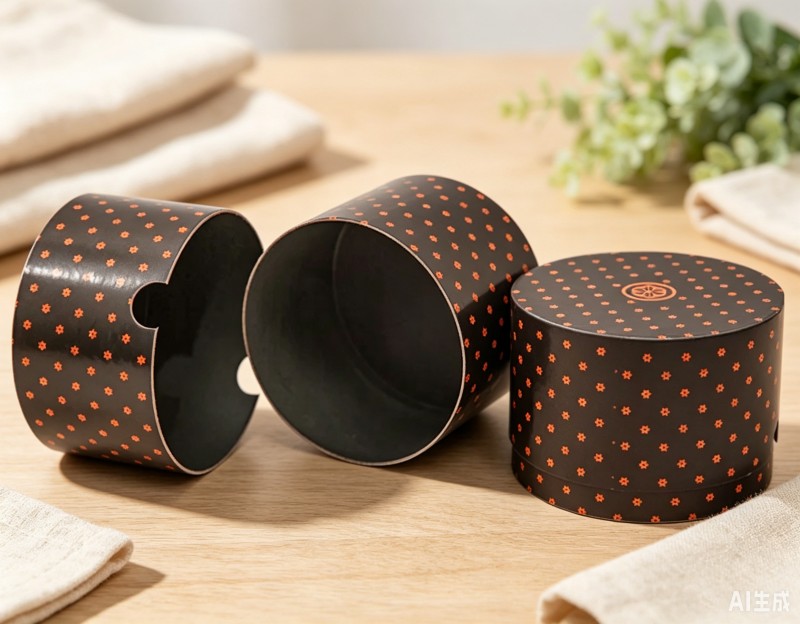
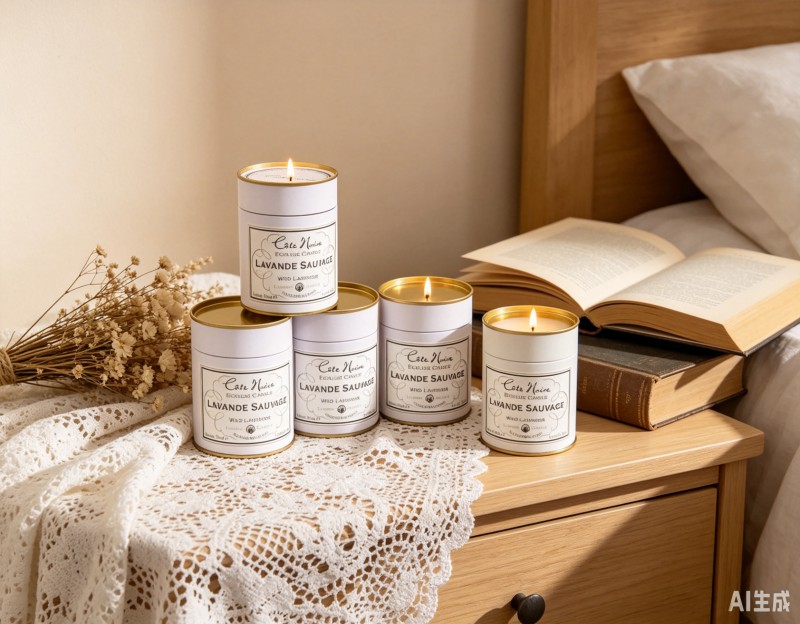

As one of the top China cardboard tube packaging manufacturers and paper tube packaging suppliers, we devote all of our efforts to research and launch more high quality packaging products to global market.
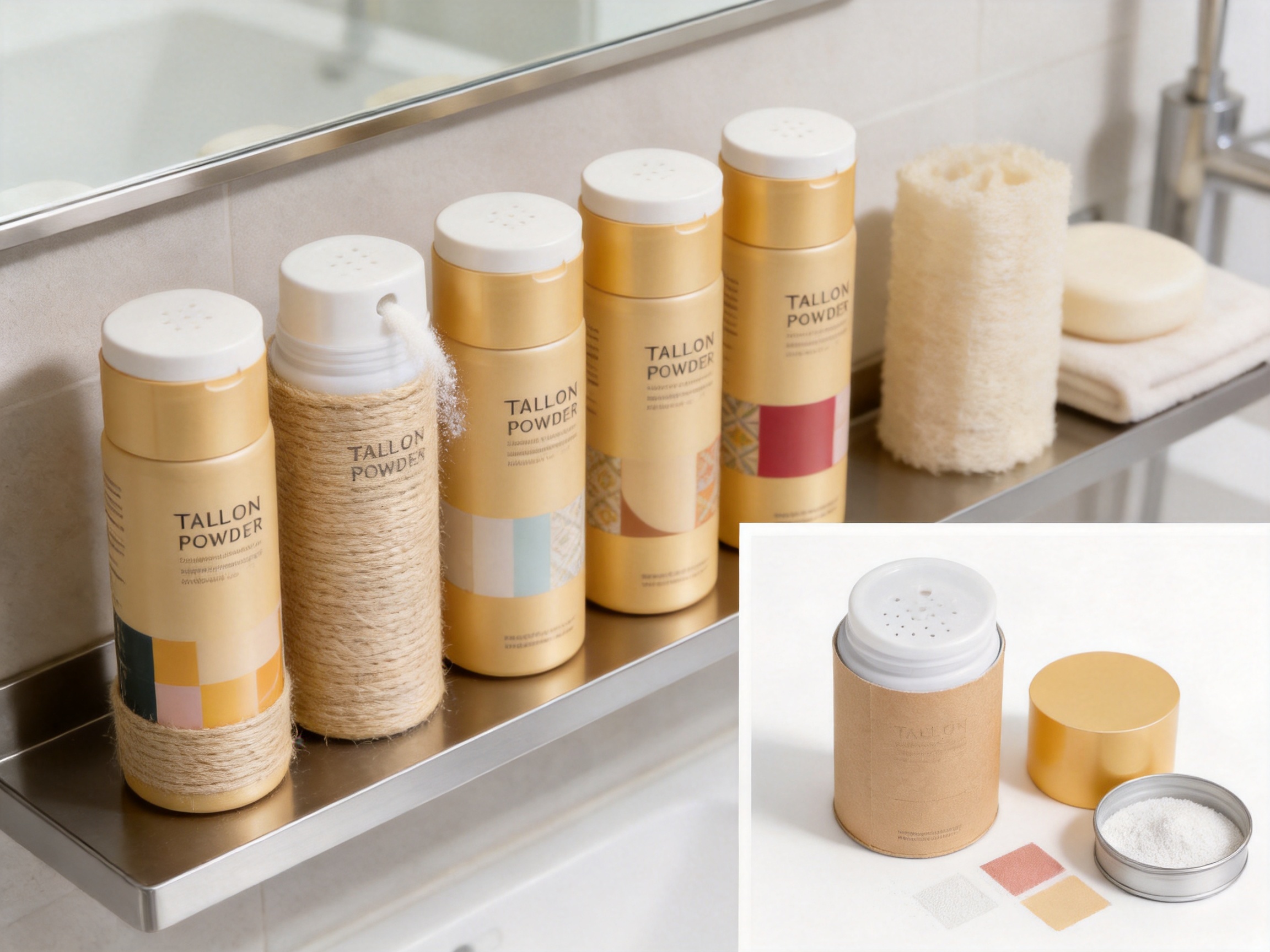
Packaging plays a decisive role in how talcum powder is stored, dispensed, transported, and presented to consumers. Although talcum powder is a familiar personal-care product, its fine texture creates specific packaging requirements. The container must protect the powder from moisture, contamination, crushing, and accidental leakage while also allowing users to dispense a controlled amount. At the same time, modern brands expect packaging to communicate product quality, support retail visibility, and respond to growing demand for more responsible material choices.
Talcum Powder Containers Dusting Powder Containers with Shaker Top are designed to address these needs through a composite structure that combines paper, plastic, and tin components. The cylindrical container is specified at ID65*120MM and can be customized with CMYK printing, customer logos, and other branded artwork. This format offers a practical balance between capacity, shelf presence, handling convenience, and manufacturing flexibility.
Produced by Hangzhou Qunle Packaging Co., Ltd., the container reflects more than two decades of experience in composite cans and paper cans. The manufacturer serves markets including food, daily chemical products, fast-moving consumer goods, cosmetics, and other packaged products. Its production capabilities, patented technologies, international equipment, and experience with major commercial partners provide a strong foundation for developing packaging that is both commercially attractive and technically functional.
This article examines the design, construction, advantages, applications, customization options, manufacturing process, quality considerations, and purchasing value of talcum powder containers with shaker tops. It also explains why a composite paper container can be a competitive alternative to conventional plastic jars, simple cardboard boxes, and less specialized packaging formats.
Content
- 1 Understanding the Product Format
- 2 Why Talcum Powder Requires Specialized Packaging
- 3 Construction and Functional Components
- 4 Advantages Compared with Conventional Packaging
- 5 Applications Beyond Talcum Powder
- 6 Customization Options for Private-Label Brands
- 7 Manufacturing Expertise and Production Strengths
- 8 Advanced Manufacturing Process
- 9 Quality Control Considerations
- 10 Designing for Powder Dispensing Performance
- 11 Environmental and Sustainability Considerations
- 12 Benefits for Different Commercial Channels
- 13 Advantages of Working with an Experienced OEM Manufacturer
- 14 Purchasing and Development Process
- 15 How the Product Supports Brand Differentiation
- 16 Technical Questions to Discuss Before Ordering
- 17 Q&A: Frequently Asked Questions
- 17.1 Q1: What is the main purpose of the shaker top?
- 17.2 Q2: What materials are used in this talcum powder container?
- 17.3 Q3: Can the container carry a customer’s logo?
- 17.4 Q4: Is CMYK printing available?
- 17.5 Q5: Is the ID65*120MM size fixed?
- 17.6 Q6: Can the package be used for products other than talcum powder?
- 17.7 Q7: Is a composite paper container stronger than a simple paperboard box?
- 17.8 Q8: Is it more environmentally friendly than an all-plastic container?
- 17.9 Q9: Can the shaker top be customized?
- 17.10 Q10: How can powder leakage be reduced?
- 17.11 Q11: What information should be sent when requesting a quotation?
- 17.12 Q12: Why is powder testing necessary before mass production?
- 17.13 Q13: Can the container be used for premium cosmetic products?
- 17.14 Q14: What manufacturing experience does the supplier provide?
- 17.15 Q15: What should be inspected after receiving the goods?
- 18 Why This Packaging Format Is a Competitive Choice
- 19 Conclusion
- 20 References
- 21 Product: Talcum Powder Containers Dusting Powder Containers
Understanding the Product Format
The product is a cylindrical talcum powder container intended for dusting powder and similar fine cosmetic powders. Its listed size is ID65*120MM, meaning that the internal diameter is approximately 65 millimeters and the height is approximately 120 millimeters. Exact external dimensions, filling volume, wall thickness, lid configuration, and tolerance requirements may be adjusted according to the customer’s product and filling line.
The container uses a composite material structure identified as PAPER+PLASTIC+TIN. Each material can contribute a different function. Paper forms the principal body and provides a printable, lightweight, and tactile exterior. Plastic can be used for functional parts such as the shaker top, inner dispensing component, cap, or protective fitting. Tin may contribute to structural reinforcement, barrier performance, or the formation of a stable inner or outer component depending on the selected construction.
This combination is particularly relevant for talcum powder because the product is sensitive to humidity and requires a clean dispensing environment. A properly engineered container can reduce the chance of powder escaping through unintended gaps, while the shaker top allows the user to control the amount released. The design can also support a separate cover that protects the dispensing holes during storage, transport, and everyday use.
The cylindrical shape is familiar to consumers and easy to handle. It can stand securely on a shelf, fit efficiently into cartons, and move smoothly through many filling, labeling, and packing operations. Compared with irregularly shaped cosmetic packaging, the cylinder also offers a large continuous surface for artwork, instructions, regulatory information, and brand identity.
Why Talcum Powder Requires Specialized Packaging
Fine powders behave differently from creams, liquids, and solid personal-care products. They can migrate into small openings, collect around threads, and become airborne when poured or shaken. If the container is not properly matched to the powder, the result may be messy dispensing, product loss, user dissatisfaction, or contamination.
Moisture control is another key concern. Talcum powder and related dusting powders can absorb humidity or form lumps when exposed to unsuitable storage conditions. Packaging should therefore provide a stable enclosure that helps limit exposure to external humidity. The level of protection required depends on the formula, filling conditions, intended shelf life, distribution environment, and any liner or closure system selected by the customer.
Consumers also expect a powder container to be clean and easy to use. A shaker top offers a more controlled dispensing experience than an open-mouth jar. Instead of requiring a separate spoon or allowing a large quantity to spill, the user can dispense a small amount through designed apertures. This is useful for personal care, baby-care applications where permitted by applicable requirements, foot powders, body powders, pet-care powders, and selected household dusting products.
From a brand perspective, the package must do more than contain the powder. It must preserve visual quality during transportation, provide enough room for product information, and create an appearance appropriate for the target market. The composite paper exterior is well suited to high-impact printed graphics and can give the product a warmer, more premium impression than an undecorated commodity container.
Construction and Functional Components
Composite Paper Body
The paper body forms the primary cylindrical structure. Composite paper can be engineered in multiple layers, with each layer selected for a specific purpose. Structural paper layers provide stiffness, while selected inner layers or coatings can help improve resistance to moisture, oils, and powder migration. The construction may be adjusted according to filling requirements and the desired balance between rigidity, weight, and cost.
Paper also offers an excellent printing surface. The outer layer can receive brand colors, product names, usage instructions, decorative patterns, ingredient information, barcodes, warnings, and other required content. Because the body is cylindrical, artwork should be prepared with consideration for panel alignment, seam location, top and bottom transitions, and the visual relationship between front and back information.
Plastic Shaker Top
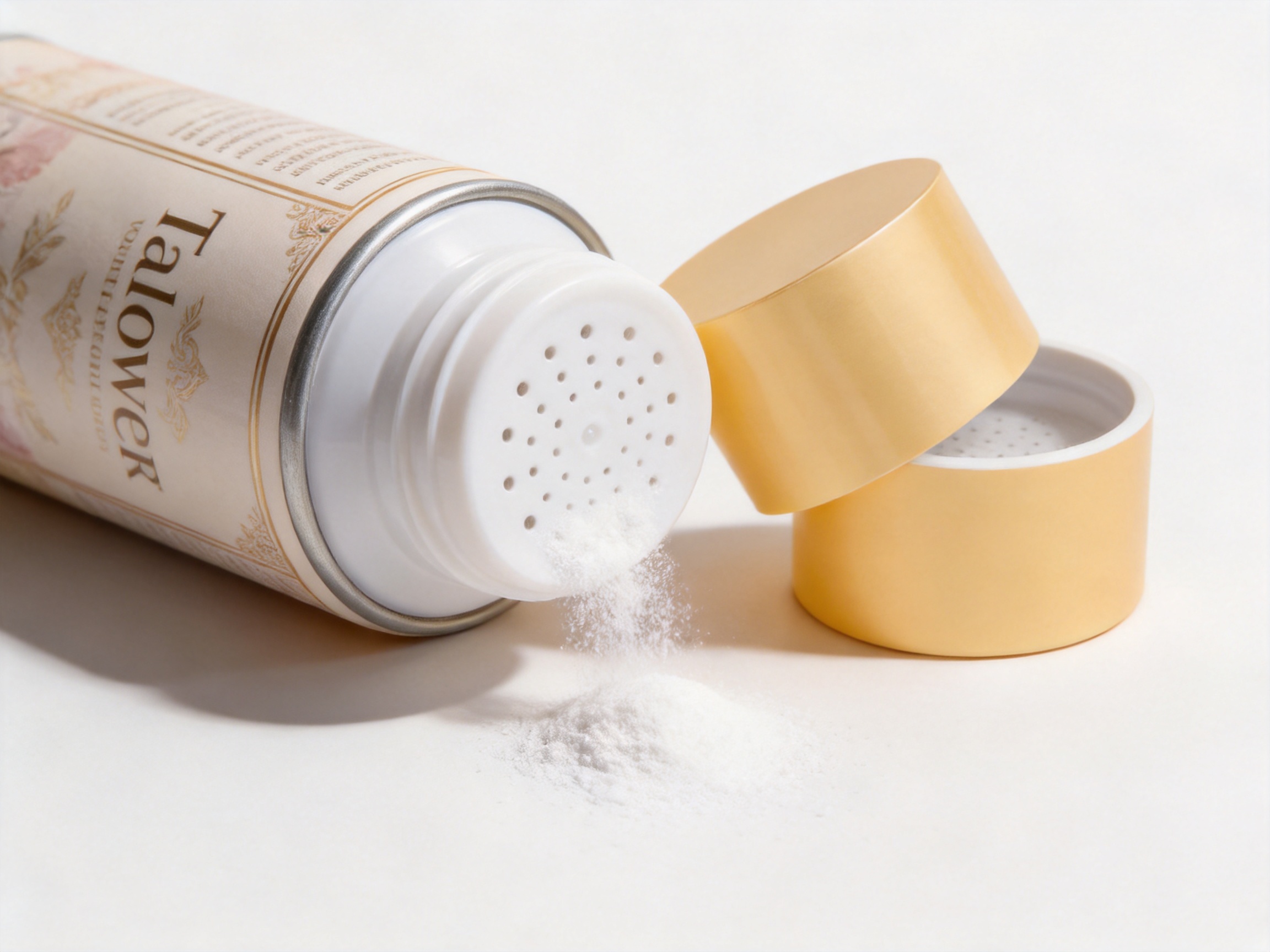
The plastic shaker top is the primary dispensing component. It may incorporate a perforated plate, rotating sifter, lift-off cover, or another customized mechanism. The exact design can be selected according to the powder’s particle size, flow characteristics, user expectations, and target price point.
A well-designed shaker top supports controlled release. The number, size, and arrangement of dispensing holes influence how much powder is delivered with each shake. A cap or cover can help protect the holes from dust, moisture, and accidental contact. The closure should also be evaluated for opening force, secure fit, repeat use, and compatibility with automated or manual assembly.
Tin Components
Tin can be incorporated where additional strength, dimensional stability, or barrier support is needed. Depending on the final structure, a tin element may reinforce the base, support the opening, or form part of an internal layer or closure assembly. Metal components can help maintain shape during handling and provide a firm interface for closure components.
The use of tin should be determined by the product’s technical requirements rather than by appearance alone. Customers may request different inner and outer structures depending on powder formulation, filling temperature, expected humidity, transport conditions, and compliance requirements. A qualified packaging manufacturer can help establish whether a tin component is necessary and where it provides the greatest value.
Advantages Compared with Conventional Packaging
More Distinctive Shelf Presentation
Many personal-care powders are packaged in standard plastic bottles with limited decorative differentiation. A printed paper tube creates a different visual and tactile experience. The cylindrical body can be fully decorated with CMYK graphics, making it possible to present a premium appearance, natural positioning, professional clinical styling, or playful consumer-oriented design.
The rounded form also creates continuous visibility from multiple shelf angles. When several containers are displayed together, the printed surfaces can create a cohesive brand block. This can be particularly valuable for product lines that include multiple fragrances, formulas, sizes, or uses.
Efficient Use of Material and Weight
Composite paper structures can reduce reliance on a thick, fully molded plastic body while retaining the rigidity required for normal use. Lower package weight may support more efficient transportation and easier consumer handling. The exact environmental benefit depends on the material ratio, coatings, components, production method, filling weight, and end-of-life system available in the destination market.
Compared with heavier rigid packaging formats, a paper-based cylindrical body can offer a favorable weight-to-volume relationship. This may help brands control logistics expenses and reduce the amount of material used per unit, especially when the design is optimized for the required performance rather than over-engineered.
Strong Branding Potential
CMYK printing allows complex images, gradients, illustrations, product benefits, and photographic-style graphics to appear on the exterior. The printing specification can be adapted to the brand’s color standards and market positioning. Customers can also add their own logo, making the package suitable for private-label, contract-manufactured, and original-brand products.
Unlike a plain container that depends heavily on a separate label, a printed paper body can make the packaging design feel integrated. This can improve perceived quality and create a stronger connection between the container and the product inside. Printed information can include directions, storage instructions, batch identification areas, recycling guidance, and required regulatory text.
Controlled Dispensing
The shaker-top format is one of the product’s most important functional advantages. A wide-open container can release too much powder at once, while a narrow opening may clog or dispense inconsistently. A shaker top is designed to create a more predictable flow and reduce unnecessary product waste.
Controlled dispensing is also beneficial in professional and commercial environments. Salons, spas, clinics, gyms, hotels, and personal-care retailers may prefer packaging that allows measured use and minimizes mess. The appropriate hole configuration should be tested with the actual powder formula before mass production because particle size, moisture content, and flowability can vary significantly.
Improved Handling and Storage
The cylindrical format is comfortable to grip and easy to place upright. A stable base helps reduce tipping on shelves and in bathroom cabinets. The protective closure can help prevent accidental opening during transport, while the composite structure can resist ordinary compression and handling better than a lightweight folding carton alone.
Packaging performance should always be verified through transport testing. Suitable tests may include vibration, compression, drop, stacking, cap retention, powder leakage, and exposure to temperature and humidity. The final test plan should reflect the product’s distribution route and the customer’s packaging specifications.
Applications Beyond Talcum Powder
Although the product is designed for talcum powder and dusting powders, a shaker-top container can serve other dry, free-flowing products when the materials and compliance requirements are appropriate. Potential applications include selected body powders, foot-care powders, cosmetic setting powders, hair powders, pet-care powders, and household powder products.
Cosmetic and skincare brands may use the format for products intended to be applied to the body, hands, feet, or other suitable areas. Pet-care brands may consider it for dry grooming products or odor-control powders, subject to formula compatibility and applicable safety requirements. Craft and specialty brands may also adapt the format for decorative or functional powders.
Not every powder is suitable for the same shaker design. Products containing oils, large particles, hygroscopic ingredients, or materials that bridge and compact may require a different dispenser. The manufacturer should receive product information during development so that the inner structure, hole pattern, liner, and closure can be evaluated correctly.
| Application | Potential Packaging Requirement | Important Evaluation Point |
|---|---|---|
| Talcum powder | Controlled shaker opening and moisture-conscious structure | Powder flow, dust control, and closure fit |
| Body dusting powder | Comfortable handling and attractive cosmetic graphics | Application quantity and user convenience |
| Foot powder | Secure cap and durable body | Repeated opening and closing |
| Pet-care powder | Clear usage instructions and robust packaging | Safety labeling and formula compatibility |
| Specialty dry products | Customized dispensing system | Particle size, moisture sensitivity, and filling method |
Customization Options for Private-Label Brands
The listed product is designed for OEM customization. This means brands can adapt the container to their own identity, product formula, market, and sales channel. Customization can begin with the external dimensions and continue through printing, closure color, cap style, inner fitting, base construction, and packaging presentation.
Dimensions and Capacity
The reference specification is ID65*120MM, but dimensions may be discussed according to the required filling volume and available shelf space. A customer should provide the target net weight, powder density, filling method, and desired headspace. Because different powders have different bulk densities, identical dimensions will not necessarily produce the same net fill weight.
Height and diameter also influence user experience. A taller container may create a stronger shelf presence and provide a larger printing area, while a shorter container may be easier to store in compact cabinets. The ideal format should consider hand comfort, carton dimensions, shipping efficiency, retail display, and the intended use environment.
Printing and Graphic Design
CMYK printing is specified for this product. The artwork can be developed to support the brand’s visual system, whether that involves clean minimalism, botanical imagery, clinical communication, luxury styling, or bright family-oriented graphics. A complete artwork file should include accurate dimensions, bleed allowances, safe zones, color references, text outlines where appropriate, barcode specifications, and seam positioning.
It is advisable to request a proof before production. A digital proof can confirm layout and text, while a physical proof or production sample can provide a better indication of color, surface finish, fit, and overall appearance. The final result may be influenced by the paper surface, ink coverage, protective coating, and curvature of the tube.
Logo and Brand Identity
The container supports a customer’s logo and other brand-related elements. A logo can be positioned prominently on the front panel, repeated around the circumference, or integrated into a pattern. Product names should be legible at normal shelf distance, and important instructions should be placed where users can find them easily.
For a product line, consistent dimensions and graphic rules can help create a recognizable family appearance. Different powder variants can be identified through color coding, fragrance names, illustrations, or organized information panels while retaining the same basic package architecture.
Shaker Top and Closure Design
Customers may be able to select closure colors, surface finishes, cover styles, and dispensing-hole configurations. The choice should be guided by product performance rather than aesthetics alone. A visually attractive cap is valuable, but it must also remain secure, function reliably, and withstand the expected number of opening cycles.
For products used in humid bathrooms or other demanding environments, the closure and interface should be assessed carefully. The design should minimize powder accumulation around the opening and reduce the possibility of moisture entering the container. If an inner seal is required, its material and application method should be included in the development plan.
Manufacturing Expertise and Production Strengths
Hangzhou Qunle Packaging Co., Ltd. has been engaged in the composite can and paper can industry for more than 20 years. This duration provides experience across material selection, structural design, printing, forming, closure assembly, quality control, and customer service. Long-term specialization is particularly valuable for composite packaging because performance depends on the interaction of several layers and components rather than on one material alone.
The company is identified as the only member of the international Composite Can and Tube Institute in China’s packaging container industry. Participation in an international industry organization can support technical communication, awareness of industry developments, and connection with packaging standards and professional practices.
The company also states that it introduced a high-speed composite can production line from Europe in 2015. High-speed production equipment can improve manufacturing consistency, output capacity, process stability, and repeatability when properly operated and maintained. It may also support more efficient production planning for larger orders and recurring programs.
More than 10 patented technologies are associated with the company’s packaging development activities. Patents alone do not guarantee that every product will outperform every alternative, but they indicate a continuing investment in research, process improvement, and proprietary technical solutions. For customers developing a new package, this technical background can be useful when a standard container requires modification.
The manufacturer’s packaging business covers food, daily chemical products, fast-moving consumer goods, and other categories. Experience across these sectors can strengthen quality awareness because different markets impose different requirements for appearance, barrier performance, filling efficiency, durability, and product protection.
The company was the first enterprise in China to pass the QS certificate for producing food packaging containers, according to the supplied company information. Although the talcum powder container is intended for cosmetics and personal-care applications rather than food, a history of working with regulated packaging categories demonstrates familiarity with controlled production and documentation requirements. Customers should still confirm the specific certifications, declarations, and test reports needed for their own market.
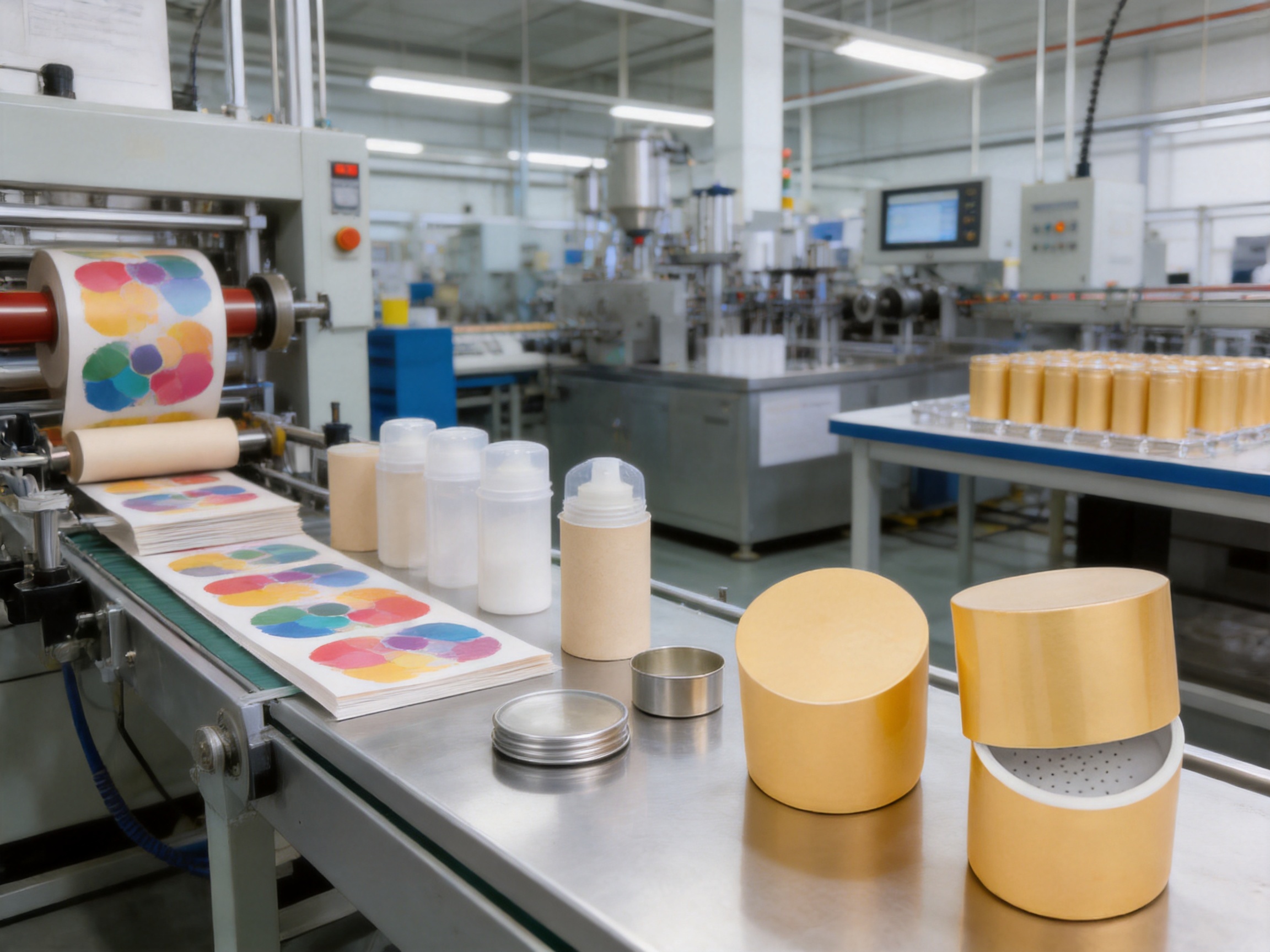
Advanced Manufacturing Process
The exact production sequence may vary according to the selected structure, but a composite talcum powder container commonly involves several coordinated stages. Each stage should be controlled because defects in one layer or component can affect the final container’s appearance and performance.
1. Requirement Review and Structural Design
Manufacturing begins with an evaluation of the customer’s product and market requirements. Relevant information includes powder composition, particle size, moisture sensitivity, target net weight, filling process, expected shelf life, distribution conditions, closure preference, artwork requirements, order quantity, and destination-market regulations.
Engineers then determine the appropriate body structure, internal diameter, height, wall thickness, base style, top interface, shaker design, and closure method. At this stage, the manufacturer can identify potential problems such as insufficient headspace, unsuitable hole size, cap interference, weak seam areas, or excessive material use.
2. Paper and Component Preparation
Paper stock, plastic parts, tin components, adhesives, coatings, and printing materials are prepared according to the approved specification. Material selection should consider stiffness, surface quality, moisture behavior, compatibility, and appearance. Incoming materials may be checked for dimensions, color, surface defects, and other defined criteria.
For customized projects, component colors and printed materials should be matched against approved references. This is especially important when the same package will be produced over multiple batches. A documented approval process helps reduce variation between initial production and later replenishment orders.
3. Printing and Surface Finishing
The outer paper material is printed using the approved CMYK artwork. Printing control can include registration accuracy, color consistency, ink adhesion, text clarity, barcode readability, and the absence of smearing or pinholes. Depending on the desired appearance, a protective coating or finish may be added.
Surface finishing can influence both appearance and handling. A matte finish may create a soft, understated appearance and reduce glare, while a gloss finish can increase color intensity and visual brightness. The selection should also consider scuff resistance, fingerprint visibility, and the customer’s brand positioning.
4. Tube Forming
The printed paper material is formed into a cylindrical body. The winding, bonding, and seam-forming process must maintain consistent diameter and roundness. Accurate forming supports smooth assembly with the shaker top and cap, reduces the risk of uneven gaps, and improves the appearance of the finished package.
Dimensional control is important because even small variations can affect closure fit. Typical checks may include internal diameter, external diameter, height, roundness, seam condition, base alignment, and compression strength. The appropriate tolerances should be agreed upon during technical development.
5. Base and Inner Structure Assembly
The bottom of the container is assembled to create a stable, closed structure. Depending on the design, the base may include paperboard layers, tin reinforcement, a composite disc, or another engineered component. The bottom must remain secure during filling, transport, storage, and repeated use.
Internal layers or liners may be added where the formula requires improved protection. The selected material should be compatible with the powder and should not create unwanted odor, migration, delamination, or changes in product quality. Testing with the actual formula is recommended rather than relying only on general material assumptions.
6. Shaker Top and Cap Assembly
The shaker top is fitted to the container body, followed by the protective cap or other closure component. Assembly equipment and tooling should be adjusted to achieve consistent seating without deforming the paper body or damaging the printed surface.
Functional checks may include cap retention, opening force, closing force, shaker-hole alignment, dispensing performance, leakage resistance, and resistance to accidental opening. These tests help ensure that the container is not only attractive but also practical for consumers and filling operations.
7. Inspection and Packing
Finished containers are inspected for visual and functional quality. Inspection can identify printing defects, scratches, dents, uneven seams, incorrect components, loose closures, dimensional deviations, and contamination. Products that do not meet the agreed specification should be separated according to the manufacturer’s quality procedures.
Approved containers are packed to prevent crushing, abrasion, moisture exposure, and mixing of different versions. Export packing should take account of the expected transportation route, container loading method, climate, and warehouse conditions. Carton labeling can help identify item codes, quantities, production batches, and customer references.
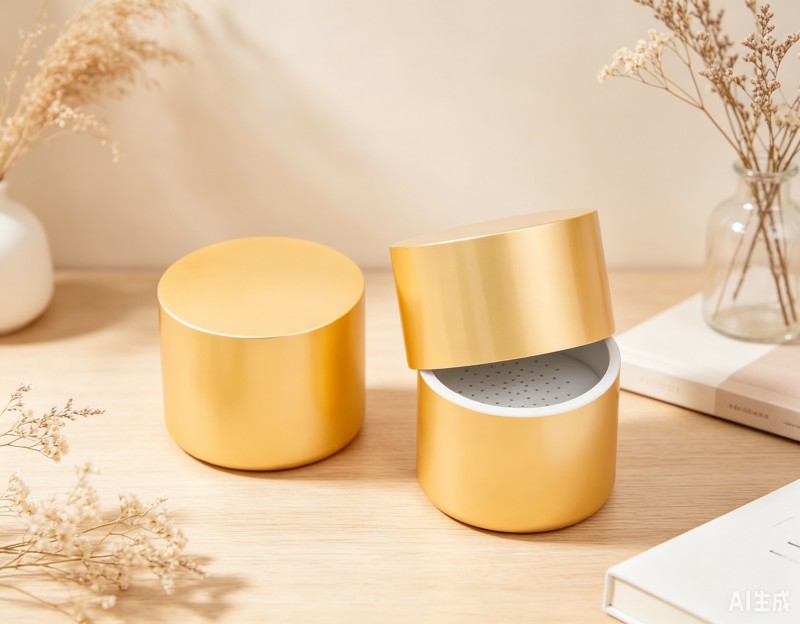
Talcum Powder Containers Dusting Powder Containers
Quality Control Considerations
Quality control for talcum powder containers should cover both appearance and performance. A package can look excellent but fail during filling or use if the shaker top is not compatible with the product. Conversely, a technically strong container may not meet the brand’s visual expectations. A balanced inspection plan should therefore include objective measurements and practical use testing.
| Quality Area | Typical Check | Why It Matters |
|---|---|---|
| Dimensions | Internal diameter, height, wall thickness, and roundness | Supports filling, stacking, and closure compatibility |
| Printing | Color, registration, text clarity, and artwork position | Protects brand presentation and information accuracy |
| Body strength | Compression, dent resistance, and seam integrity | Reduces damage during handling and shipping |
| Closure | Fit, retention, opening force, and repeat-use performance | Helps prevent accidental opening and leakage |
| Dispensing | Powder flow, dose consistency, and hole blockage | Improves user convenience and controls product waste |
| Barrier behavior | Humidity exposure and storage evaluation | Helps maintain powder condition during shelf life |
Sampling standards and acceptance limits should be defined before mass production. Customers may request pre-production samples, golden samples, first-article approval, batch inspection reports, or third-party testing. The appropriate level of documentation depends on order size, market requirements, product risk, and the relationship between the brand and packaging supplier.
It is also important to evaluate filled samples rather than empty containers only. Filling the actual talcum powder can reveal issues that are not visible during empty-package inspection. These may include slow flow, excessive dust, powder accumulation beneath the cap, unexpected settling, odor transfer, or difficulty removing the shaker top.
Designing for Powder Dispensing Performance
Dispensing performance depends on the interaction between the container and the powder. Particle size distribution, bulk density, moisture content, electrostatic behavior, and the presence of fragrances or additives can all affect flow. A shaker top that works well for one formula may not deliver the same result for another.
Testing should measure the approximate quantity released during normal use. This can involve shaking the container at defined angles and frequencies, using representative consumers or a controlled test method. The purpose is not necessarily to create an exact pharmaceutical dose, but to achieve a predictable and comfortable amount for the intended application.
Hole diameter and hole count should be considered together. Small holes may provide better control but can clog if the powder contains larger particles or absorbs moisture. Larger holes may improve flow but can release too much product. Some designs use a rotating or sliding cover to allow the user to open and close the dispensing area more securely.
The container should also be tested after repeated use. Powder can accumulate around the holes, the cap can become dusty, and the user may handle the package with damp hands. Repeated opening and closing helps determine whether the closure remains secure and whether the package continues to dispense effectively over its intended life.
Environmental and Sustainability Considerations
The paper-based body can support sustainability goals by incorporating a renewable fiber-based component and potentially reducing the amount of solid plastic used compared with an all-plastic bottle. However, environmental performance should be assessed holistically. The full structure includes paper, plastic, tin, adhesives, inks, coatings, and possibly liners, so recyclability may depend on local collection and separation systems.
Brands should avoid making broad environmental claims without supporting evidence. A responsible evaluation may consider material weight, recycled content, renewable fiber sourcing, manufacturing energy, transportation efficiency, product protection, package-to-product ratio, and end-of-life options. The most sustainable package is not simply the one with the least material; it must also protect the product and avoid premature waste.
Material reduction can be explored through structural optimization. Engineers may adjust wall thickness, base design, component size, and closure weight while preserving required strength. Efficient nesting in shipping cartons can also reduce unused space and improve transport utilization.
Customers interested in environmental improvements should discuss available paper grades, recycled or certified fiber options, water-based or lower-impact coatings where suitable, and local disposal expectations. The compatibility of these choices with powder protection, printing quality, and shelf life must be confirmed through testing.
Because composite packages can be difficult to separate, disposal instructions should be developed according to the target market. In some regions, composite packaging may be handled through specialized recovery systems; in others, it may be classified according to the dominant material or sent to general waste. Clear and accurate communication is preferable to unsupported recyclability statements.
Benefits for Different Commercial Channels
Retail Shelves
For physical retail, the container’s cylindrical profile and full-surface printing create strong visibility. The package can stand upright and display the product name, logo, and variant information without requiring a large secondary display. Its shape can also help retailers organize multiple units in a compact footprint.
E-Commerce
Online products still depend on physical packaging because customers receive and handle the container after purchase. A well-protected composite body and secure cap can reduce the risk of damage or powder leakage in parcel delivery. The printed package also supports unboxing and gives the product a more complete branded experience.
Professional Distribution
Spas, salons, hotels, clinics, and personal-care service providers may value functional dispensing and clean storage. An OEM package can be adapted to professional product lines, promotional kits, refill programs, or private-label services. The customer may also request outer cartons or multipack configurations suited to professional procurement.
Promotional and Gift Sets
The container can be combined with soaps, bath products, skincare items, grooming accessories, or travel products. Its attractive printed surface makes it suitable for themed gift sets and seasonal launches. Consistent decoration across a set can help create a unified presentation without requiring a completely different primary package for every product.
Advantages of Working with an Experienced OEM Manufacturer
Developing a customized container involves more than selecting a shape from a catalog. A specialized manufacturer can coordinate structural engineering, material selection, artwork adaptation, tooling, sampling, production, inspection, and shipment. This reduces the number of separate suppliers a brand must manage.
Experience with composite cans helps the manufacturer anticipate common problems. These may include paper splitting during forming, uneven seams, poor cap retention, inaccurate artwork placement, base deformation, moisture exposure, and inconsistent dispensing. Identifying these risks early can shorten the development cycle and reduce costly changes after production begins.
An experienced supplier can also help align the package with the customer’s filling equipment. The outer diameter, top interface, closure assembly, and container rigidity may affect automated handling. Early communication between the packaging manufacturer and filling facility can prevent incompatibility and improve line efficiency.
Long-term manufacturing experience may support better continuity for repeat orders. Once the specification, artwork, component list, and approved sample are established, future production can follow a controlled reference. This is useful for brands that plan to expand distribution or maintain a product line over several years.
Purchasing and Development Process
A successful project should begin with a clear technical brief. The buyer should provide the intended product category, powder characteristics, net fill weight, target dimensions, closure preference, annual volume, initial order quantity, destination market, artwork requirements, and expected delivery schedule.
The manufacturer can then recommend a suitable structure and prepare preliminary specifications. At this stage, customers should ask about minimum order quantities, sampling charges, tooling requirements, production lead time, packaging methods, inspection procedures, available certifications, and shipping terms.
Samples should be evaluated in three ways. First, inspect the visual appearance and dimensions. Second, fill the container with the actual or representative powder. Third, conduct practical handling and transport tests. A sample that looks correct when empty may behave differently after filling, sealing, shipping, and repeated use.
Before mass production, the customer should approve a final reference sample and artwork proof. Any changes made after approval should be documented because even a small adjustment to the cap, paper structure, printing surface, or base can affect cost and performance.
For repeat orders, the buyer should maintain a packaging specification that records dimensions, material structure, artwork version, color standards, closure details, inspection limits, carton quantity, and labeling requirements. This document provides a common reference for both the supplier and the brand’s quality team.
How the Product Supports Brand Differentiation
In the personal-care market, packaging is often the first physical evidence of product positioning. A composite paper container can communicate several messages at once: practical functionality through the shaker top, quality through a stable cylindrical structure, sustainability awareness through the paper component, and brand recognition through customized CMYK printing.
The package can be designed for different market segments. A minimalist package with restrained colors may suit premium skincare. Botanical artwork and muted tones may support a natural-care concept. Bright graphics can appeal to family or value-oriented products. Professional typography and clean information hierarchy can make the product appropriate for salon or clinical channels.
Because the container is fully customizable, the brand does not have to accept a generic appearance. The package can be adapted to local languages, regional preferences, seasonal campaigns, promotional editions, and product variants. This flexibility helps companies launch differentiated products without changing the fundamental dispensing format.
Technical Questions to Discuss Before Ordering
What is the required filling weight?
Customers should provide the target net weight and, if possible, the powder’s bulk density. This information helps determine the internal volume and headspace. The ID65*120MM reference size may be suitable for a particular filling range, but the final capacity should be confirmed through a filled sample.
What type of shaker top is preferred?
The buyer should identify whether a lift-off sifter, snap-fit shaker, rotating closure, or another design is required. The choice depends on the desired user experience, powder flow, production method, and cost target.
Does the powder require additional moisture protection?
Some formulas may require an inner liner, seal, coating, or other barrier feature. The correct solution depends on the formula and shelf-life target. Testing under representative temperature and humidity conditions is recommended.
Will the container be filled manually or automatically?
Filling equipment can influence the required dimensional tolerances, top opening, body stiffness, and assembly sequence. Providing equipment details early allows the package to be designed for smoother production.
What artwork information is needed?
The customer should prepare the logo, product name, ingredient or material information, usage instructions, warnings, barcode, contact information, and any legally required markings. The manufacturer can provide a dieline or print template for artwork preparation.
How should the finished package be transported?
Shipping conditions affect carton design, stacking strength, moisture protection, and internal separation. The supplier should know whether the containers will be transported by sea, air, rail, or road and whether they will pass through humid or cold environments.
Q&A: Frequently Asked Questions
Q1: What is the main purpose of the shaker top?
The shaker top controls how talcum powder exits the container. It allows the user to release a smaller and more manageable amount than an open-mouth container, helping reduce spills and unnecessary product waste. The exact dispensing result depends on the powder formula and the hole configuration.
Q2: What materials are used in this talcum powder container?
The listed material structure is PAPER+PLASTIC+TIN. The paper forms the principal cylindrical body, while plastic and tin can provide dispensing, closure, structural, or barrier functions. The exact position and thickness of each component should be confirmed in the technical specification for the selected version.
Q3: Can the container carry a customer’s logo?
Yes. The product is offered for OEM customization and supports a customer’s logo. Brand artwork, product information, colors, and other printed elements can be developed according to the approved printing template.
Q4: Is CMYK printing available?
Yes. CMYK printing is listed as the printing method. Customers should submit suitable artwork and review a proof before production to confirm color, alignment, text, and image quality.
Q5: Is the ID65*120MM size fixed?
It is the listed reference size, not necessarily the only available option. Final dimensions may be discussed according to the required filling weight, powder density, shelf space, closure, filling equipment, and transport requirements.
Q6: Can the package be used for products other than talcum powder?
It may be suitable for other free-flowing dry powders, including selected body powders, foot powders, cosmetic powders, and pet-care powders. Compatibility must be verified because different powders have different flow, moisture, particle-size, and safety characteristics.
Q7: Is a composite paper container stronger than a simple paperboard box?
A formed composite cylinder generally provides greater structural continuity and better resistance to ordinary handling than a simple folding carton. Its performance depends on the selected layers, wall thickness, seam, base, and closure. The final package should be tested for the intended distribution conditions.
Q8: Is it more environmentally friendly than an all-plastic container?
The paper component may reduce the amount of solid plastic and add a renewable fiber-based element. However, the environmental result depends on the entire composite structure, production process, transport, durability, and local disposal system. Brands should obtain specific information before making environmental claims.
Q9: Can the shaker top be customized?
Customization may be possible for cap color, closure style, dispensing-hole pattern, and related components. The available options should be confirmed based on order volume, tooling, formula behavior, and performance requirements.
Q10: How can powder leakage be reduced?
Leakage control depends on the fit between the body, shaker top, cap, and any inner seal. Correct assembly, suitable tolerances, secure closure retention, and transport testing are important. Filled samples should be evaluated under vibration and handling conditions.
Q11: What information should be sent when requesting a quotation?
A useful quotation request includes product type, target filling weight, estimated quantity, desired size, material preference, printing requirements, shaker-top style, destination country, packing expectations, and delivery schedule. Supplying complete information helps the manufacturer provide a more accurate recommendation.
Q12: Why is powder testing necessary before mass production?
Powder behavior varies widely. Testing confirms whether the product flows through the shaker holes, whether it clogs, whether the dose is comfortable, and whether the container protects the powder during storage. It also helps reveal issues that cannot be identified by inspecting an empty package.
Yes. The cylindrical paper body provides a broad printing surface and can be finished with graphics appropriate for premium skincare, body-care, spa, or specialty cosmetic products. Surface finish, component color, artwork quality, and closure design all contribute to the final appearance.
Q14: What manufacturing experience does the supplier provide?
Hangzhou Qunle Packaging Co., Ltd. reports more than 20 years of experience in composite cans and paper cans. The company also reports international industry participation, European high-speed production equipment introduced in 2015, more than 10 patented technologies, and experience serving food, daily chemical, fast-moving consumer goods, and other packaging markets.
Q15: What should be inspected after receiving the goods?
Customers should inspect carton condition, quantity, dimensions, print quality, cap fit, body integrity, component matching, and visible contamination. A sample should be filled and used to check dispensing, closure performance, and powder condition. Any problems should be recorded with batch information and photographs for supplier review.
Why This Packaging Format Is a Competitive Choice
The main competitive strength of the talcum powder container is the way it combines several functions in one practical format. It is not merely a paper tube, and it is not simply a plastic shaker bottle. Its composite body, plastic dispensing system, and tin-related structural options can be coordinated to meet the needs of a fine powder product.
Compared with a basic cardboard carton, the cylindrical composite container offers a more complete enclosure and a more convenient dispensing experience. Compared with an ordinary plastic jar, it offers a broader printed paper surface and a distinctive tactile identity. Compared with a simple open-top package, it provides better control over product release and everyday handling.
Its OEM capability is also important for competitive positioning. Brands can select dimensions, graphics, logo placement, closure details, and product-line styling rather than competing with an identical stock appearance. This flexibility is valuable for contract manufacturers, emerging skincare companies, established consumer brands, and distributors seeking a private-label product.
The manufacturer’s industry experience adds another advantage. Composite packaging requires control over forming, bonding, printing, component fit, and dimensional consistency. A supplier that has specialized in this category for more than two decades can provide a stronger technical foundation than a general packaging vendor with limited experience in paper cans.
Conclusion
Talcum Powder Containers Dusting Powder Containers with Shaker Top provide a practical packaging solution for fine cosmetic powders. The ID65*120MM cylindrical format offers stable handling, a substantial printable surface, and compatibility with a wide range of retail and professional applications. Its PAPER+PLASTIC+TIN construction combines the visual and material advantages of a paper body with the functional possibilities of plastic and tin components.
The shaker top is central to the package’s value. It supports controlled dispensing, helps reduce spills, and creates a cleaner user experience than many open-mouth formats. When paired with a secure cap and a properly engineered body, it can protect the product during storage and repeated use.
Customization through CMYK printing and customer logos enables brands to build a distinctive appearance. Dimensions, closure styles, artwork, finishes, and internal features can be reviewed according to the powder formula, filling equipment, target market, and commercial objectives.
Hangzhou Qunle Packaging Co., Ltd. brings more than 20 years of composite can and paper can experience to this product category. Its industry participation, European high-speed production line, patented technologies, regulated packaging background, and cooperation with recognized companies demonstrate a manufacturing platform capable of supporting customized packaging development.
For the best results, customers should treat the container as a complete packaging system rather than selecting dimensions alone. Powder testing, closure evaluation, transport testing, artwork approval, and quality documentation are all important steps. With the correct technical development process, this composite talcum powder container can help brands improve product protection, dispensing convenience, shelf impact, and packaging differentiation.
References
1. Supplier-provided product specification for Talcum Powder Containers Dusting Powder Containers with Shaker Top.
2. Supplier-provided company profile for Hangzhou Qunle Packaging Co., Ltd.
3. General principles of composite can and paper tube packaging design.
4. General packaging quality-control practices for dry powder containers.
5. General considerations for package dispensing, moisture protection, transport testing, and material evaluation.
