 English
 Español

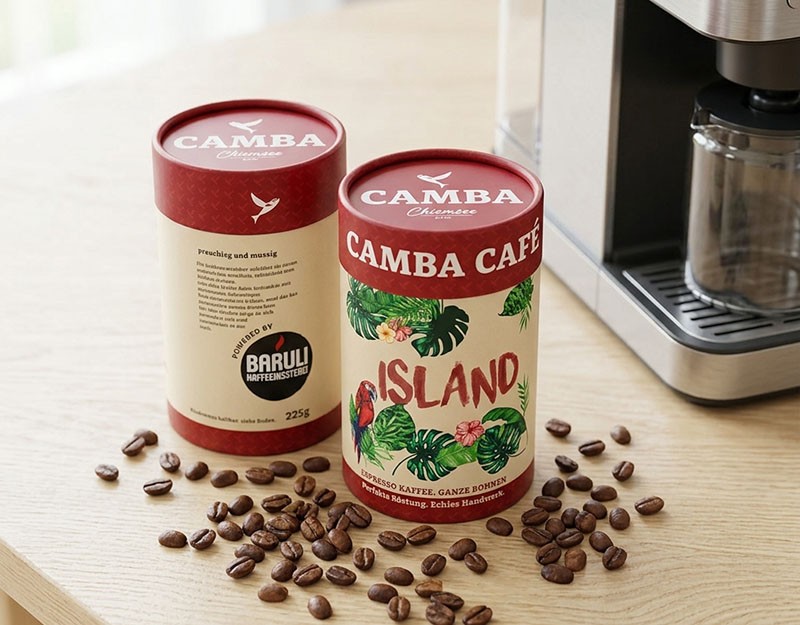
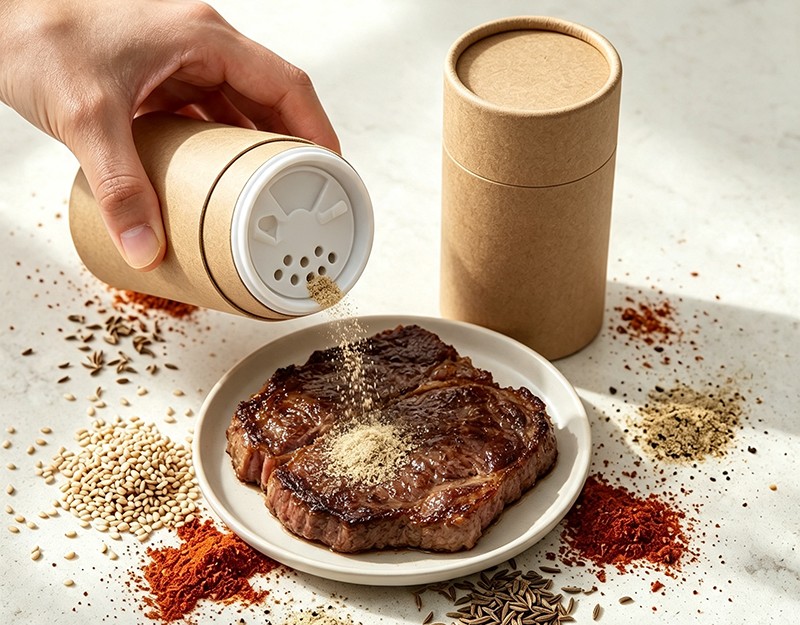

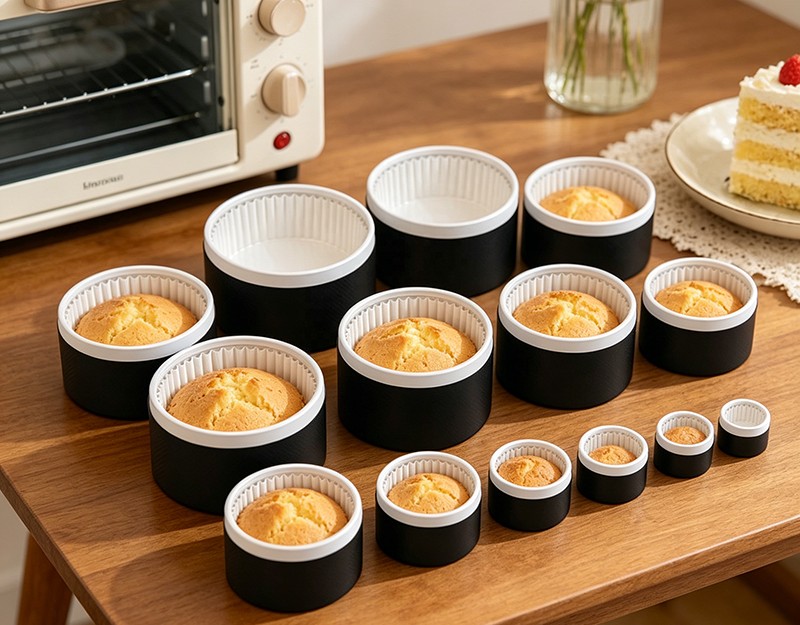
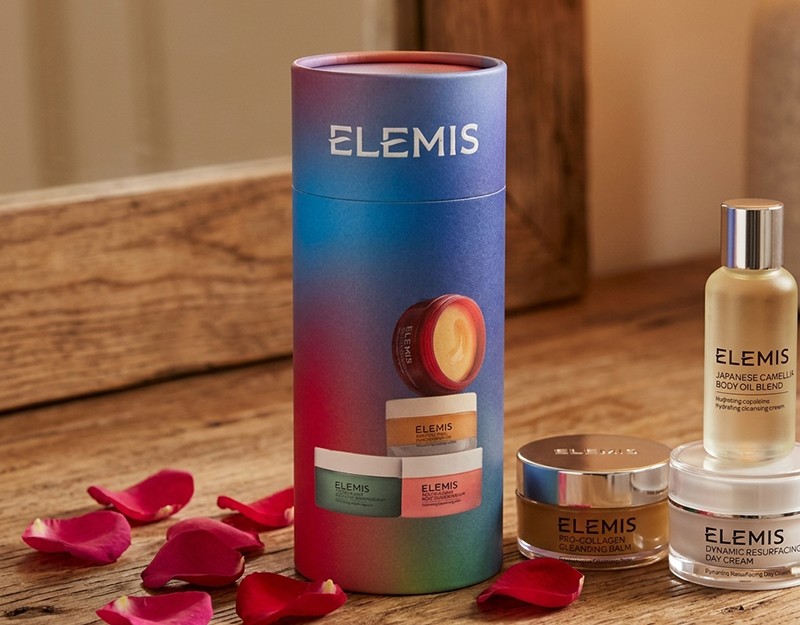
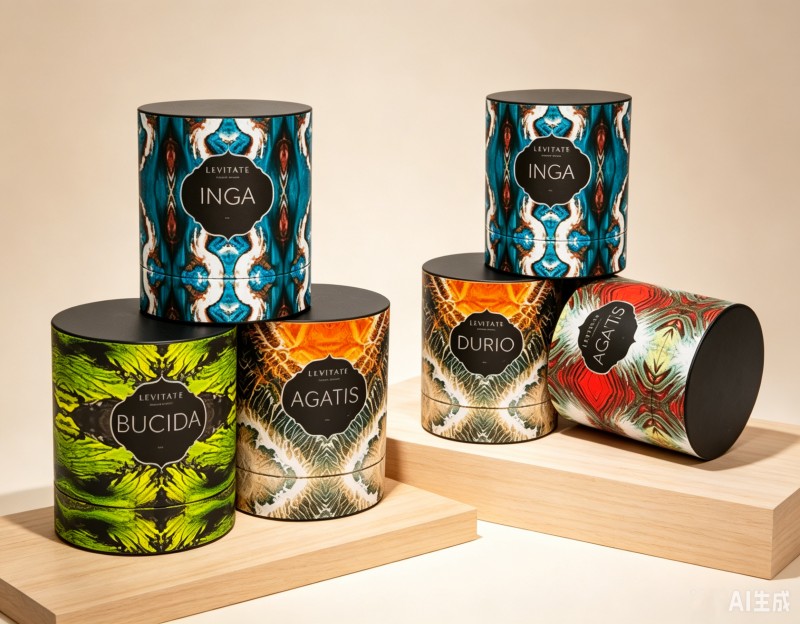
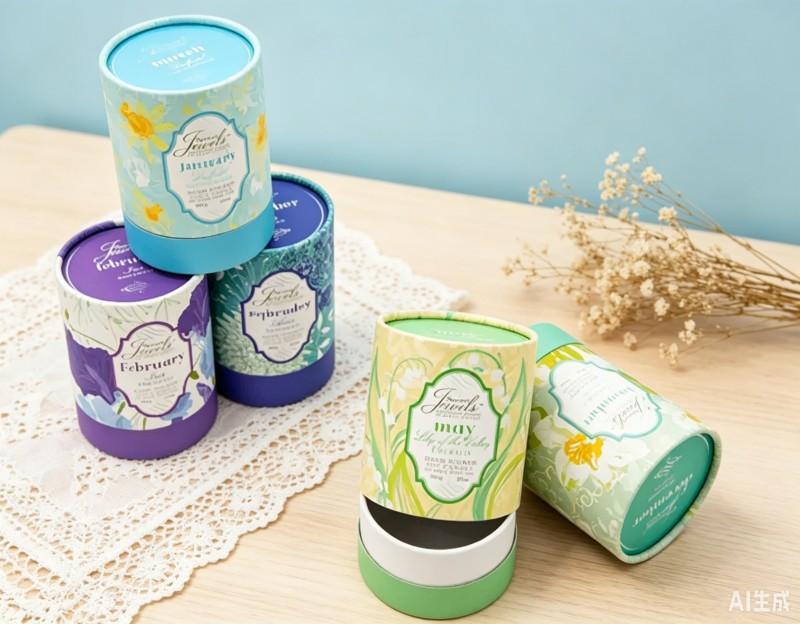
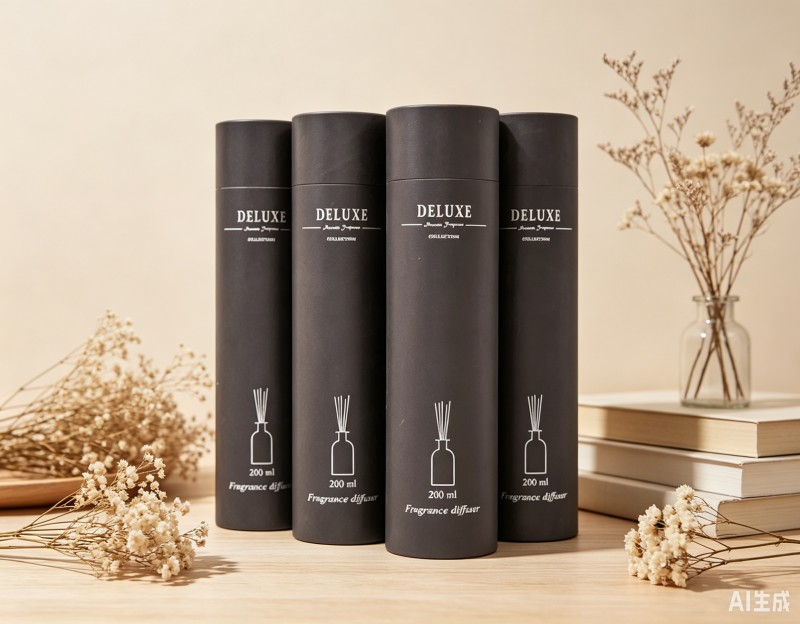
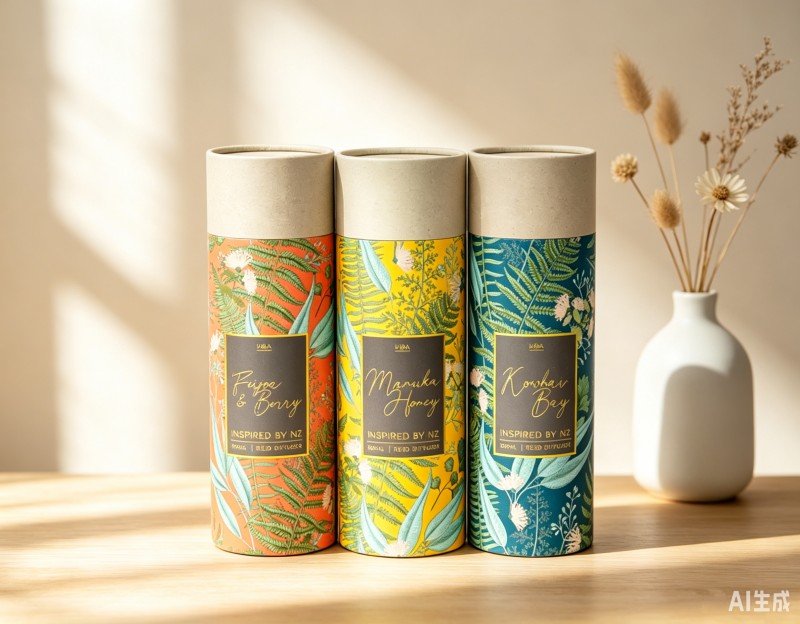
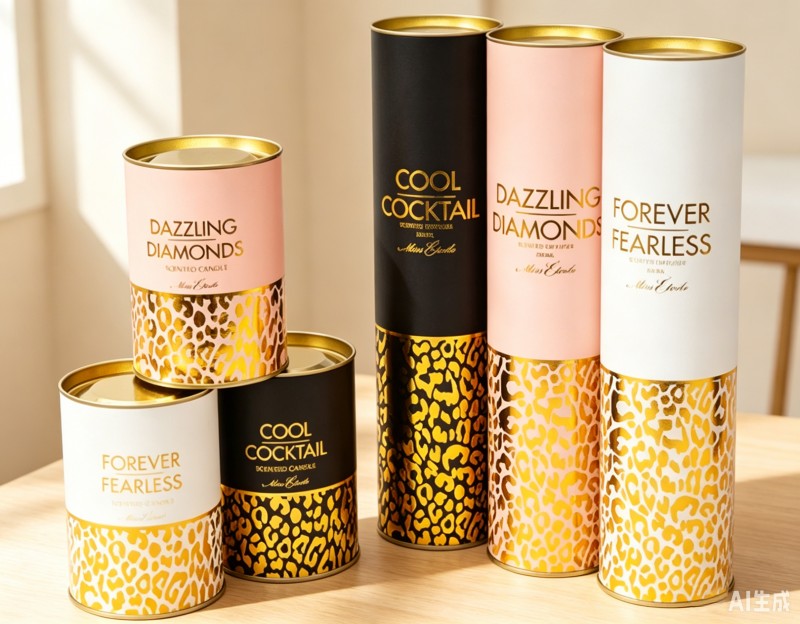
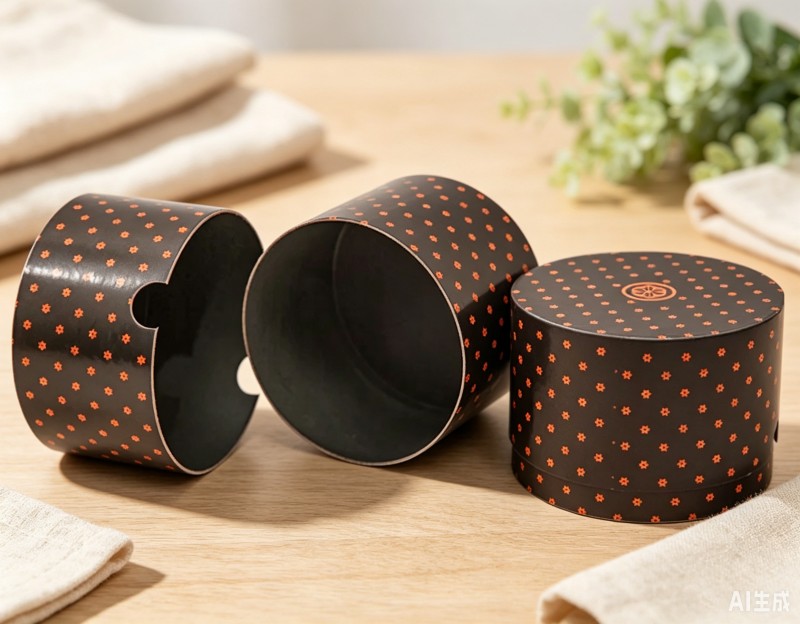
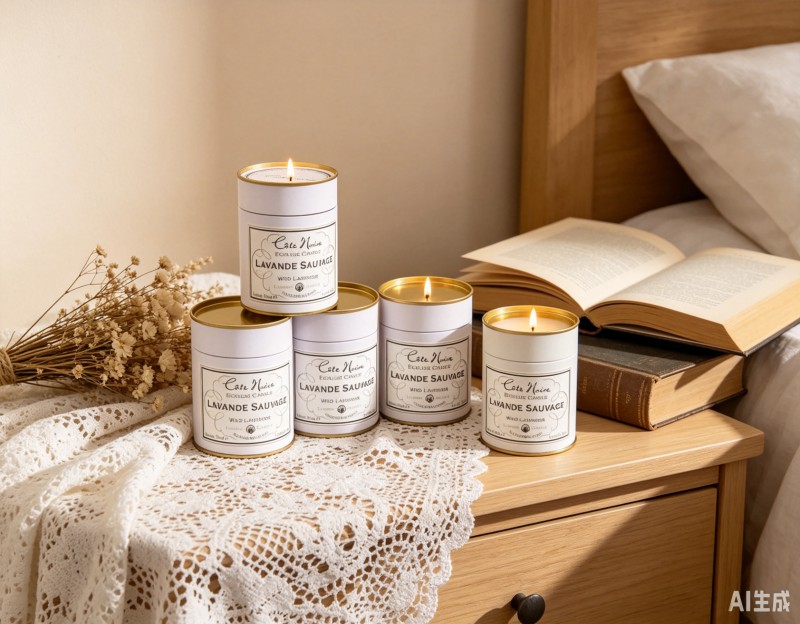

As one of the top China cardboard tube packaging manufacturers and paper tube packaging suppliers, we devote all of our efforts to research and launch more high quality packaging products to global market.
Premium packaging is no longer a simple outer shell. For many products, it is the first touchpoint between a brand and its customer, the first expression of quality, and often the reason a product is lifted from a shelf, photographed, gifted, or remembered. Luxury paper tube packaging with gold foiling answers this demand by combining elegant visual impact, practical structural protection, and environmentally responsible material choices in one cylindrical format. Designed as a three-piece cardboard paper tube with rolled edges, matte lamination, CMYK printing, and gold foil stamping, this packaging solution is especially suitable for tea, gifts, confectionery, cosmetics, specialty foods, craft items, and other premium consumer goods that require refined presentation.
The product discussed here is a luxury cardboard paper gift tube made from kraft paper and coated paper, with a cylinder shape, customizable logo, and a reference size of ID 81–83 mm by 130 mm. Its core appeal lies in the balance between traditional paper-based packaging and high-end decorative finishing. The tube can provide a strong, tactile, and gift-ready appearance while supporting modern expectations for recyclable and eco-friendly packaging. Compared with many square folding cartons, plastic containers, or ordinary paper boxes, the paper tube format offers better shelf distinction, improved hand feel, stronger dimensional stability, and a more memorable unboxing experience.
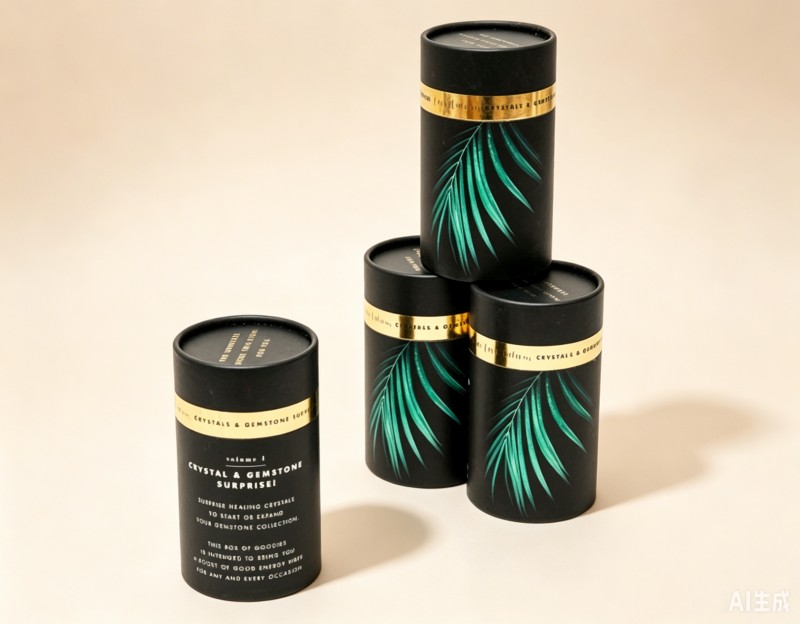
Luxury Paper Tube Packaging Cardboard Paper Gift Box with Gold Foiling
Content
- 1 Product Overview: A Premium Cylinder Designed for Gift-Level Presentation
- 2 Why Paper Tube Packaging Stands Out in Competitive Markets
- 3 Core Advantages of the Luxury Paper Tube with Gold Foiling
- 4 Technical Specification Summary
- 5 Three-Piece Construction and Rolled Edges
- 6 Material Strategy: Kraft Paper and Coated Paper
- 7 Printing and Surface Finishing for High-End Branding
- 8 Luxury Appeal in Tea and Specialty Food Packaging
- 9 Applications Beyond Tea: Versatility Across Premium Categories
- 10 Competitive Advantages Over Conventional Packaging
- 11 Manufacturing Strength Built on Long-Term Industry Experience
- 12 Advanced Production Process from Concept to Finished Tube
- 13 Quality Control: The Difference Between Ordinary and Premium
- 14 Customization Opportunities for Brand Owners
- 15 Sustainability and Responsible Packaging Value
- 16 How the Packaging Supports Premium Pricing
- 17 Retail, E-Commerce, and Gift Channel Performance
- 18 Why Factory-Direct Supply Matters
- 19 Ideal Buyers and Use Cases
- 20 Design Recommendations for Maximum Impact
- 21 Q&A Section
- 21.1 What makes this paper tube packaging suitable for luxury products?
- 21.2 Can the tube be customized with a brand logo?
- 21.3 What products can be packed in this type of tube?
- 21.4 Why use gold foil stamping instead of ordinary printing?
- 21.5 Is paper tube packaging more sustainable than plastic packaging?
- 21.6 What is the benefit of rolled edges?
- 21.7 What is the reference size of this product?
- 21.8 What is the minimum order quantity?
- 21.9 Why choose an experienced paper tube manufacturer?
- 21.10 Can this packaging help increase product value?
- 22 Conclusion: A Premium Packaging Solution for Brands That Want to Be Remembered
- 23 References
- 24 Product: Luxury Paper Tube Packaging Cardboard Paper Gift Box with Gold Foiling
Product Overview: A Premium Cylinder Designed for Gift-Level Presentation
This luxury paper tube packaging is built as a three-piece paper tube with rolled edges. In practical terms, the structure generally includes a main cylindrical body, a top component, and a bottom component. The rolled-edge design enhances the touch experience and gives the opening and closing areas a smooth, finished appearance. For premium goods, such small details matter. Sharp unfinished edges can make packaging appear cheap or temporary, while rolled edges communicate durability, care, and craftsmanship.
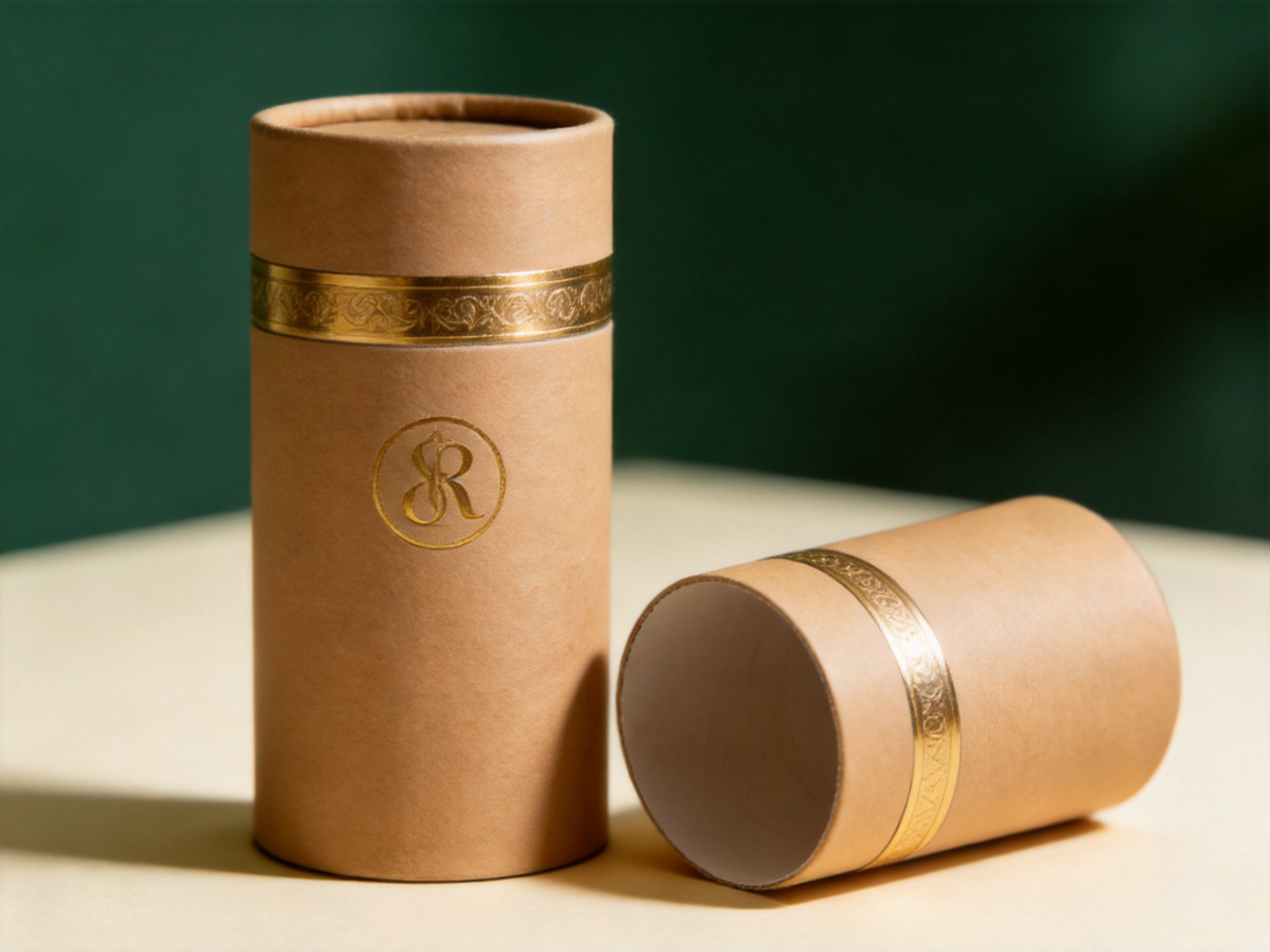
The product uses paper-based materials, including kraft paper and coated paper. Kraft paper contributes strength, fiber texture, and an environmentally conscious impression, while coated paper offers a smooth surface suitable for refined printing and finishing. CMYK printing allows rich color expression, matte lamination creates a soft and restrained surface, and gold foil stamping adds a luxury highlight that catches light without overwhelming the design. This combination helps brands communicate both natural value and high-end positioning.
The reference size, ID 81–83 mm by 130 mm, makes the tube suitable for many compact premium items. It may be used for tea, small gift sets, specialty dry foods, candles, fragrance accessories, skincare items, samples, promotional merchandise, craft products, and festive packaging. Because custom orders are accepted, the design can be adapted in diameter, height, graphics, logo placement, finish, inner fitting, and decorative style according to the product and branding requirements.
The minimum order quantity of 5000 pieces reflects industrial-scale manufacturing and is especially suitable for brands, distributors, private-label owners, retailers, and promotional campaigns requiring consistent packaging quality. Factory-direct production helps improve communication, cost control, customization accuracy, and production stability.
Why Paper Tube Packaging Stands Out in Competitive Markets
Retail environments are visually crowded. Customers may encounter hundreds of similar products in seconds, especially in categories such as tea, coffee, snacks, cosmetics, supplements, candles, and seasonal gifts. In this context, packaging must do more than contain the product. It must help the product compete. A cylindrical paper tube naturally differs from standard rectangular boxes and pouches. Its round profile creates an immediate visual break on shelves, display tables, and e-commerce images.
Compared with flat folding cartons, a rigid paper tube offers a more substantial hand feel. When customers pick it up, the cylindrical body feels stable and gift-like. This impression is especially valuable for premium products because perceived packaging quality can influence perceived product quality. A lightweight folding carton may be economical, but it can easily look common. A well-finished paper tube with gold foiling communicates that the item inside is selected, protected, and worth giving.
Compared with plastic containers, paper tubes provide a warmer and more natural material identity. Many consumers are actively reducing their reliance on single-use plastic packaging. While plastic may offer certain moisture-barrier advantages, paper-based packaging is often preferred when sustainability, gift appeal, and print quality are priorities. A paper tube can also support brand storytelling through full-surface graphics, textured finishes, foil details, and tactile coatings.
Compared with metal tins, cardboard tubes are often lighter, more flexible in printing design, and easier to customize for different campaigns. Metal tins can be attractive, but tooling, minimum quantities, weight, and cost may be limiting factors. Paper tubes can deliver a premium look at a competitive cost while offering strong customization possibilities. For many brands, this makes paper tube packaging a practical alternative that still feels luxurious.
Core Advantages of the Luxury Paper Tube with Gold Foiling
The first advantage is visual luxury. Gold foil stamping is one of the most recognizable premium packaging finishes. It reflects light, creates contrast against matte surfaces, and draws attention to logos, borders, product names, icons, or decorative patterns. When combined with matte lamination, gold foil appears more refined because the surrounding surface is smooth and subdued. This contrast creates an elegant effect suitable for gift packaging and high-value retail products.
The second advantage is structural confidence. A cylindrical tube made from layered paperboard offers better resistance to crushing than many thin cartons. The round shape distributes external pressure evenly, which can help protect fragile or delicate items during handling. Rolled edges further reinforce the opening areas and improve durability over repeated use. Customers may keep the tube after purchase, extending the brand’s visibility beyond the first transaction.
The third advantage is customization. CMYK printing allows brands to produce colorful artwork, seasonal editions, ingredient illustrations, cultural motifs, or minimalist luxury layouts. Custom logos can be applied through printing, foil stamping, embossing, debossing, or label effects depending on the design requirements. The same structure can be adapted for different product lines, helping brands maintain a consistent identity while changing graphics for flavors, scents, collections, or gift occasions.
The fourth advantage is environmental positioning. The packaging is made from paper materials and is described as using recycled materials and eco-friendly features. In a market where sustainability influences purchasing decisions, paper tube packaging gives brands a credible way to reduce dependence on plastic-heavy presentation formats. While specific recyclability may depend on local facilities and finishing combinations, paper-based packaging is widely associated with responsible sourcing and lower environmental burden than many petroleum-based options.
The fifth advantage is gift readiness. Many products require additional wrapping to look suitable as gifts. A luxury paper tube can reduce that need. The cylinder shape, foil detail, matte surface, and smooth opening mechanism create a ready-to-present format. This is useful for festivals, corporate gifting, wedding favors, promotional campaigns, boutique retail, and online subscription boxes.
Technical Specification Summary
| Item | Specification | Value for Buyers |
|---|---|---|
| Product Type | Luxury cardboard paper gift tube with gold foiling | Premium presentation for high-value or gift-oriented products |
| Structure | Three-piece paper tube with rolled edges | Stable construction, clean opening, improved hand feel |
| Material | Kraft paper and coated paper | Balance of strength, printability, and eco-conscious appeal |
| Shape | Cylindrical | Distinct shelf presence and elegant gift appearance |
| Reference Size | ID 81–83 mm by 130 mm | Suitable for tea, gifts, cosmetics, snacks, candles, and specialty items |
| Printing | CMYK printing | Supports full-color branding and detailed artwork |
| Surface Handling | Matte lamination | Soft-touch visual effect and premium surface protection |
| Decorative Finish | Gold foil stamping | Luxury logo and design enhancement |
| Logo | Custom logo accepted | Strong brand identification and private-label flexibility |
| Feature | Recycled materials and eco-friendly concept | Supports sustainable packaging strategy |
| Order Type | Custom order accepted | Adaptable to different brands, products, and markets |
| MOQ | 5000 pieces | Appropriate for commercial production and consistent batch quality |
Three-Piece Construction and Rolled Edges
The three-piece construction is one of the defining features of this packaging. Unlike a simple open-ended tube or a thin paper sleeve, a three-piece tube is engineered to provide a more complete container solution. It usually includes a body, a lid or cap, and a base. This structure improves functionality and gives the package a more refined presence. The user can open and close the tube smoothly, and the product can be protected from direct contact with external surfaces.
Rolled edges are both functional and aesthetic. Functionally, they strengthen the rim, reducing the likelihood of deformation during packing, shipping, and customer handling. A rolled rim also helps the lid fit more securely and consistently. Aesthetically, rolled edges make the product feel finished. Customers notice the smoothness when they touch the lid or rim, and that tactile impression contributes to premium perception.
For packaging used in gifting, structural details carry emotional weight. A recipient may not analyze the paper grade or production method, but they will immediately sense whether the package feels sturdy, neat, and intentional. A tube with rolled edges feels more like a keepsake container than disposable packaging. This can increase customer satisfaction and encourage reuse.
From a manufacturing perspective, creating consistent rolled edges requires precise winding, cutting, forming, and quality control. The diameter must remain stable, the wall thickness must be even, and the cap fit must be controlled. Poorly made tubes may have loose lids, visible gaps, rough rims, or uneven seams. Advanced production helps avoid these problems and ensures the luxury promise is matched by real physical quality.
Material Strategy: Kraft Paper and Coated Paper
The combination of kraft paper and coated paper allows the tube to meet several goals at once. Kraft paper is valued for strength and natural appeal. Its fibers provide toughness, and its association with sustainable packaging helps brands communicate environmental responsibility. Coated paper, on the other hand, is ideal for precise printing and premium finishing. It creates a smoother, more controlled surface for color reproduction and foil stamping.
Material selection affects every part of the packaging experience. If the paper is too weak, the tube may deform. If the surface is too rough for the intended design, fine printed details may be lost. If the material is not compatible with lamination or foil, finishing quality may suffer. A strong manufacturer must understand how paper thickness, fiber direction, adhesive behavior, surface coating, printing ink, lamination film, and foil stamping temperature interact.
Eco-friendly packaging is not simply about choosing paper. It is about designing a package that uses material efficiently, protects the product properly, and supports responsible end-of-life options. A paper tube that is attractive enough for reuse can extend its functional life. Customers may keep it for storing small objects, tea accessories, stationery, jewelry, craft supplies, or decorative items. Reuse adds value and reduces immediate disposal.
For brands in premium sectors, material choice must also support storytelling. A tea brand may emphasize natural origin, calm rituals, and artisan blending. A cosmetic brand may focus on purity, care, and elegance. A gift brand may highlight celebration and emotion. Kraft and coated paper together allow designs to move between natural minimalism and refined luxury.
Printing and Surface Finishing for High-End Branding
CMYK printing is a practical and versatile solution for packaging artwork. It allows full-color graphics, gradients, illustrations, patterns, and photographic-style imagery. For paper tube packaging, the cylindrical body offers a continuous display surface that can wrap around the product. This creates design opportunities not available on ordinary front-facing boxes. A brand can use a 360-degree story, repeating pattern, ingredient illustration, landscape scene, seasonal decoration, or minimalist layout that reveals itself as the tube is turned.
Matte lamination gives the printed surface a controlled, elegant finish. Glossy surfaces can be bright and energetic, but matte finishing is often preferred for luxury packaging because it feels understated and sophisticated. Matte lamination can also provide some resistance against scuffing and handling marks, helping the package remain attractive during shipping and retail display.
Gold foil stamping adds a focal point. Because foil is reflective, it should be used carefully. The most successful designs often apply gold foil to selected elements: the logo, product name, decorative lines, certification icons, borders, or a symbolic pattern. Excessive foil can look flashy, while balanced foil looks expensive. The combination of matte lamination and gold foil is especially effective because it creates contrast between soft background and metallic highlight.
The quality of foil stamping depends on accurate pressure, temperature, die preparation, surface compatibility, and registration. If stamping is poorly controlled, foil may break, blur, shift, or fail to adhere evenly. A capable factory must manage these variables carefully, especially on curved packaging components where positioning and handling require experience. Clean foil edges and accurate logo placement are signs of professional production.
Luxury Appeal in Tea and Specialty Food Packaging
The product is described with an industrial use related to tea round box packaging and gift paper tubes. Tea is one of the best examples of a category where paper tube packaging performs exceptionally well. Tea buyers often care about aroma, origin, ritual, wellness, and gifting. A round paper tube can create a ceremonial feeling that aligns with the way tea is consumed and shared.
For loose-leaf tea, tea bags, herbal blends, or premium samplers, a paper tube provides a vertical format that looks beautiful on kitchen shelves and retail displays. The cylinder can communicate tradition while foil stamping communicates gift value. A matte finish can suggest calmness, purity, and quality. If the brand uses natural colors, botanical illustrations, or origin-based storytelling, the tube surface becomes an effective storytelling medium.
Specialty foods such as chocolate, confectionery, nuts, cookies, spices, and seasonal treats can also benefit from this structure. Many food products are purchased as gifts, especially during holidays and festivals. A cylindrical paper tube can instantly elevate small food items into a giftable product. Instead of appearing as an ordinary snack, the item becomes a premium selection.
For food-related applications, the inner packaging system should be designed according to the product’s protection needs. The paper tube may be used as an outer gift container, while the food itself is sealed in an inner pouch, bag, liner, or wrapped unit. This combination allows the brand to achieve both food protection and luxury presentation.
Applications Beyond Tea: Versatility Across Premium Categories
Although the product is associated with tea packaging, its structure and design language make it suitable for many categories. In cosmetics and skincare, a paper tube can hold creams, serums, masks, lip care products, brushes, sample sets, or promotional kits. The cylindrical shape gives beauty products a boutique appearance and supports minimalist luxury graphics.
For candles and fragrances, the tube is particularly appropriate. Candles are emotional products, often purchased for atmosphere, relaxation, home decoration, or gifts. A matte paper tube with gold foil aligns perfectly with this emotional positioning. It can protect the candle jar or refill during transport while giving the customer a premium unboxing experience.
For nutrition and supplements, the tube can be used for sample packs, powders, tablets in inner containers, wellness kits, or promotional bundles. The eco-friendly paper-based presentation may help wellness brands communicate natural values. For pet care, small treats, grooming accessories, or gift packs can be presented in a way that feels playful yet premium.
For gifts and crafts, the possibilities are broad. The tube can hold stationery, small textiles, rolled prints, handmade items, festival ornaments, coin bank concepts, window-tube variations, car tissue products, and specialty collections. Because custom orders are accepted, the packaging can be adapted to fit both the product and the occasion.
Competitive Advantages Over Conventional Packaging
One of the main competitive advantages of this luxury paper tube is differentiation. Many products are packaged in similar cartons, pouches, jars, or plastic tubs. A cylindrical gift tube interrupts visual sameness. On a retail shelf, round packaging creates contrast among rectangular forms. In online product photography, the tube appears dimensional and premium, making it suitable for marketplace listings, social media content, and gift guides.
Another advantage is perceived value. Packaging can influence how much customers believe a product is worth. A carefully finished tube with gold foil can help justify premium pricing because it signals investment in quality. This is particularly important for brands competing in crowded categories where ingredients, formulations, or product sizes may appear similar. Better packaging can create a stronger emotional reason to choose one product over another.
A third advantage is protection. While exact performance depends on wall thickness and product configuration, cylindrical paper tubes generally provide good resistance against compression. Unlike thin folding cartons, which may dent at corners or collapse under pressure, a round tube distributes force more evenly. This can reduce visible damage during transport and retail handling.
A fourth advantage is reusability. Many customers discard ordinary cartons quickly, but a sturdy luxury tube may be retained. This creates longer brand exposure. A customer may place the tube on a shelf, desk, or vanity and continue seeing the logo long after the product is used. In this way, packaging becomes part of brand memory.
A fifth advantage is design flexibility. The same basic tube structure can be adapted for multiple product lines with different colors, foils, patterns, labels, or seasonal themes. This helps brands build recognizable packaging architecture while keeping each product distinct.
Manufacturing Strength Built on Long-Term Industry Experience
Hangzhou Qunle Packaging Co., Ltd. has been engaged in the composite can and paper can industry for more than 20 years. Long-term specialization matters because paper tube packaging is more technical than it may appear. Consistent cylindrical forming, smooth rolling, accurate cutting, clean printing, stable lamination, and precise foil stamping require equipment, experience, and process control.
The company is recognized as a paper tube packaging manufacturer and cardboard tube packaging supplier with broad coverage across food, daily chemical products, fast-moving consumer goods, and other sectors. This wide industry experience helps the factory understand different product requirements. Food packaging may require hygiene and safety awareness. Cosmetics packaging may require high visual precision. Gift packaging may require decorative excellence. Fast-moving consumer goods may require efficiency and cost control.
The company was the first enterprise in China to pass the QS certificate for producing food packaging containers. This background is important because it reflects awareness of production standards and quality systems. Although each project should confirm its own compliance needs, a manufacturer with food-container experience is better positioned to support brands that care about safety, consistency, and controlled production.
In 2015, the company introduced a high-speed composite can production line from Europe. Advanced equipment can improve production efficiency, dimensional consistency, and batch stability. For customers ordering thousands or tens of thousands of units, consistency is crucial. A premium package must not look excellent in one sample but inconsistent in mass production. Industrial capability helps ensure that every tube in the batch reflects the same standard.
The company has also obtained more than 10 patented technologies, indicating a commitment to technical development. In packaging, innovation can involve structure, forming methods, sealing, material application, decoration, or production efficiency. Patented know-how supports the ability to solve practical packaging challenges and create more refined products for the global market.
Advanced Production Process from Concept to Finished Tube
A successful luxury paper tube begins with requirement analysis. The manufacturer must understand the product type, size, weight, target market, retail channel, shipping method, branding direction, and sustainability goals. For example, packaging for tea may emphasize aroma protection and natural graphics, while packaging for a candle may require a stronger wall and inner support. Packaging for cosmetics may require precise color matching and refined foil details.
The next stage is structural design. Diameter, height, wall thickness, lid fit, bottom construction, edge rolling, and inner components must be defined. The reference size of ID 81–83 mm by 130 mm can be adjusted according to product dimensions. Proper fit is important. If the tube is too large, the product may move inside and appear poorly presented. If it is too tight, packing becomes inefficient and customers may struggle to remove the item.
Artwork preparation follows. CMYK printing requires files prepared with correct resolution, bleed, color mode, and layout for cylindrical wrapping. Designers must consider seam placement, foil stamping position, and how the artwork appears when the tube is viewed from different angles. A logo may need to align with the lid opening or face a particular direction on display.
Material preparation involves selecting suitable kraft paper, coated paper, adhesives, lamination materials, and foil. Each material must be compatible with the intended process. Paper must wind smoothly, adhesives must bond reliably, lamination must adhere cleanly, and foil must transfer sharply.
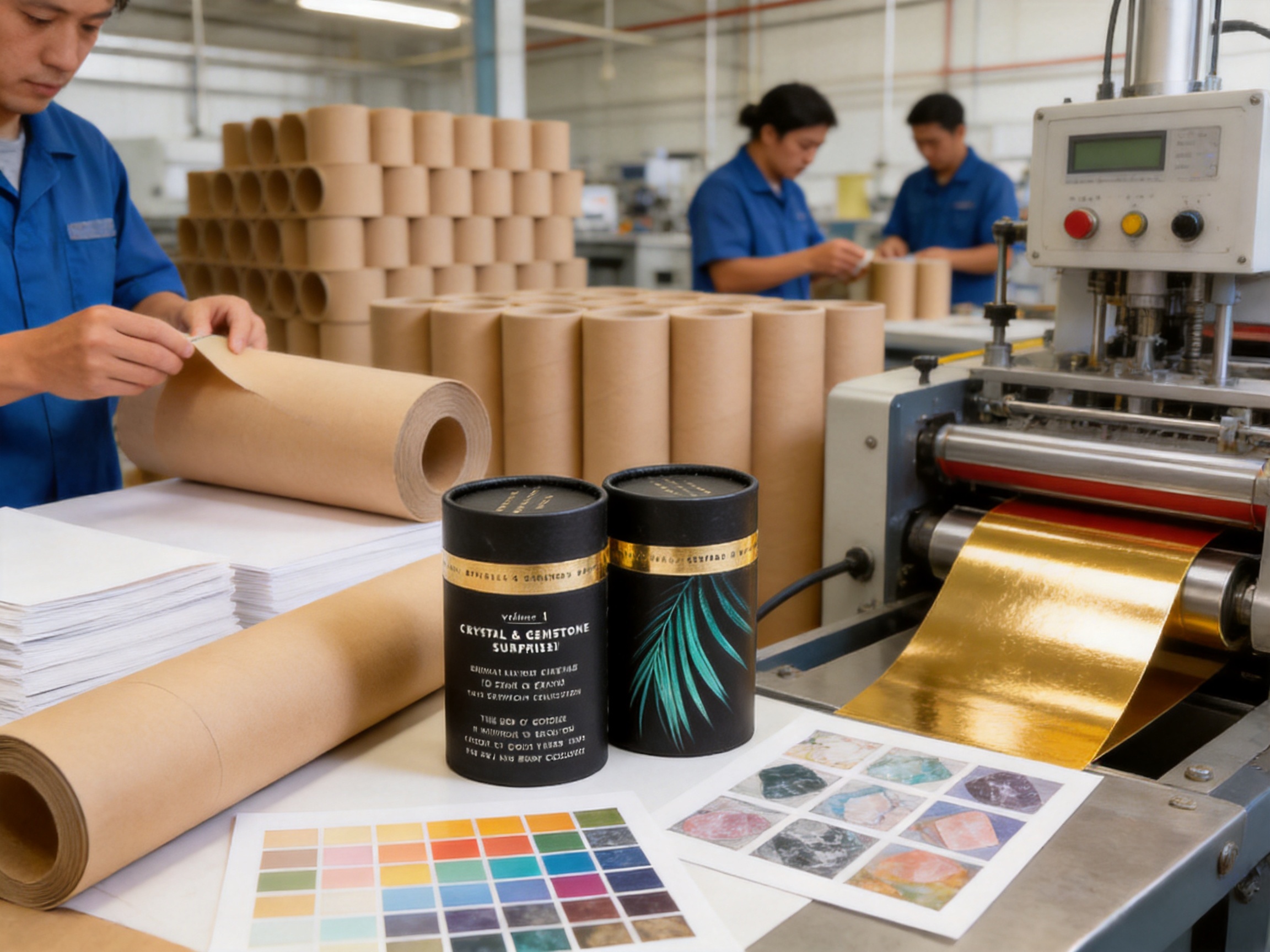
Printing is then carried out according to approved artwork. Color control is essential because premium brands often have strict color standards. After printing, matte lamination is applied to create the desired surface effect and protect the artwork. Gold foil stamping is performed using dies, heat, and pressure to transfer metallic foil onto selected design areas.
The tube body is formed through winding and shaping processes. Paper layers are wrapped around mandrels to create the cylindrical structure. The formed tube is cut to the required height, and components are assembled. Rolled edges are created to improve strength and appearance. The lid and base must fit correctly, neither too loose nor too tight.
Final inspection checks appearance, dimensions, fit, printing quality, foil accuracy, surface cleanliness, and structural integrity. Packaging for shipment must also be considered so the finished tubes arrive in good condition. Proper factory management ensures the luxury packaging remains protected until it reaches the customer’s filling line or distribution center.
Quality Control: The Difference Between Ordinary and Premium
In premium packaging, small defects have a large impact. A slight color variation, misaligned foil logo, rough edge, loose lid, visible glue mark, or scratched surface can reduce perceived value. This is why quality control must be built into every production stage rather than performed only at the end.
Incoming material inspection helps ensure paper, foil, lamination film, and adhesives meet requirements. During printing, color samples and registration must be checked. During lamination, the surface should be examined for bubbles, wrinkles, scratches, or uneven adhesion. During foil stamping, the factory must check clarity, position, and completeness of transfer. During forming and assembly, diameter, height, wall thickness, edge quality, and cap fit must be measured.
Batch consistency is particularly important for commercial orders. A brand may distribute products to different stores or countries, and customers expect the same appearance everywhere. Inconsistent packaging can create confusion and weaken brand identity. Advanced manufacturing systems and experienced operators reduce variation.
Quality control also supports operational efficiency for the buyer. Packaging that arrives with consistent dimensions is easier to fill, pack, seal, label, and ship. If lids are inconsistent or tubes deform, filling lines may slow down. Premium packaging should look beautiful, but it must also perform smoothly in real production and distribution conditions.
Customization Opportunities for Brand Owners
Custom order acceptance is one of the most valuable features of this packaging solution. A brand can customize size, color, logo, surface treatment, foil pattern, printed artwork, lid design, inside finish, and secondary accessories. This allows the paper tube to become a brand-specific asset rather than a generic container.
Logo customization may be achieved through printed graphics, gold foil stamping, embossing, debossing, or combinations of these effects. Gold foil is especially useful for luxury logos, monograms, seals, and gift-edition marks. A brand may also choose different foil tones, such as champagne gold, rose gold, silver, copper, or holographic effects, depending on its identity and target market.
Size customization helps optimize material use and presentation. A properly sized tube reduces empty space and makes the product feel intentionally packaged. For sets or kits, inserts may be added to hold items in place. For fragile products, internal supports can improve protection. For food products, inner pouches or liners may be integrated into the packaging system.
Design customization can also support seasonal marketing. The same tube structure can be used for New Year editions, holiday gifts, wedding collections, corporate gifts, limited flavors, regional designs, or anniversary packaging. Because the cylinder has a strong gift identity, it is ideal for limited-edition campaigns that need visual impact.
Sustainability and Responsible Packaging Value
Sustainability has become a central concern in packaging decisions. Consumers, retailers, and regulators increasingly expect brands to reduce unnecessary plastic, improve recyclability, use responsible materials, and communicate environmental actions transparently. Paper tube packaging helps address these expectations by using paper-based materials and supporting an eco-friendly image.
The product is described as using recycled materials and being eco-friendly. This can benefit brands that want to align with natural, wellness, artisan, or responsible consumption values. Compared with rigid plastic containers, paper tubes often feel more aligned with environmental responsibility. Compared with heavily laminated gift boxes, a well-designed paper tube can use material efficiently while still delivering premium appearance.
However, responsible packaging also requires honest design. If a package includes lamination, foil, adhesives, or inner barriers, the exact recyclability may vary by region. Brands should work with the manufacturer to choose the most appropriate material combination for their sustainability targets. Options may include reducing plastic components, optimizing wall thickness, using paper-based inserts, minimizing unnecessary decoration, or selecting finishes that balance beauty with environmental goals.
Another important sustainability factor is reuse. Luxury paper tubes are often kept by customers because they are attractive and durable. Reuse may not appear in basic material calculations, but it has real value. A package that remains useful as a storage container, decorative object, or gift box has a longer life cycle than a disposable carton.
How the Packaging Supports Premium Pricing
Premium pricing is not based only on the product inside. It is also shaped by presentation, trust, and emotional appeal. When customers see a carefully produced gold-foiled paper tube, they are more likely to believe the product is suitable for gifting and worth a higher price. The packaging suggests that the brand has invested in quality and detail.
For tea, premium packaging can make a blend feel more artisanal or rare. For confectionery, it can turn a small product into a luxury treat. For cosmetics, it can communicate elegance and care. For candles, it can enhance the feeling of relaxation and home atmosphere. For gifts, it can reduce the need for additional wrapping and improve the overall experience.
Packaging also influences repeat purchases. If the customer enjoys the opening experience and keeps the tube, the brand remains visible. The next time the customer needs a gift or personal purchase, the memory of the attractive package may encourage them to return. In this way, packaging becomes part of customer retention.
In competitive markets, a small improvement in perceived value can make a major difference. If two products have similar contents but one is presented in a luxurious, eco-conscious, and reusable paper tube, that product may have a stronger chance of winning customer preference.
Retail, E-Commerce, and Gift Channel Performance
Packaging must perform across multiple sales channels. In retail stores, it must attract attention, fit shelves, and resist handling. The cylindrical paper tube performs well because it stands upright, creates a distinctive shape, and provides a large printable surface. Gold foil catches light under store lighting, helping the product stand out.
In e-commerce, packaging must photograph well and survive shipping. A matte gold-foiled tube can look elegant in product images and unboxing videos. The rigid structure may provide better protection than thin cartons, especially when combined with appropriate outer shipping cartons. The visual and tactile appeal can also encourage customers to share the product on social media.
In gift channels, presentation is especially important. Corporate buyers, event planners, boutique retailers, and holiday shoppers often choose products that already look gift-ready. A paper tube with premium finishing reduces the need for additional gift wrapping. It can also be customized with event logos, seasonal graphics, or limited-edition messages.
The tube format can support point-of-sale displays and collection-based merchandising. Multiple tubes with coordinated colors can form an attractive shelf arrangement. Different flavors, scents, or product types can be differentiated through color bands, foil details, or icon systems while keeping the overall brand identity consistent.
Why Factory-Direct Supply Matters
Factory-direct supply can offer several advantages for buyers. First, communication is more efficient. When buyers discuss size, printing, foil stamping, structure, or delivery with the actual manufacturer, technical feedback is faster and more accurate. This reduces misunderstanding and helps projects move smoothly from concept to production.
Second, factory-direct production can improve cost control. Without unnecessary intermediaries, brands may achieve better value, especially for custom packaging projects with an MOQ of 5000 pieces or more. Cost efficiency does not mean sacrificing quality. It means aligning design expectations, material selection, production method, and budget from the beginning.
Third, factory-direct supply supports customization. A manufacturer with in-house experience can advise whether a design is practical, whether foil details need adjustment, whether a size is suitable, or whether a material combination will perform well. This technical guidance is valuable for brands that want distinctive packaging but may not know the limitations of paper tube production.
Fourth, factory-direct relationships can support long-term packaging development. As a brand grows, it may need new sizes, seasonal editions, improved finishes, or new product categories. Working directly with an experienced producer allows the packaging system to evolve consistently.

Ideal Buyers and Use Cases
This luxury paper tube is ideal for brand owners who want packaging that communicates value immediately. Tea companies can use it for premium loose-leaf tea, sampler sets, or holiday editions. Coffee and specialty beverage brands can use it for gift packs or promotional launches. Confectionery makers can use it for chocolates, cookies, candies, and festive treats.
Cosmetic and skincare brands can use the tube for product sets, jars, bottles, brushes, and limited editions. Candle and fragrance brands can use it to create a refined presentation while protecting fragile items. Nutrition and supplement companies can use it for wellness kits, powders, trial packs, or premium product lines.
Gift and craft businesses can use it for handmade items, keepsakes, stationery, ornaments, or event favors. Retailers can use it for private-label products where strong shelf presence is required. Corporate buyers can use it for branded gifts, promotional campaigns, and client appreciation packages.
The common thread across these applications is the need for packaging that feels intentional, elegant, and protective. If a product is meant to be noticed, gifted, photographed, or remembered, a luxury paper tube with gold foiling can be a strong choice.
Design Recommendations for Maximum Impact
To get the best result from this packaging, brands should begin with a clear design strategy. The gold foil should highlight the most important identity elements rather than cover the entire surface. A clean logo, elegant border, small pattern, or premium seal can be more effective than excessive decoration.
Color choice should match the product’s positioning. Dark backgrounds with gold foil can create a classic luxury feeling. Soft neutral colors can suggest natural wellness or gentle skincare. Bright colors can work for festive gifts, confectionery, or playful consumer goods. Matte lamination will soften the overall appearance, so color proofs should be reviewed carefully.
Typography should be readable on a curved surface. Very small text may be difficult to read if placed around the tube. Important information should be positioned where customers can see it easily. Regulatory, ingredient, or product details may need a dedicated area or label depending on category requirements.
The opening experience should also be considered. A snug but smooth lid fit feels premium. If the product inside is delicate, an insert or inner wrap may be needed. If the tube is intended for reuse, the design should remain attractive even after the original product is removed.
Q&A Section
What makes this paper tube packaging suitable for luxury products?
It combines a rigid cylindrical structure, rolled edges, matte lamination, CMYK printing, and gold foil stamping. These features create a premium appearance, strong hand feel, and gift-ready presentation that can elevate the perceived value of the product inside.
Can the tube be customized with a brand logo?
Yes. Custom logos are accepted. The logo can be incorporated through CMYK printing, gold foil stamping, or other decorative methods depending on the design requirements and production feasibility.
What products can be packed in this type of tube?
The tube is suitable for tea, coffee, confectionery, snacks, cosmetics, skincare items, candles, fragrances, supplements, gifts, crafts, and many other compact premium products. For food items, it is often used with an appropriate inner pouch or liner.
Why use gold foil stamping instead of ordinary printing?
Gold foil stamping provides a metallic reflective effect that ordinary ink cannot fully reproduce. It creates a luxury highlight, improves shelf visibility, and makes logos or decorative details appear more valuable.
Is paper tube packaging more sustainable than plastic packaging?
Paper tube packaging is paper-based and can support an eco-friendly packaging strategy, especially when recycled materials and responsible design are used. Exact recyclability depends on local systems and material combinations, but paper tubes are generally favored by brands seeking to reduce plastic-heavy packaging.
What is the benefit of rolled edges?
Rolled edges strengthen the rim, improve durability, create a smoother touch, and make the package look more refined. They also help the lid and tube body feel more stable and finished.
What is the reference size of this product?
The reference size is ID 81–83 mm by 130 mm. Since custom orders are accepted, the dimensions can be adjusted according to the product’s size and packaging goals.
What is the minimum order quantity?
The minimum order quantity is 5000 pieces. This quantity is suitable for commercial production, private-label packaging, retail launches, and promotional campaigns.
Why choose an experienced paper tube manufacturer?
Experienced manufacturers can better control tube forming, printing, lamination, foil stamping, edge rolling, lid fit, and batch consistency. This is essential for premium packaging where small defects can affect brand perception.
Can this packaging help increase product value?
Yes. Premium packaging can improve perceived value, support higher pricing, enhance gift appeal, and create a stronger customer experience. A luxury paper tube can make the product feel more special before it is even opened.
Conclusion: A Premium Packaging Solution for Brands That Want to Be Remembered
Luxury paper tube packaging with gold foiling is an effective choice for brands that want to combine elegance, protection, customization, and eco-conscious appeal. Its three-piece structure with rolled edges provides a refined and sturdy format. Kraft paper and coated paper offer a balance of strength and printability. CMYK printing, matte lamination, and gold foil stamping create a high-end visual identity suitable for tea, gifts, cosmetics, confectionery, candles, supplements, and many other premium products.
Compared with ordinary cartons, plastic containers, and generic packaging formats, this paper tube delivers stronger shelf differentiation, better tactile value, greater reusability, and a more memorable unboxing experience. It supports brand storytelling and can help products stand out in retail, e-commerce, and gift channels.
Behind the product, advanced manufacturing capability is essential. A producer with more than 20 years of experience in composite cans and paper cans, factory-direct production, patented technologies, food-packaging certification background, and advanced high-speed equipment can provide the process control required for consistent premium packaging. For brands seeking a custom paper tube that looks luxurious, feels reliable, and supports modern sustainability expectations, this gold-foiled cardboard gift tube offers a strong and practical solution.
References
Packaging Technology and Science. Studies on paperboard packaging structure, consumer perception, and sustainable material selection.
Robertson, G. L. Food Packaging: Principles and Practice. CRC Press.
Soroka, W. Fundamentals of Packaging Technology. Institute of Packaging Professionals.
Twede, D., and Selke, S. Cartons, Crates and Corrugated Board: Handbook of Paper and Wood Packaging Technology.
International packaging industry guidance on paper-based containers, composite cans, decorative finishing, and recyclable packaging design.
