 English
 Español

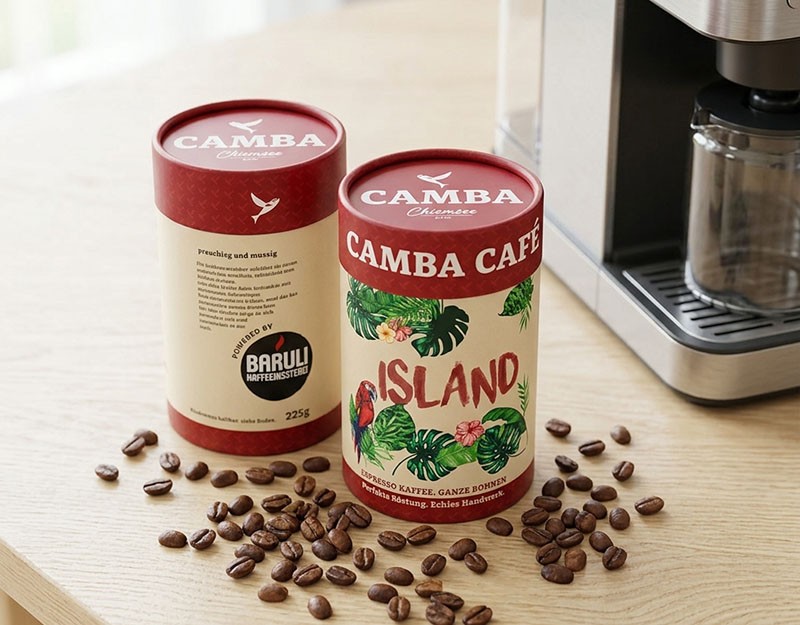
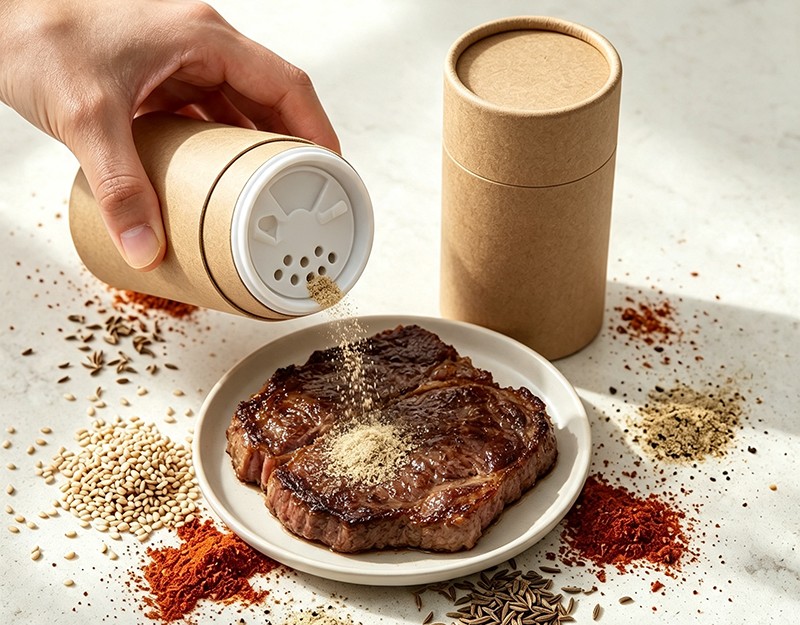
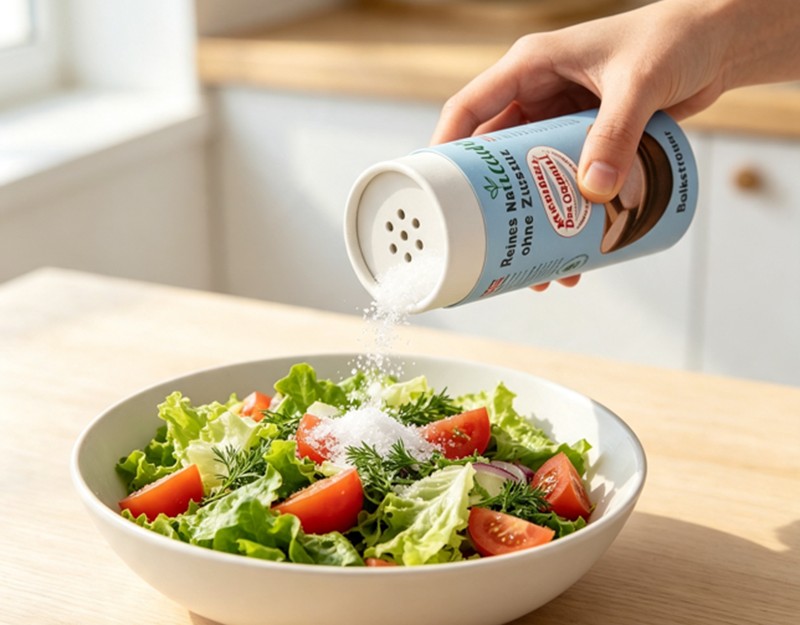
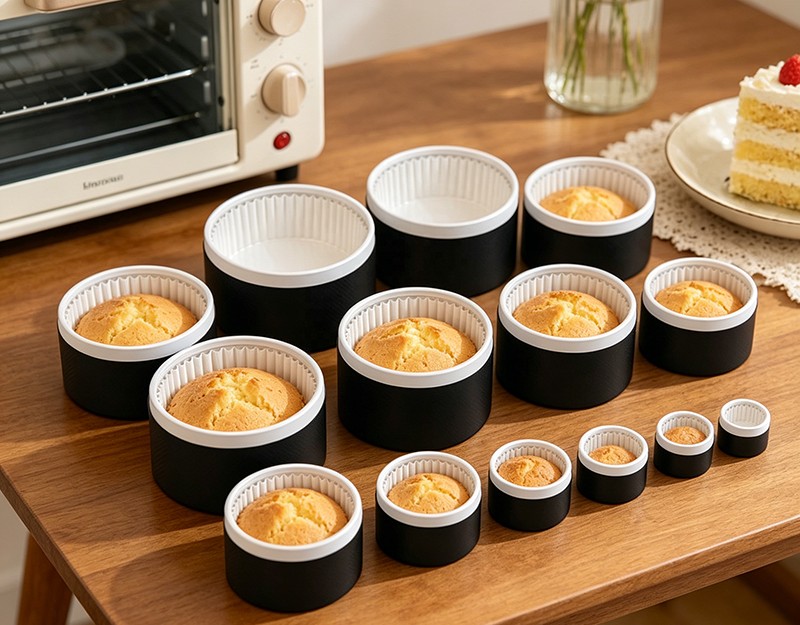
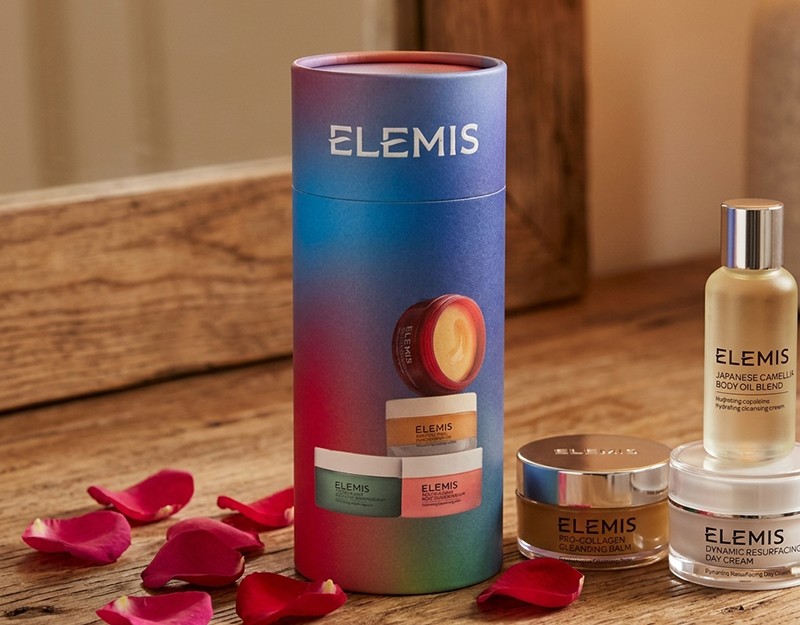
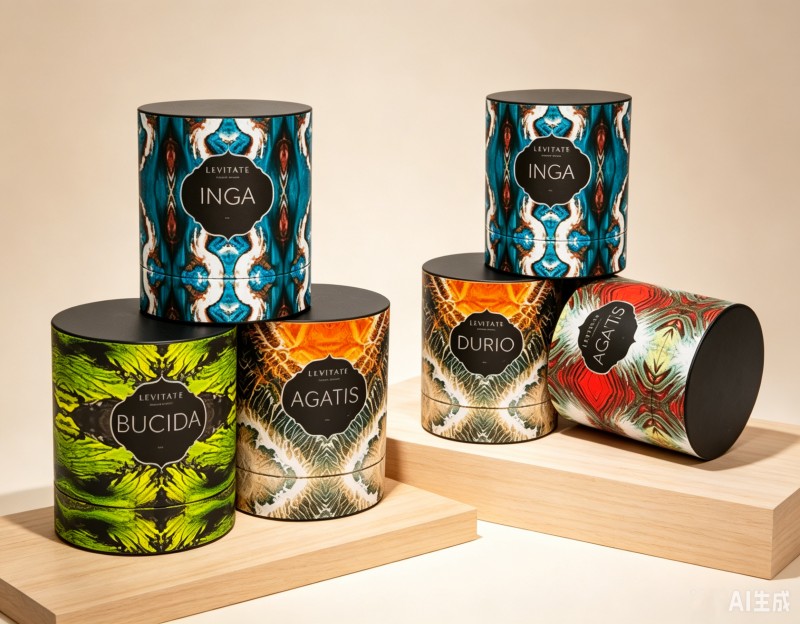
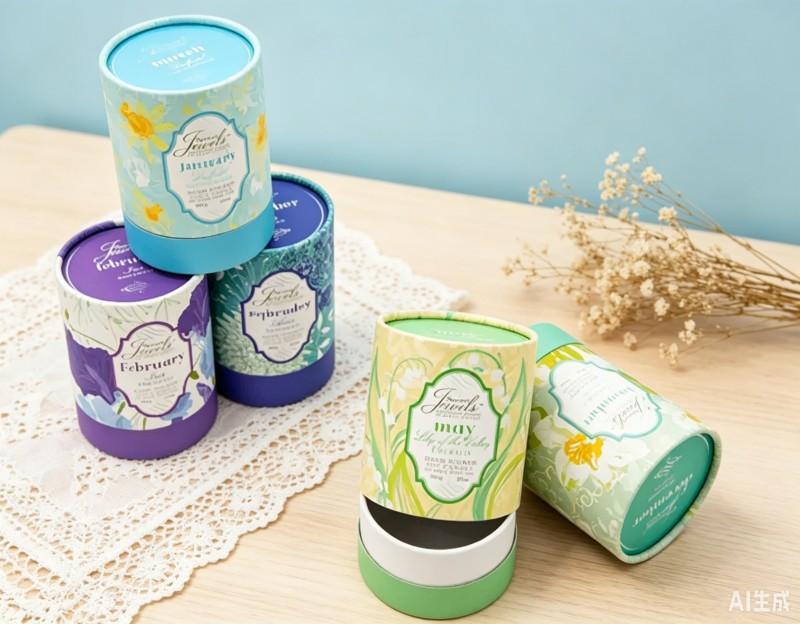
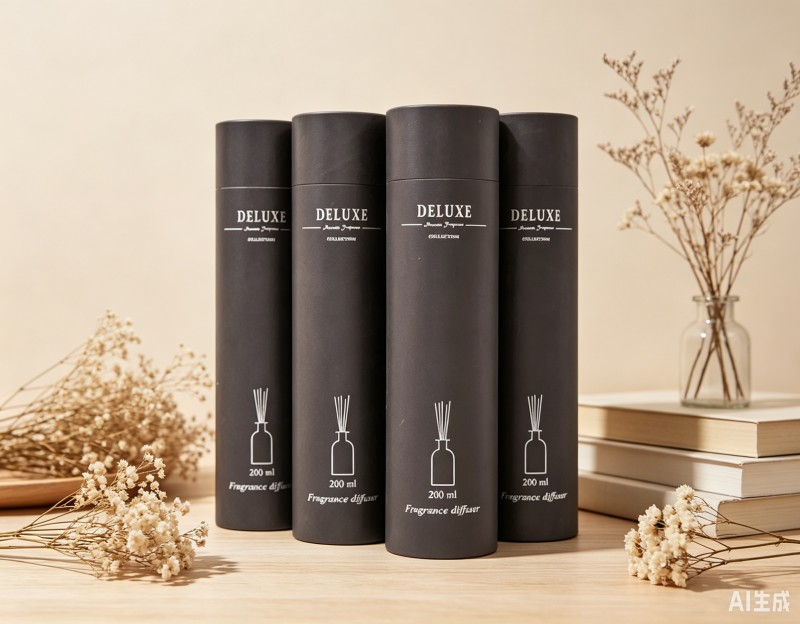
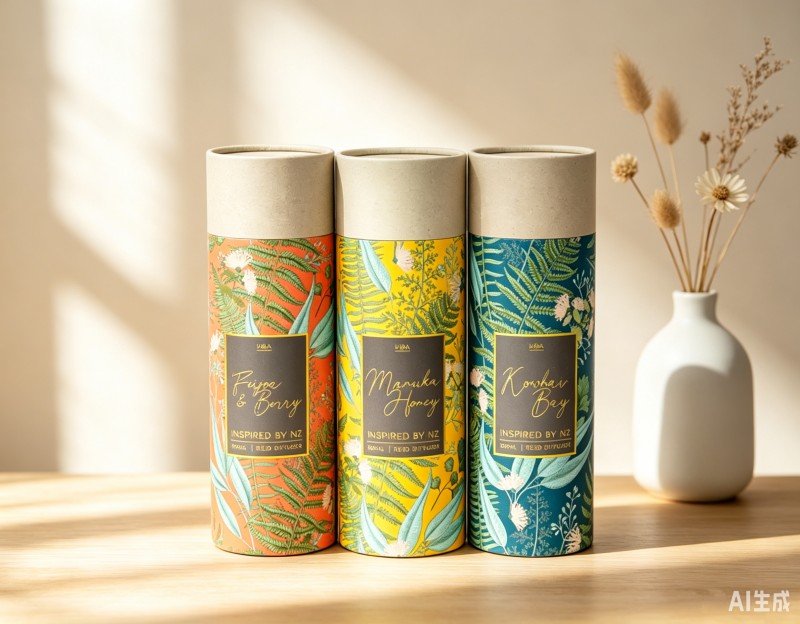
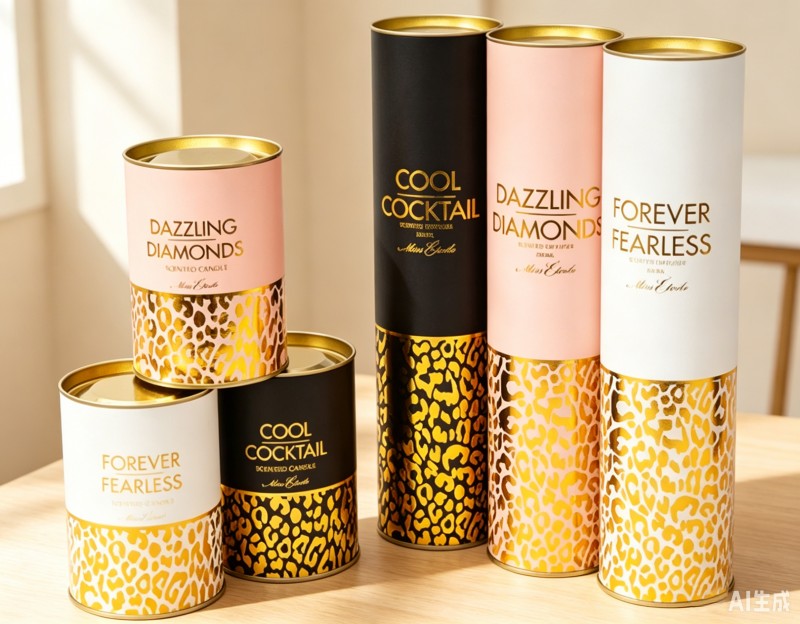
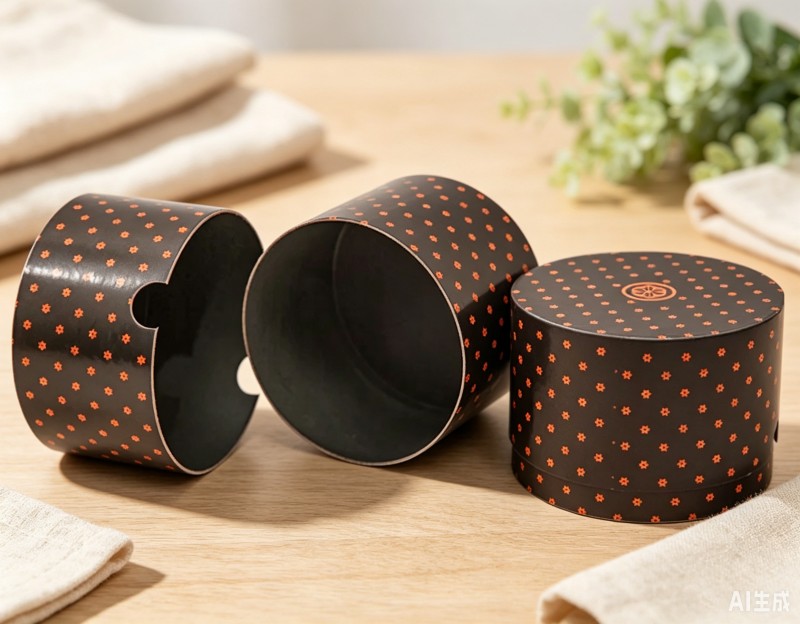
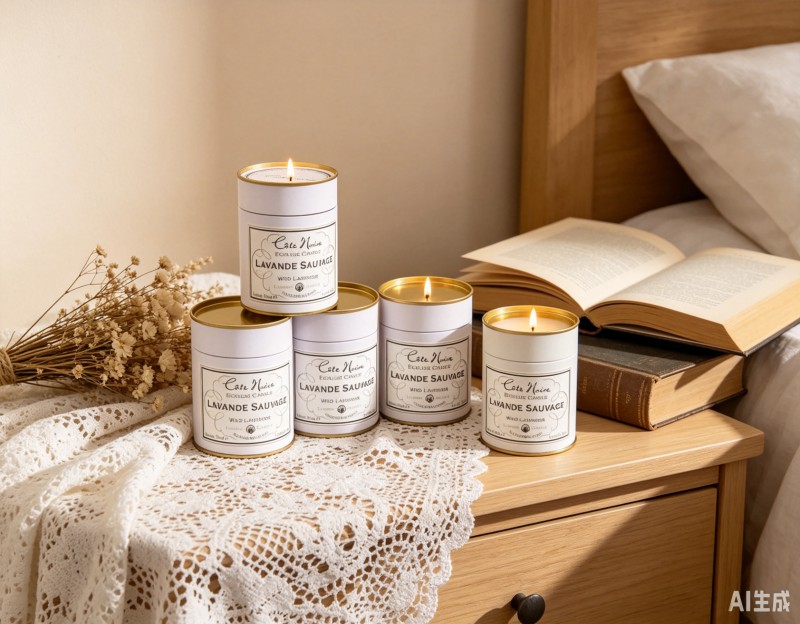

As one of the top China cardboard tube packaging manufacturers and paper tube packaging suppliers, we devote all of our efforts to research and launch more high quality packaging products to global market.
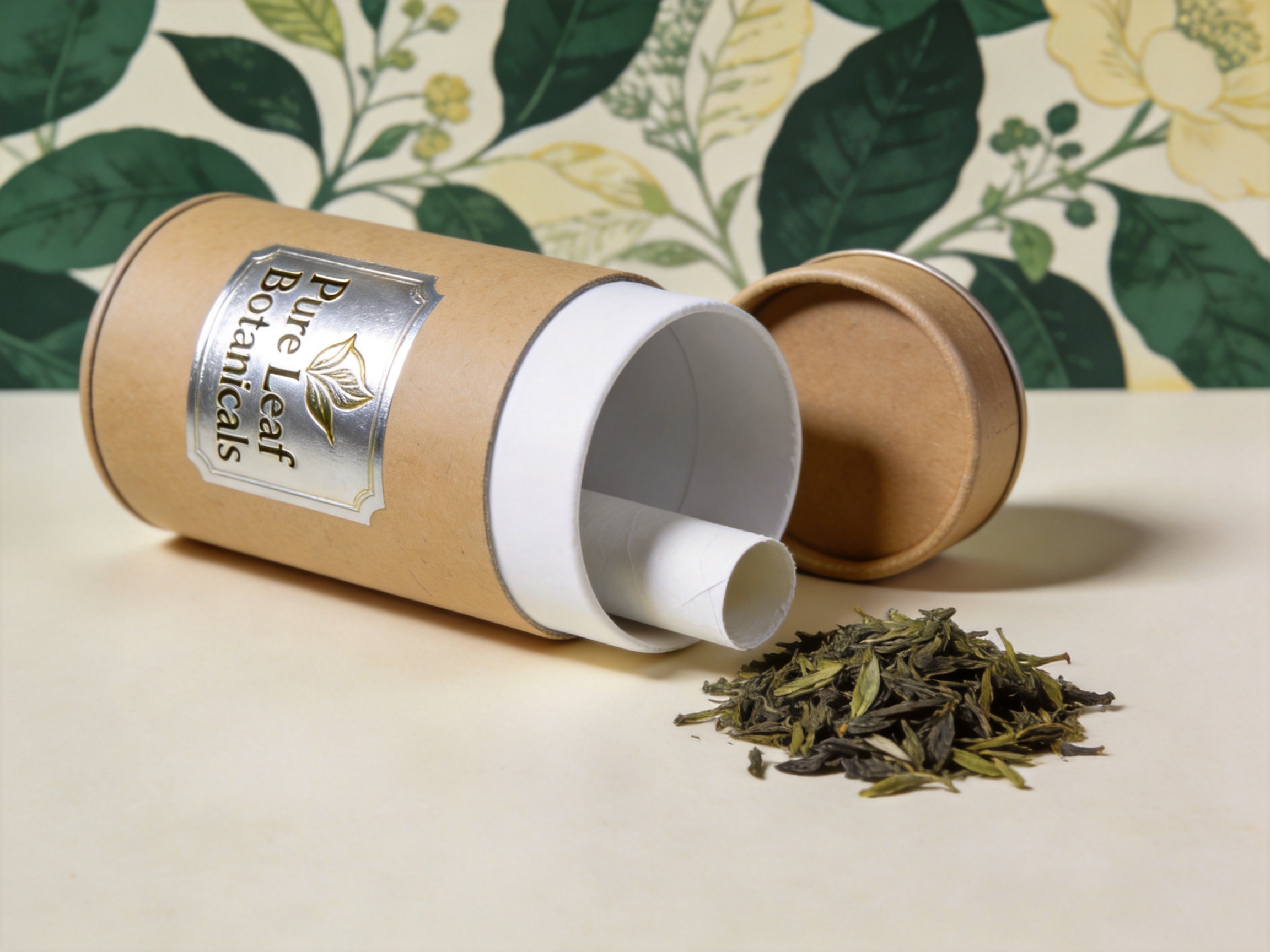
Premium tea deserves packaging that protects aroma, supports visual storytelling, and communicates quality before the lid is even opened. Fancy personalized design round paperboard tea boxes are developed for this purpose: to combine refined shelf appeal with practical protection for loose-leaf teas, tea bags, herbal infusions, gift teas, and specialty beverage products. Built with a kraft paper structure, white-based paper tube core, white coated liner, flush-fit lid construction, CMYK and Pantone printing, matte lamination, and silver hot foil logo options, this packaging format is designed for brands that want both beauty and function.
The round paperboard tea box is more than a container. It is a brand touchpoint, a preservation system, a gift-ready presentation, and a sustainable alternative to many conventional rigid plastic or metal-heavy packaging options. For tea products, where fragrance, freshness, perceived purity, and ritual are central to customer experience, the packaging must create confidence instantly. A smooth cylindrical shape, refined surface finishing, and customizable printing give the product a premium identity, while the paperboard structure supports food packaging requirements and disposable convenience.
Hangzhou Qunle Packaging Co., Ltd. manufactures this type of paper tube packaging with more than 20 years of experience in the composite can and paper can industry. As a professional manufacturer of cardboard tube packaging and paper tube packaging, the company combines long-term technical know-how, patented technologies, advanced production equipment, and food packaging experience to support global customers in tea, coffee, food, cosmetics, gifts, supplements, snacks, spices, pet care, and other consumer product sectors.
Content
- 1 Product Overview: A Personalized Paperboard Tea Box Built for Premium Presentation
- 2 Why Round Paperboard Packaging Works Exceptionally Well for Tea
- 3 Key Product Specifications and Customizable Features
- 4 Advantages Over Conventional Tea Packaging
- 5 Premium Visual Impact Through Printing and Finishing
- 6 Functional Protection for Tea Aroma and Product Integrity
- 7 Manufacturing Strength Based on Long-Term Industry Experience
- 8 Advanced Production Process for Round Paperboard Tea Boxes
- 9 Why Manufacturing Precision Matters for Tea Brands
- 10 Customization for Different Tea Market Segments
- 11 Brand Storytelling on a 360-Degree Surface
- 12 Support for E-Commerce and Subscription Tea Businesses
- 13 Food Packaging Experience and Quality Confidence
- 14 How the Product Supports Sustainable Packaging Strategies
- 15 Competitive Advantages for Tea Brands
- 16 Design Recommendations for Maximum Market Impact
- 17 Role of the Flush-Fit Lid in User Experience
- 18 Applications Beyond Loose-Leaf Tea
- 19 Why Choose an Experienced Paper Tube Packaging Manufacturer
- 20 Quality Control Throughout the Packaging Journey
- 21 How the Packaging Enhances Retail Performance
- 22 How the Packaging Enhances Customer Loyalty
- 23 Practical Considerations for Ordering Custom Tea Tubes
- 24 Q&A: Common Questions About Fancy Personalized Round Paperboard Tea Boxes
- 24.1 What types of tea are suitable for this packaging?
- 24.2 Can the design be fully customized?
- 24.3 Why choose a paperboard tube instead of a metal tin?
- 24.4 Is the package appropriate for food use?
- 24.5 What is the benefit of matte lamination?
- 24.6 What does silver hot foil stamping add to the package?
- 24.7 Can the paper tube be used for e-commerce tea products?
- 24.8 What information should be prepared before requesting a quotation?
- 24.9 Does the tube support premium gift packaging?
- 24.10 How does an experienced manufacturer improve the final result?
- 25 Conclusion: A Premium Tea Packaging Solution with Beauty, Function, and Manufacturing Depth
- 26 References
Product Overview: A Personalized Paperboard Tea Box Built for Premium Presentation
The product is a fancy personalized design round paperboard tea box in the Coffee & Teas category. Its typical model specification is ID 65.5–68 mm by H 130 mm, making it suitable for compact tea presentations, specialty blends, sample-size premium products, seasonal gift items, and boutique retail packaging. The tube uses a white-based paper tube core and a white coated paper liner, supporting a clean interior appearance and a strong exterior foundation for high-quality printing.
The box is made mainly from kraft paper and paper materials, giving it a natural yet durable foundation. Kraft paper is widely appreciated in packaging because it offers reliable strength, a tactile paper feel, and a visual association with authenticity and environmental responsibility. When enhanced with printing, matte lamination, and foil stamping, it can shift from natural simplicity to premium elegance without losing its essential paper-based character.
Printing options include CMYK plus Pantone color printing, which means both full-color graphics and accurate brand color matching can be achieved. This is especially important for tea brands, where color often communicates flavor families, origin stories, cultural identity, health positioning, and luxury value. A green tone may suggest botanical freshness, deep blue may suggest calmness or night blends, gold may suggest gifting, and neutral kraft-inspired palettes may highlight natural ingredients.
The product also supports matte lamination and stamping. Matte lamination creates a smooth, non-glossy surface that feels elegant and contemporary. Silver hot foil stamping can be applied to logos or decorative areas, adding reflective contrast that attracts attention under retail lighting. Together, these finishing techniques help the tea box compete effectively against metal tins, plastic jars, flexible pouches, and plain folding cartons.
Why Round Paperboard Packaging Works Exceptionally Well for Tea
Tea is a sensory product. Customers do not only buy leaves; they buy aroma, comfort, health associations, cultural heritage, daily ritual, and gift value. A round paperboard tea box aligns well with these expectations because its shape feels crafted and gift-worthy. Unlike a standard rectangular carton, a cylindrical tube creates a more distinctive silhouette on shelves and in online product photos. It encourages customers to hold, rotate, and inspect the package, increasing engagement with the printed design.
The round form is also practical. Cylinders naturally distribute pressure around the wall, helping the packaging resist deformation during handling better than many thin paper cartons. The flush-fit lid design creates a neat top profile and a satisfying opening experience. For tea, where repeated opening and closing may be part of daily use, the lid experience matters. A stable lid supports customer satisfaction and can encourage reuse of the tube after the original tea is consumed.
Round paperboard boxes also allow generous 360-degree branding. A tea brand can use the entire tube surface to present origin information, brewing instructions, ingredient stories, certifications, artwork, and flavor cues. The uninterrupted curved surface creates a premium canvas, especially when paired with high-resolution printing and foil stamping. This is an advantage over small labels applied to jars or bags, where design space may be fragmented or limited.
For gift teas, the tube format is particularly effective. It has an immediate “presentable” appearance and often requires no additional outer gift box. A well-designed paperboard tea tube can sit elegantly in holiday hampers, corporate gift sets, hotel welcome kits, boutique retail displays, subscription boxes, and specialty beverage collections. Because it is lightweight compared with many metal or glass containers, it can reduce shipping burden while maintaining a premium impression.
Key Product Specifications and Customizable Features
The following table summarizes the main product information and customization options available for fancy personalized round paperboard tea boxes.
| Attribute | Specification or Option | Packaging Benefit |
|---|---|---|
| Product Type | Round paperboard tea box | Distinctive premium cylindrical presentation for tea products |
| Category | Coffee & Teas | Designed for beverage-related dry food packaging applications |
| Typical Size | ID 65.5–68 mm × H 130 mm | Suitable for compact tea packs, gift teas, samples, and specialty blends |
| Main Material | Kraft paper and paperboard | Strong, lightweight, and paper-based packaging structure |
| Tube Core | White-based paper tube core | Clean foundation for refined exterior printing and stable construction |
| Interior Liner | White coated paper | Neat interior appearance suitable for food packaging presentation |
| Printing | CMYK plus Pantone color printing | Supports full-color graphics and accurate brand color reproduction |
| Surface Handling | Matte lamination and stamping | Creates premium tactile finish and visual highlights |
| Logo Option | Silver hot foil stamping | Enhances luxury effect and brand recognition |
| Lid Style | Flush-fit lid construction | Provides a smooth, integrated, and elegant closing appearance |
| Custom Order | Accepted | Allows personalized size, artwork, finishing, and branding requirements |
| Industrial Use | Food | Appropriate for tea and other dry food packaging needs |
Advantages Over Conventional Tea Packaging
Many tea products are packaged in flexible pouches, metal tins, plastic containers, folding cartons, or glass jars. Each format has value, but the round paperboard tea box offers a balanced combination of premium appearance, customization, weight efficiency, and paper-based appeal. Compared with flexible pouches, the paperboard tube has better shape retention and stronger shelf presence. A pouch may collapse as product volume decreases, while a rigid tube maintains its form and continues to look attractive throughout use.
Compared with plain folding cartons, the cylindrical paperboard box feels more substantial and more giftable. Folding cartons are cost-effective and useful for secondary packaging, but they can appear ordinary in premium tea retail environments. A round tube communicates higher perceived value, especially when enhanced with matte lamination and foil stamping. The curved structure also makes it easier to create a memorable brand silhouette.
Compared with metal tins, paperboard tubes can be lighter and offer more flexibility in surface graphics. Metal tins are traditional for tea, but they often require higher tooling investment, may be heavier, and can limit small-batch design changes. Paperboard tubes are well-suited for seasonal collections, limited-edition artwork, promotional blends, and customized private-label tea lines. Brands can refresh designs more efficiently while maintaining a premium package format.
Compared with plastic jars, paperboard tea boxes provide a warmer, more natural impression. Many tea consumers value wellness, nature, and sustainable lifestyle choices. A paper-based package aligns better with these expectations than a fully plastic container. While the exact sustainability profile depends on the full material structure and disposal system, the visible paperboard format communicates a more responsible and carefully considered packaging choice.
Compared with glass jars, round paperboard tubes are much less fragile and easier to ship. Glass can look premium, but breakage risk, weight, and protective shipping requirements can increase logistics complexity. Paperboard tubes protect dry tea products without the same fragility concern, making them suitable for e-commerce, subscription tea services, export orders, and retail distribution.
Premium Visual Impact Through Printing and Finishing
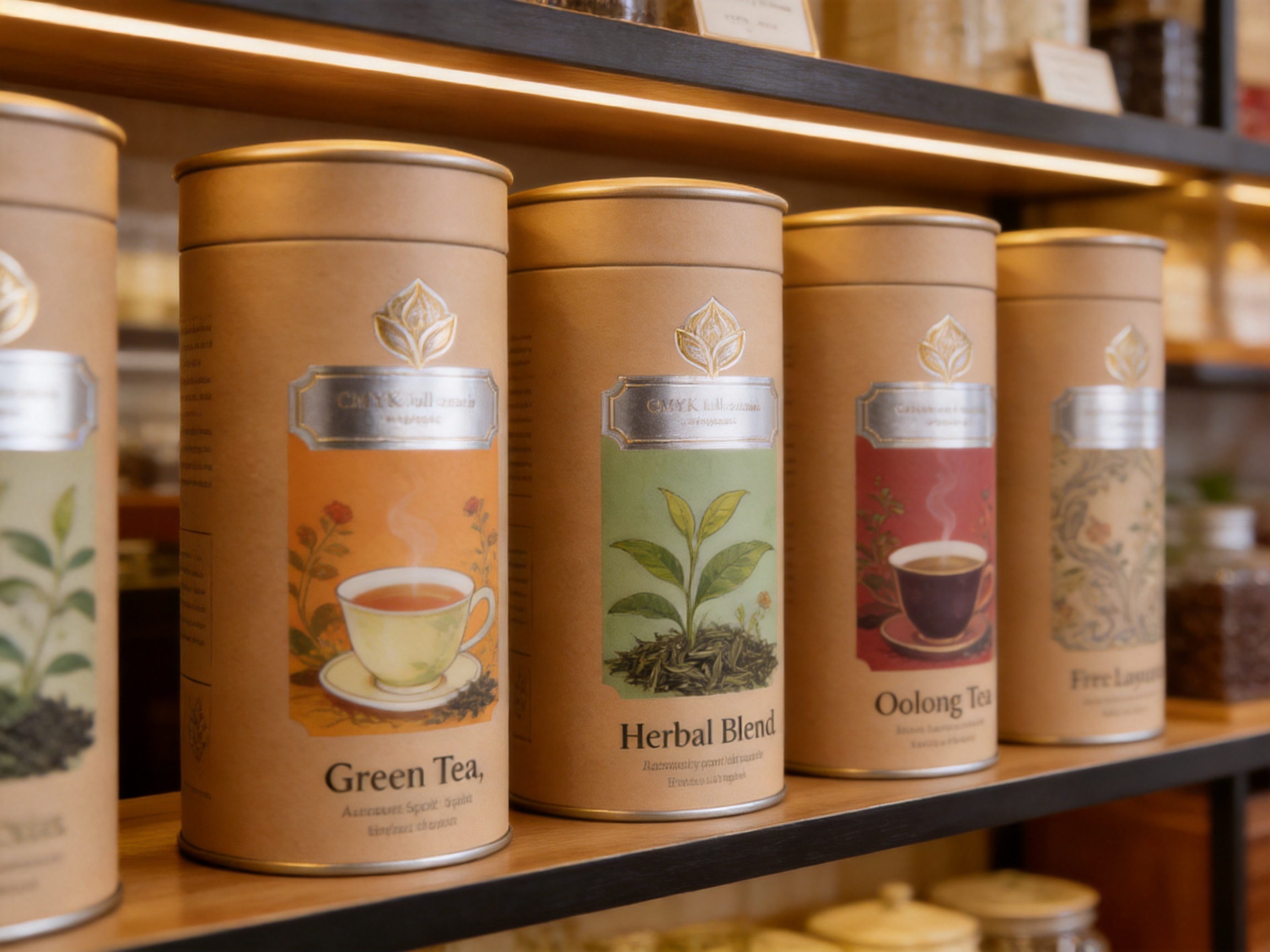
A major strength of this product is its ability to support personalized design. Tea brands often rely on packaging design to express origin, flavor, mood, tradition, and premium positioning. With CMYK printing, complex illustrations, gradients, photography, and decorative patterns can be reproduced. With Pantone printing, specific brand colors can be controlled more accurately. This combination is valuable for companies that need consistent visual identity across multiple product lines.
Matte lamination gives the surface a refined, smooth, and understated finish. It reduces harsh glare and allows printed colors to appear sophisticated. In premium tea packaging, matte finishes are widely favored because they feel calm and elegant. Customers often associate matte surfaces with boutique quality, organic positioning, and modern design.
Silver hot foil stamping adds contrast and luxury. A silver foil logo can catch light and draw the eye without overwhelming the design. It works especially well on dark backgrounds, cool color palettes, minimalist layouts, and gift-oriented packaging. Foil stamping can also be used for decorative borders, icons, flavor names, or limited-edition marks.
The round tube shape enhances these finishing effects because light moves across the curved surface as the customer turns the package. This dynamic interaction makes the package more engaging than a flat box. In a crowded retail environment, this can help the tea product stand out quickly and increase the chance of customer selection.
Functional Protection for Tea Aroma and Product Integrity
Tea packaging must protect the product from environmental factors that may reduce freshness, including moisture, oxygen, light, odor transfer, and physical crushing. While the exact barrier performance depends on the selected liner and final structure, the round paperboard tea box provides a rigid outer body that helps shield the tea from compression and everyday handling damage. The white coated paper liner offers a clean interior and can support appropriate dry food packaging presentation.
For loose-leaf tea, the rigidity of the tube helps prevent excessive leaf breakage. High-quality tea leaves are often valued for their shape and size. A crushed or powdered appearance may reduce perceived quality. A paperboard tube can help maintain product presentation better than soft packaging during shipping and shelf handling.
The flush-fit lid contributes to a neat closing system. It helps create a more integrated package appearance and can support convenient access. For many teas, consumers open the package repeatedly over several weeks or months. A comfortable, reliable lid improves usability and encourages customers to keep the tea in its original branded package rather than transferring it to another container.
The cylindrical structure also supports stable filling. Tea can be filled in measured quantities, and the package can be sealed or closed according to product requirements. For brands that require additional inner pouches, sachets, or freshness seals, the tube can act as an attractive outer container. This flexibility allows the package to serve both preservation and presentation needs.
Manufacturing Strength Based on Long-Term Industry Experience
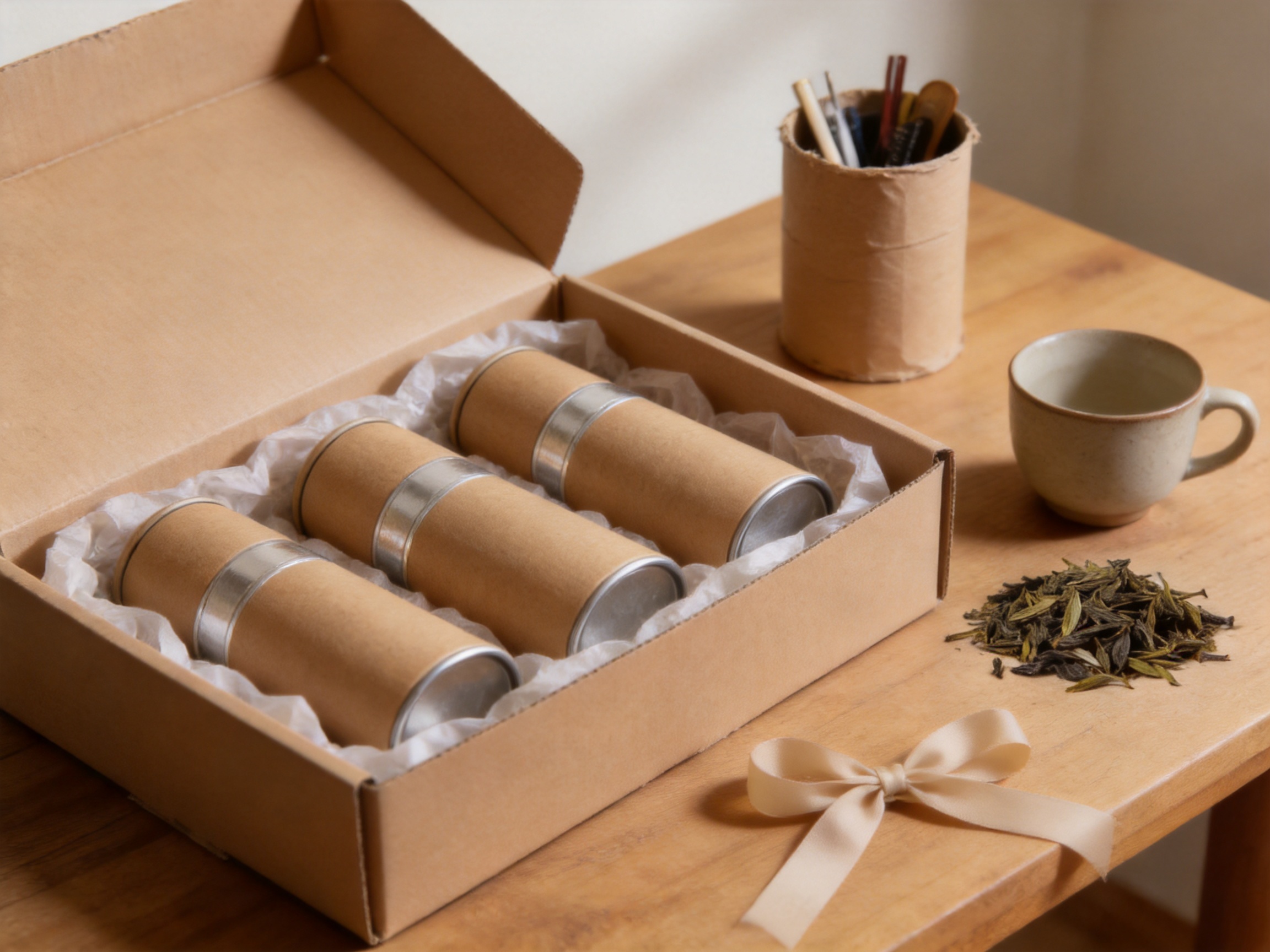
Hangzhou Qunle Packaging Co., Ltd. has been engaged in the composite can and paper can industry for more than 20 years. This long experience is significant because paper tube packaging requires more than simple paper rolling. It involves material selection, spiral or composite tube forming, precision cutting, liner application, surface printing coordination, lid fitting, finishing, inspection, and packaging for delivery. Each step affects the final quality of the tea box.
The company is the only member of the international Composite Can and Tube Institute in China’s packaging container industry. This connection reflects a strong level of professional engagement in the composite can and tube field. It also indicates familiarity with international discussions, standards, and industry development related to composite container technology.
The company was the first enterprise in China to pass the QS certificate for producing food packaging containers. For tea brands, food packaging experience is especially important. Even though tea is a dry product, the packaging must be manufactured with attention to cleanliness, material suitability, and consistency. Food packaging customers need confidence that their supplier understands relevant production discipline.
In 2015, the company introduced a high-speed composite can production line from Europe. Advanced equipment strengthens production efficiency, dimensional consistency, and large-order capability. For global tea brands, this matters because packaging suppliers must deliver stable quality across repeated orders and seasonal demand peaks. A premium design loses value if batches vary in size, color, lid fit, or finishing quality.
The company has obtained more than 10 patented technologies, showing an ongoing commitment to technical development. In packaging, innovation may involve structure optimization, forming methods, sealing improvements, lid designs, material combinations, and production process refinements. Such technical depth helps support customized projects and complex packaging requirements.
Advanced Production Process for Round Paperboard Tea Boxes
The manufacturing process begins with understanding the customer’s tea product, brand position, filling method, market channel, and design concept. A tea brand selling luxury ceremonial tea may require a different finish and structure from a wellness brand selling herbal infusions through e-commerce. Early communication helps determine size, material, liner, lid style, artwork, finishing, and order requirements.
Material preparation is then carried out according to the selected structure. Kraft paper, white-based paper tube core material, liner paper, printed outer paper, and lid components are prepared with attention to thickness, strength, surface quality, and compatibility. For food packaging, material consistency and cleanliness are especially important.
Printing is coordinated before tube forming or during the appropriate production stage depending on the design and process route. CMYK printing allows detailed images and color-rich layouts, while Pantone inks support accurate spot colors. Good printing preparation includes artwork checking, color management, proofing, registration control, and surface compatibility. Because cylindrical packaging wraps printed material around a tube, layout precision is essential to avoid misalignment.
After printing, surface treatments such as matte lamination may be applied. Lamination helps protect the printed surface from scuffing and gives the package its refined tactile feel. Stamping is added where metallic decoration is required. Silver hot foil stamping needs controlled temperature, pressure, timing, and die accuracy to create clean edges and strong adhesion.
The paperboard tube is then formed using specialized equipment. The tube wall must maintain consistent diameter and roundness. For the model size ID 65.5–68 mm by H 130 mm, dimensional precision is important because the lid must fit correctly. If the tube is too loose or too tight, the user experience may be affected. Consistent forming also ensures that tubes stand upright and look uniform in retail displays.
Cutting and finishing processes create the final height and edge quality. Smooth edges are important for both appearance and safety. The flush-fit lid is fitted to create a neat closure. The finished package is inspected for printing defects, lamination issues, foil quality, dimensional accuracy, lid fit, cleanliness, and overall appearance. Finally, the products are packed for shipment to protect them from moisture, deformation, and surface abrasion during transportation.
Why Manufacturing Precision Matters for Tea Brands
Premium tea customers notice details. A lid that does not close smoothly, a foil logo that is misaligned, a printed color that differs from the brand standard, or a tube that looks slightly oval can weaken the perception of quality. Packaging is often the first physical interaction between the customer and the tea brand. If the package feels precise, clean, and well made, the customer is more likely to believe that the tea inside is also carefully selected.
Manufacturing precision also affects operational efficiency. Tea producers and contract packers require packaging that can be filled consistently. If tube dimensions vary too much, filling lines may slow down. If lids fit inconsistently, manual labor may increase. If printed batches vary, inventory management becomes more difficult. A capable manufacturer helps reduce these issues by maintaining process control.
For export orders, consistent packaging quality becomes even more important. Products may travel long distances and pass through multiple handling stages. A strong paperboard tube with reliable construction helps protect the product and preserve brand presentation when it reaches the final customer. The manufacturer’s experience in food, fast-moving consumer goods, daily chemical products, and other sectors supports a broad understanding of logistics and retail requirements.
Customization for Different Tea Market Segments
One of the strongest advantages of personalized round paperboard tea boxes is their adaptability. The same structural concept can be transformed for different market positions through design, color, finish, and size adjustments. For luxury tea, the box may use a dark matte background, silver foil logo, minimalist typography, and subtle patterns. For organic herbal tea, the design may use soft natural colors, botanical illustrations, kraft textures, and clean ingredient communication.
For seasonal gift tea, the tube can feature holiday colors, limited-edition graphics, metallic accents, and festive messaging. Because paperboard printing is flexible, brands can create special editions for winter holidays, spring collections, corporate events, wedding gifts, or regional promotions. This gives tea companies a practical way to increase customer excitement without completely changing the product inside.
For wellness tea, packaging may focus on calm colors, functional icons, brewing instructions, and benefit-oriented communication. The tube surface provides enough area to present product details clearly. For traditional origin teas, artwork may highlight landscapes, cultural motifs, maps, tea gardens, harvest stories, or processing methods. The 360-degree design area helps create a full storytelling experience.
For private-label tea programs, custom order acceptance is especially valuable. Retailers, hotels, spas, restaurants, and corporate gift suppliers may want personalized packaging in smaller or medium production runs. A customizable paperboard tube allows them to create exclusive products that look professional and premium.
Brand Storytelling on a 360-Degree Surface
Tea brands often need to communicate more than a product name. Customers may want to know where the tea comes from, how it tastes, how to brew it, whether it contains caffeine, what ingredients it includes, and what emotional experience it offers. A round paperboard tube provides a continuous surface for this information. The front can display the main brand identity and flavor name, while the side and back can carry brewing instructions, ingredient lists, origin notes, storage guidance, and regulatory information.
The curved format encourages discovery. As a customer rotates the tube, new details appear. This can create a slower, more immersive shopping experience. In premium categories, time spent engaging with packaging can increase perceived value. It gives the brand more opportunities to persuade the customer through design and information.
The package can also support visual hierarchy. Foil stamping can highlight the logo, while matte printing can carry background patterns. Pantone colors can identify flavor families. Fine typography can suggest elegance, while hand-drawn illustrations can suggest craft and authenticity. Because the tube is three-dimensional and tactile, it can become part of the consumer’s tea ritual, not merely a disposable wrapper.
Support for E-Commerce and Subscription Tea Businesses
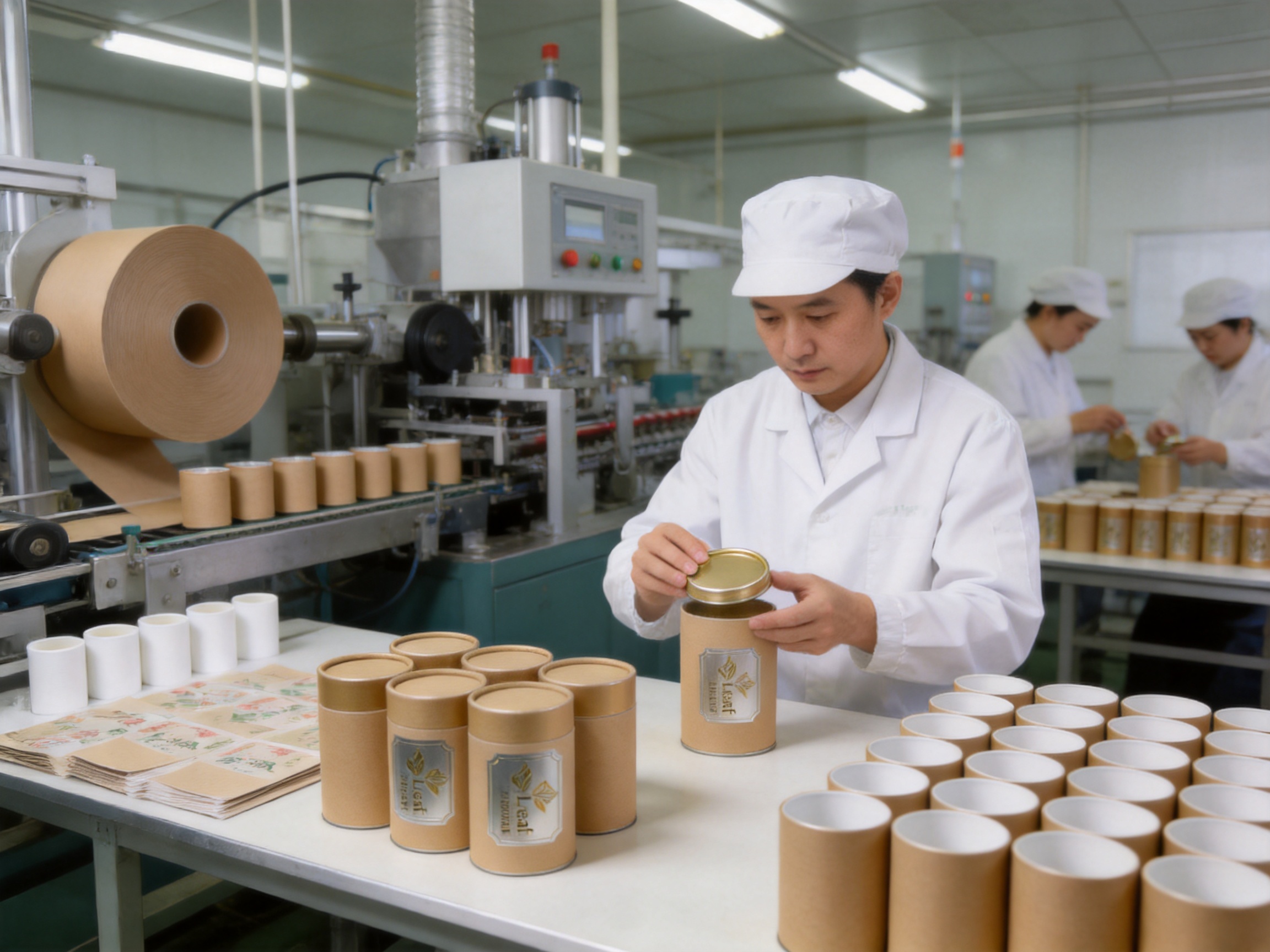
E-commerce has changed the way tea brands think about packaging. A product must look good in photos, survive shipping, create a strong unboxing moment, and remain practical for home storage. Round paperboard tea boxes perform well in these areas. Their cylindrical shape photographs attractively from multiple angles, and their rigid body protects the product better than many soft packages.
For subscription tea services, packaging consistency and visual variety are both important. Customers may receive several tea selections each month. Paperboard tubes can be designed as a family, with consistent structure but different colors and graphics for each blend. This creates a collectible feeling and encourages customers to display the tubes at home.
The lightweight nature of paperboard packaging can also be beneficial for shipping. While the exact shipping cost depends on order configuration and logistics, paper-based tubes are generally easier to handle than fragile glass jars or heavy metal containers. They can be packed in protective cartons and shipped in volume for online fulfillment.
For direct-to-consumer brands, the unboxing experience is essential. A matte laminated tube with foil details can create a premium impression without requiring excessive secondary packaging. When the customer opens the shipping carton and sees a beautifully printed tea tube, the brand experience begins immediately.
Food Packaging Experience and Quality Confidence
Because the product is intended for food industrial use, manufacturing discipline is crucial. Tea may be dry and shelf-stable, but it is still consumed by people and must be packaged responsibly. Hangzhou Qunle Packaging Co., Ltd. has significant experience in food packaging containers and was the first enterprise in China to pass the QS certificate for producing food packaging containers. This background supports confidence among tea brands seeking reliable suppliers.
The company’s packaging business covers food, daily chemical products, fast-moving consumer goods, and more. This diverse experience is useful because each industry has different expectations. Food packaging emphasizes safety and cleanliness. Cosmetics packaging emphasizes visual refinement and tactile quality. Fast-moving consumer goods require efficient production and consistent supply. Gift packaging requires presentation value. The round paperboard tea box benefits from all these areas of expertise.
Long-term partnerships with well-known companies and brands such as COFCO, STANDERS, DAVIDsTEA, Avalanche Coffee, Whittaker’s, McSteven’s, Nongfu Spring, and Beingmate demonstrate the company’s ability to serve recognized customers. Such cooperation suggests experience with quality expectations, communication requirements, and supply chain reliability.
How the Product Supports Sustainable Packaging Strategies
Many tea consumers are attentive to environmental values. They often prefer packaging that feels natural, responsible, and less dependent on conventional plastic. Paperboard tea boxes can support a more sustainable brand message because they are primarily paper-based, lightweight, and often reusable by consumers. After the tea is finished, customers may keep the tube for small household storage, craft supplies, dry sachets, stationery, or decorative use.
The sustainability value of any package depends on its full material composition, local recycling systems, inks, finishes, liners, and end-of-life handling. However, paper tube packaging offers a strong starting point for brands that want to move away from rigid plastic or overly heavy packaging. It also visually communicates naturalness, which is especially aligned with tea, herbal products, and wellness beverages.
Using the right design can further improve the sustainability message. Brands may choose clean graphics, natural colors, responsible sourcing statements, and minimal secondary packaging. They may also use the tube as part of a refill concept, where customers purchase refill pouches and keep using the original tube. Such strategies can improve customer loyalty and reduce packaging waste over repeated purchases.
Competitive Advantages for Tea Brands
Fancy personalized round paperboard tea boxes help tea brands compete in several ways. First, they increase perceived product value. A premium package can make a mid-range product feel more giftable and exclusive. Second, they improve shelf differentiation. The round shape stands apart from flat cartons and flexible pouches. Third, they provide extensive customization options. Printing, color, foil stamping, lamination, and structure can be adjusted to fit the brand.
Fourth, they support storytelling. Tea is often sold through origin, craft, wellness, and lifestyle narratives. The tube surface provides enough space to communicate these narratives elegantly. Fifth, they are practical for shipping and storage. Their rigid but lightweight structure works well for retail, gifting, and e-commerce. Sixth, they are supported by an experienced manufacturer with advanced production capability, food packaging background, patented technologies, and international industry involvement.
In a competitive market, packaging can determine whether a customer picks up one tea product instead of another. A well-designed round paperboard tea box can signal quality at first glance, provide a pleasant tactile experience, and remain useful after purchase. These factors help create stronger customer memory and repeat purchase potential.
Design Recommendations for Maximum Market Impact
To maximize the impact of personalized paperboard tea boxes, brands should begin by defining the desired customer emotion. Should the package feel calm, luxurious, natural, youthful, traditional, scientific, or festive? This emotional direction should guide color, typography, artwork, and finishing choices. For example, a high-end oolong tea may benefit from a restrained dark matte design with silver foil, while a fruit infusion may use bright colors and lively illustrations.
Clear information hierarchy is also essential. The product name, tea type, flavor, weight, and key selling point should be easy to identify. Brewing instructions should be readable but not visually overwhelming. If the tea has certifications or special origin details, these should be placed where customers can find them quickly.
Brands should also consider how multiple products will look together. A consistent tube size and layout system can create a strong product family, while color changes can distinguish flavors. This is especially useful for retail shelves and online product collections. A visually coherent range can make the brand appear more established and professional.
Finishing should be used strategically. Foil stamping is most effective when it highlights important elements rather than covering too much surface. Matte lamination works well for premium positioning, but artwork must be prepared carefully so colors remain rich and legible. Working closely with an experienced packaging manufacturer can help avoid common design-to-production issues.
Role of the Flush-Fit Lid in User Experience
The flush-fit lid is an important detail in this product. A lid is not just a closure; it is part of the daily interaction between the customer and the tea. When the lid fits neatly and aligns with the tube body, the package feels intentional and high quality. A flush profile also creates a clean silhouette, which is especially important for premium packaging photography and shelf display.
For tea, the opening ritual matters. Customers may open the package each morning or evening as part of a personal routine. If the lid feels awkward, loose, or visually mismatched, the experience is weakened. If it feels smooth and reliable, the package reinforces the pleasure of the tea ritual. This is a subtle but meaningful competitive advantage.
The lid also supports reuse. A well-made round tube with a convenient lid is more likely to be kept by customers after the tea is consumed. Reuse extends brand exposure in the customer’s home. Every time the customer sees or uses the tube, the brand remains present. This long-term visibility is difficult for disposable flexible packaging to achieve.
Applications Beyond Loose-Leaf Tea
Although the product is designed for tea, the same round paperboard structure can support a wide range of related products. It may be used for tea bags, pyramid sachets, instant tea powders, matcha, herbal blends, coffee samples, cocoa mixes, wellness drink powders, and gift assortments. Within the broader Coffee & Teas category, the format offers flexibility for different product forms.
Outside tea, similar tubes can serve snacks, confectionery, spices, supplements, cosmetics, candles, gifts, and craft products. This versatility reflects the broader capability of paper tube packaging. For brands with multiple product lines, using a consistent cylindrical packaging language can create a unified brand identity across categories.
For tea companies planning future expansion, this flexibility is valuable. A brand may start with loose-leaf tea and later add wellness powders, honey sticks, tea accessories, or gift sets. Working with a manufacturer experienced in many categories can help the brand develop a packaging system that grows with its product range.
Why Choose an Experienced Paper Tube Packaging Manufacturer
Choosing the right packaging manufacturer is as important as choosing the right packaging style. A supplier must understand materials, printing, finishing, forming, quality control, lead times, customization, and communication. Hangzhou Qunle Packaging Co., Ltd. brings more than two decades of experience, advanced equipment, patented technologies, and recognized food packaging capabilities to paper tube projects.
The company’s address in Hangzhou, Zhejiang Province, China, places it within one of China’s active manufacturing and export regions. Its experience as a paper tube packaging manufacturer and cardboard tube packaging supplier enables it to support wholesale paper tube needs for global markets. Customers can communicate by phone at 0086-571-8817.1780 or by email at [email protected] for project discussions.
For tea brands, the most important supplier qualities include stable quality, customization support, food packaging understanding, printing competence, and the ability to scale production. The company’s long history and investment in advanced production lines help address these needs. Its experience with well-known partners also indicates the ability to meet demanding commercial requirements.
Quality Control Throughout the Packaging Journey
Quality control for round paperboard tea boxes should cover every production stage. Before manufacturing, artwork should be reviewed for correct dimensions, bleed, color settings, text accuracy, and regulatory information. Material selection should be checked for strength, surface quality, and suitability. During printing, color consistency and registration should be monitored. During lamination and stamping, adhesion, surface smoothness, and foil clarity should be verified.
During tube forming, diameter, roundness, wall strength, and seam quality are important. During cutting, height accuracy and edge smoothness must be controlled. During lid fitting, the closure should be tested for practical usability and appearance. Final inspection should identify scratches, dents, stains, color deviations, misaligned foil, loose lids, and other defects.
Reliable quality control reduces risk for tea brands. Packaging defects can delay product launches, disrupt filling schedules, or damage brand reputation. A manufacturer with deep experience is better positioned to anticipate problems and maintain stable output. This is especially important for premium packaging, where even small flaws may be noticed by customers.
How the Packaging Enhances Retail Performance
Retail shelves are visually crowded. Tea products compete with many other brands, flavors, and price points. A round paperboard tea box can improve retail performance by creating a distinctive vertical shape and premium surface. The cylinder can stand upright and display the main design clearly. Its curved body catches light differently from flat cartons, helping it stand out naturally.
Matte lamination and foil stamping further improve shelf appeal. The contrast between a soft matte surface and a reflective silver logo creates a refined visual cue. Customers often associate such finishing with higher quality, making them more willing to pick up the product and compare it with alternatives.
The tube also supports impulse gifting. A customer may purchase tea as a small gift for a friend, colleague, host, or family member. If the package already looks gift-ready, the purchase decision becomes easier. This is a major advantage over packaging that requires additional wrapping or gift presentation.
How the Packaging Enhances Customer Loyalty
Customer loyalty is built through repeated positive experiences. Packaging contributes to this process before, during, and after consumption. Before purchase, the tea box attracts attention and communicates brand quality. During use, the lid, texture, and visual design become part of the tea ritual. After the product is finished, the tube may be reused, extending brand memory.
A personalized design also makes the product more recognizable. When customers return to a store or website, consistent packaging helps them identify the brand quickly. If the packaging feels premium and reliable, customers may associate those qualities with the tea itself. This can support repeat purchase and word-of-mouth recommendations.
For gift recipients, the packaging may be their first introduction to the brand. A beautiful paperboard tea box can create a strong first impression and encourage them to explore other products from the same company. In this way, packaging becomes a marketing tool as well as a container.
Practical Considerations for Ordering Custom Tea Tubes
Brands planning to order custom round paperboard tea boxes should prepare key information before contacting the manufacturer. This includes product type, target filling weight, desired dimensions, artwork files, color requirements, finish preferences, lid style, liner needs, quantity, delivery schedule, and market destination. Providing clear information helps the manufacturer recommend suitable solutions and prepare accurate production plans.
Brands should also request samples or prototypes when possible. A sample allows evaluation of size, lid fit, surface feel, print effect, and overall appearance. For premium tea, physical evaluation is important because texture, weight, and opening experience cannot be fully judged from digital renderings.
Artwork should be prepared professionally. Curved packaging requires careful layout control, and metallic stamping areas should be designed with production limitations in mind. Text must remain readable after wrapping around the tube. Important information should not be placed too close to seams or edges unless planned intentionally.
Lead time should be considered early, especially for seasonal launches. Printing, finishing, tube forming, inspection, and shipping all require time. Early planning helps avoid rushed production and ensures that packaging arrives before filling deadlines.
Q&A: Common Questions About Fancy Personalized Round Paperboard Tea Boxes
What types of tea are suitable for this packaging?
This round paperboard tea box is suitable for loose-leaf tea, tea bags, herbal infusions, scented teas, premium blends, matcha-related products, sample teas, and gift tea collections. Depending on the tea’s freshness needs, brands may use the tube directly with a suitable liner or combine it with an inner pouch or seal.
Can the design be fully customized?
Yes. Custom orders are accepted. The tube can support personalized artwork, CMYK printing, Pantone color printing, matte lamination, stamping, and silver hot foil logo decoration. Size, finish, and structural details can be discussed according to project requirements.
Why choose a paperboard tube instead of a metal tin?
A paperboard tube can be lighter, more flexible for printed design changes, and more aligned with natural or eco-conscious brand positioning. It offers strong shelf presence and premium finishing options while avoiding some of the weight and tooling limitations often associated with metal tins.
Is the package appropriate for food use?
The product is designed for food industrial use, especially dry products such as tea. The manufacturer has long experience in food packaging containers and was the first enterprise in China to pass the QS certificate for producing food packaging containers.
What is the benefit of matte lamination?
Matte lamination gives the surface a smooth, refined, non-glossy appearance. It improves tactile quality and can make the design feel more elegant. It also helps protect the printed surface from minor handling wear.
What does silver hot foil stamping add to the package?
Silver hot foil stamping creates a reflective metallic highlight, often used for logos or premium decorative elements. It improves shelf visibility and gives the tea box a more luxurious impression.
Can the paper tube be used for e-commerce tea products?
Yes. The rigid cylindrical structure is suitable for online sales because it protects the product better than many soft packages and creates an attractive unboxing experience. Proper outer shipping cartons should still be used for transportation.
What information should be prepared before requesting a quotation?
Brands should prepare the desired size, tea type, filling weight, order quantity, artwork requirements, printing colors, finishing preferences, lid style, liner needs, destination market, and delivery schedule. This information helps the manufacturer provide accurate recommendations.
Yes. The round form, matte surface, foil stamping, and personalized printing make it well suited for gift teas, corporate gifts, seasonal collections, hotel amenities, boutique retail products, and special edition tea sets.
How does an experienced manufacturer improve the final result?
An experienced manufacturer controls material selection, printing quality, tube forming accuracy, lid fit, finishing details, and inspection standards. This reduces quality risks and helps ensure that the package reflects the premium value of the tea product.
Conclusion: A Premium Tea Packaging Solution with Beauty, Function, and Manufacturing Depth
Fancy personalized design round paperboard tea boxes offer a strong solution for tea brands that want packaging with refined appearance, practical structure, and flexible customization. The cylindrical paperboard format provides excellent shelf presence, a gift-ready profile, broad design space, and a pleasant user experience. With kraft paper material, white-based paper tube core, white coated liner, CMYK and Pantone printing, matte lamination, silver hot foil stamping, and flush-fit lid construction, the package can be tailored for many premium tea identities.
Compared with flexible pouches, plain cartons, plastic jars, glass containers, and metal tins, the round paperboard tea box offers a balanced combination of lightweight handling, visual distinction, tactile quality, customization flexibility, and paper-based appeal. It supports modern tea branding, e-commerce presentation, gift packaging, and retail differentiation.
Behind the product, Hangzhou Qunle Packaging Co., Ltd. provides more than 20 years of composite can and paper can manufacturing experience, advanced production capability, patented technologies, international industry involvement, and food packaging expertise. These strengths help ensure that the final packaging is not only attractive but also consistently manufactured and commercially reliable.
For tea brands seeking to elevate product value, communicate quality, and create memorable customer experiences, personalized round paperboard tea boxes are a compelling packaging choice. They protect, present, and promote the product while giving brands the creative freedom to express their identity in a premium and practical format.
References
1. Soroka, W. Fundamentals of Packaging Technology. Institute of Packaging Professionals.
2. Robertson, G. L. Food Packaging: Principles and Practice. CRC Press.
3. Yam, K. L. The Wiley Encyclopedia of Packaging Technology. Wiley.
4. Han, J. H. Innovations in Food Packaging. Academic Press.
5. Coles, R., McDowell, D., and Kirwan, M. J. Food Packaging Technology. Blackwell Publishing.
6. Paper and Paperboard Packaging Industry Technical Guides on Composite Can Manufacturing and Food Contact Packaging Practices.
