 English
 Español

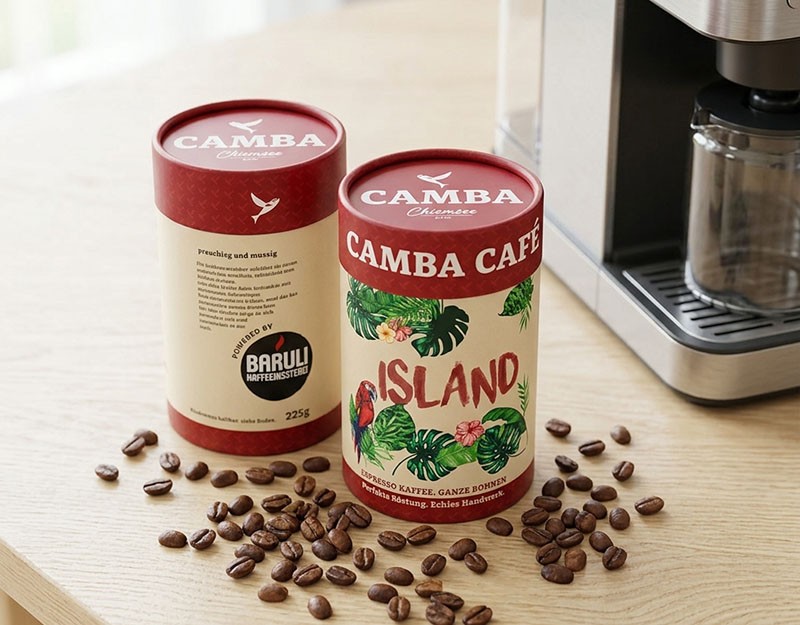
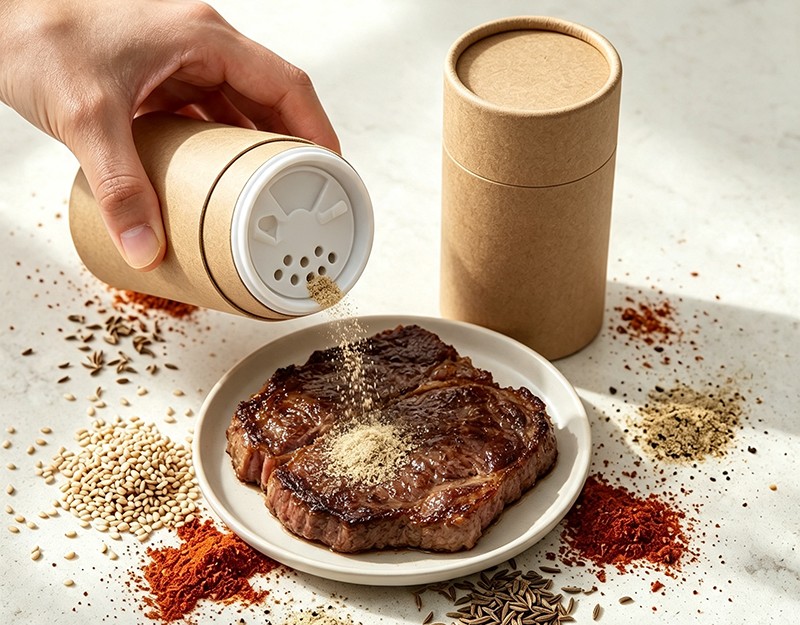
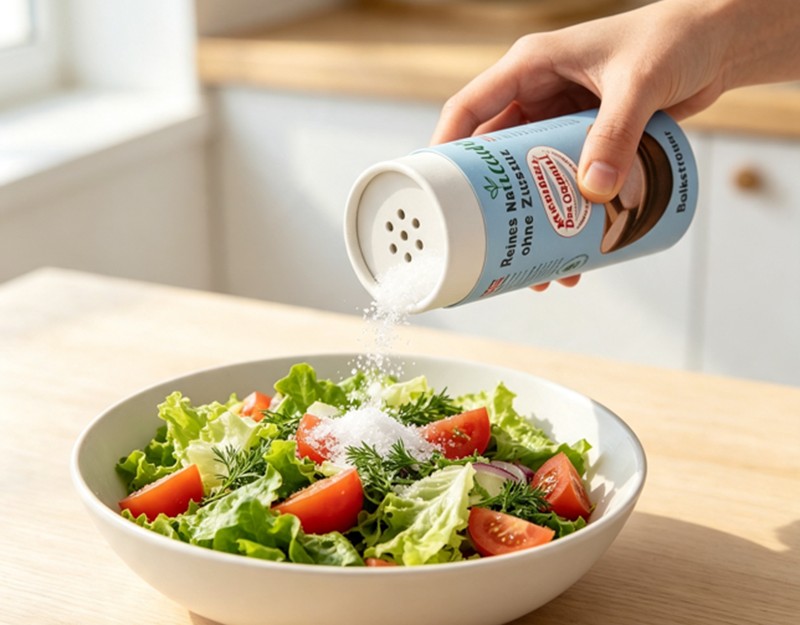
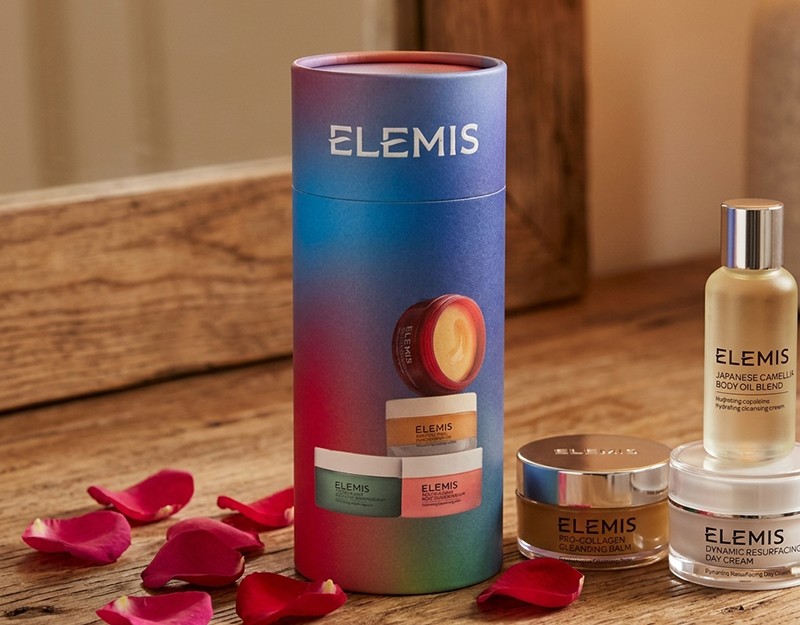
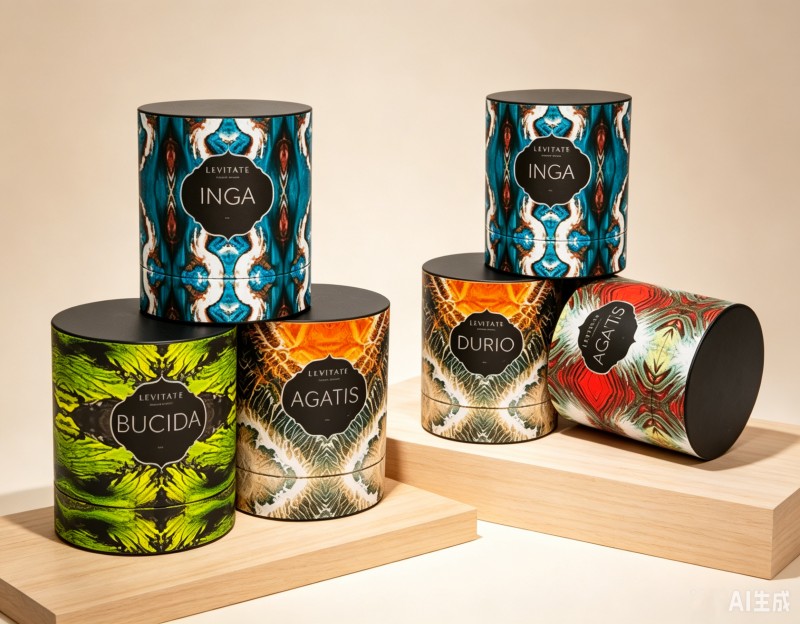
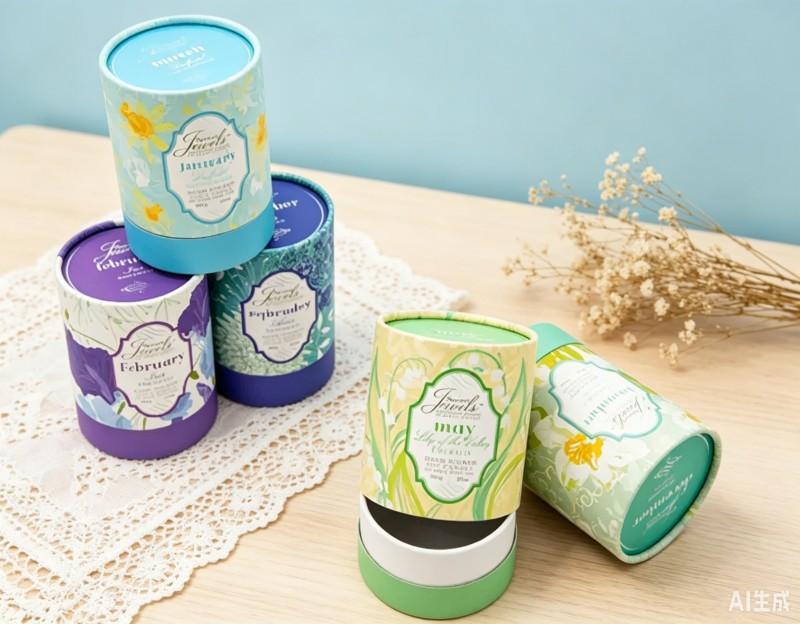
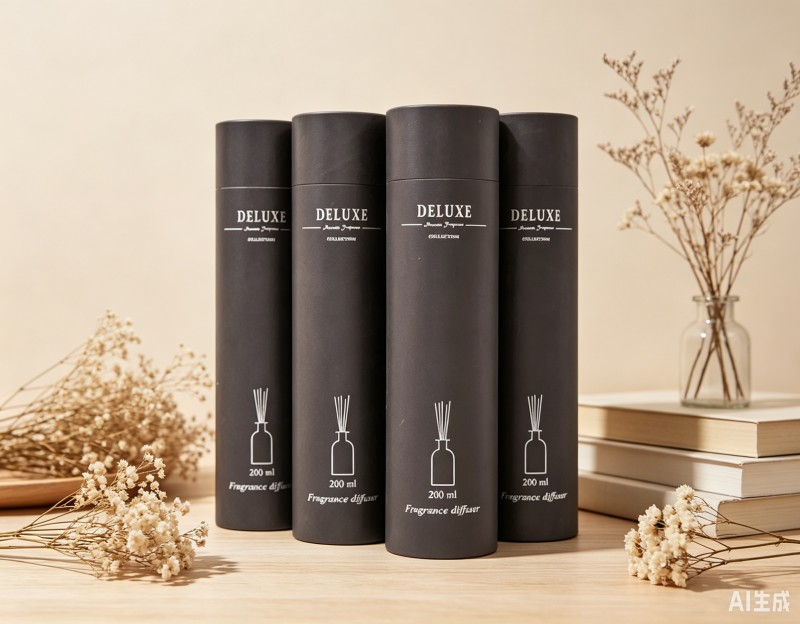
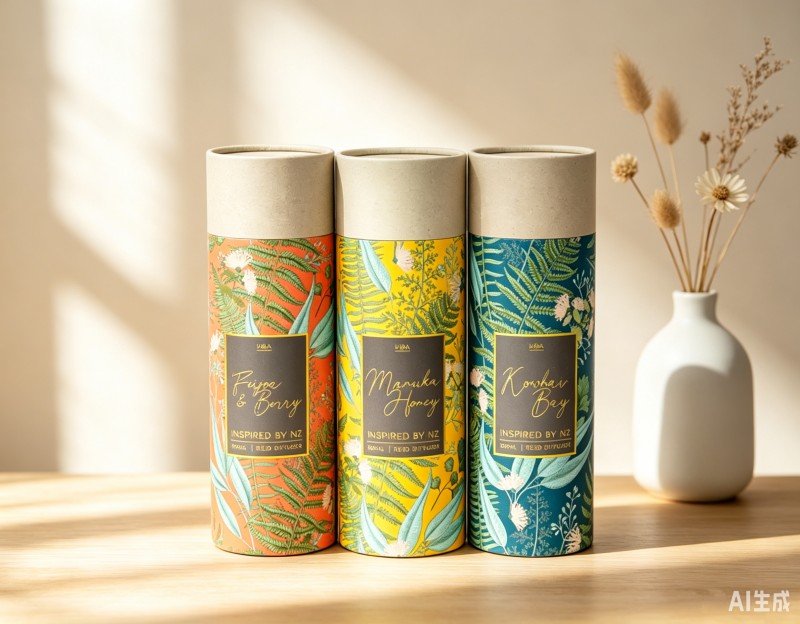
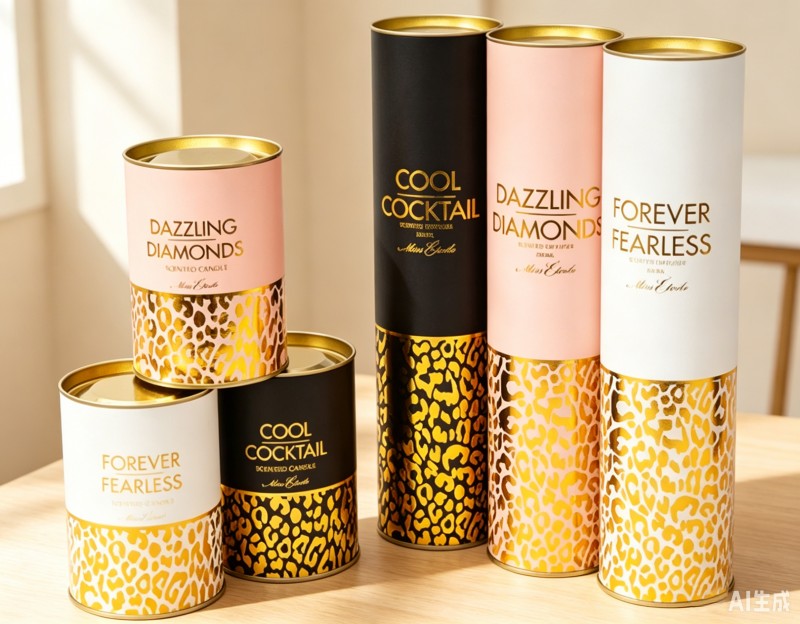
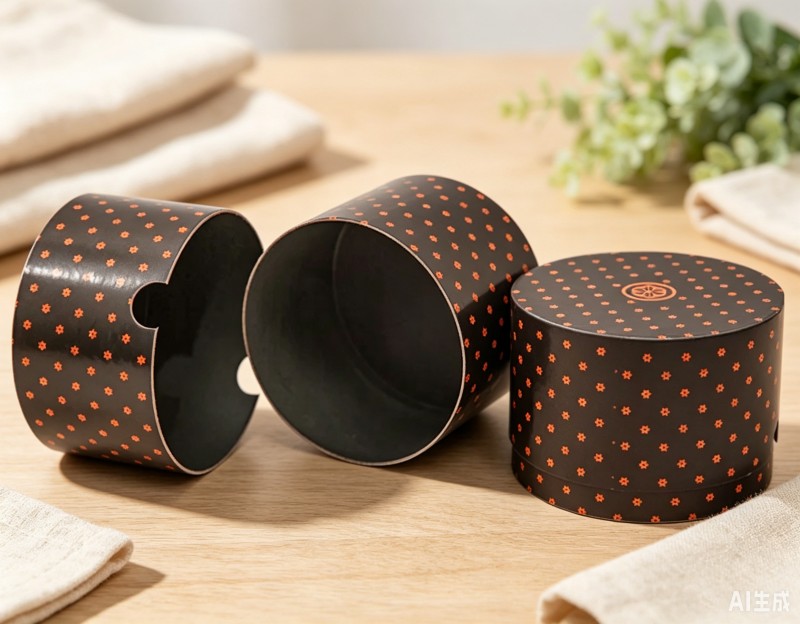
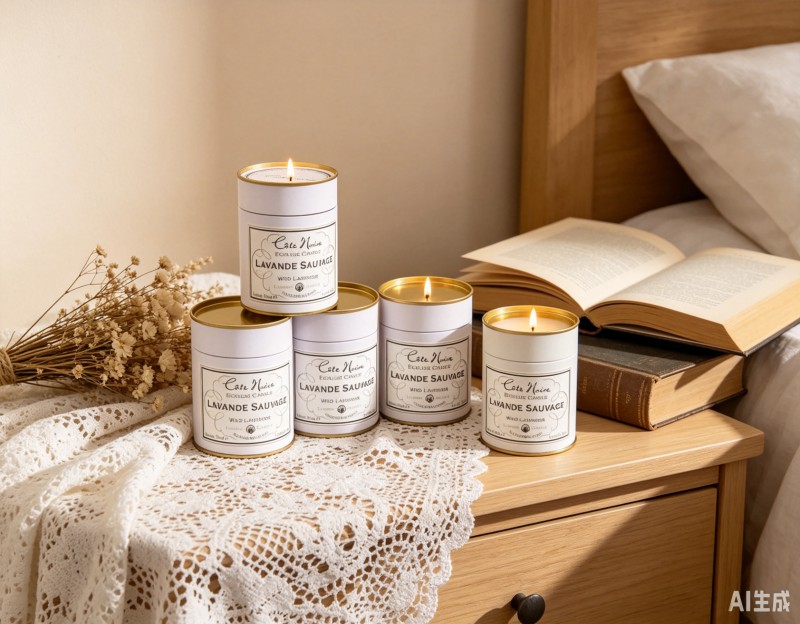

As one of the top China cardboard tube packaging manufacturers and paper tube packaging suppliers, we devote all of our efforts to research and launch more high quality packaging products to global market.
OEM (90.5-92.5)*330MM Wine Glass Packaging Boxes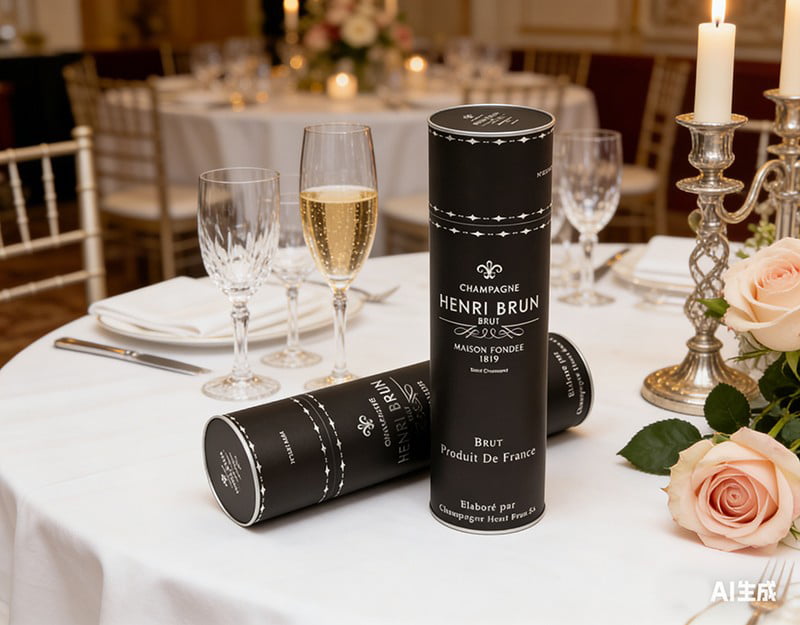
Content
- 1 Introduction: Packaging That Protects, Presents, and Persuades
- 2 Product Overview
- 3 Key Specifications
- 4 Why Cylindrical Packaging Works for Wine Glasses
- 5 Advantages Over Conventional Packaging Options
- 6 Material Benefits: Kraft Paper and Tin Components
- 7 Surface Finishing for Luxury Brand Expression
- 8 Structural Considerations for Fragile Glassware
- 9 Manufacturing Strength Behind the Product
- 10 Advanced Production Process
- 11 OEM Customization Opportunities
- 12 Application Scenarios
- 13 Branding Impact in the Wines and Spirits Market
- 14 Sustainability and Market Expectations
- 15 Quality, Consistency, and Supply Reliability
- 16 How This Product Supports Premium Positioning
- 17 Q&A Section
- 17.1 Q1: What is the main use of this cylindrical packaging box?
- 17.2 Q2: What does the size ID (90.5–92.5) × 330 mm mean?
- 17.3 Q3: Why choose a paper tube instead of a folding carton?
- 17.4 Q4: Can the package be customized with a logo?
- 17.5 Q5: Is the packaging eco-friendly?
- 17.6 Q6: What finishing options are available?
- 17.7 Q7: What advantages does the manufacturer offer?
- 17.8 Q8: Is this packaging suitable for retail display?
- 17.9 Q9: Can it be used for shipping fragile glassware?
- 17.10 Q10: Why is silver hot foil stamping useful for wine glass packaging?
- 18 Conclusion
- 19 References
- 20 Product: OEM (90.5-92.5)*330MM Wine Glass Packaging Boxes
Introduction: Packaging That Protects, Presents, and Persuades
Premium wine glass packaging is no longer a simple container used only to carry a product from factory to shelf. For wines and spirits, gift sets, tasting accessories, and commemorative glassware, packaging is now part of the product experience itself. A wine glass is fragile, visually elegant, and often associated with celebration, hospitality, and refinement. Its package must therefore do more than resist pressure; it must express value, protect delicate contours, support brand storytelling, and create a memorable unboxing moment.
The OEM (90.5–92.5) × 330 mm wine glass packaging box is designed as a cylindrical paper tube package for premium presentation and secure transport. Its internal diameter range of 90.5 to 92.5 mm and height of 330 mm make it suitable for wine glass cylinder packaging applications where structural stability, customized appearance, and eco-conscious material selection are important. Built from kraft paper and tin components, the tube combines the visual warmth of paper with the reinforcement and closure performance associated with metal-end paper canister construction.
This packaging solution belongs to the wines and spirits packaging category, but its practical use extends to gift glassware, tasting sets, promotional wine accessories, and retail-ready premium presentation. It supports custom orders, customer logos, CMYK printing, embossing, matte lamination, stamping, UV coating, and silver hot foil stamping. These finishing options allow the package to achieve a luxury appearance while maintaining the sustainable and recyclable character expected from modern paper-based packaging.
Compared with ordinary folding cartons, thin plastic sleeves, or generic corrugated boxes, a rigid cylindrical tube offers better dimensional strength, stronger shelf presence, and a more distinctive gift-ready form. It is especially effective for long, narrow, and fragile items such as wine glasses, stemware, slender bottles, or specialty accessories. The round tube shape distributes external pressure more evenly than many rectangular structures and helps the package stand out in displays dominated by square and rectangular cartons.
Hangzhou Qunle Packaging Co., Ltd. brings more than 20 years of experience in the composite can and paper can industry to this product. The company has developed production capabilities across food, daily chemical products, fast-moving consumer goods, and premium consumer packaging. With patented technologies, a European high-speed composite can production line, and long-term service to well-known international and domestic brands, the company is positioned to support both premium customization and scalable wholesale supply.
Product Overview
The OEM (90.5–92.5) × 330 mm wine glass packaging box is a cylindrical paper tube packaging product designed for custom brand presentation. The product uses kraft paper as a primary paper material and may include tin elements as part of the complete paper-plus-tin structure. The cylindrical design provides an elegant profile that matches the refined nature of wine and spirits culture, while the customization options allow each package to be adapted to a brand’s identity, campaign, or retail channel.
The product is suitable for wine glass cylinder packaging tube box applications. It can be produced with a customer’s logo, custom CMYK artwork, embossing, matte lamination, silver hot foil stamping, and UV coating. These techniques make it possible to create a tactile and visual hierarchy on the tube surface. For example, matte lamination can provide a soft premium touch, silver foil can highlight a logo or product name, embossing can create a raised decorative effect, and UV coating can emphasize selected design areas through contrast and shine.
The specified size, ID (90.5–92.5) × 330 mm, reflects a practical internal diameter tolerance and tube height for long-form packaging. This dimensional range is important because fragile glassware needs a balance between protective fit and ease of insertion. If the tube is too tight, loading becomes difficult and the item may be exposed to stress. If it is too loose, the glass may move excessively during handling. A controlled internal diameter helps improve compatibility with suitable inner supports, wrapping materials, or inserts.
The package’s kraft paper foundation aligns with current market expectations for reduced plastic use and more environmentally responsible packaging. Recycled material features and eco-friendly positioning are important advantages for retailers and consumers increasingly attentive to packaging waste. Paper tube packaging gives brands a way to express premium value without relying on heavy plastic or overly complex mixed-material boxes.
Although this model is categorized under wines and spirits, its elegant cylindrical appearance makes it suitable for a wider range of gifting and specialty packaging needs. It can be adapted for branded tasting events, hotel welcome gifts, winery souvenirs, barware promotions, collectible glasses, and seasonal gift campaigns. In each case, the cylinder form protects the product while also communicating a sense of ceremony.
Key Specifications
| Item | Specification | Value for Buyers |
|---|---|---|
| Product Type | Wine glass cylinder packaging tube box | Suitable for premium glassware, wine accessories, and gift presentation |
| Size | ID (90.5–92.5) × 330 mm | Designed for long-form cylindrical protection and stable product fitting |
| Material | Kraft paper with tin components | Combines paper-based sustainability with reinforced structural details |
| Shape | Cylinder | Distinctive shelf presence and efficient pressure distribution |
| Printing | CMYK | Supports colorful brand artwork and retail graphics |
| Surface Handling | Embossing, matte lamination, stamping, UV coating | Enables premium texture, contrast, and high-end finishing |
| Logo | Customer logo accepted | Ideal for OEM and private-label customization |
| Hot Foil Stamping | Silver | Adds luxury visual highlights for wine and spirits markets |
| Feature | Recycled materials, eco-friendly | Meets modern demand for responsible packaging choices |
| Custom Order | Accepted | Allows tailored dimensions, branding, finishes, and market positioning |
Why Cylindrical Packaging Works for Wine Glasses
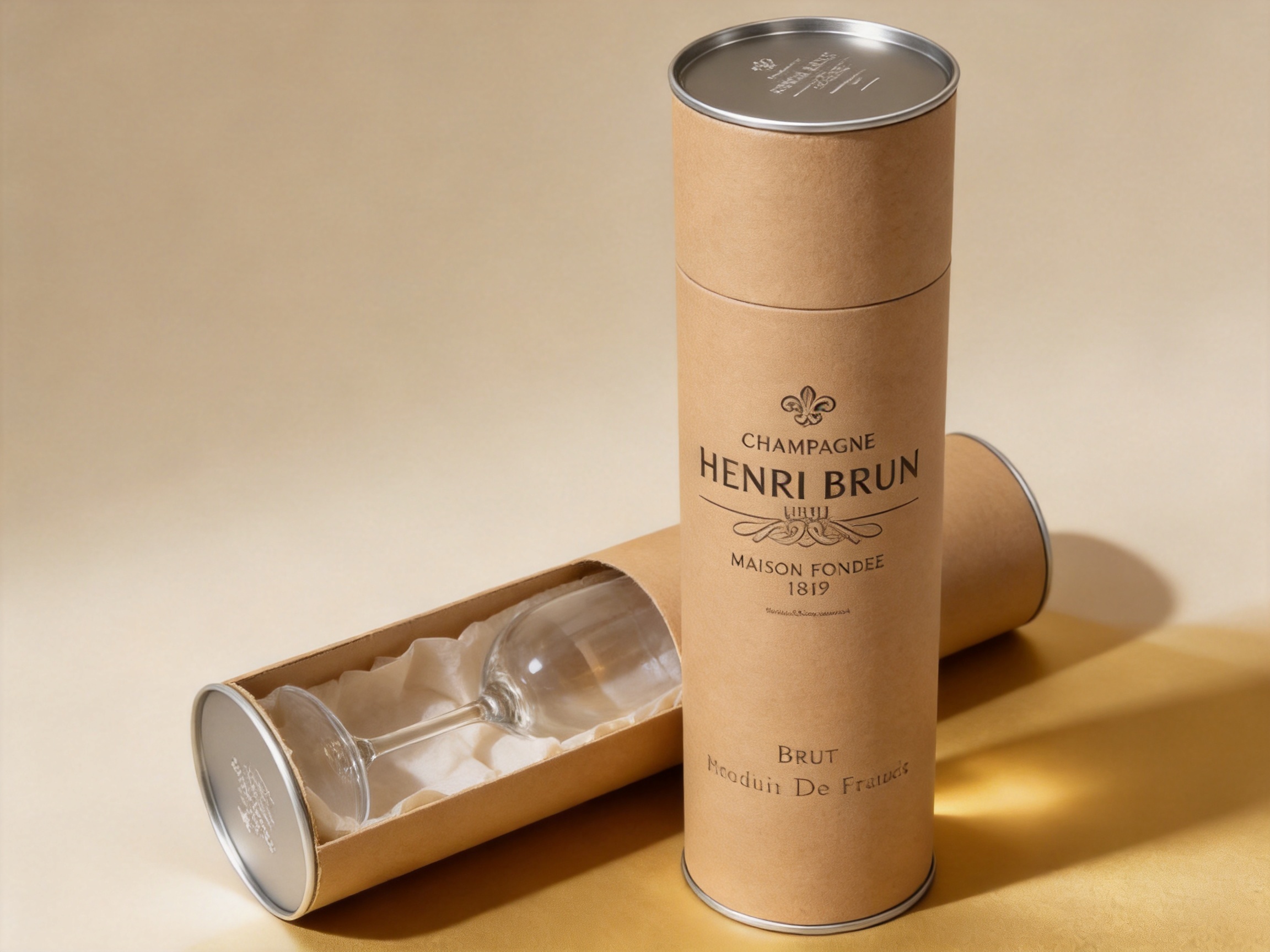
Wine glasses are fragile products with a shape that can be difficult to protect. A typical glass may include a wide bowl, a narrow stem, and a base that requires careful spacing. Rectangular boxes can protect glassware effectively when well engineered, but they often require more interior structure to prevent movement. A cylindrical tube naturally suits the vertical presentation of a single glass or a slender accessory because it creates a smooth continuous wall around the product.
The round format is particularly suitable for premium gifting. Consumers often associate tube packaging with luxury goods such as spirits, teas, chocolates, candles, cosmetics, and collectible items. In a wine-related context, the cylinder form visually echoes bottles, barrels, tasting tubes, and cellar culture. This makes the package feel appropriate even before the consumer sees the product inside.
From a structural standpoint, a cylinder is efficient because pressure applied from outside is distributed around the curved wall. While material thickness, winding method, and closure design all influence performance, the geometry itself provides a natural advantage over many flat-panel structures. This is especially useful during storage and transport, where packages may experience compression, side impacts, and repeated handling.
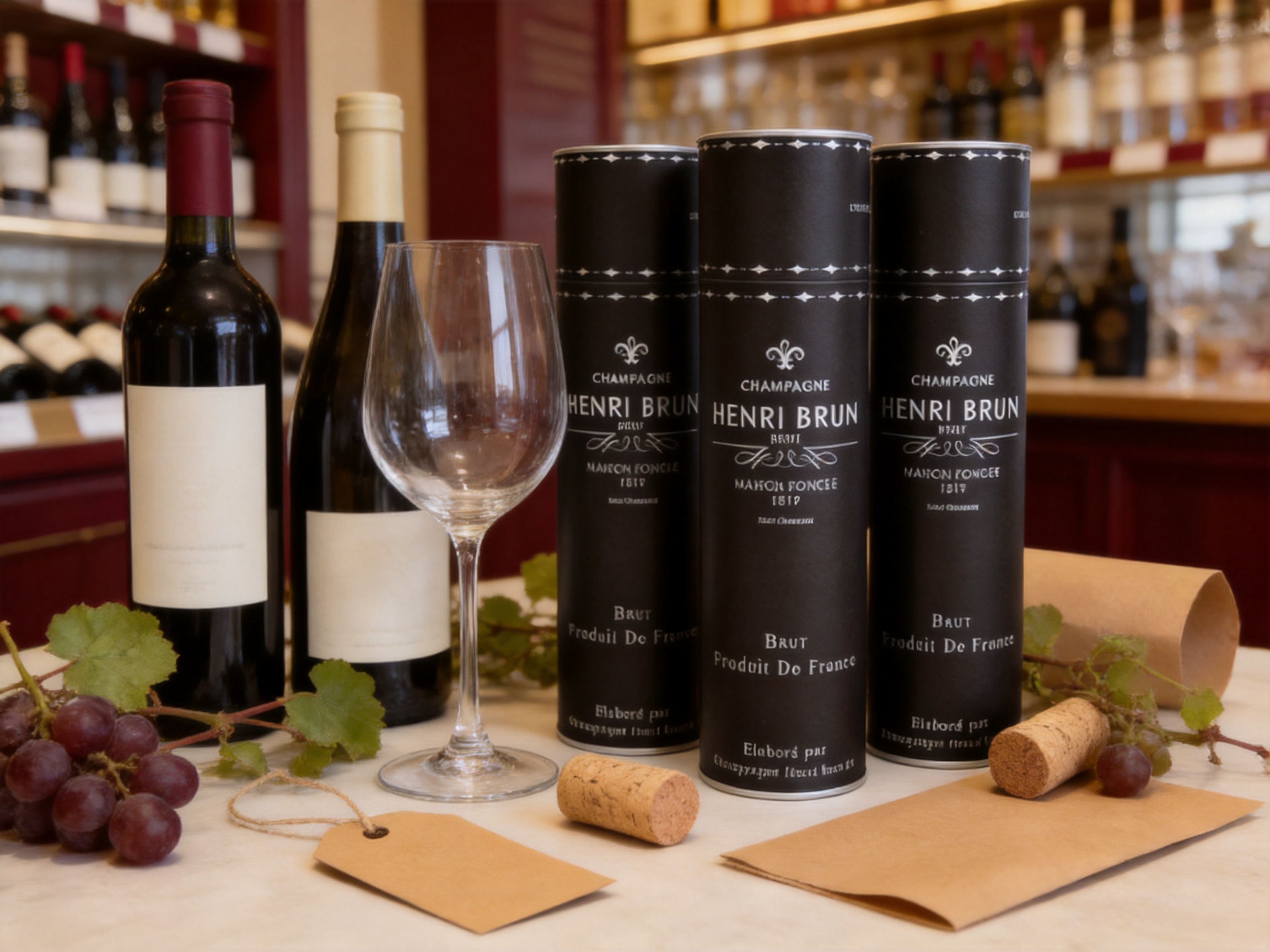
For retailers, cylindrical packaging can also improve display appeal. A well-designed paper tube can stand upright, be arranged in gift displays, or be paired with wine bottles and tasting accessories. Its tall shape creates strong visual verticality on shelves, while customized printing allows brand colors and graphics to be visible from multiple angles. Unlike a flat carton that primarily communicates from one or two faces, a tube can carry a continuous wraparound design.
For consumers, the unboxing experience is often more enjoyable. Opening a rigid tube feels deliberate and ceremonial. If the package includes refined finishing such as matte lamination, embossed logos, and silver hot foil, the container can be retained after the product is removed. Reusable packaging increases perceived value and may extend brand exposure in the consumer’s home.
Advantages Over Conventional Packaging Options
Stronger Premium Identity Than Standard Folding Cartons
Folding cartons are common, cost-efficient, and useful for many products, but they may not always communicate the value expected in premium wine glass packaging. A rigid paper tube has a more substantial hand feel and a distinctive shape. When customers pick it up, they experience a stronger sense of protection and quality. This tactile difference can help justify premium pricing and strengthen the perceived value of the glassware inside.
The tube also has a more gift-ready appearance. Many folding cartons require additional wrapping, ribbons, or outer gift bags to feel complete. A decorated cylindrical paper tube can often function as both product package and gift package. This reduces the need for secondary decorative packaging and simplifies retail presentation.
More Eco-Conscious Than Many Plastic-Based Alternatives
Plastic packaging can provide visibility and moisture resistance, but many brands are reducing reliance on plastic due to environmental concerns and consumer expectations. Kraft paper tube packaging offers a more natural and sustainable appearance. The product’s recycled material and eco-friendly features support brands that want to communicate responsibility without compromising visual quality.
Paper-based packaging also creates a warmer sensory impression. For wine, spirits, and glassware, this is important because the category often emphasizes craftsmanship, tradition, and authenticity. Kraft paper can be left natural for a rustic aesthetic or fully printed and finished for a refined luxury look.
Better Shelf Differentiation Than Generic Corrugated Boxes
Corrugated boxes are excellent for shipping, but they are rarely ideal as the primary retail presentation for premium glassware. They can appear industrial, bulky, or temporary. A cylindrical paper tube, by contrast, is designed to be seen, touched, and retained. It supports high-quality printing and decorative finishing directly on the package surface.
For brands competing in crowded wine and spirits retail environments, packaging shape is a powerful differentiator. Most shelves contain rectangular cartons and bottle labels. A vertical cylinder with metallic foil and embossed details can draw attention quickly. This can be particularly valuable for seasonal promotions, tasting kits, limited-edition glassware, and gift sets.
Greater Customization Potential Than Off-the-Shelf Tubes
Generic tubes can serve basic packaging needs, but they may not align precisely with a brand’s size, color, finish, or structural expectations. The OEM nature of this product allows customers to specify branding details, printing, surface treatment, and logo application. The ID range of 90.5–92.5 mm and 330 mm height provides a defined starting point, while custom order capability supports adaptation for different product requirements.
This is especially important for companies that need packaging consistency across multiple regions or product lines. Custom CMYK printing, embossing, UV coating, and stamping help maintain a coherent brand system. Whether the desired style is minimalist, traditional, modern, festive, or luxurious, the surface can be designed accordingly.
Material Benefits: Kraft Paper and Tin Components
Kraft paper is widely used in packaging because it offers strength, workability, and a natural appearance. In paper tube construction, kraft paper layers can be formed into a rigid cylindrical wall. The result is lightweight compared with many rigid alternatives, yet strong enough for premium packaging applications when engineered properly.
The use of recycled materials supports eco-friendly positioning. Many consumers now evaluate packaging as part of their purchasing decision, especially in premium categories where values and lifestyle identity matter. A well-made kraft paper tube communicates that a brand is attentive not only to product quality but also to responsible presentation.
Tin components can add durability and closure refinement to the package. In composite can and tube packaging, metal ends or tin details are often used to improve structural stability and create a cleaner finish. This combination of paper and tin can offer a balanced package: paper provides the printable body and sustainable character, while tin contributes precision, reinforcement, and a premium closure impression.
Compared with all-plastic rigid packaging, the paper-plus-tin structure can feel more refined and less disposable. Compared with plain paper-only packaging, tin details may improve the user’s perception of durability. This balance is particularly suitable for wine glass packaging, where the container must protect a delicate item while looking appropriate for a premium setting.
Surface Finishing for Luxury Brand Expression
CMYK Printing
CMYK printing allows the tube to carry full-color artwork, brand graphics, product information, decorative patterns, and campaign imagery. For wine and spirits accessories, color accuracy and visual atmosphere are important. A winery may prefer deep burgundy, cream, black, or gold-inspired palettes. A modern barware brand may use minimalist monochrome designs. CMYK printing gives designers the flexibility to create packaging that matches the intended market position.
Matte Lamination
Matte lamination provides a smooth, low-gloss finish that is often associated with premium packaging. It reduces harsh reflections and gives the surface a soft, elegant appearance. For luxury wine glass packaging, matte lamination can make colors feel deeper and more sophisticated. It also improves tactile appeal, making the package more pleasant to hold.
Embossing
Embossing creates raised design elements on the surface. A logo, crest, pattern, or product name can be embossed to create a tactile impression. This is particularly effective in the wine and spirits market, where heritage symbols, seals, and refined typography often play a major role in brand identity. Embossing encourages the customer to touch the package, increasing sensory engagement.
Silver Hot Foil Stamping
Silver hot foil stamping adds metallic highlights that catch light and signal premium value. Silver is versatile because it can work with dark, light, minimalist, or colorful backgrounds. It is appropriate for modern luxury, celebratory gifts, winter promotions, and elegant wine accessory packaging. When used selectively, silver foil can make a logo or key detail stand out without overwhelming the design.
UV Coating
UV coating can be used to create contrast between matte and glossy areas. Spot UV effects are often used on logos, patterns, or visual accents. This technique adds depth and visual interest. For a cylindrical package, UV details can be especially engaging because the consumer sees different reflective effects as the tube is turned in the hand.
Structural Considerations for Fragile Glassware
Packaging for wine glasses must address several risks: compression, impact, abrasion, and internal movement. The cylindrical tube provides the outer protective shell, but successful glassware packaging may also use internal supports such as paper inserts, molded pulp, tissue wrapping, foam alternatives, or dividers depending on the product design and shipping requirements. The internal diameter tolerance of 90.5–92.5 mm allows packaging engineers to plan the fit with attention to both product clearance and protective cushioning.
The 330 mm height is useful for elongated products, including many wine glass formats and accessories. Height control matters because the package should prevent the product from moving vertically while still allowing convenient insertion and removal. If the tube is used for a single glass, the inner protection can be designed to stabilize the bowl, stem, and base. If used for promotional accessories, inserts can be adapted accordingly.
Rigid cylindrical walls help resist deformation during normal handling. The package can be used as a primary presentation container and may be placed into an outer shipping carton for e-commerce or long-distance transport. This combination allows the tube to remain visually clean while the outer carton absorbs logistics-related wear.
For retail environments, the tube should feel secure when handled repeatedly by customers. Closure performance, wall rigidity, and surface durability all contribute to this experience. A premium package that feels loose or flimsy can undermine product value. The paper-plus-tin construction and finishing options are therefore important not only for appearance but also for user confidence.
Manufacturing Strength Behind the Product
Hangzhou Qunle Packaging Co., Ltd. has been active in the composite can and paper can industry for more than 20 years. This long operating history matters because paper tube packaging quality depends on accumulated knowledge in materials, forming, printing, finishing, tolerances, and quality control. A cylindrical package may appear simple, but consistent production requires precise control over paper winding, adhesive application, drying, cutting, edge finishing, and assembly.
The company is the only member of the international Composite Can and Tube Institute in China’s packaging container industry. This association reflects a connection with international knowledge in composite can and tube packaging. For buyers, this suggests that the manufacturer understands not only local production but also broader industry standards and market expectations.
The company was also the first enterprise in China to pass the QS certificate for producing food packaging containers. Although wine glass packaging is not a direct food-contact application in the same way as coffee, tea, snacks, or supplements, experience with food packaging standards indicates disciplined production management. Buyers of premium packaging benefit from suppliers that are accustomed to hygienic processes, documentation, and controlled manufacturing environments.
In 2015, the company introduced a high-speed composite can production line from Europe. This investment strengthened its ability to produce composite cans and paper tubes at scale with improved consistency. Advanced equipment can enhance dimensional control, production efficiency, and repeatability across large orders. For OEM customers, this is crucial because brand packaging must remain consistent from batch to batch.
The company has obtained more than 10 patented technologies. Patented technical development suggests ongoing investment in packaging improvement rather than simple replication of standard products. In a competitive market, this kind of innovation capacity can help customers develop distinctive structures, better closures, improved production efficiency, or more refined packaging effects.
Long-term partnerships with companies and brands across food, beverages, tea, coffee, confectionery, and consumer goods demonstrate the manufacturer’s ability to serve demanding customers. Such relationships typically require stable quality, responsive communication, and dependable delivery. For buyers seeking wine glass packaging, working with an experienced manufacturer reduces risk during sampling, customization, mass production, and reorder cycles.
Advanced Production Process
Material Selection and Preparation
The process begins with selecting suitable kraft paper and related materials according to the target structure, strength, appearance, and finishing requirements. Material selection affects rigidity, surface smoothness, print performance, and overall durability. For a premium wine glass tube, the body material must be compatible with printing and post-print finishing while maintaining the strength needed for cylindrical packaging.
Because the product supports recycled materials and eco-friendly positioning, material planning also considers sustainability goals. Brands may request a natural kraft look, a fully printed surface, or a luxury laminated finish. Each option requires appropriate substrate preparation to ensure the final package meets visual and mechanical expectations.
Tube Forming
Paper tube forming requires careful winding and bonding of paper layers into a cylindrical structure. The internal diameter must be controlled within the required range, and the tube wall must be uniform. The ID (90.5–92.5) mm specification is important because small deviations can affect product fit and insert compatibility.
Consistent tube forming also influences appearance. A premium package should have smooth walls, clean seams, and stable roundness. Poorly formed tubes can appear oval, uneven, or weak. Advanced equipment and experienced operators help maintain reliable quality during production.
Cutting and Sizing
After forming, tubes are cut to the required height of 330 mm. Clean cutting is essential because rough edges can reduce perceived quality and may interfere with closure assembly. Accurate height control also supports uniform shelf display, consistent packing, and predictable insert design.
For OEM orders, repeatable sizing is especially important. A brand may order thousands or tens of thousands of units, and each must fit the same product and present the same appearance. Dimensional consistency reduces assembly problems and improves customer satisfaction.
Printing and Decorative Finishing
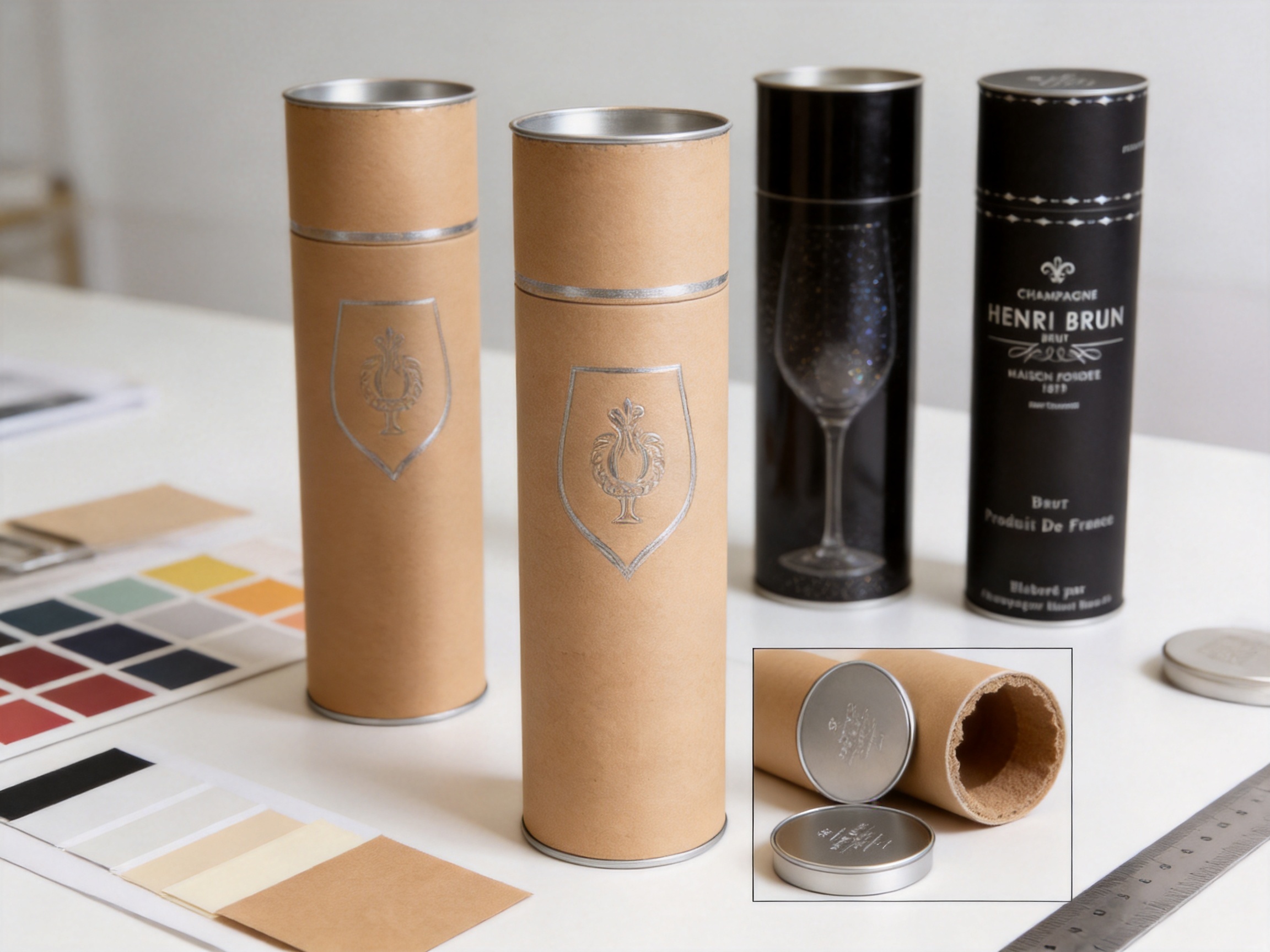
Printing and finishing transform the structural tube into a branded premium package. CMYK printing provides the base artwork. Matte lamination can be added for a refined tactile surface. Embossing adds dimensional texture. Silver hot foil stamping creates metallic emphasis, and UV coating provides selective gloss or protective highlights.
These processes must be carefully coordinated. For example, embossed elements must align with printed artwork, foil stamping must be positioned precisely, and UV coating must match the intended design zones. Misalignment can be noticeable on luxury packaging. Experienced production control helps ensure that the final result looks intentional and premium.
Assembly and Closure Integration
The paper-plus-tin structure may involve metal or tin components that reinforce the package or complete the closure system. Assembly must ensure that the tube opens and closes properly, feels secure, and maintains a clean finished appearance. A premium wine glass package should not only protect the product but also feel satisfying to open.
Closure quality affects the user experience. A loose closure may create concern about protection, while an overly tight closure may frustrate the customer. Proper assembly balances security and convenience.
Quality Inspection
Quality inspection includes checking dimensions, appearance, printing accuracy, finishing effects, surface cleanliness, structural stability, and overall workmanship. For customized packaging, inspection should also verify logo placement, color consistency, foil quality, embossing clarity, and coating uniformity.
Quality control is one area where an experienced manufacturer has a clear advantage over less specialized competitors. Paper tube packaging combines multiple materials and processes, and defects can occur at any stage. A mature quality system reduces waste, improves delivery reliability, and protects the buyer’s brand reputation.
OEM Customization Opportunities
The OEM nature of this wine glass packaging tube is one of its greatest advantages. Buyers can request customer logos, custom color schemes, decorative finishes, and design details that align with their brand. Instead of purchasing generic packaging and adding labels afterward, brands can create an integrated package that looks intentional from the beginning.
Customization is valuable for wineries, spirits brands, glassware manufacturers, promotional gift suppliers, hospitality groups, and retailers. A winery may use the tube for a branded tasting glass sold in a cellar door shop. A spirits company may include a glass in a gift campaign. A hotel may offer welcome gifts in customized packaging. A retailer may use the tube for seasonal holiday sets.
Designers can use the cylindrical surface creatively. Artwork can wrap continuously around the tube, forming landscapes, patterns, tasting notes, brand stories, or decorative bands. Vertical typography can emphasize the height of the package, while foil-stamped logos can create a focal point. Embossed textures can suggest craftsmanship, vineyards, waves, grains, or architectural motifs.
Because custom orders are accepted, buyers can coordinate packaging with broader brand systems. The tube can match wine labels, bottle cartons, gift bags, shipping cartons, promotional displays, and event materials. This consistency strengthens brand recognition and creates a more professional market presence.
Application Scenarios
Wine Glass Gift Packaging
The most direct use is single wine glass packaging. A premium glass placed inside a well-finished tube becomes gift-ready. This is useful for wineries, tasting rooms, wedding favors, corporate gifts, and wine clubs. The package protects the glass and elevates the perceived value of the gift.
Wine and Spirits Promotional Campaigns
Brands in the wines and spirits market often use glassware as a promotional item. A branded glass in a cylindrical tube can be paired with a bottle, sold as a limited-edition accessory, or distributed at events. The packaging surface can carry campaign artwork, tasting notes, or brand messaging.
Retail Barware Packaging
Retailers selling barware need packaging that looks attractive on shelves and protects fragile items during customer handling. The cylinder format provides strong visual differentiation and can be displayed upright. Premium finishing helps position the glass as a quality product rather than a commodity.
Hospitality and Event Gifts
Hotels, restaurants, clubs, and event organizers may use customized wine glass tubes for guest gifts or commemorative merchandise. The package can include event dates, logos, or themed artwork. Its reusable nature increases the chance that guests will keep it as a memento.
Collectible and Limited-Edition Packaging
Limited-edition products require packaging that communicates exclusivity. Silver foil stamping, embossing, and matte lamination can create a collectible feel. Numbered graphics or special edition marks can be printed as part of the design. The rigid tube helps preserve the item and the story behind it.
Branding Impact in the Wines and Spirits Market
The wines and spirits market is highly sensory. Consumers respond to visual cues, touch, tradition, story, and atmosphere. Packaging must communicate the character of the product before the product is used. For wine glass packaging, this is especially important because the glass itself is part of the drinking ritual.
A plain package may protect the glass, but it does not create anticipation. A customized cylindrical tube can prepare the consumer for a refined experience. The act of opening the tube can feel like revealing a special object. This emotional effect is difficult to achieve with generic packaging.
Branding on the tube can also support education. The surface may include care instructions, tasting suggestions, glass type information, or a short brand story. For example, a winery could explain why the glass shape enhances aroma. A spirits brand could describe the cocktail or tasting ritual associated with the glass. This turns packaging into a communication tool.
In competitive retail settings, packaging may influence whether a customer notices, picks up, and purchases a product. The cylinder shape naturally interrupts visual uniformity on shelves. Combined with carefully chosen colors and metallic accents, it can attract attention without appearing excessive. This balance is ideal for premium categories where elegance is more effective than visual noise.
Sustainability and Market Expectations
Sustainability is now a central concern in packaging decisions. Brands are expected to reduce unnecessary plastic, consider recyclability, and choose materials that align with consumer values. The use of kraft paper and recycled material features gives this packaging a strong sustainability story compared with many plastic-heavy alternatives.
Eco-friendly packaging can also support brand trust. Consumers may not always understand the technical details of packaging materials, but they recognize the difference between paper-based packaging and disposable plastic. A paper tube creates an immediate impression of naturalness and responsibility. For wines and spirits, where authenticity and origin often matter, this impression can reinforce the brand message.
However, sustainable packaging must still perform. Fragile glassware cannot be placed in weak packaging simply to reduce material use. The advantage of rigid paper tube packaging is that it combines protection, presentation, and more responsible material character. It allows brands to pursue environmental goals while preserving premium quality.
Manufacturers with experience in multiple packaging categories, including food, coffee, tea, nutrition, confectionery, snacks, spices, cosmetics, and gifts, are better equipped to advise on material choices and structure. This broad experience helps buyers find a practical balance between sustainability, cost, durability, and appearance.
Quality, Consistency, and Supply Reliability
For packaging buyers, the best design is only valuable if it can be produced consistently. A luxury tube must maintain the same color, size, finish, and fit across production batches. Inconsistent packaging can create problems in assembly, retail presentation, and consumer perception. This is why supplier capability matters as much as the product concept.
Hangzhou Qunle Packaging’s long experience and advanced production investment support consistency. The European high-speed composite can production line introduced in 2015 improves production capacity and helps maintain stable output. More than 10 patented technologies further indicate a technical foundation for solving packaging challenges.
For OEM customers, reliable communication and repeatability are essential. A packaging project often includes design confirmation, sampling, testing, revision, production, inspection, and shipping coordination. An experienced supplier can help identify potential issues early, such as artwork alignment, finish compatibility, sizing tolerance, and closure feel. This reduces delays and improves the final result.
Supply reliability is also important for seasonal and promotional campaigns. Wine and spirits gifts often follow holiday, event, or launch schedules. Late packaging can disrupt an entire campaign. Working with a manufacturer that has established production capacity and experience serving major customers helps reduce procurement risk.
How This Product Supports Premium Positioning
Premium positioning is built through a series of details. The product inside must be good, but the package must prepare the buyer to believe in that quality. The OEM (90.5–92.5) × 330 mm wine glass packaging box supports premium positioning through its structure, material, finish, and customization potential.
The cylinder shape creates immediate differentiation. The kraft paper structure communicates environmental awareness and craftsmanship. Tin components add a reinforced and refined impression. CMYK printing provides visual identity. Matte lamination creates a sophisticated touch. Embossing and silver hot foil stamping add luxury cues. UV coating contributes visual contrast and surface detail.
Together, these features create a package that can compete effectively against ordinary cartons, generic tubes, and plastic packaging. It is not merely a container; it is a brand platform. For wine glass packaging, this matters because the product is often purchased as a gift, souvenir, or premium accessory. The package must help the buyer feel that the item is special.
Q&A Section
Q1: What is the main use of this cylindrical packaging box?
It is primarily designed for wine glass cylinder packaging. It can also be adapted for wine accessories, spirits promotions, premium gift glassware, hospitality gifts, and limited-edition barware packaging.
Q2: What does the size ID (90.5–92.5) × 330 mm mean?
The specification refers to an internal diameter range of 90.5 to 92.5 mm and a height of 330 mm. This size is suitable for long-form cylindrical packaging and can support appropriate internal protection for compatible glassware or accessories.
Q3: Why choose a paper tube instead of a folding carton?
A paper tube offers a more premium appearance, stronger shelf differentiation, and a more gift-ready structure. Its cylindrical shape distributes pressure efficiently and creates a distinctive unboxing experience that is especially suitable for wines and spirits-related products.
Q4: Can the package be customized with a logo?
Yes. Customer logos are accepted, and the package supports OEM customization. Buyers can use CMYK printing, embossing, matte lamination, stamping, UV coating, and silver hot foil stamping to create a branded presentation.
Q5: Is the packaging eco-friendly?
The product features recycled materials and eco-friendly positioning. Its kraft paper base makes it a strong alternative to many plastic-based packages while still supporting premium decoration and structural performance.
Q6: What finishing options are available?
Available surface handling includes embossing, matte lamination, stamping, UV coating, and silver hot foil stamping. These techniques allow brands to create luxury visual and tactile effects.
Q7: What advantages does the manufacturer offer?
The manufacturer has more than 20 years of experience in the composite can and paper can industry, more than 10 patented technologies, a European high-speed composite can production line, and a history of serving well-known brands. These strengths support quality, consistency, customization, and scalable production.
Q8: Is this packaging suitable for retail display?
Yes. The cylindrical shape provides strong shelf presence and can stand out among rectangular cartons. With custom printing and premium finishes, it is suitable for gift displays, winery shops, barware retail, and promotional campaigns.
Q9: Can it be used for shipping fragile glassware?
The rigid tube provides an excellent primary protective shell, but shipping fragile glassware usually requires suitable internal cushioning and an outer shipping carton. The final packing method should be designed according to the glass shape, shipping distance, and handling conditions.
Q10: Why is silver hot foil stamping useful for wine glass packaging?
Silver foil creates a premium metallic highlight that works well with the elegance of wines and spirits. It can emphasize logos, crests, product names, or decorative details while giving the package a refined and memorable look.
Conclusion
The OEM (90.5–92.5) × 330 mm wine glass packaging box is a strong solution for brands that need protective, elegant, and customizable cylindrical packaging. It combines kraft paper, tin components, recycled material features, and premium finishing options to create a package suitable for wine glass presentation and related wines and spirits applications.
Its advantages over conventional packaging are clear. Compared with standard folding cartons, it feels more substantial and gift-ready. Compared with plastic alternatives, it offers a more eco-conscious image. Compared with generic corrugated boxes, it provides stronger retail appeal. Compared with off-the-shelf tubes, it supports OEM branding and premium surface treatments.
The product’s value is further strengthened by the manufacturing background behind it. With more than 20 years in the composite can and paper can industry, advanced European production equipment, patented technologies, food packaging experience, and long-term partnerships with recognized brands, Hangzhou Qunle Packaging Co., Ltd. offers the technical and production foundation required for high-quality custom packaging.
For wineries, spirits brands, glassware suppliers, gift companies, retailers, and hospitality groups, this cylindrical tube is more than a protective container. It is a brand experience, a sustainability statement, a retail display asset, and a premium presentation tool. In markets where first impressions strongly influence perceived value, a carefully engineered and beautifully finished wine glass packaging tube can help a product stand apart with confidence.
References
1. Soroka, W. Fundamentals of Packaging Technology. Institute of Packaging Professionals.
2. Robertson, G. L. Food Packaging: Principles and Practice. CRC Press.
3. Yam, K. L. The Wiley Encyclopedia of Packaging Technology. Wiley.
4. Composite Can and Tube Institute. Industry Guidelines for Composite Can and Tube Packaging.
5. Hanlon, J. F., Kelsey, R. J., and Forcinio, H. E. Handbook of Package Engineering. CRC Press.
6. Coles, R., McDowell, D., and Kirwan, M. J. Food Packaging Technology. Blackwell Publishing.
