 English
 Español

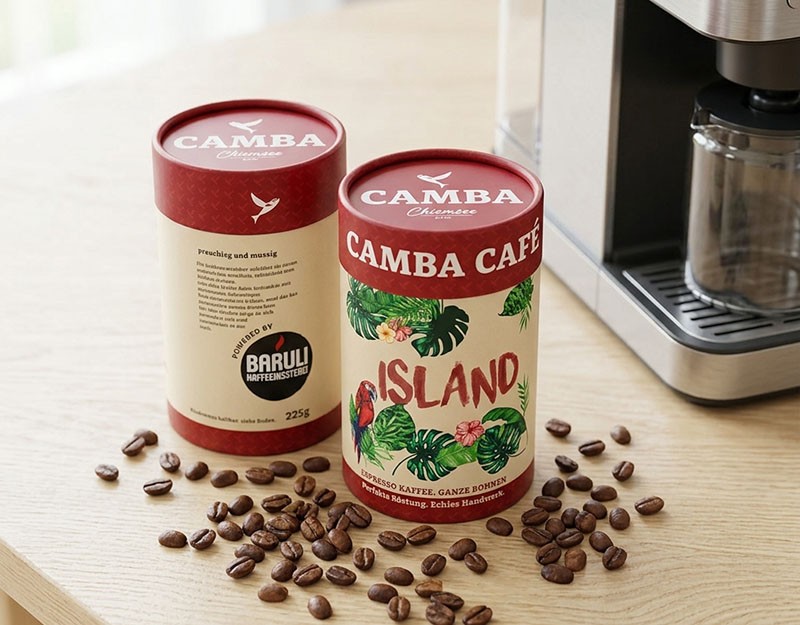
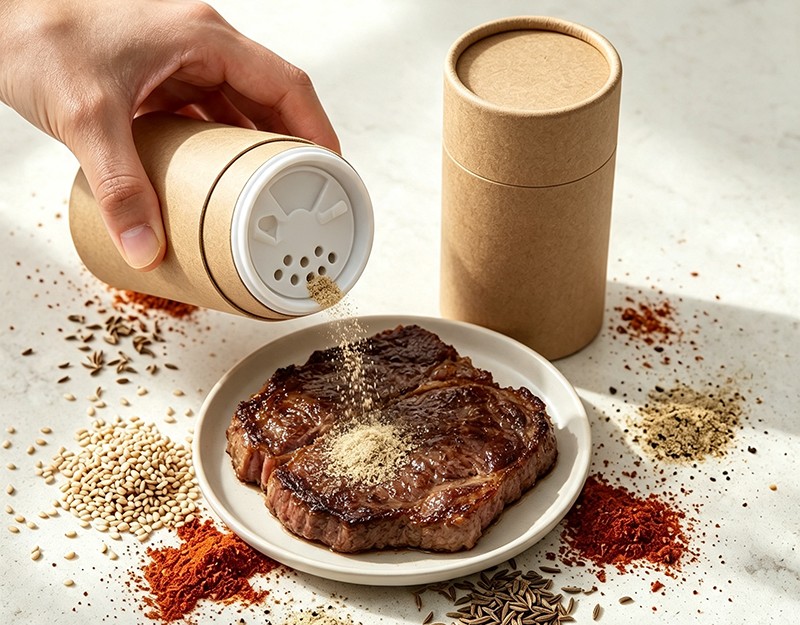
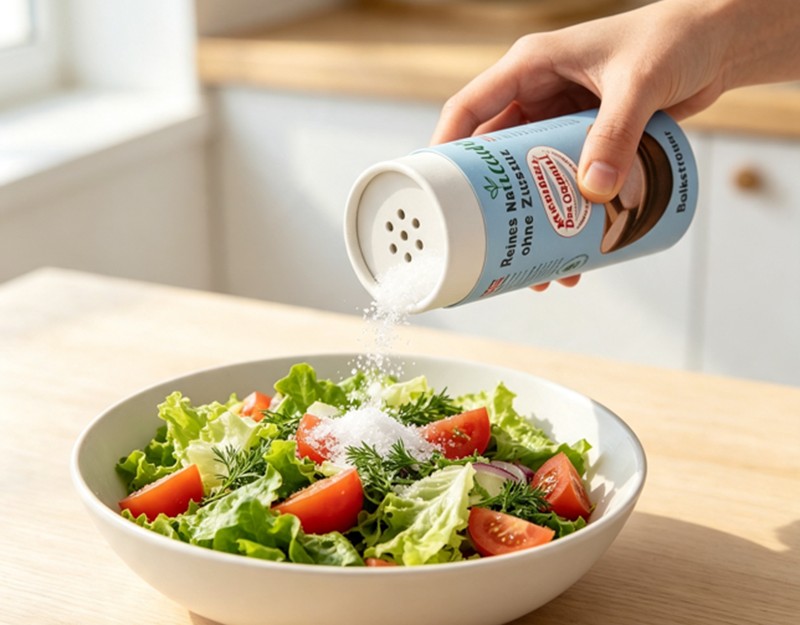
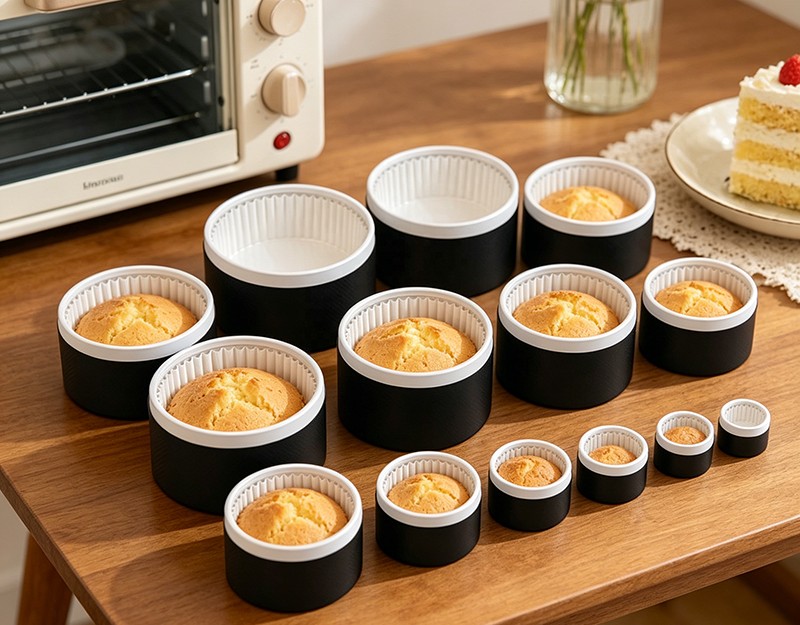
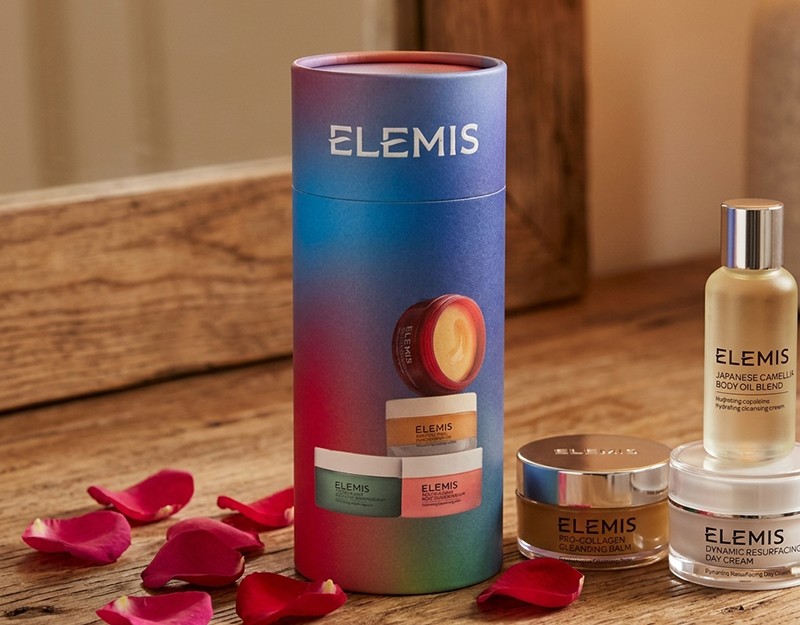
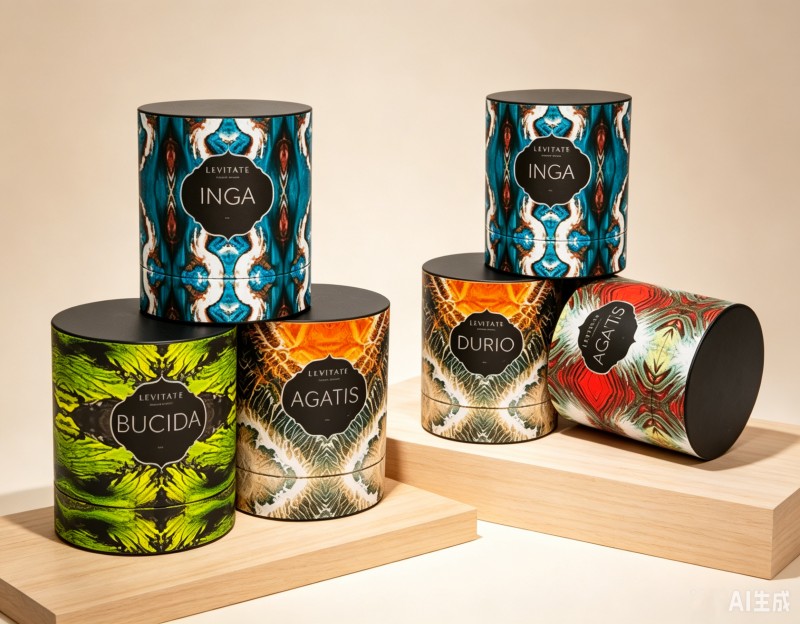
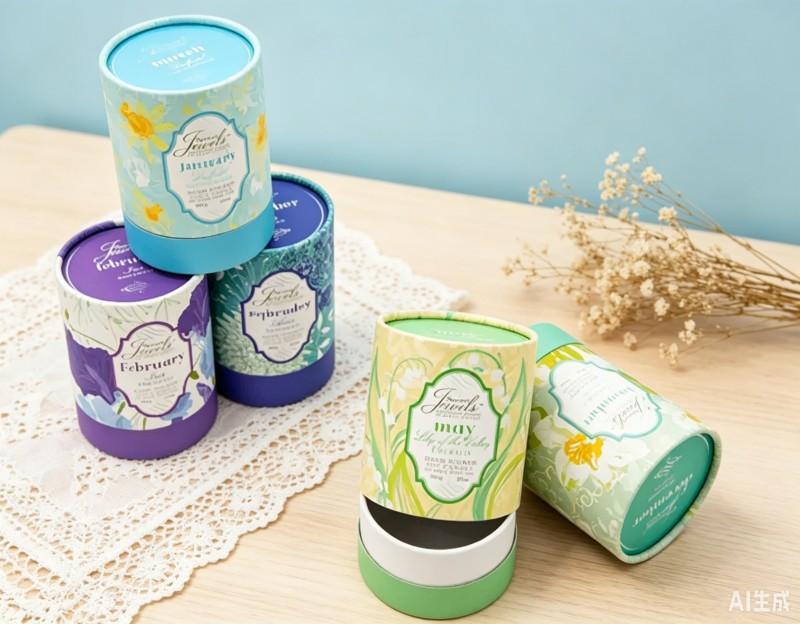
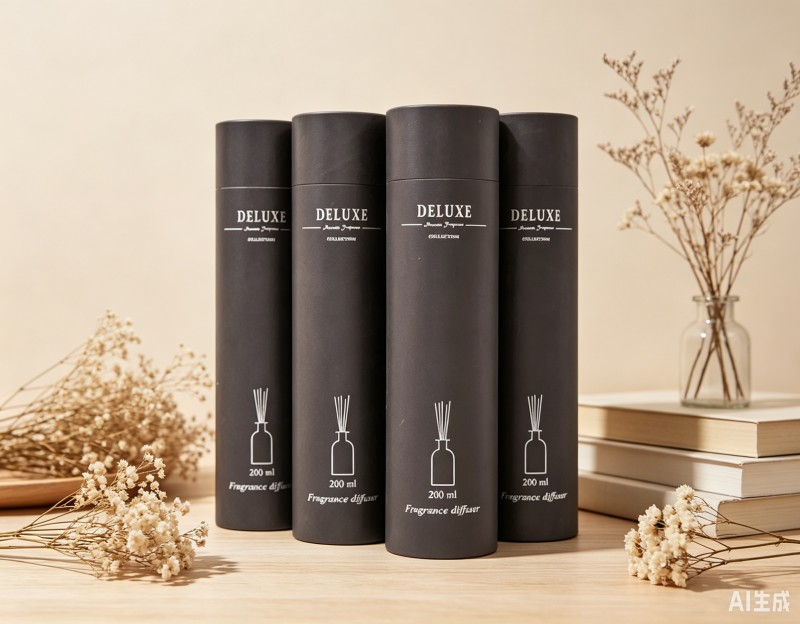
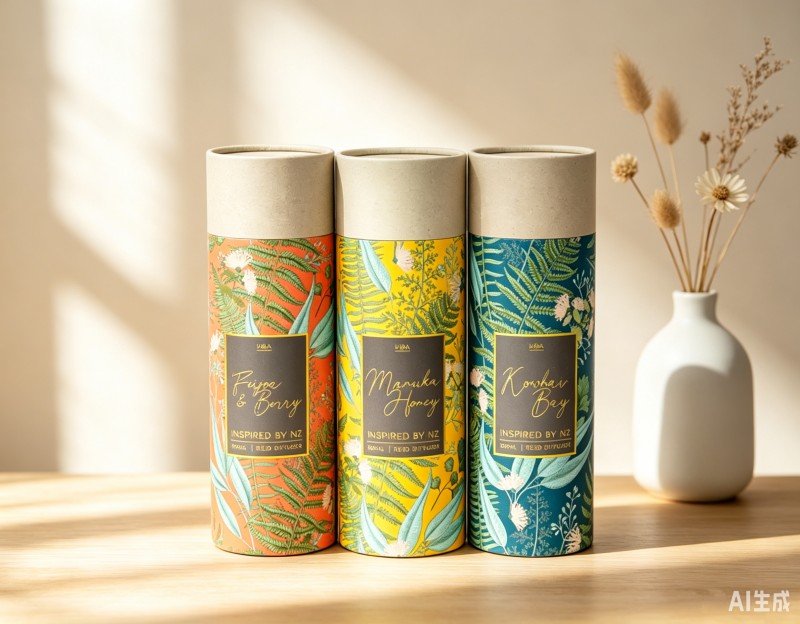
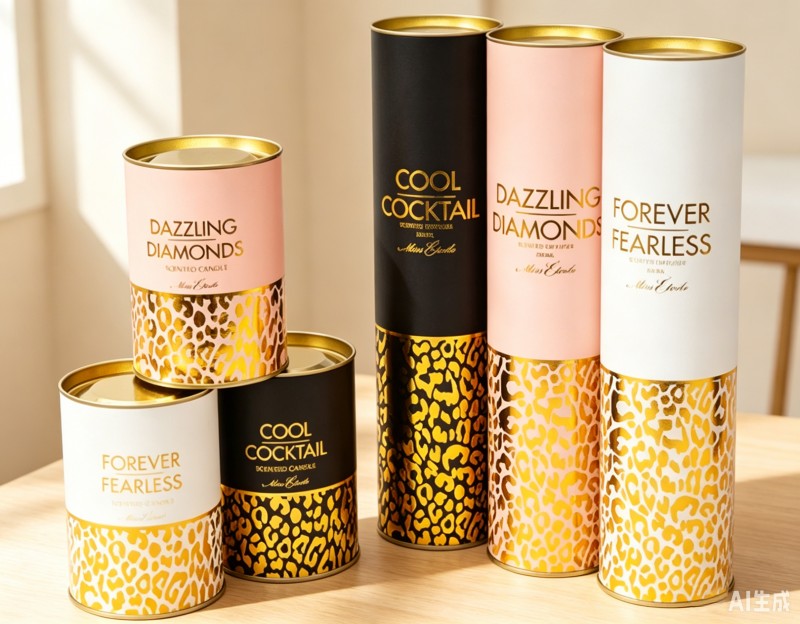
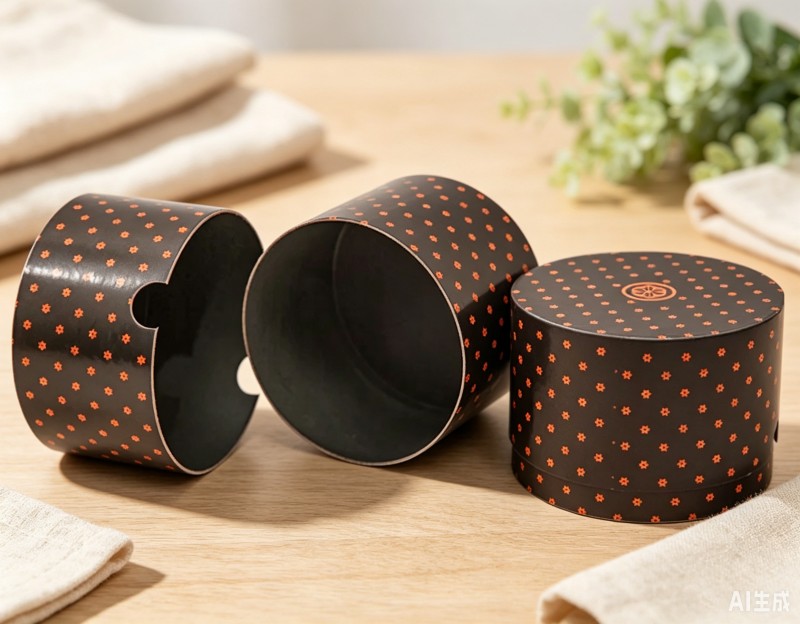
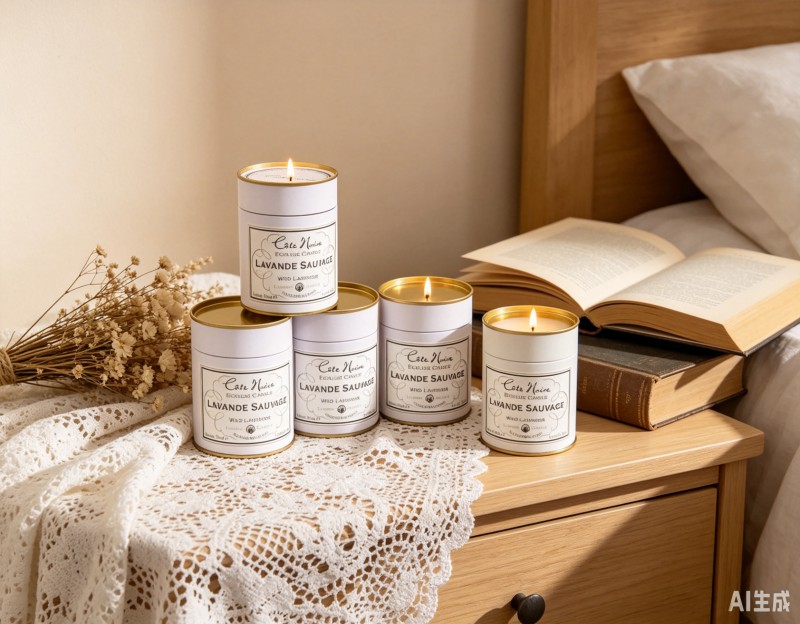

As one of the top China cardboard tube packaging manufacturers and paper tube packaging suppliers, we devote all of our efforts to research and launch more high quality packaging products to global market.
Chocolate and confectionery packaging has become far more than a protective outer shell. It is now a central part of product positioning, shelf appeal, gifting value, sustainability messaging, and customer experience. A well-designed chocolate candy packaging box must preserve the visual charm of the confectionery inside, communicate quality at first glance, and support practical needs such as transport, stacking, storage, and retail display. The OEM Chocolate Candy Packaging Box described here is designed for brands that need custom paper packaging with an eco-friendly profile, elegant surface finishing, and flexible sizing for a wide range of candy, chocolate, and gift-packing applications.
This packaging solution is made with kraft paper and supports multiple printing and finishing processes, including embossing, matt lamination, stamping, and varnishing. These options allow confectionery companies to create packaging that feels distinctive in the hand and looks premium on the shelf. With custom size acceptance, recycled material features, and gift-packing suitability, the box serves both commercial and emotional purposes. It protects the product, supports brand differentiation, and enhances the consumer’s perception of value before the box is even opened.
Hangzhou Qunle Packaging Co.,Ltd. brings more than 20 years of experience in the composite can, paper can, and paper packaging industry. The company’s background in food packaging containers, paper tube packaging, and cardboard tube packaging gives it a strong manufacturing foundation for producing reliable, attractive, and sustainable packaging for chocolates and confectionery. As a packaging supplier with long-term cooperation experience with well-known food, beverage, tea, coffee, and consumer goods brands, the company understands that successful packaging must combine design, safety, production consistency, and market performance.
The chocolate candy packaging box is especially suitable for confectionery producers, private-label brands, gift companies, seasonal candy lines, specialty chocolate makers, and retailers seeking customized packaging that reflects quality while supporting environmentally conscious purchasing trends. In a competitive market where consumers often make decisions within seconds, packaging must deliver instant recognition, tactile appeal, and trust. This paper box is created to help confectionery products stand out while meeting practical business needs for customization, scalability, and responsible material selection.
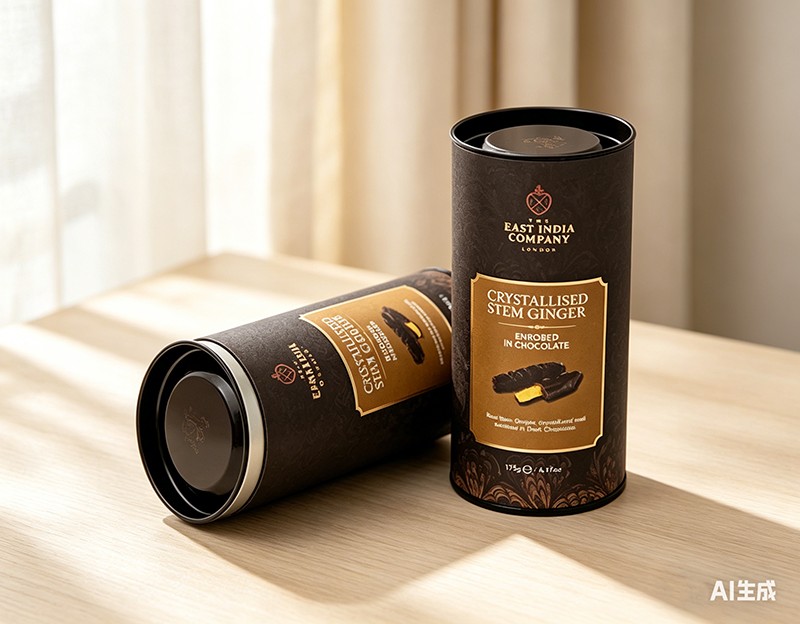
OEM Chocolate candy Packaging Box
Content
- 1 Product Overview
- 2 Why Packaging Matters in Chocolate and Candy Sales
- 3 Key Specifications and Customization Options
- 4 Advantages Over Conventional Competitor Packaging
- 5 Eco-Friendly Appeal and Recycled Material Value
- 6 Premium Printing and Surface Finishing
- 7 Custom Size Acceptance for Diverse Confectionery Lines
- 8 Gift Packing Value
- 9 Manufacturing Strength Behind the Product
- 10 Advanced Manufacturing Process for Custom Paper Packaging
- 11 Quality Control and Consistency
- 12 Brand Differentiation Through Custom Design
- 13 Applications Beyond Standard Candy Packaging
- 14 Support From a Broad Packaging Portfolio
- 15 Food Packaging Considerations
- 16 How This Packaging Helps Improve Market Performance
- 17 Design Recommendations for Chocolate Candy Brands
- 18 Procurement Considerations for Buyers
- 19 Why Choose This Manufacturer for Chocolate Packaging
- 20 Frequently Asked Questions
- 20.1 What is the main use of this chocolate candy packaging box?
- 20.2 Can the box size be customized?
- 20.3 What material is used for the packaging?
- 20.4 Is the packaging eco-friendly?
- 20.5 What surface finishing options are available?
- 20.6 Why is embossing useful for chocolate packaging?
- 20.7 How does matt lamination improve the packaging?
- 20.8 Can this packaging be used for seasonal gifts?
- 20.9 Is the box suitable for direct food contact?
- 20.10 What makes this packaging better than generic boxes?
- 20.11 How can brands prepare for a custom packaging order?
- 20.12 Why is the manufacturer’s experience important?
- 21 Conclusion
- 22 References
- 23 Product: OEM Chocolate candy Packaging Box
Product Overview
The OEM Chocolate Candy Packaging Box is a custom paper box designed for candy, chocolate, confectionery, and gift packaging. Its primary material is kraft paper, a paper type widely valued for strength, natural texture, recyclability, and compatibility with many printing and finishing techniques. Kraft paper is often associated with eco-friendly packaging because it can be made from recycled fibers and is easier to integrate into sustainable packaging strategies than many plastic-based alternatives.
The box is categorized under Chocolate & Confectionery, and its industrial use is candy. However, its applications can extend to premium chocolates, truffles, hard candy, soft candy, pralines, handmade confectionery, nougat, fudge, holiday sweets, souvenir snacks, boutique desserts, and assorted gift packs. Because custom sizing is accepted, the packaging can be tailored for small sample boxes, single-product packaging, multi-piece gift sets, limited-edition collections, or larger retail packs.
The product supports several printing handling techniques: embossing, matt lamination, stamping, and varnishing. These finishing options are important because confectionery packaging often needs to appear festive, refined, or luxurious. Embossing can create a raised logo or decorative pattern, adding tactile depth. Matt lamination gives a soft, smooth, and understated surface. Stamping can add metallic or colored highlights for a premium effect, while varnishing can enhance selected design elements or provide a protective surface finish.
The product name listed as Printing Paper Box reflects its focus on printed customization. For confectionery brands, printed paper packaging is a powerful tool because it communicates product identity, flavor, origin, ingredients, gifting purpose, seasonal theme, and quality level. Instead of using generic stock packaging, brands can develop a box that feels exclusive and aligned with their market positioning.
The box is also described as using eco-friendly materials and recycled materials. This is increasingly important as consumers and retailers demand packaging that reduces unnecessary plastic use and supports circular material choices. While the packaging must still perform its protective role, its environmental profile can influence purchasing decisions, especially among younger consumers and premium buyers who expect responsible packaging from the brands they support.
Why Packaging Matters in Chocolate and Candy Sales
Chocolate and candy are products strongly connected with pleasure, celebration, nostalgia, gifting, and emotional value. Unlike purely functional commodities, confectionery products are often purchased because of appearance, mood, occasion, or impulse. Packaging therefore plays a direct role in sales conversion. The right box can make a chocolate product feel appropriate for birthdays, holidays, corporate gifts, wedding favors, boutique retail, travel souvenirs, or luxury self-indulgence.
In many retail environments, customers cannot taste the chocolate before buying it. They evaluate the product through packaging cues: color, texture, finish, structure, clarity of information, and perceived craftsmanship. A flimsy or poorly printed package can reduce trust, while a refined paper box can suggest better ingredients, fresher production, and more careful brand values. The OEM Chocolate Candy Packaging Box is designed to support this visual and tactile judgment process.
Gift packaging is especially important in confectionery. A chocolate box that looks like a gift saves the consumer time and increases the product’s perceived value. When packaging includes elegant printing, matt lamination, embossing, or stamping, it can feel presentable without additional wrapping. This matters for retailers because a product that is ready for gifting can command stronger shelf presence and may support higher pricing.
Packaging also protects the product during shipping and handling. Chocolate and candy can be sensitive to crushing, abrasion, moisture, odor, and temperature changes. While temperature control is often handled by logistics, the outer packaging still contributes to product integrity by resisting pressure, keeping contents organized, and reducing movement. A properly designed paper box can be paired with trays, inserts, wrapping paper, or internal dividers to improve presentation and protection.
Finally, packaging is a communication platform. It can show ingredients, allergen notices, flavor descriptions, nutritional information, QR codes, company stories, sustainability claims, and promotional messages. A custom paper box makes it possible to present this information clearly while maintaining a polished brand image.
Key Specifications and Customization Options
The following table summarizes the core information and customization potential of the chocolate candy packaging box.
| Item | Specification or Option | Benefit for Chocolate and Candy Brands |
|---|---|---|
| Product Type | Printing paper box for confectionery | Suitable for branded retail packs, gift boxes, seasonal collections, and private-label candy packaging |
| Main Material | Kraft paper | Offers strength, natural appeal, recyclability, and compatibility with multiple finishing methods |
| Industrial Use | Candy and confectionery | Designed for chocolate, sweets, truffles, pralines, and other premium confectionery products |
| Size | Custom size accepted | Supports single items, assorted sets, small batches, retail packs, and gift collections |
| Printing Handling | Embossing, matt lamination, stamping, varnishing | Creates premium visual and tactile effects that help products stand out from competitors |
| Feature | Recycled materials | Supports sustainable packaging strategies and eco-conscious consumer expectations |
| Usage | Gift packing | Improves gifting value and retail presentation without needing extra wrapping |
| Material Type | Eco-friendly materials | Helps brands reduce reliance on plastic packaging and communicate responsible values |
Advantages Over Conventional Competitor Packaging
The chocolate candy packaging market includes many packaging formats: plastic boxes, metal tins, ordinary folding cartons, rigid boxes, bags, clamshells, and low-cost generic paper boxes. Each format has strengths, but the OEM Chocolate Candy Packaging Box offers a balanced combination of sustainability, customization, presentation, and production practicality.
Compared with plastic packaging, kraft paper boxes provide a more natural and environmentally responsible impression. Plastic can be transparent and lightweight, but it is often associated with disposability and environmental concerns. Many premium confectionery brands want packaging that looks warm, crafted, and gift-worthy rather than mass-produced and synthetic. Paper packaging supports that perception while allowing for attractive printing and finishing.
Compared with plain folding cartons, this custom printing paper box can incorporate more elevated finishing techniques. Embossing, matt lamination, stamping, and varnishing add layers of quality that generic cartons often lack. These finishing processes help create packaging that customers are more likely to keep, photograph, gift, or associate with premium confectionery.
Compared with metal tins, paper boxes can offer greater flexibility in design and cost management. Metal tins are durable and reusable, but tooling, weight, shipping cost, and minimum production requirements may be less flexible for some brands. Paper boxes can be customized in many sizes and styles, making them suitable for limited editions, seasonal launches, trial products, and rapidly changing product lines.
Compared with unbranded stock boxes, custom printed packaging gives the brand full control over identity. Stock packaging may be convenient, but it rarely builds strong recognition. In competitive chocolate aisles, farmers’ markets, boutique stores, e-commerce platforms, and holiday displays, the packaging must tell customers why the product is special. Custom printing allows the box to become part of the brand’s story.
Another advantage is the tactile quality of kraft paper combined with premium surface treatment. Many consumers associate texture with authenticity. A printed paper box with a thoughtful finish can feel more personal than glossy mass-market plastic. For artisan chocolate, organic candy, handmade sweets, and premium gift sets, that tactile impression can strengthen the connection between product and customer.
Eco-Friendly Appeal and Recycled Material Value
Sustainability is no longer an optional packaging theme. Many retailers, distributors, and consumers are actively looking for packaging that uses recyclable, renewable, or recycled-content materials. The OEM Chocolate Candy Packaging Box is positioned as an eco-friendly material solution with recycled material features, making it suitable for brands that want to reduce environmental impact while maintaining a premium look.
Kraft paper has a recognizable natural appearance that immediately suggests simplicity and environmental awareness. Even when printed, laminated, stamped, or varnished, kraft paper can retain a responsible and authentic image. This is particularly valuable for chocolate and confectionery products that use natural ingredients, organic positioning, fair-trade cocoa, handmade production, or clean-label recipes.
Recycled material use helps brands communicate resource efficiency. Packaging made with recycled paper content can reduce demand for virgin fibers and support circular material use. When properly designed, recycled paper packaging can still deliver excellent print quality, structure, and shelf appeal. The key is professional manufacturing control, including material selection, paperboard thickness, printing compatibility, and finishing precision.
Eco-friendly packaging can also support brand storytelling. A chocolate company may use the box to explain its ingredient sourcing, environmental commitments, reduced plastic strategy, or recyclable packaging instructions. Consumers appreciate transparency, and the package itself becomes proof of the brand’s values.
For many confectionery brands, sustainable packaging also creates retailer advantages. Stores increasingly prefer products that align with environmental standards and customer expectations. A recyclable paper-based package can be easier to present as part of a responsible product assortment. It can also help brands participate in corporate gifting programs where sustainability is a purchasing criterion.
Premium Printing and Surface Finishing
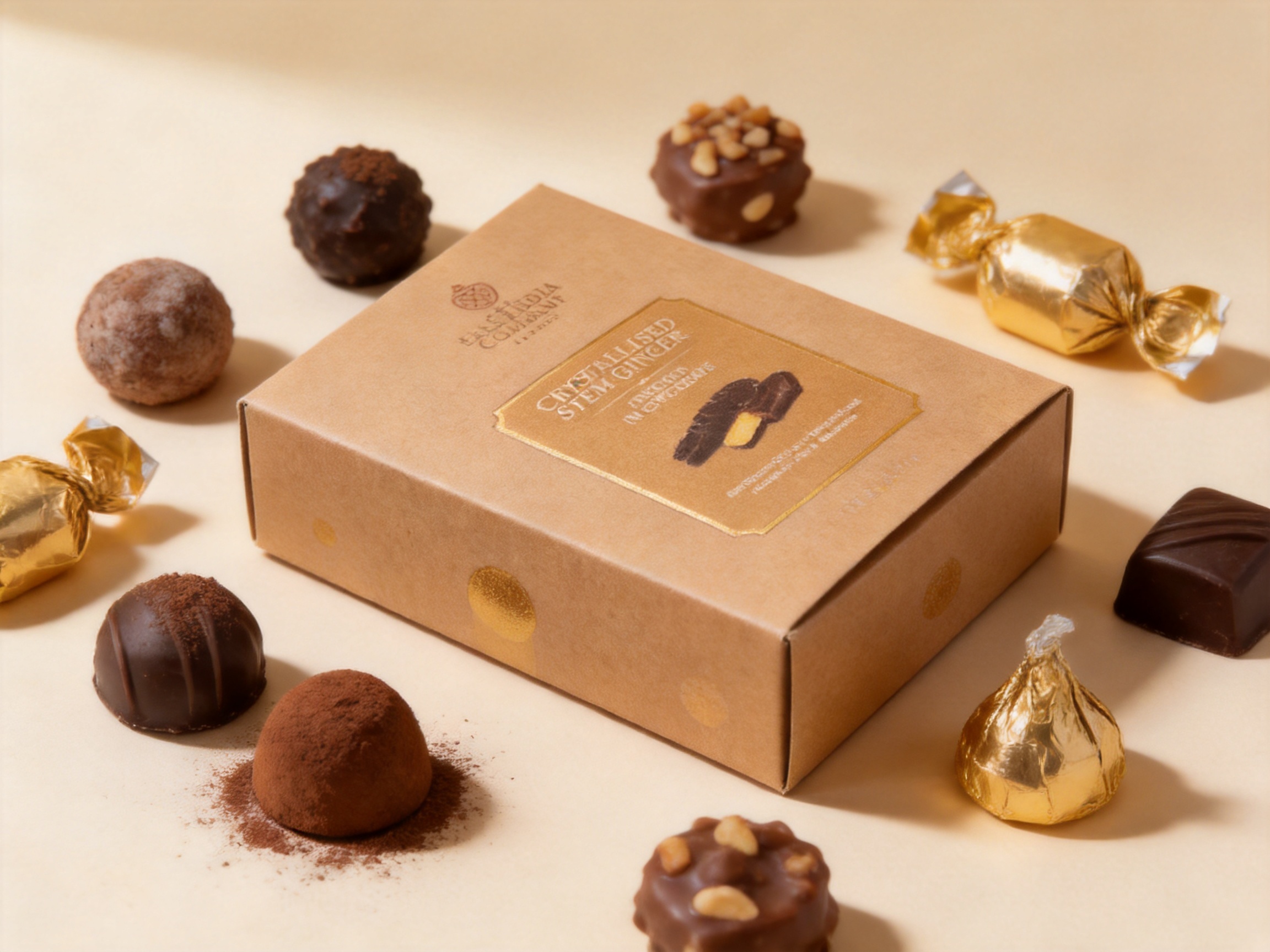
Surface finishing is one of the most important areas where this packaging box can outperform lower-cost competitors. Chocolate packaging is closely tied to sensory perception, and the packaging surface is the first thing a consumer touches. A smooth matt surface, a raised embossed logo, a subtle varnished pattern, or a metallic stamped accent can make the box feel more valuable before it is opened.
Embossing creates a raised design on the paper surface. It can be used for logos, product names, decorative borders, cocoa bean patterns, seasonal motifs, or brand icons. The advantage of embossing is that it adds dimension without requiring excessive color. A minimal kraft box with embossed details can look refined and premium, especially for artisan chocolate or luxury candy gift sets.
Matt lamination provides a smooth, non-glossy finish that feels modern and elegant. It reduces glare, creates a soft-touch impression, and helps protect printed surfaces from minor scuffs. In chocolate packaging, matt lamination is often preferred when brands want a sophisticated look rather than a high-shine retail effect. It pairs well with minimalist typography, natural colors, and high-end gift positioning.
Stamping, often used with metallic foil or colored foil, creates bright accents that catch the eye. Gold, silver, copper, rose gold, or custom color stamping can highlight logos, flavor names, borders, or festive elements. For holiday chocolates, Valentine’s Day candy, wedding favors, or corporate gifts, stamping can instantly elevate the packaging and make it feel celebratory.
Varnishing can be applied for protection or decorative contrast. A spot varnish can make selected areas shine against a matt background, creating a layered effect. This is useful for premium packaging because it allows designers to emphasize certain details without making the entire box overly glossy. Varnishing can also improve durability by protecting printed areas from handling wear.
The combination of these finishing techniques enables brands to create different product tiers. A standard candy line may use printed kraft paper with varnish, while a premium gift line may add embossing and foil stamping. Seasonal limited editions may combine matt lamination with decorative stamping. This flexibility allows one packaging supplier to support multiple brand strategies and price points.
Custom Size Acceptance for Diverse Confectionery Lines
Chocolate and candy products vary widely in shape and size. A single truffle requires different packaging from a 12-piece assortment, a chocolate bar, a handmade praline set, or a holiday candy collection. Custom size acceptance is therefore a major advantage. Instead of forcing the product into a standard box, the packaging can be engineered around the product’s exact dimensions and presentation goals.
Proper sizing improves both protection and aesthetics. If a box is too large, the contents may move during shipping and appear less generous when opened. If it is too small, the product may be compressed or difficult to remove. A custom paper box can be designed with the right internal space, insert compatibility, and opening experience.
Custom size also supports efficient logistics. Packaging dimensions influence carton packing, palletization, warehouse storage, and freight cost. A well-sized box reduces wasted space and may improve shipping efficiency. For e-commerce confectionery brands, this matters because shipping costs can significantly affect profitability.
Retail display is another consideration. A box must fit shelves, counters, display trays, gift baskets, and promotional stands. Custom sizing can help brands create packaging that stacks neatly, faces forward properly, and presents information clearly. For seasonal confectionery, where shelf space is competitive, packaging dimensions can directly affect display success.
Custom sizing also allows confectionery makers to create memorable unboxing experiences. A box can be shallow and elegant for pralines, compact and sturdy for travel candies, elongated for chocolate bars, or square for premium assortments. The right structure reinforces the product’s identity and supports consumer satisfaction.
Gift Packing Value
The listed usage of this product is gift packing, which is one of the strongest opportunities in chocolate and confectionery packaging. Candy is frequently purchased as a gift for family, friends, employees, clients, teachers, hosts, event guests, and holiday recipients. Packaging that looks gift-ready increases convenience for buyers and makes the product more attractive at the point of sale.
A gift-ready chocolate box should feel thoughtful, not merely functional. The paper material, printing design, finishing technique, and opening structure all contribute to the emotional experience. When a consumer gives a box of chocolates, the packaging becomes part of the message. It says the gift was chosen with care.
For corporate gifting, customized packaging can include company colors, logos, greetings, campaign messages, or special edition artwork. For weddings and events, the packaging can be matched to the theme, season, or guest experience. For retail holidays such as Christmas, Lunar New Year, Easter, Valentine’s Day, Mother’s Day, and Halloween, printed paper boxes can be adapted with festive graphics and premium details.
Gift packaging can also support higher product value. Consumers are often willing to pay more for confectionery that is packaged beautifully and ready to give. This means packaging is not just an expense; it can be a value-adding investment. The OEM Chocolate Candy Packaging Box helps brands create that added value through material choice, print quality, and finishing flexibility.
Manufacturing Strength Behind the Product
Hangzhou Qunle Packaging Co.,Ltd. has been engaged in the composite can and paper can industry for over 20 years. This long-term experience is an important strength because paper packaging quality depends on accumulated knowledge of materials, forming processes, printing behavior, food packaging requirements, and production management. A packaging supplier with deep experience can help customers avoid common problems such as poor fit, weak structure, inconsistent color, surface cracking, or unsuitable material selection.
The company is the only member of the international Composite Can and Tube Institute in China’s packaging container industry. This reflects its professional standing in paper container and composite packaging fields. Although the chocolate candy packaging box is a paper box rather than a paper tube, the company’s expertise in paper-based packaging and food packaging containers supports strong quality control and technical understanding.
Qunle Packaging was the first enterprise in China to pass the QS certificate for producing food packaging containers. For confectionery packaging, food-related manufacturing experience matters because chocolate and candy brands require packaging that is clean, stable, and suitable for products intended for consumption. While the outer box may not always directly contact food, it still forms part of the overall food packaging system and must be produced with reliability and care.
The company’s packaging business covers food, daily chemical products, fast-moving consumer goods, and more. This broad experience allows it to apply lessons from different industries. Food packaging requires safety and presentation. Cosmetics packaging requires premium finish and brand consistency. Fast-moving consumer goods require efficiency, cost control, and scalable production. Combining these capabilities benefits confectionery brands that need packaging that is attractive, reliable, and commercially practical.
In 2015, the company introduced a high-speed composite can production line from Europe, strengthening its production capacity and technical level. Advanced production equipment is important because modern packaging customers need stable quality, repeatable output, and efficient lead times. Equipment upgrades help manufacturers improve forming precision, production speed, and consistency. For customers, this means a stronger ability to support both regular orders and growth in demand.
Qunle Packaging has obtained more than 10 patented technologies. Patented technologies show a commitment to research, development, and process improvement. In packaging, innovation can involve structure, sealing performance, forming methods, material combinations, production efficiency, or user experience. A supplier with technical patents is more likely to offer practical design support and manufacturing solutions beyond simple commodity production.
Advanced Manufacturing Process for Custom Paper Packaging
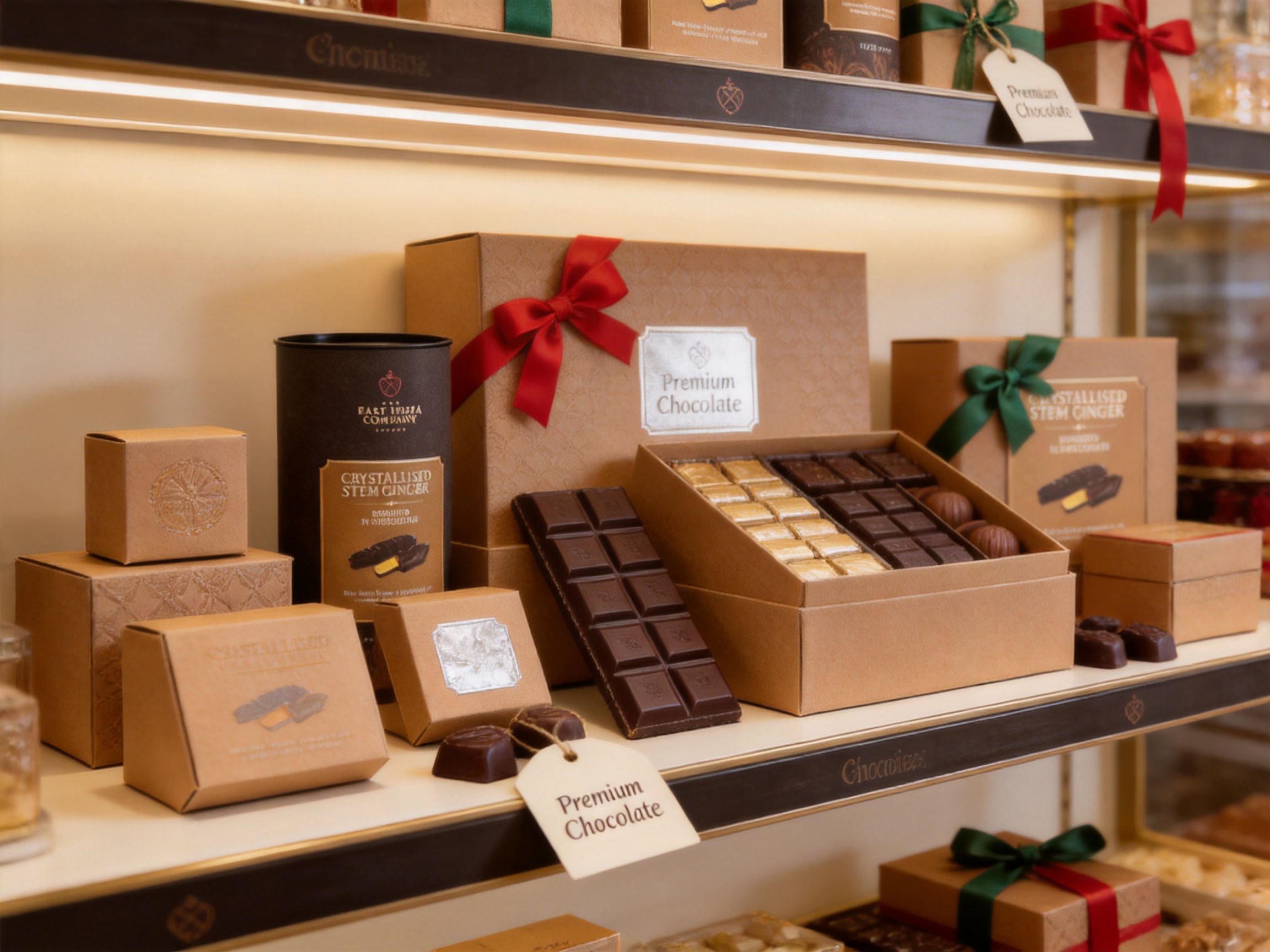
Producing a quality chocolate candy packaging box requires more than cutting and printing paper. It involves a coordinated process that begins with customer requirements and continues through material selection, design engineering, prepress control, printing, finishing, die-cutting, forming, inspection, and packing. Each stage affects final quality.
The first stage is requirement analysis. The manufacturer needs to understand product dimensions, weight, quantity, sales channel, target market, brand style, food packaging requirements, and budget. For chocolate and candy packaging, additional questions may include whether the box will hold wrapped or unwrapped pieces, whether inserts are needed, whether the product is for retail or gifting, and whether seasonal artwork is required.
The second stage is structural design. The box must be shaped to hold the confectionery safely and present it attractively. Designers consider opening style, folding strength, glue areas, internal space, stacking performance, and compatibility with trays or inserts. A good structure makes the box easy to assemble, easy to fill, stable during transport, and pleasant for the consumer to open.
The third stage is material selection. Kraft paper must be chosen according to thickness, stiffness, surface quality, color tone, recycled content, and printing requirements. If the design requires embossing or stamping, the paper must respond well to pressure and heat. If matt lamination or varnishing is needed, surface compatibility is important. Material selection directly affects the final look and durability.
The fourth stage is artwork preparation and prepress. Printing files must be checked for resolution, color mode, bleed, text legibility, barcode readability, and finishing layers. Color management is particularly important for brand consistency. Chocolate packaging often uses rich browns, warm golds, deep reds, creams, and natural kraft tones. Accurate color reproduction helps maintain brand identity across different batches.
The fifth stage is printing. Depending on the order and design, printing may involve full-color graphics, spot colors, text, patterns, and product information. Professional printing control ensures sharp details, clean typography, and consistent color. For confectionery packaging, small text such as ingredients or storage instructions must remain readable.
The sixth stage is surface finishing. Embossing, matt lamination, stamping, and varnishing require precise alignment and process control. Misaligned foil stamping or uneven varnish can reduce the premium effect. Skilled manufacturing ensures that decorative finishes enhance the design rather than distract from it.
The seventh stage is cutting, creasing, and forming. Die-cutting accuracy affects whether the box folds correctly and maintains its intended shape. Creasing must be deep enough for clean folding but not so strong that it cracks the paper surface. Forming and gluing must be stable so the box remains secure during filling and handling.
The final stages are inspection and packing. Boxes should be checked for print defects, color variation, glue quality, folding accuracy, surface scratches, and dimensional consistency. Proper packing of finished boxes prevents damage before they reach the customer. For export and wholesale orders, outer cartons and palletization also matter.
Quality Control and Consistency
One of the biggest challenges in packaging procurement is consistency. A sample may look excellent, but mass production must match that quality. Confectionery brands rely on packaging consistency because variations in color, size, or finish can affect shelf appearance and brand credibility. A manufacturer with long experience and advanced processes is better positioned to maintain stable results.
Quality control begins with raw material inspection. Paper should meet requirements for thickness, strength, moisture content, surface condition, and color. Kraft paper can vary naturally, so controlled sourcing and inspection help minimize unwanted variation. For recycled materials, quality control is especially important to ensure performance remains suitable for printing and forming.
During printing, color control and registration checks are essential. If multiple colors are used, they must align correctly. If artwork includes detailed patterns or small text, printing must remain sharp. In premium packaging, even small defects can be noticeable because customers expect a refined presentation.
Surface finishing also requires close monitoring. Embossing must be clean and positioned accurately. Matt lamination should be smooth without bubbles, wrinkles, or peeling. Stamping should be complete without missing areas or excessive foil spread. Varnishing should have even coverage and proper drying.
Structural quality is equally important. The box should fold correctly, hold shape, and fit the product. Weak glue or inaccurate die-cutting can cause assembly problems. A reliable manufacturer checks dimensions and forming performance to reduce customer production delays.
For chocolate and confectionery brands, packaging quality also affects consumer trust. A high-quality box suggests that the product inside is handled with equal care. When customers receive consistent packaging across batches, they recognize the brand more easily and feel confident repurchasing.
Brand Differentiation Through Custom Design
The confectionery category is crowded, and packaging design often determines whether a customer notices a product. Custom paper packaging allows brands to create a distinct identity rather than compete only on price. The OEM Chocolate Candy Packaging Box can be adapted to many brand styles: rustic, luxury, playful, minimalist, organic, festive, romantic, traditional, or modern.
A rustic handmade chocolate brand may choose natural kraft paper, simple black printing, embossed logo details, and minimal varnish. A luxury confectionery brand may choose deep colors, matt lamination, gold stamping, and rigid structural details. A children’s candy brand may use bright colors, playful illustrations, and easy-open design. A seasonal gift brand may create limited artwork for holidays and events.
Custom packaging also helps communicate product features. For example, packaging can highlight dark chocolate percentage, cocoa origin, nut inclusion, sugar-free formulation, vegan certification, gluten-free status, handmade production, or fair-trade ingredients. Clear messaging helps customers quickly understand why the product fits their needs.
Design can also improve shelf blocking. When multiple products in the same line use consistent design elements, they create a recognizable family on the shelf. Different flavors can be identified by color or pattern while keeping the same structural style. This strengthens brand presence and makes repeat purchasing easier.
For e-commerce, custom packaging contributes to unboxing and social sharing. A beautiful chocolate box is more likely to be photographed or posted by customers. This creates organic brand exposure. Packaging that looks refined in online product photos can also increase conversion rates because customers judge quality visually before buying.
Applications Beyond Standard Candy Packaging
Although the product is designed for candy, its flexibility makes it useful for many related applications. Chocolate bars, truffle assortments, pralines, fudge, nougat, biscuits, cookies, cocoa-based snacks, and dessert gift sets can all benefit from customized paper box packaging. The box may also be used for promotional candy kits, sampler packs, subscription boxes, and event favors.
For boutique chocolatiers, the box can be designed in small or medium sizes to present handmade pieces elegantly. Internal dividers or trays may be added to separate flavors and protect delicate surfaces. Printed flavor guides can be included inside the box to enrich the tasting experience.
For retail candy brands, the box can be optimized for shelf visibility and efficient packing. Strong branding, clear product naming, and attractive finishing help capture impulse purchases. Retail boxes can be designed to stack well and display barcode and regulatory information clearly.
For corporate gifts, the box can be customized with seasonal messages, company logos, and premium finishes. Chocolate is a popular corporate gift because it is widely appreciated, easy to share, and suitable for many occasions. Packaging makes the gift feel professional and memorable.
For hospitality and events, small chocolate or candy boxes can be used as welcome gifts, room amenities, wedding favors, conference gifts, or holiday giveaways. Custom sizing and printing allow the packaging to match the event identity.
For private-label brands, custom paper boxes make it possible to develop a complete product line without investing in overly complex packaging systems. The brand can choose material, size, finish, and artwork to create a polished market-ready product.
Support From a Broad Packaging Portfolio
Hangzhou Qunle Packaging Co.,Ltd. is known for paper tube packaging, cardboard tube packaging, airtight paper canisters, food packaging, coffee and tea packaging, nutrition and supplement packaging, snacks and nuts packaging, seasonings and spices packaging, cosmetics and skincare packaging, gifts and crafts packaging, candles and fragrances packaging, coin banks, tubes with windows, car tissue holders, and other paper-based packaging products. This broad category experience gives the company insight into different packaging challenges and consumer expectations.
For confectionery customers, this is valuable because packaging needs can expand over time. A chocolate brand may initially order paper boxes, then later require paper tubes for cocoa powder, airtight canisters for cookies, gift packaging for holiday sets, or promotional packaging for retail displays. Working with a supplier that understands many paper packaging formats can simplify procurement and improve brand consistency across product lines.
The company’s long-term partnerships with well-known companies and brands such as COFCO, STANDERS, DAVIDsTEA, Avalanche Coffee, Whittaker’s, McSteven’s, Nongfu Spring, and Beingmate indicate experience serving demanding customers. Such cooperation requires reliable communication, production capability, and quality management. For new confectionery brands, this background provides confidence that the supplier understands professional packaging standards.
The company’s location in Hangzhou, Zhejiang Province, China, supports access to a mature manufacturing environment, packaging supply chain resources, and export-oriented production services. For international buyers, supplier experience with wholesale paper tubes, cardboard tube packaging, and paper packaging products can support smoother order management.
Food Packaging Considerations
Chocolate and candy packaging must be designed with food-related considerations in mind. Even when the paper box is not in direct contact with the food, it must support hygienic handling, safe storage, and clear communication. Many confectionery products are wrapped internally in foil, film, paper, or trays, while the outer box provides branding and protection. The outer box should still be produced in a controlled manner and made from suitable materials.
One consideration is odor control. Chocolate can absorb odors from surrounding materials. Packaging materials should be selected and processed to avoid strong unwanted smells. Professional suppliers understand that paper, ink, adhesive, lamination, and storage conditions can all influence odor.
Another consideration is moisture and grease resistance. Chocolate packaging may need inner wrappers or coated inserts depending on the product. While kraft paper boxes provide structure and presentation, direct food contact requirements should be discussed during design. The packaging system can be engineered with compatible inner components when needed.
Information accuracy is also important. Packaging may need to display ingredients, allergens, net weight, production date, shelf life, storage instructions, country of origin, nutrition facts, and certification marks. A custom printed box provides the space and design control needed to present this information clearly.
Transport conditions should be considered as well. Chocolate can melt or bloom if exposed to unsuitable temperatures. While packaging cannot replace temperature-controlled logistics, a well-designed box can reduce physical damage and help maintain a professional appearance throughout distribution.
How This Packaging Helps Improve Market Performance
Packaging affects market performance in several ways. First, it increases shelf attraction. A well-finished paper box can catch the consumer’s eye among many competing products. Metallic stamping, embossing, and matt lamination can create a premium impression that encourages closer inspection.
Second, it supports pricing strategy. Premium packaging can justify premium pricing when the product quality matches the presentation. Customers buying chocolate as a gift often evaluate the whole package, not only the candy weight. A refined box can make the product feel more complete and valuable.
Third, it improves brand recall. Custom colors, logos, structural styles, and finishes help customers remember the product. Repeat purchase depends partly on recognition. If packaging is distinctive, customers can find the product again more easily.
Fourth, it supports product line expansion. Once a packaging style is established, brands can adapt it for different flavors, seasons, sizes, or occasions. This creates a consistent identity while allowing variety.
Fifth, it improves customer experience. Opening a beautiful chocolate box creates anticipation. The packaging becomes part of the enjoyment. A positive unboxing experience can lead to stronger reviews, gifting satisfaction, and word-of-mouth recommendations.
Finally, it supports sustainability messaging. Consumers increasingly ask whether packaging is recyclable or made from responsible materials. A kraft paper box with recycled material features gives brands a credible basis for communicating environmental awareness.
Design Recommendations for Chocolate Candy Brands
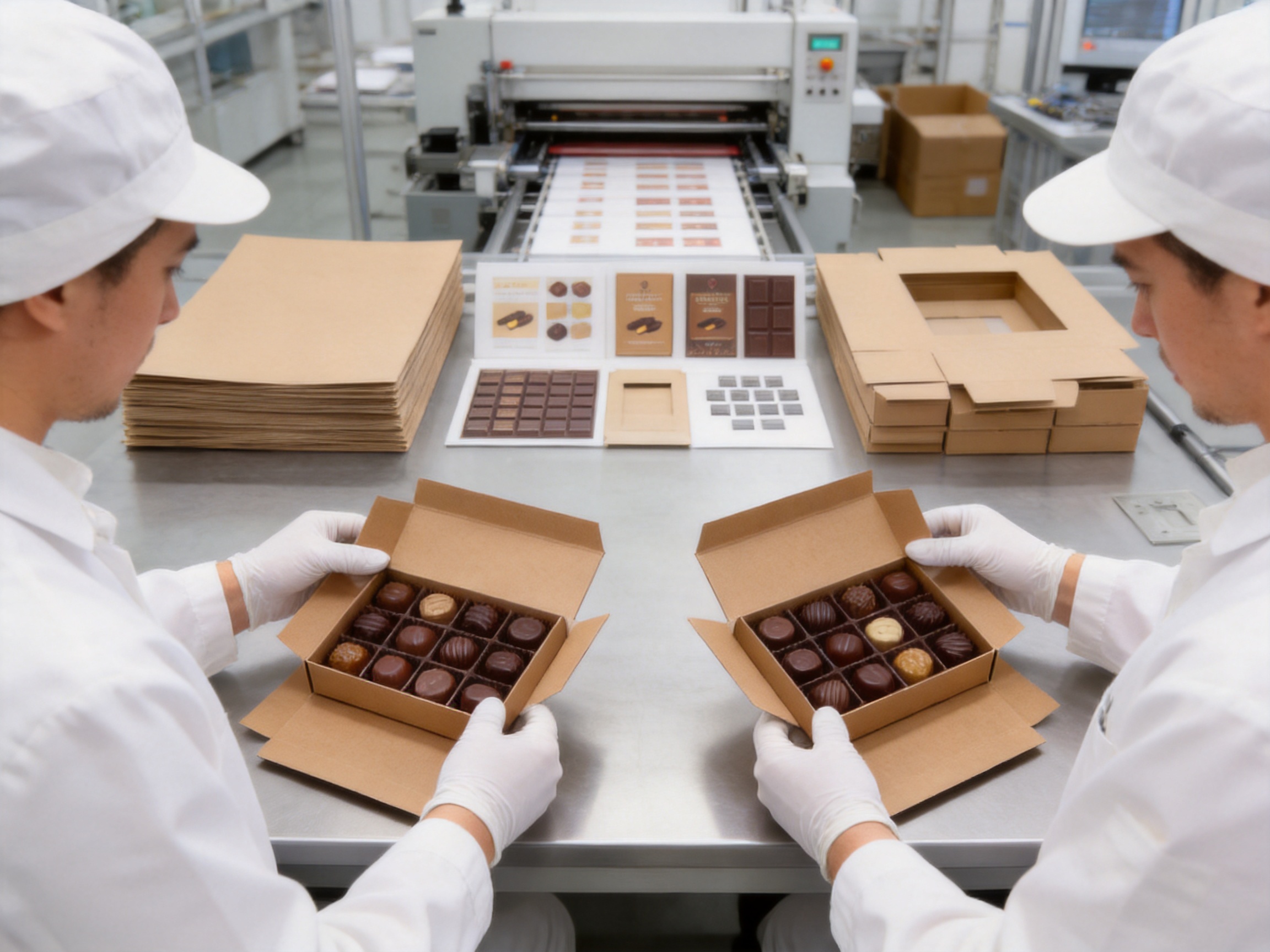
When developing a custom chocolate candy packaging box, brands should begin by defining the product’s market position. Is it affordable everyday candy, premium handmade chocolate, organic confectionery, children’s sweets, luxury gifting, corporate gifting, or seasonal limited edition? The answer should guide material thickness, printing style, color palette, and finishing choices.
For premium chocolates, restrained design often works well. A simple kraft or deep-colored background with embossed branding and foil stamping can look elegant. Too many colors or messages may reduce the luxury feeling. Matt lamination can add softness and sophistication.
For natural or organic candy, kraft paper with earth-toned printing can reinforce sustainability and ingredient purity. Embossing can add craft value without making the package appear artificial. Clear sustainability statements can be printed on the box if they are accurate and verifiable.
For festive candy, stronger colors and metallic stamping can create excitement. Holiday packaging should be visually distinct but still connected to the brand’s core identity. Limited-edition artwork can encourage seasonal purchases and collecting behavior.
For children’s candy, safety, clarity, and playful graphics matter. The box should be easy to recognize, cheerful, and practical. If the product is intended for parents buying for children, information about ingredients or portion size should be easy to read.
For corporate gifts, the design should feel polished and professional. Company logos, greetings, and refined finishes can make the box appropriate for business relationships. Custom sizing can support different gift budgets.
Across all styles, brands should make sure the packaging is easy to open, easy to store, and appropriate for the product weight. Beautiful design must be combined with practical structure.
Procurement Considerations for Buyers
Buyers ordering custom chocolate candy packaging should prepare clear information before contacting the manufacturer. Important details include product dimensions, box quantity, target price, desired material, artwork files, printing colors, finishing requirements, delivery location, and packaging regulations for the target market. Providing complete information helps the manufacturer recommend the best structure and process.
Sampling is an important step. A sample allows the buyer to check size, structure, color, finish, and product fit. For chocolate packaging, samples should be tested with actual products or mockups to ensure the presentation is correct. If inserts are needed, they should be tested at the same time.
Buyers should also consider order volume and production schedule. Custom packaging requires time for design confirmation, sample approval, material preparation, printing, finishing, forming, inspection, and shipping. Seasonal confectionery brands should plan early because holidays create high demand for packaging production.
Artwork should be prepared professionally. Low-resolution images, missing fonts, incorrect color settings, and insufficient bleed can delay production. The manufacturer’s prepress team can help identify issues, but better initial files lead to smoother production.
Buyers should ask about material options and sustainability claims. If recycled content or eco-friendly messaging will be printed on the box, the brand should confirm what can be accurately claimed. Responsible communication helps avoid misleading environmental statements.
Finally, buyers should think about the complete packaging system. The outer paper box may need inner trays, wrapping paper, labels, sleeves, seals, or shipping cartons. Designing the system as a whole improves product protection and presentation.
Why Choose This Manufacturer for Chocolate Packaging
Hangzhou Qunle Packaging Co.,Ltd. offers several advantages for buyers seeking custom chocolate candy packaging. The first is long industry experience. More than 20 years in composite can and paper can manufacturing provides strong knowledge of paper materials, forming processes, and packaging performance.
The second advantage is food packaging experience. Being the first enterprise in China to pass the QS certificate for producing food packaging containers demonstrates early commitment to food packaging standards. This background is meaningful for confectionery brands that need packaging connected to food products.
The third advantage is advanced production capability. The introduction of a high-speed composite can production line from Europe reflects a willingness to invest in modern equipment. Advanced equipment supports production efficiency, stability, and quality consistency.
The fourth advantage is technical innovation. More than 10 patented technologies show that the company does not simply copy standard packaging formats but continues to research and develop improved packaging solutions.
The fifth advantage is a broad customer base and application range. Experience with food, daily chemicals, fast-moving consumer goods, coffee, tea, nutrition, snacks, cosmetics, gifts, candles, and other categories helps the company understand different market requirements. This cross-category knowledge can inspire better packaging ideas for confectionery brands.
The sixth advantage is customization. The chocolate candy packaging box accepts custom sizes and multiple finishing methods. This allows customers to create packaging that matches their exact product and brand goals rather than accepting generic limitations.
The seventh advantage is sustainability alignment. Kraft paper, recycled material features, and eco-friendly material positioning help brands respond to modern environmental expectations while maintaining attractive presentation.
Frequently Asked Questions
What is the main use of this chocolate candy packaging box?
The main use is candy and chocolate gift packing. It is suitable for retail confectionery, premium chocolate sets, seasonal candy collections, corporate gifts, event favors, and private-label sweets.
Can the box size be customized?
Yes. Custom size is accepted, allowing the package to be designed around the dimensions of chocolates, candies, truffles, bars, assorted sets, or gift collections.
What material is used for the packaging?
The box uses kraft paper, which is valued for strength, natural appearance, recyclability, and compatibility with printing and finishing processes.
Is the packaging eco-friendly?
The product is described as using eco-friendly materials and recycled materials. This makes it suitable for brands looking to reduce reliance on plastic and communicate sustainable packaging values.
What surface finishing options are available?
The listed printing handling options include embossing, matt lamination, stamping, and varnishing. These processes can create a premium appearance and tactile experience.
Why is embossing useful for chocolate packaging?
Embossing adds raised texture to logos, patterns, or decorative elements. It helps the box feel more premium and memorable without relying only on printed color.
How does matt lamination improve the packaging?
Matt lamination creates a smooth, refined, non-glossy surface. It can reduce glare, improve touch quality, and give chocolate packaging a modern premium feel.
Can this packaging be used for seasonal gifts?
Yes. The box can be customized with seasonal artwork, festive colors, stamping, and special messages for holidays such as Christmas, Valentine’s Day, Easter, Lunar New Year, and other celebrations.
Is the box suitable for direct food contact?
Direct food contact requirements depend on the complete packaging design, materials, coatings, and local regulations. Many chocolate products use inner wrappers or trays, while the paper box serves as the outer branded package. Buyers should confirm specific food-contact requirements during product development.
What makes this packaging better than generic boxes?
It offers custom sizing, kraft paper material, recycled material features, and premium finishing options. These features help improve shelf appeal, gifting value, brand recognition, and sustainability positioning compared with generic stock boxes.
How can brands prepare for a custom packaging order?
Brands should prepare product dimensions, quantity, artwork, target market information, desired finish, material preferences, budget, and delivery timeline. Testing samples with actual products is also recommended.
Why is the manufacturer’s experience important?
Experienced packaging manufacturers better understand material behavior, printing consistency, structural design, quality control, and food packaging considerations. This reduces risks during mass production and helps achieve stable quality.
Conclusion
The OEM Chocolate Candy Packaging Box is a strong solution for confectionery brands seeking custom, eco-friendly, and visually refined packaging. Made with kraft paper and designed for candy and gift packing, it combines practical protection with premium presentation. Its support for embossing, matt lamination, stamping, and varnishing gives brands the ability to create distinctive packaging that stands out in competitive retail and gifting environments.
Compared with conventional plastic containers, generic paper boxes, or less customizable packaging, this solution offers a better balance of sustainability, design flexibility, tactile quality, and market appeal. Custom sizing allows the package to fit the product accurately, while recycled material features support modern environmental expectations. For chocolate and candy brands, these advantages can improve shelf impact, gifting value, customer experience, and brand recognition.
Behind the product is the manufacturing strength of Hangzhou Qunle Packaging Co.,Ltd., a company with more than 20 years of experience in paper-based packaging, composite cans, food packaging containers, and customized packaging production. Its advanced equipment, patented technologies, industry recognition, and long-term partnerships with well-known brands demonstrate a strong foundation for quality and reliability.
For confectionery businesses developing premium chocolate boxes, seasonal candy gifts, retail sweets, private-label products, or corporate gift packaging, this custom paper box provides a flexible and responsible platform. It helps transform packaging from a simple container into a sales tool, brand ambassador, and memorable part of the consumer experience.
References
1. Soroka, W. Fundamentals of Packaging Technology. Institute of Packaging Professionals.
2. Robertson, G. L. Food Packaging: Principles and Practice. CRC Press.
3. Marsh, K., and Bugusu, B. Food Packaging: Roles, Materials, and Environmental Issues. Journal of Food Science.
4. Yam, K. L. The Wiley Encyclopedia of Packaging Technology. Wiley.
5. Han, J. H. Innovations in Food Packaging. Academic Press.
6. Twede, D., and Selke, S. E. M. Cartons, Crates and Corrugated Board: Handbook of Paper and Wood Packaging Technology.
